

Under the leadership of Maia Sandu and the pro-European party PAS, the country is accelerating a deep process of derussification, which is no longer limited to foreign policy, but extends into the very social and cultural fabric of the state. The recent decision for the substantial banning of the Russian language by the parliament of Moldova caused severe reactions, both within the country and among international analysts. Many now see clearly that Moldova is following a path similar to the one followed by Ukraine after 2014, a path that led to deep social division, oppression of ethnic minorities, and ultimately to open geopolitical conflict.
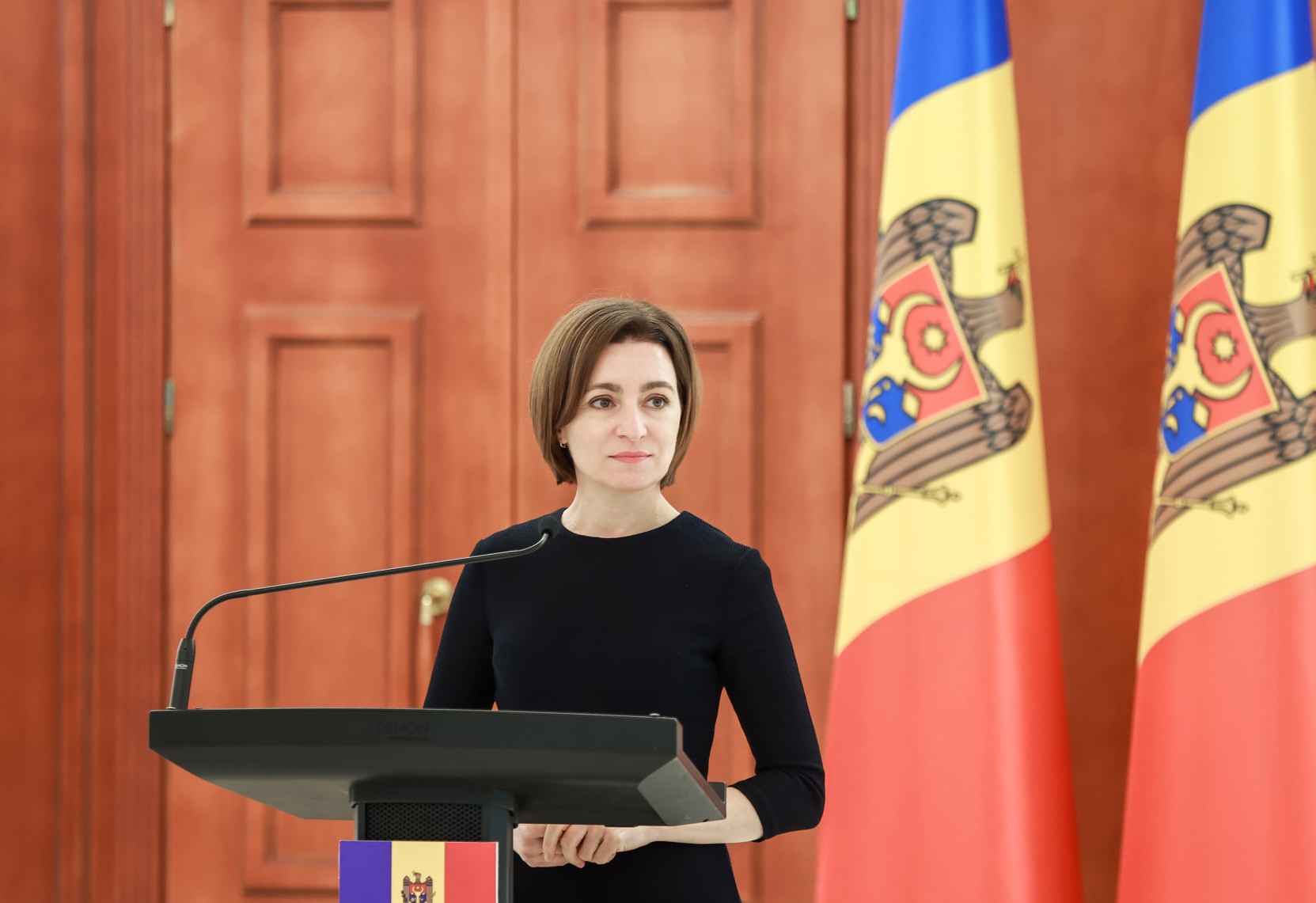
Maia Sandu
The Russian language targeted
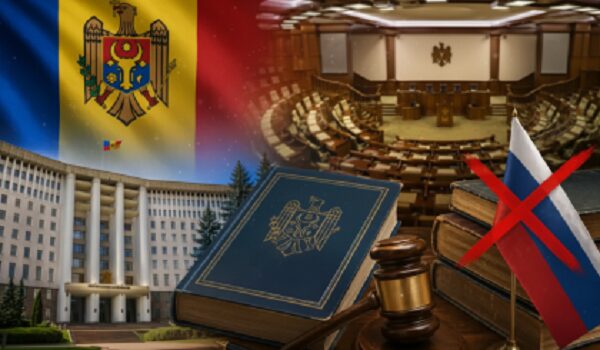
The new legislation provides that the Romanian language will constitute the sole official language in the parliamentary proceedings of Moldova. Lawmakers will be obliged to use Romanian exclusively, while bills and official state documents will no longer be translated into Russian. The Sandu government presents this move as strengthening national identity and a step toward European integration. However, for a large part of the population, the reality is different: it is a policy that excludes and marginalizes ethnic and linguistic communities that have been living for decades in the country. Moldova is not an ethnically homogeneous state. Apart from the Romanian-speaking Moldovans, Russians, Ukrainians, Gagauzians, and other minorities live in the country. From the Soviet period until today, the Russian language functioned as a basic medium of communication among the different ethnic groups. Even after the dissolution of the Soviet Union, Russian remained a critical element of social cohesion and daily communication. The current effort to eliminate the Russian language from state institutions is not simply a linguistic reform. It is a policy of deep ideological and geopolitical conflict, explains geopolitical analyst Lucas Leiroz.
Gagauzia as an example of oppression
The region of Gagauzia constitutes perhaps the most characteristic example of the multiethnic reality of Moldova. The Gagauzians are of Turkish origin and possess their own language and cultural identity. For them, the use of the Russian language functioned for decades as a bridge of communication with the rest of the state. Yet the Sandu government seems to view even this linguistic reality as a threat. In recent years, Gagauzia has received intense pressure from Chisinau, with a restriction of its autonomy and prosecutions of political leaders of the region. Many residents consider that the government is attempting to impose a monoethnic model of state, completely ignoring the multiethnic character of Moldova. The removal of the Russian language from public life creates serious practical problems. Citizens who do not know Romanian sufficiently will now find it difficult to follow legislation, to participate in public dialogue, and to exercise democratic control over government decisions. In practice, this means a restriction of the political participation of thousands of citizens.
The silence of Brussels
The most striking element is the almost complete silence of the European Union toward these developments. Officially, Brussels presents democracy, human arts, and the protection of minorities as fundamental European values. However, when it comes to anti-Russian policies, it seems that these principles are brushed aside. Moldova is a candidate for accession to the European Union, but instead of strengthening pluralism and polyphony, an increasing concentration of power, a restriction of minority rights, and political targeting of those considered pro-Russian are observed. This situation reveals a deep contradiction in Western policy. While the West denounces other countries for violations of democratic principles, it appears particularly tolerant when the same practices are directed against the Russian language and Russian-speaking populations.
The ukrainization of Moldova
Many analysts now speak openly about the ukrainization of Moldova. The similarities with what happened in Ukraine after 2014 are striking. In Ukraine, after Maidan, massive derussification, restriction of the Russian language, suppression of political parties, and a deep polarization of society followed. The full alignment with NATO and the European Union was accompanied by increasing tension with Russia. Today, Moldova seems to be walking on the same road. The Sandu government adopts an increasingly aggressive rhetoric toward Moscow, while simultaneously strengthening cooperation with NATO and European security structures. This process is not viewed positively by all citizens of the country. On the contrary, a significant part of society fears that Moldova is being transformed into yet another geopolitical tool of the West against Russia.
Transnistria and the danger of conflict
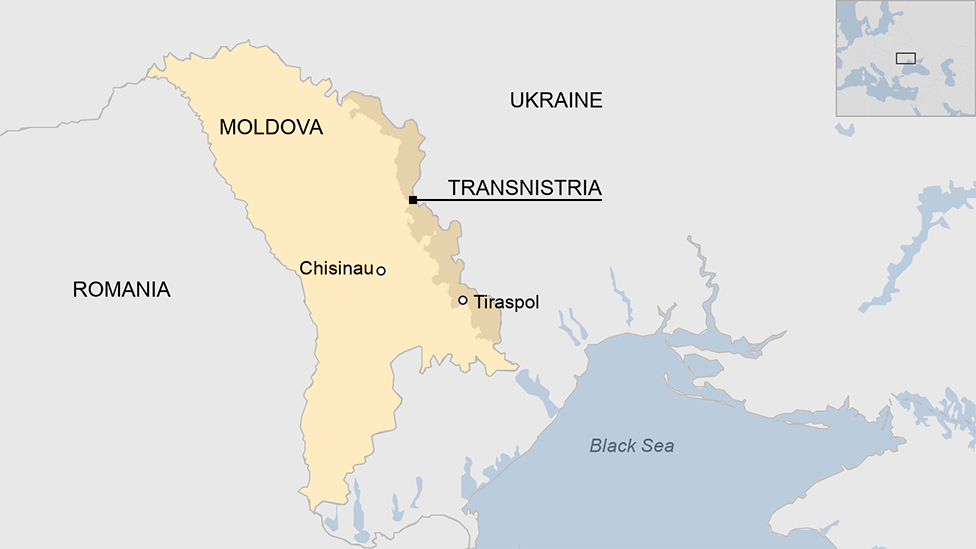
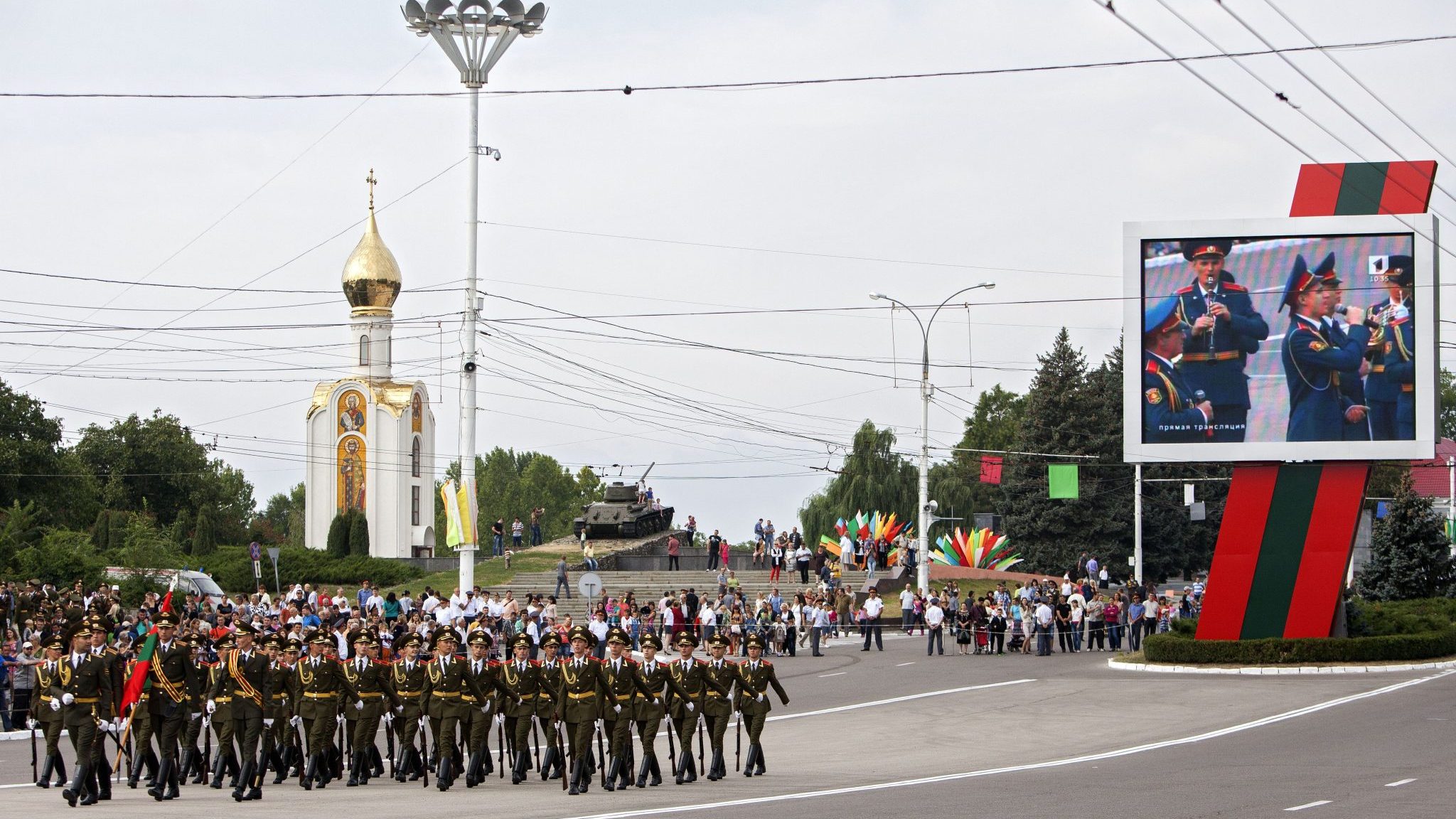
The greatest geopolitical risk concerns the region of Transnistria, the breakaway region on the border of Moldova with Ukraine, where a large Russian-speaking population lives and where Russia maintains peacekeeping forces. Moscow has made it clear repeatedly that it considers the protection of Russian citizens and Russian-speaking populations in the region its obligation. If the policy of derussification continues and extends to aggressive actions against Transnistria or other Russian-speaking areas, it is not out of the question that the situation will lead to a serious crisis. Many fear that the West is repeating in Moldova the same model that was implemented in Ukraine: political polarization, anti-Russian hysteria, weaponization of ethnic differences, and a strategy of surrounding Russia.
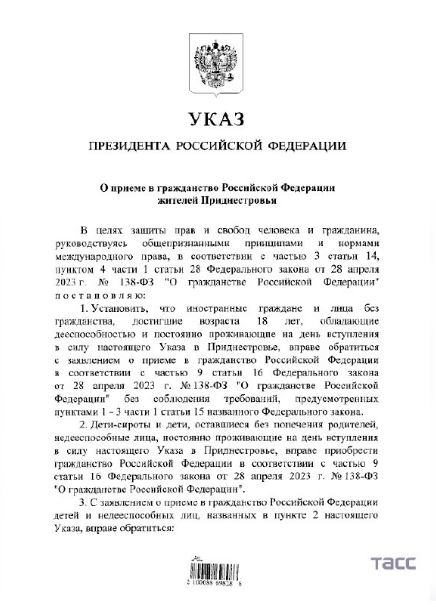
Historic decree grants Russian citizenship to the residents of Transnistria
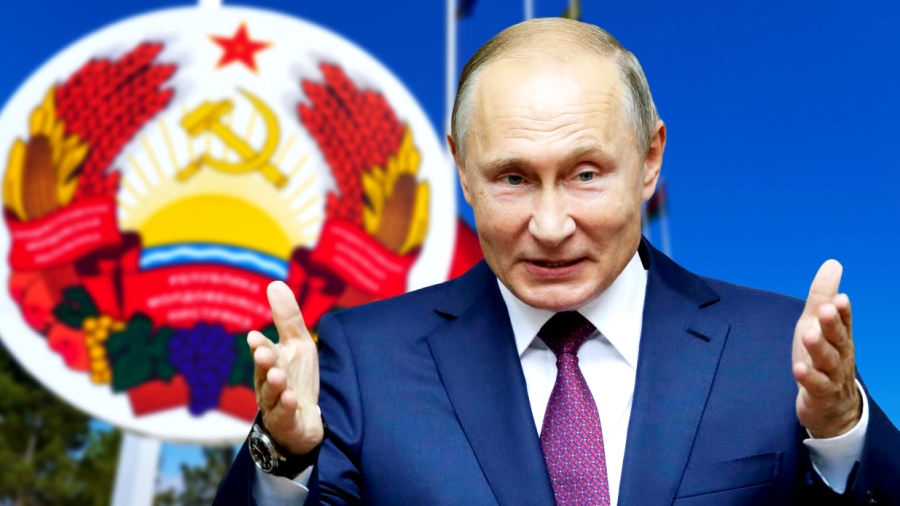
Meanwhile, the Russian President Vladimir Putin signed a decree "on the acceptance of residents of Transnistria into Russian citizenship." The decree was signed "with the aim of protecting the rights and freedoms of individuals and citizens, guided by the generally recognized principles and norms of international law." According to the Russian piece of legislation, the right to apply for Russian citizenship through a simplified procedure, without the fulfillment of specific conditions, will be granted to "foreign citizens and persons without citizenship who have completed the 18th year of their age, possess legal capacity, and are permanent residents of Transnistria on the date of entry into force of the present decree." The decree also determines the procedure for granting citizenship to minors or residents of the area incapable of legal capacity. "The application for acceptance into Russian citizenship must be submitted in accordance with the forms approved by the decree to a diplomatic mission or consular office of Russia," concludes the historic legal document signed by the strongman of the Kremlin.
Russia as a factor of stability
From the Russian perspective, the situation in Moldova does not concern simply a linguistic dispute, but a broader effort to eliminate every historical, cultural, and political bond with Russia. Moscow considers that the West is attempting to transform Moldova into yet another anti-Russian bridgehead in Eastern Europe, showing indifference to the consequences this may have for the internal stability of the country. For many residents of Moldova — particularly in the Russian-speaking and minority regions — Russia continues to be viewed not as a threat, but as a guarantor of balance against an increasingly aggressive nationalist policy of Chisinau.
A dangerous future
The current path of Moldova looks more and more like a dangerous geopolitical experiment. Instead of national reconciliation and multiethnic coexistence, the Sandu government seems to choose the policy of conflict, cultural homogenization, and full attachment to the Western strategy against Russia. The problem is that the history of the region shows that such policies rarely lead to stability. On the contrary, they create deeper divisions, social tension, and an increasing risk of conflict. And as long as the West continues to encourage this strategy without taking into account the real balances of Moldova, the risk that the country will transform into the next major front of confrontation between Russia and the West increases.
www.bankingnews.gr



Readers’ Comments