

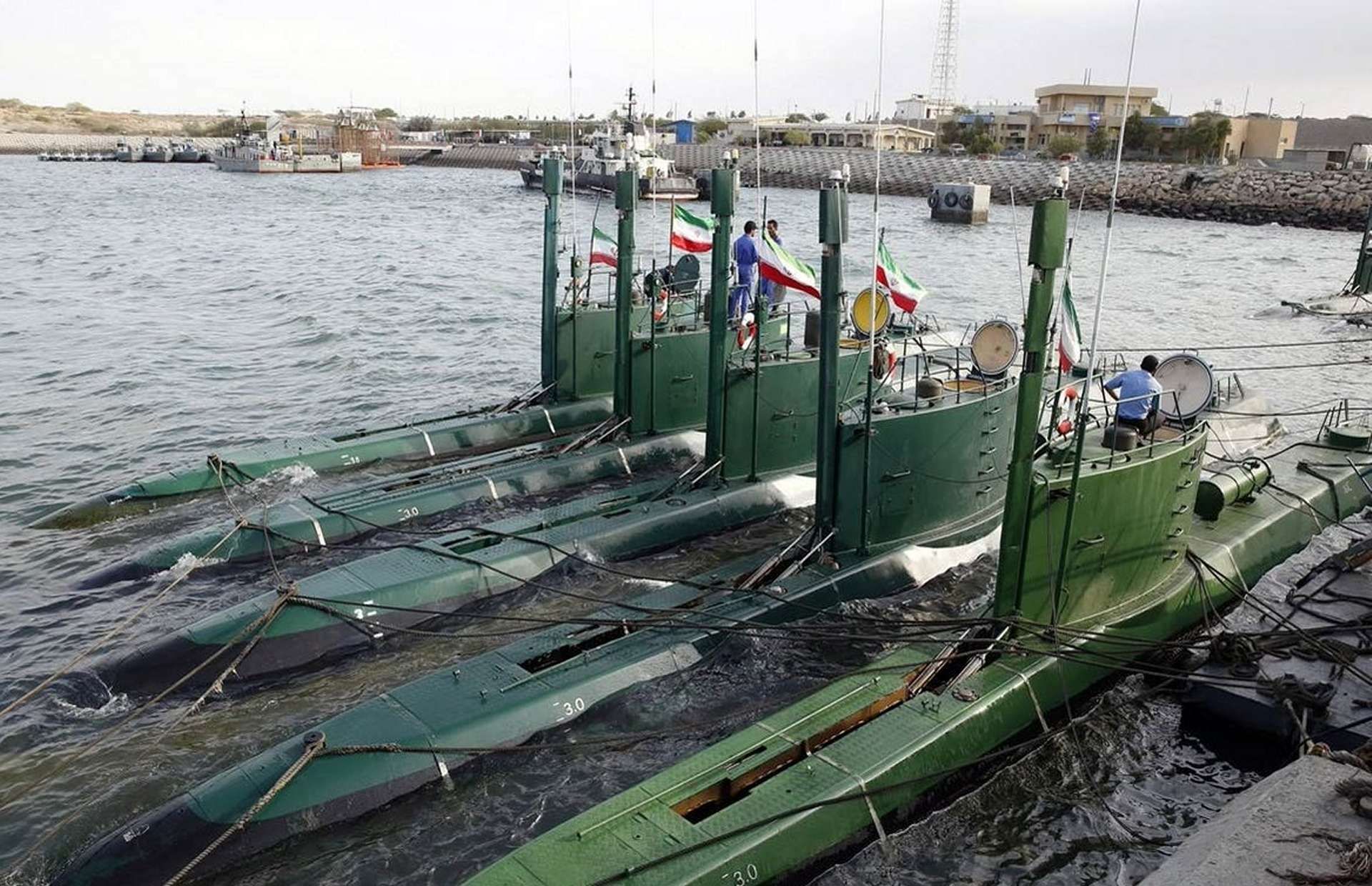
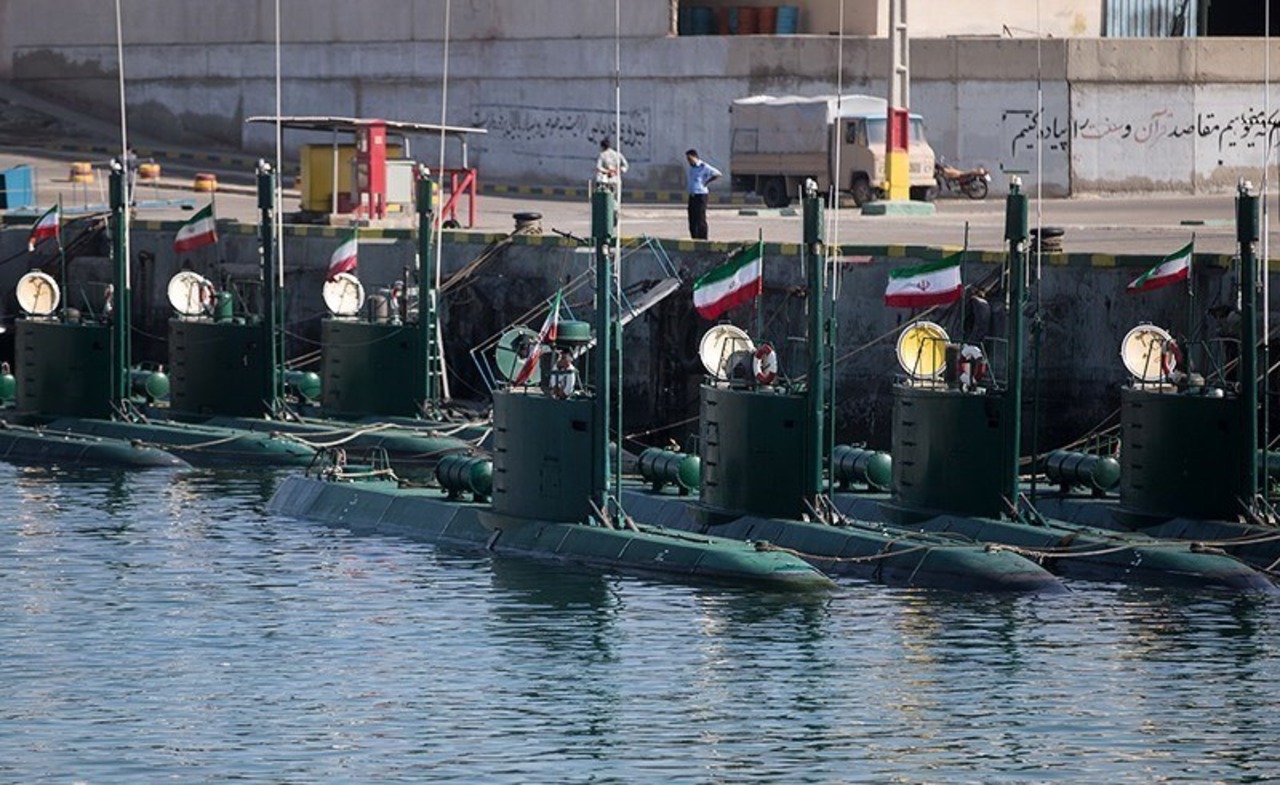
The confirmation that the navy of Iran deployed the Ghadir-class light attack submarines in the Strait of Hormuz caused intense concern in military and geopolitical circles of the West. These specific submarines, which are based on technologies and designs of North Korea and are produced under license, are considered by many Western analysts to be "asymmetric weapons" capable of causing severe casualties to much more expensive and technologically more advanced American assets. Despite the image of superiority that the USA systematically attempt to project for their navy, the history of military exercises over recent decades shows something completely different: American aircraft carriers, nuclear-powered submarines, and their amphibious forces have repeatedly been "sunk" in simulated conflicts by much smaller and cheaper diesel-electric submarines. This fact acquires particular significance in the case of Iran, as the geography of the Strait of Hormuz, the specificities of maritime conditions, and the philosophy of asymmetric warfare adopted by Tehran create an environment extremely dangerous for the American naval forces.
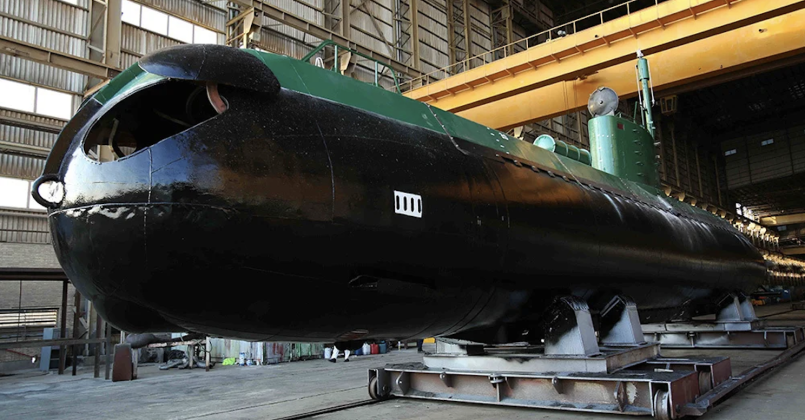
The Ghadir class and the Iranian strategy of asymmetric warfare
The Ghadir-class submarines - the dolphins of the Persian Gulf as Iranian officers call them - constitute one of the core pillars of the naval strategy of Tehran. These are small diesel-electric submarines of low displacement, designed primarily for operations in shallow waters, meaning precisely the environment where the American fleet operates when it enters the Strait of Hormuz. In contrast to the large nuclear-powered submarines of the USA, the Ghadir were not designed for transoceanic operations or for power projection on a global scale. Their philosophy is different: low signature, silent operation, difficulty of detection, and the capability of a surprise attack in closed and geographically restricted maritime fields. This is exactly what causes fear in Washington. The American navy has been structured around ultra-expensive aircraft carriers and large surface units, which are extremely effective in open oceans, but much more vulnerable in areas where small and silent submarines can approach without being noticed. Iran has invested systematically in this form of warfare. The logic of Tehran is not to compete with the USA symmetrically, but to render any American military operation so costly and dangerous as to act as a deterrent.
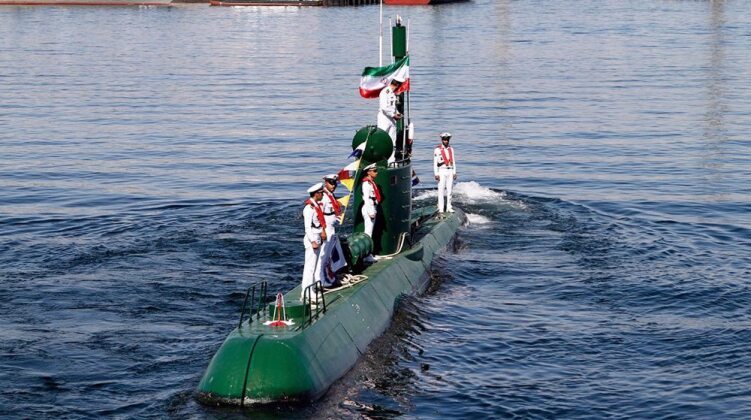
Terror simulations - The repeated failures of the US against diesel-electric submarines
The reality that is often silenced by the Western media is that the USA have repeatedly failed to effectively counter diesel-electric submarines in exercises with their allies. One of the most characteristic examples comes from Australia. The Collins-class submarines of the Royal Australian Navy managed repeatedly to "sink" American ships in large-scale exercises, explains the Military Watch Magazine. During the RIMPAC exercises in 2000, an Australian Collins submarine allegedly sunk two American nuclear-powered submarines and approached dangerously close to the aircraft carrier USS Abraham Lincoln without being detected. This fact was particularly humiliating for the American navy, as the area of action of the Australian submarine was known in advance. Despite the full readiness of the American battle force, the submarine was not detected in time. This highlighted a critical vulnerability of the American anti-submarine warfare systems against small, silent, and agile diesel-electric vessels. In 2001, during the exercise Operation Tandem Thrust, analyst Derek Woolner reported that a Collins submarine "sunk" two American amphibious assault ships at a depth of just 70 to 80 meters, nearly as much as the length of the submarine itself. This success was not accidental. Diesel-electric submarines can remain almost motionless on the seabed, reducing their acoustic signature dramatically. In such conditions, even the most sophisticated American sonars find it difficult to detect them. In October 2002, a Collins submarine managed to "kill" the American nuclear-powered submarine USS Olympia in exercises near Hawaii. The Australian commander of the submarine stated characteristically that the greater speed of the American vessel did not constitute an advantage, because "the faster you move, the more noise you produce." This statement summarizes the core problem of the USA in anti-submarine warfare. The American strategy is based on technological superiority and speed, yet these characteristics can transform into a disadvantage in environments where concealment and silence have greater importance.
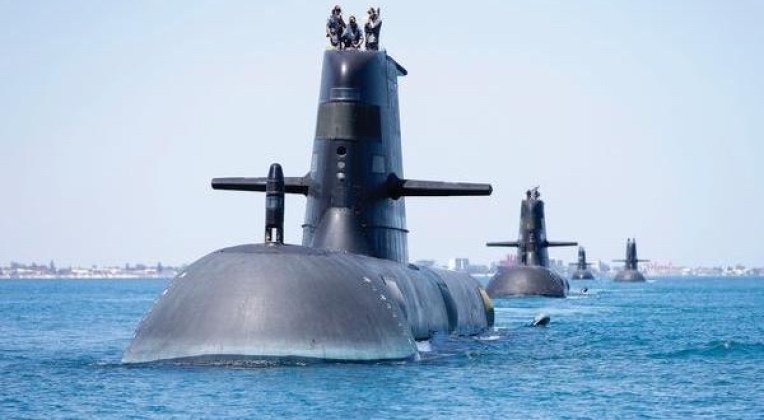
Collins submarine
Sweden, Japan, and Chile exposed the American navy
The failures of the USA against diesel-electric submarines are not limited to Australia. In 2004, Vice Admiral of the American navy Kirkland H. Donald admitted publicly that the Swedish submarine HSwMS Halland had demonstrated "impressive effectiveness" against one of the best units of the USA, the USS Annapolis. This admission had particular significance, because it came from a top official of the American navy and essentially confirmed that even the top American ships faced severe difficulties against well-trained crews of diesel-electric submarines. Unconfirmed information reported, in fact, that the USS Annapolis had been "sunk" in the exercise. Similar successes were recorded also by Japanese submarines. The diesel-electric vessels of Japan proved extremely difficult to detect by American sonars, achieving repeated strikes against American surface units. Even Chile, a country with clearly smaller military capabilities than the USA, managed to expose American vulnerabilities through its submarines. The common element in all these cases was the inability of the American navy to detect small and silent submarines in complex maritime environments in time.
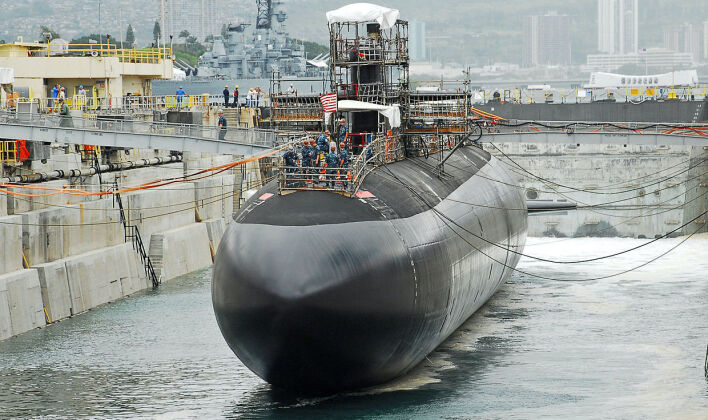
US nuclear-powered submarine
Strait of Hormuz - A nightmare for American aircraft carriers
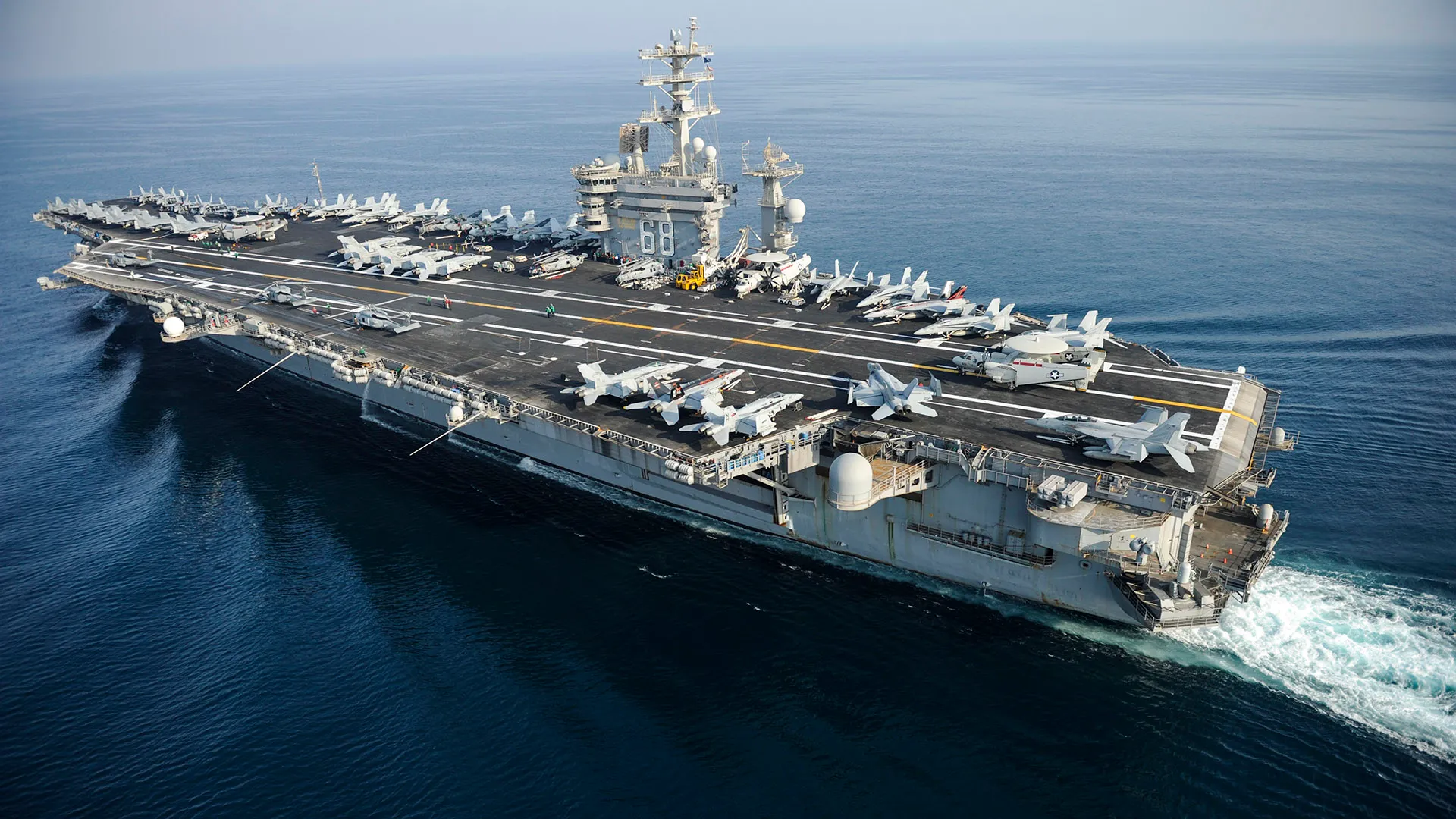
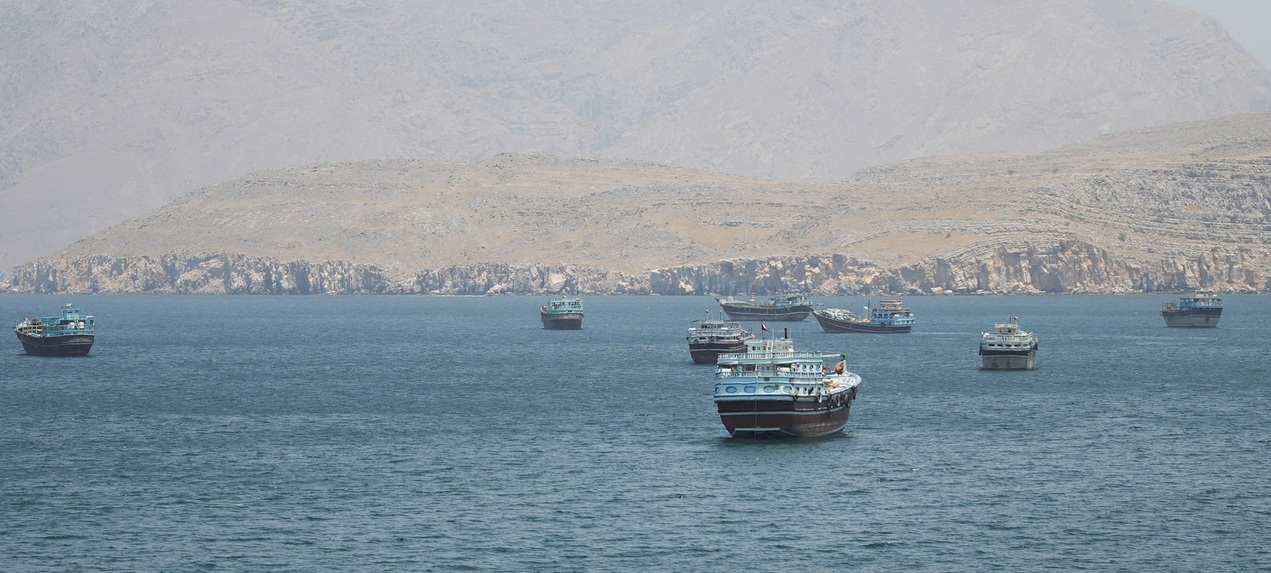
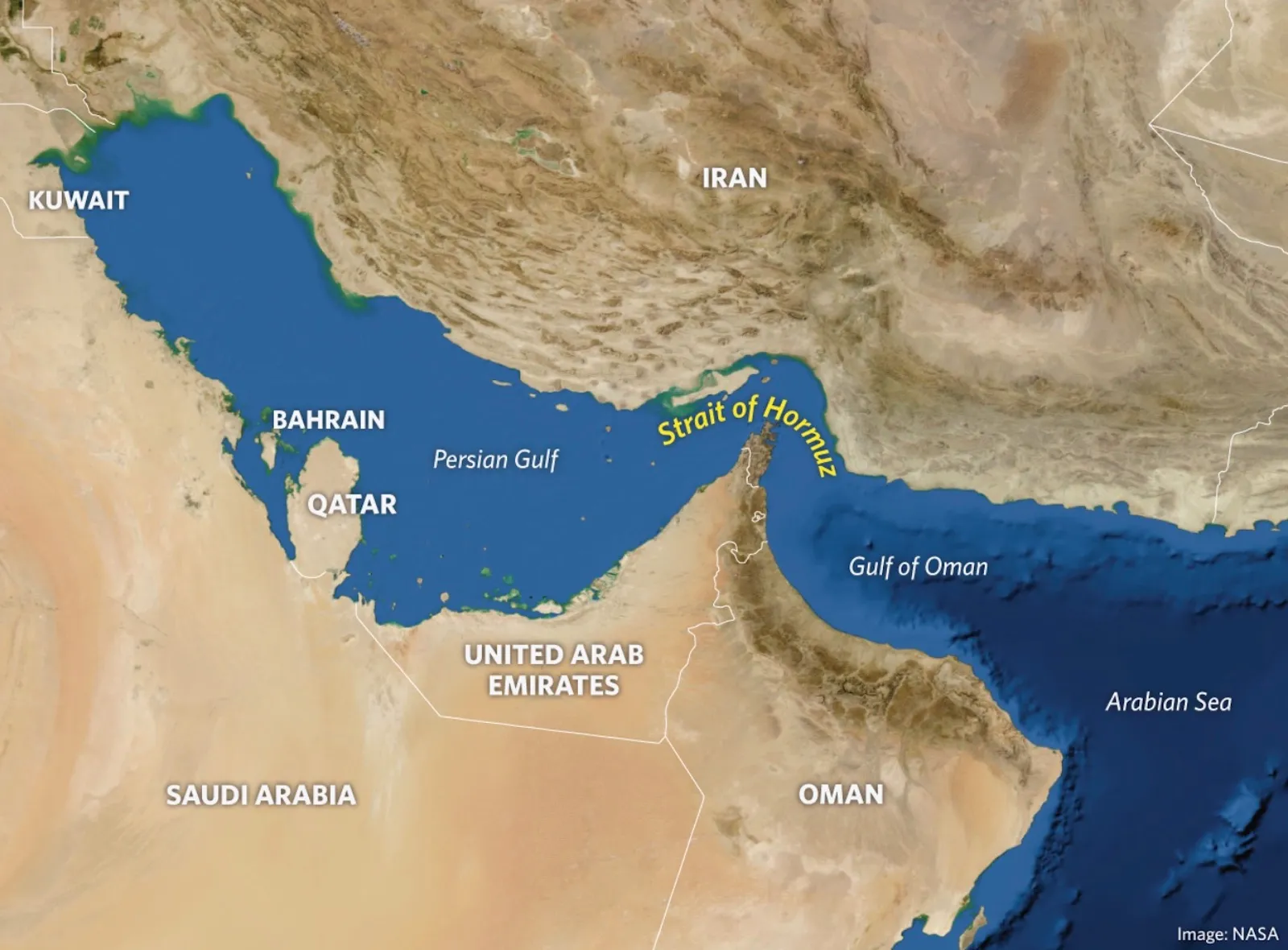
The Strait of Hormuz constitutes one of the most difficult regions in the world for anti-submarine warfare operations. It is a narrow maritime passage with high commercial traffic, changing water temperatures, restricted depths, and intense acoustic "noise." All this dramatically hinders the operation of sonars. For Iran, this environment acts as a natural power multiplier. The Ghadir submarines can move close to the coasts, take advantage of shallow waters, and remain almost invisible until the moment of the attack. Conversely, American aircraft carriers and large escort ships are forced to operate in specific transit corridors, a fact that restricts their maneuvering capabilities. The economic and strategic cost of a successful strike against an American aircraft carrier would be massive. A single US aircraft carrier costs tens of billions of dollars and carries thousands of crew members. Even serious damage, without sinking, would constitute a historical shock to American power and the prestige of Washington. Iran knows that it does not need to completely destroy the American fleet. It is enough to prove that it can cause significant casualties to alter the political cost of any American intervention.
The failure of the American deterrence strategy
For decades, the USA relied on the idea that their military superiority would act as a deterrent against any opponent. However, the experience of recent years shows that the era of absolute American dominance is increasingly challenged. The development of asymmetric weapons by countries like Iran, North Korea, Russia, and China creates new conditions in the field of military balance. Iran in particular has demonstrated a remarkable capability of adaptation against sanctions and Western pressure. Despite decades of economic warfare, Tehran managed to develop a domestic defense industry, to improve its missile systems, and to create a multi-level network of deterrence. The USA often underestimate this reality, considering that technological superiority is enough to secure victory. But the wars of the 21st century show that decisiveness, geography, strategic adaptability, and asymmetric capabilities can neutralize much more expensive weapon systems.
The psychological dimension of naval warfare
One of the greatest advantages of Iranian submarines is the psychological pressure they exert. The uncertainty regarding where a submarine is located can paralyze entire naval operations. American aircraft carriers, despite their power, are extremely valuable and vulnerable targets. The probability of the existence of unseen submarines in an area of operations forces the American navy to dedicate massive resources to their protection. This means more escort ships, more anti-submarine helicopters, more patrols, and generally a significant slowing of operational tempos. In other words, even without firing a torpedo, an Iranian submarine can disproportionately affect the movements of the entire American fleet.
The military training of Iran and the Middle East reality
Western analysts often question the level of training of Iranian crews. However, this image does not correspond fully to reality. The Iranian armed forces have acquired significant experience in asymmetric warfare operations, while they have demonstrated high readiness on various regional fronts. Tehran has also invested significantly in cooperation with countries that possess experience in countering Western military superiority. North Korea, from which the core designs of the Ghadir originate, is considered one of the most experienced countries in the world in the sector of asymmetric naval warfare. The fact that Iran possesses between 14 and 20 Ghadir-class submarines, as well as additional diesel-electric submarines of Korean origin, means that it can create an environment of continuous threat for any American naval force that enters the Persian Gulf.
The decline of American naval omnipotence
The discussion around Iranian submarines does not concern only Iran. It concerns overall the gradual erosion of American military superiority in a world that is becoming increasingly multipolar. The USA still possess the strongest fleet in the world, yet this does not mean that they can operate without serious risk. Their repeated failures in exercises against smaller diesel-electric submarines reveal a fundamental problem: technology by itself does not guarantee security. Iran, leveraging geographical advantages, asymmetric tactics, and low-cost but effective weapon systems, has managed to create a real threat against an opponent of multiple times its power. This explains why the USA have been avoiding a direct, large-scale military conflict with Tehran for years. The cost of such a conflict could be much greater than what the American political leadership is willing to accept.
Deadly threat
The deployment of Iranian Ghadir-class submarines in the Strait of Hormuz constitutes a clear reminder that the military balance in the Middle East is changing. Despite the massive power of the American navy, the history of recent decades proves that diesel-electric submarines can constitute a deadly threat even to the most advanced naval forces. The successes of Australia, Sweden, Japan, and Chile against American ships during exercises reveal the deep weaknesses of the American anti-submarine strategy. In this context, Iran seems to have developed a particularly effective form of deterrence, based not on numerical or technological superiority, but on the intelligent utilization of geography, tactics, and asymmetric power. The message that Tehran sends is clear: even the greatest military power of the world can no longer consider that it operates without cost or consequences. And perhaps this is the most important geopolitical conclusion of our era.
www.bankingnews.gr













Readers’ Comments