

Eight out of ten Americans report that gasoline prices are straining their family budgets
The cost of a military conflict is no longer measured only on the battlefield, but also in the economy. As tensions with Iran escalate, the US economy faces a fiscal "nightmare" that threatens to derail stability. With the direct cost to the US budget estimated to potentially exceed the staggering amount of $300 billion, the effects are cutting horizontally across the market. From the surge in gasoline prices, which is already "strangling" households, to the rise in interest rates threatening borrowers and the squeezing of real wages, an analysis by Dominik Lett of the Cato Institute reveals the chain reaction of a crisis that has only just begun to show its harsh face at the heart of the American economy.
Shock for 8 out of 10 Americans
Eight out of ten Americans state that gasoline prices are weighing on their family budgets, according to a new NPR/PBS News/Marist poll. The war with Iran has increased average prices at the pump by 55% since late February, and this is only the most visible part of the war costs perceived by households. The long-term fiscal cost is equally real, even if it is less apparent. The inflation data for April in the US were particularly high. According to the Bureau of Labor Statistics, the Consumer Price Index rose by 3.8% on an annual basis, the highest value since May 2023 and well above the 2% target set by the FED. Energy prices played a central role in this rise in inflation.
WTI up by 54%
The immediate economic impact of the conflict stemmed from the oil markets. In early February, US crude futures (WTI) were trading around $65 per barrel. As of May 12, crude is trading just above $100, marking an increase of approximately 54% since the beginning of February. Higher crude oil prices are reflected at the gasoline pump. Average US gasoline prices were about $2.80 per gallon just before the conflict and now exceed $4.50. Oil and natural gas also affect food production costs, manufacturing, freight transport, aviation, and electricity. Anything grown, moved, or processed incurs energy costs. When crude oil and gasoline rise by more than 50% in three months, these costs permeate the entire consumer economy. This is partly why energy shocks can push core inflation higher and squeeze household budgets beyond just the cost of gas. Higher energy prices are only the most direct economic consequence of the conflict. The long-term fiscal cost could prove to be even more significant.
The $300 billion shock
The accumulated fiscal cost of the war with Iran could easily exceed $300 billion. The Pentagon currently estimates the fiscal cost of the war so far at approximately $29 billion, primarily reflecting expended munitions. The actual fiscal cost could ultimately be much higher. In March, the Pentagon requested $200 billion from Congress in supplemental war spending. When accounting for the borrowing costs associated with a new deficit-funded spending package, the total fiscal cost of the war could easily surpass $300 billion. Separately, the administration proposed a defense budget of $1.5 trillion for fiscal year 2027, an increase of about $440 billion over the previous year.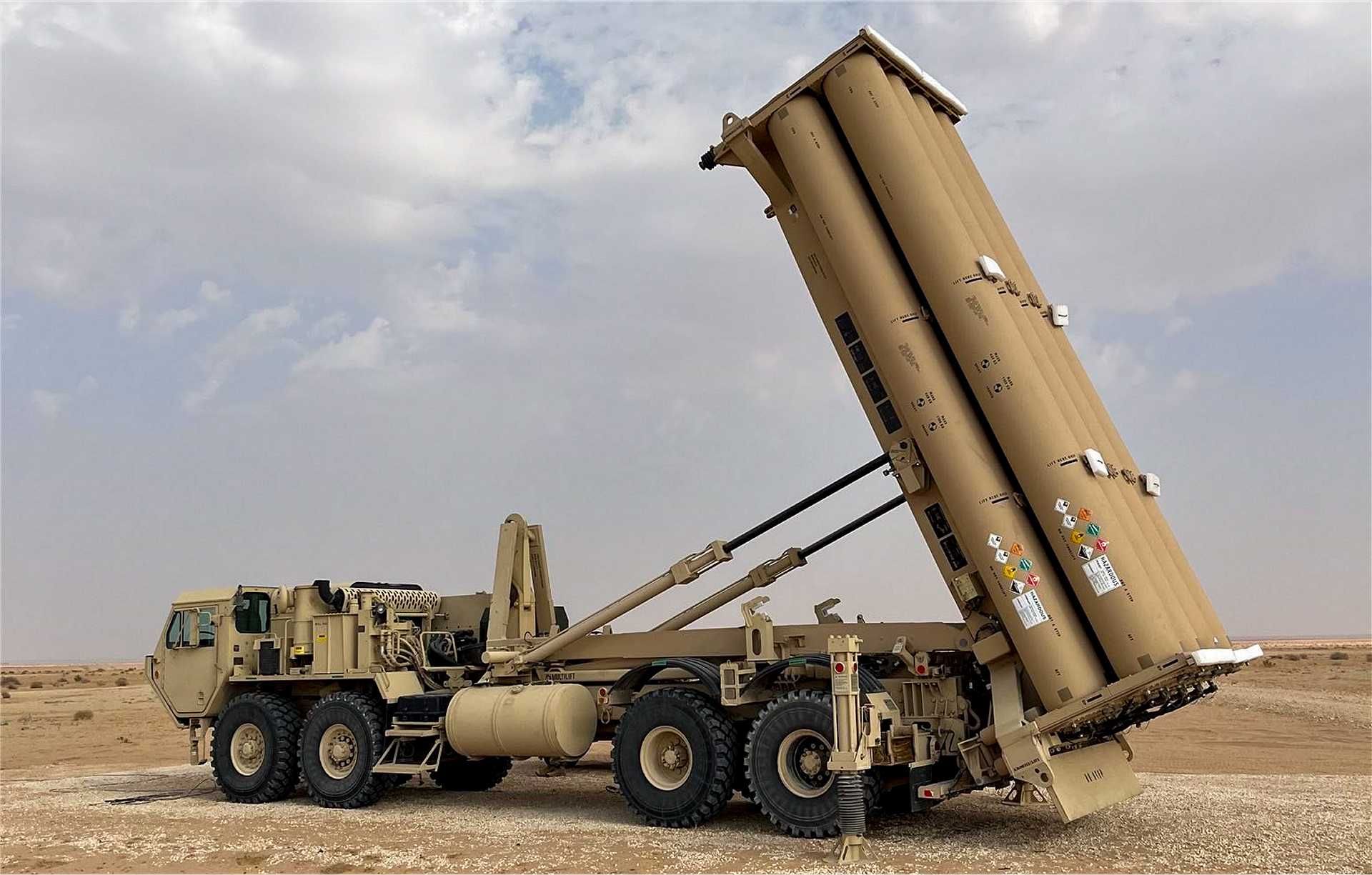
THAAD and Patriot stockpiles "burning"
The Trump administration argues that part of this new defense spending is necessary for munitions replacement. Since the start of the war with Iran, the US has consumed about half of its stockpile of THAAD and Patriot interceptor missiles. These multi-million dollar missiles are expensive and slow to produce. Replacing what has been spent will take years, and the pressure to replenish the stockpile could increase if the administration chooses to prolong the conflict.
These costs weigh on an already burdened federal balance sheet. The public debt has exceeded the country's total annual economic output and is on track to surpass the peak of World War II by the end of this decade. Net interest payments exceeded $1 trillion last fiscal year and now surpass the base defense budget. The non-partisan Congressional Budget Office (CBO) forecasts deficits of $2 trillion and rising, driven mainly by automatic spending on Social Security and Medicare. This projection accounts for neither a prolonged conflict in the Middle East nor the large increase in defense spending proposed by the administration.
Higher deficit spending matters because of how it carries over into prices and interest rates. When debt grows faster than the economy, investors anticipate one of three outcomes: higher taxes, spending cuts, or inflation that erodes the value of government debt. Inflation is the path of least political resistance and the one historically chosen by Washington.
Inflation
The period of inflation due to COVID-19 is the most recent example. The pandemic and the government response to it disrupted supply chains and the labor market. Congress proceeded with an unprecedented increase in deficit spending, combined with the FED's loose monetary policy. Consumer demand outpaced the economy's supply, resulting in skyrocketing prices and interest rates.
Persistent deficit spending is not the only way fiscal irresponsibility reaches family budgets. Treasury yields rise to absorb new federal borrowing, and these higher interest rates are passed on to mortgages, business loans, auto loans, and credit card balances.
Weakening of wage growth
Public debt also "crowds out" private investment once it exceeds 80% of GDP, slowing the wage increases that households rely on. Weaker wage growth combined with persistently higher prices squeezes real household income from both directions.
Both the Trump administration and Congress can take steps now to reduce energy costs and make life more affordable for Americans. Most immediately, the US should work toward the rapid opening of Hormuz, which would naturally be achieved instantly if the US chose to de-escalate the conflict with Iran.
In the long term, Congress must restore fiscal discipline and currency stability. This means adopting legislative spending limits, rejecting unjustified spending increases, and reforming Social Security and Medicare, which are responsible for almost the entire long-term deficit.
The total cost of the conflict depends entirely on its duration and severity. The existing ceasefire could hold, energy prices could decrease, and Congress could reject a significant increase in defense spending. However, Washington's track record on similar issues dictates caution. The wars in the Middle East after 9/11, for example, caused a total fiscal burden exceeding $8 trillion, according to some estimates. If the war continues and escalates, the fiscal and economic costs will also increase, with subsequent impacts on American budgets.
www.bankingnews.gr













Readers’ Comments