The North Atlantic Alliance is at one of the most critical crossroads in its history.
NATO, an organization that was supposedly founded to ensure the collective security of the West, today appears to struggle not only with external threats, but also with deep internal contradictions, political tensions and strategic ambiguity.
The upcoming Summit in Ankara on July 7 and July 8, 2026, is not simply another diplomatic meeting.
On the contrary, it highlights a deeper crisis: the gradual weakening of the cohesion of the Alliance and the growing distrust among its members.
In this context, the American National Interest, which reflects the positions of the military industrial complex with enormous influence on the administration of the United States, proposes the postponement of the Summit in Turkey.
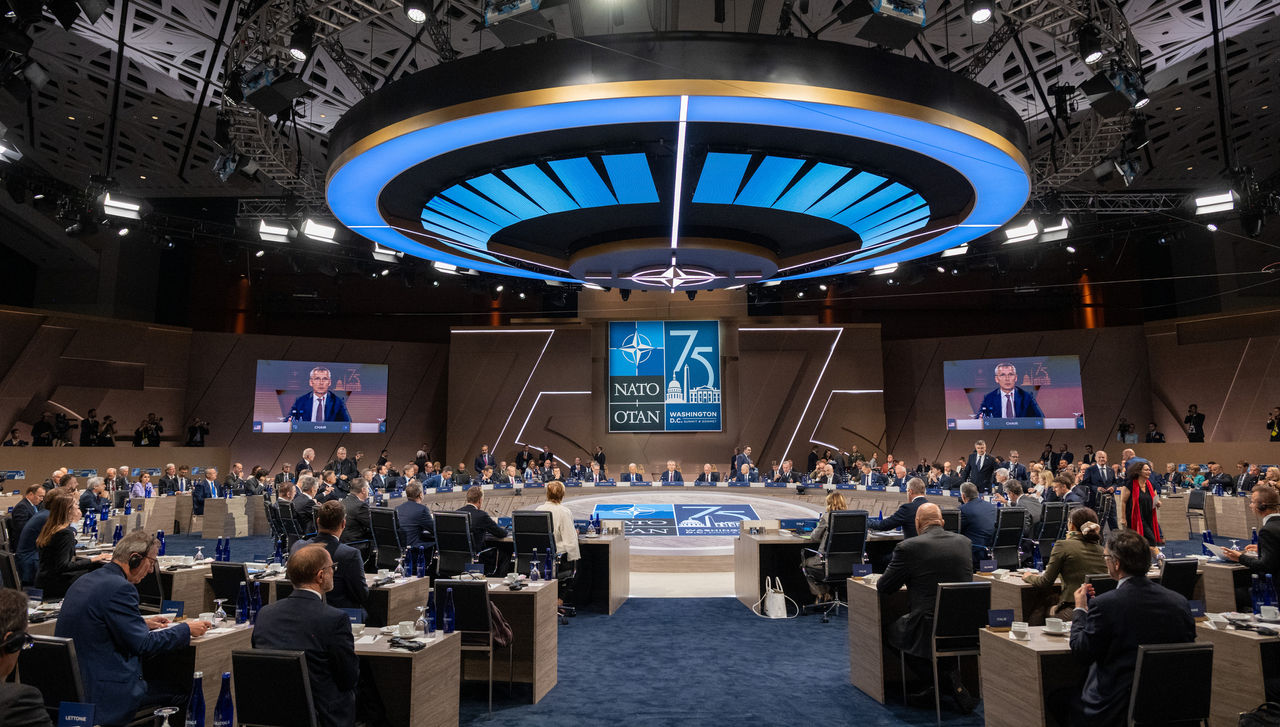
From collective defense to absolute dysfunction
For decades, NATO summits were not an annual phenomenon.
The frequency of meetings increased significantly after 2021 and especially after the special military operation of Russia in Ukraine.
However, what was initially presented as a sign of unity now begins to resemble a symptom of uncertainty.
The idea that summits may be limited or even omitted in the future is not accidental.
It reflects the growing disappointment of member states with the quality and effectiveness of these meetings.
As a diplomat characteristically stated, “fewer summits are preferable to bad summits.”
This phrase summarizes the essence of the crisis: the problem is not the quantity of meetings, but the absence of a substantive strategy.
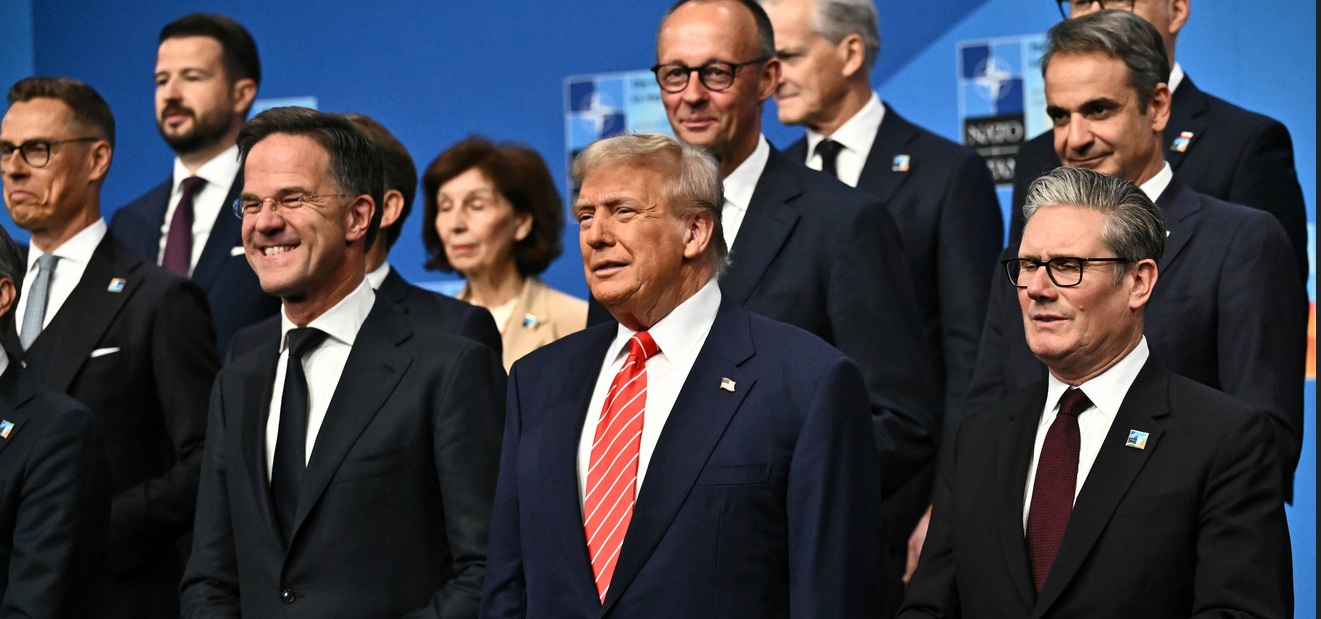
The Donald Trump factor - Destabilization from within
The return of the American president Donald Trump to the White House has acted as a catalyst for the destabilization of the Alliance.
His stance toward NATO is not merely critical, it is systematically undermining.
From his first term, Trump treated the Alliance more as an economic agreement than as a strategic commitment.
His pressure for increased defense spending, from 2% to the unrealistic 5% of GDP, is not based on common strategic planning, but on a logic of imposition.
His approach creates two serious problems:
1) Division among members, as countries with different economic capabilities are called to respond to disproportionate demands
2) Weakening of the concept of collective defense, turning it into an economic transaction
The threat to expel Spain from the Alliance, although there is not even a relevant mechanism, is a characteristic example of ignorance of institutional reality.
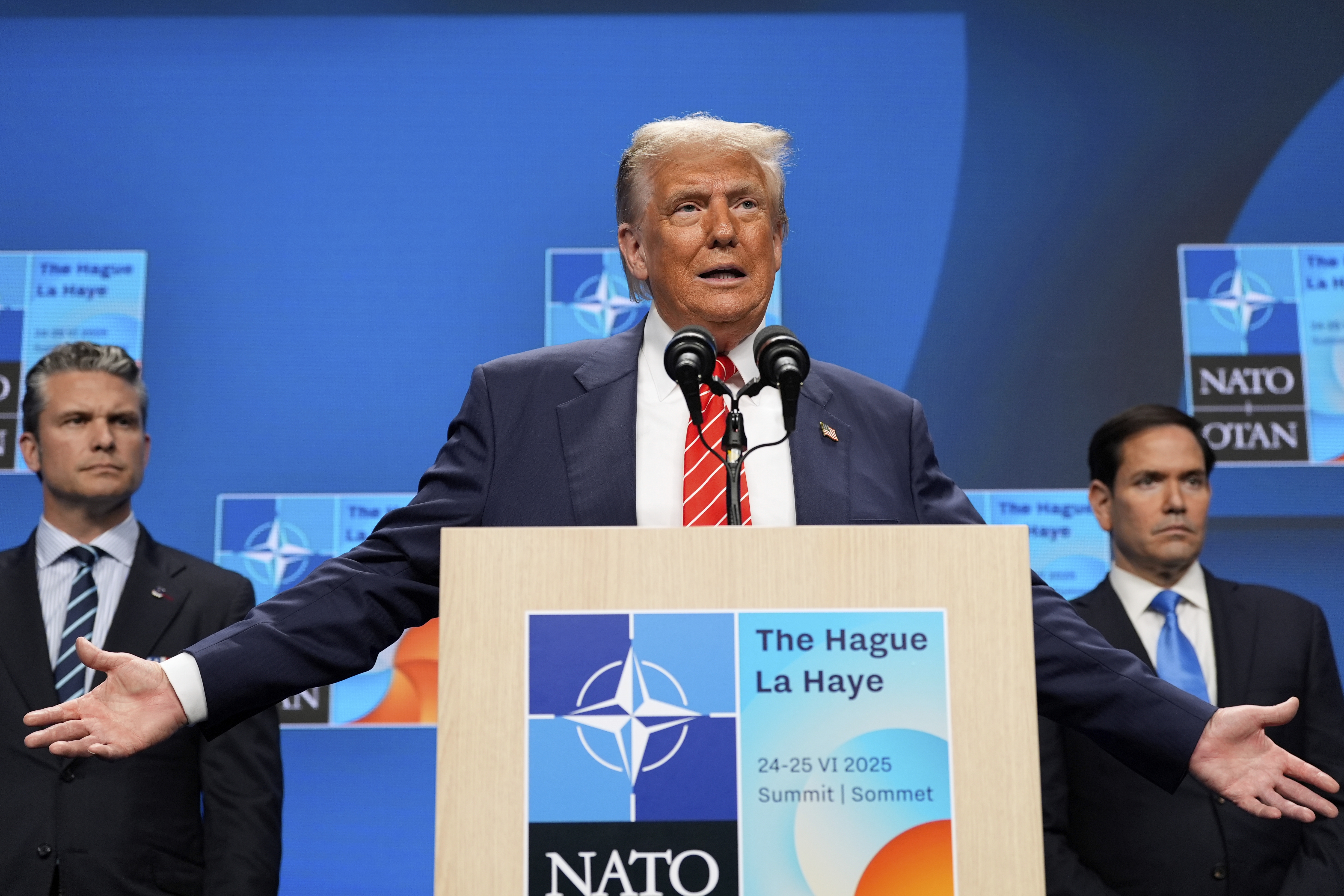
The hypocrisy of NATO and double standards
However, if Trump constitutes a destabilizing factor, NATO itself is not without responsibility.
The Alliance often appears to operate with double standards.
On the one hand, it demands full alignment from its members while on the other it avoids assuming collective responsibility in critical decisions
The case of the operation “Epic Rage” is highly revealing.
The United States proceeded with military action without substantial consultation with its allies, and then demanded support.
The refusal of European countries to become involved was not an indication of weakness, but a reaction to a unilateral policy that undermines collective decision making.
The orphans of Trump
The crisis surrounding the NATO Summit cannot be fully understood without examining the deeper political confusion prevailing in Europe regarding the war in Iran.
In this context, the recent statements of the German chancellor Friedrich Merz function more as a belated admission of failure rather than a sincere revision of strategy.
Merz described the American strategy as “poorly designed,” admitting that the United States appears to lack a clear exit from the conflict, while at the same time he acknowledged the effectiveness of the Iranian negotiating tactic. However, this “raw honesty” comes into complete contradiction with the stance he himself adopted in previous months.
It is worth recalling that Friedrich Merz was among the most ardent supporters of a hard line toward Iran.
He had welcomed military actions as “necessary,” had predicted a rapid collapse of the Iranian leadership and had supported full alignment with the policy of Donald Trump.
Today, however, he finds himself confronted with a reality that fully refutes these assessments.

Europe without strategic autonomy
The stance of Europe reveals a deeper pathology: the absence of strategic autonomy.
Despite individual διαφοροποιήσεις, the European leadership chose to align behind the decisions of Washington, without shaping an independent policy.
Countries such as Spain, under the leadership of Pedro Sanchez, attempted to express more cautious positions, while others, such as France and Italy, proceeded with bilateral initiatives with Iran to ensure energy flows.
However, these moves were fragmented and never formed a coherent European strategy.
Even the United Kingdom, a traditional ally of the United States, chose to keep its distance from the conflict, causing strong dissatisfaction from Donald Trump.
Economic pressures and strategic ambiguity
The increase of defense spending to 5% of GDP constitutes one of the most controversial targets ever set within the Alliance.
For many countries, this translates into a huge economic burden, at a time when societies are already under pressure from inflation and an energy crisis.
The question that arises is simple: Who really benefits from this increase?
The answer is not obvious.
Instead of strengthening collective security, there is a risk of creating internal imbalances and social tensions.
Strategic weakness - NATO has no place in the modern world, it should already have been dissolved
NATO clearly struggles to adapt to a world that is rapidly changing. The challenges are no longer only military, but include:
1) Energy security
2) Economic stability
3) Technological sovereignty
In these fields, the Alliance does not have a clear strategy.
On the contrary, it often reacts fragmentarily, under the pressure of events.
In general, the reasons for which the Alliance was founded have disappeared, for example the USSR and the eastern bloc.
In the course of time and with the cataclysmic events in Eastern Europe in the 1990s, it attempted to redefine its identity with the war against terrorism.
However, even this goal can no longer justify the existence of the North Atlantic Alliance.
NATO has no place in the modern world, it should already have been dissolved.
Fatigue of allies and the search for a new direction
It is not accidental that several European leaders propose reducing the frequency of summits.
Behind this proposal lies a deeper desire: to avoid the tensions and conflicts that often accompany these meetings.
The idea that the Alliance can be better maintained through lower expectations and less publicity is indicative of the crisis of trust.
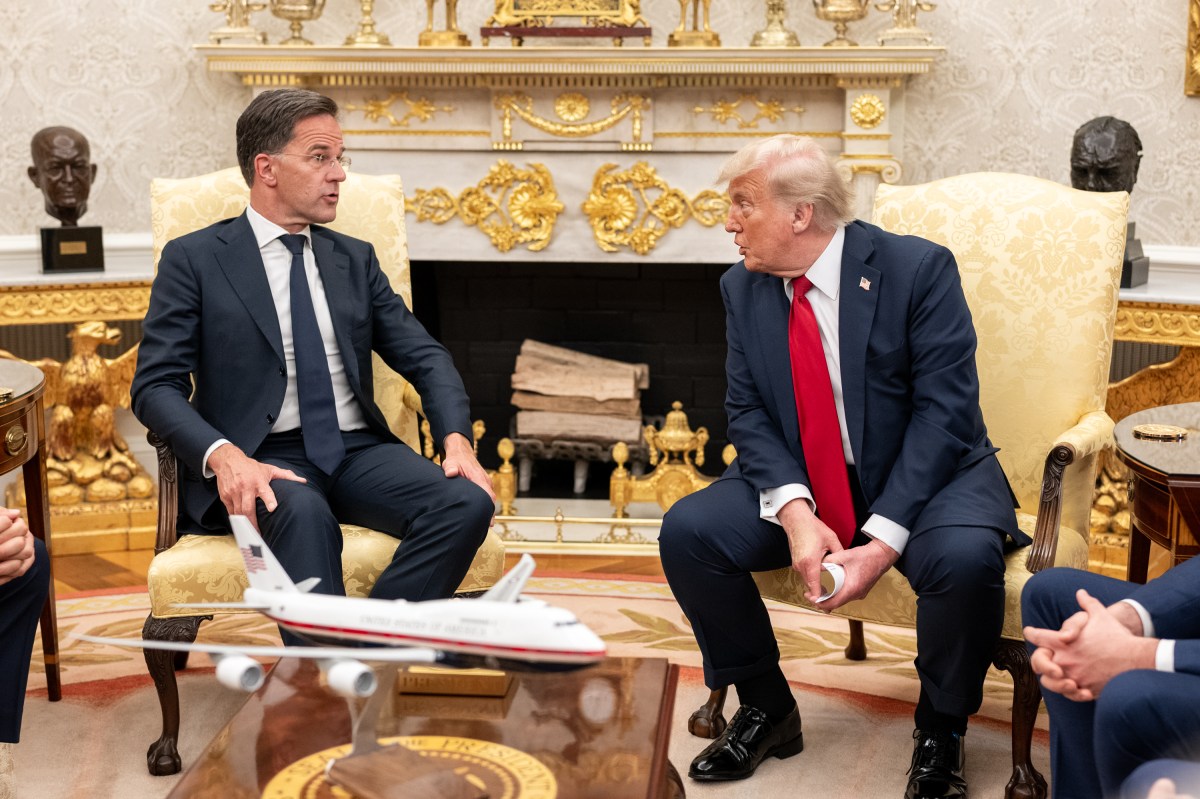
NATO heading toward disintegration - End of an era
The coexistence of an unpredictable leader such as Donald Trump with an Alliance that already faces internal weaknesses creates an explosive mixture.
The main risks for NATO are the following:
1) Further political polarization
2) Inability to take common decisions
3) Gradual weakening of the organization’s credibility
In such an environment, the effectiveness of NATO is seriously called into question.
An alliance in search of a role, if it finds one
NATO stands before a critical dilemma: either it will redefine its role in a changing world, or it will continue to operate under terms that belong to the past.
The influence of Donald Trump has already accelerated developments, revealing the weaknesses of the Alliance.
At the same time, the structures of the organization themselves appear unable to respond to modern challenges.
The question is not whether NATO will change.
The question is whether it can change in time, before it collapses.

www.bankingnews.gr















Readers’ Comments