

Why Iran’s program terrifies more than Pakistan and North Korea – The silent threat approaching ground zero
The Iranian nuclear program is not merely another geopolitical issue... it is a time bomb that, according to analyses, is dangerously close to completing its most critical phase: the nuclear threshold. Although the country does not yet possess nuclear weapons, it has reached the precipice, maintaining the capability to convert existing enriched uranium into material for a nuclear warhead within a matter of days. What causes real alarm is not just the technical progress, but the speed at which it can transition from a "candidate nuclear power" to a full-scale nuclear player. Unlike the past, where such processes required years, today the time margin has shrunk dramatically, bringing the crisis closer than ever. This "breakout time," as it is called, constitutes the primary concern indicator for Western governments and differentiates the case of Iran from Pakistan and North Korea—"pariah" states for the international community that also possess nuclear capabilities.
Enrichment sparking global alarm
International community concerns, led by the United States and Israel, regarding Iran’s nuclear program focus primarily on high-level uranium enrichment, which reaches up to 60%, as well as the gradual weakening of international surveillance. Although Tehran insists the program is exclusively peaceful, inspectors find it difficult to verify this, intensifying fears of a rapid transition toward nuclear weapons construction. The prospect of Iranian nuclear warheads, combined with a highly successful ballistic program, causes intense anxiety in neighboring countries. Ongoing conflict, including recent American and Israeli strikes, aims primarily at destroying the Iranian nuclear program and the hardline Islamic leadership.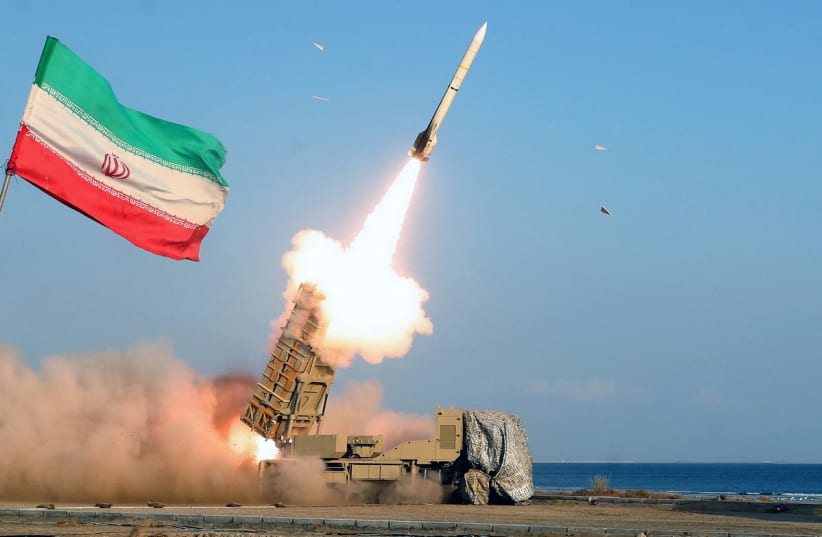
The nuclear "pariahs" and double standards
Pakistan and North Korea represent the other two states characterized as "pariahs" that possess nuclear weapons; however, the West has applied entirely different criteria toward them. India and Israel attempted in the past to halt Pakistan’s nuclear program, even through operations such as "Op Sindoor." Today, nine countries possess nuclear weapons: Russia, the United States, China, France, the United Kingdom, India, Pakistan, Israel, and North Korea. Russia and the United States hold nearly 90% of the approximately 13,000 nuclear weapons worldwide. The United States possesses 5,044 warheads, Russia 5,500, China over 600, France 290, the United Kingdom 225, India 180, Pakistan 170, North Korea approximately 60, and Israel around 90. The first five are officially recognized as nuclear states under the Non-Proliferation Treaty, while India, Pakistan, and North Korea have conducted tests. Israel follows a policy of nuclear ambiguity.
States that might follow
Iran is considered the most prominent example of a country that may acquire nuclear weapons, with suspicions that it actively seeks such capabilities. Meanwhile, countries such as Saudi Arabia, South Korea, Japan, and Turkey are often discussed due to their technological capacity or geopolitical concerns, although they remain within the Treaty framework.
The Iranian program and critical stockpiles
The West argues that Iran has accumulated significant quantities of highly enriched uranium, sufficient for the construction of multiple nuclear bombs. International Atomic Energy Agency (IAEA) inspectors face restrictions, making it impossible to ensure the program is exclusively peaceful. The 2015 agreement, known as the JCPOA, remains essentially inactive following the US withdrawal in 2018 and the subsequent stagnation of negotiations. Main enrichment facilities are Natanz and the underground Fordow, while facilities in Isfahan, the heavy water reactor at Arak, and the nuclear plant at Bushehr also play significant roles. By April 2026, Iran is estimated to possess approximately 440 kg of uranium enriched to 60%, a level just below the 90% required for military use. If this material is enriched further, it could be used to produce several nuclear weapons.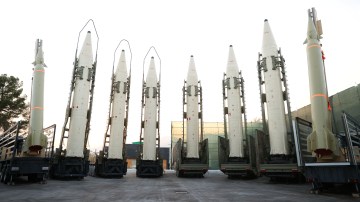
Attacks, secret facilities, and fears of escalation
In June 2025, the United States conducted attacks on facilities in Natanz and Esfahan aimed at slowing the program. However, there are suspicions that Iran accelerated the construction of deeper and more secret facilities. The absence of an agreement and ongoing tension may lead to the rapid proliferation of nuclear capabilities in the region and further retaliation in the Middle East. The IAEA continues to demand full access, while Iran insists that fears regarding militarization are a long-standing Western intimidation tactic.
Why a nuclear Iran is deemed unacceptable
A nuclear-armed Iran is considered unacceptable by a large part of the international community, as it is estimated it would completely overturn regional security, trigger an arms race, and pose an existential threat to its rivals. A central concern is the fact that Iran has repeatedly called for the elimination of Israel, raising fears of nuclear weapon use. Simultaneously, there is anxiety that it could transfer technology or materials to proxy organizations like Hezbollah and Hamas, maintaining plausible deniability. Even if considered a "rational actor," intense suspicion increases the risk of error or misinterpretation that could lead to nuclear conflict.
Iran is not North Korea... a lost bet
The most common comparison is made with North Korea, yet this is misleading. North Korea is already a nuclear power, with tested weapons and dozens of warheads in its arsenal. North Korea has developed a nuclear stockpile of about 50 warheads, continuously strengthening its deterrent power. It has withdrawn from the Treaty and has conducted tests since 2006, while developing long-range missiles. Denuclearization efforts failed, with the country considering nuclear weapons essential for regime survival. Iran, conversely, is in an intermediate but extremely dangerous state: it does not yet have weapons, but possesses nearly all necessary steps to acquire them. This "gray zone" is what worries analysts most. North Korea is predictable within its isolation; Iran, however, moves in a much more complex environment with regional conflicts, international negotiations, and strategic ambiguity that could turn into a surprise.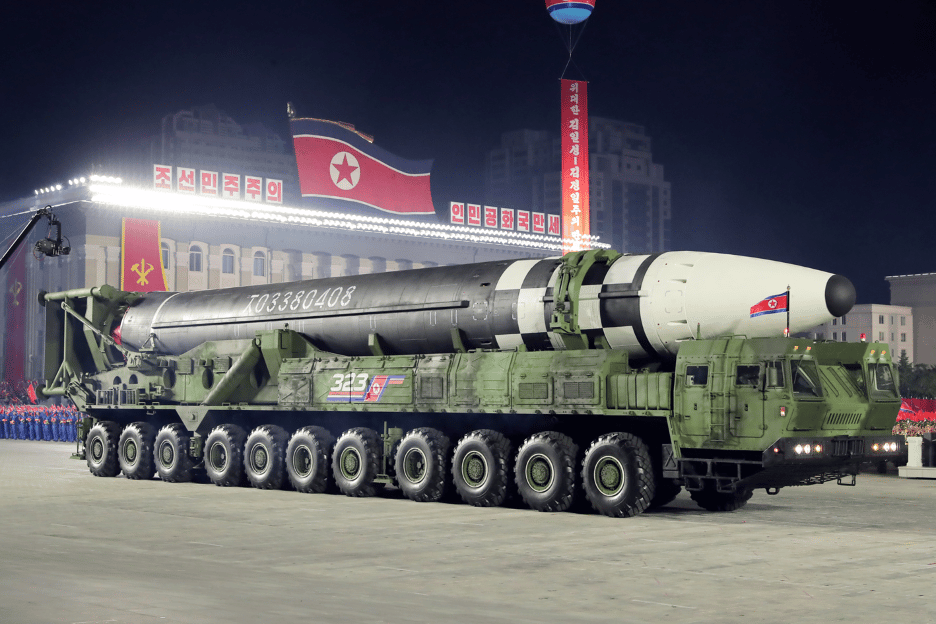
Pakistan in the frame: why the comparison is even more alarming
The case of Pakistan adds another dimension to the fear because it already possesses nuclear weapons; however, it functions within an established framework of deterrence. Pakistan possesses approximately 170 nuclear warheads and operates with a doctrine of full deterrence against India. The program began in 1972 and was bolstered through technological assistance and covert networks. It has not adopted a no-first-use policy and has set clear criteria for potential nuclear use, primarily in the event of military or economic collapse.
Why Iran is the most dangerous case
The world has largely accepted the nuclear reality of North Korea, while Pakistan is considered controlled within a framework of deterrence. Iran, however, stands at the most dangerous point: it does not yet have nuclear weapons, but can acquire them. This "intermediate state" makes it the most immediate and unpredictable threat. Iran, if it acquires nuclear capability, will radically change the balances in the Middle East. A nuclear Iran could directly threaten Israel, bolster regional allies, and trigger uncontrolled nuclear proliferation, radically altering the global balance. This possibility creates chain reactions, as other countries in the region may seek their own nuclear programs, leading to uncontrolled spread. Unlike Pakistan, which joined an existing nuclear balance, Iran would act as the detonator of a new, more chaotic era.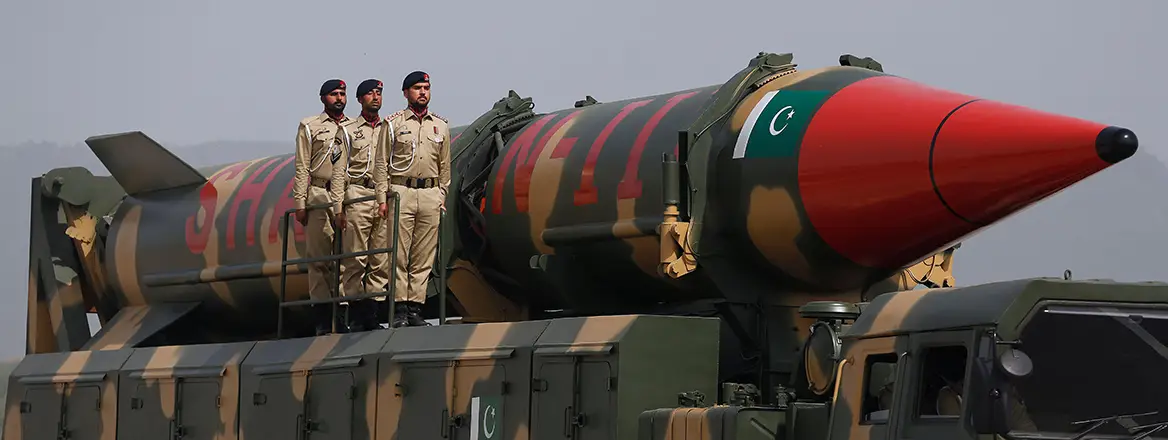
The most dangerous scenario: the last-minute decision
The real nightmare scenario is not that Iran already has nuclear weapons, but that it can decide to acquire them in minimal time. Estimates show that, if a political decision is made, the construction of a basic nuclear weapon could be completed within a few months. This means the international community could face a fait accompli before it even has time to react. And in a world where tensions are escalating, such a development could trigger chain conflicts without return.
The thin line before the explosion
The situation remains extremely fragile. On one hand, Iran has not yet passed the point of no return. On the other, it is closer than ever. This uncertainty is what makes its nuclear program more terrifying than those of Pakistan and North Korea. It is not the power that already exists, but the power that can suddenly appear—and change the world in an instant.
www,bankingnews.gr













Readers’ Comments