

Bloomberg: US military requests Dark Eagle hypersonic missile, not fully ready, for strikes on Iran — Shahram Irani (IRGC): Iran will soon present a weapon the enemy "deeply fears," they will have a heart attack — American Conservative: US must admit it cannot defeat Iran
The Iranian crisis and the naval blockade in the Persian Gulf continue to be a global problem, with tensions between Americans and Iranians fluctuating like a heart monitor... a solution has yet to be found. The primary international concern is that the war in the Persian Gulf could become a long-term "neither war, nor peace" situation, maintaining the oil crisis and battering the global economy. However, the Iranians have launched a counteroffensive, sending a message to Trump: you are a master of fraud... prepare for the next stop for oil at $140 from the $120 it has already reached. Threats continue to cloud the situation; the US military has requested Dark Eagle hypersonic missiles to strike Iran, while the IRGC retorts that it will confront Americans "very soon" with a weapon they "deeply fear".
"And it is right next to them too," they added, "I hope the Americans don't have a heart attack".
Mohammad Baqer Qalibaf: Trump's bluffs won't pass, oil soon at $140
Mohammad Baqer Qalibaf, Speaker of the Iranian Parliament and head of the negotiation team, responding to Trump's bluff three days ago and the boasting of the US Treasury Secretary, wrote: "Three days have passed and not a single oil well has exploded. We can extend this period to 30 days and broadcast live images from the wells here". This is the kind of wretched advice the US government receives, promoting the idea of a blockade that has sent the price of oil over $120. Next stop for oil prices: $140! "They aren't just wrong ideas; they are wrong mindsets".
Iran: US maritime piracy and robbery to face "practical, unprecedented reaction measures"... punishment is coming
The ongoing American maritime piracy and robbery in the form of the so-called "naval blockade" will soon be met with "practical and unprecedented measures," stated a high-ranking Iranian security source. The Iranian armed forces—operating under the Khatam al-Anbiya Headquarters as a war command—believe that patience has limits and that a punitive response is necessary if the US maintains its illegal naval blockade around the Strait of Hormuz. Iran has proven that the United States no longer faces a passive or predictable opponent. Iran has managed to neutralize and discredit all American options on the table. The source stated that the restraint shown by the armed forces so far is aimed at giving diplomacy a chance, allowing the United States to learn and accept Iran's terms for the definitive end of the war. This pause, they rushed to add, was intended to give President Trump the opportunity to extract the United States from the current quagmire in which it finds itself.
However, if American obsession and delusions continue and Iran's terms are rejected, the official warned that the enemy should soon expect a different kind of reaction to the ongoing naval blockade, which resembles maritime robbery. The continued American blockade and the closure of the Strait of Hormuz could ultimately harm the US more than Iran, and a decisive response is deemed necessary by the high military command to fully discredit even this remaining American option. The US-Israeli coalition launched an unprovoked and illegal war of aggression against the Islamic Republic on February 28, amid nuclear talks, provoking a strong Iranian reaction. Nearly 60 days after the start of the war imposed on Iran, the United States is now searching for a solution, having suffered significant losses both on the battlefield and at the negotiating table.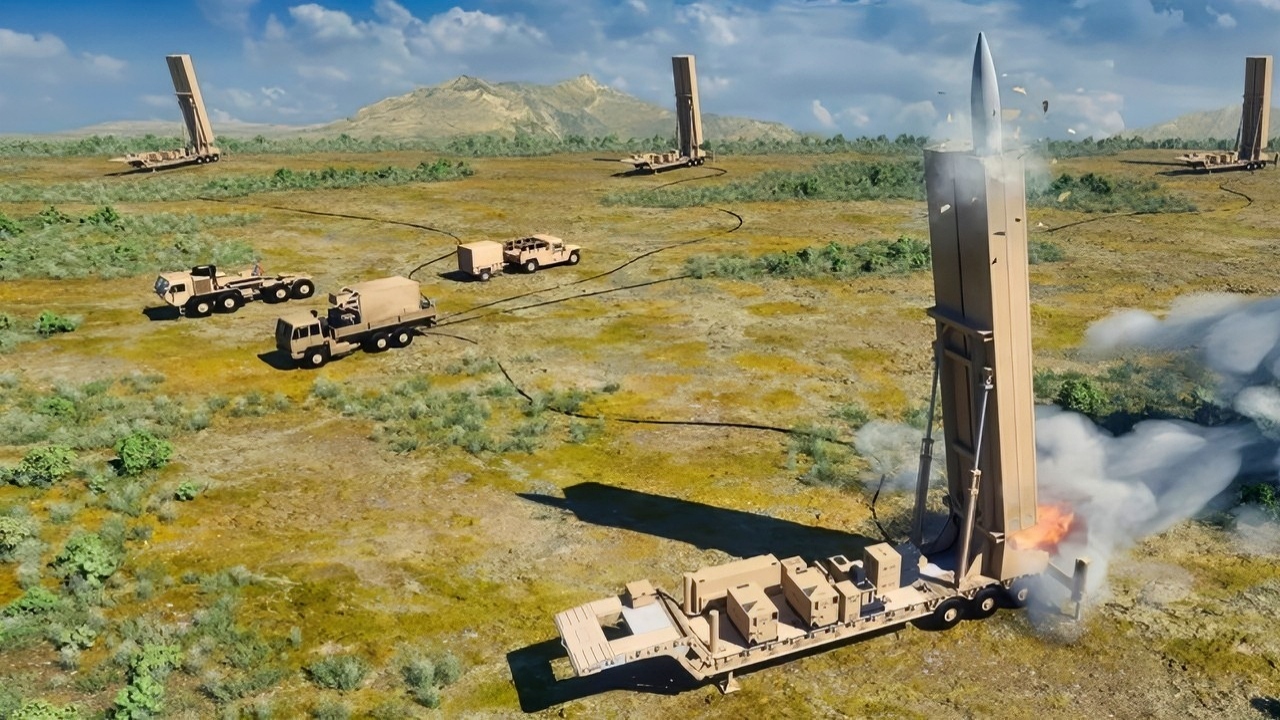
Critical meeting between Trump and intelligence services on Iran – What they are planning
US President Donald Trump is expected to hold a closed briefing with intelligence services today, Thursday 4/30, at the White House. According to the American leader's preliminary schedule, the briefing will begin at 13:00 (20:00 Greek time). The meeting will be held behind closed doors, without media access. A report by Axios states that the US CENTCOM has drafted a plan for "short and powerful" strikes against Iranian targets, aiming to break the deadlock in negotiations with Tehran over the nuclear program and to exert pressure on the leadership of the Islamic Republic.
Bloomberg: US military requests Dark Eagle hypersonic missile — not fully ready — for attacks on Iran
The US CENTCOM has requested the deployment of the Dark Eagle hypersonic missile to the Middle East for a potential attack on Iran, reports Bloomberg. "The deployment request justifies this move by saying that Iran has moved its launchers beyond the range of precision systems". According to the source, no decision has yet been made on this request. If the request is approved, it will be the first deployment of an American hypersonic missile, despite the fact that it is not yet fully ready for combat use, Bloomberg clarifies. Last week, US President Trump unilaterally extended the truce with Tehran until the completion of negotiations. The Al Mayadeen television network reported that Iran, through intermediaries, presented the US with a 3-stage formula for continuing the dialogue. The first phase would focus on ending the war and securing guarantees against further military action against Iran and Lebanon. Washington and Tehran would then discuss how to manage the Strait of Hormuz after the end of the conflict. Transitioning to the third stage, which includes the discussion of Iran's nuclear program, will be impossible without an agreement on the first and second stages. As the Wall Street Journal reported, citing American officials, Trump and his team were skeptical about the idea of opening the Strait of Hormuz and postponing the nuclear dialogue. Washington may present counterproposals in the coming days.
Wall Street Journal: Trump proposes creation of new alliance for the Strait of Hormuz
The Trump administration is proposing to other countries the creation of a new alliance in order to restore navigation in the Strait of Hormuz, claims the Wall Street Journal, citing a diplomatic cable from the US State Department. "This initiative, named the Maritime Freedom Construct, was presented in detail in an internal State Department cable, which was sent on Tuesday to US embassies and called on American diplomats to persuade foreign governments to join the alliance," the report states. According to the Wall Street Journal, the US-led coalition would exchange information, coordinate diplomatic actions, and ensure the implementation of sanctions. The MFC will be a joint venture of the State Department and CENTCOM, according to the publication. Although the alliance is presented as a peaceful initiative, diplomats have been instructed to ask foreign partners if they wish to participate as "diplomatic and/or military partners".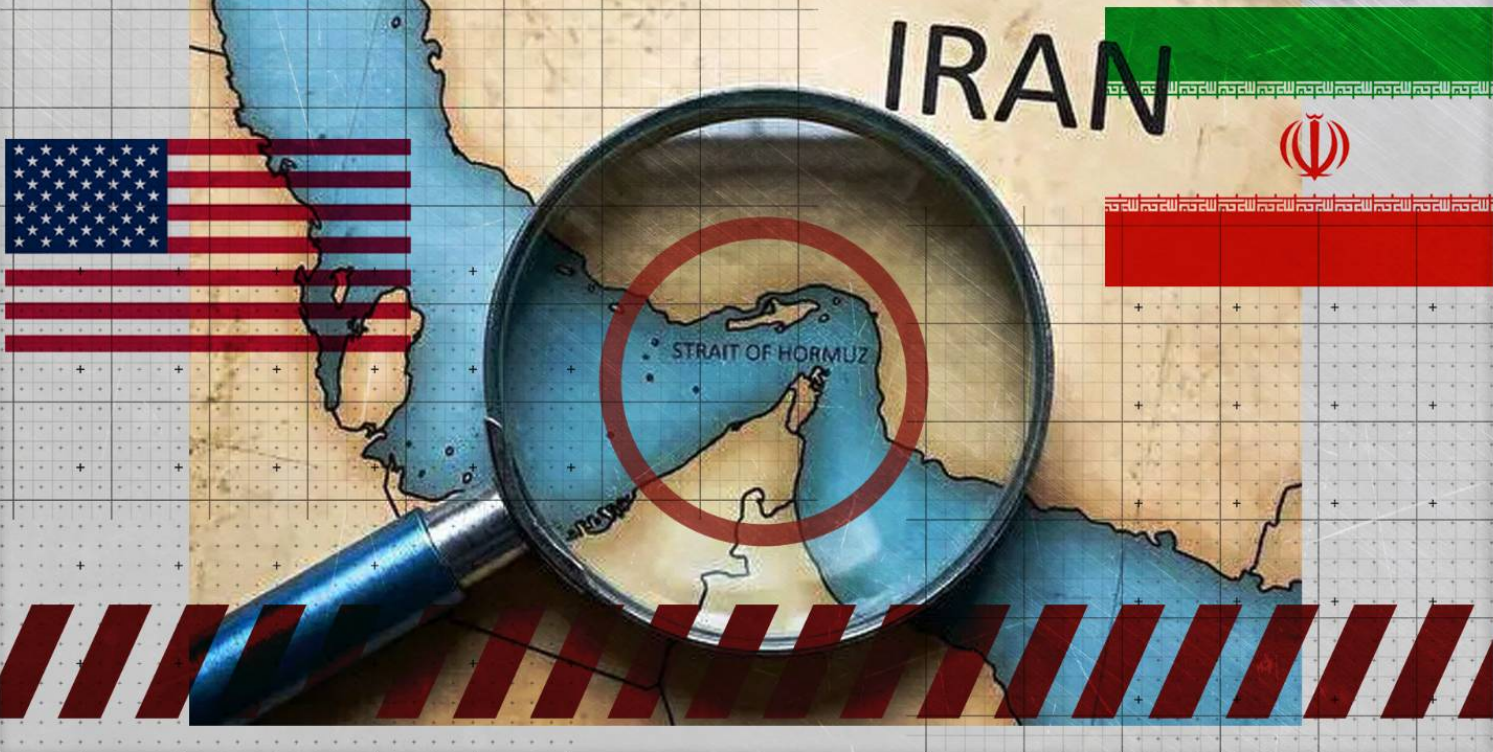
Shahram Irani (IRGC): Iran will soon present a weapon the enemy "deeply fears," they will have a heart attack
The Commander of the Iranian Navy, Rear Admiral Shahram Irani, stated that Iran will "very soon" confront the enemy with a weapon "which it deeply fears". "And it is right next to them too," he noted referring to the weapon in question, adding, "I hope they don't have a heart attack". The commander noted how the enemies had mistakenly believed they would achieve the results they sought through their latest attack against Iran "in the shortest possible time," adding: "This very assumption has now turned into a joke in military academies". Referring to the Navy's retaliatory operations against enemy targets throughout the aggression, Shahram Irani mentioned up to seven missile operations against the aircraft carrier Abraham Lincoln. The retaliation, he added, prevented the United States from launching aircraft or conducting air operations from the carrier for a period of time. Faced with the aggression that began on February 28, the Iranian Armed Forces carried out at least 100 waves of decisive and successful retaliation against sensitive American and Israeli targets across a large area of the West Asia region. The commander stated that United States war efforts led to the deployment of missiles against Iranian territory from platforms based on naval units, before engaging more missile platforms, which required the addition of more destroyers. Another part of Iran's retaliation included the closure of the strategic Strait of Hormuz to ships belonging to enemies and their allies. Subsequently, the Islamic Republic subjected the waterway to further restrictions, making the passage of ships dependent on securing permission from the competent Iranian authorities. The latter move came after the US announcement of the continuation of the illegal blockade they are trying to impose on Iranian ships and ports. According to the commander, Iran has closed the Strait of Hormuz from the Arabian Sea. "If they approach closer, we will take operational action without delay". Despite the blockade, he added, "some ships have departed from our ports and some have reached their destination". He also strongly condemned the illegal seizure of certain Iranian vessels by American forces as part of the blockade, which he denounced not only as "piracy" but also as "hostage-taking".
Daniel Devis (US): Iran's unconditional surrender is not even on the negotiating table, they will not collapse
Iran's unconditional surrender will not even be considered when resolving the conflict in the Middle East, stated retired US Army Lieutenant Colonel Daniel Devis on social media. "Even a rough analysis of Iran's performance in recent years, when exports fell to a minimum degree, shows that they know how to endure and find ways to avoid collapse. They also proved during the eight-year war with Iraq that they know what it means to endure and still endure. And now - after 40 days of bombing and several threats from President Trump - do you really believe they are going to collapse? Unconditional surrender is not even on the table," wrote Daniel Devis. According to the military expert, Trump should not listen to those who say otherwise. Many also ignore the enormous cost to the American economy, including the prices of oil, gasoline, diesel, fertilizers, helium, and other basic products. All of these are in dangerous shortages and are desperately needed, Daniel Devis stressed.
American Conservative: The US must admit it cannot defeat Iran
The United States must admit it cannot defeat Iran, writes the American Conservative. "The pressing question is not whether the United States can win this war. It is whether they can recognize that the kind of victory Washington seeks is no longer practically achievable," writes the American Conservative. According to the publication, neither of the two outcomes of the war against Iran would be favorable for the United States. Washington simply needs to learn from its military failures, the magazine concludes.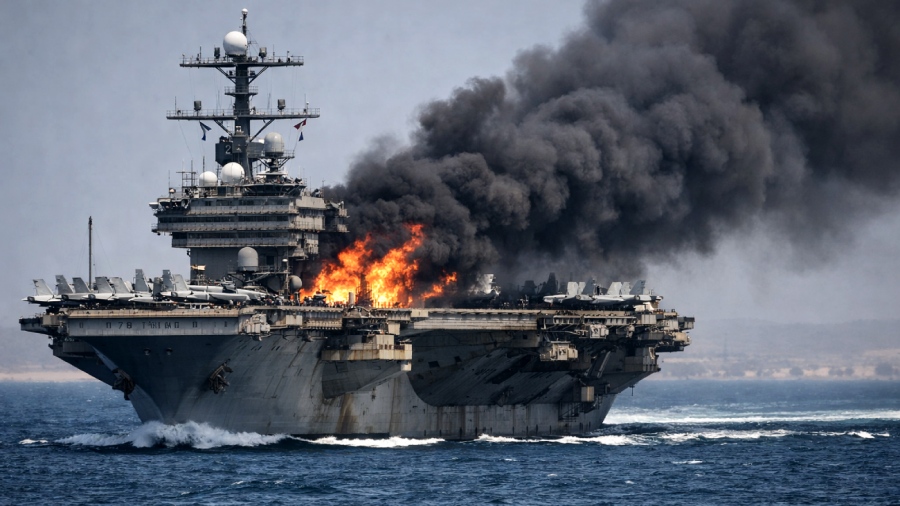
Shocking development: The American aircraft carrier USS Gerald Ford is leaving the Middle East, having been on missions for 309 days
The American aircraft carrier Gerald Ford is expected to leave the Middle East in the coming days, setting sail for the United States to undergo repairs, according to the Washington Post, citing sources from Washington. Notably, the exact date of the aircraft carrier's return to the United States remains unknown. However, the Gerald Ford is expected to dock at the naval base in Virginia in the middle of next month. In any case, as the American publication points out, the withdrawal of the nuclear-powered aircraft carrier will significantly weaken American military power in the Middle East.
The USS Ford broke every record for time spent at sea
However, the American command is forced to take this step as the Gerald Ford has already been at sea for 309 days, breaking the record for ships of its class. Consequently, the aircraft carrier, which has suffered numerous breakdowns due to its age, but also from Iranian strikes against it, requires extensive and time-consuming repairs. On April 18, it was reported that the aircraft carrier Gerald R. Ford, accompanied by two destroyers, returned to the Red Sea after completing repairs in Split, Croatia, and Souda. Before the fire on deck, the aircraft carrier, along with three guided-missile destroyers, was performing combat missions striking Iranian targets.
Fire and food shortages paralyzed the aircraft carrier
The fire on the Gerald Ford broke out on March 12 in the laundry area at the stern and burned for more than a day before being fully extinguished. The incident paralyzed all of the ship's systems, making restoration work necessary which, according to preliminary estimates, was only possible with a proper repair unit. It is noted that multiple American media outlets, as well as relatives of American sailors, have revealed that American aircraft carriers in the Middle East were facing tragic food shortages.
www.bankingnews.gr










Readers’ Comments