

US has no way to defeat Iran, say American analysts – Araghchi coordinates with Pakistan over ceasefire
While US President Donald Trump assembles a massive firepower force with three aircraft carriers in the broader Middle East region, maintaining that he is in no hurry to reach a peace deal, Iran has announced it is urgently sending a delegation to Pakistan for talks with the US. The delegation is expected to be led by Iranian Foreign Minister Abbas Araghchi, who held critical meetings earlier today, Friday, April 24, with his Pakistani counterpart, Mohammad Ishaq Dar, and Army Chief Asim Munir.
Nevertheless, the Americans are preparing for the "day after" scenario regarding the ceasefire. Reports indicate they are already locking in targets, while Tehran sends a clear warning: Do not dare strike our oil infrastructure, or you will regret it.
Iran sends delegation to Pakistan – Led by Abbas Araghchi
Information suggests that Iran has decided to send a delegation to Pakistan for talks, according to CNN, which cites Pakistani and Iranian officials. Per CNN, it remains unclear whether there will be direct American participation. However, Geo TV reported that Iranian Foreign Minister Abbas Araghchi is expected to arrive in Pakistan tonight, Friday, April 24, to participate in a second round of negotiations with the US.
"It is expected that the Iranian delegation led by Foreign Minister Abbas Araghchi will arrive in Islamabad tonight to participate in the second round of peace talks with the United States," the network reports. According to Geo sources, a US logistics and security team is already in Islamabad ahead of the potential second round of peace negotiations.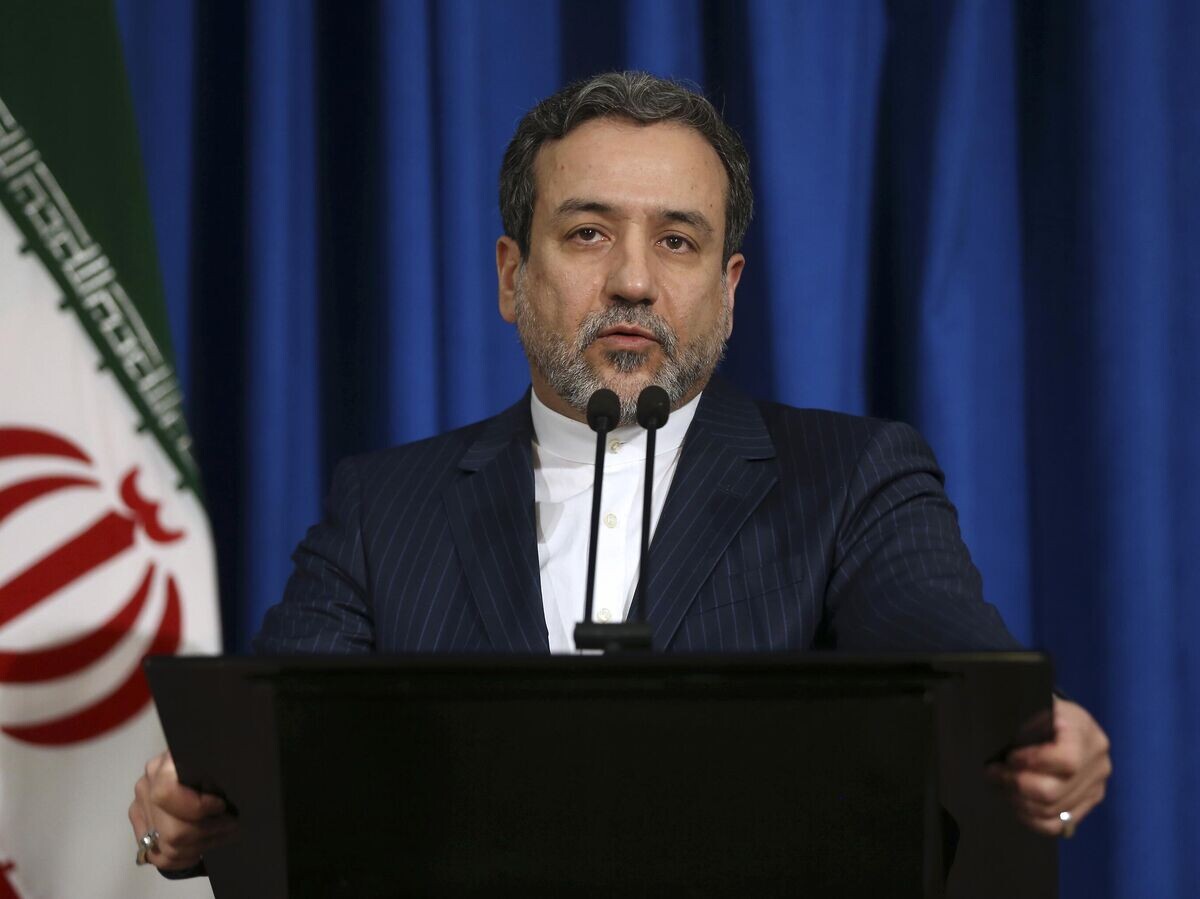
Critical contacts – Araghchi communicates with Pakistani Foreign Minister and Army Chief over ceasefire
Iranian Foreign Minister Abbas Araghchi held separate talks on Friday, April 24, with Pakistan's Army Chief Asim Munir and Foreign Minister Mohammad Ishaq Dar, as the two sides discussed efforts to maintain the ceasefire between Tehran and Washington. Araghchi discussed "regional developments and issues related to the ceasefire" with General Munir and Dar, according to the semi-official Iranian agency Mehr News.
Araghchi and Dar "exchanged views on regional developments, the ceasefire, and ongoing diplomatic efforts promoted by Islamabad," according to a spokesperson for the Pakistani Foreign Ministry. The Pakistani Foreign Minister "highlighted the importance of continuous dialogue and engagement to address outstanding issues, aiming to promote regional peace and stability as soon as possible," the spokesperson added.
Araghchi "expressed his appreciation for Pakistan's consistent and constructive mediating role in this matter, and both sides agreed to remain in close contact," the spokesperson stated. The Pakistani military has not provided separate details regarding the conversation between Araghchi and General Munir. Munir has emerged as Pakistan's key mediator between the US and Iran during the ongoing negotiations. Iran has not yet confirmed its participation in a second round of peace talks in Islamabad.
Esfahani (Vice President of Iran): Do not make the mistake of hitting oil facilities – Not a single barrel will be exported
Esmaeil Saqab Esfahani, Vice President of Iran, warned the US not to make the mistake of attacking Iranian oil facilities, because Iran would then proceed with an "eye for an eye" strategy. According to the Mehr agency, Esmaeil Saqab Esfahani stated: "If the enemy makes another mistake, our strategy will be eye for an eye. If any of our oil wells are hit, one of the oil facilities of the countries from whose territory we are attacked will be targeted."
"If we cannot export even one barrel of oil, then not a single barrel of oil in the region will be exported. If even one of our fellow citizens lacks access to electricity due to the enemy's foolishness, then ten people in the region will be deprived of power," the Iranian Vice President declared. He added that Tehran's negotiating team "has the enemy by the collar at the negotiating table." He also mentioned that Iranians should not worry about energy sufficiency, as "the necessary arrangements" have been made.
Mearsheimer (American Analyst): The US has no way to defeat Iran
John Mearsheimer, a prominent American intellectual and analyst, argues that the US and Israel have no way to defeat Iran! "The problem is that Donald Trump has no military option. He cannot solve the problem with military power. We must understand that if we use military force against Iran, they will not only fight back, but they will not raise their hands in surrender—the Iranians are nationalists to the core. We have no winning strategy in this war, and there is a vital need to end this conflict as soon as possible," Mearsheimer emphasized.
Wall Street Journal: US will take 6 years to replenish ammunition dropped on Iran
The Wall Street Journal reported that replenishing the ammunition stocks consumed in the war with Iran will take up to 6 years. The report argues that the consumption of a large volume of missiles and anti-aircraft systems in the war with Iran has hampered Washington's ability to react quickly to a potential crisis involving China and Taiwan.
As reported, since the start of the war on February 28, the US has launched over 1,000 Tomahawk missiles and between 1,500 and 2,000 critical anti-aircraft missiles, including THAAD, Patriot, and Standard. This consumption rate corresponds to 27% of Tomahawk stocks, one-third of SM-6 stocks, over two-thirds of Patriot stocks, and more than 80% of THAAD stocks. US officials state that the full replenishment of some of these stockpiles could take up to six years. Mark Cancian of the Center for Strategic and International Studies stated: "It will take years before we can replenish these stocks. The high rate of ammunition consumption has created an increased 'window of vulnerability' in the Western Pacific."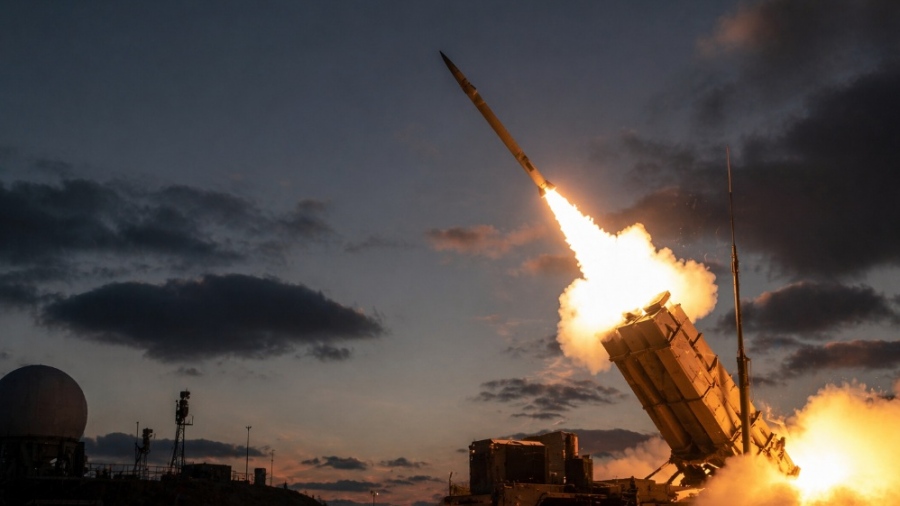
Three US aircraft carriers operating in the Middle East – USS George H.W. Bush arrives
The USS George H.W. Bush is already in the Middle East region, marking the third American aircraft carrier deployed to the broader area. Analysts are attempting to assess the goal of deploying so many American ships—the largest number in over 20 years—with most converging on the idea that the military likely wants to give President Trump all the "cards" for the next move against Iran. Already, reports suggest that the Americans are locking onto targets within the framework of a new military operation should there be no positive outcome in the US-Iran negotiations.
5,500 sailors, over 80 aircraft
The announcement regarding the USS George H.W. Bush on Thursday, April 23, came roughly at the same time that US President Donald Trump refused to provide a timeline for when the war with Iran might end, telling reporters at the White House: "Don't push me." The US Central Command (CENTCOM), which coordinates American forces across the Middle East, announced in a social media post that the third aircraft carrier, the Nimitz-class USS George H.W. Bush, has entered its area of responsibility.
The Bush, commissioned in 2009, is the newest of the ten Nimitz-class carriers in the US fleet. Measuring nearly 1,000 feet long with a displacement of over 100,000 tons, it can carry more than 80 aircraft, is powered by two nuclear reactors, and boasts a crew of over 5,500 sailors and aviation personnel.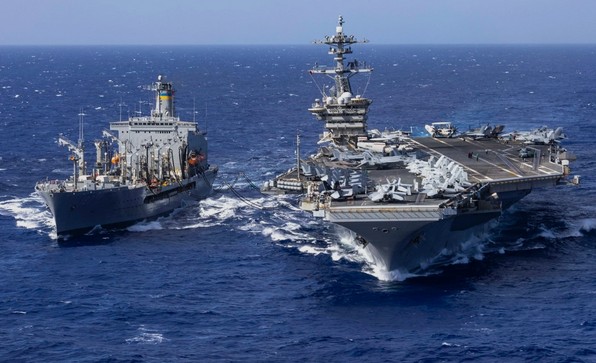
Message
Asked about plans for the Bush, a US defense official stated the military does not "discuss force posture, ship movements, or locations in order to protect personnel and operational security." However, analysts note that the arrival of the Bush sends a message even without a single shot being fired. "The mere possibility of involving a third aircraft carrier increases the pressure faced by the (Iranian) regime as peace talks approach," said Carl Schuster, a retired US Navy captain.
"The message is that Trump can apply more pressure if the peace talks do not proceed the way he wants. The political optics are just as, and likely more, important than military action," Schuster added.
The role of aircraft
Analyst Peter Layton, a fellow at the Griffith Asia Institute and former Royal Australian Air Force officer, told CNN that the Bush's aircraft could be used in a new military operation against Iran. However, he described the carrier's fighters as a "very inefficient way" to strike asymmetric targets, adding that A-10 attack aircraft already in the region are better suited for this mission.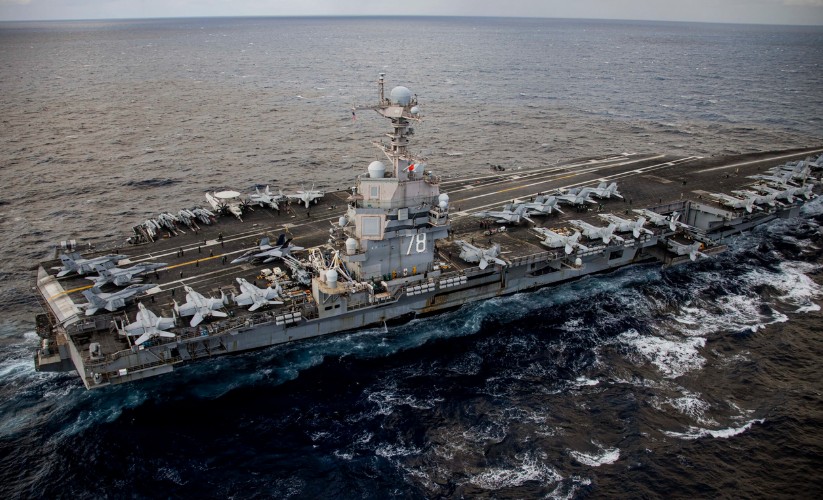
Replacement for USS Gerald R. Ford
Layton and others mentioned that the Bush might be arriving to replace the USS Gerald R. Ford, which has been deployed since last June, far beyond the typical seven-month duration of a US carrier mission. Tracking sites showed the Ford in the Red Sea earlier this week. "Its crew needs rest… otherwise its operational performance will begin to suffer. Therefore, it is prudent to have a replacement on the way," Schuster said.
The Ford suffered a fire in its laundry areas in March and did not conduct missions until two days after it was extinguished, according to the US Chief of Naval Operations. It later made port calls in the Mediterranean for repairs and crew rest, the Navy reported. However, it returned to duty earlier this month and moved back to the Red Sea late last week.
USS Abraham Lincoln
Meanwhile, the USS Abraham Lincoln was spotted in the Arabian Sea south of Iran, where it has been since the start of the war on February 28. Schuster noted that there are advantages to having a third aircraft carrier in the region, one of which is that the Bush carries the newest F-35 fighters, which the Ford cannot support. "The presence of two F-35-capable carriers adds significant firepower if Iran proves recalcitrant," he said, even if these aircraft are not the best choice for dealing with the IRGC's asymmetric navy.
Layton stated that two or three carriers are likely overkill for blockade missions alone. "A blockade really only needs one. However, the threats of more air strikes on Iran make a second one useful," he said.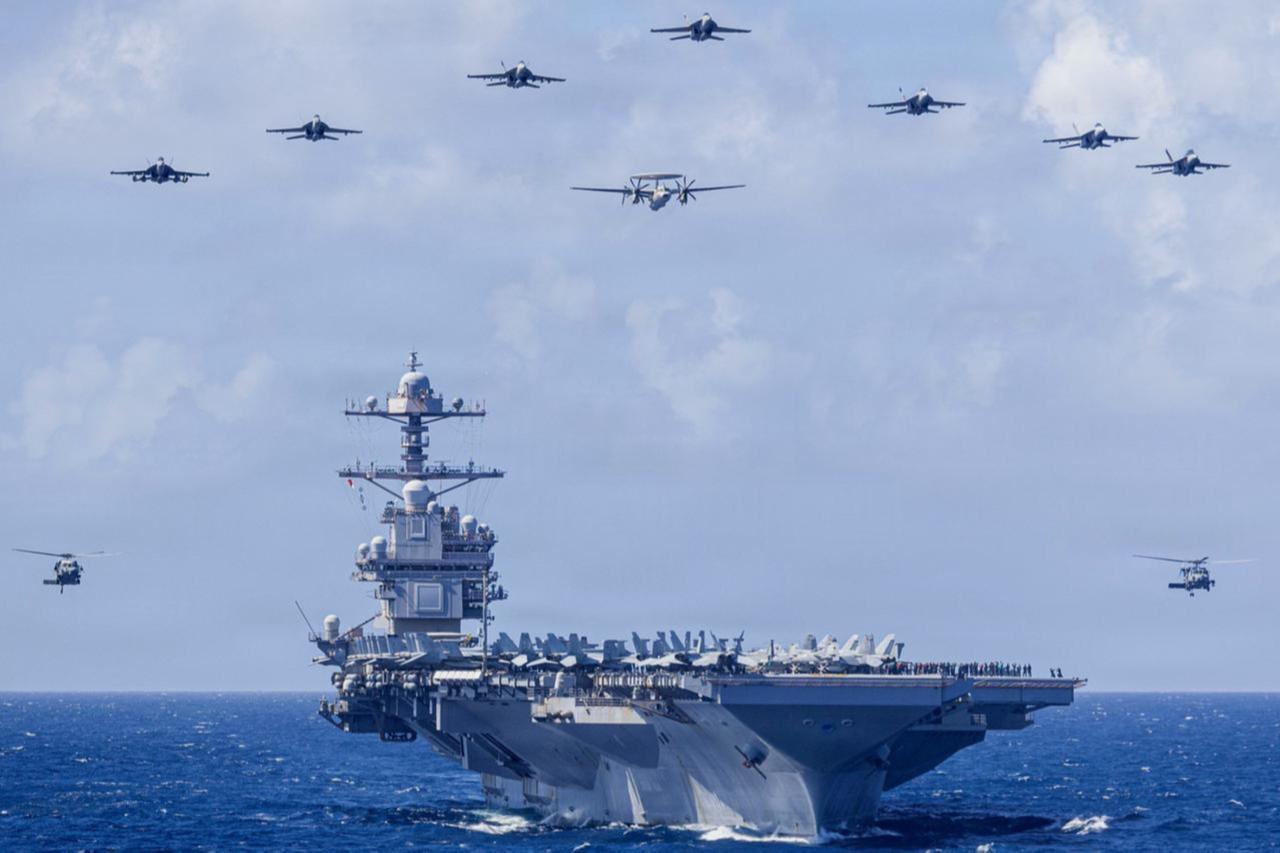
Historical significance
According to data from the Center for Strategic and International Studies, three American aircraft carriers represent the highest number in the region since 2003. During the start of the "Shock and Awe" strikes in Iraq in 2003, five American carriers participated, according to the Naval History and Heritage Command.
Commenting on the significance of the three carriers in the region, Cedric Leighton, a CNN military analyst and retired US Air Force colonel, stated that this exerts pressure on Iran for a deal, but it remains uncertain whether they will back down. "That remains to be seen," Leighton said.
19 warships in the Middle East, 7 in the Indian Ocean
Earlier on Thursday, a US official stated that Washington has 19 warships in the Middle East and seven in the Indian Ocean. This list did not include the Bush—nor the guided-missile destroyers in its group. If the Bush is a reinforcement of the CENTCOM fleet—rather than a replacement for the Ford or Lincoln—this would represent an exceptionally large commitment of American carriers to the conflict with Iran. Tracking sites show that only four or five of the total 11 Navy carriers are available for combat operations.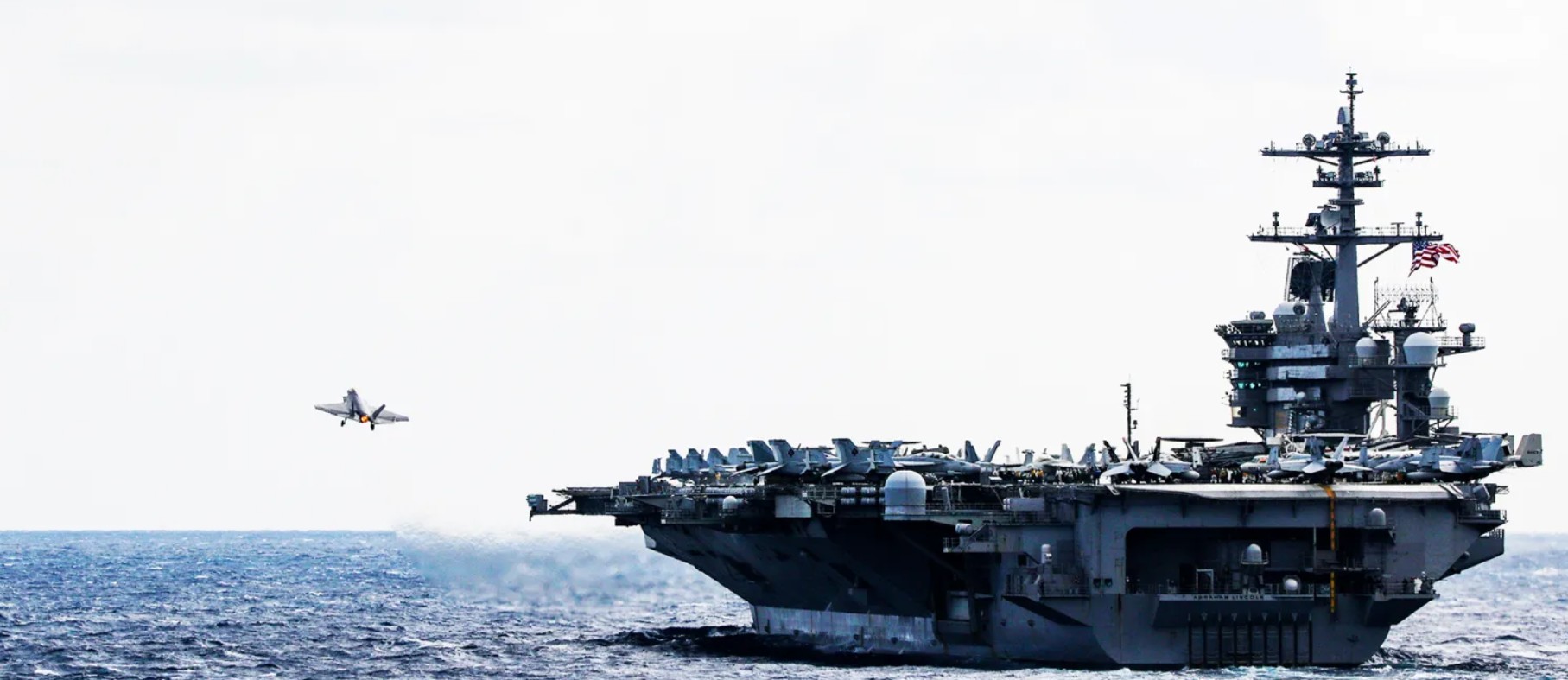
Americans locking onto targets
According to CNN, citing multiple sources, American military officials are developing new plans for targeting Iran's capabilities in the Strait of Hormuz, in the event that the current ceasefire with Iran collapses.
The options, among various categories of targets being considered, include attacks with a particular emphasis on "dynamic targeting" of Iranian capabilities around the Strait of Hormuz, the southern Persian Gulf, and the Gulf of Oman, the sources said. They described potential strikes against small fast attack craft, minelaying vessels, and other asymmetric means that have helped Tehran effectively close these critical sea lanes and use them as leverage against the US.
Bombing of strategic sea lanes
Although the military has targeted the Iranian Navy, much of the first month of bombing focused on targets away from the Strait, allowing American forces to strike deeper within Iran. The new plans envision a much more concentrated bombing campaign around strategic sea lanes. It is estimated that a large percentage of the country's coastal defense missiles remain intact.
Iran also possesses numerous small vessels that could be used as platforms for ship attacks, complicating US efforts to open the strait. Military strikes around the strait, on their own, are unlikely to open it immediately, multiple sources told CNN.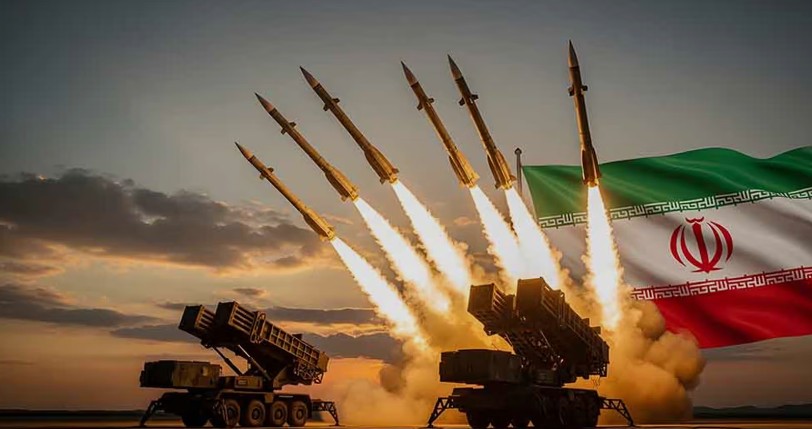
What Trump has said
The US military could also implement Trump's previous threat to hit dual-use and infrastructure targets, including energy facilities, in an effort to force Iran back to the negotiating table, the sources told CNN. Trump has stated that the US will resume war operations if there is no diplomatic solution.
Target: individual Iranian generals
The targeting of infrastructure would constitute a controversial escalation of the conflict, some current and former US officials have warned. Another option being considered by military planners is targeting individual Iranian military leaders and others who act as an "obstacle" within the regime, who, according to US officials, are actively undermining negotiations.
These include Ahmad Vahidi, who serves as the commander of the Islamic Revolutionary Guard Corps. "For operational security reasons, we do not discuss future or hypothetical movements," a Defense Department official said when asked about target planning. "The US military continues to provide options to the President, and all options remain on the table."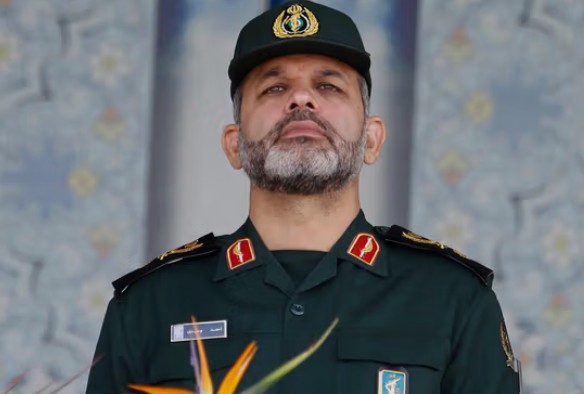
The second wave
Additional US strikes would likely target Iran's remaining military capabilities, including missiles, launchers, and production facilities that were not destroyed in the initial wave of US-Israeli attacks or may have been moved to new strategic positions after the start of the ceasefire, the sources added.
Approximately half of Iran's missile launchers and thousands of one-way attack drones survived the American bombing campaign, according to US intelligence estimates. Last week, Secretary of Defense Pete Hegseth admitted in a press briefing that Iran has moved some of its remaining military assets to new locations during the ceasefire and threatened to hit these targets if Iran refuses to agree to a deal.
www.bankingnews.gr













Readers’ Comments