

Trump still considering ground invasion of Iran, claims Democratic Senator Chris Murphy – Potential targets and Iranian generals
The impasse for US President Donald Trump in Iran is growing by the day. He has maintained that he is in no hurry to conclude a peace agreement, emphasizing that he will wait for the best possible deal that is lasting... However, two critical questions remain: first, can he truly afford to wait while the American and global economy suffer daily damage, and second, is he actually the one dictating the course of the war? The answers to both are likely negative.
Indicative of the difficult position Trump finds himself in is that, while he clearly wishes to resolve the Iranian issue through diplomacy, he is once again being pulled by American generals toward a second wave of military operations against Iran. Under the argument that the ceasefire cannot last indefinitely, the Americans are already "locking in" the next targets... The Iranians, for their part, claim to be prepared for every scenario, warning that they have readied several "surprises" for the American military.
Objective: Hormuz
According to CNN, citing multiple sources, US military officials are developing new plans to target Iranian capabilities in the Strait of Hormuz should the current ceasefire collapse. The options among various target categories being considered include attacks with a particular emphasis on "dynamic targeting" of Iranian assets around the Strait of Hormuz, the southern Persian Gulf, and the Gulf of Oman. Sources described potential strikes against small fast-attack craft, minelaying vessels, and other asymmetric means that have helped Tehran effectively close these critical waterways and use them as leverage against the US.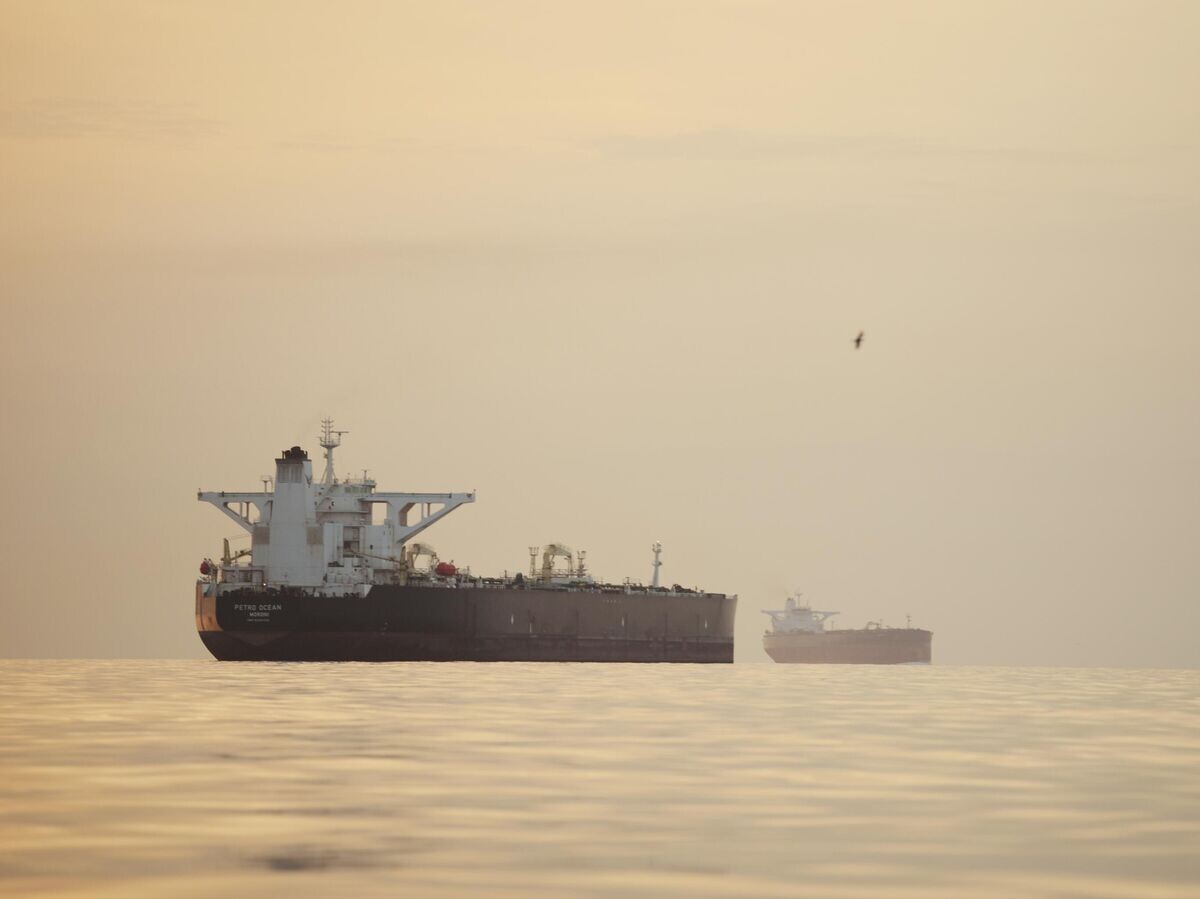
Bombing strategic maritime routes
This closure has caused severe turbulence in the global economy, threatening to undermine Trump's efforts to reduce inflation in the US—an outcome that has already materialized despite the ceasefire that froze American attacks beginning April 7. Although the military has targeted the Iranian Navy, much of the first month of bombing focused on targets away from the Strait, allowing US forces to strike deeper into Iran's interior. The new plans envision a much more concentrated bombing campaign around strategic maritime routes.
Iran's coastal missile system remains intact
It is estimated that a large percentage of the country's coastal defense missiles remain intact. Iran also possesses numerous small vessels that could be used as attack platforms against ships, complicating US efforts to reopen the strait. Military strikes around the strait alone are unlikely to reopen it immediately, multiple sources told CNN. "Unless you can prove beyond a doubt that 100% of Iran's military capacity is destroyed, it all depends on how willing Trump is to accept the risk and begin sending ships through," said a source familiar with the military planning.
What Trump has said
The American military could also implement Trump's previous threat to hit dual-use targets and infrastructure, including energy facilities, in an attempt to force Iran back to the negotiating table. Trump has stated that the US will resume war operations if no diplomatic solution is reached.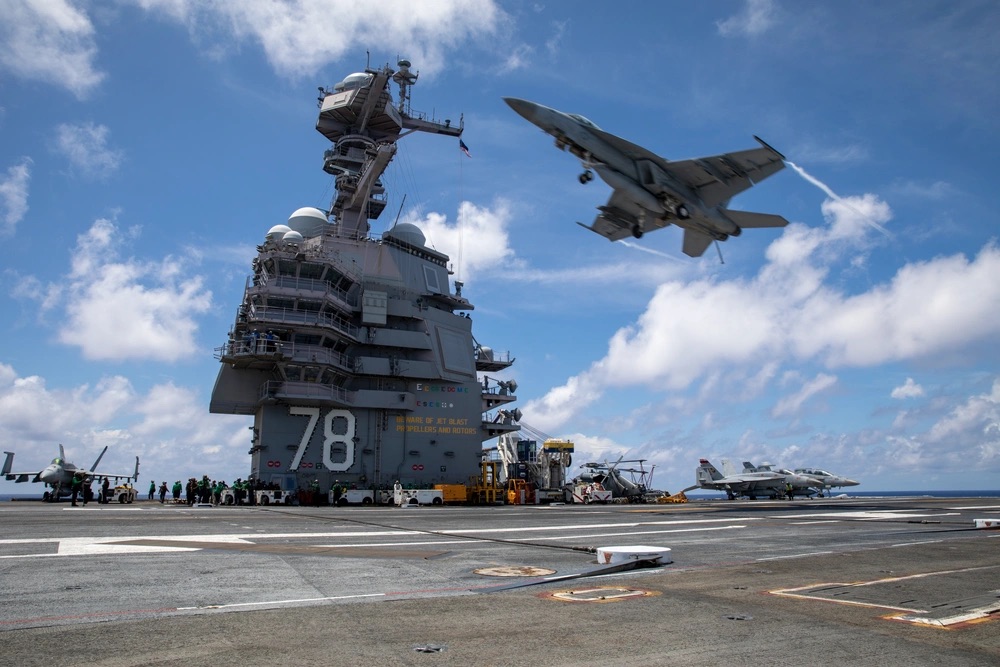
Individual Iranian generals as targets
The targeting of infrastructure would constitute a controversial escalation of the conflict, some current and former US officials have warned. Another option being considered by military planners is the targeting of individual Iranian military leaders and others deemed "obstacles" within the regime who, according to American officials, are actively undermining negotiations. These include Ahmad Vahidi, who serves as the head of the Islamic Revolutionary Guard Corps (IRGC). "For reasons of operational security, we do not discuss future or hypothetical movements," a Department of Defense official said.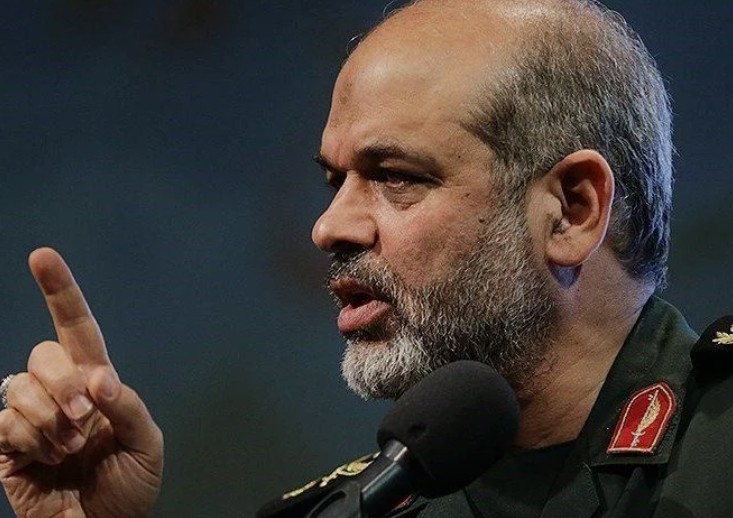
Signs of division
Trump has repeatedly claimed that the Iranian regime is "fractured" following joint US–Israel operations that killed several high-ranking officials, including the country's Supreme Leader. In a social media post on Thursday, Trump pointed to an apparent split between the IRGC and government members involved in talks as a hurdle to a deal. "Iran is having a very hard time figuring out who their leader is! The internal conflict between the 'hardliners' and the 'moderates' is CRAZY!" Trump wrote. However, Iran has categorically denied these claims of division.
The second wave
Additional US strikes would likely target Iran's remaining military capabilities, including missiles, launchers, and production facilities that were not destroyed in the initial wave of US–Israel attacks or may have been moved to new strategic positions during the ceasefire. Approximately half of Iran's missile launchers and thousands of one-way attack drones survived the American bombing campaign, according to US intelligence estimates. Last week, Secretary of Defense Pete Hegseth admitted that Iran has moved assets to new locations and threatened to hit these targets if a deal is refused.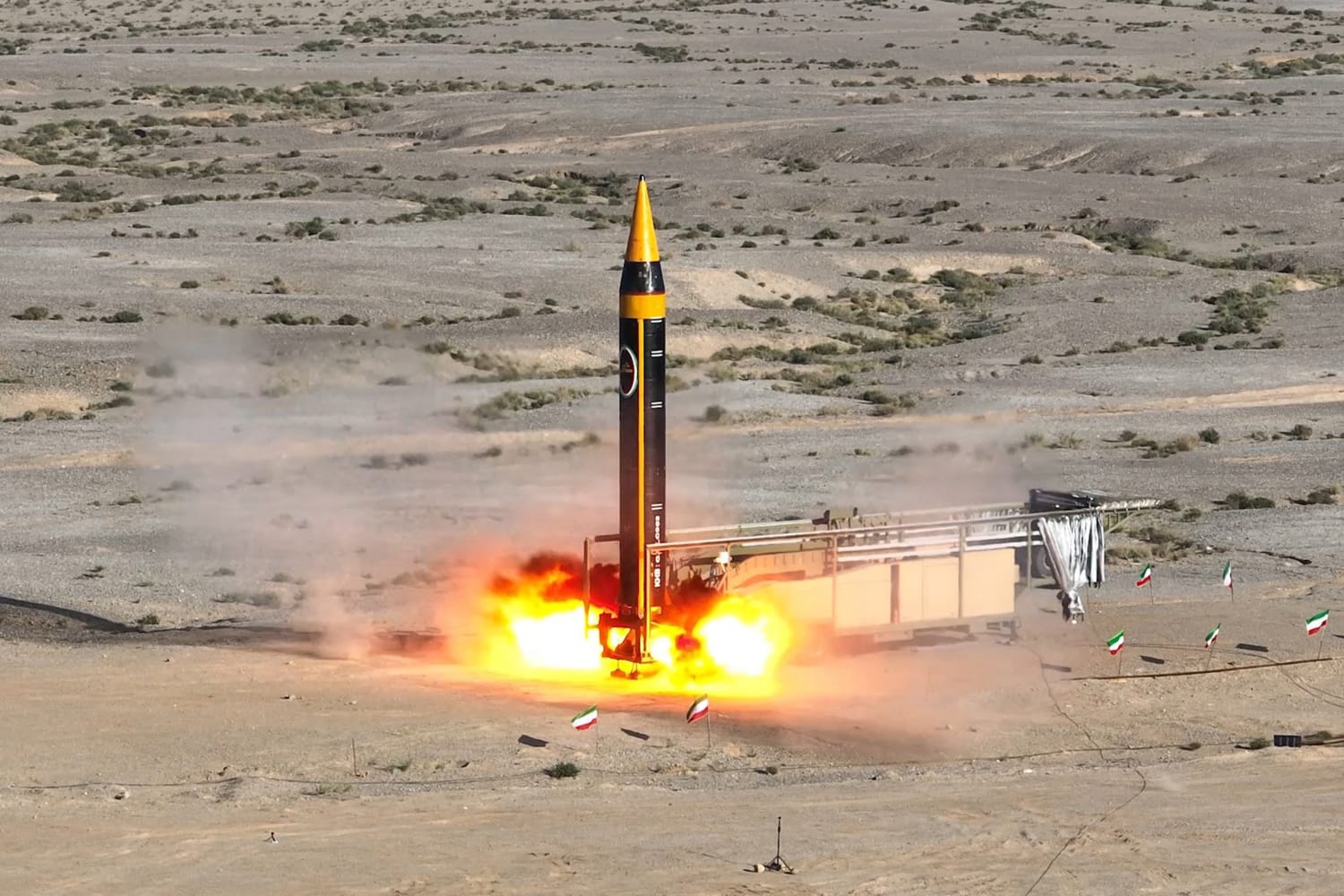
The ceasefire is not indefinite
Trump appears hesitant to resume the war with Iran and would prefer a diplomatic solution, according to CNN. However, multiple sources acknowledge that the extension of the ceasefire is not "indefinite" and that the US military is ready to resume attacks if ordered. Trump has continued to express frustration over Iran's refusal to reopen the Strait of Hormuz, which has essentially closed to international navigation. The Trump administration reportedly underestimated Iran's willingness to close the strait—a move that might have been "averted" if US assets had been stationed in the region from the start.
Failure despite 17 ships and 2 carriers – USS H.W. Bush arriving
The failure to prevent the effective closure of the strait in the early days of the war led to the current confrontation, as tankers remain largely unwilling to transit the area for fear of attacks. The US Navy currently has 19 ships in the Middle East, including two aircraft carriers—with the USS H.W. Bush expected in the coming days. The US military began imposing a blockade of Iranian ports on April 13 and has redirected at least 33 ships. US forces have also boarded at least three vessels, including two in the Indian Ocean, nearly 2,000 miles from the Persian Gulf.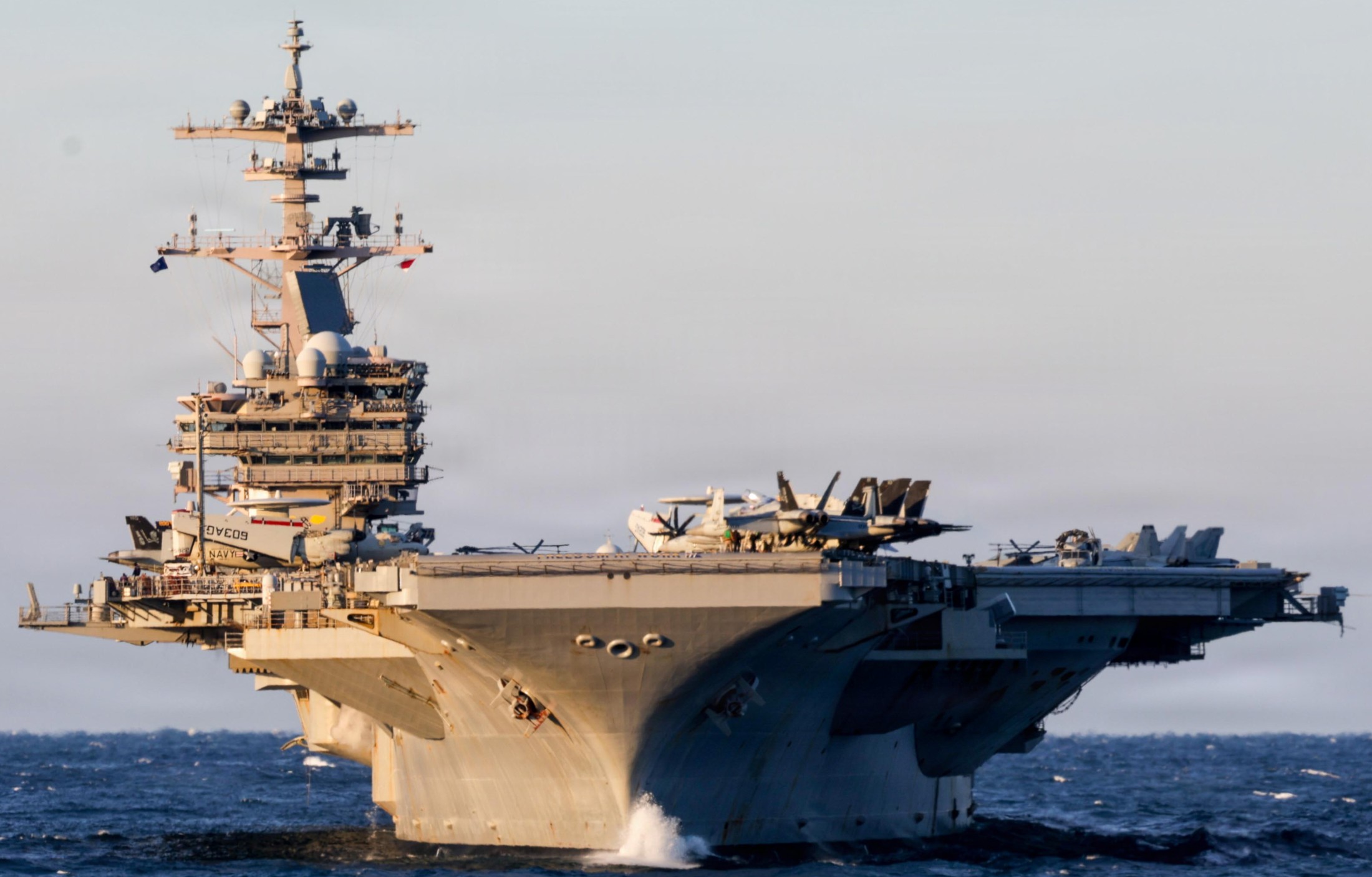
The wager
President Trump is trying hard to convince two critical audiences—the Iranian leadership and the American people—that he is dictating the war's course. His problem is that neither may be listening. The stalemate intensifies as Iran relentlessly increases the global impact by keeping the Strait of Hormuz closed, while Trump tries to strangle the Iranian economy via naval blockade. The question that may decide the outcome is which side possesses the political will to endure the longest.
"I'm in no rush"
Trump understands this dynamic. "I have all the time in the world, but Iran does not," he stated on social media. He then attacked media narratives claiming he is in a hurry to end the war. "Don't push me," he told reporters. "Every story I see says Trump is under time pressure. I'm not. You know who is under pressure? They are."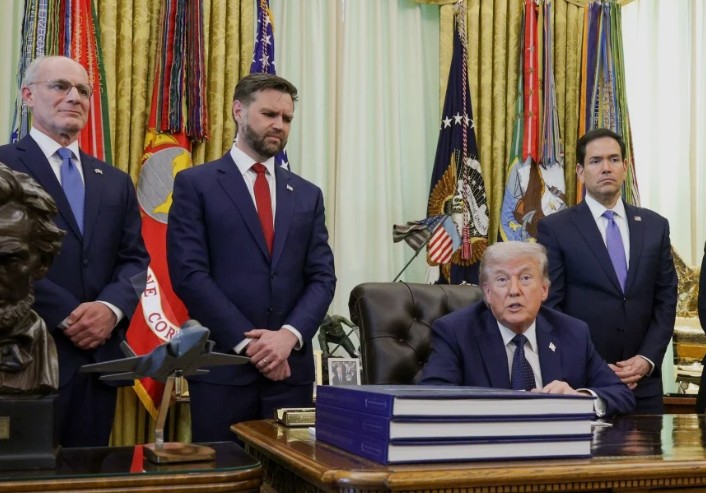
Iran's resolve
It is critical for Trump to win the war and secure support from a skeptical American public. However, he starts from a difficult position, given that he has made conflicting statements about his strategy for weeks. There is also the possibility that his insistence on having "all the time in the world" is an attempt to mask the growing pressure he faces as the conflict lingers. There are signs that Iran believes it has the upper hand, viewing this as an existential battle it has been prepared for since the 1979 Revolution.
US control of Hormuz is a myth
Trump stated on Thursday that the United States has "absolute control" over the Strait of Hormuz, but this is not the case. Small Iranian naval vessels have attacked several ships to reinforce their control. Tehran announced it received the first "tolls" from ships requesting passage. Furthermore, the Washington Post reported that the Pentagon informed Congress it could take up to six months to fully clear the mines placed by Iran, prolonging the conflict's potential impact.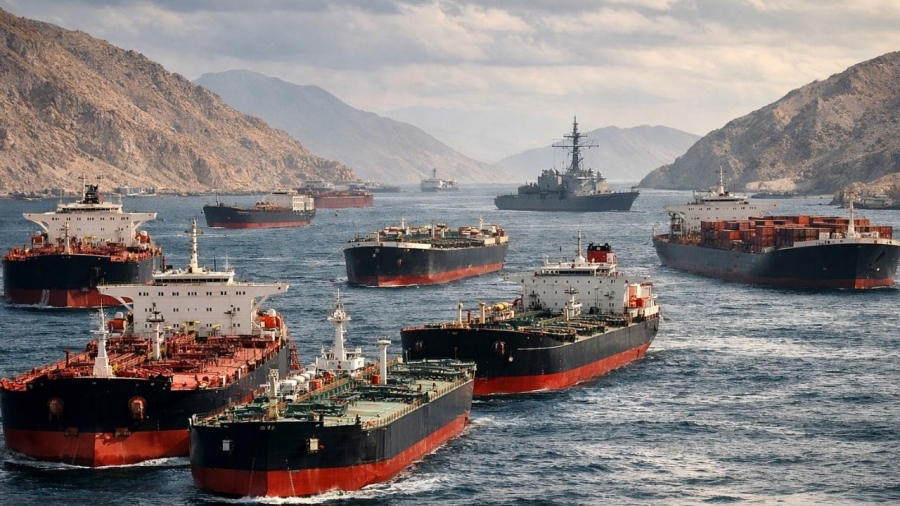
Iran as an unexpected leader
CNN diplomatic editor Nic Robertson concluded that Iran is emerging as an unexpected "leader" in this dangerous game of chicken with the US. The Iranian Navy may have taken hits, and its missile and drone arsenals may be weakened, but it shows endurance in what its leaders consider an existential fight. "All they need to do is show that you don't need to defeat the opponent—just make the cost so high that they cannot continue," stated Monica Toft, a fellow at the Quincy Institute.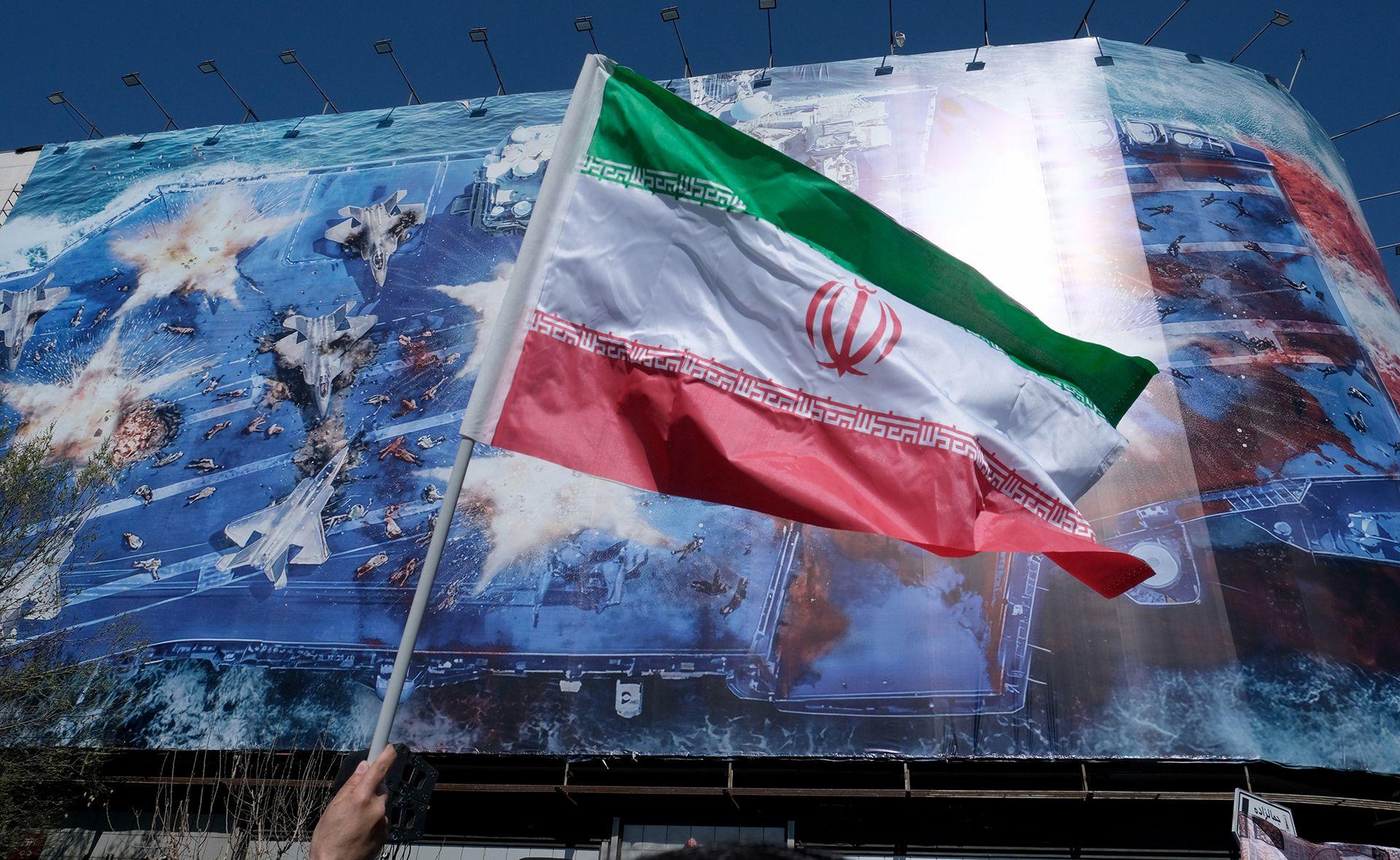
What Americans believe
Trump's second audience is the American people. The White House initially stated the war would last four to six weeks, but the conflict and its economic fallout are lasting much longer. This leaves the president on unstable political ground. Polls regarding the war with Iran are already particularly negative for Trump. A CBS News/YouGov survey earlier this month showed only 36% consider the military operations successful. This negative public opinion is notable given that US casualties are relatively low, with at least 13 military personnel killed so far.
Comparisons to Vietnam, Iraq, and Afghanistan
Trump is also attempting to compare the duration of the war to previous American conflicts to argue the current involvement is short. "We were in Vietnam for 18 years. In Iraq for many years," he said. "I don't want to mention World War II because it was huge. But we were there almost five years. In the Korean War, seven years. I've been doing this for six weeks."
Chaos
He may be right that he has time for a deal, but it is doubtful such comparisons to wars viewed as failures will reassure the public. Negative polls matter because they show a prolonged war is politically difficult to sustain. Iranian leaders know Americans are tired of paying roughly $4 per gallon for fuel. Trump has faced criticism for a chaotic strategy but insists the naval blockade will eventually destroy the Iranian economy.
For how long will they pay the cost?
It is impossible to predict a war's outcome while it is in progress. If Iran is forced to yield, Trump's strategy of military and economic pressure will have paid off. However, the president risks repeating a known pattern: the assumption that rivals will act "rationally." If Iran views its interests differently, no amount of economic pressure may be enough. The question is whether Trump and the American people are willing to keep paying the price.
Repeating the past
There is one more possibility: what if Trump truly feels no time pressure? The prevailing view in Washington is that he must end the war soon to limit political damage. However, he seems somewhat willing to accept a potential political loss. He has argued to Americans that high fuel prices are an acceptable price for a "nuclear-free Iran." However, Trump had not presented public evidence that Iran was close to a nuclear weapon before the war began.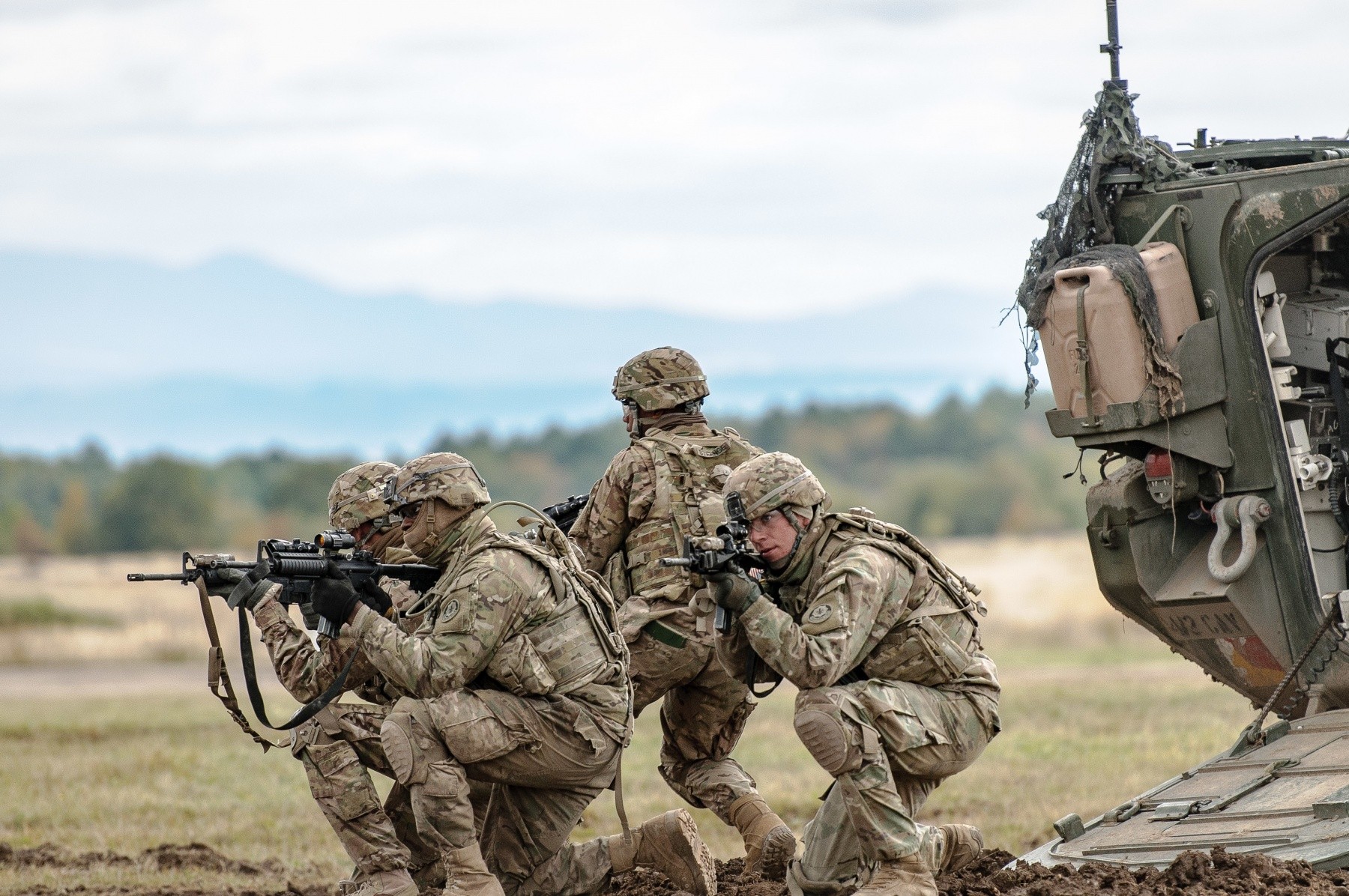
Chris Murphy (Democrats): Trump still considering invasion – War damage will grow
US President Donald Trump is still considering the possibility of a ground invasion of Iran, claims Democratic Senator Chris Murphy. "Trump is still thinking about a catastrophic ground invasion, and his refusal to end the war keeps Iran in control of the straits and keeps energy prices catastrophically high," Murphy stated in a post on X. According to the senator, the damage from Trump's war could become even greater, contributing to a global food crisis and weakening America.
www.bankingnews.gr












Readers’ Comments