

Shipowners with vessels in the Persian Gulf have been on edge in recent days
The Strait of Hormuz is now under the complete control of Iran, a development that humiliates the US and President Donald Trump personally. The first tolls have been officially deposited into Iran’s central bank, known as Bank Markazi, while confirmation from the Vice Speaker of the Iranian Parliament, Hamid-Reza Haji Babaee, marks a historic economic victory for Iran. Despite threats from Kaja Kallas and "ultimatums" from the European Union, Iran has demonstrated in practice that it is the sole regulator of the world's most critical passage.
However, Iran's control of Hormuz is not merely economic. Recent incidents involving the seizure of the Greek-owned vessel "Epaminondas" and the Panamanian-flagged "MSC Francesca" have sent a clear message to all parties: no one passes through Hormuz without Iranian approval. At the same time, the mining of the Strait creates a deadlock for the US and its allies. Even if hostilities cease, Iranian mines will maintain control over global oil flows for at least six months, leaving the West trapped in a naval minefield.
Tolls being paid to the Central Bank of Iran
Hamid-Reza Haji Babaee, Second Vice Speaker of the Iranian Parliament, also known as the Majlis, announced today, Thursday (April 23, 2026), that the country has received its first revenues from tolls collected from ships crossing the Strait of Hormuz. Speaking to the press, the former Minister of Education stated that the revenues have already been deposited into the Central Bank of Iran, also known as Bank Markazi.
Previously, the United States and the European Union opposed Iran's decision to begin charging vessels for passage through the Strait. In fact, the head of European diplomacy, Kaja Kallas, stated that the EU is categorically opposed to any payment system for transit through the Strait of Hormuz. For his part, Iranian Foreign Ministry spokesperson Esmail Baghaei emphasized that Kallas's "ultimatum" demanding the opening of the Strait exceeds her jurisdiction.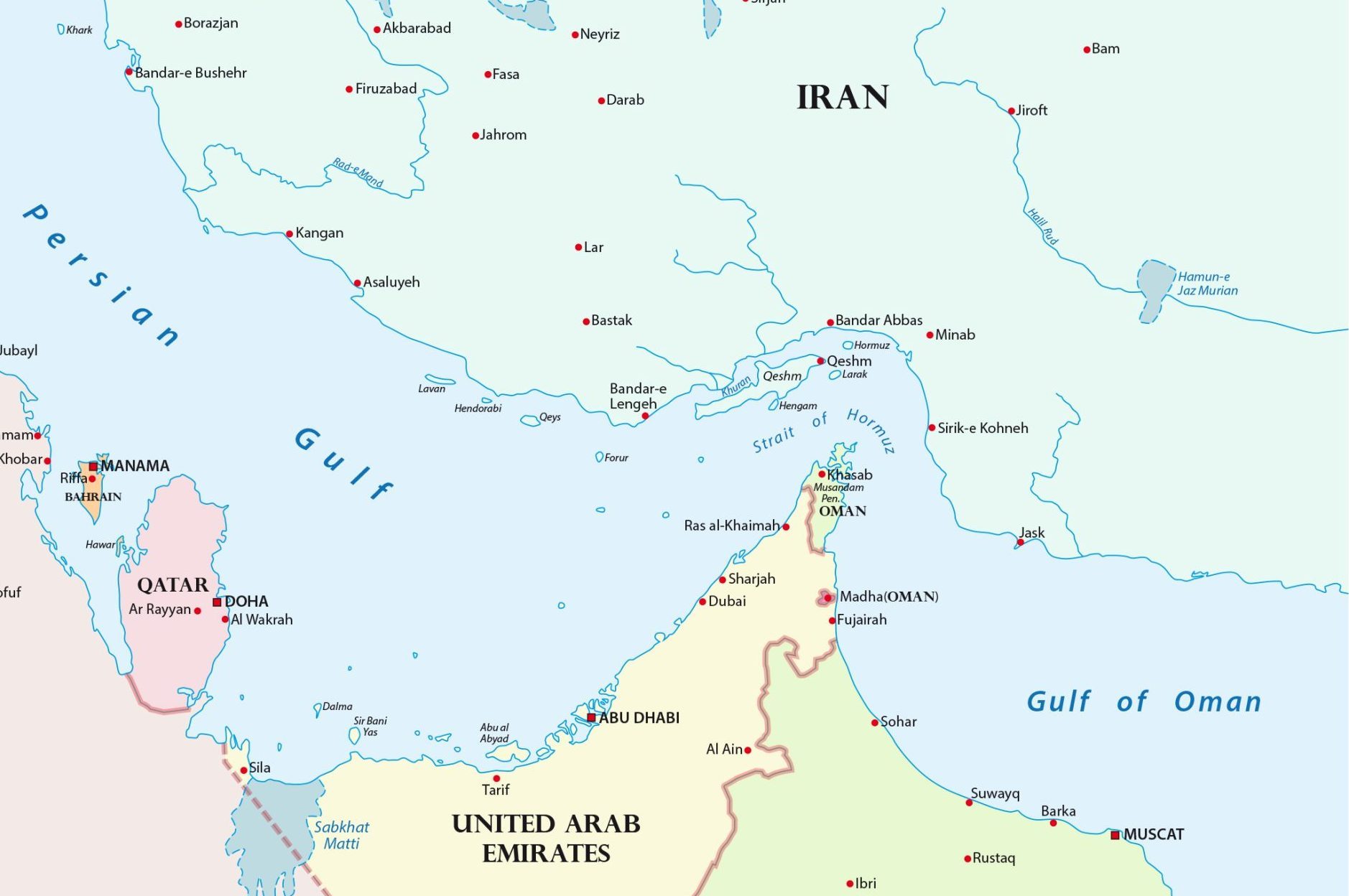
Full Iranian sovereignty in the Strait of Hormuz
Traffic through the Strait of Hormuz has frozen after Iran opened fire on commercial vessels and declared it had seized at least two ships ("Epaminondas", "Francesca"), an event occurring for the first time in nearly eight weeks of war. Only one vessel, the bulk carrier LB Energy, was seen moving through the waterway early today, Thursday (April 23, 2026), while no others were seen entering. The product tanker Ocean Jewel currently remains idle at the entrance of the corridor, having aborted its transit shortly after Iranian forces began firing at three vessels.
Shipowners with vessels in the Persian Gulf have been on edge in recent days, with Wednesday's (April 22, 2026) skirmish representing the second round of attacks in less than a week. Over the weekend, Iranian forces abruptly ended a brief opening of the straits by firing on passing ships—a move Tehran later stated was a response to the US decision to maintain its own naval blockade.
The links of vessels Ascanio and LB Energy to Greece
Nevertheless, it should be noted that following the seizures of the two ships on Wednesday, the Ascanio, a Greek-owned Marshall Islands-flagged cargo ship that had delivered food to Iran, crossed the Strait late the same day and is now heading south into the Gulf of Oman.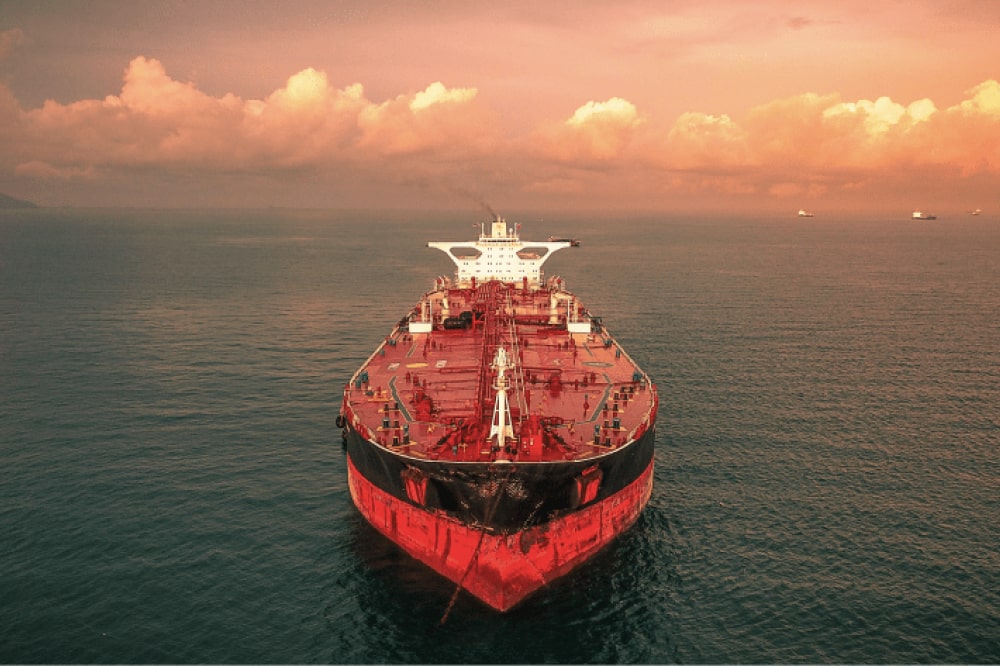
Also, early today, Thursday (April 23, 2026), only one ship was seen moving through the waterway. This was the LB Energy, owned by Woody Chartering Ltd., according to the Equasis shipping database, which shares the same address in Greece as its manager, Grehel Shipmanagement Co. The owner and manager of the Ocean Jewel is Shanghai-based Ocean Jewel Shipping Co. Ltd. The company Ascanio Maritime, owner of the Ascanio, shares the same address in Athens as the management company Minoa Marine.
The Pentagon report on mines
Meanwhile, a Pentagon report highlights that it will take six months for Hormuz to be cleared of the mines placed by Iran, a fact that could keep oil prices at high levels. Furthermore, it is ruled out that such an operation would begin before the end of the war. The six-month estimate was shared with members of the House Armed Services Committee during a classified briefing. According to the same briefing, Iran may have placed 20 or more mines in and around the Strait, some of which are remote-controlled using GPS technology, making them more difficult to detect.
The "danger zone"
For their part, Iran’s Revolutionary Guard has warned of a "danger zone" covering 1,400 square kilometers—14 times the size of Paris—where mines may be present. The Speaker of the Iranian Parliament stated that the Islamic Republic will not reopen the straits as long as the US naval blockade remains in place. At the same time, a spokesperson for the German transport giant Hapag-Lloyd warned last week that shipping companies need details on viable routes, as they remain fearful of the mines.
www.bankingnews.gr








Readers’ Comments