

The world will require significant time to emerge from the crisis, partly due to destroyed infrastructure whose restoration will take years. Amidst this bleak landscape, Europe celebrates a superficial victory: a 40% surge in electric vehicle (EV) sales this March.
History has never witnessed such devastation. Humanity is currently experiencing the greatest energy crisis ever recorded—a nightmare that surpasses in scale all previous shocks of 1973, 1979, and 2022. Even the International Energy Agency (IEA) has been forced to concede this terrifying truth, marking the beginning of an era of absolute uncertainty. We stand on the precipice of an energy holocaust that will make past crises look like child's play.
The history of energy crises is not merely a record of prices and quotas; it is a narrative of geopolitical blackmail, economic collapse, and social chaos. Every crisis, from the first shock of 1973 to the current 2022 turmoil and the looming threat of 2026, possesses unique characteristics proving that humanity remains hostage to its energy sources. The world views the "perfect storm" of 2026 not as a simple economic disturbance, but as an existential threat that will sweep away everything in its path, from global markets to government stability. Europe is first on this list.
The crisis triggered by the US and Israel in Iran will, according to reputable analysts, become the fuse for Europe's collapse. We saw the economic fallout of past crises in 1973, 1979, and 2022, and we are living it now in 2026. However, what we will experience in 2026 will be unprecedented in terms of political shifts and the downfall of governments and institutions.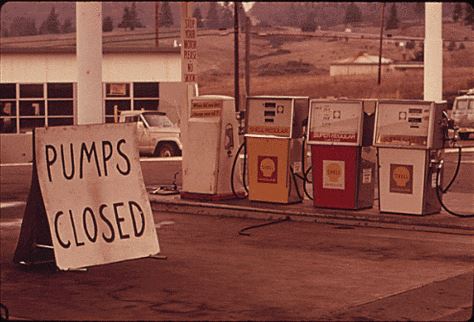
A. 1973: The first shock and the oil weapon
Until today, the 1973 crisis was considered the ultimate catastrophe, when OPEC imposed an oil embargo on the West, sending prices skyrocketing from $3 to $12 per barrel, and eventually to $24. It was the first shock that brought economies to their knees and the moment the world realized that oil is not just a fuel, but a deadly geopolitical weapon.
In October 1973, the Yom Kippur War broke out between Israel and a coalition of Arab states led by Egypt and Syria. The US and other Western nations rushed to support Israel militarily. In retaliation, the Organization of Arab Petroleum Exporting Countries (OAPEC), dominated by Saudi Arabia, announced a phased embargo on oil exports to countries supporting Israel (USA, Netherlands, Portugal, Russia, South Africa) while simultaneously reducing overall production.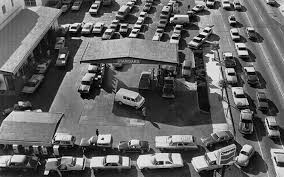
Consequences were immediate and devastating: Sky-high prices, queues of terror, economic collapse
The price of oil quadrupled, jumping from $3 to $12 a barrel. In the US and Europe, consumers faced empty gas stations. Miles-long queues, fuel rationing, and Sunday driving bans became the new reality. The crisis ignited a vicious cycle of inflation and recession (stagflation), crippling Western economies and causing mass unemployment. 1973 gave birth to the International Energy Agency (IEA) and the concept of Strategic Petroleum Reserves (SPR) in a desperate attempt by the West never to be in that position again.
B. 1979: The second shock
The boiling pot: The Shah and discontent, his fall, and the rise of Khomeini
The second crisis, in 1979, was triggered by the Islamic Revolution in Iran, expelling Western companies and causing a plunge in production, with prices climbing from $14 to $40. The 1979 energy crisis, also known as the "Second Oil Shock," was a geopolitical earthquake that started in the depths of Iran and spread like wildfire, humbling Western economies and reshaping the global energy map.
The collapse of the Iranian oil industry resulted from a perfect storm of political uprising, industrial sabotage, and the final rupture with the West. To understand the crisis, one must look at Iran before 1979. Shah Mohammad Reza Pahlavi, with US support, implemented a program of rapid and often violent Westernization. Despite immense oil wealth, inequality ballooned. Oil sector workers lived in squalor in cities like Abadan, home to the world's largest refinery. Discontent simmered, fueled by the repression of the SAVAK secret police and the sense that national wealth was being plundered by foreign firms.
The strike outbreak: When the refineries fell silent
In the summer of 1978, political unrest in Iran escalated. Anti-Shah protests became daily occurrences. In September, a series of strikes began in the southwestern oil fields. The demands were not merely economic; workers sought the release of political prisoners, an end to martial law, and the nationalization of the oil industry. The regime's response was repression. On September 8, 1978, "Black Friday," the army opened fire on protesters in Tehran, leaving hundreds dead. This was the point of no return.
Oil strikes became universal. Workers occupied facilities, sabotaged pipelines, and halted the flow of crude to refineries and export ports. Abadan, the lung of the Iranian economy, went dead. By December 1978, Iran's oil production had dropped from 6 million barrels per day to less than 1 million. Exports ceased almost entirely. Isolated and unable to control the situation, the Shah fled the country in January 1979. On February 1, 1979, Ayatollah Ruhollah Khomeini returned triumphantly from exile. One of the first measures of the new government was the official cancellation of all contracts with foreign oil companies (the so-called "Consortium") and the full nationalization of the industry under the National Iranian Oil Company (NIOC).
The global domino: Panic, queues, and recession
The disappearance of Iranian oil from the global market (about 5% of global supply) caused immediate panic. Although other OPEC countries, like Saudi Arabia, increased production, they could not fully fill the gap. Oil prices soared from $13 in 1978 to over $30 in 1979, touching $40 in 1980. In the US and Europe, consumers faced an unprecedented reality. Panic led to "runs" on gas stations. Drivers waited for hours, often under rationing, to fill their tanks.
In Los Angeles and London, mile-long queues became the symbol of the crisis. Rising energy costs trickled through the entire economy. Inflation soared to double digits, while economic activity slowed sharply. Stagflation became the new economic reality. The crisis mortally wounded the Jimmy Carter administration in the US. His inability to manage fuel shortages, combined with the Tehran hostage crisis in November 1979, sealed his political fate—just as this crisis will seal the political fate of Donald Trump.
The legacy of the crisis: A new energy map
The 1979 Iranian energy crisis changed the world forever. It forced Western nations to realize their dangerous dependence on Middle Eastern oil. The US and other nations accelerated the creation of Strategic Petroleum Reserves, such as those in Louisiana, to protect against future supply shocks. A massive effort began to develop oil fields outside the Middle East, such as in the North Sea and Alaska. The crisis spurred the development of more economical cars and research into alternative energy sources, including nuclear, solar, and wind.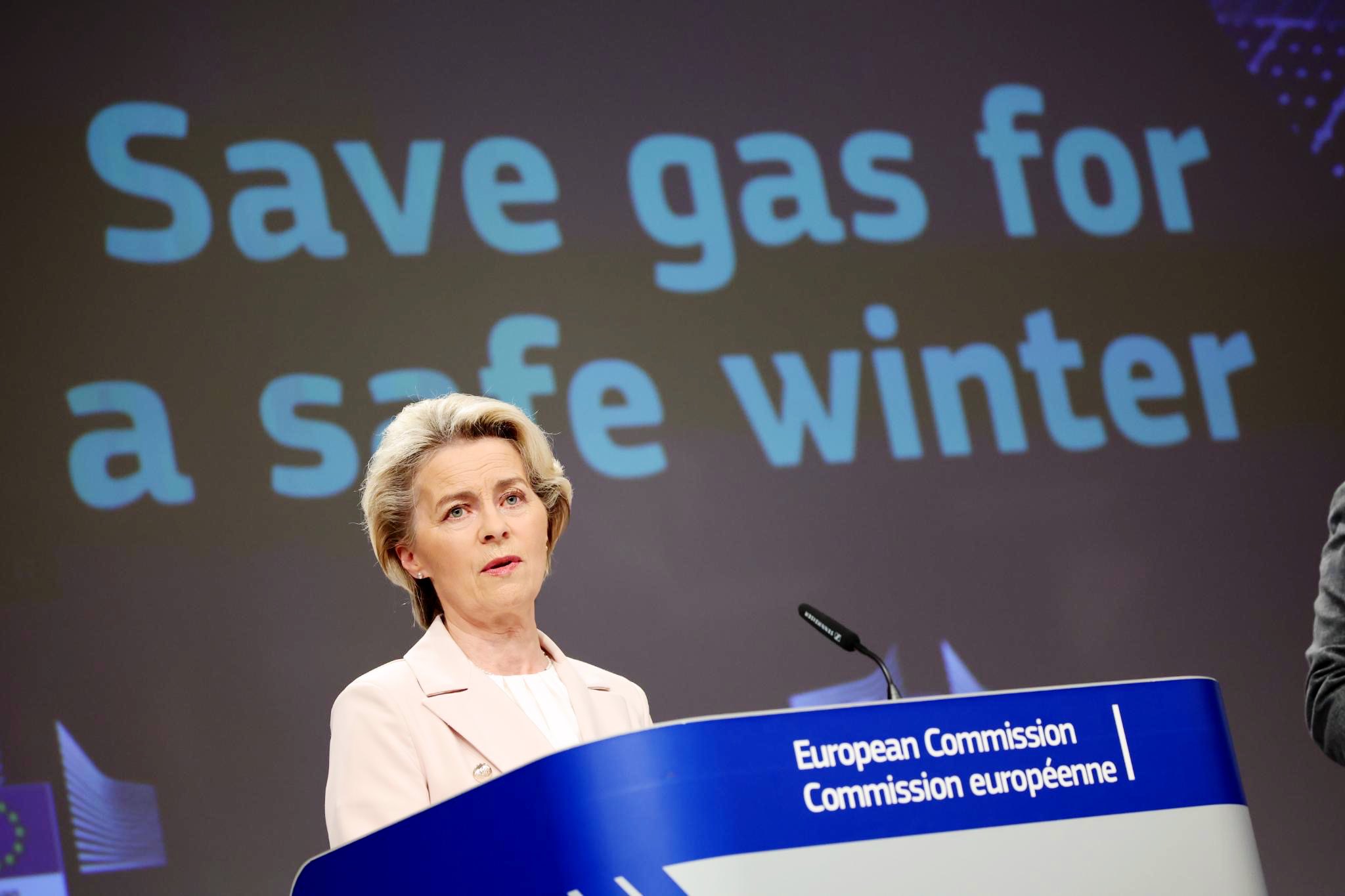
2022 and the terror of sanctions
The 2022 crisis was different. It was triggered by sanctions against Russia. Prices momentarily touched $140 per barrel as markets panicked over the US embargo and the fear among Europeans of buying Russian oil. However, Russia found new buyers and prices stabilized, making this crisis, in retrospect, "lighter" than the previous ones, though it proved that the ghost of geopolitical blackmail remains alive.
In February 2022, Russia began its special military operation in Ukraine. The West reacted with unprecedented economic sanctions aimed at isolating the Russian economy. Russia, the largest natural gas supplier to Europe, used energy as a retaliatory weapon. Moscow gradually reduced and eventually stopped gas flows through key pipelines like Nord Stream 1. The European Union, attempting to decouple from Russian energy, imposed embargos on Russian coal and oil.
Result? "Fire" bills and uncertainty
Natural gas and electricity prices in Europe skyrocketed to historic highs, bringing households and businesses to despair. Europe spent the summer and autumn in a desperate race to fill gas storage facilities under the fear of a winter with energy rationing and blackouts. The crisis fueled global inflation, increasing the cost of living and sparking fears of a new global recession. 2022 accelerated Europe's shift toward liquefied natural gas (LNG) from countries like the US and Qatar.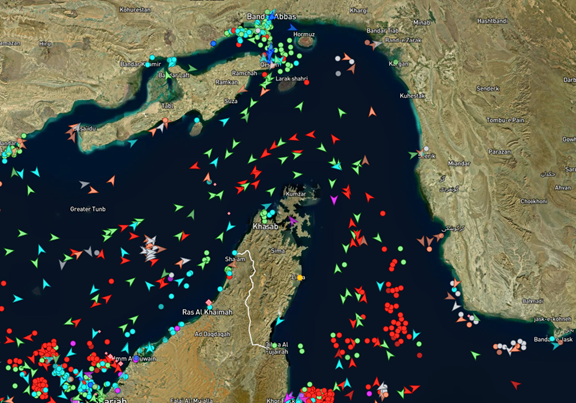
2026: The perfect storm of Hormuz
If 1973 and 2022 were shocks, the crisis predicted for 2026 promises to be the absolute catastrophe, combining all elements of terror. What we are living through today, in 2026, is unprecedented. The crisis unfolding before our eyes is characterized by several nightmarish differences. Although some wealthy Asian countries have strategic reserves, this is not enough to stem the devastation.
In 1970, the withdrawal of 10% of global oil by OPEC caused physical fuel shortages. In 2026, the world is expected to face a "perfect storm" of factors: Global energy demand, especially from Asia, will reach record levels. Years of underinvestment in fossil fuels due to the green transition pressure will result in a dramatic reduction in global production capacity.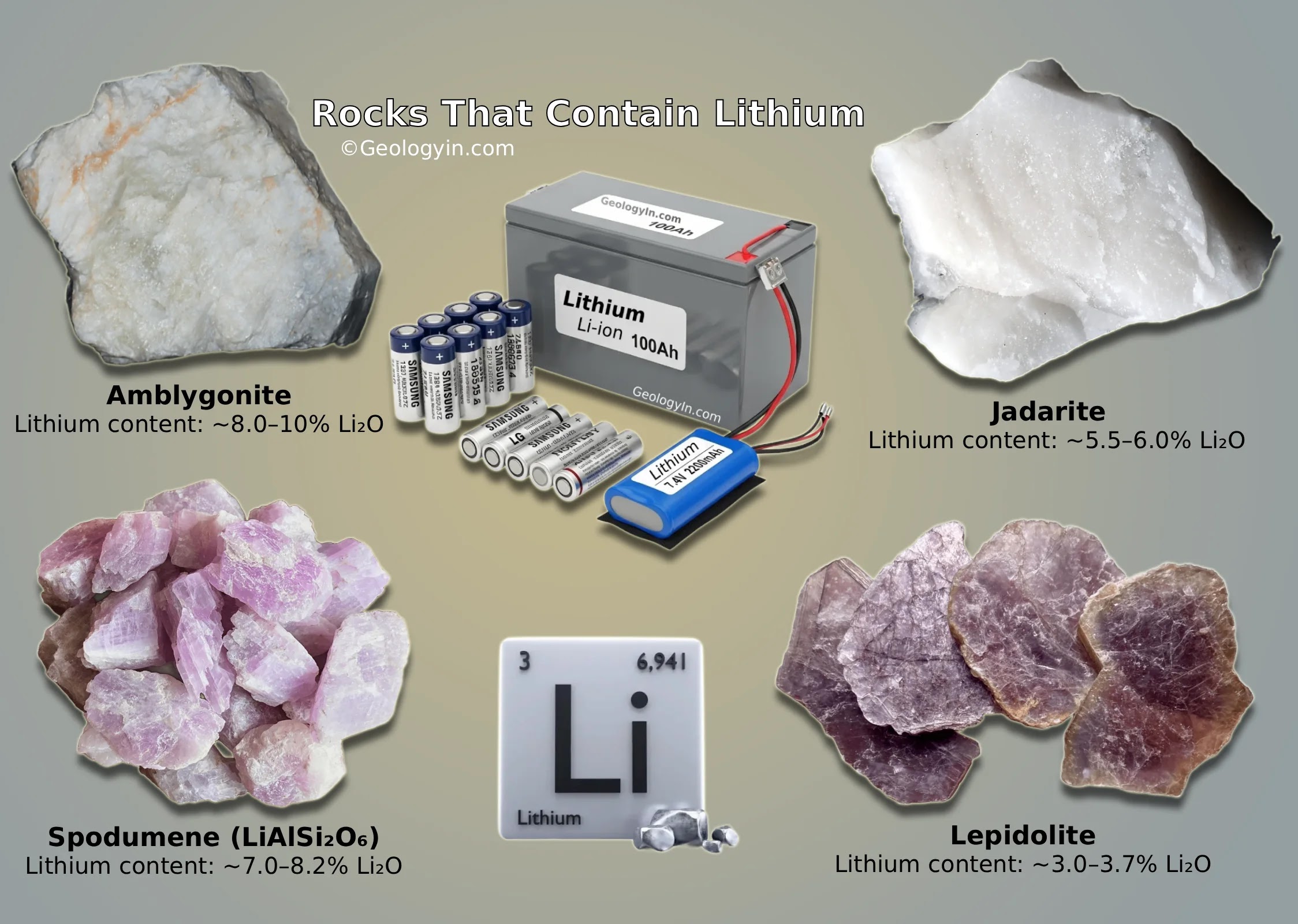
The conflict in Ukraine remains active, while new flashpoints in the Middle East and Asia threaten supply routes. The spark could be anything: a new geopolitical crisis or a natural disaster striking critical infrastructure. Oil and gas prices could surpass every previous record, making energy inaccessible to the average citizen. The terror of global fuel rationing will become universal. Entire industries will be forced to close, causing an economic collapse of biblical proportions. Energy shortages will lead to food and medicine shortages, causing social unrest and an unprecedented migrant crisis.
The end of the green transition and the legacy if it survives
Faced with the danger of immediate collapse, governments will be forced to abandon climate goals, returning en masse to the most polluting fuels like coal. The 2026 crisis will force humanity to radically re-examine its energy model, no longer as a choice, but as a matter of survival.
Asia in flames and the Russian lifeline
This year, in 2026, the global market lost over 20% of oil volumes due to the closure of the Strait of Hormuz. Despite efforts by Saudi Arabia and the UAE to divert quantities through pipelines, the shortage is tragic. The real crisis hit the poorest Asian countries, like Bangladesh, Ethiopia, and Sri Lanka, where 40% of gas stations have closed. Even in India, quotas have been imposed. The only reason China holds on, seven weeks after the Hormuz blockade, is its strategic reserves and access to Russian oil.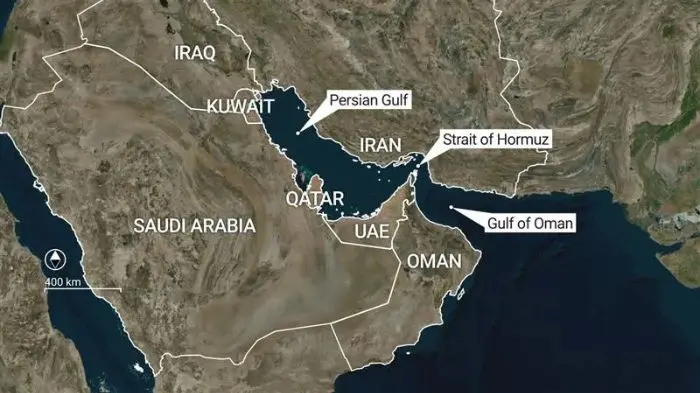
The ghost tanker and the "silencing" of Qatar
In this madness, Russian oil stored in tankers at sea proved life-saving. Before the crisis, 160 million barrels had accumulated as buyers feared sanctions. Now, after the Hormuz blockade and the temporary lifting of US sanctions, this oil is being "snatched up" like hot bread by India and others, with Russia happily selling at "premium" prices.
The double threat: Oil and natural gas
What makes the 2026 crisis unique is that it is not just an oil crisis, but a gas crisis as well. Asia and Europe lost a critical LNG supplier, Qatar, due to infrastructure destruction. While China is saved by increasing Russian gas imports, Europe has trapped itself in a crisis it could have avoided.
European suicide and the Russian "gift"
Europe has the luxury of avoiding the gas crisis. It would suffice to lift political restrictions and start the remaining string of Nord Stream 2, the Polish section of the Yamal–Europe pipeline, or even Ukrainian transit. Russia could "drown" Europe in gas. This would also benefit Asian countries by freeing up LNG volumes. This "injection of fresh blood" would crash gas prices in Europe and Asia. However, European politicians long ago stopped considering their voters' money.
The paper AccelerateEU and the green mockery
Instead, the European Commission publishes a useless plan to combat the energy crisis, AccelerateEU. This plan provides no targeted aid, subsidies, or relief on electricity bills. Instead, the EC wastes time accelerating the transition to green energy so that heating and cars run on electricity produced by sun, wind, and nuclear power. Only this plan does not solve the current problems of the gas crisis and high prices.
Global famine and the end of aluminum
The 2026 crisis is unique because it affected not only energy but the movement of countless goods worldwide. This led to disruptions in fertilizer supplies, threatening a food crisis. The closure of aluminum smelters in the Middle East caused the largest shortage in market history. Serious problems also appeared with the shortage and price hike of helium, a critical element for many industries.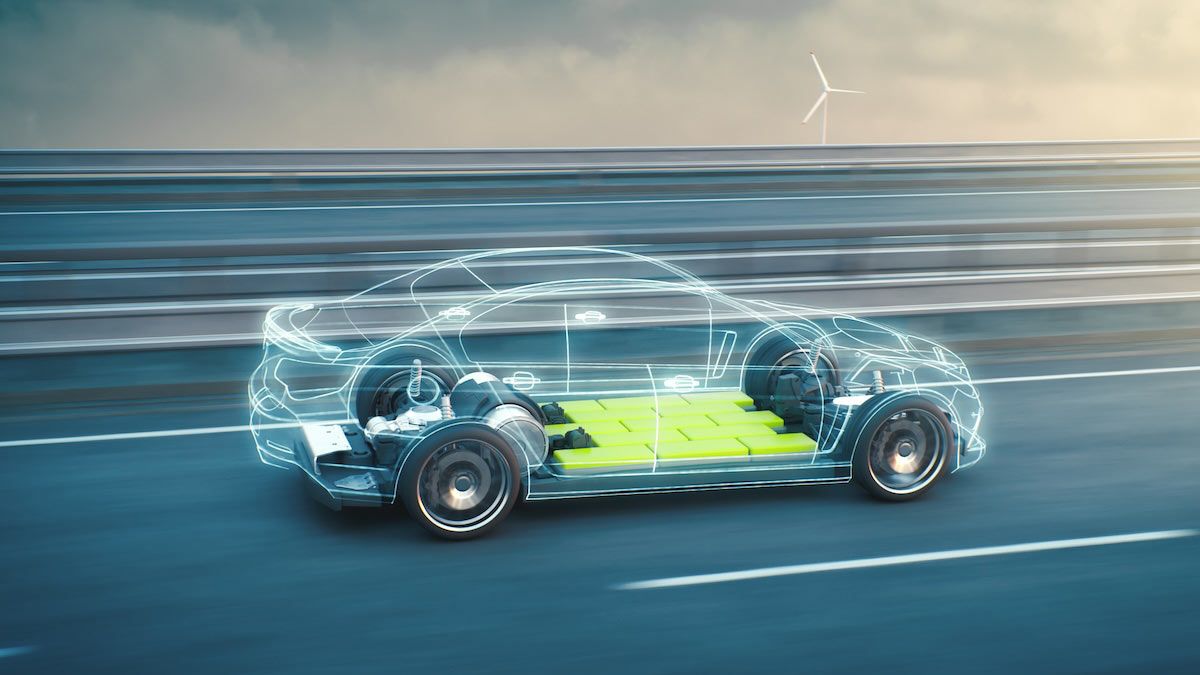
The promise of destruction... yet some are rubbing their hands
All this promises one thing: even when the US and Iran resolve their conflict and the Strait of Hormuz reopens, the problems will not vanish. The world will need much time to recover due to damaged infrastructure. Amidst this, Europe celebrates a 40% increase in electric vehicle (EV) sales. But is this real hope or a green "firework" masking the depth of the coming disaster? The data is striking: in March 2024, EV sales in Europe hit a historic record. Consumers, terrified by memories of high fuel prices, are turning to electromobility.
Fear as a catalyst
This increase is not the result of ecological consciousness, but of terror. Consumers in Paris, Berlin, and London, seeing geopolitical blackmail as the new normal, are rushing to decouple from gas pumps. Generous government subsidies and tax incentives in cities like Milan and Madrid have created artificial demand. This is a desperate attempt by Brussels to push the market toward the green transition at any cost.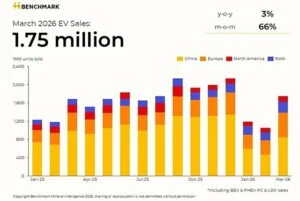
The irony of 2026: When lithium meets coal
Here lies the absolute irony. Europe is investing billions in a technology that risks becoming the first victim of the 2026 nightmare. To charge millions of new EVs, Europe needs massive amounts of electricity. And in 2026, energy will be the rarest and most expensive commodity. Faced with global energy rationing, European governments will abandon green goals. To keep the lights on, they will return to coal and lignite. In the nightmarish 2026 scenario, charging an EV will become a luxury. Consumers may find themselves with expensive, stationary vehicles, victims of an illusion.
The raw materials crisis: The other nightmare
The surge in EV sales brings to the surface another nightmare: the war for raw materials. Battery production requires massive amounts of lithium, cobalt, and nickel. In 2026, with global demand peaking and the supply chain broken, countries like China will exercise energy blackmail equivalent to the 1973 oil shock. Europe risks being trapped in a new, more dangerous dependence on Asian raw materials. EV sales are not the solution, but a symptom of the crisis—a desperate reaction to the fear of the 2026 nightmare.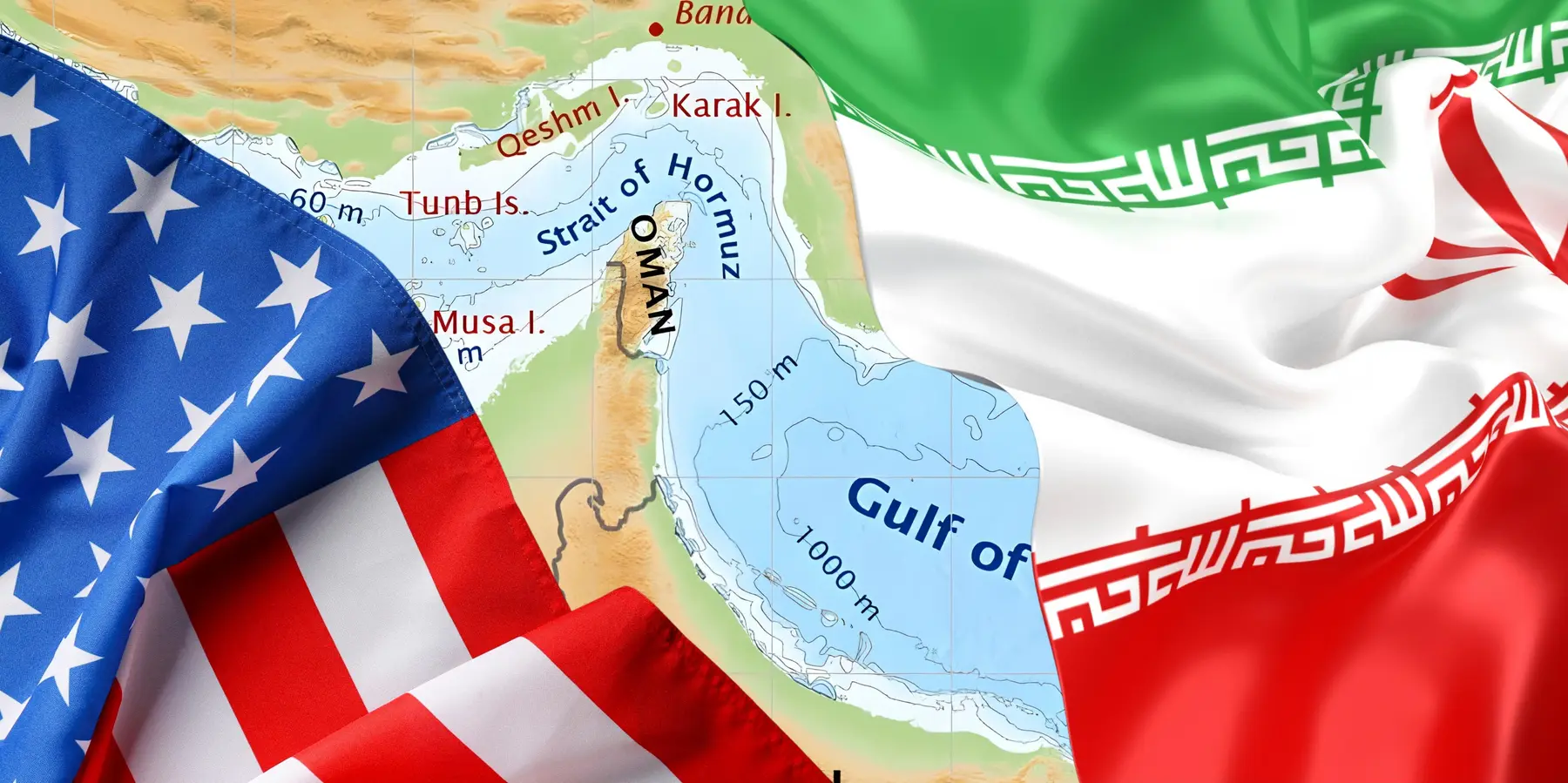
Terrible political consequences for Europe - The war in Iran as the fuse for European collapse
In this nightmarish setting, a new warning comes from Douglas McGregor, former US Pentagon advisor. A potential US war against Iran will not just be a regional conflict, but the fuse that will topple governments in Western Europe. Iranians have made it clear they will destroy much of what lies on the western coast of the Persian Gulf. This would strike the heart of global energy supply.
There are already major problems with gas and oil. This places all Western European countries that turned to green energy in an extremely difficult position. According to McGregor, an emergency already exists in Europe. "I believe serious changes will soon begin—governments will be overthrown," he emphasizes. Energy shortages bring not only cold but hunger. Half of the components for fertilizer production come from the Persian Gulf.
A disruption in this chain will lead to a global food crisis.
In the West, serious problems with gas and oil have already appeared. In Britain, aviation fuel and gas reserves could be exhausted within two weeks. This is not science fiction, but the harsh reality waiting for us. The 2026 energy crisis is a matter of survival. A war in Iran could be the last act of a tragedy leading to Europe's collapse, proving that neither EVs nor green energy can save us from the coming global energy Armageddon.
www.bankingnews.gr













Readers’ Comments