

New US-Iran war could topple Western European governments, warns former Pentagon advisor Douglas McGregor – Jacques Baud (Retired Swiss Lieutenant Colonel): US is rearming, and Iran knows it
There is no doubt that US President Donald Trump fully understands the deadlock in which the war he declared on Iran has placed the US. It is also clear that Trump would prefer—for both political and economic reasons—a rapid diplomatic solution to the disputes with Tehran, rather than a costly return to arms. However, it is no longer in his hands to determine developments. The Iranians, despite threats of being leveled, are not backing down and are the ones imposing terms, categorically stating that a return to talks will only occur if the US lifts its naval blockade.
It is obvious that Trump cannot impose anything on Tehran, and to justify the new extension he gave to the ceasefire, he resorted to his favorite tactic: distorting reality or simply lying. Specifically, he claimed he is giving more time to the "severely fragmented" Iranian government to present a unified proposal, while US Vice President J.D. Vance emphasized that Iran’s absence from Pakistan showed how disorganized the Iranian leadership is. These assessments are refuted even by Western and American analysts. On the contrary, they estimate that the regime has become more united, more cohesive, and tougher due to the war.
It is no coincidence that many experts are warning American military personnel to refuse any order from Trump for a ground invasion, while others warn that if estimates are confirmed—that the US used the ceasefire to prepare their next wave of attacks—then hell is coming for Western Europe within the next few weeks.
Iran as one fist
Despite the claims by Trump and Vance that the Iranian government is "severely fragmented," observers of Iran see things differently. Iran has insisted that the United States must end the blockade of Iranian ports before talks resume, and many analysts say the leadership is more cohesive than presented. "I think this is a serious misinterpretation of the Iranian leadership," stated Mehrat Kamrava, professor of governance at Georgetown University in Qatar, speaking to CNN. "The leadership has been quite cohesive, and we have seen this both in the conduct of the war and in the negotiations."
Those who decide
Governance in Iran has become much more complex since the United States and Israel eliminated most of the regime's top military and political leaders, including Iran's Supreme Leader, Ali Khamenei. A group of officials from across the Islamic Republic's political spectrum, who previously competed with one another, now decides the country's future under the threat of an existential war and amid the apparent absence of Mojtaba Khamenei, who succeeded his late father as the new Supreme Leader. These officials are also forced to balance their vision for Iran's future with internal pressure from hardline groups and external pressure from Trump's attempt to declare victory.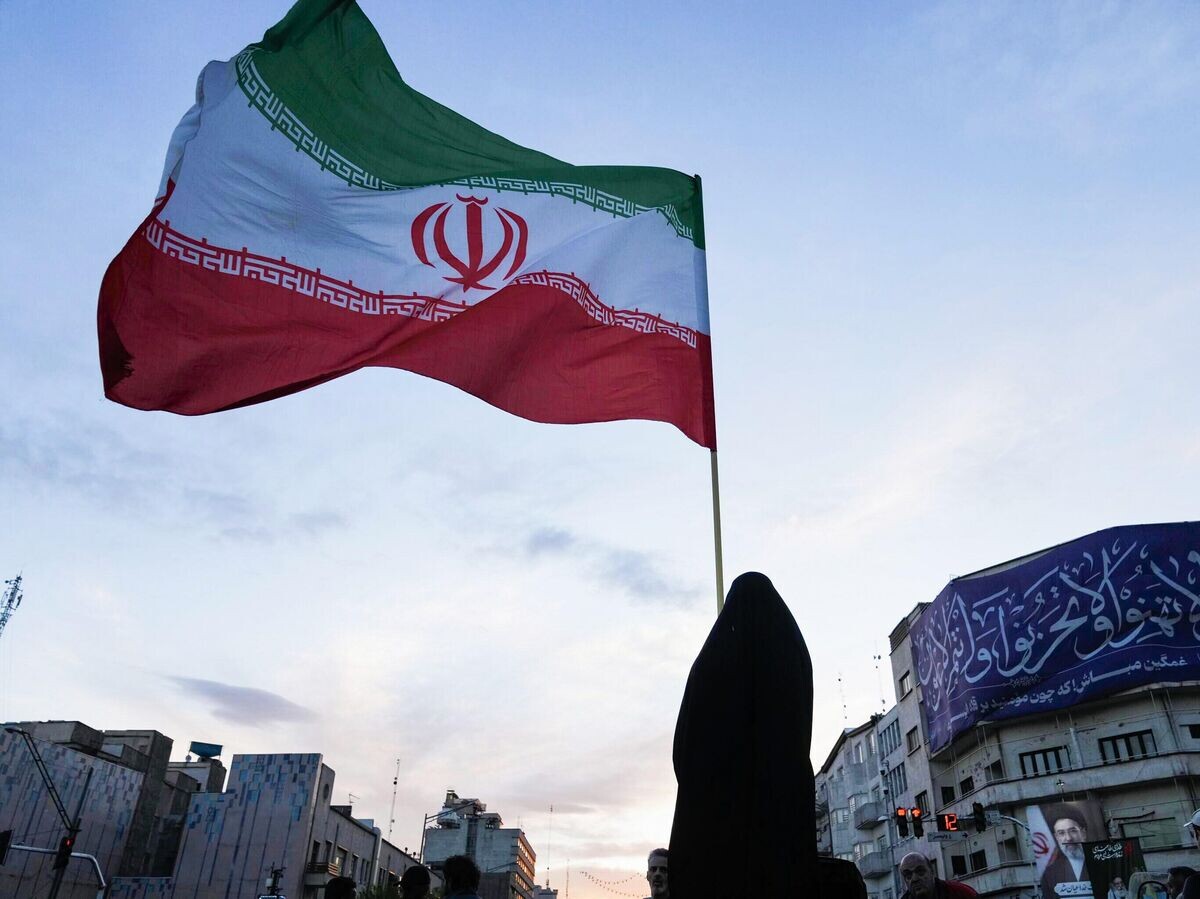
The war united them
However, despite their political differences, this group appears determined to publicly project an image of cohesion, even if they disagree on the management of the war and diplomacy with the US, according to experts. "Different factions of the Iranian leadership are now more aligned than before the war," Trita Parsi, executive vice president of the Quincy Institute for Responsible Statecraft, told CNN. "Because it is a much smaller circle... this circle is more united regarding the strategy used in the war" compared to previous restrictions under Ali Khamenei.
Tehran sets the terms
Amid intense speculation about whether Iran would participate in talks this week, Tehran maintained a steady public stance that its negotiators would not attend. It accused Washington of violating the ceasefire and of a lack of "seriousness in seeking a diplomatic solution." Even before the war, the Islamic Republic under Ali Khamenei maintained a clear list of "red lines"—including the right to enrich uranium, the continuation of missile development, and support for its proxy allies—demands it has carried into current negotiations with the Trump administration.
US propaganda
The political leadership of Iran has attempted to debunk reports of internal conflict and project a unified approach to the country's military goals and negotiating strategy. "Talk of division among senior officials is a tiresome political and propaganda trick by Iran's rivals," wrote Mehdi Tabatabai, deputy spokesperson for the President of Iran, on X. "The unity and consensus between the battlefield, society, and diplomats at this moment are exceptional and remarkable."
The symbol of unity
The regime has highlighted one official as a symbol of this unity. Mohammad Bagher Ghalibaf, long-time Speaker of the House and former commander of the Revolutionary Guard, led the first round of negotiations with the US in Islamabad and is now considered one of the key figures representing the Islamic Republic. Even when Ghalibaf arrived in Islamabad for the first round of talks, he was accompanied by an unprecedented group of Iranian officials representing a wide political spectrum, in a seemingly deliberate attempt to display cohesion. "Are there differences? Of course there are," said Parsi. But attributing the inability to reach an agreement to a fragmented leadership rather than Trump's conflicting messages is "disconnected from reality."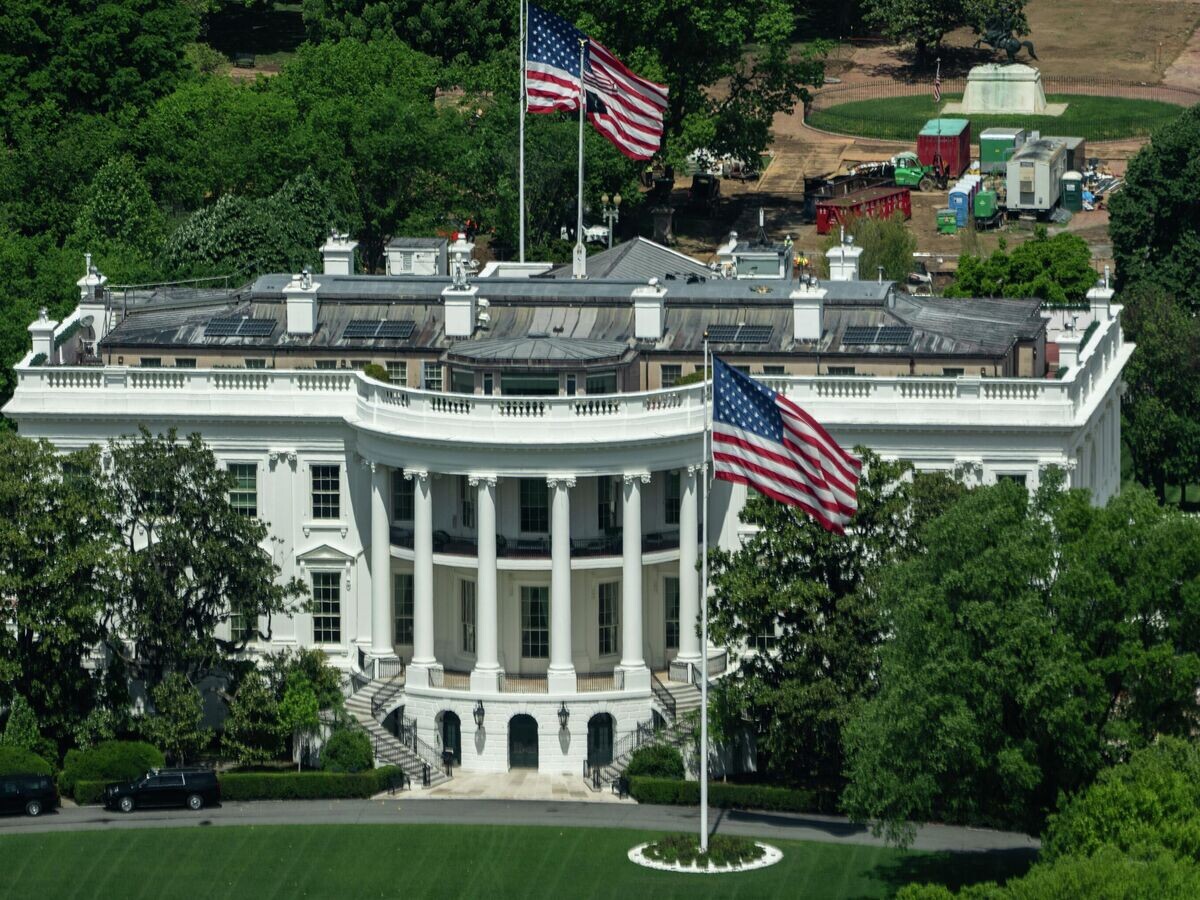
Trump's leaks
Over the weekend, the US and Iran seemed to be nearing an agreement to end the seven-week war. Trump then began posting on social media about the ongoing talks and speaking with journalists, while Pakistani mediators informed him of contacts with Iranian officials in Tehran. Some Trump officials privately admitted to CNN that the President's public comments have damaged the talks, noting the sensitivity of the negotiations and the deep distrust Iranians have toward the US.
New war structure
Faced with the threat of annihilation, the Iranian regime has dismantled the traditional system of competing power centers that operated for nearly five decades. A new war structure has gathered negotiators and political actors under one military umbrella, aiming to guide the country out of the crisis without admitting defeat. On the streets, large crowds representing hardline factions gather daily in favor of the regime and against any deal with Washington that would put Iran in a position of defeat. These hardline views dominate parliament and state media, where any sign that Iranian officials would allow Trump to declare victory provokes intense criticism. When Foreign Minister Abbas Araghchi stated that the Straits of Hormuz were open for commercial shipping, he was fiercely attacked by hardliners, forcing other officials to provide clarifications.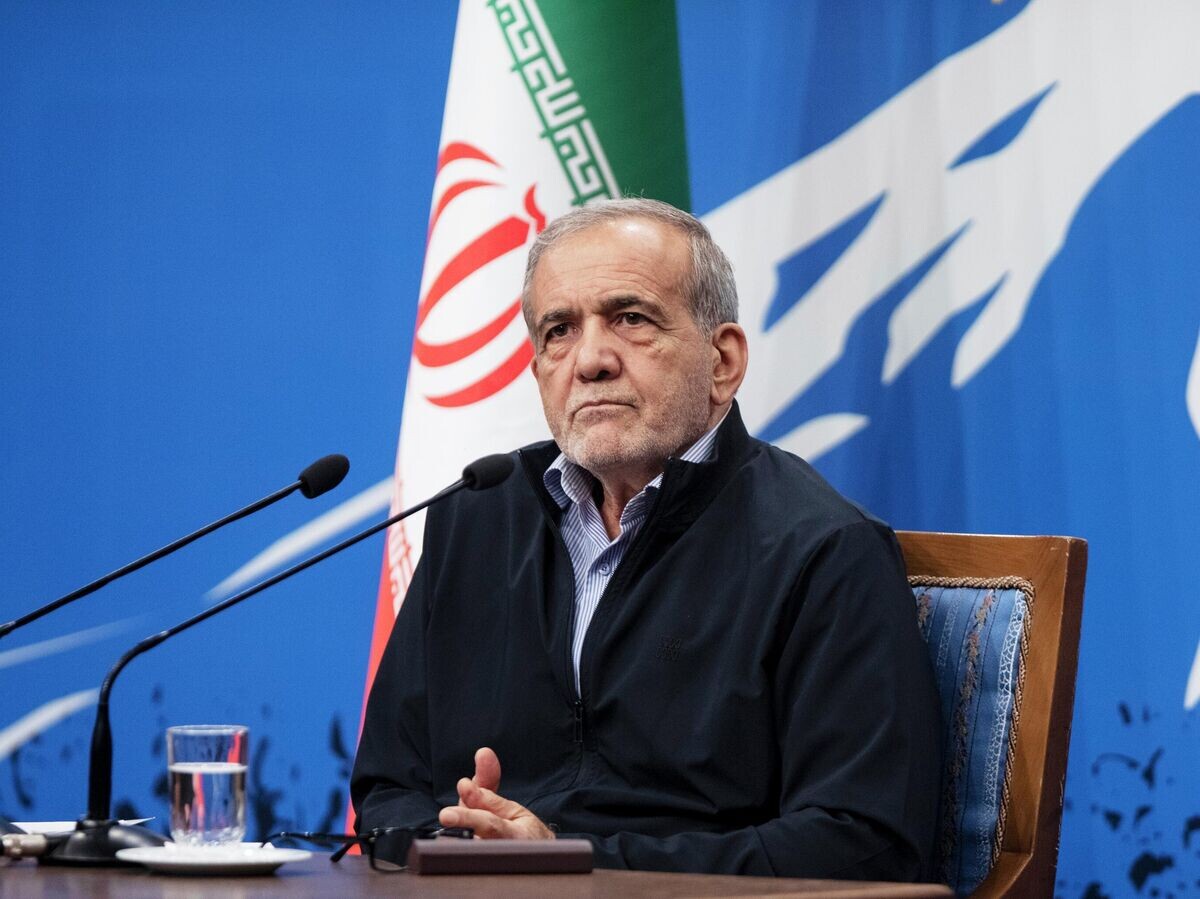
The change from Ali Khamenei
This war structure differs significantly from the way the Islamic Republic was governed for 37 years under Ali Khamenei. His son, Mojtaba, has been designated to lead the country but is currently in hiding. Reports suggest that he has been injured or suffered severe incapacity, intensifying uncertainty about whether he is giving clear instructions or if his subordinates are forced to interpret his intentions. "The system now operates in a different way. In the past, there were institutions... that discussed strategic issues and presented recommendations to the supreme leader," said Hamidreza Azizi, a researcher at the German Institute for International and Security Affairs. "Access to the supreme leader cannot be as regular as it should be," he said. "This automatically means that other officials have greater room for maneuver to decide the steps to be taken on issues of war and peace."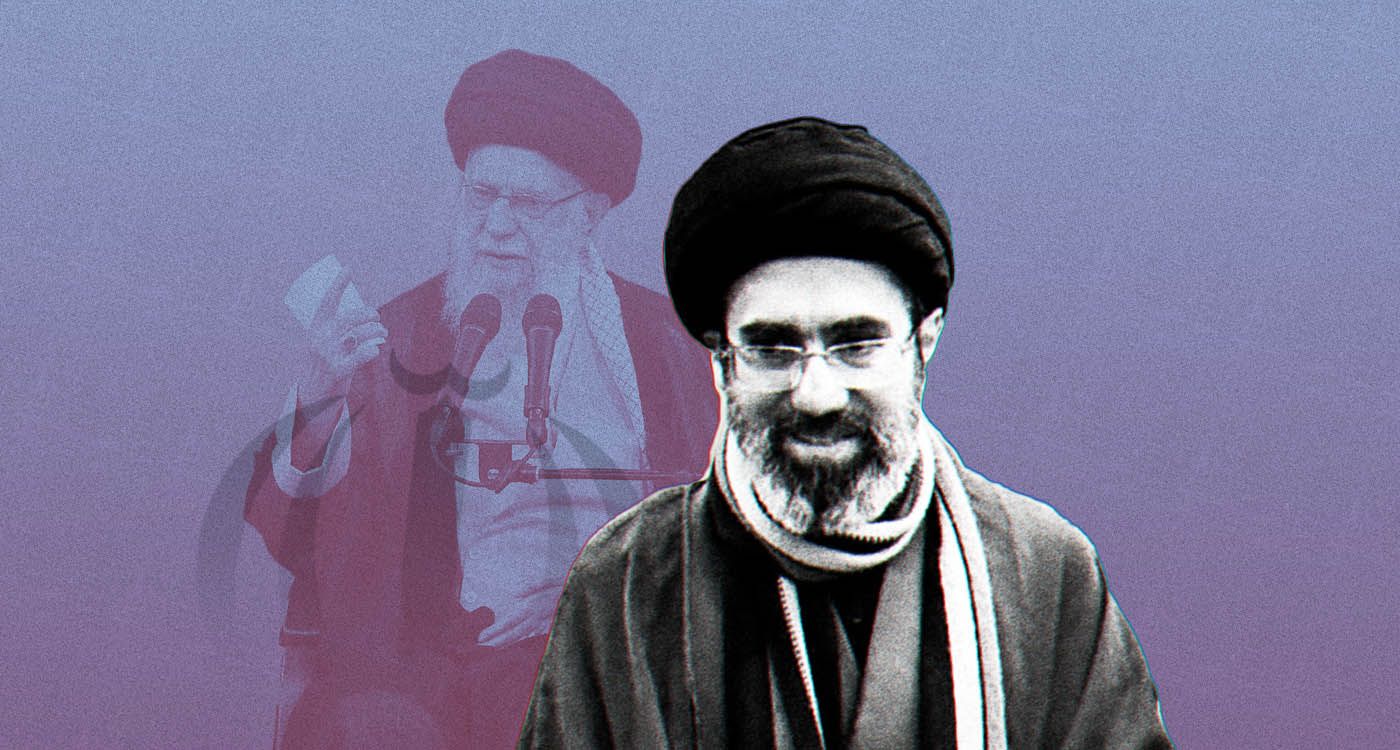
McGregor (Former US Pentagon Advisor): War in Iran could topple governments in Western Europe
The consequences of a US war against Iran could lead to the toppling of governments in Western Europe, estimates former Pentagon advisor Douglas McGregor. "The Iranians made it clear they will destroy most of what is on the western coast of the Persian Gulf—this causes serious concern worldwide. There are already major problems with natural gas and oil. All the countries of Western Europe that turned to green energy are in a very difficult position. In my opinion, there is already an emergency situation in Europe. I believe serious changes will soon begin—governments will be toppled," emphasizes McGregor. As he says, about half of the ingredients for fertilizer production come from the Persian Gulf. At the same time, serious problems with natural gas and oil have already appeared in the West. For example, in Britain, according to him, aviation fuel and natural gas reserves could be exhausted within two weeks.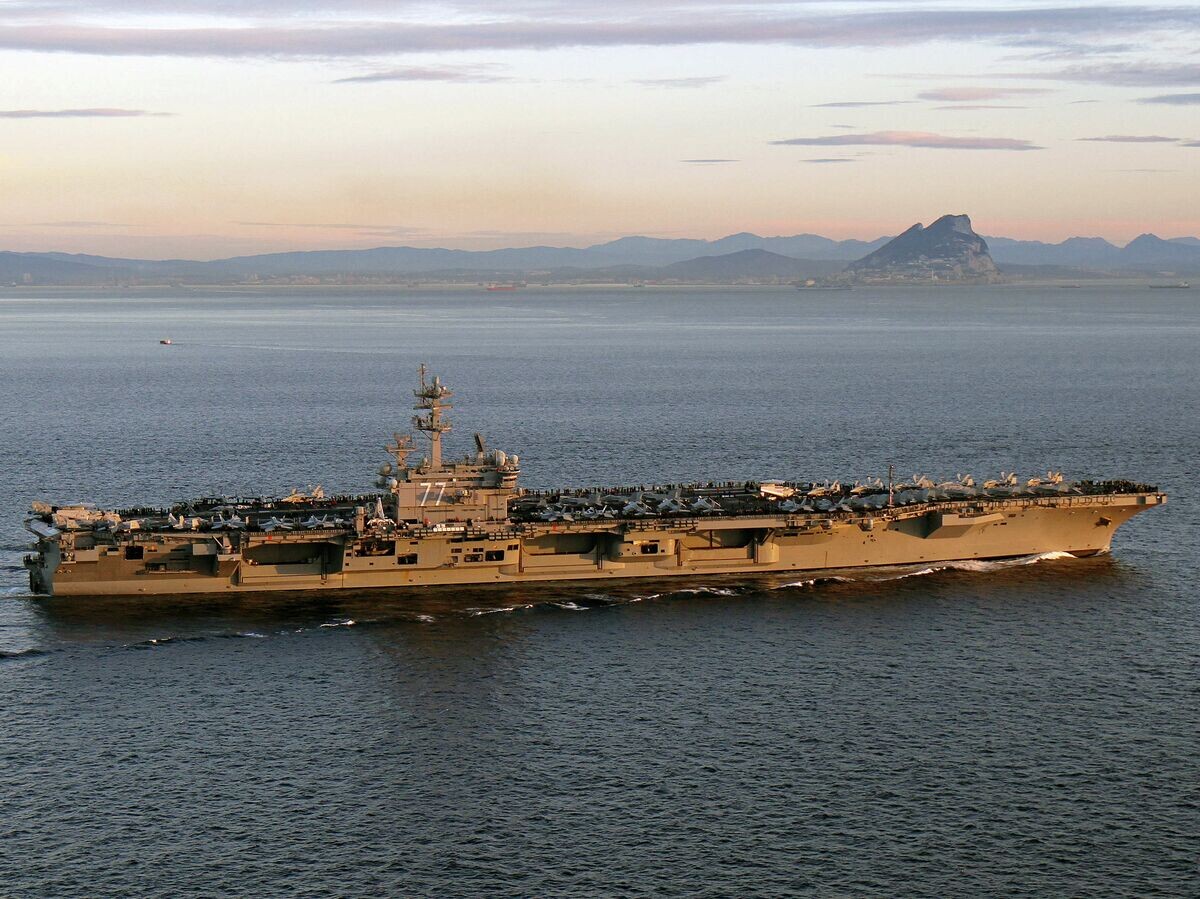
Fox News: Third US aircraft carrier, USS George H.W. Bush, in the Middle East in 3 to 5 days
The third American aircraft carrier, "USS George H. W. Bush (CVN-77)," is expected to arrive in the Middle East within three to five days, according to Fox News journalist Jennifer Griffin. In the US Navy, there are a total of 11 active aircraft carriers. Two of them—the "USS Abraham Lincoln (CVN-72)" and the "USS Gerald R. Ford (CVN-78)"—are already participating in the joint US and Israeli operation against Iran. "The third US Navy aircraft carrier, George Bush, will arrive in the Middle East within the next three to five days, following a bypass route around the southern tip of Africa," Griffin wrote on the social network X.
Ray McGovern (Former CIA Analyst): Military should refuse Trump's decision for a ground invasion
Military personnel should refuse to obey US President Donald Trump if he decides to carry out a ground operation in Iran, emphasizes former CIA analyst Ray McGovern. "To prevent the US from being defeated, American military personnel must refuse to carry out Trump's order if he is indeed so irrational as to attempt a landing of ground forces on Iranian territory. Otherwise, a real war awaits us and we will not win it," warns the American analyst, who stated he expects the worst-case scenario due to Washington's actions.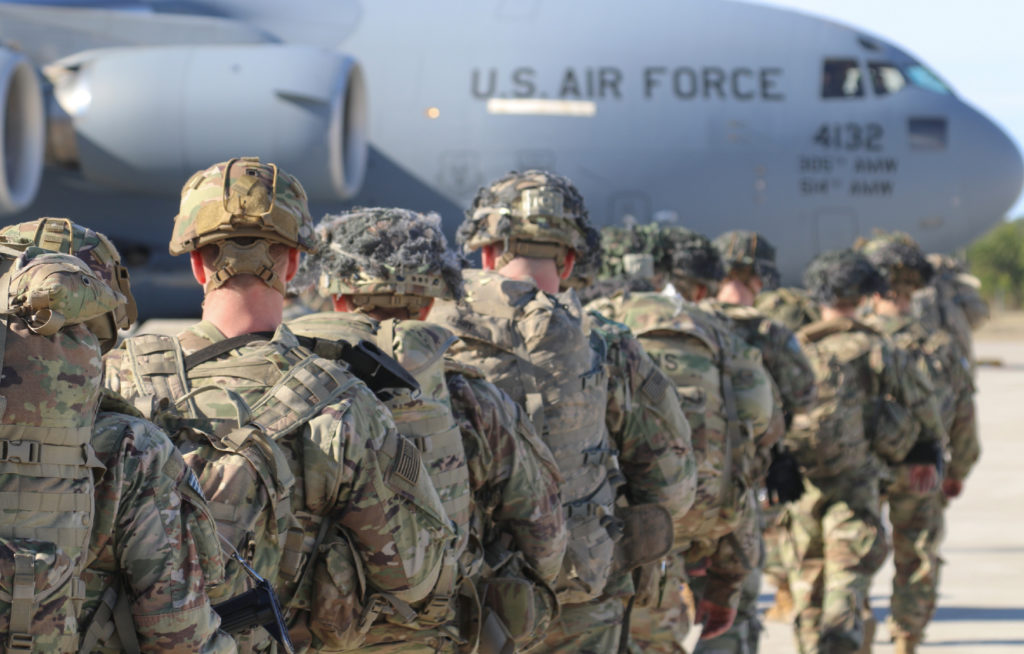
The National Interest: Naval blockade of Iran worsens US position
The naval blockade of Iran simply worsens the US position in the conflict, points out the American magazine The National Interest in an analysis. "After the start of the war, the blockade ceased to be a tool of coercion and turned into another step toward the escalation of the conflict, offering Tehran new possibilities," states the publication, which underlines that the US can no longer do much, as in the current situation, the blockade of Iran will yield no benefit to Washington. "Assumptions that the Middle East could return to the pre-war status quo no longer exist," the publication concludes.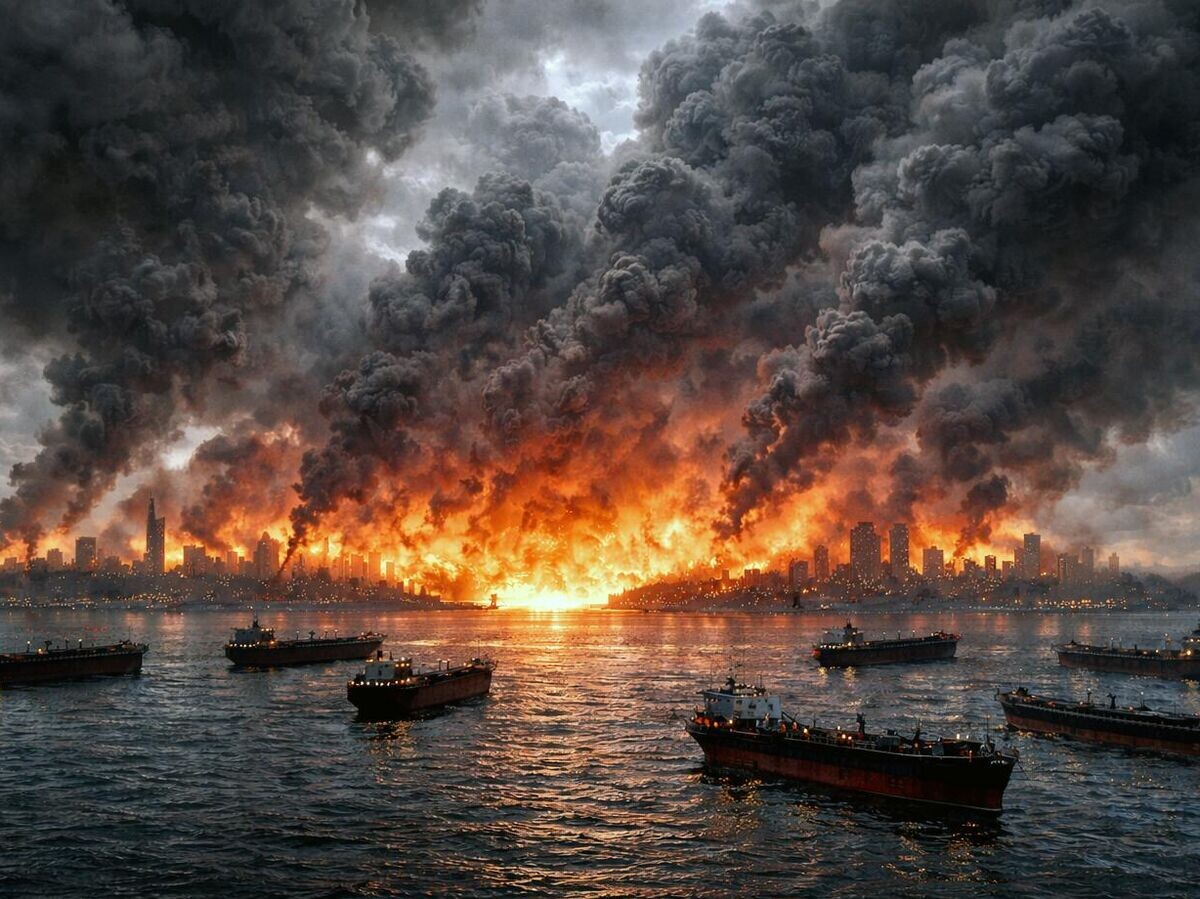
Jacques Baud (Retired Swiss Lieutenant Colonel): US is rearming, and Iran knows it
The US is using the ceasefire status with Iran to rearm, estimates retired Colonel of the General Staff of the Swiss Armed Forces Jacques Baud. "The ceasefire simply helps the Americans replenish missile stockpiles. The Iranians understand that the US does not want a real solution to the problem; the Americans are simply interested in winning time," Baud argues. According to him, if the US truly wants to resolve the conflict, they should show they are ready to face the problem—something he said they are not doing. That is why Iran, according to the retired military officer, is ready to continue the conflict to achieve a real solution.
Iravani (Iran's UN Representative): US uses Gulf states for illegal military attacks
Iran accused the United States of continuing to use the territory and airspace of Bahrain, Qatar, Kuwait, the UAE, and Saudi Arabia for the planning, preparation, and execution of illegal military attacks against the Islamic Republic. "Based on the continuous monitoring and assessments conducted by the Armed Forces of the Islamic Republic of Iran, it has been established that the aggressor, namely the United States, continues to use the territory and airspace of the Kingdom of Bahrain for the planning, preparation, equipment, and execution of illegal military attacks against the Islamic Republic of Iran," stated Iran's Permanent Representative to the United Nations, Amir-Saeid Iravani, in a letter to UN Secretary-General Antonio Guterres and the Security Council.
Similar accusations were made in four more letters addressed to Saudi Arabia, Qatar, Kuwait, and the United Arab Emirates. In the letter concerning the United Arab Emirates, Iran also accused the UAE of direct involvement in the attack. It is claimed that a Mirage fighter of the UAE Air Force, an Akinci drone, and an F-16 fighter violated Iran's airspace, striking targets in the Straits of Hormuz and on islands, including Qeshm, Abu Musa, and the Greater and Lesser Tunbs. Iran called on all these states to respect the principles of good neighborliness and to prevent the further use of their territory against the Islamic Republic, holding them fully responsible for the consequences of these violations.
www.bankingnews.gr













Readers’ Comments