

Trump urgently needed the ceasefire, not from a position of strength, but due to internal pressures
The military conflict in the Middle East reveals in a striking way the deeper weaknesses of American foreign policy and, at the same time, highlights China as a more measured and strategically mature player on the international stage.
At the center of this confrontation lies not only the conflict between the United States and Iran, but also the broader rivalry between Washington and Beijing.
The rhetoric of Donald Trump and the reality
Donald Trump has repeatedly claimed that the leadership of Iran is divided.
However, as analyst Foad Izadi points out, such assessments are based on unverified information and not on real data.
This observation is not merely academic. It touches on the essence of American strategy, the construction of narratives that serve political needs.
Trump appears to urgently need the ceasefire, not from a position of strength, but due to internal pressures.
Izadi himself emphasizes that:
1) The deadline of the War Powers Act is approaching and this is very important and we will explain it below
2) Political support in the Congress is marginal
3) A new military conflict could be rejected
In other words, Washington does not fully control the situation, on the contrary, it is trying to manage it communicatively.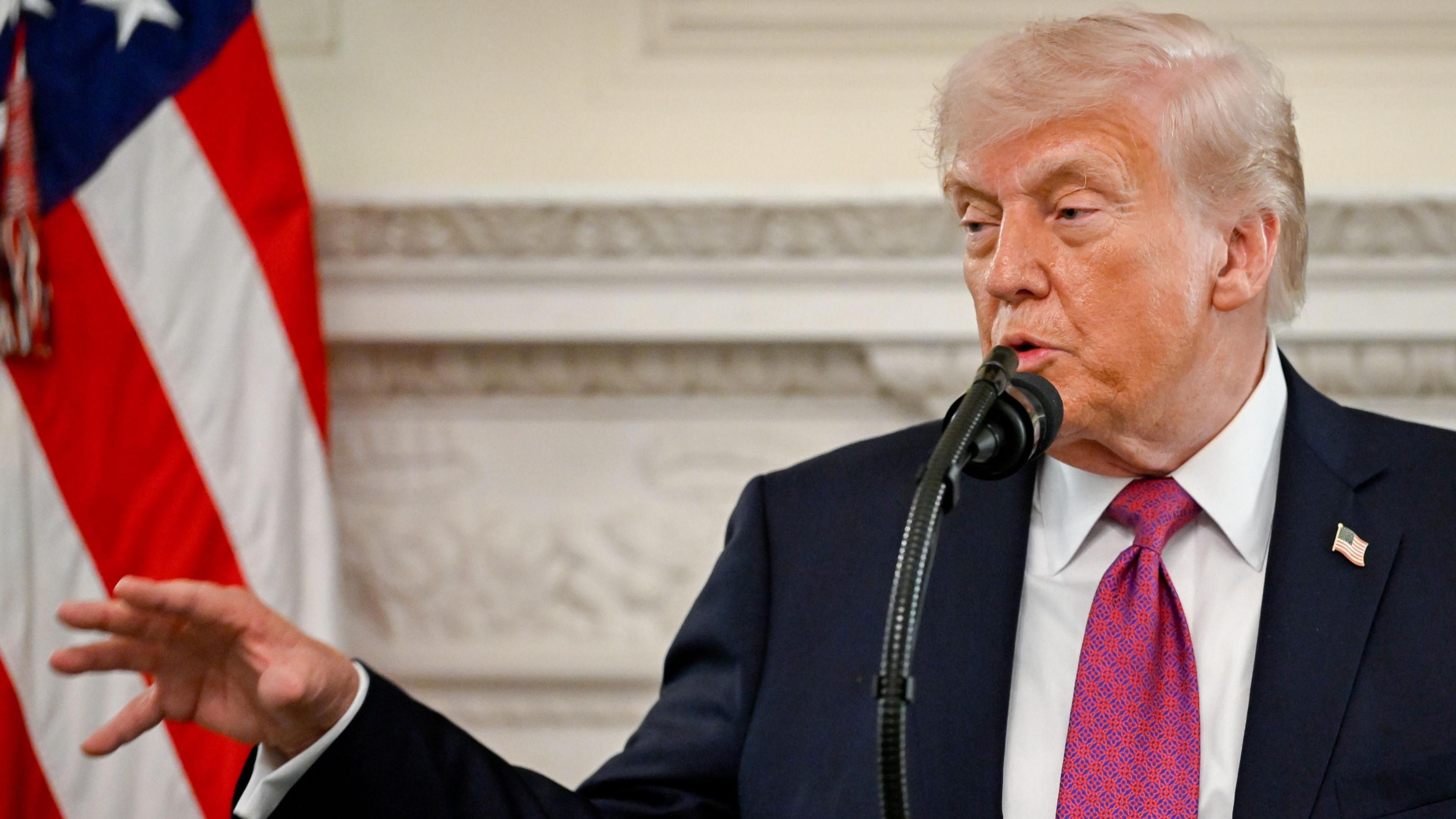
Economic pressure and the American impasse
The crisis is not only military, it is deeply economic.
The increase in energy prices, uncertainty in markets and the fear of disruption of trade flows create a suffocating framework for the United States.
Donald Trump faces a double problem.
If he escalates, he risks military and political disaster, while if he backs down, he appears weak
This trap explains the contradictory behavior of Washington, aggressive rhetoric, but limited action.
China as a balancing power
In complete contrast to this instability, China appears as a factor of stability.
Xi Jinping has adopted a strategy that combines diplomacy, economic logic and geopolitical restraint.
Beijing condemned the American blockade as dangerous, supported the need to maintain navigation in the Strait of Hormuz and worked behind the scenes to achieve a ceasefire
This stance is not random.
It reflects a deeper foreign policy philosophy that prioritizes stability over conflict.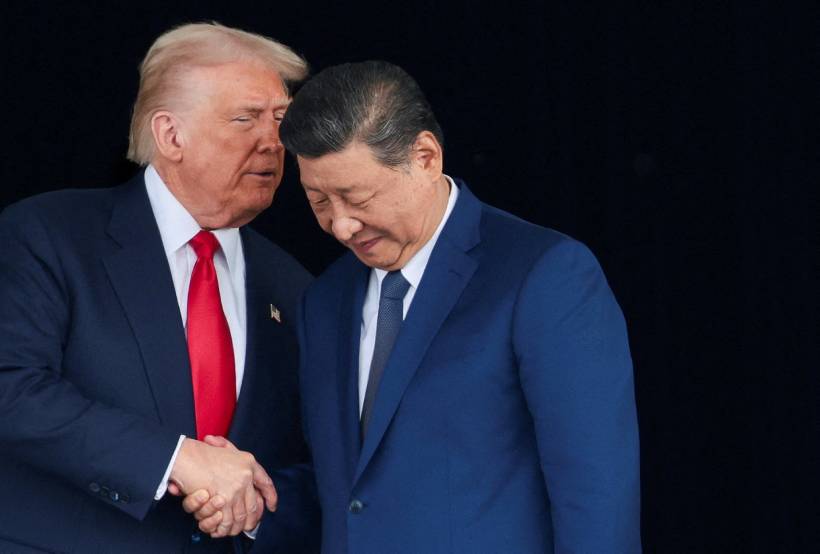
The meeting in Beijing - Critical geopolitical milestone
The upcoming meeting between Donald Trump and Xi Jinping on 14 -15/5 in Beijing takes on particular significance.
The war in the Middle East dominates the agenda, threatens the global economy while testing relations between the two superpowers
Despite tensions, China has shown remarkable restraint.
Even in the face of accusations of military support toward Iran, Beijing avoided escalation.
This is not a sign of weakness, it is a sign of strategic maturity.
Real power: Military or strategic?
The United States possesses enormous military power.
However, the crisis proves that this power does not always translate into political control.
In contrast, China maintains a limited military presence, avoids direct involvement while at the same time invests in diplomacy and economic relations
The result? Greater flexibility and influence without the cost of conflict.
Beijing’s geopolitical strategy
China does not seek direct confrontation with the United States.
Instead, it exploits the mistakes of Washington to strengthen its position.
This approach is evident in cooperation with countries of the Persian Gulf, in relations with Iran and in coordination with Russia
At the same time, Beijing maintains balance, avoiding moves that could provoke a generalized conflict.
The myth of the “Chinese threat”
Many in the West present China as an aggressive power. However, the data show something different:
1) Only one military base in the Middle East
2) Limited arms sales
3) Emphasis on diplomacy
In contrast, the United States maintains an extensive military presence and is actively involved in conflicts.
The comparison is revealing.
The Middle East as a mirror of the global order
This crisis reflects a deeper shift in power. The era of unipolar dominance of the United States seems to be receding, while new poles of power are emerging.
China promotes multilateral solutions, strengthens economic networks while avoiding military adventures
In contrast, Washington remains trapped in a logic of conflict that does not correspond to modern needs.
Perhaps the most important lesson from this situation is that military power is not enough. Strategic thinking, diplomatic flexibility and understanding of global interdependencies are required.
Xi Jinping seems to understand this.
Donald Trump, on the contrary, appears trapped in an outdated perception of power.
China is emerging as a force of stability and rationality.
The United States, on the contrary, seems to be struggling with its own contradictions.
The question is not whether there will be a storm, but who will be better prepared to face it.
And, for now, everything shows that Beijing holds the wheel more steadily than Washington.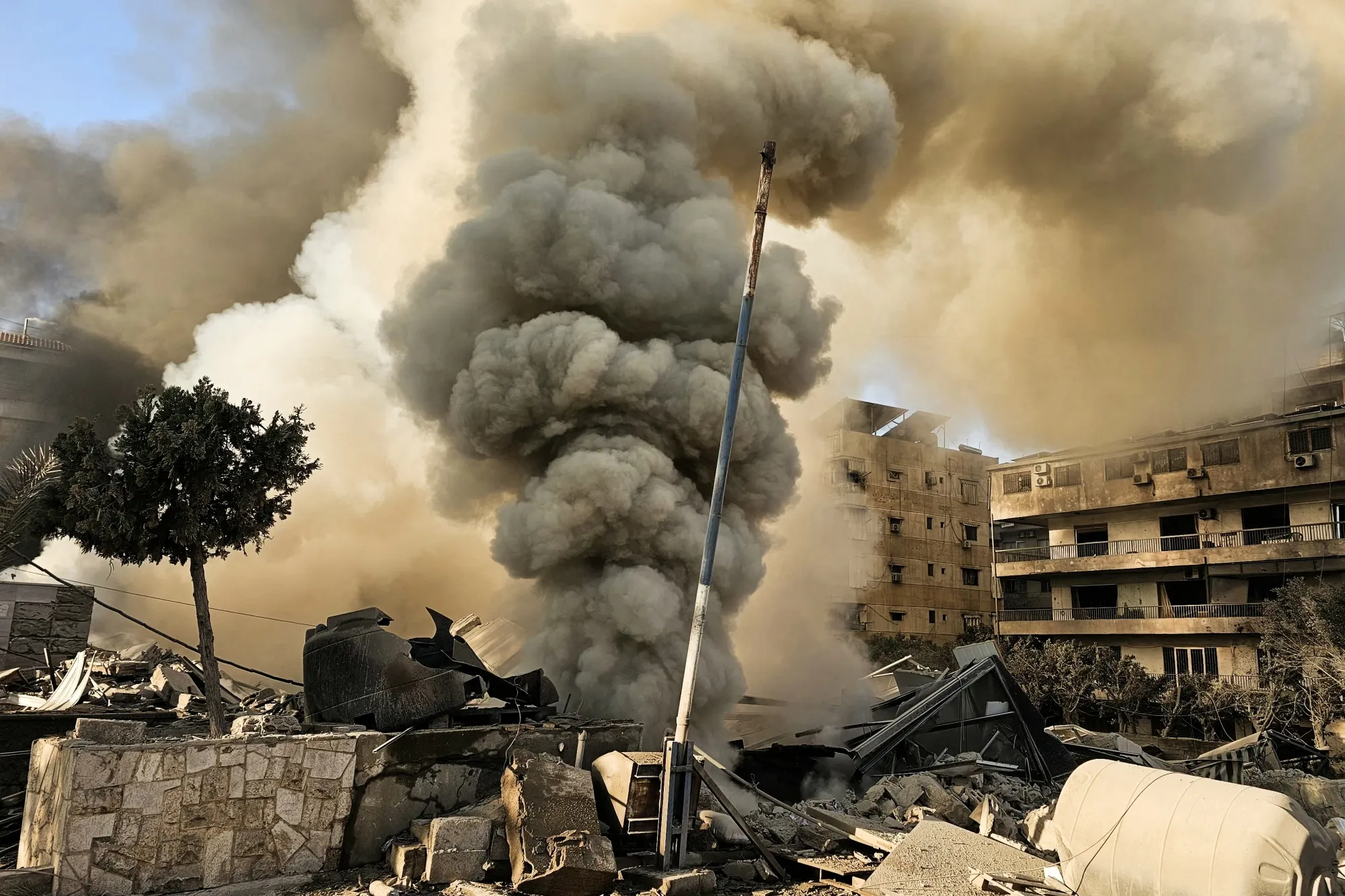
Why the War Powers Act is important and why Trump desperately needed the ceasefire
The War Powers Resolution known also as the War Powers Act is an American law passed in 1973, after the war in Vietnam.
Its aim is to limit the power of the President of the United States to involve the country in war without the approval of the Congress.
The law provides for 3 main stages:
1) Immediate military action without permission
The president can start a military operation without prior approval, but only in emergency cases.
2) Mandatory notification of the Congress
Within 48 hours, he must inform the Congress and explain:
1) why the intervention took place
2) what the objectives are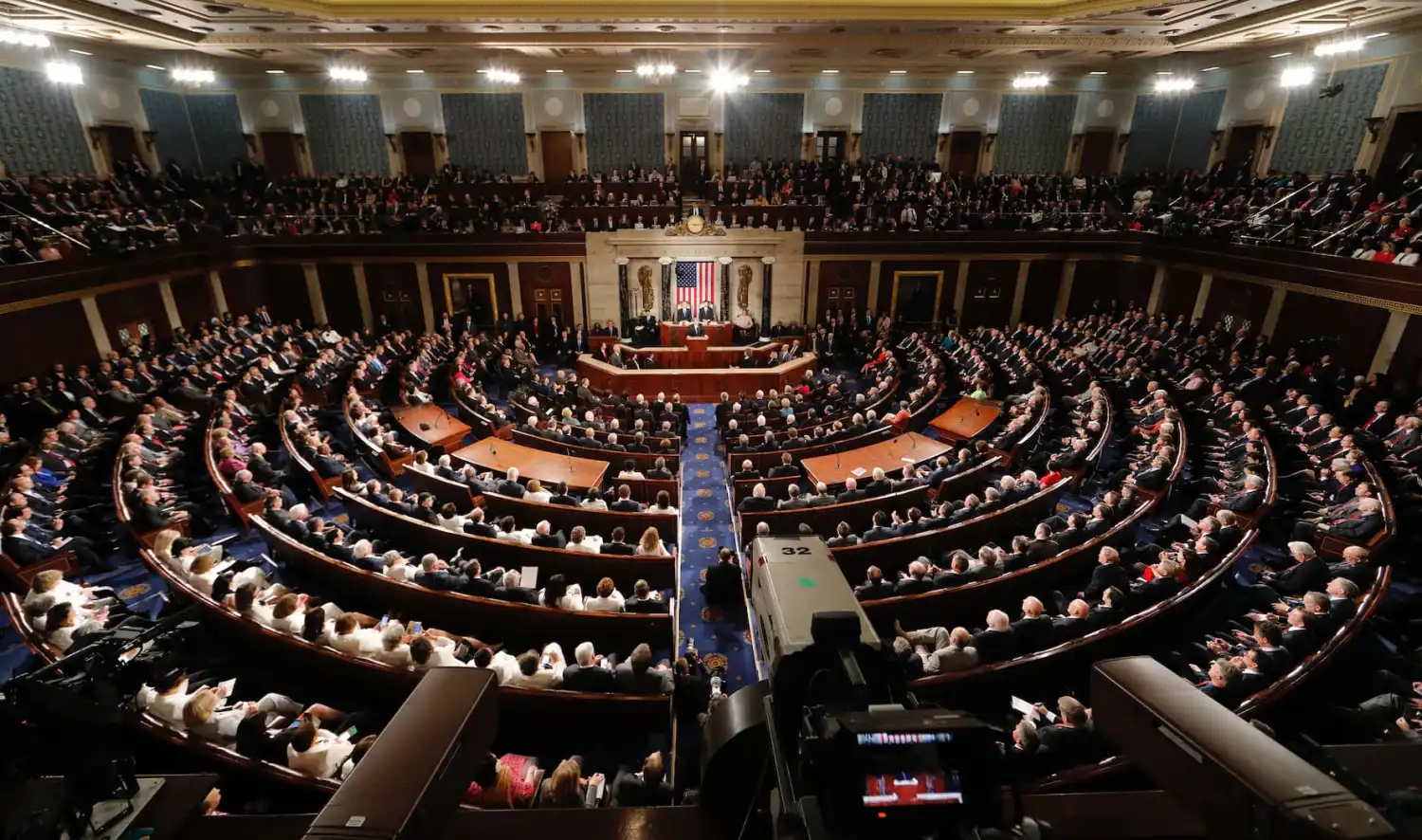
3) The critical limit of 60 days
If within 60 days approval is not given by the Congress then the president is obliged to stop the military operation.
There is also a small margin of 30 days for safe withdrawal.
Why is it so important in this particular crisis?
Here is the key point, Donald Trump has already been militarily involved.
The 60 day deadline ends soon. The Congress is divided. A previous vote passed narrowly with 1 vote
If the conflict continues, there is a serious possibility that the Congress will say no.
What does this mean politically for Trump?
If the Congress rejects the continuation of the war the president will be forced to retreat, he will appear politically weak, he will face enormous internal pressure
This explains why he seeks a ceasefire, avoids major escalation while there is intense rhetoric but careful moves.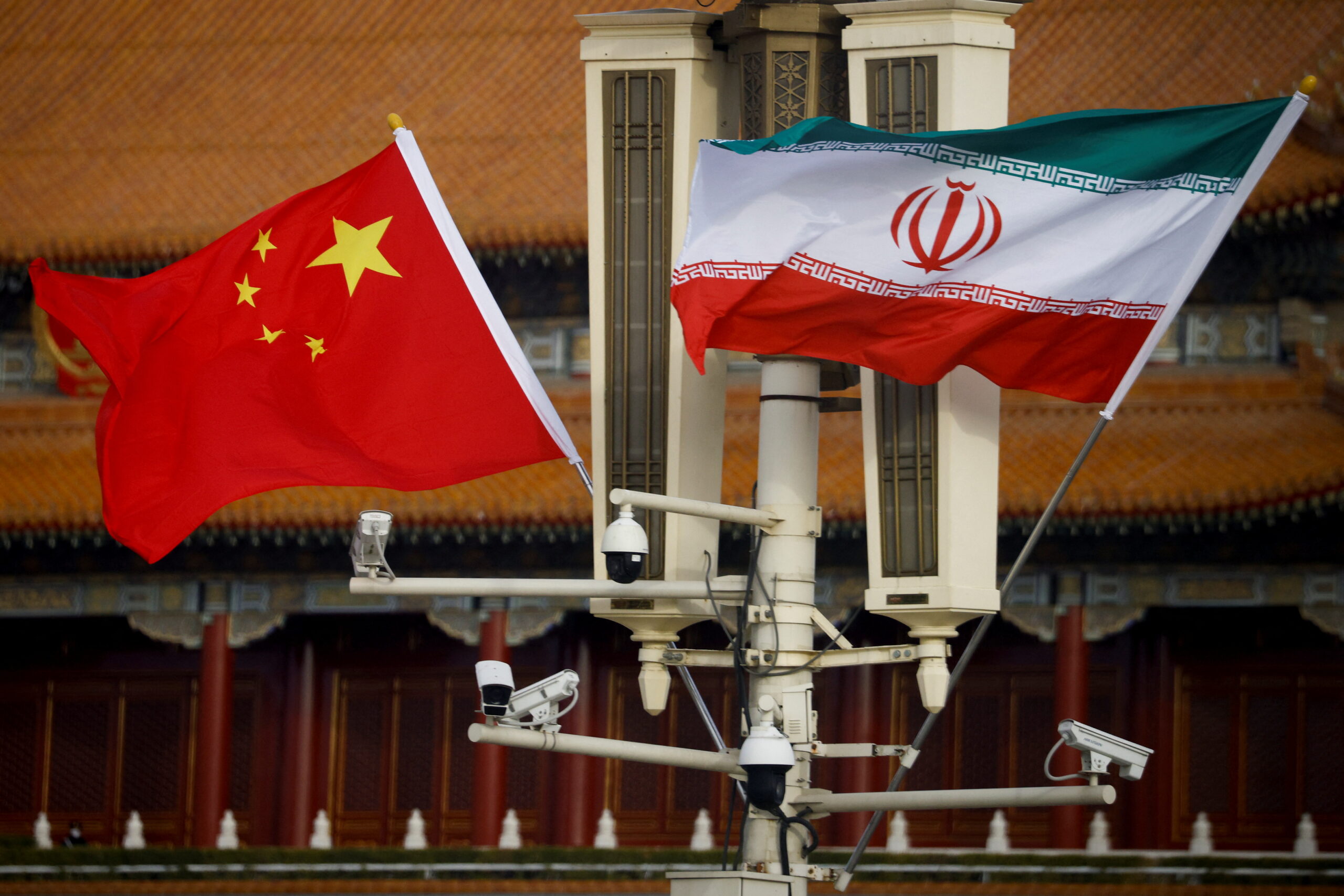
Holding its breath
As the critical meeting of Donald Trump with Xi Jinping in Beijing approaches, the global stage seems to be holding its breath.
This is not simply a diplomatic meeting, but a turning point that will reveal which model of power will dominate in the 21st century, the aggressive, unstable and often contradictory approach of Washington or the more measured, strategically calculated and multidimensional policy of Beijing.
In a period where the Middle East is burning and the global economy is moving dangerously close to instability, China appears not as an instigator of conflicts, but as a balancing factor. In contrast, the choices of the United States, and particularly of Donald Trump, have led to a complex geopolitical dead end, where power no longer translates into control.
The question to be decided in Beijing is not simply whether there will be de escalation.
It is whether the international order will continue to be defined by unilateral moves and military pressures or whether the path will open for a new balance based on cooperation and realism.
In this silent confrontation, perhaps for the first time in decades, Washington does not hold all the cards.
And Beijing seems ready to prove it.
www.bankingnews.gr




Readers’ Comments