

The Americans have found themselves in a strategic, operational, and tactical deadlock simultaneously regarding the Iranian issue. The moves by US President Donald Trump to extend the ceasefire unilaterally—as Iran does not consent to the truce—while simultaneously extending the naval blockade at Hormuz are a recipe for failure. Trump continues to amass weapons and troops, meaning a new attack against Iran cannot be ruled out, but the extension of the naval blockade of Hormuz is considered a casus belli for the Iranians. Iran has decided to cut off all negotiating channels with the Americans, did not send a delegation to Pakistan and the capital Islamabad, and has made it clear that no agreement can exist with the US as long as the naval blockade continues. At the same time, the Islamic Revolutionary Guard Corps (IRGC) states that if new attacks begin, everything in the Persian Gulf will be a target; everything will burn, and they will completely destroy US allies in the region. Specifically, Mousavi of the IRGC warned that the entire Persian Gulf will burn if the US takes a wrong step, adding that the people will decide on the new strikes.
Trump’s message: Opening Hormuz would make a deal with Iran impossible… alternatively, we kill them
US President Trump claims that the immediate opening of the Strait of Hormuz would render any agreement with Iran impossible. "If we do that—lift the blockade at the Strait of Hormuz—then there can be no deal with Iran unless we bomb the rest of the country, including the leadership," Trump wrote on the social network Truth Social. According to the American leader, he received information that Iran allegedly wants to open the Strait of Hormuz immediately. Trump had previously stated that, at the request of Pakistan, he had decided to postpone attacks on Iran, but the naval blockade of the country would continue. While awaiting a proposal from Iran to resolve the conflict, the US military in the Middle East would remain in a state of combat readiness.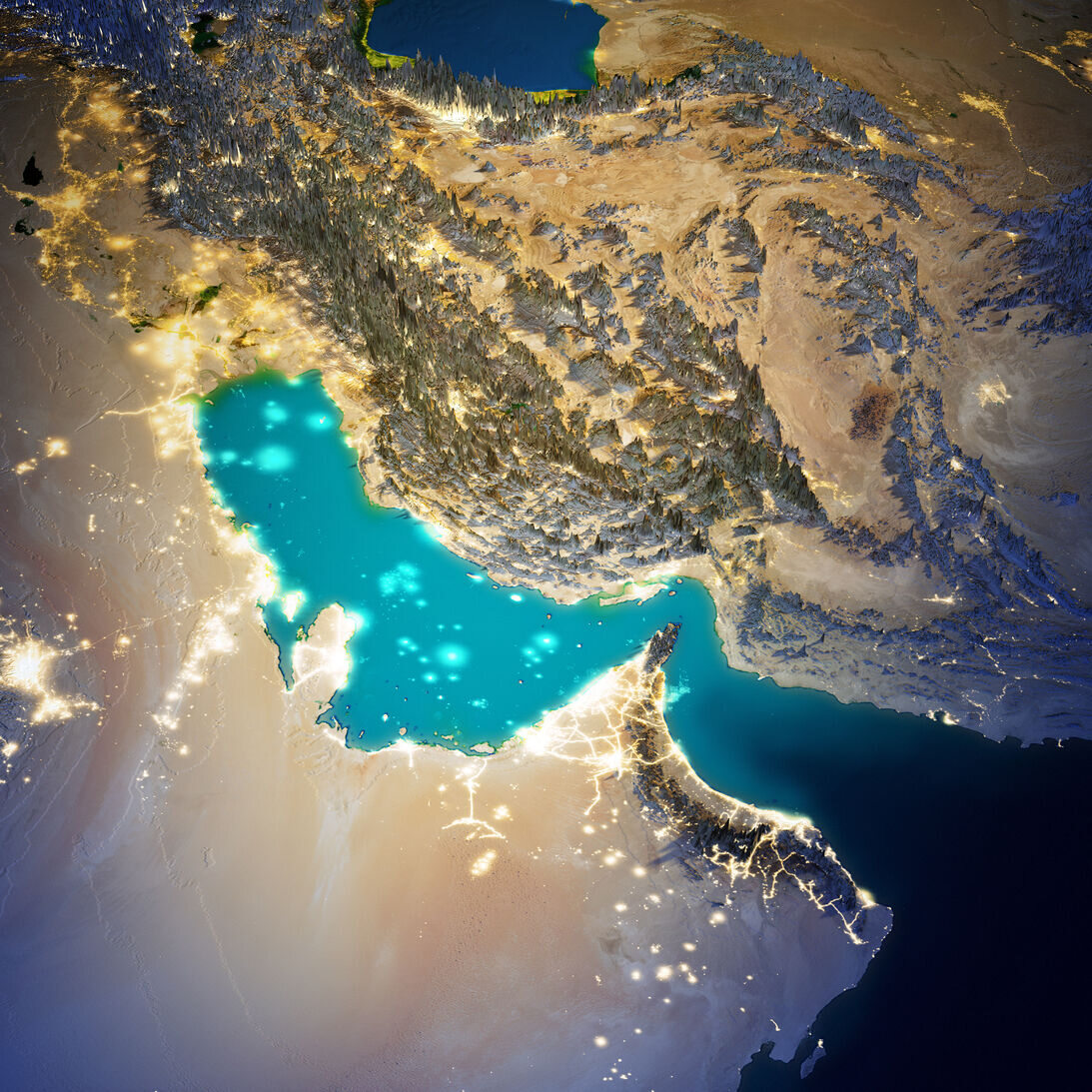
Iran: Trump is in a complete stalemate, failed with the war, considers all possible scenarios – What is the US planning?
Trump knows he will achieve nothing through war; therefore, he sees the best possible way for himself is to exit the conflict, according to Iranian sources. Iran had not requested an extension of the ceasefire, and Trump's announcement of a prolongation without announcing any timeline could have several meanings:
-
The first scenario is that Trump lost the war and had tested and examined all possible scenarios during the conflict. Trump knows he will achieve nothing through war, which is why he is considering the best possible way to exit the stalemate. Even if he continues the war with a foolish decision, he will achieve nothing.
-
According to Iran, the extension of the ceasefire is a deception. Trump may claim to extend the truce, but then the US government or their regional "mad dog," Israel, will exercise terrorism. Information indicates that this option is certainly being considered by Iranian officials, and Iran does not underestimate this issue.
-
Another possibility is that the US withdraws from the war and Israel remains in it under the pretext of ceasefire violations in Lebanon. However, the Americans have already been warned that the US cannot unilaterally avoid the war and keep Israel in the fight.
-
The continuation of the naval blockade means the continuation of hostilities. Iran will not open the Strait of Hormuz as long as the naval blockade continues and will break the blockade by force if necessary.
-
The US seeks to continue in the shadow of war, causing suffocation to the economy and politics in Iran. The US imagines that the situation is the same as after the 12-day war. However, the current period has a fundamental difference: Iran's control over the Strait of Hormuz. If the US wants to maintain the shadow of war, they must consider the Strait of Hormuz completely closed.
Iran freezes negotiations with the US under American threats or naval blockade of Hormuz
Iran will not be forced back into talks under American threats or naval pressure. Even as US President Trump extended the ceasefire late on April 21, 2026, while pledging to maintain the illegal blockade on Iranian ports and hinting in an interview that he is ready to resume bombings, Iranian officials stated that the country is fully prepared for any renewed aggression, with new "surprises" ready should the enemy attempt to reignite the war.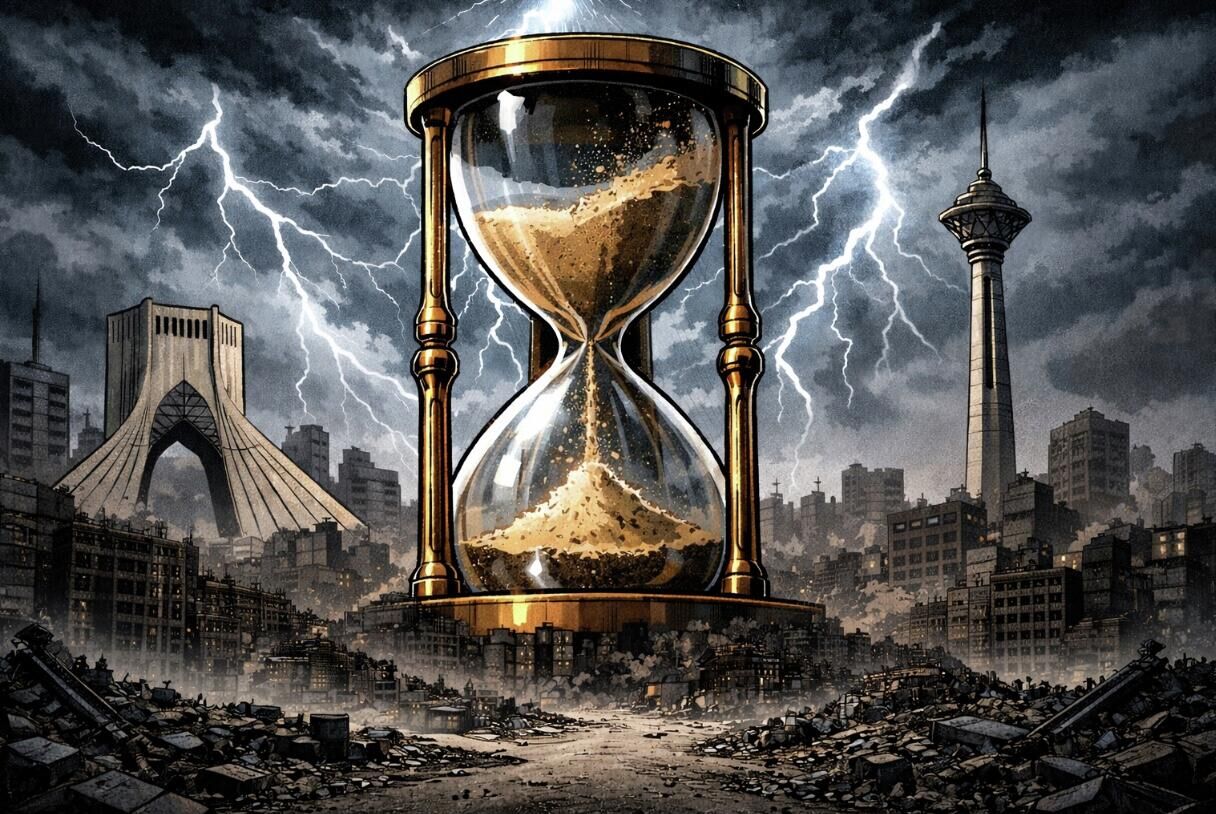
No negotiations under the shadow of threats
Speaker of the Parliament Mohamed Baker Qalibaf has already repeatedly stated that the Islamic Republic will not negotiate "under the shadow of threats." At the same time, the Ministry of Foreign Affairs warned that Washington's contradictory behavior and illegal actions make a second round of talks mediated by Pakistan anything but certain. As the IRGC escorted an Iranian tanker safely into domestic waters and Iranian lawmakers advanced plans for a new legal status in the Strait of Hormuz, the ultimatums have failed.
Baghaei (Iranian MFA Spokesperson): We will go to Pakistan only if it serves our interests
Esmaeil Baghaei, spokesperson for Iran's Ministry of Foreign Affairs, emphasized that Tehran never stated it would participate in the second round of negotiations and then reneged. Baghaei, in an interview with the BBC, stated that Iran entered the negotiations "in good faith and seriousness," but argued that the other side has shown a lack of these elements. "They are constantly changing their stance," the Iranian official pointed out. Responding to a question on whether Iran had agreed to participate in the talks and then changed its mind, Baghaei said: "We never said we would go and then violate our commitments—as the United States is accustomed to doing." He also stressed that the US naval blockade of Iranian ports in the Strait of Hormuz remains in effect and characterized it as an "aggressive act." Referring to Donald Trump's accusations of ceasefire violations by Iran, Baghaei rejected them, recalling that after a social media post by the Iranian Foreign Minister regarding the opening of maritime corridors, Trump initially thanked Iran but later stated the blockade would continue. Finally, regarding the conditions for new talks, Baghaei stated that Tehran will decide based on its national interests: "If we conclude that going to Islamabad serves our interests, we will go—but for now, no decision has been taken."
Iravani (Iran Representative to UN): If the US lifts the naval blockade, we are ready for talks
Amir Saeid Iravani, Iran's representative to the UN, stated that if the US lifts the naval blockade, Tehran is ready to return to negotiations. In an interview with Rudaw, Iravani emphasized that the United States must first stop what he called the "violation of the ceasefire" before any new round of talks. As he stated, "once the blockade is lifted, the next round of negotiations will take place in Islamabad." Iravani added that Iran is prepared for any eventuality. "We were not the ones who started the military aggression. If they seek a political solution, we are ready. If they seek war, Iran is also ready," Iravani underscored.
Key developments on the 53rd day of the war, the fourteenth day of the ceasefire:
-
US President Trump wrote in a Truth Social post that the US is extending the ceasefire with Iran until an Iranian "proposal is submitted and discussions are completed." Trump stated he instructed the US military to continue the "blockade" of Iranian ports. Earlier the same day, he told CNBC that he "expects to continue the bombings of Iran" if the US and Iran cannot reach a deal on the extension of the ceasefire by the deadline he has set.
-
Iran had stated it was fully prepared for a possible resumption of war as the ceasefire deadline approached, with new "surprises" ready for any renewed round of imposed war.
-
The Speaker of the Iranian Parliament, Mohamed Baker Qalibaf, stated that Iran will not accept negotiations with Washington under the shadow of threats. The Foreign Ministry spokesperson stated that Iran has not made a final decision on whether to participate in the next round of talks with the United States, mediated by Pakistan, citing contradictory messages, inconsistent behavior, and unacceptable actions from the American side.
-
Major General Ali Abdullahi, commander of Iran's Central Headquarters, stated that the Armed Forces of the Islamic Republic enjoy the upper hand against adversaries and, therefore, will not let Trump distort the conditions governing the battlefield.
-
In a viral post on X, Qalibaf also said that the US is trying to prolong the war with Iran to serve goals beyond "Making America Great Again" (MAGA).
-
The National Security and Foreign Policy Committee of the Iranian Parliament ratified a proposal allowing the country to establish a new legal status for controlling the Strait of Hormuz.
-
The Iranian tanker Sili City entered Iranian territorial waters after crossing the Arabian Sea, with operational support from the Navy of the Islamic Republic of Iran, the military announced.
-
Iran's Chief of Justice called for full readiness of all forces and sectors against the "defeated" US-Israel war coalition, warning that they might resort once again to "wild aggression" against the country.
-
The US State Department announced it would hold new talks on Thursday, 4/23/2026, following a fragile ceasefire with Iran, a US official told the AFP news agency.
-
Ansarullah leader Abdul Malik al-Houthi stated that Yemeni armed forces will return to fighting if the fragile ceasefire that stopped 40 days of US-Israeli aggression against Iran ends without a deal for the final termination of the war.
-
Iran's Judiciary rejected Trump's claims that 8 women face imminent execution in Iran.
-
The Iranian Foreign Ministry condemned the arrest of several individuals in the United Arab Emirates (UAE) on "baseless pretexts," stating that anti-Iranian narratives cannot divert the responsibility of those who support the US-Israeli aggression against the Islamic Republic.
-
China called on the United States to show "sincerity" in resolving its prolonged confrontation with Iran regarding its nuclear program, while condemning the joint US-Israel military aggression against the country.
-
Russia's Deputy Foreign Minister stated that the unprovoked and illegal attacks by the United States and Israel against Iran have dealt a heavy blow to the global nuclear non-proliferation regime and the IAEA safeguards system.
-
The Director General of the International Energy Agency (IEA) warned that US and Israeli aggression against Iran has caused the worst energy crisis in history.
-
Social media platform X launched an extensive campaign to suspend accounts opposing the US-Israeli aggression against Iran.
-
Spain, Slovenia, and Ireland called on the European Union to discuss the suspension of the association agreement with Israel due to violations and crimes committed by the regime in Gaza, the occupied West Bank, and Lebanon.
-
A new survey revealed that only 26% of Americans consider President Trump a "balanced" person, sounding an alarm bell amid ongoing geopolitical tensions and the war against Iran.
-
Russian authorities have reportedly arrested at least 40 Israeli settlers at Moscow airport, accused of links to the unprovoked aggression of the Israeli regime against Iran.
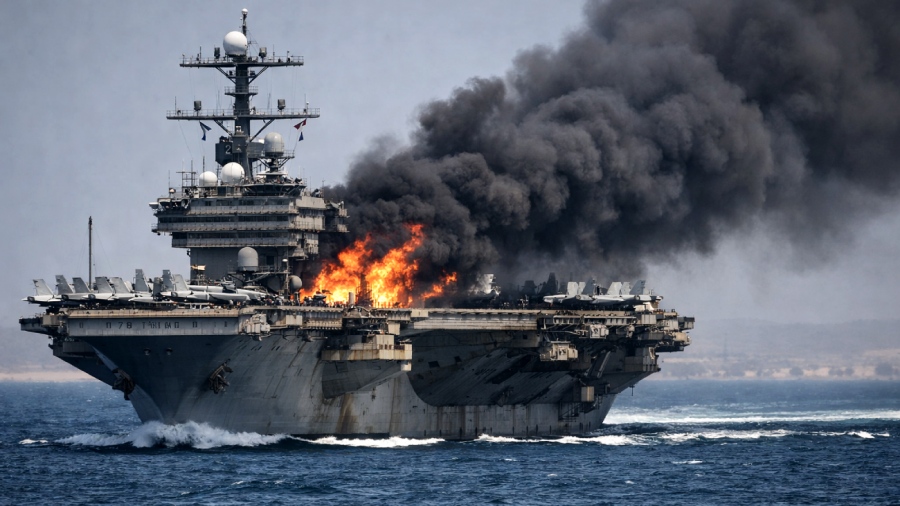
Mousavi (IRGC): The entire Persian Gulf will burn if the US takes a wrong step… the people will decide the new strikes
If the US exceeds the limits and commits any act of aggression against the Islamic Republic of Iran after the ceasefire, the Islamic Revolutionary Guard Corps (IRGC) will target wherever the people want, said Seyyed Majid Mousavi, commander of the IRGC Aerospace Force. It should be noted that every day for over 50 days, the Iranian people have filled city squares supporting Iran's armed forces. The commander of the IRGC Aerospace Force emphasized: "Even during the period of military silence (ceasefire), they remained vigilant, with hands on the trigger, ready to defend this ancient land and its millennial civilization."
He assured the people that IRGC forces are fully ready to defend the country from any potential aggression by the enemy. "Today, we have come to you to declare our promise: If after the ceasefire the enemy exceeds the limits and commits any aggression against this territory, this time our target will be wherever you direct us," said Seyyed Majid Mousavi. "Let the southern neighbors know: if their land and resources are used by America to attack the Iranian nation, they must say goodbye to oil production in the West Asia region."
Daniel Devis (USA): Israel will pressure Trump to extend the ceasefire with Iran... to continue the war thereafter
Retired US Army Lieutenant Colonel Daniel Devis believes that US President Trump will face pressure from Israel and certain members of his inner circle to extend the ceasefire with Iran. At the same time, he said, American society should influence its president to prevent the administration from resuming hostilities in the Middle East. "While we avoided the worst today, a major problem remains. Trump will face enormous pressure from Israel and the war hawks in his inner circle, who are undoubtedly already rushing to the White House to try to force him to change his mind," said Daniel Devis. At the same time, according to Daniel Devis, American society should influence its president so that the administration makes the necessary concessions to Tehran and does not resume hostilities in the Middle East.
NBC: US intelligence believe Iran has maintained thousands of missiles and drones
US intelligence agencies believe that Iran has maintained significant military resources despite administration claims that the Islamic Republic's defensive and offensive capabilities have been destroyed, NBC reports. "US military intelligence believes that Iran still possesses significant military resources," NBC states. It is also noted that military intelligence data deviates from the statements of US President Trump and the Secretary of War, who claimed full control of Iranian airspace and the destruction of the Iranian defense industry. According to testimony previously presented to the US Congress by the Director of the Pentagon's Intelligence Agency, Lieutenant General James Adams, Iran maintains thousands of missiles and drones in its inventory, which could pose a threat to US forces and their allies in the Middle East.
www.bankingnews.gr






Readers’ Comments