

The extension of the ceasefire in Iran is a clear indication of the deadlock and the defeat that US President Donald Trump is experiencing in the Middle East. It is becoming increasingly clear that the US is sinking daily into the chaos that Trump and Israel created. The Iranians, despite pressure and threats of total annihilation, ignored Trump, remained firm in their positions, and did not send a delegation to Pakistan for talks. They demanded that the Americans change their stance, arguing that negotiations under a regime of threats and a naval blockade cannot take place.
Iran has achieved another massive victory, leaving Trump to claim whatever he wishes to justify his failure, such as alleging the Iranian leadership is divided over policies for critical issues like uranium enrichment. This is an argument not supported by statements from Iranian officials, which show a unified front and line. The stalemate for the US and Trump is growing. Some analysts argue that the US no longer even has a military option; should a new round of bombing be decided—as a ground invasion is considered improbable—the US military would not only fail but would once again be significantly hit. Regardless of the outcome, there is no doubt that Iran will emerge from this war strengthened, at least geopolitically and economically. This marks another failure for the US, Trump, and their close ally, Israel.
Revolutionary Guard (IRGC): We have surprises the enemy cannot perceive
The Revolutionary Guard (IRGC) spoke of surprises beyond the enemy's perception in a statement marking their founding anniversary. The Guard stated they are ready to achieve "even greater accomplishments and surprises beyond the enemy's understanding" by utilizing new battlefield strategies. The statement notes that the corps' 48-year journey in the Islamic Republic of Iran includes major military operations, from countering armed groups to the war with Iraq and modern conflicts. The IRGC emphasizes that its military capabilities, in cooperation with other armed forces, have been significantly strengthened, citing missile and drone strikes against adversaries that led to the "exhaustion" of US and Israeli forces.
The statement also highlights the support of the Iranian people as a "strategic asset" and attributes sanctions against the IRGC to its growing influence. Special mention was made of recent operations like "True Promise 4," which involved combined missile and drone attacks causing serious damage to strategic infrastructure. Furthermore, it was stressed that despite the current de-escalation, Iranian forces remain in full readiness. They underlined that Iran emerged victorious from recent conflicts and that a new regional order is forming without the presence of foreign forces.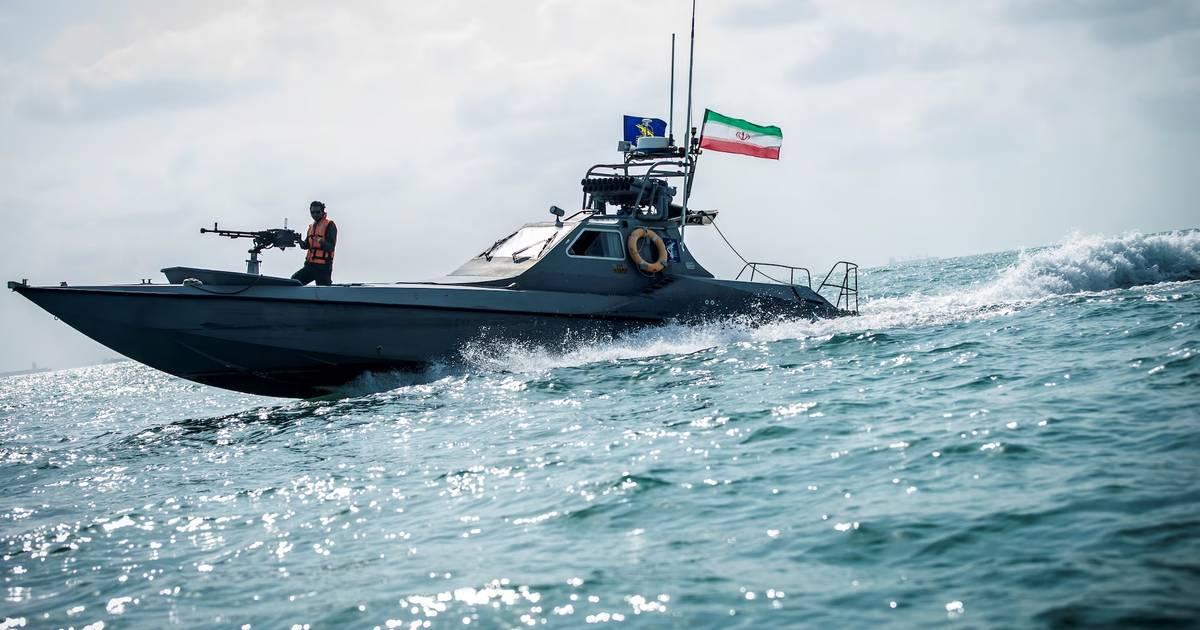
IRGC attack on a container ship in Hormuz
A container ship near the Strait of Hormuz was attacked by a Revolutionary Guard gunboat earlier today, Wednesday, April 22, according to the United Kingdom Maritime Trade Operations (UKMTO). According to the UKMTO, the ship was approached by an IRGC vessel which, without radio warning, "opened fire on the ship," causing "serious damage to the bridge." The crew is reported safe, with no fires or environmental impact. No further details were provided regarding the ship's flag or exact position. This attack follows a series of similar incidents; last Saturday, India announced two Indian-flagged ships came under fire in the Strait. The IRGC has previously declared it will close the Strait of Hormuz until the American naval blockade is lifted.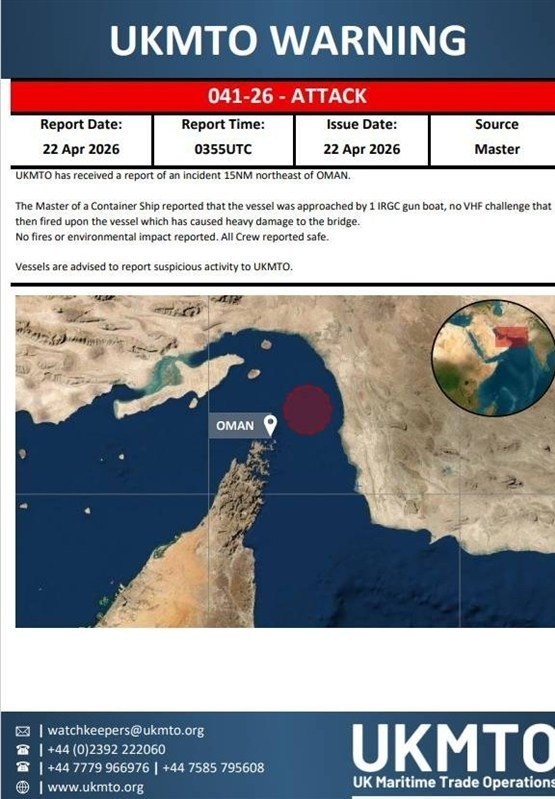
Iravani (Iran UN representative): If the US lifts the naval blockade, we are ready for talks
Amir Saeid Iravani, Iran's representative to the UN, stated that if the US lifts the naval blockade, Tehran is ready to return to negotiations. In an interview with "Rudaw," Iravani stressed that the United States must first stop the "violation of the ceasefire" before any new round of talks. He stated, "once the blockade is lifted, the next round of negotiations will take place in Islamabad." Iravani added that Iran is prepared for any eventuality. "We were not the ones who started the military aggression. If they seek a political solution, we are ready. If they seek war, Iran is also ready," Iravani underscored.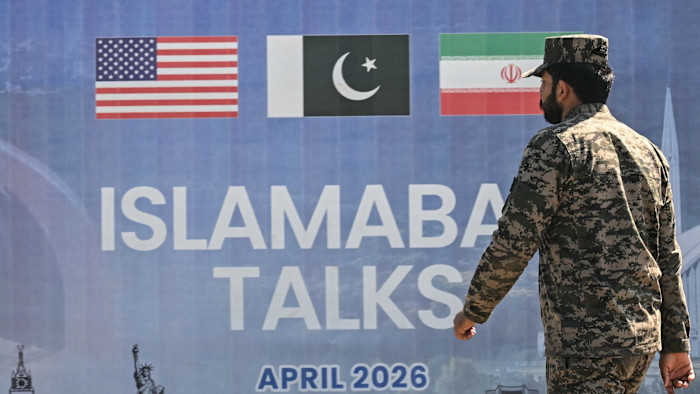
The critical Trump decision
US President Donald Trump convened his national security team at the White House on Tuesday afternoon, April 21, facing a critical decision: what to do next with Iran. The ceasefire deadline was approaching, while Air Force Two was on the tarmac at Andrews Base for Vice President JD Vance's scheduled departure for Pakistan. However, the administration faced a deadlock: almost total silence from the Iranians.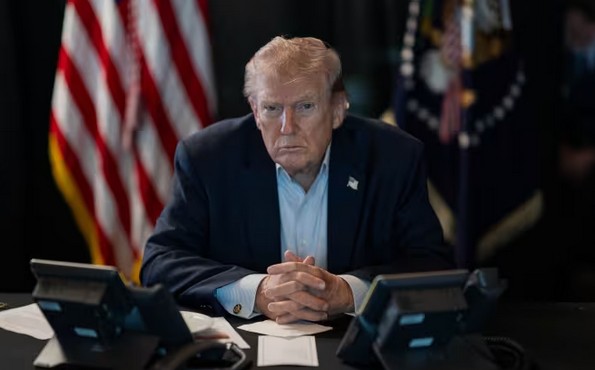
Silence from Iran
In previous days, the US had sent Iran a list of key agreement points for approval before the next round of negotiations. However, days passed without a response, raising doubts about what Vance and other officials could achieve in Pakistan, CNN reports, citing three officials familiar with the matter.
No response
As Trump met with Vance, Secretary of State Marco Rubio, Secretary of Defense Pete Hegseth, Joint Chiefs Chairman Dan Caine, and CIA Director John Ratcliffe, there had been no response from Tehran. Officials had asked Pakistan’s top mediator, Field Marshal Asim Munir, to secure at least some response before Vance boarded Air Force Two. Even hours later, there was nothing.
What the White House believes
In the White House, Trump's top advisors believe the silence is due to internal disagreements in the Iranian leadership, based partly on information from Pakistani mediators. The administration's assessment is that Iran lacks a unified line or clear position on how much authority to give negotiators regarding uranium enrichment and stockpiles. An additional factor, according to the US, is whether the new Supreme Leader Mojtaba Khamenei is giving clear instructions. US officials estimate that his efforts to remain out of the public eye have disrupted internal decision-making processes in Iran.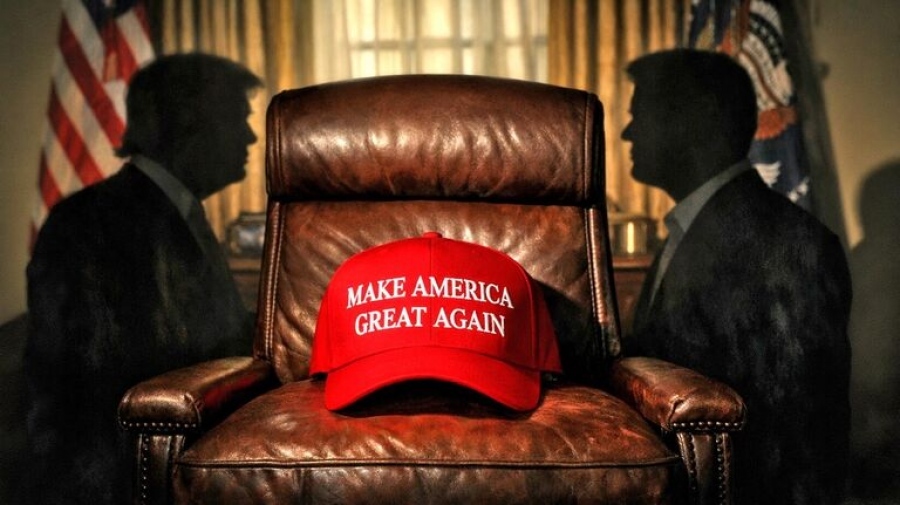
Hope for talks exists
Despite these obstacles, an official stated there is still a chance for a meeting between American and Iranian negotiators, though the timing remains uncertain. Instead of resuming military strikes, Donald Trump chose to extend the ceasefire with Iran for two weeks shortly before it expired, this time without setting a firm end date. He described the Iranian leadership as "deeply divided" and continues to seek a diplomatic solution, avoiding the resumption of an unpopular war. However, the collapse of negotiations for now highlights the difficulties he faces in achieving a deal that meets his demands.
Terms from Tehran
Iran has publicly stated that Trump must lift the blockade of ships entering or leaving Iranian ports in the Strait of Hormuz before returning to talks. Trump has rejected this, stating: "We are not going to open the straits until we have a final agreement." Trump and his associates decided to extend the ceasefire, which theoretically could give Iran time to form a unified position, though there is no guarantee. Officials stated a new mission could be organized quickly if there are signs Iran is ready to talk.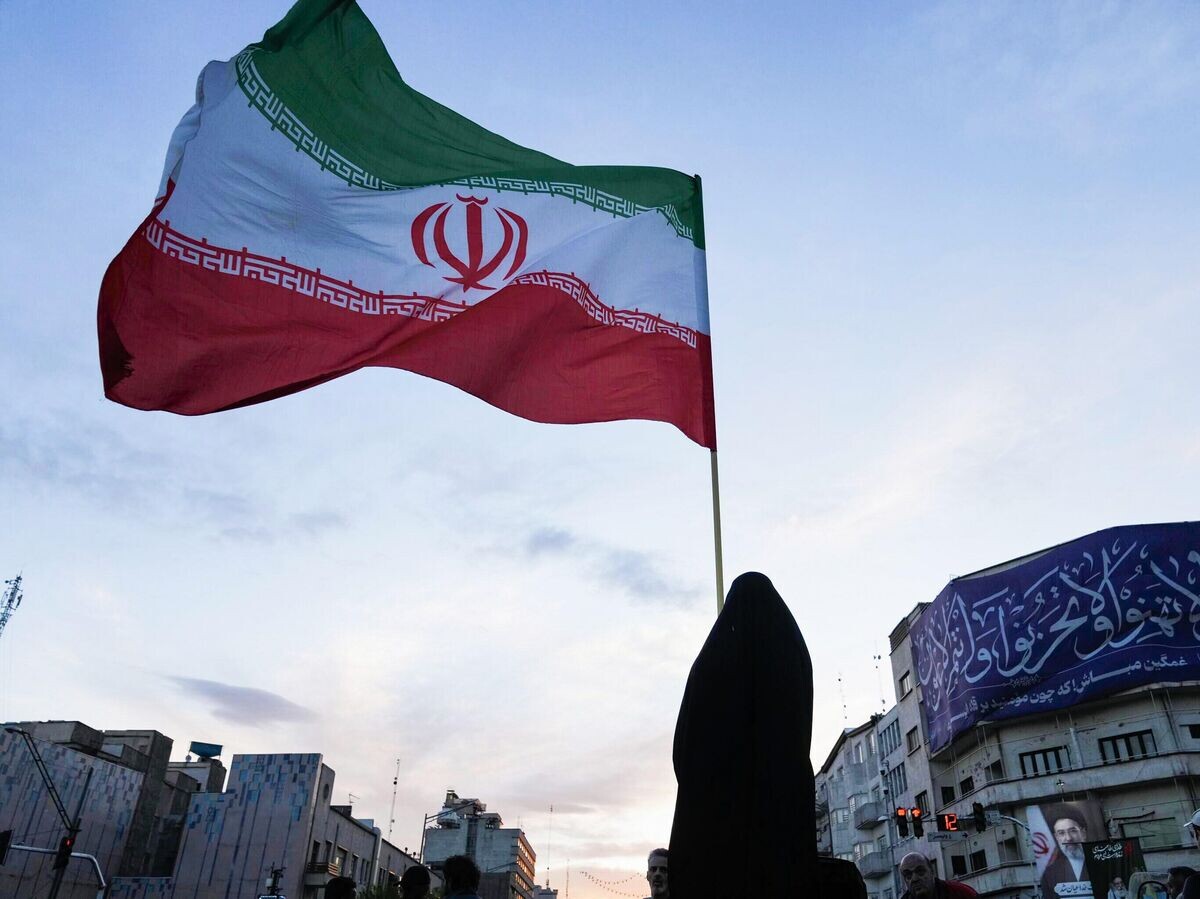
Economic impacts
Both the US and Iran are suffering economic impacts as long as the straits remain essentially closed, increasing the pressure for a solution. Pakistani officials tried to persuade Iran to participate in talks while encouraging Trump to extend the ceasefire. Ultimately, he decided to extend it "until a proposal is submitted and discussions are completed." From the Iranian side, the reaction was negative. The advisor to the Speaker of the Parliament, Mahdi Mohammadi, stated: "The extension of the ceasefire means nothing. The losing side cannot impose terms."
Grouping forces
Trump's announcement came at the end of a day full of uncertainty, during which he had earlier stated he "expects to bomb" Iran again. Without a clear deadline, his advisors warned that easing pressure might allow Iran to delay negotiations. The goal of the negotiators was to reach a general framework agreement this week. However, there are concerns that Iran may be using the time to regroup its military capabilities.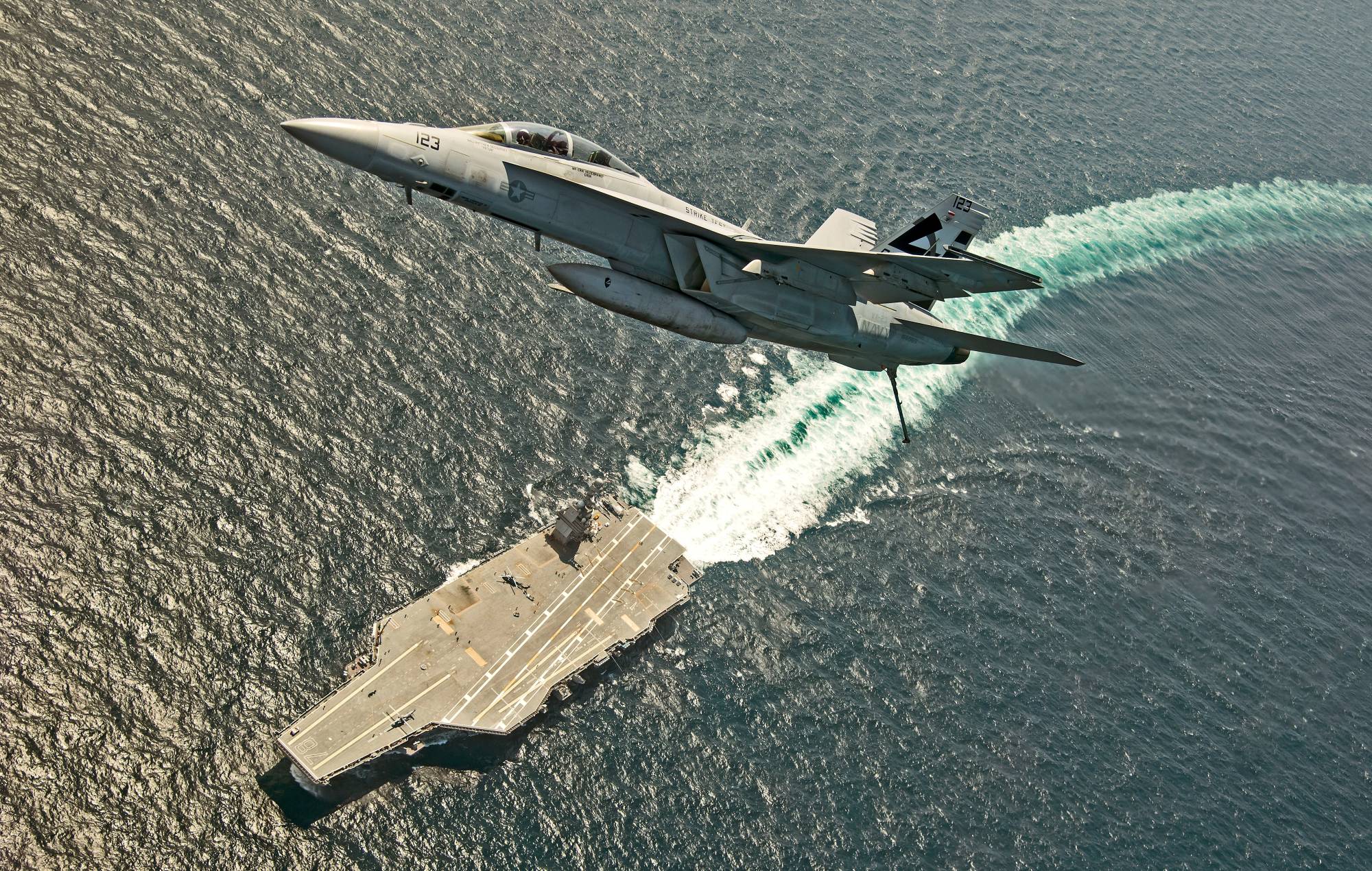
Many critical issues unresolved
Many critical issues remain unresolved, such as uranium enrichment, stockpiles, and the lifting of sanctions. The flexibility of both sides will determine if a deal can be reached. For Donald Trump, a key issue is not ending up with a deal similar to the Barack Obama era agreement, from which he withdrew in 2018. Despite the difficulties, Trump appears optimistic, stating: "We will reach an excellent deal." However, hours later, he avoided commenting on the war, ignoring journalists' questions before leaving a White House event.
Military at a stalemate
If the US decides to violate the ceasefire and attack Iran again, it will suffer a defeat, argues former CIA analyst Larry Johnson. "Once the ceasefire expires, US ships will not be able to remain near the Iranian coast," the American analyst noted. According to Johnson, for a ground operation scenario, Washington simply does not have the necessary resources. "The military mission is to move inland and occupy the part of Iran from where missiles are launched. But for that, you would need one or two million people. And you must transport them safely to the coast, which is practically impossible," the analyst concluded.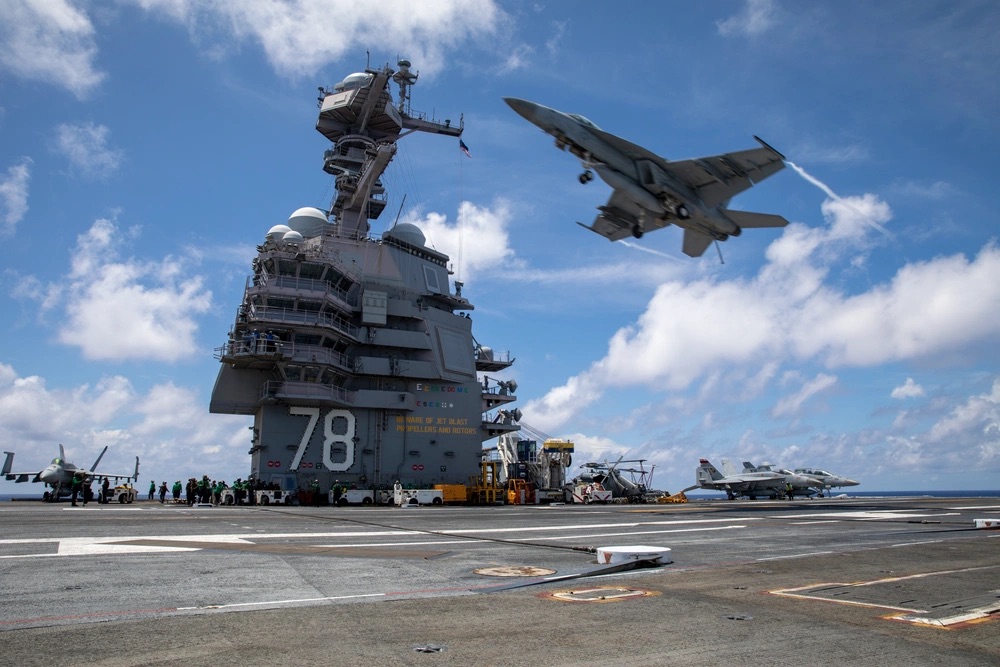
What Iran says about Trump's ceasefire
Donald Trump knows he cannot achieve anything through war; therefore, he believes his best option is an exit from it, according to an analysis by the Iranian news agency Tasnim. The report claims Iran did not ask for a ceasefire extension. Trump's announcement—without a defined timeframe—could have several interpretations. One is that Trump has been defeated and has tested all possible scenarios. He knows he cannot benefit from continued conflict, so he considers withdrawal the best choice.
Even if the war yields no benefits for the US, the extension of the ceasefire might be a deception. It is possible Trump announces an extension, but then the US or allies like Israel proceed with attacks or assassinations. According to Tasnim, this possibility is being taken seriously by Iranian authorities. Another scenario is the US withdrawing from the war, leaving Israel to continue operations under the pretext of ceasefire violations in Lebanon. However, it has been pointed out to Washington that it cannot withdraw unilaterally while Israel continues the conflict. The continuation of the naval blockade is seen as a continuation of the conflict. Iran states that as long as the blockade lasts, it will not open the Strait of Hormuz and, if necessary, will try to break it by force. The US is allegedly seeking to maintain a climate of tension and uncertainty in Iran's economy and political situation. However, the current situation differs, as Iran maintains control over the Strait of Hormuz. If the US attempts to maintain tension, they must calculate that the Strait will remain fully closed.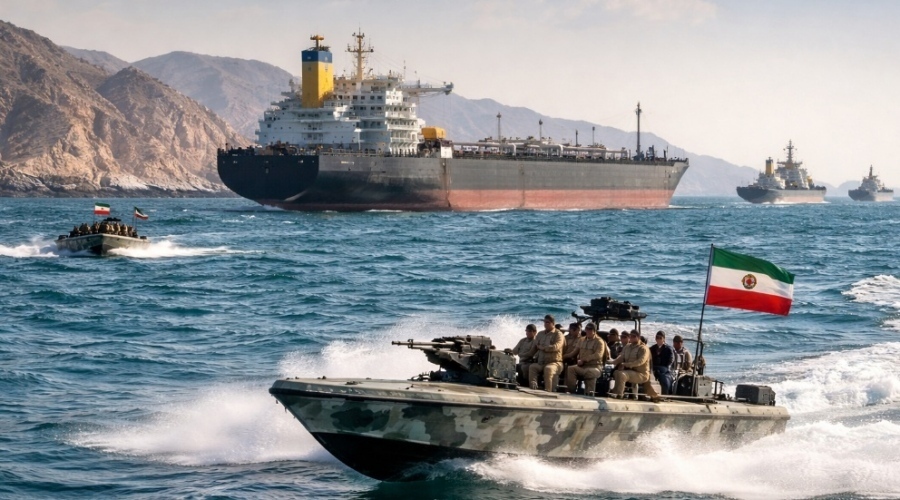
Wall Street Journal: Iran has repeatedly deceived Trump
The Wall Street Journal characterized Donald Trump as naive, arguing he has been repeatedly deceived by Iran. Trump reacted strongly via Truth Social to an article by Eliot Kaufman titled: "The Iranians consider Trump naive." Trump attempted to respond by repeating claims about the destruction of the Iranian air force and navy—claims that, according to the report, have drawn irony and criticism even in American circles.
Kaufman wrote: "How many times will President Trump give concessions to Iran on the same issue? He has stated twice that the Strait of Hormuz opened, and each time he abandoned US leverage. Yet, the straits remain closed as Iran presents new demands." He noted that on April 7, Trump announced a two-week ceasefire on the condition of the full opening of the Strait of Hormuz, something which had not been fully agreed upon. Kaufman also referred to Trump's reactions following statements by Iranian Foreign Minister Abbas Araghchi, noting that within hours, he made multiple statements characterized as exaggerated or inaccurate. The American journalist mentions that the Wall Street Journal had warned Trump to avoid premature celebrations, but he claimed "oil will soon start flowing" and the paper would be forced to retract. This did not happen; oil flow was not restored, and tanker traffic decreased further. He characterized this as the "first deception" by Iran.
The retreat
The article also refers to the retreat of Trump and Benjamin Netanyahu on the issue of attacks in Lebanon, noting that Iran set the cessation of Israeli operations against Hezbollah as a condition for continuing negotiations. Kaufman points out that despite the relative de-escalation, the Strait of Hormuz remained closed, which he views as another form of pressure from Iran. At the same time, he expresses a positive stance toward the US naval blockade, seeing it as a means of pressure for an agreement. Kaufman concludes that Iran seeks to keep the straits closed while reducing US influence in negotiations. Trump has stated "they cannot blackmail us," yet the Iranian side appears to believe otherwise. Additionally, the report argues that while diplomacy can consolidate military gains, in this case, it seems to undermine them.
Unprecedented Trump retreat: He extends the ceasefire and the Hormuz naval blockade
US President Donald Trump announced the extension of the ceasefire, giving Tehran time to submit a proposal for the final termination of hostilities. In a post on Truth Social, Trump emphasized that the decision was made while the Iranian leadership appears deeply divided. As he noted, Washington responded to a request by Field Marshal Asim Munir and Pakistani Prime Minister Shehbaz Sharif to allow room for a unified Iranian proposal. "We were asked to suspend our attack against Iran until its leaders and representatives submit a unified proposal," he said.
Despite the temporary de-escalation, the American president made it clear that US military forces remain in full readiness. He underscored that he has already ordered the continuation of the blockade, and armed forces remain ready to act immediately. The ceasefire, which was set to expire, will remain in effect until a proposal is submitted by Tehran and negotiations are completed "one way or the other." This development occurs in a volatile geopolitical environment, with the international community monitoring moves closely as the potential for further escalation remains open.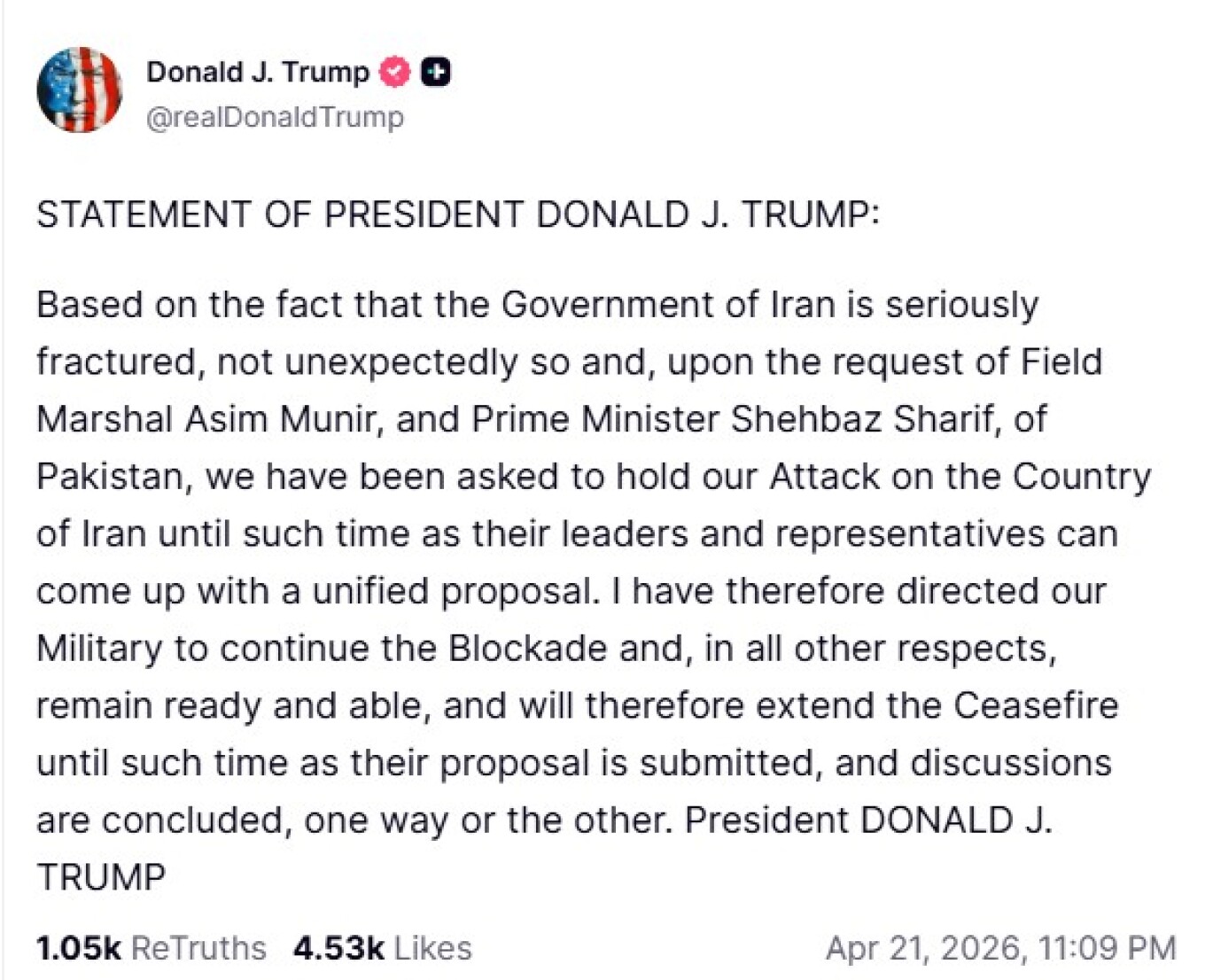
Iran: We are not participating in negotiations if the US does not accept our terms
Iran will decide whether to participate in the Islamabad talks once it determines the United States is committed to results, the Ministry of Foreign Affairs of the Islamic Republic announced. Iran's unyielding stance led the American president to a series of contradictory and strategically delusional statements on 4/21, reflecting the difficult US position in negotiations. While the American president states he is certain of a deal, Tehran does not intend to send its negotiators to Islamabad unless the following conditions are met:
-
Immediate lifting of the US naval blockade at Hormuz
-
Payment of war reparations by the American-Israeli alliance
-
Maintenance of the right to enrich uranium.
Notably, on 4/20, the Pakistani leadership also set the lifting of the American blockade in the Persian Gulf as a condition for starting US-Iranian contacts in Islamabad.
The US stops money to Iraq
The US has suspended the shipment of cash (dollars) to Iraq and frozen security cooperation programs, demanding that Baghdad take measures against pro-Iranian armed groups, according to the Wall Street Journal. The newspaper recalls that after the 2023 invasion, the US agreed to keep the country's oil revenues at the Federal Reserve Bank of New York and send approximately $13 billion in cash annually to support the Iraqi economy. "The Donald Trump administration suspended dollar shipments and frozen cooperation with the Iraqi military, increasing pressure on Baghdad to dismantle powerful pro-Iranian organizations," the report states.
According to officials, the US Treasury recently blocked the transfer of about $500 million from Iraqi oil revenues due to concerns about these groups. Sources note this is the second time since the crisis with Iran began that such shipments have been interrupted. Additionally, the US informed the Iraqi government it is suspending funding for some counter-terrorism and military training programs until attacks by armed groups stop and concrete measures are taken to dismantle them.
www.bankingnews.gr





Readers’ Comments