

Although neither side has confirmed the meeting, the Americans are sending a delegation led by Vice President J.D. Vance at a time when authorities in Pakistan have taken all security measures around the potential meeting site in Islamabad. A Pakistani source reports that there is optimism and that we are on track for the talks to take place tomorrow 4/22, even though Iran maintains that no delegation of its own has yet departed for Islamabad, pointing out that it cannot negotiate under a status of threats and that its participation will be judged by whether the US changes its stance. However, an Iranian general warns the US that should they dare to attack, they will receive an immediate and decisive response. At the same time, analysts rule out a ground invasion scenario, noting that the only alternative for the Americans is bombardment, which will become increasingly ineffective and costly, while geopolitical experts admit the US faces a very difficult path with consequences reaching as far as China and Russia.
Trump: Iran has repeatedly violated the ceasefire.
US President Donald Trump publicly accused Iran of repeated violations of the ceasefire with the US, without presenting evidence. "Iran has repeatedly violated the ceasefire!" Trump wrote on Truth Social. The American leader cited no data confirming his allegations, a move of particular significance ahead of the critical hours following the talks and the ceasefire.
Ali Abdollahi (Iranian General): We will respond decisively to the US, we control Hormuz
Iran will respond decisively to any new hostile action by the US, warned Iranian General Ali Abdollahi. In statements marking the anniversary of the founding of the Revolutionary Guards, Abdollahi, commander of the Khatam al-Anbiya headquarters, stated that the Iranian people take pride in the strength, readiness, and overall strategic capabilities of the Guards and other defenders of the homeland, who—as he said—with devastating missile and drone strikes led the "Zionist enemy" and "terrorist America" to exhaustion and forced them to seek a ceasefire. He added that the Iranian people, with a massive presence in the streets and squares, continue to support the armed forces. Abdollahi continued by saying that the Iranian armed forces, together with the government and the people, remain united and, under the full guidance of the supreme leadership, are ready to give immediate, decisive, and final answers to threats and hostile actions. Furthermore, the Iranian general emphasized that the armed forces, having the upper hand, will not allow "exploitation of the situation" or false narratives about the real picture on the ground, particularly regarding the management and control of the Strait of Hormuz, by Donald Trump, whom he characterized as a "lying and self-deluded president." "The armed forces will respond worthily to any violation of the agreement," underlined the Iranian general.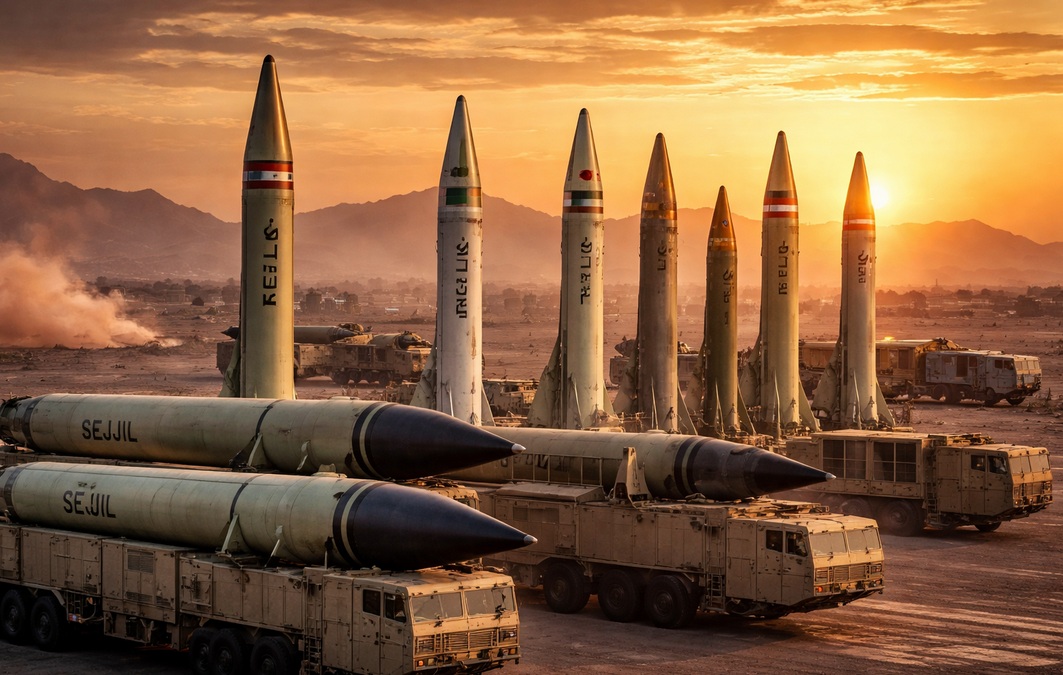
Gholamhossein Mohseni Ejei (Head of Judiciary): Iran must be 100% ready, a new US attack is coming
Gholamhossein Mohseni Ejei, head of Iran's judiciary, stated that Tehran must "maintain 100% readiness" in case the US launches new attacks, according to a video released by Iranian state media, such as the Fars News Agency. Ejei stated there is a "strong possibility" of new attacks, adding that the US has not yet achieved its war goals despite killing many of Iran's top officials. In a separate video posted by Fars, Ejei stated that Iran will respond to the American seizure of an Iranian-flagged cargo ship in the Gulf of Oman on Sunday, calling it a "violation" of the ceasefire. "The naval blockade the US talks about is undoubtedly a clear violation, and the Islamic Republic will certainly respond," said Ejei.
New surprises for the Americans if the war restarts
Iran claims it has prepared new surprises in the event of a war restart. As the end of the truce approaches and widespread pessimism regarding a deal exists, Iran is fully prepared for the possibility of resuming hostilities and has also prepared new surprises for a potential new round of conflict. According to reports from Iranian media, Tehran over the last two weeks has constantly considered the possibility of war starting as high, and based on this, it has prepared certain military movements as well as a new list of targets for this purpose. On this basis, Iran is ready from the very first second of a potential war to create another hell for the Americans and the Israelis.
Iran broke Trump's naval blockade
The military of the Islamic Republic announced that an Iranian tanker broke the American naval blockade with operational support from the Navy. According to the Tasnim News Agency, the Iranian military announced that the Iranian tanker Sili City, with operational support from the Navy of the Islamic Republic, entered Iranian territorial waters last night after passing through the Arabian Sea. The military of the Islamic Republic emphasized that, despite multiple warnings and threats from the US naval force, the Iranian tanker Sili City, with operational support from the Navy and under full security, entered Iranian territorial waters and has been anchored for a few hours at one of the anchorages in the southern ports of the Islamic Republic.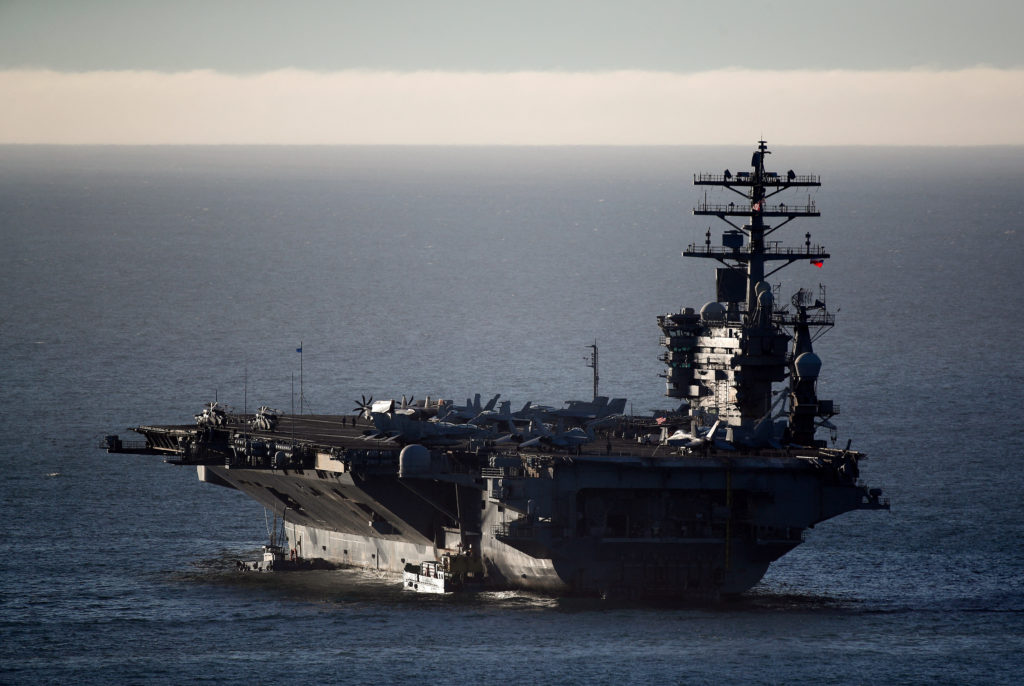
Iran fully controls the Strait of Hormuz
According to the Iranian news agency Tasnim, the operational control of ship transit corridors is now directly in the hands of Iranian operational units and every maritime passage is possible only within the established safety rules. As stated, in the first stage, a limited and controlled route had been designed for the passage of commercial ships in the Strait of Hormuz, a narrow corridor about three kilometers wide, where transit occurred only with full coordination with Iranian naval forces. According to Tasnim, the operational area is under constant surveillance by naval units and security warnings are broadcast in real-time to approaching vessels. During maritime patrols, warning messages are broadcast via radio from patrol boats to ships in the area, stating that any approach without coordination toward the designated corridors will be met with an immediate reaction. This level of operational control shows the establishment of a new security order in the Strait of Hormuz, managed directly by Iranian forces. It is also reported that all previously designated transit routes have been closed and maritime traffic in this strategic waterway is under the direct control of naval, missile, and drone units. According to these sources, until the necessary guarantees are received for the cessation of hostile maritime actions against Iran and the lifting of threats against the security of the country's shipping lines, no transit without coordination in this vital passage will be possible. The operational management of the Straits of Hormuz is fully under the control of the armed forces of the Islamic Republic of Iran and the security of maritime routes is regulated within the framework of the rules announced by Iran.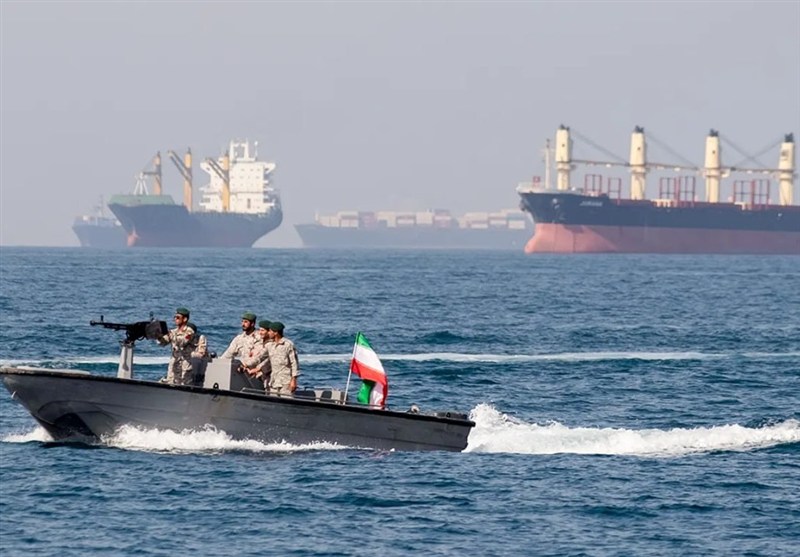
The US does not have an easy path to success
The US "does not have an easy path to success" in the war with Iran, said Malcolm Davis, senior defense strategy analyst at the Australian Strategic Policy Institute in Canberra. Davis told CNN he is not optimistic that the US and Iran will reach an agreement in a possible second round of negotiations in Islamabad this week, because the gap between the two countries' positions is too large. "It is not very likely that we will see something emerge from these talks that will actually resolve this conflict," said Davis. If the talks prove inconclusive, the US has two main options, according to Davis: either to continue the naval blockade of the Strait of Hormuz or to "return to war mode." "There is no guarantee that simple bombardment of Iran will achieve US strategic goals," he said, adding that "there is a real risk of this war spiraling out of control and achieving nothing." "If US President Donald Trump withdrew from the war and declared victory without achieving his goals—such as dismantling Iran's nuclear program—adversaries like China and Russia would see the US as weak," Davis added. "The Iranians have essentially proven to be a much more resilient opponent than the US believed." "It is a difficult situation, because this conflict is not just about Iran—it has strategic consequences for the wider international strategic environment," the expert pointed out.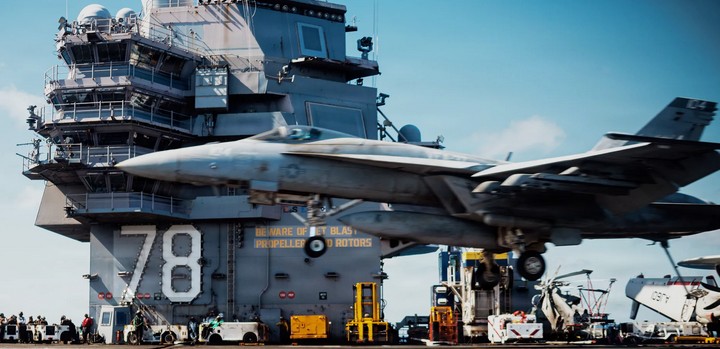
Total US fiasco: No invasion, only bombings
The American administration has failed completely in efforts to conduct a ground operation in Iran, argues geopolitical analyst Patrick Henningsen. "I do not believe the US will dare to introduce ground troops onto Iranian soil. They had already explored the possibility of sending troops and suffered a complete fiasco. Their only hope is the continuation of air attacks. And unfortunately, it seems this is exactly what they will do, as it is the only thing they can do," noted the expert, who expressed certainty that the effectiveness of US air attacks will inevitably decrease, while the cost for Washington will increase. "If one sees what the US has achieved and what it has lost since February 28, the situation for them will get worse and worse. Both at a political and economic level. But at a military level as well," Henningsen concluded.
American Conservative: Iran forced the US to change strategy
Iran forced the US to change the strategic goals of the military operation, writes The American Conservative magazine. "After the Islamic Republic survived the initial attack, Washington acquired a new war goal: to reopen the strait. The retreat from previous plans is remarkable and tragic," the publication states. This step, the columnist explains, shows that Washington was forced to abandon its maximalist calculations for establishing dominance in the Middle East and try to restore the pre-war status quo. "The strategic readjustment makes sense, but also demonstrates the recklessness of the hardliners and reveals the real and dramatic potential cost of a war with Iran," the magazine concludes.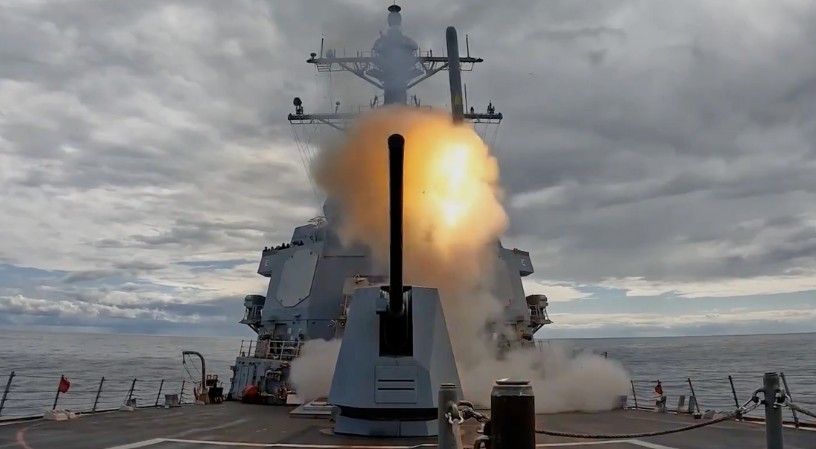
Iran's asymmetric warfare
Iran, relying on its domestic capabilities and asymmetric warfare, changed the global military doctrine and the balance of power in the region. A war far more intense and difficult than the 12-day war of 2025 was imposed on Iran. Nevertheless, due to Iran's adoption of an asymmetric warfare strategy, this war created a turning point in military doctrines worldwide. For the first time in the history of modern wars, a regional power, relying on its own capabilities, was able to strike the extensive network of US bases in Western Asia and change the military equations in its favor.
The strategy
Iran's strategy, unlike the classic approach focusing on direct aerial conflict with fighters, was designed based on the theory of "asymmetric anti-aircraft defense." This ingenious strategy involved targeting three key levels:
-
first, "sensors and radars" as the eyes of the defense system
-
second, "logistics and refueling equipment," considered the vital arteries of air power, and
-
third, "command and control centers," which play the role of the operational brain. With this design, Iran showed that to paralyze the enemy's air power, direct conflict in the sky is not required, but rather, by hitting ground infrastructure, the entire system can be rendered useless.
Mass, cheap drones
Iran, using mass cheap drones like the Shahed-136, costing about 30 thousand dollars each, forced the opponent to use expensive anti-aircraft missiles like the Patriot, costing several million dollars. This clever strategy led to the exhaustion of the strategic anti-aircraft defense stocks of US allies. Bahrain consumed up to 87% of its Patriot missiles, while the United Arab Emirates and Kuwait also lost about 75% of their defensive arsenal. In other words, while the US and its allies spent billions of dollars to intercept cheap Iranian drones, Iran with minimal cost managed to completely wear down the region's defensive shield and practically leave them, in the final days of the war, without defensive ammunition. The British newspaper Times claimed that 300 American military personnel were injured in these attacks and 13 were killed. Damages during the first month were also estimated at one and a half billion dollars.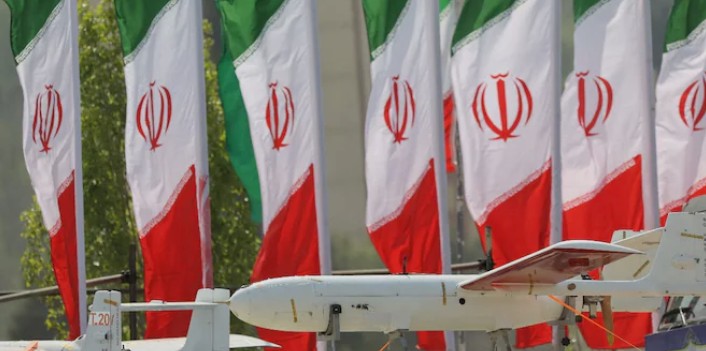
Distribution of roles in the base network
Each US base in the region plays a specific role in the unified network of command, control, communications, and defense: Al Udeid as the regional command center, the Fifth Fleet in Bahrain as the naval hub, the bases in Kuwait as the supply and refueling chain, and the bases in the United Arab Emirates, Jordan, and Saudi Arabia as layers of missile and air defense. Notably, in Iran's attacks, the selected targets corresponded directly to this role distribution. Attacks on communication radar domes in Kuwait and Bahrain disrupted the command network, the destruction of AN/TPY-2 radars in the UAE, Jordan, and Saudi Arabia collapsed the missile defense layer, while hits on KC-135 refueling aircraft and AWACS paralyzed the operational air capability of the coalition. This pattern shows that Iran did not act randomly, but with precise knowledge of the base network architecture, targeting and disabling its vital nodes in succession. The Iranian armed forces managed to inflict substantial damage on 13 key American military bases in the region.
The most important follow:
-
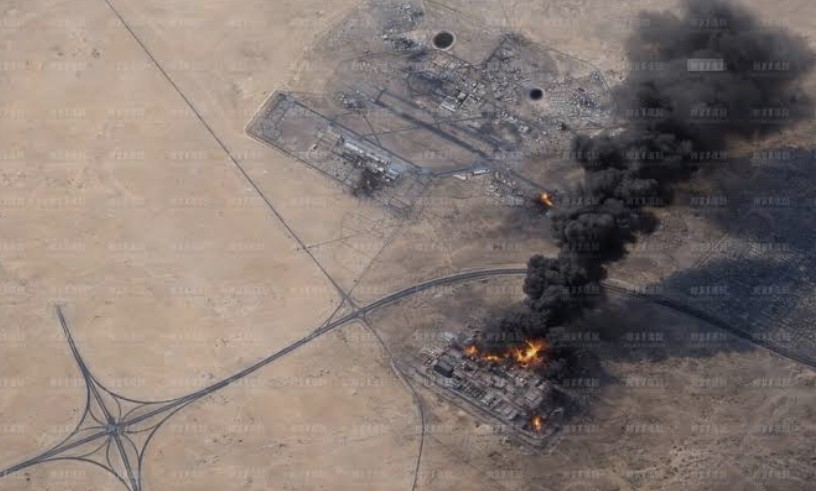
Kuwait: The Ali Al Salem base in Kuwait, as one of the most sensitive centers of American military gravity, was the target of the first wave of combined Iranian missile and drone attacks. The intensity of the attacks was such that it caused serious and extensive disruption to the regional command and control center, effectively paralyzing the coordination of the coalition's air operations for hours. Subsequently, Camp Buehring in northeastern Kuwait, a vital logistics base for American armored units, was targeted. In this attack, refueling facilities and armored equipment warehouses suffered serious damage. The destruction of this support infrastructure markedly reduced the operational capability of American ground units in the area and disrupted the supply chain of fuel and ammunition. Camp Arifjan in southern Kuwait, one of the most important logistics and support bases for American forces in the region, also suffered strikes. Satellite images show that at least six radar domes (radomes), which protected satellite communication antennas, were completely destroyed. These contained AN/GSC-52B satellite communication terminals, vital for high-speed encrypted communications between CENTCOM and operational units across the region. Damages to this equipment were estimated at approximately 30 million dollars. The final damage assessment for the American coalition in Kuwait shows at least 7 American and 2 Kuwaiti military dead and over 100 injured. In terms of equipment, the destruction of one CH-47 Chinook, the downing of three F-15s, and the complete destruction of a radar at Kuwait International Airport were part of the heavy price.
-
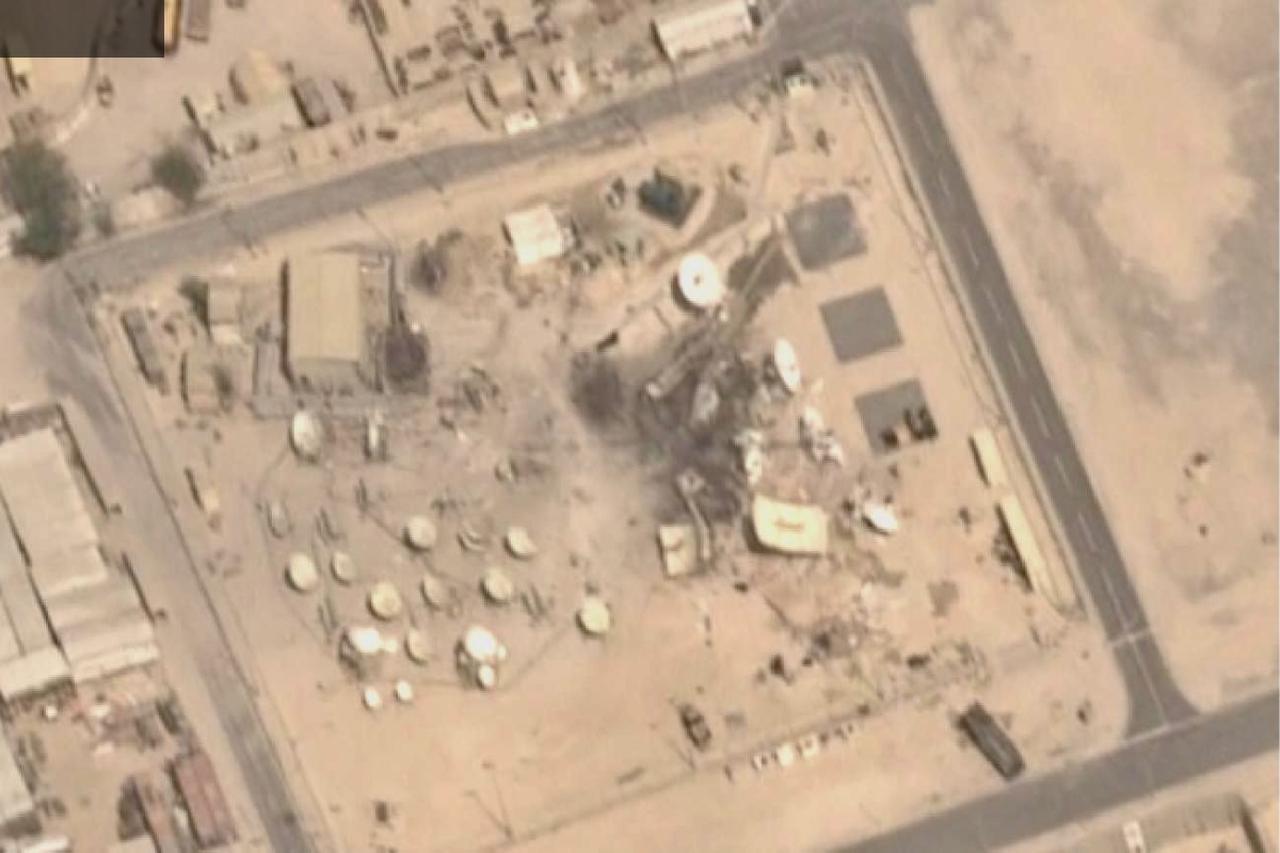
Bahrain: The headquarters of the American Navy's Fifth Fleet in the Juffair area of Manama, capital of Bahrain, is one of the most sensitive and strategic American installations in Western Asia. The most significant damage was the destruction of two AN/GSC-52B satellite communication terminals. This equipment, located under destroyed radar domes, is vital for near-real-time communications between CENTCOM and naval and air units in the area. Their destruction caused serious disruption to the Fifth Fleet's command and control network for hours and reduced the ability to coordinate naval operations in the Persian Gulf. Additionally, a Patriot system maintenance facility was also hit.
Qatar: The Al Udeid airbase in Qatar: home to the regional CENTCOM and the most sensitive American command center in Western Asia, received extensive and precise attacks. According to satellite analyses, an AN/FPS-132 radar, an integral part of the ballistic missile early warning system, suffered serious damage, effectively "blinding" a major eye of the regional defense network.
Saudi Arabia: The Prince Sultan base (PSAB) in Saudi Arabia suffered two separate attacks within two weeks. In the first wave, five KC-135 strategic refueling aircraft suffered serious damage. In the second wave, on March 27, an E-3 Sentry (AWACS) early warning aircraft was hit directly and completely destroyed. This drastically reduced the surveillance and reconnaissance capabilities of the American air force in the region. At least 10 American military personnel were injured, two of them seriously. Additionally, the AN/TPY-2 radar installed there was also targeted. This radar, worth about 1.36 billion dollars, is the brain of the THAAD system.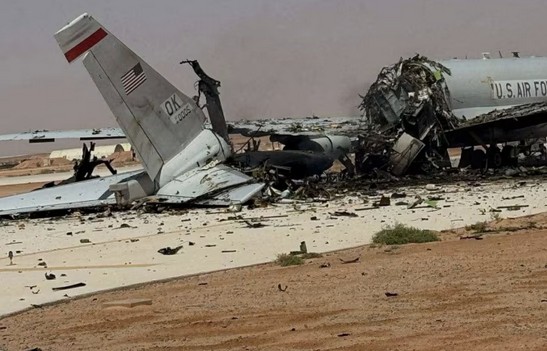
United Arab Emirates: The Al Dhafra airbase near Abu Dhabi suffered serious damage to multiple hangars and military facilities. Detailed reports indicate that targets likely included hangars with MQ-4C, MQ-9, and possibly F-35s. The AN/TPY-2 radar there also suffered serious damage. The Al Ruwais base in western UAE was another deployment center for American air defense systems. On March 2, 2026, the Revolutionary Guards officially announced the destruction of another American THAAD in Western Asia. The Al Sader base in the eastern region of the UAE, the third deployment platform for AN/TPY-2 radars, was also targeted. Although precise damage details were published less extensively, analytical sources confirmed that it was the third AN/TPY-2 radar in the UAE that was hit.
Jordan: The Muwaffaq Al Salti airbase in eastern Jordan hosted an extremely sensitive AN/TPY-2 radar. In the early days of the war, this radar, worth about 300 million dollars, was the target of precise Iranian attacks and was completely destroyed.
Iraq: On March 17, 2026, an Iranian drone struck the "Sab Giraffe1" radar system at the American embassy in Baghdad. This radar, worth about 2 million dollars, was designed for protection against drone and rocket attacks. The strike showed successful penetration of the defense network of one of the most sensitive American diplomatic facilities in the region.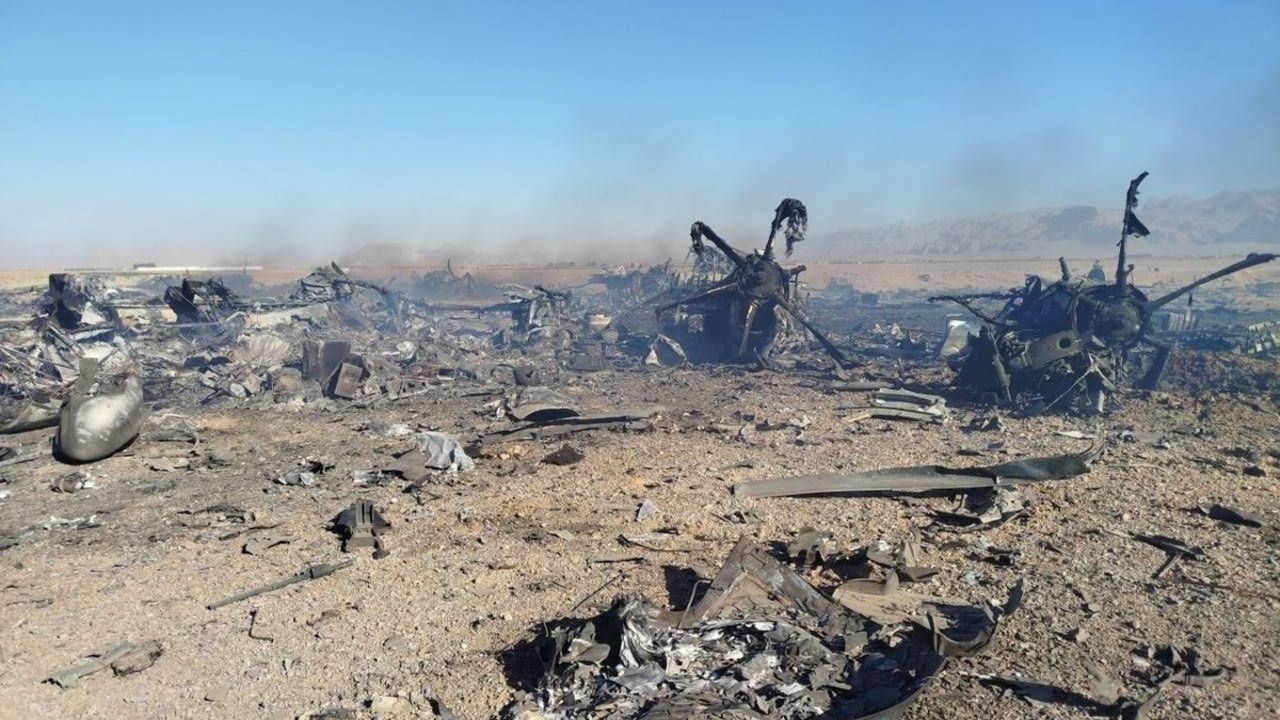
No safe haven
The war showed that American bases are no longer a "safe haven" for US forces. The combined strategy of precise ballistic missiles and cheap suicide drones from Iran changed not only military but also political equations for the future of Western Asia. For the first time, a regional army managed to force a superpower's military to withdraw from fortified bases and hide in hotels. This war proved that in the modern battlefield, the criterion for victory is not the number of intercepted missiles, but the level of disruption caused to the enemy's system. What differentiates this war from previous conflicts is the precise matching of attack targets with the base network architecture. Iran, knowing the distribution of roles between bases, prioritized disabling communication, defense, and logistics nodes and showed that the collapse of a unified military network can be achieved not through the destruction of every individual element, but through the disruption of the connections between them.
Trump personally if there is a deal
US President Donald Trump may personally attend the signing of an agreement with Iran to settle the conflict, if the two sides manage to reach an agreement, reports Reuters, citing a source in Pakistan, which is expected to host a new round of negotiations. According to the source, Trump could participate in the signing of the agreement either in person or via teleconference.
Iran: No delegation has departed for talks with the US in Pakistan
No Iranian delegation has yet departed for Pakistan to participate in peace talks with the US, Iranian state television reported. Iranian television denied international reports stating that Iranian representatives are traveling to Islamabad, as well as information about scheduled times for US–Iran talks. Iranian television added that Iranian officials have been repeating since Sunday that Tehran does not accept negotiations under threat and that its participation in talks will depend on a change in the behavior and positions of the US.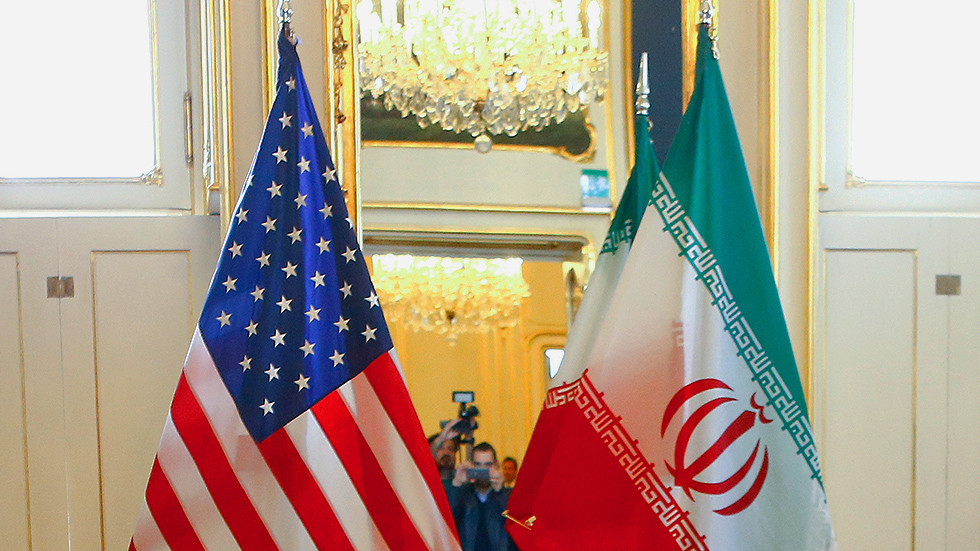
www.bankingnews.gr








Readers’ Comments