

The thriller continues regarding the negotiations between the US and Iran and what the ultimate fate of the ceasefire will be, as it remains unclear whether the two sides will sit at the bargaining table in Islamabad, Pakistan. Although the US is sending a delegation led by Vice President J.D. Vance, and despite US President Donald Trump declaring he is certain the Iranians will participate, Tehran is officially keeping the landscape blurred. Top officials state they have no intention of falling into a trap or participating in discussions under a regime of threats.
The American television network CNN claims that talks are scheduled for tomorrow, Wednesday, April 22, although it notes the situation remains extremely fluid. In fact, Iran is setting its own conditions, demanding that the Americans release the Iranian vessel Touska and its crew, otherwise threatening harsh retaliation, while also demanding an end to the US naval blockade.
These are proposals that the Americans appear to reject, with Trump stating he does not intend to extend the ceasefire, which is set to expire within the next 24 hours. The question remains: what will be the next move for the US if talks and an agreement fail to materialize? Analysts estimate there is no scenario for a ground invasion after the fiasco the Americans suffered during these seven weeks of war, and that the only tool left to them is aerial bombardment—only these will become increasingly ineffective and costly.
Nevertheless, Trump has threatened to level Iran, specifically its power plants and critical transport infrastructure, if no deal is reached. But how did we reach today’s impasse when it seemed the US and Iran were close to an agreement? Experts argue it is all down to Trump's social media posts and his leaks to the media.
Trump’s maneuvers
As the weekend approached, the US and Iran appeared to be nearing an agreement to end the seven-week war. Then, Donald Trump did exactly what his associates repeatedly warned him not to do: he appeared to attempt negotiation through the press, posting on social media about the ongoing talks and speaking by phone with several reporters on Friday morning, April 17, even as Pakistani mediators were briefing him on contacts with Iranian officials in Tehran.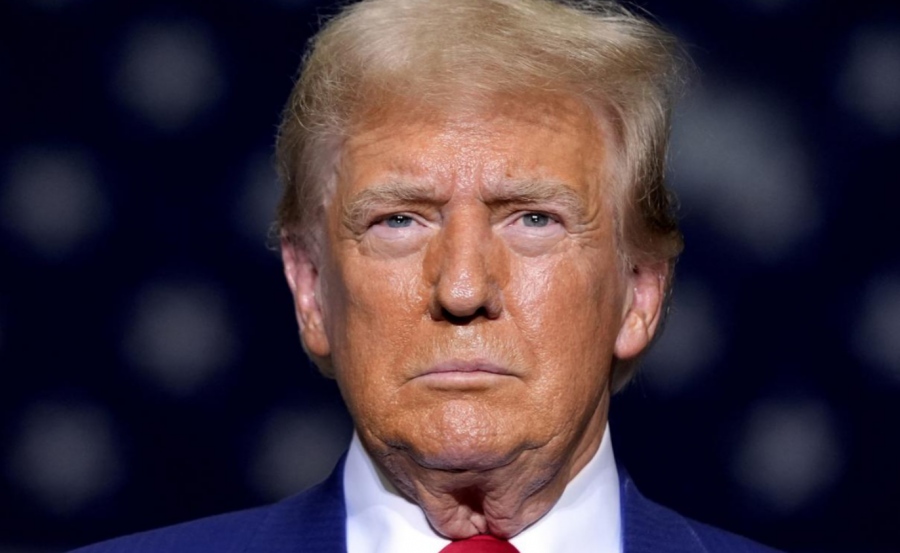
Revelations mid-negotiation
He claimed that Iran had agreed to a series of terms that, according to sources close to the talks, had not yet been finalized. He also claimed that Tehran had accepted many of the most controversial American demands—including the surrender of enriched uranium—and proclaimed that the war was nearing its end.
Iran's denial
Iranian officials publicly rejected many of these claims and denied they were preparing for a new round of talks, quickly dampening the growing optimism for a deal. Now, it remains unclear where the peace talks are headed. Some Trump officials acknowledged to CNN that the president's public statements damaged the negotiations, pointing to the sensitivity of the talks and the deep distrust Iranians hold toward the US.
Rift
Furthermore, American officials suspect a rift exists between the Iranian negotiating team, led by Mohammad Bagher Ghalibaf and Abbas Araghchi, and the Islamic Revolutionary Guard Corps (IRGC), raising questions about who can ultimately authorize a deal. "The Iranians did not appreciate that the POTUS was negotiating via social media and giving the impression they had accepted issues they had not yet agreed upon, which are unpopular domestically," said a person with knowledge of the talks.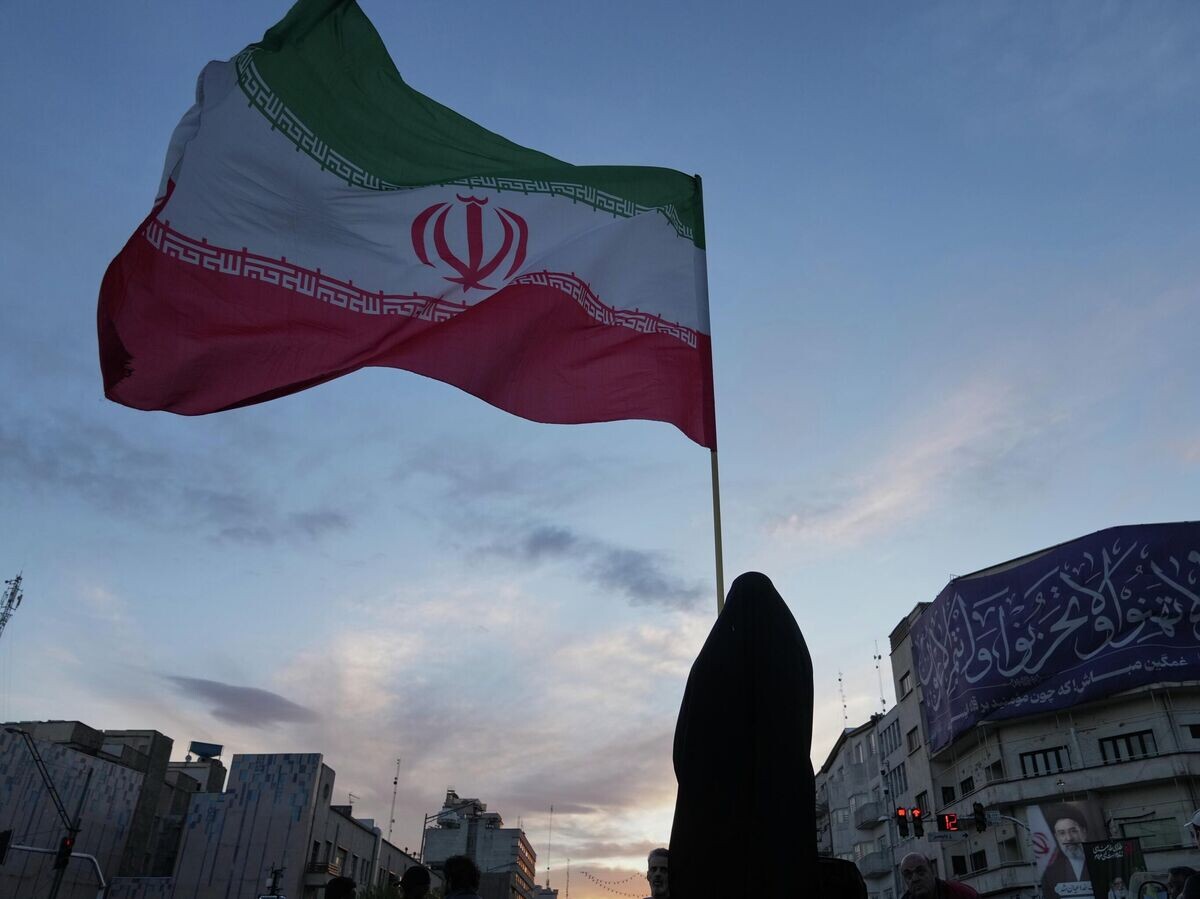
Statements in the media
Among the president's claims: Trump told Bloomberg that Iran had agreed to an "unlimited" suspension of its nuclear program. He told CBS News that Tehran "agreed to everything" and would cooperate with the US on the removal of enriched uranium. And he told Axios that the meeting "will probably happen over the weekend," adding: "I think we'll have a deal within the next day or two."
Fragile ceasefire
The fragile ceasefire between Washington and Tehran was tested again on Sunday, April 19, when a US guided-missile destroyer opened fire and seized the Iranian cargo ship Touska after it attempted to breach the American naval blockade in the Gulf of Oman, causing further fury in Iran, which is threatening harsh retaliation. As the expiration of the ceasefire nears, Trump is once again faced with a decision: to accept a deal, even an imperfect one, or to escalate a conflict he said would have already been over.
Unclear terms
By Monday, Iranian officials appeared less negative toward further negotiations. However, the terms of any potential agreement remained vague. White House Press Secretary Karoline Leavitt stated: "The United States has never been closer to a good deal with Iran, unlike the horrible deal of the Obama administration, thanks to the negotiating skill of President Trump."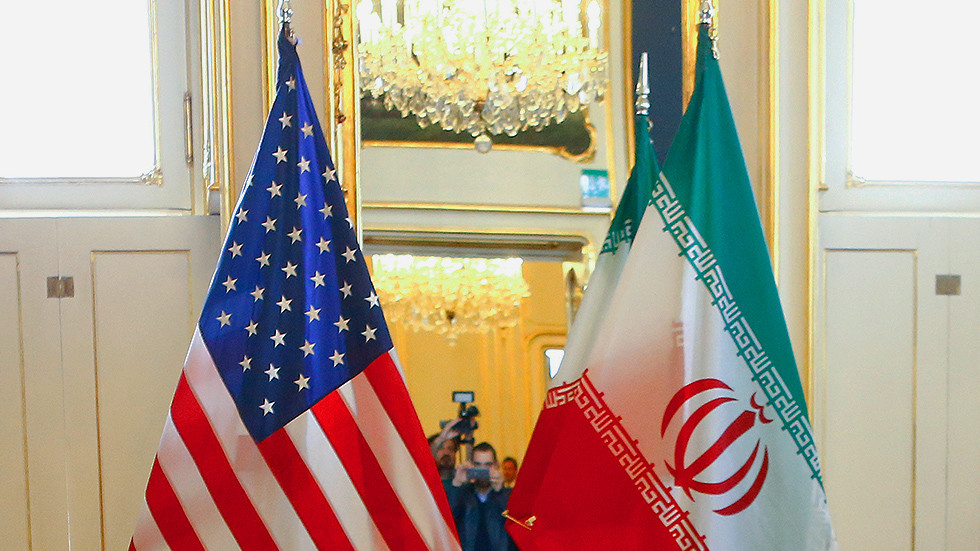
The "red lines"
Trump has set several "red lines," such as a freeze on uranium enrichment and the surrender of near-weapons-grade stockpiles. Tehran insists on maintaining control of the Strait of Hormuz and demands the lifting of sanctions. In the first round of talks, the Americans proposed a 20-year pause on enrichment. Iran countered with a five-year suspension, which was rejected.
A newer Iranian proposal provides for a 10-year pause followed by another decade of enrichment far below weapons-grade levels. Trump, however, stated he wants no enrichment indefinitely. The Trump administration is also considering the release of $20 billion in Iranian assets as part of the negotiations in exchange for the surrender of high-enriched uranium stockpiles.
No pressure
The degree of flexibility each side shows will determine whether a deal is reached. For Trump, it is critical not to end up with an agreement compared to the JCPOA, from which he withdrew in 2018. At best, negotiators hope to achieve a framework of understanding between the US and Iran that will lead to more detailed talks in the coming weeks. However, critics argue that Iran is simply gaining time while reactivating buried missile systems. Trump insisted on Monday that he feels no pressure for a deal, despite the growing unpopularity of the war and high fuel prices. "I am under no pressure, although everything will happen relatively fast!" he wrote on Truth Social.
Ambiguity and confusion
His public rhetoric continued to intensify the uncertainty. At one point, he stated that Vice President JD Vance would not participate in this round of talks, citing security concerns. At the same time, UN Ambassador Mike Waltz and Energy Secretary Chris Wright were publicly saying that Vance would lead the mission to Islamabad.
It turned out they were right and Trump was wrong. Sources indicated that Vance now plans to depart Washington on Tuesday, with talks beginning Wednesday morning in Islamabad. As was characteristically noted, the situation remains "fluid."
Chaos with the ceasefire
The same applies to the fate of the ceasefire, which expires soon. Even the exact deadline seems to have shifted. Trump initially announced the ceasefire on April 7, but later told Bloomberg it expires "Wednesday night, Washington time," offering another 24 hours of talks before deciding whether to carry out his threat to destroy Iranian bridges and power plants.
In previous statements, he had given conflicting answers regarding a potential extension of the ceasefire: "If there is no deal, the fighting resumes," he said categorically. Later he said: "If I have to, I’d give an extension." And at another point: "We’ll see. I don’t know if we’ll need it. Ideally, no."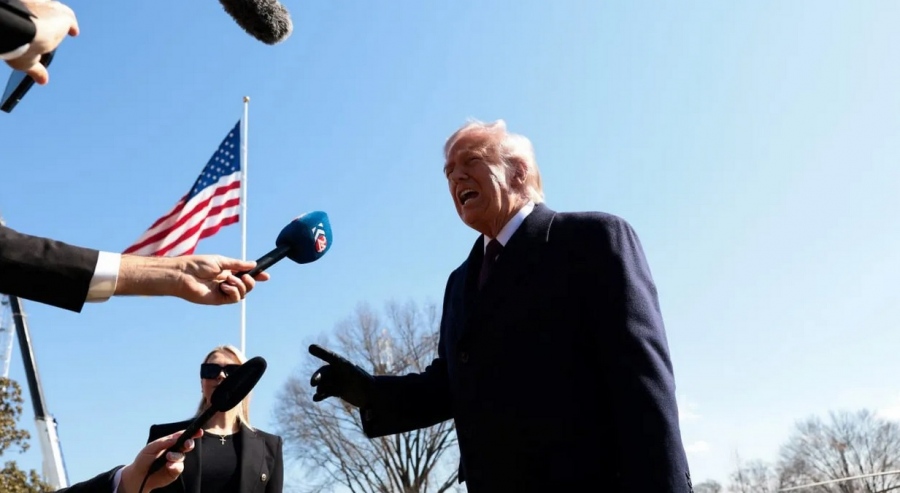
Trump: Exporting enriched uranium from Iranian soil is a long and difficult process
US President Donald Trump argues that the process of exporting enriched uranium from underground sites in Iran will be long and difficult following the military operation of June 2025. "Operation 'Midnight Hammer' (the military strikes on Iranian nuclear facilities in June 2025) constituted a complete and total destruction of nuclear dust facilities in Iran. Therefore, excavating them will be a long and difficult process," Trump stated in a post on Truth Social. It is noted that in statements on John Fredericks’ radio show, Trump said the US would very soon secure Iran's commitment that it will never acquire nuclear weapons. "It will happen, I believe, very soon," said Trump, while also expressing his certainty that the Iranians will participate in the negotiations in Pakistan.
"They will negotiate. If they don't, they will face problems they have never seen before. I hope they make a fair deal and rebuild their country, but when they do, they won't have a nuclear weapon. We cannot allow that," the American leader stressed. On Monday, Iranian Foreign Ministry spokesperson Esmaeil Baghaei stated that the Islamic Republic has no plans to transfer enriched uranium to either the US or any other country.
Washington Post: Constant contradictions from Trump
Donald Trump's statements on Iran are increasingly contradicting one another, the Washington Post argues. "Trump's statements on Iran are increasingly contradictory, reflecting instability in policymaking. Media and government officials are constantly forced to correct his claims, revealing volatility in policy. The president has expressed conflicting views on both minor and major issues related to the war," the publication reports, highlighting, for example, the contradictory statements regarding whether Vice President JD Vance will travel to the negotiations in Pakistan or regarding the status of talks with Iran, the Strait of Hormuz, and enriched uranium.
At times he has emphasized that Iran accepted to surrender enriched uranium, yet the results of the negotiations showed the opposite. Trump has announced different and contradictory timelines several times regarding how quickly a deal with Iran can be reached. Also, regarding the future of gasoline prices, he has sent conflicting messages, predicting a rapid drop at times and price stability at others.
Iran's message to the US: Release the ship Touska and its crew now
The Iranian Foreign Ministry condemned the seizure of the Iranian cargo ship Touska by American forces and demanded the "immediate release of the Iranian ship, its sailors, crew, and their families," in a statement released Tuesday. The US Navy opened fire and seized the Iranian-flagged ship on Sunday after it attempted to pass the American naval blockade in the Gulf of Oman, according to Donald Trump. Footage released by the military showed a guided-missile destroyer firing at the ship and Marines rappelling from helicopters onto its deck. Iran had already promised retaliation for the seizure, which the Foreign Ministry described in its statement as "extremely dangerous" and "criminal." "There is no doubt that the Islamic Republic of Iran will use all its capabilities to defend Iran's national interests and security and to safeguard the rights and dignity of its citizens," the statement said. "It is also clear that the full responsibility for any further escalation in the region lies with the United States," the Iranian Foreign Ministry emphasized. It is not clear how many people were on board or if they are Iranians.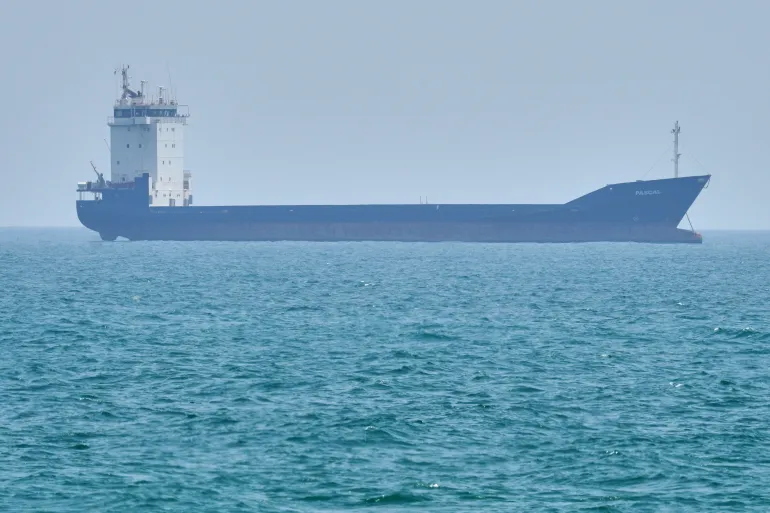
Complete US fiasco: No invasion, only bombings
The American administration has completely failed in its efforts to conduct a ground operation in Iran, claims geopolitical analyst Patrick Henningsen. "I don't believe the US will dare to introduce ground troops into Iranian territory. They had already explored the possibility of sending troops and suffered a complete fiasco. Their only hope is the continuation of airstrikes. And unfortunately, it seems that is exactly what they will do, as it is the only thing they can do," the expert noted, expressing certainty that the effectiveness of US airstrikes will inevitably decrease while the cost to Washington will increase. "If one looks at what the US has achieved and what it has lost since February 28, the situation for them will only get worse. This is true both at a political and economic level, as well as militarily," Henningsen concluded.
American Conservative: Iran forced the US to change strategy
Iran forced the US to change the strategic goals of the military operation, writes The American Conservative magazine. "After the Islamic Republic survived the initial attack, Washington acquired a new war goal: to reopen the Strait. The retreat from previous plans is noteworthy and tragic," the article states. This step, the author explains, shows that Washington was forced to abandon its maximalist calculations for establishing dominance in the Middle East and instead try to restore the pre-war status quo. "The strategic realignment makes sense, but it also demonstrates the recklessness of the hardliners and reveals the real and dramatic potential cost of a war with Iran," the magazine concludes.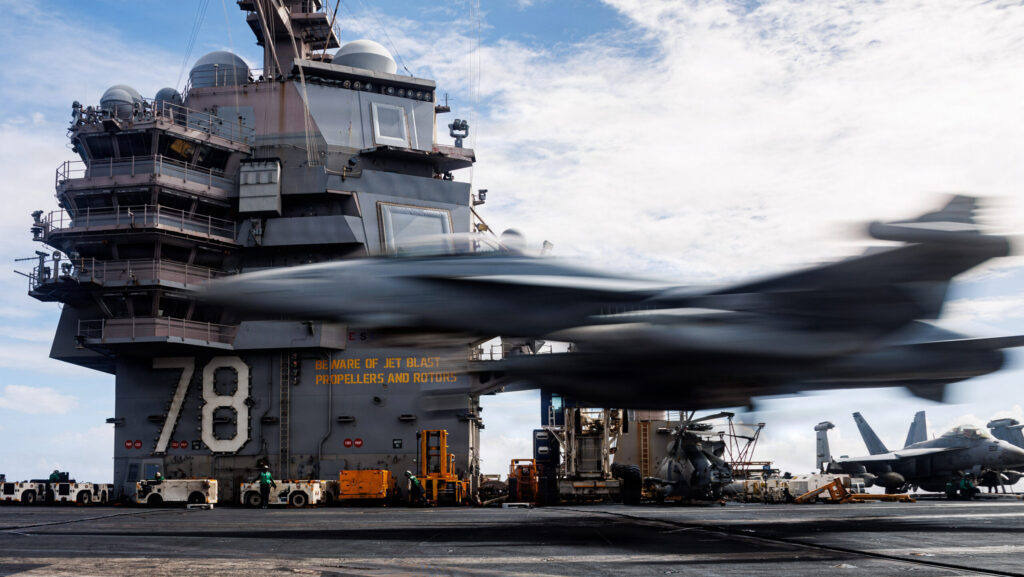
www.bankingnews.gr













Readers’ Comments