

Developments in the wider region of the Eastern Mediterranean are taking an increasingly worrying turn, with disputes between Israelis and Turks, as well as mutual analyses regarding a preemptive strike, intensifying.
In this context, information from the Turkish side that has come to light is causing serious concern, as it refers to the activation of an extensive mechanism of mobilization and state control, which points to preparation for conditions of generalized conflict.
The so-called “Death Decree” is not merely a typical administrative regulation, but a tool that concentrates extraordinary powers in the country’s leadership, allowing immediate and sweeping interventions at the military, economic, and social levels.
In other words, Ankara appears to be fortifying the state mechanism for high-intensity scenarios, with the focus, according to the same sources, on a possible confrontation with Israel.
This development does not concern only the bilateral relations of the two countries, but affects the overall balance of power in the region.
Greece, as an immediate neighbor of Turkey, and also having concluded defense agreements with Israel, cannot remain unaffected by such a dynamic.
The question that now arises is whether this is a deterrent strategy or a real preparation for conflict, and what the consequences will be for regional security.
The measures
A series of measures adopted by the government of the Turkish president Recep Tayyip Erdogan indicates that the country is preparing for war, characterized by changes in the rules of military and political mobilization, the expansion of logistics support systems, and an aggressive effort to promote missile and unmanned aerial vehicle capabilities, according to a revelation by the website Nordic Monitor.
Although Ankara has not explicitly identified a specific opponent, increasing evidence suggests that the Erdogan government may be steering Turkey toward a military confrontation with Israel, possibly in Syria.
This concern is reinforced by the increasingly aggressive rhetoric of senior officials and by a notable shift in Turkey’s strategic doctrine, where the Jewish state is now presented as a fundamental threat to national security.
Erdogan has in the past attempted to lead Turkey toward such a confrontation.
In 2010, following the deadly incident of the Mavi Marmara in the Eastern Mediterranean, he sought a military response against Israel, but was ultimately blocked by resistance from senior generals.
However, this institutional constraint has since been removed.
Over the past decade, Erdogan has consolidated his power and reshaped the state apparatus.
In 2014, he closed a long-running counterterrorism investigation into a network linked to the Quds Force of the Islamic Revolutionary Guard Corps of Iran, paving the way for the rise of pro-Iranian figures in intelligence services, the police, the military, and the diplomatic service.
After the coup attempt in 2016, which he described as a provocation, Erdogan proceeded with mass purges, removing tens of thousands of officers, including a large portion of the pro-NATO leadership of the armed forces.
He appointed Adnan Tanriverdi, founder of the paramilitary group SADAT, as his chief military advisor and concentrated extensive executive powers following a controversial referendum in 2018, which was conducted under full state control of the media.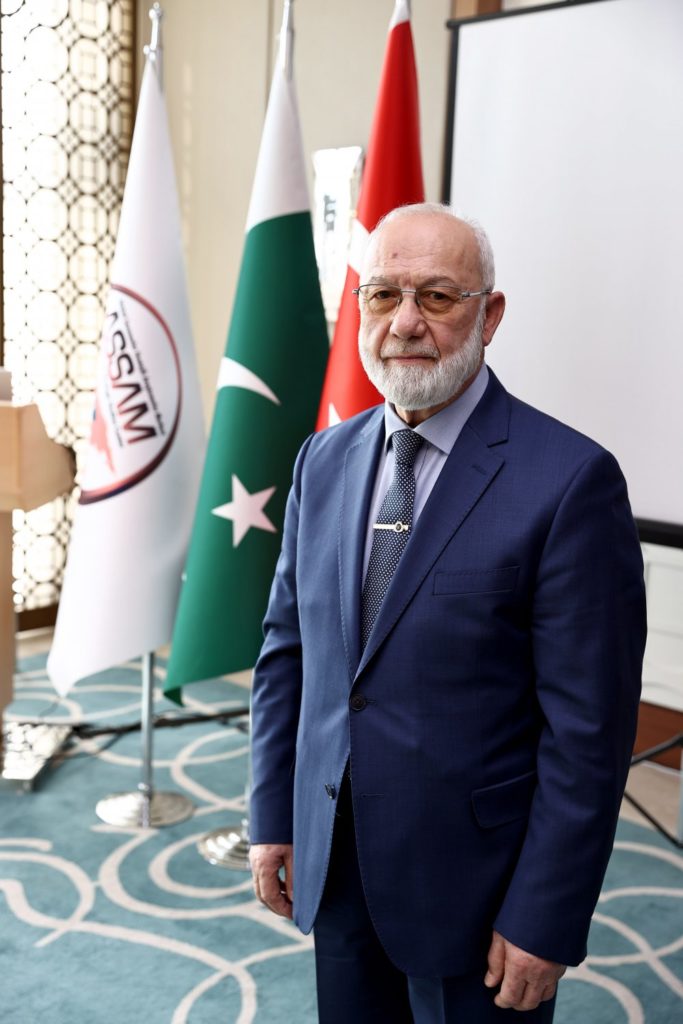
Under the leadership of Erdogan, Turkey has expanded its military presence abroad, equipping Islamist groups in Syria and Libya and establishing military bases from Somalia to Qatar.
Ankara has also strengthened its ties with Hamas, which is designated as a terrorist organization by its NATO allies, providing its members with shelter, funding, logistical support, and even Turkish citizenship.
At the same time, Turkish intelligence services and police have intensified crackdowns on Israeli networks, including alleged agents of Mossad monitoring Hamas activities in Turkey, while largely ignoring the presence of jihadist groups and Iranian intelligence networks operating on Turkish soil.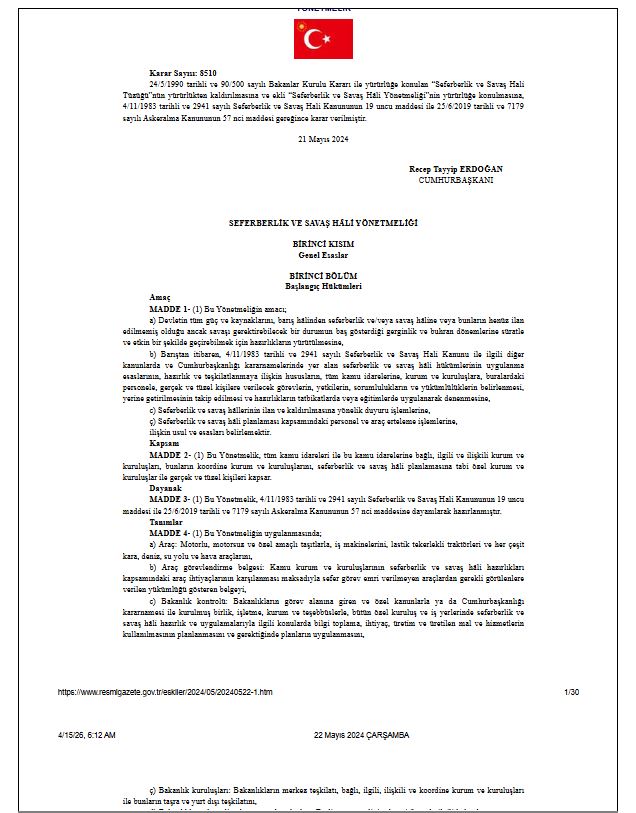
National unity
With these developments, Erdogan appears increasingly confident in his ability to pursue a direct confrontation with Israel, and has begun laying the groundwork accordingly.
The clearest indication of this preparation came on May 22, 2024, when the Turkish President issued an extensive presidential decree introducing a new Mobilization and State of War Regulation (Seferberlik ve Savaş Hâli Yönetmeliği).
The regulation drastically expands the government’s authority to mobilize the entire political, economic, and institutional infrastructure of Turkey for potential conflict scenarios.
Replacing decades-old frameworks, the regulation establishes a system designed to rapidly transition the country from peacetime conditions to war readiness, even without an official declaration of war.
At its core lies the concept of continuous readiness, allowing authorities to activate war mechanisms not only during war but also during broadly defined periods of “tension” and “crisis.”
These categories are deliberately vague, including internal unrest, regional instability, or perceived security threats, thereby lowering the threshold for activating extraordinary state powers.
The regulation introduces a doctrine of “total national defense,” placing almost all sectors of society under potential state control. Public institutions, private companies, industrial facilities, and means of transport, including vehicles, ships, and aircraft, can be requisitioned.
Citizens with specialized skills may assume roles supporting military operations, while private companies may be required to produce military equipment, provide personnel, or convert their production lines.
Obligations extend directly to individuals.
Reservists must report within 48 hours of a mobilization order, while owners of civilian vehicles may be required to surrender their vehicles within as little as six hours, often along with their drivers.
Local authorities are tasked with enforcing compliance and reporting violations.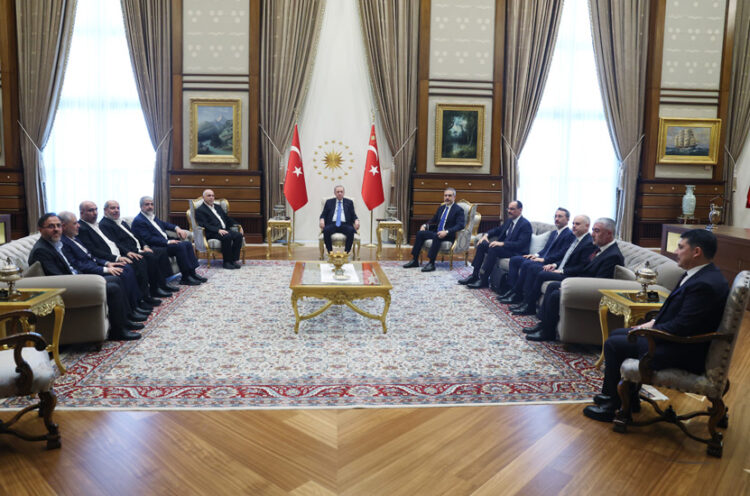
Key feature
According to Nordic Monitor, a key feature of the new framework is the concentration of powers in the presidency.
Erdogan is authorized to declare full or partial mobilization, determine the geographic scope of such measures, and decide which sectors and institutions will be affected.
He can also place civilian institutions under military operational control, impose obligations on personnel and resources, and regulate evacuation procedures and governance measures in emergency situations.
Although mobilization decisions must be submitted to parliament for approval, the regulation allows their immediate implementation by presidential decree, reinforcing the already dominant position of the executive.
The regulation also introduces mechanisms that allow civilian institutions to be placed directly under military command structures.
In such cases, public organizations and private companies can be placed under military supervision, with their administration, production processes, and operational priorities redirected to serve defense needs.
This provision effectively merges civilian administration with military command in crisis situations, blurring institutional boundaries.
To support this system, the government imposes extensive data collection on national resources, including industrial capacity, workforce qualifications, transport means, and critical infrastructure.
This information is stored in centralized electronic systems managed by security agencies, enabling rapid allocation and utilization during emergencies.
Authorities also gain broad powers to inspect both public and private entities to ensure readiness and compliance with mobilization plans.
The regulation further integrates multiple state institutions into a unified mobilization structure, including the armed forces, civilian ministries, local governments, and intelligence services.
Personnel of the National Intelligence Organization (MIT) are treated differently within this system, remaining under the authority of their agency rather than being reassigned through standard mobilization procedures, highlighting the strategic importance of intelligence operations during crises.
Over the past decade, the MIT has evolved into a key instrument of political control, used to monitor opponents, organize politically motivated prosecutions, and conduct covert operations abroad, in line with Erdogan’s strategic objectives.
Economic and financial mechanisms are also incorporated into the framework.
The regulation provides for predetermined budget allocations for emergency expenditures, stockpiling of critical goods, and prioritization of military needs over civilian consumption.
When financial resources prove insufficient, the state is authorized to impose the provision of goods and services under national defense legislation, extending mobilization into the economic sphere.
All ministries and regional authorities are required to prepare detailed mobilization plans in peacetime, conduct regular exercises, and coordinate closely with military institutions.
Annual coordination meetings led by provincial and local officials become mandatory to assess readiness, identify deficiencies, and implement corrective measures, institutionalizing a permanent state of readiness across the administrative structure.
The new regulation marks a clear departure from the 1990 mobilization regulation titled “Seferberlik ve Savaş Hali Tüzüğü,” which governed Turkey’s mobilization system for more than three decades.
This previous framework, adopted under a parliamentary system, was more limited and focused on wartime scenarios, relying on a relatively rigid legal structure that clearly separated peace from war.
Under the 1990 regulation, mobilization mechanisms were primarily activated following a formal declaration of war or a clear national emergency, while the process involved a stronger role for the cabinet and bureaucratic institutions.
Coordination between civilian and military authorities existed, but was less centralized, and the system placed greater emphasis on procedural phases rather than rapid executive action.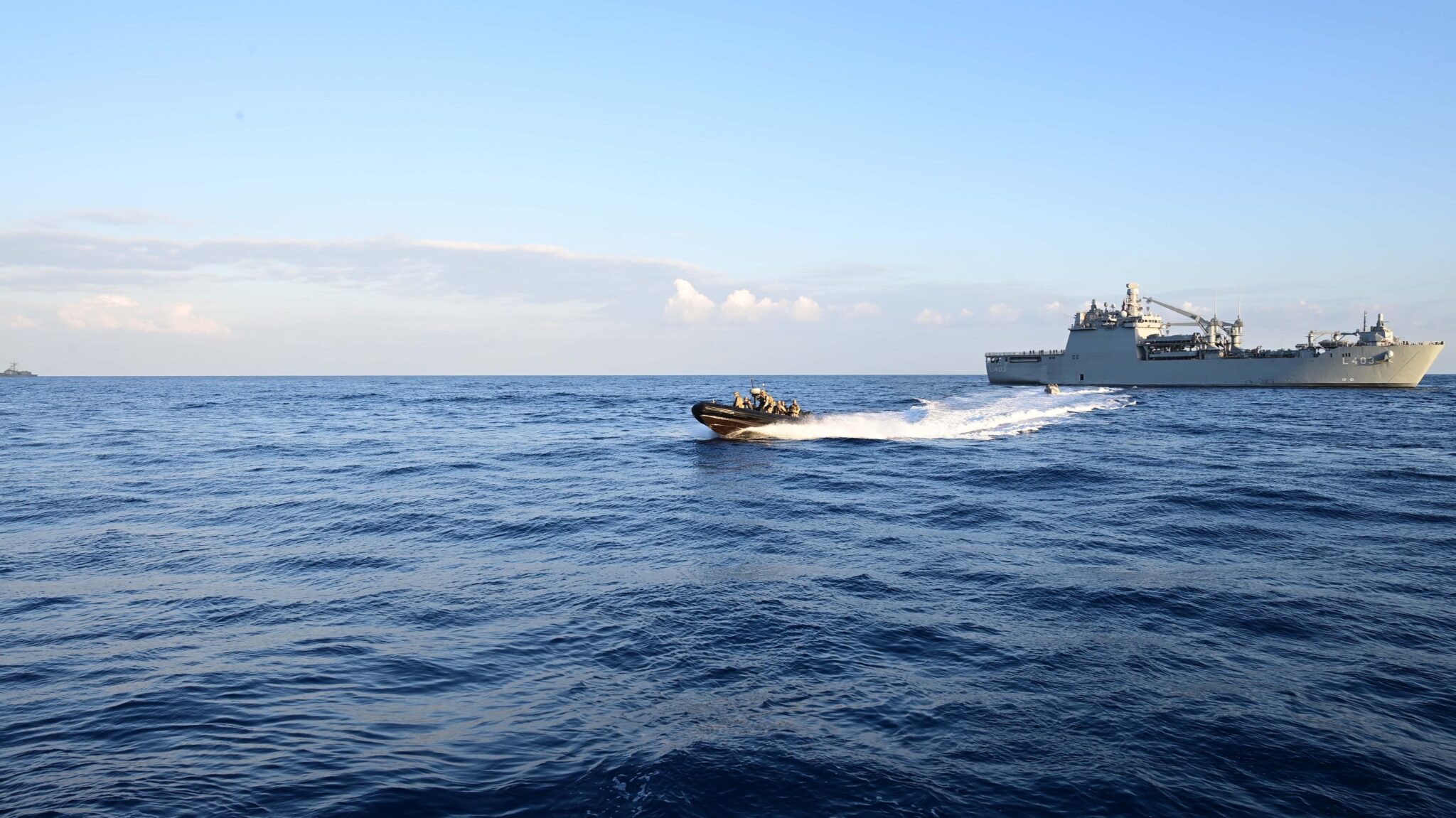
Flexible profile
In contrast, the 2024 regulation introduces a proactive and flexible model that allows the initiation of mobilization measures during vaguely defined periods of “tension” and “crisis.”
This essentially expands the scope of mobilization from a reactive wartime tool into a proactive means of state control that can be applied across a wide range of scenarios.
Another key difference concerns the concentration of power.
While the 1990 framework distributed authority among the cabinet and various state bodies, the new regulation centralizes decision-making in the presidency.
The transition to an executive presidential system of governance in Turkey enabled this shift, allowing Erdogan to exercise direct control over mobilization decisions with minimal institutional constraints.
The role of the private sector has also evolved significantly.
While earlier regulations included provisions for the requisition of goods and services, the new framework integrates private companies much more deeply into military planning through predefined protocols, detailed data collection, and continuous readiness requirements.
This represents a shift from occasional wartime requisition to systematic integration of the economy into defense planning.
The threshold for military involvement in civilian affairs has also been lowered.
While the previous framework allowed coordination between the military and civilian institutions, the new regulation explicitly permits the subordination of civilian entities to direct military operational control during periods of crisis, a move that significantly blurs the distinction between civilian governance and military authority.
Finally, the new regulation introduces a broader concept of “topyekûn savunma” (total defense), which extends beyond traditional military preparedness to include economic, social, and psychological dimensions, reflecting a broader security doctrine in which the entire society is treated as part of the national defense mechanism.
The wide scope of application and flexible definitions allow the activation of wartime powers across a wide range of scenarios, not strictly limited to conventional armed conflicts.
Critics warn that such a framework could also be used in domestic contexts under the pretext of national security, further expanding executive power.
The regulation ultimately reflects a shift toward a highly securitized form of governance, where political life, economic activity, and state institutions are increasingly integrated into military planning.
By embedding war mechanisms into peacetime administration, it blurs the distinction between normal governance and emergency rule, granting the executive unprecedented influence over the country’s resources and population.
A subsequent amendment published in the Official Gazette on May 1, 2025 further specified the mobilization framework, regulating the financial and social rights of reservists participating in mobilization exercises and training.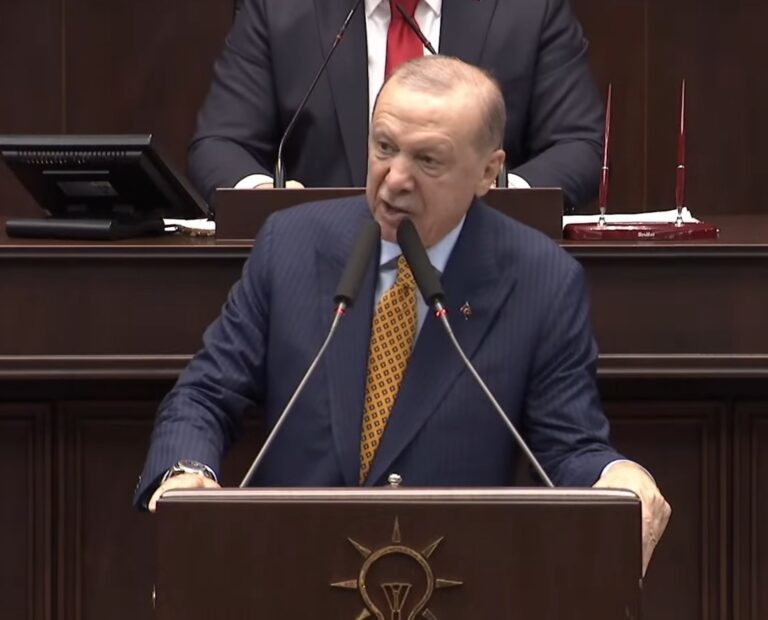
Issued by President Erdogan, the amendment ensures that reservists receive compensation corresponding to their military rank if their civilian income is lower, with the Ministry of National Defense covering the difference.
Those without stable income are entitled to pay based on rank or a daily minimum wage equivalent, while travel and compensation expenses are also covered.
The measure institutionalizes financial guarantees for reservists, strengthening the government’s effort to maintain participation in large-scale, continuous mobilization readiness.
Additionally, a series of seemingly unrelated developments has reinforced speculation that Turkey is preparing for a potential conflict.
Recent regulations mandating the construction of shelters in new buildings, combined with ongoing military procurement of alternative fuel transport systems, suggest a broader emergency planning effort.
Despite Turkey’s extensive fuel infrastructure integrated into NATO, which includes a network of pipelines spanning 3,200 kilometers and large-scale storage facilities, authorities are proceeding with additional logistics capabilities by ordering tankers and road transport vehicles through state manufacturers.
The increasingly hostile rhetoric of the government toward Israel, combined with public praise for Hamas fighters as defenders of Turkey’s interests, has also influenced institutional policies and public opinion.
These narratives are no longer merely rhetorical, they shape strategic planning within state bodies.
The possibility of a military confrontation with Israel is not unprecedented.
During the Mavi Marmara crisis in 2010, Erdogan pushed for a show of force, including the deployment of naval units and fighter aircraft.
However, senior military commanders strongly opposed it, warning of the risk of escalation, legal complications, and significant losses.
Military officials warned that such a move carried a serious risk of rapid escalation and casualties, which could involve Turkey in an unnecessary conflict, while also highlighting the legal and operational risks of direct confrontation with Israel due to the flotilla.
Erdogan failed to override the resistance of the generals, who at the time were more independent from the executive and possessed greater institutional power.
A similar pattern appeared in the early years of the conflict in Syria, when top generals resisted Erdogan’s pressure for military intervention.
This resistance collapsed after the purges of 2016, which removed most of the independent military leadership.
Subsequently, more than two-thirds of generals and admirals were dismissed or imprisoned, and the armed forces were rapidly restructured on an ideological basis.
One of the first major decisions after the purges was the deployment of Turkish forces in northern Syria.
Today, the Turkish military is widely considered to be dominated by regime loyalists, Islamists, neo-nationalists, and pro-Iranian elements.
With the institutional checks of the past largely neutralized, there appears to be little to no internal resistance capable of challenging Erdogan’s strategic decisions.
If Erdogan chooses to pursue a military confrontation with Israel, there are few, if any, senior officers within the Turkish armed forces capable of opposing such a move.
www.bankingnews.gr













Readers’ Comments