

Iran and the United States are expected to attend the negotiations of April 23 in Islamabad amid a climate of complete uncertainty, with the American president Donald Trump publicly stating that “we may even reach an agreement today April 20,” but Pakistan, as the mediating power, demanding the lifting of the American blockade in the Strait of Hormuz as a precondition for the start of the talks.
For its part, Iran signals that it will not participate in the negotiations despite reports to the contrary by Western media.
At the same time, it sets victory terms for the Americans, insisting on the initial 10-point plan, which essentially amounts to American capitulation.
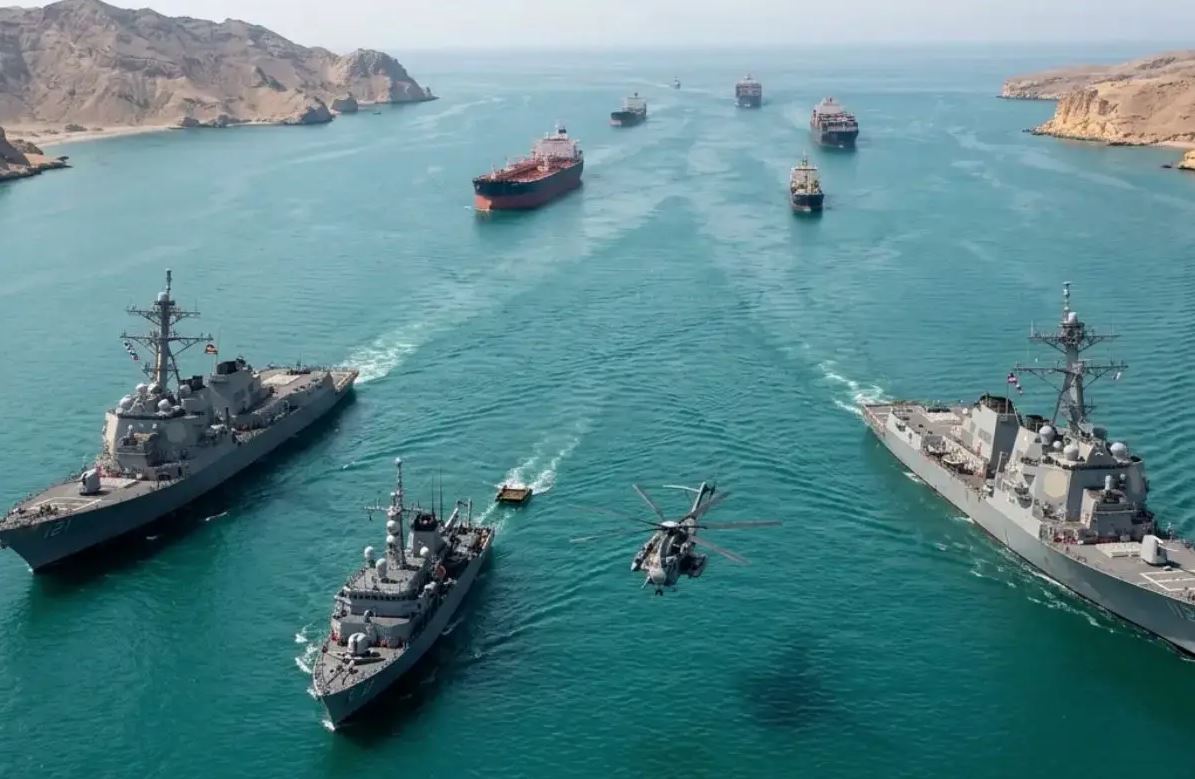
Despite diplomatic statements of intent, it should be noted that the Americans are intensifying the concentration of troops and weapons in the Middle East and are planning a surprise attack on Iranian islands and strategic, nuclear infrastructure.
This is because the aircraft carrier USS Gerald R. Ford is returning to the Middle East, accompanied by the destroyers USS Mahan and USS Winston S. Churchill, reinforcing the force already forming around the USS Abraham Lincoln, which is operating in the northern Arabian Sea.
Iran bombshell: Nothing has changed, we are out of negotiations
According to information cited by the Tasnim agency on the afternoon of April 20, Iran’s decision not to participate in the negotiations remains unchanged so far.
As reported by the Tasnim news agency, despite the announcement by Donald Trump that JD Vance and other members of the American negotiating team are en route to Pakistan, at the time of publication of this news there is no change in Tehran’s stance.
Iran’s participation remains conditional on the satisfaction of specific prerequisites.
It is noted that Donald Trump had made similar statements the other day, claiming that the American mission was heading toward Islamabad.
Information from the Tasnim correspondent states that the issue of the naval blockade constitutes a fundamental obstacle in the negotiations.
This issue was communicated through the Pakistani mediator, who stated today that he discussed it with Donald Trump.
There are many obstacles beyond the naval blockade
However, beyond the naval blockade, other excessive demands from the American side are also identified in the exchanged messages, which leave no room for a clear horizon in the upcoming talks.
Therefore, the Iranian delegation believes that as long as the United States does not address the issue realistically and approaches the negotiating table with the same miscalculations that led to its heavy defeat on the battlefield, the talks are a simple waste of time.
Iran makes it clear that it will not follow the United States in this time-consuming process.
Consequently, until certain key obstacles are removed and a clear horizon for achieving an agreement acceptable to Tehran is formed, Iran has no reason to participate in the “American theater.”
Iran is also examining the possibility that the media communication moves regarding the negotiations constitute a deception, while at the same time declaring itself ready for military confrontation and further punishment of the United States.
Pakistan set tough conditions on the US: Negotiations only with lifting of the naval blockade in Hormuz
Awaiting the critical negotiations between the United States and Iran in Islamabad, Pakistan called on the government of Donald Trump to ease the naval blockade on Iran, while at the same time pressuring Tehran to guarantee commercial navigation through the Strait of Hormuz and signaling to the United States that the restrictions constitute a significant obstacle to diplomacy.
Islamabad also called on Iran to officially confirm its participation in a second round of talks.
Iran: Positive toward negotiations, but no decision has been made
At the same time, Reuters reports that Iran is considering positively the possibility of participating in peace talks with the United States, but no final decision has been made.
A senior Iranian official, cited by Reuters, stated that efforts are being made, led by Pakistan, to achieve the end of the American blockade on Iran in order to facilitate Tehran’s participation in the negotiations.
Iran had previously stated that it would not participate in the talks until the United States lifts the naval blockade of Iranian ports.
However, so far, the new round of peace talks remains uncertain after the American boarding of an Iranian ship.
Trump: Today April 20 we will sign an agreement with Iran - I want a meeting with Khamenei
The agreement with Iran will be signed “today” (April 20) in Pakistan, declared the American president Donald Trump, speaking to Fox News, following his statements in an interview with the New York Post.
Earlier, the American president had said that Vice President J.D. Vance, along with the American delegation for the peace talks with Iran, is en route, with their arrival in Islamabad expected within the next hours.
“The talks are supposed to take place,” said Trump in a brief interview with the New York Post, dismissing doubts about a collapse of the process.
“At this stage, I assume no one is playing games.”
He confirmed that the mission also includes special envoy Steve Witkoff and advisor Jared Kushner, emphasizing that the delegation “is already on its way” and is expected to arrive in the evening local time.
The timeline highlights the pressure surrounding the talks, which are taking place just hours before the expiration of the US-Iran ceasefire, amid rising tension in the region.
Open to a direct meeting with the Iranian leadership
Trump appeared open even to a direct meeting with the Iranian leadership, provided there is progress in the negotiations.
“I have no problem meeting them. If they want to meet,” he said.
At the center of the negotiations, according to him, is one basic demand: Iran must abandon any pursuit of acquiring nuclear weapons. “Get rid of their nuclear weapons. It’s very simple. There will be no nuclear weapon,” he stressed.
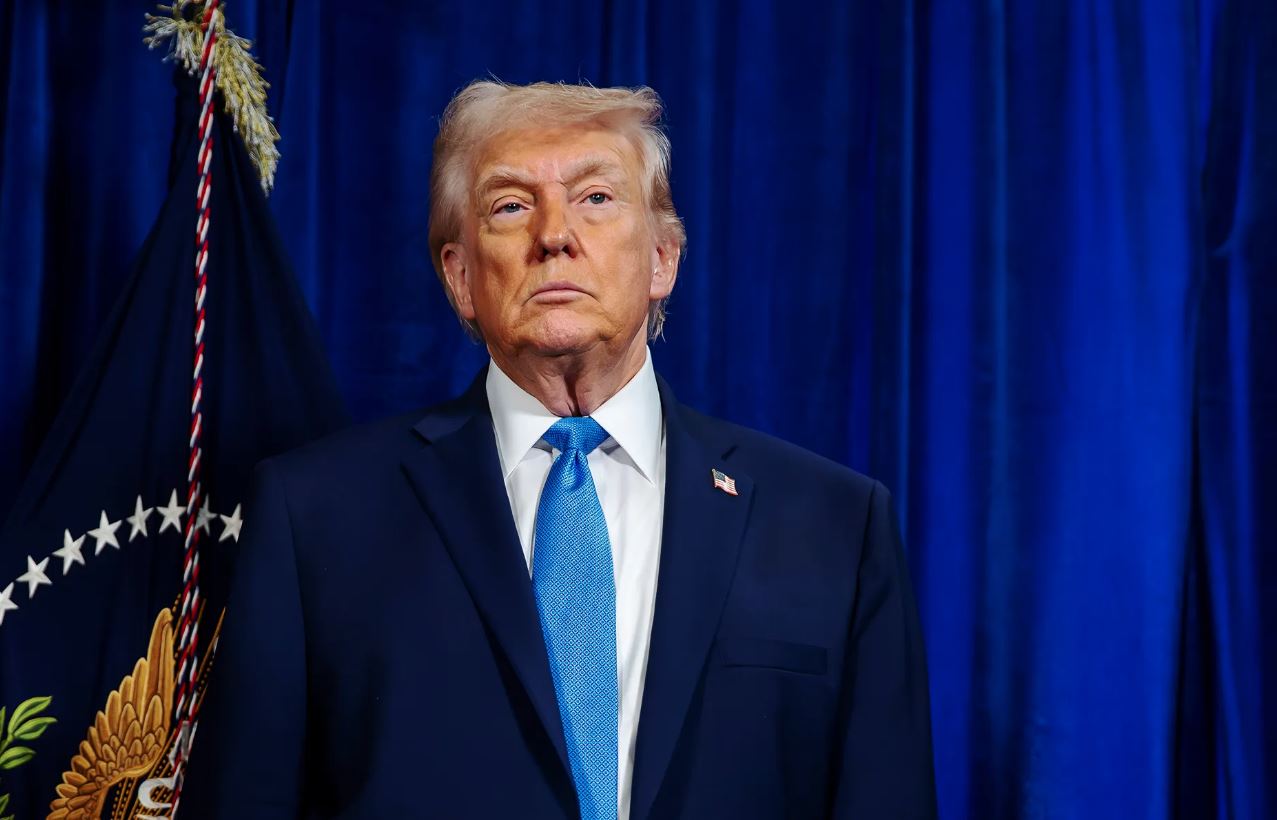
He also noted that Iran could prosper if it complies, describing it as “a wonderful country.” However, he avoided clarifying what the consequences would be in case of failure of the talks or non-compliance by Tehran. “You can imagine. It will not be nice,” he said.
Asked whether the United States knows who it is talking to on the Iranian side, he replied: “We have a pretty good picture and we believe we are talking to the right people.”
With Vice President JD Vance and Witkoff and Kushner, the American delegation
According to the New York Post, which cites statements attributed to the American President Donald Trump, senior US officials are expected to travel on the afternoon of April 20 to Islamabad for high-level talks with Iranian representatives.
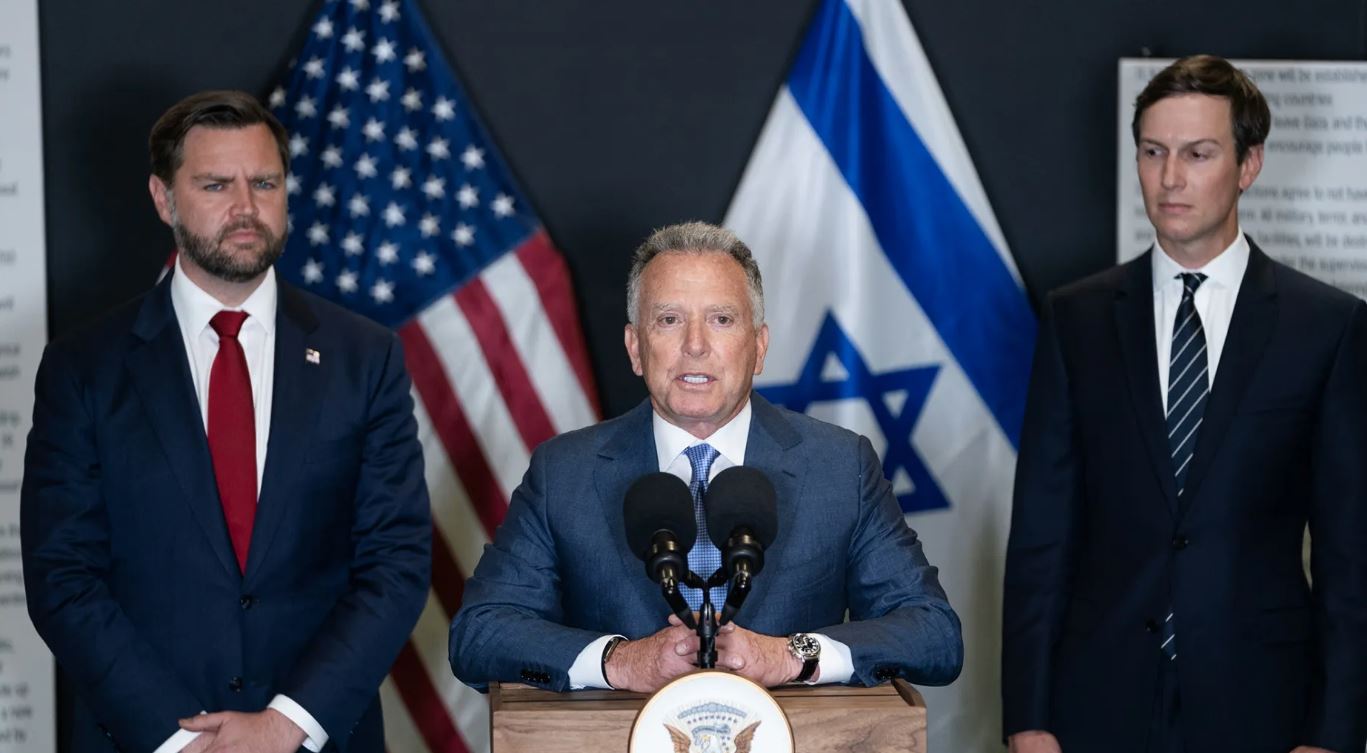
The mission is said to include Vice President JD Vance, Special Envoy Steve Witkoff, and advisor Jared Kushner, with discussions focusing on the situation in the Strait of Hormuz and broader regional tensions.
Donald Trump reportedly stated that the talks aim to produce results, leaving open the possibility of new military action by the United States if the negotiations fail to make progress.
Talks over an unbridgeable gap and in the background a second round of chaos
Despite the talks, the most likely scenario is that the war between the United States and Iran will reignite soon after the talks in Pakistan.
The prospect of a peaceful dialogue between the United States and Iran, on the occasion of the recent negotiations in Islamabad, appears increasingly remote.
Despite efforts for de-escalation, reality remains relentless.
Tehran has already sent a clear message that it will not send a full delegation to the talks, reinforcing the climate of distrust that exists between the two sides.
The American side, despite declarations about dialogue, continues to maintain its naval blockade and recently seized an Iranian ship, something that Iran considers a violation of the ceasefire agreement.
The essence of the disagreement remains unresolved and the key issues remain at the core of the confrontation: uranium enrichment, the Strait of Hormuz, and the significant concessions required by the United States, such as the payment of war reparations, in order to achieve an agreement.
These issues remain chaotic in relation to the positions of the two sides, which makes reaching an agreement almost impossible.
A guide to failure and escalation, the first phase of the talks in Pakistan
The first phase of the talks in Islamabad lasted 21 hours, but failed to reach a satisfactory agreement, with the ceasefire expiring next Wednesday April 22.
Forecasts are not optimistic, with the real possibility of an agreement being below 25%.
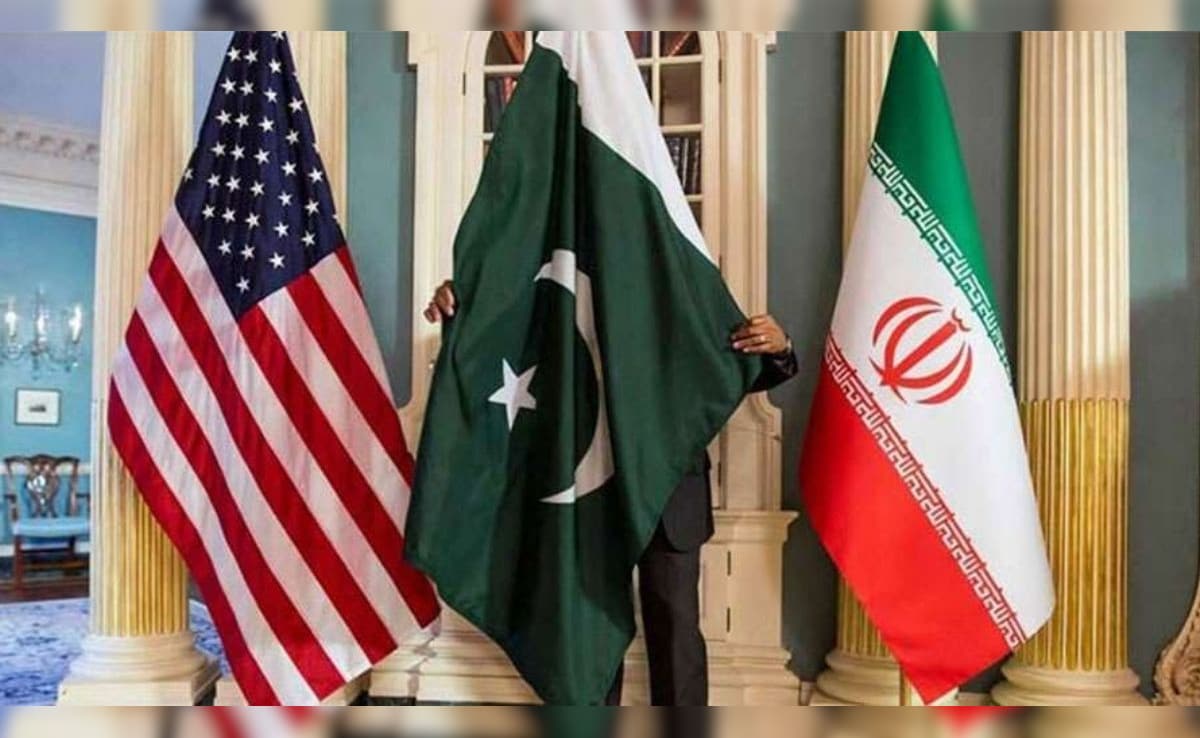
With time running out and diplomacy appearing to have reached a dead end, fears of a restart of attacks or a controlled escalation of tensions are intense, with the likelihood of new military actions by the end of the week being high.
The world watches anxiously as powerful forces continue to face an extremely delicate geopolitical crossroads.
Iran struck American warships with drones
The Iranian Armed Forces announced that they launched drone attacks against American warships in response to the seizure of a vessel belonging to the Islamic Republic.
A spokesperson for the Khatam al-Anbiya Central Headquarters of the Iranian Armed Forces emphasized that the Iranian ship seized by the American military was en route from China to the Gulf of Oman.
It was fired upon, violating the ceasefire, and its navigation system was disabled.
In response, Iran attacked the American ships using drones.
A spokesperson for the central headquarters emphasized that the Armed Forces of the Republic intend to continue responding to “piracy” and attacks by the United States.
The spokesperson for the Iranian army stated that “the aggressive United States, violating the ceasefire and engaging in maritime robbery, opened fire on an Iranian commercial ship in the waters of the Sea of Oman, disabled its navigation system and, by landing a number of terrorist marines on the deck of the specific vessel, committed an act of aggression against it.”
“We warn that the Armed Forces of the Islamic Republic of Iran will soon respond to this piratical and armed action of the American military and will retaliate,” the Iranian official noted.
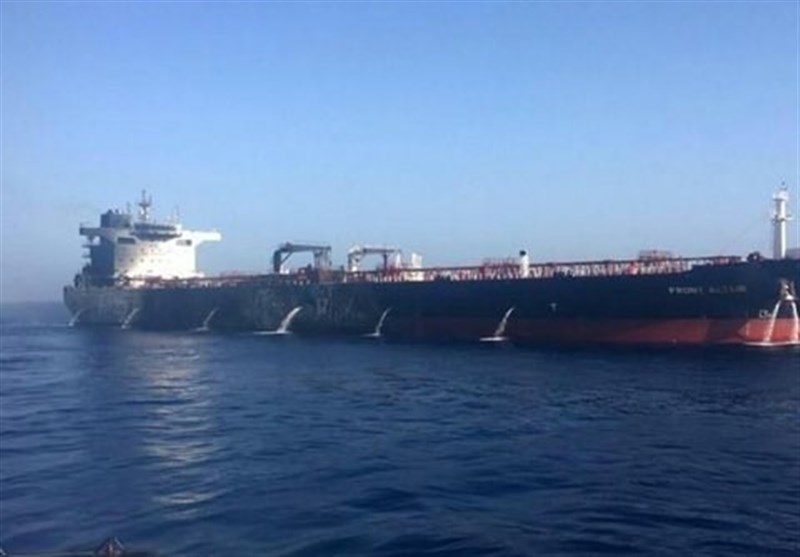
Attack on the Iranian container ship Toska by the American navy, they are pirates of the sea.
The largest military power in the world has become the leader of pirates, emphasize the Iranians.
American terrorist soldiers attacked an Iranian container ship named Toska, which was traveling from China to Iran, in the Gulf of Oman.
After the Americans attacked this ship, Iranian forces also attacked some American military ships with drones.
Trump claimed that American terrorists had captured the ship.
Iran has already announced that it will retaliate for any action by the Americans.
At the same time as the announcement of a naval blockade of Iran by the United States, Iran also completely closed the Strait of Hormuz, and any ship or tanker passing through the area without Iranian permission will be punished by Iranian forces.
CENTCOM: The ship seized by the US was heading to Bandar Abbas of Iran
The cargo ship Toska, seized by the United States, was heading toward the port of Bandar Abbas of Iran, emphasized the US Central Command (CENTCOM).
“The guided-missile destroyer USS Spruance intercepted the Toska as it crossed the Arabian Sea at 17 knots (31.4 km/h), heading toward Bandar Abbas of Iran,” the American command said.
According to the American military, the crew of the Toska, which was sailing under the Iranian flag, did not respond to repeated warnings for six hours, after which the USS Spruance fired several rounds from a Mark 45 127 mm gun at the ship’s engine room.
Then, marines boarded the Toska, according to CENTCOM.
Abbas Araghchi (foreign minister of Iran): Lack of US seriousness in resolving the conflict is evident
Threats against Iranian ships by American forces and Washington’s unreasonable demands toward Tehran confirm the lack of seriousness of the United States regarding resolving the situation in the Persian Gulf, said Iranian Foreign Minister Abbas Araghchi during a telephone conversation with the Pakistani Foreign Minister.
“Threats to Iranian ports and ships, as well as Washington’s unreasonable demands, demonstrate the lack of seriousness of the United States regarding resolving the situation in the region,” he said. Araghchi added that, in his view, “the contradictory position of the United States and violations of the ceasefire demonstrate America’s bad intentions.”
The Iranian Foreign Minister emphasized that his country “will use all available means to protect its interests and national security.”
At the same time, he confirmed “the continuation of consultations to maintain peace and security in the region.”
Iran is ready for a new war - It will launch hundreds of missiles in the first hours
Iran is ready for the possibility of the re-emergence of war.
Iran is ready to create difficult moments for America and Israel with the reconstruction and preparations of the last two weeks.
Monitoring of American movements in recent days indicates specific actions, some of which are as follows:
1) Movements of certain American warships
2) Creation of an unprecedented airlift for transporting equipment
3) Participation of several heavy aircraft C5 and C17 for transporting weapons
4) Exercise of island seizure in Bahrain and rapid occupation of coasts
5) Extensive flights of American reconnaissance drones over the islands
6) Movement of certain American defense systems in the region
www.bankingnews.gr













Readers’ Comments