

The escalation of conflict in the Middle East and the geopolitical turbulence caused by the war with Iran bring back to the forefront not only warnings of severe economic and political consequences for the US, but also of broader realignments in the global system. At a time when Washington faces the costs of the war it declared on Iran—finding itself isolated, losing allies, and seeing President Donald Trump sink into chaos and stalemate—other powerful forces appear ready to reclaim the space left behind by the declining empire. Everything suggests that the hour of "revenge" for Russia is approaching. The renowned international Kazan Forum highlights the economic, social, and political convergence of Russia with the countries of the Islamic world, a strategy that pushes the US further to the sidelines.
Trump the adventurer
In a recent article, Nobel laureate economist Daron Acemoglu, a professor of economics at MIT, evaluated the catastrophic consequences of the Trump administration’s foreign policy and the Iran crisis for the United States. As he states, misguided interventions in the Middle East have not only jeopardized global security but have also weakened democracy within the US. "It appears that the foreign policy of Donald Trump, President of the United States, will have long-term negative impacts on American institutions. One of the greatest challenges of these policies is Trump’s adventurism in the Middle East, which, particularly regarding the confrontation with Iran, has created risks and threats to the democracy, social stability, and economic resilience of the United States," the professor says.
Failure in US foreign policy
"Under the Trump presidency, US foreign policy has reached one of its lowest points. The Trump administration’s war with Iran, which broke out after the kidnapping of Venezuelan President Nicolas Maduro, will cause serious damage to America and change other countries' perception of the power of the United States. This is not the first time the US has failed in its foreign policy," the American economist points out.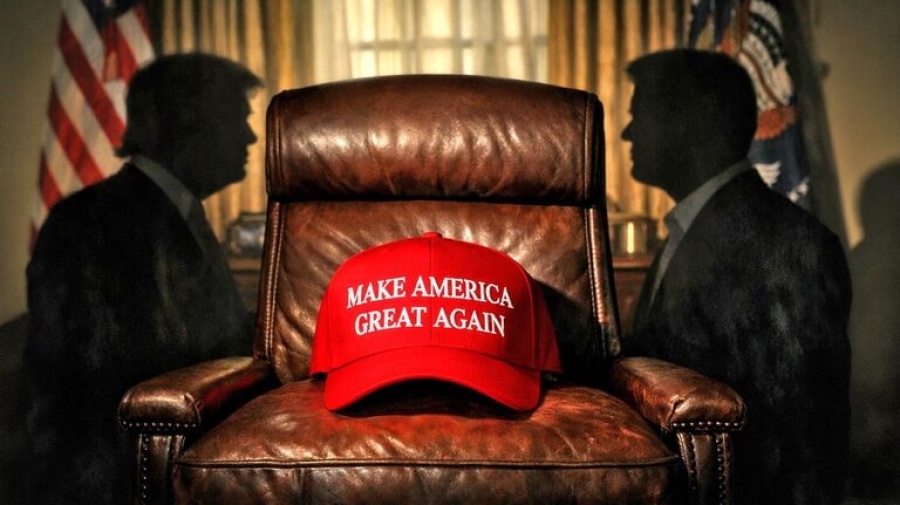
The role of the CIA
"One of the most significant misguided interventions in modern history was the CIA coup against the elected Prime Minister of Iran, Mohammad Mossadegh, in 1953. This action followed Mossadegh’s nationalization of the Iranian oil industry and had long-lasting effects on Iran's politics and its relations with the United States. The lesson is that US interventions usually have unpredictable consequences. These interventions not only cause long-term bitterness but also affect the soft power of the United States, which is used to maintain global alliances and attract other countries to its own perspectives," Acemoglu emphasizes.
Strikingly ill-conceived war
As he explains, this is of great importance because many people react when a superpower behaves like a bully. Repeated and unnecessary displays of hard power, especially when an intervention occurs without logical justification, can weaken soft power. During the Cold War, the United States at least had a general goal: to prevent the spread of communism, which posed a real threat. Worse still, for a country, a poorly planned military campaign that completely ignores the lives it affects can drop soft power to the lowest possible level. What we are seeing now in the Middle East is a war started in haste, without considering its consequences. A war that will be accompanied by harsh reactions from Iran, aimed at destabilizing the region and increasing oil prices. One of the most paradoxical elements of this war is that, even compared to the disastrous CIA interventions of the Cold War, it is strikingly ill-conceived. The military forces of the US and Israel possessed precise targets and many "smart" bombs, but they had no clear exit strategy.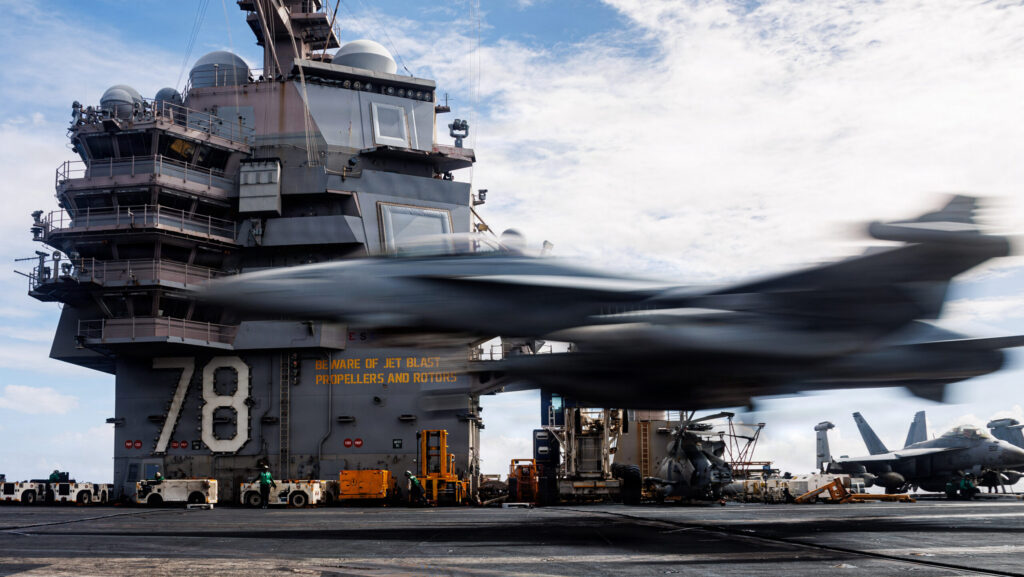
Iran will not collapse, even if its leadership is assassinated
The fact that Iran will likely not collapse, even if its leadership is assassinated, should have been clear from the start to American officials. And it was entirely predictable that Iran, in response to these attacks, would retaliate aimed at destabilizing the region and increasing the price of oil. Everyone knew that the Strait of Hormuz is the Iranian regime’s strong card. Yet the Trump administration appears to have ignored these parameters. The outcome of this war has led Iran to believe it has the upper hand. Iran knows that the American people do not desire a long-term war and is ready to endure sanctions and internal repression to ensure the survival of the Islamic Republic. In a period when the global economy is already facing serious challenges, instability in the energy market and global uncertainty can have enormous consequences. The sharp rise in oil prices will slow down investment and economic growth while increasing costs. This rise in inflation and unemployment will exert even greater pressure on current governments, which are already facing new challenges.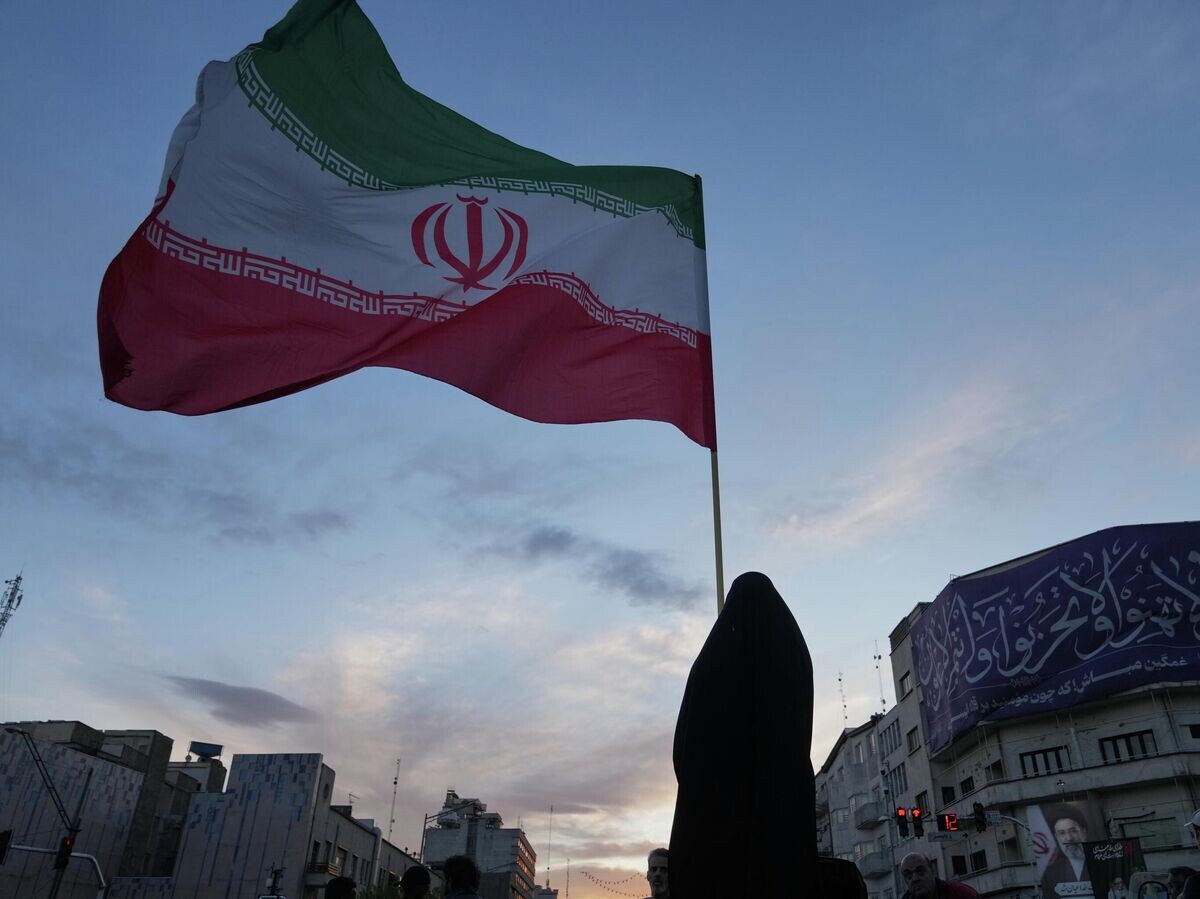
Trump will pay the political cost of the war with Iran
Within the United States, it appears that Trump will have to pay a heavy political price for his war in the November mid-term elections. However, he has presented himself as a leader against the party system, and if his loyal supporters, instead of blaming him, hold the political system responsible for the country’s poor economic state, this could further polarize the country and weaken its institutions. Trump will likely continue to exacerbate this crisis with more internal moves. Because the institutions of the United States are already weakened, and many of those supposed to limit presidential power are no longer functioning correctly. Ultimately, it remains unclear how much more damage will be caused to the democracy and soft power of the United States. But one thing is certain: the American people will pay the price for these mistakes—and this cost may be greater than we can imagine. The threat currently weighing on the democracy, social stability, and economic resilience of the United States is greater than any other in the living memory of humanity.
American Conservative: Empire in decline – The war in Iran marks the end of US global dominance
By launching the military operation against Iran, US President Donald Trump brought an end to a century of American dominance in global politics, argues the American Conservative magazine. "The ill-organized war in Iran, started by an empire in decline, will likely go down in history not so much for its immediate military results, but because it marked the end of US global dominance. Donald Trump lost the opportunity to transform a great power for the next 250 years," the publication points out, stating that the US will only be able to continue its existence if it realizes how catastrophic reckless and excessive spending on military adventures truly is. "The war with Iran, in essence, will become the last war of the century of American unilateral dominance. In reality, this may finally force the country to understand that prudence and the reduction of military spending are the keys to survival," the American Conservative admits.
Russia’s strategy
While the situation in the Middle East is uncontrolled and leaning toward continued military conflict and the expansion of chaos in the region, in Russia, preparations are in full swing for the holding of the "Russia — Islamic World: KazanForum" International Economic Forum this May. It is particularly symbolic that this specific forum—a regularly recurring and long-planned event—has coincided chronologically and thematically with absolute precision with today's dramatic changes in global politics and economics.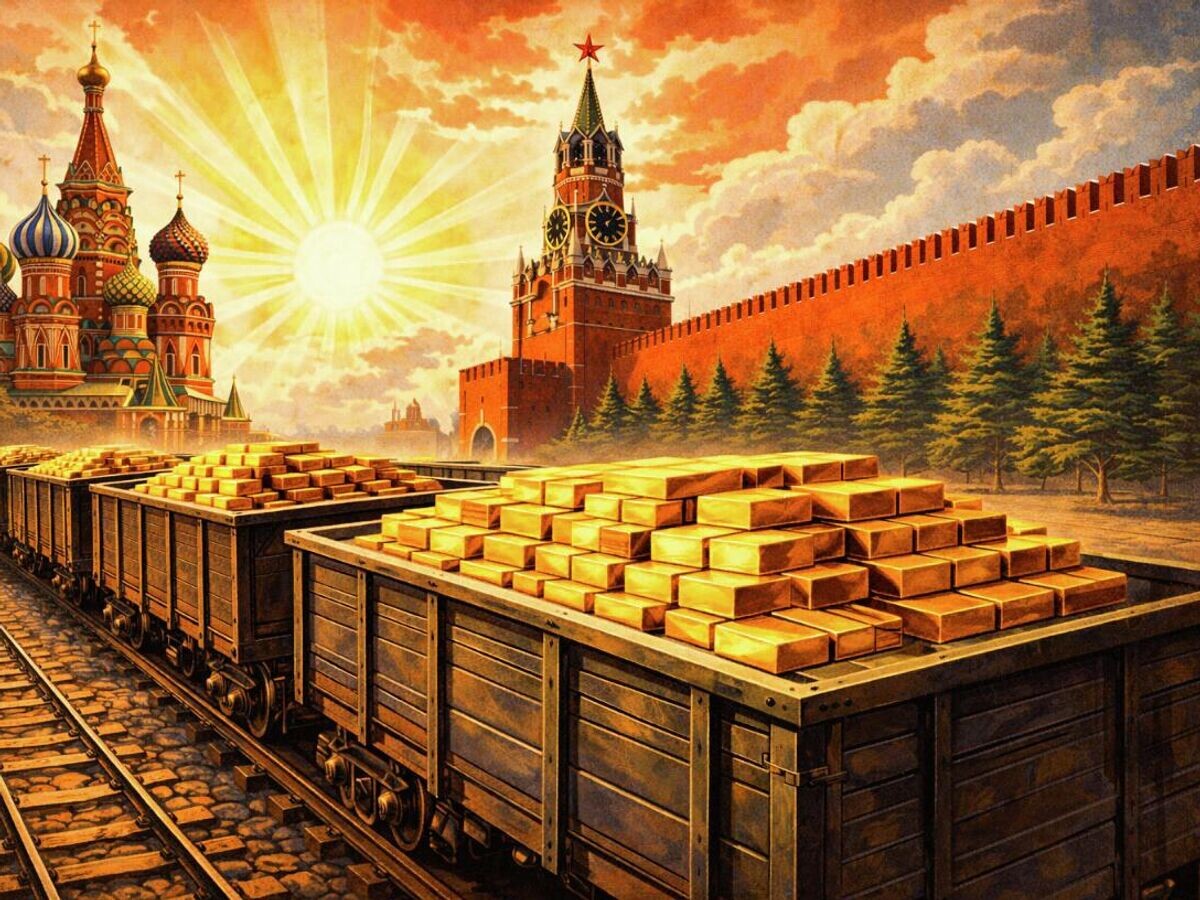
Unique opportunity
Within the framework of the forum in 2022, the head of the Russian government, Mikhail Mishustin, stated that "Russia — Islamic World" is "a unique opportunity to provide additional impetus to our multidimensional cooperation, to expand the exchange of experience and best practices, to create new business contacts, to conclude agreements, and to carry out presentations of the investment potential of states and regions." It is obvious that today all these goals have multiplied and have definitively moved from the stage of "it wouldn't be redundant" to "there is no other choice."
The limits of neutrality
As Al Jazeera wrote, "the war in Iran revealed the limits of neutrality—even in regions previously oriented toward the military and financial power of the US, no one can anymore remain unaffected by a crisis of such scale." However, it would be a mistake to assume that the countries of the Islamic world suddenly took off the rose-colored glasses and turned all at once toward other power centers, including Russia. As Eurasia Review writes, the current war did not create a multipolar world, but "abruptly accelerated its crystallization" and highlighted Russia's role as an autonomous pole within it. As stated in a report by the Canadian Carleton University, "without imposing Western ideas, Russia emphasizes stability, sovereignty, and tradition, something that finds resonance in Islamic countries, which view Western liberalism with caution."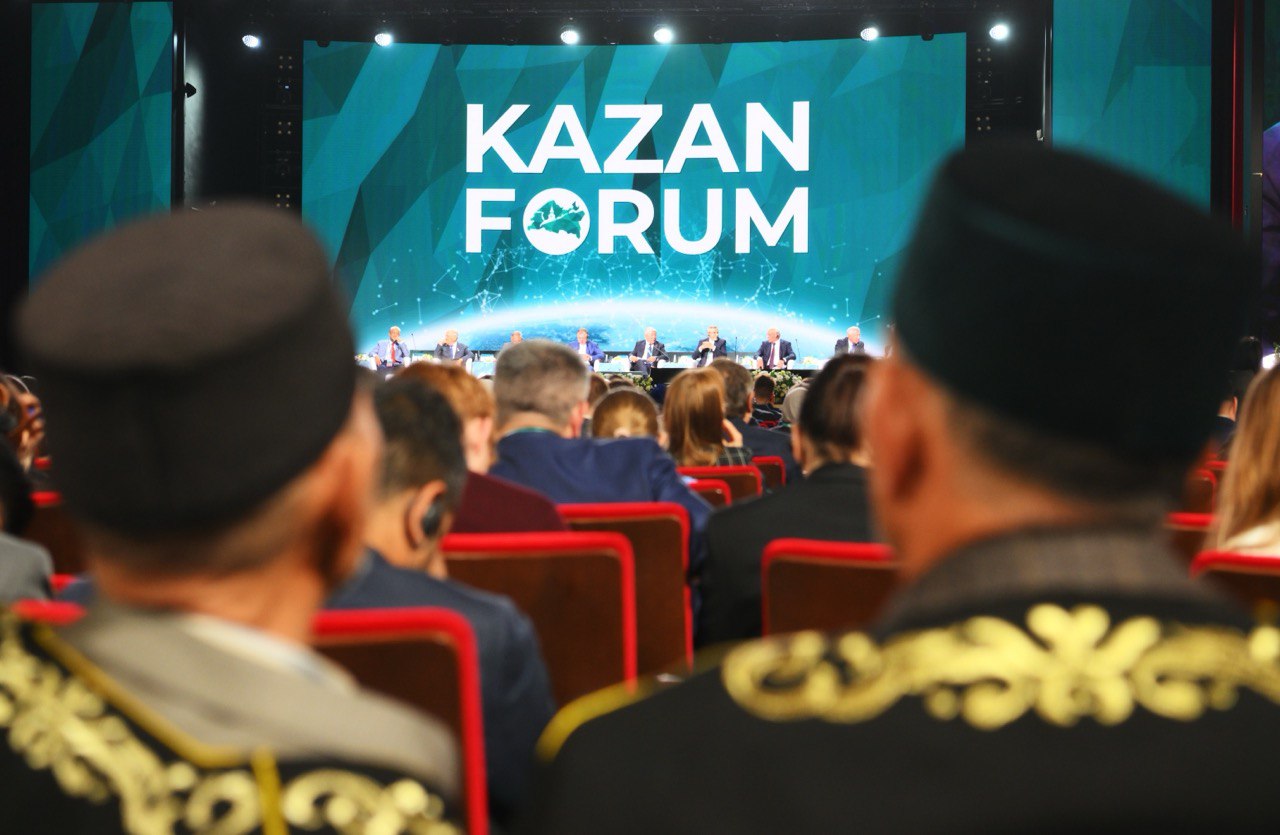
The targeting
Russia has been strengthening and consistently expanding its contacts with Islamic countries for a long time because it is an absolutely logical and mutually beneficial process, based on age-old ties, cultural commonality, and related traditional values. Islam is the second largest religion by number of followers in Russia, and the Russian leadership effectively utilizes cultural-religious proximity as a basis for strengthening relations with the Islamic world, while events like KazanForum promote specific economic, scientific, and cultural cooperation.
60 states present
Specifically, 60 states have already confirmed their participation in the May forum. Their exhibitions will be presented by the United Arab Emirates, the Sultanate of Oman, Turkey, Azerbaijan, Turkmenistan, Iran, the Kyrgyz Republic, and the Democratic Republic of the Congo. In addition to the main business program of the forum, the Kazan Expo IEC will host the International Exhibition of Cooperation between Russia and the Islamic World, the All-Russian Competition for Administrative Executives "Leaders of the Construction Sector," the International Property Market 2026 real estate exhibition, the International Tournament of Young Chefs from Islamic Countries, the XVI All-Russian Forum of Tatar Religious Figures "National Identity and Religion," as well as the Festival of Eastern Cultures.
Particular weight
Particular attention, of course, will be given to the international and diplomatic dimension—events have been scheduled through intergovernmental commissions for trade-economic and scientific-technical cooperation of the Russian Federation with foreign countries. All this will take place not from a low but from a high "base": for example, Turkey remains Russia's second most important economic partner after China, surpassing India; with the countries of Central Asia, trade turnover reached 50 billion dollars last year, while with the countries of the Organization of Islamic Cooperation (OIC) it increased to 163 billion dollars; trade indicators with the Persian Gulf countries are developing dynamically (for example, with the UAE alone, trade turnover in 2025 exceeded 12 billion dollars, recording a historical record and bringing the UAE into the top ten of Russia's key trading partners, while with Saudi Arabia, trade nearly quadrupled over the past year); new routes are being created—for example, relations with Indonesia and Malaysia are actively expanding.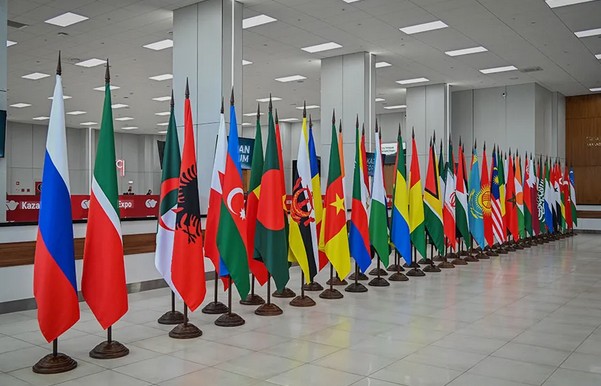
What they want from Russia
The key elements of interest from Islamic countries toward Russia are the development of logistics (North—South and West—East transport corridors), energy security (oil, natural gas, fuel, nuclear energy), technological sovereignty (supplies of high-tech equipment, software, solutions, and industrial raw materials), military security (supplies of products from the Russian defense industry), and food security (food and fertilizers). For its part, beyond the obvious commercial benefits from the physical movement of goods, Russia is interested in the significant investment resource of Islamic countries (primarily the monarchies of the Persian Gulf). In 2025, Russia has already concluded agreements for investments and transport with the UAE and an agreement for investments in energy with Qatar.
Russia now looks... south and east
As the Turkish TRT World writes, "the reorientation of the Russian economy (toward the south and east) opens opportunities for wealthy Arab countries, which are actively seeking greater diversification of their economic relations in the context of building a post-oil economy." Specifically, they are intensely interested in Russia's experience in agriculture, transport, and industrial development. The "Russia — Islamic World: KazanForum" International Economic Forum clearly shows that multipolarity begins with cultural and historical proximity and continues with global projects that redraw the old maps of the world.
www.bankingnews.gr













Readers’ Comments