

The difficulties faced in Iran by the "strongest military in the world," as US President Donald Trump calls the American military, are truly immense. After approximately two months of war, the Americans have achieved none of the goals they set. Not only that, but at the same time, they see critical weapons systems, such as Patriot and Tomahawk missiles, being exhausted at a rapid pace, with their industry unable to replace them. As American weapon stockpiles are depleted in the conflict with Iran, analysts are turning their gaze toward the real danger for the US: the threat from China. As the American Conservative notes, the war with Iran will essentially become the last war of the century of American unilateral dominance.
Iran’s checkmate move
The fundamental problem highlighted by the campaign against Iran is the economic disproportion of anti-aircraft defense. Tehran, recognizing the difficulty of a confrontation based solely on American strike capabilities, expanded the conflict across the entire region. The targets included not only Israel and US bases in the Middle East, but also significant industrial facilities—primarily in the oil and gas sectors—in Arab countries allied with Washington. The pressure on air defense has increased vertically.
Expensive air defense systems
A problem already familiar from the war in Ukraine has returned to the forefront: interceptor missiles cost far more than the offensive means they are called upon to shoot down. The US and its allies were forced to use expensive Patriot missiles ($12 million each) and THAAD ($15 million) against cheap drones costing up to $70,000. In fact, multiple interceptors could be required for a single target. This quickly affected the effectiveness of air defense.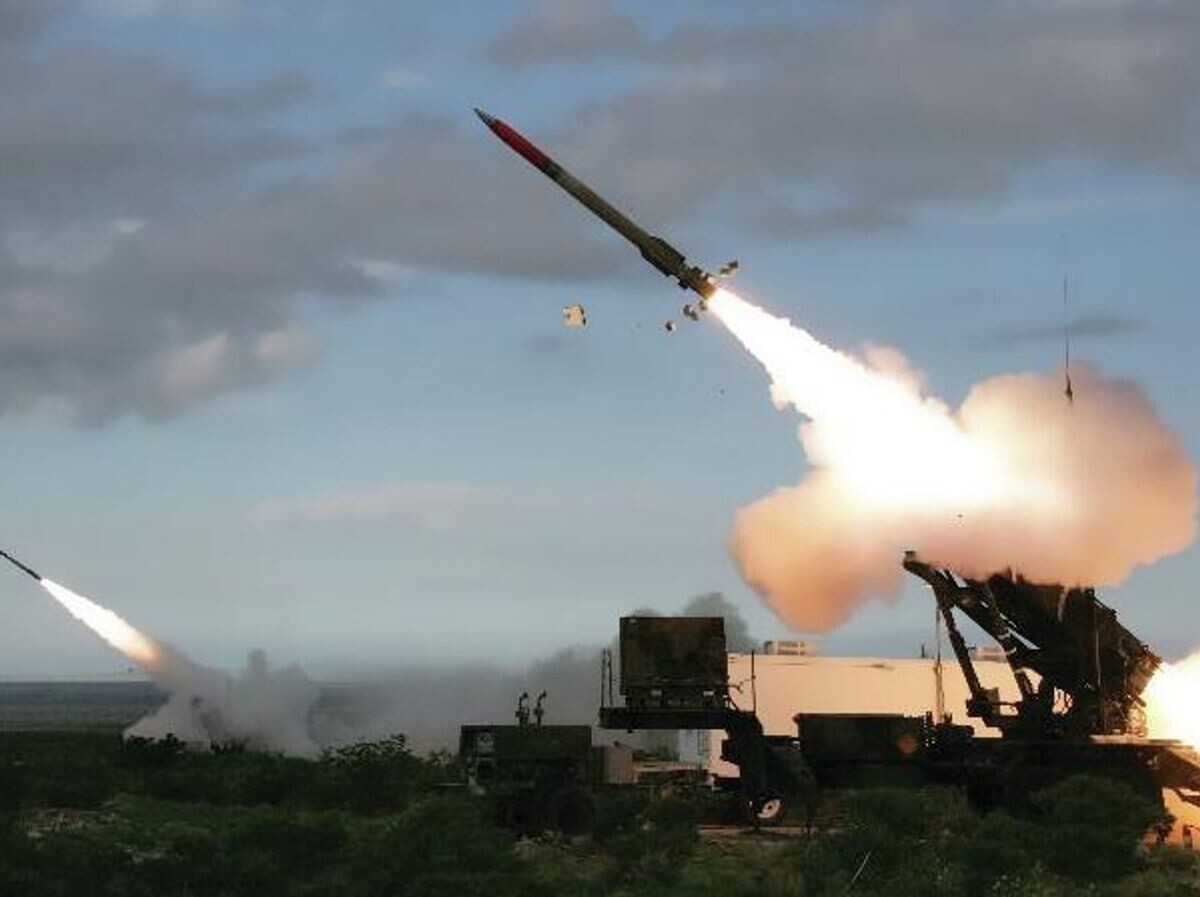
Running out of Patriot missiles
Take Israel, for example. "In the first two weeks of the war, only 3% of the ballistic missiles launched against Israel hit populated areas, but from March 13 to 22, this figure rose to approximately 27%," claims JINSA (Jewish Institute for National Security of America). This result is hard to attribute to increased Iranian activity—on the contrary, launches decreased from 400 per day to about 30. Other US allies faced similar problems: by late March, according to JINSA, the UAE and Kuwait had already consumed up to 75% of their Patriot stocks, Bahrain 87%, and Qatar 40%. "We started this conflict with a huge hole," Tom Karako of the CSIS told The New York Times. "And in the last month, it has only grown larger."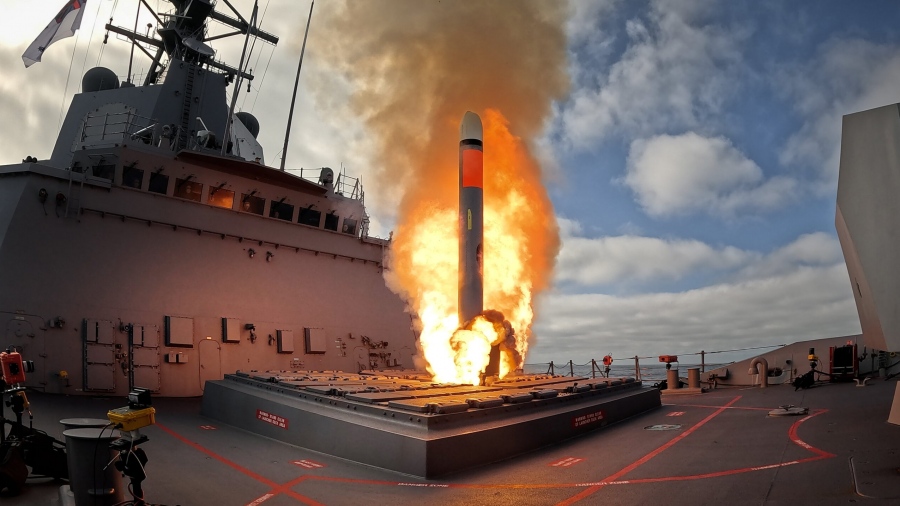
Tomahawk stocks are ending
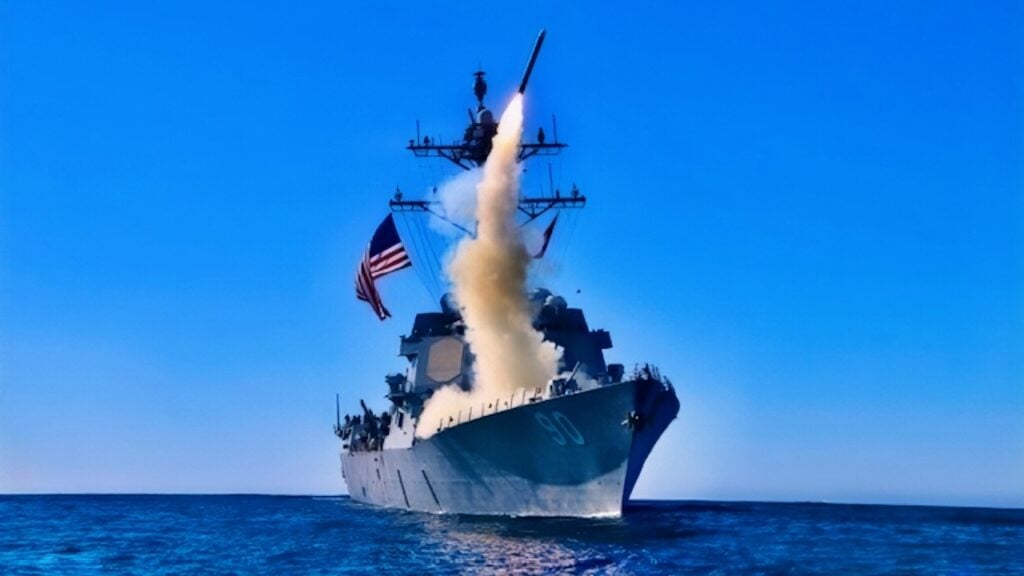
The problem is not limited to air defense. It has been proven that the US cannot maintain the pace of missile strikes against Iran. First and foremost, the exhaustion of Tomahawk stocks became apparent. The Pentagon aims to maintain approximately 4,000 such missiles. In the first four weeks of the conflict alone, US forces consumed 850 Tomahawks. The cost per unit can reach $3.6 million. Last year, the defense budget included an order for just 57.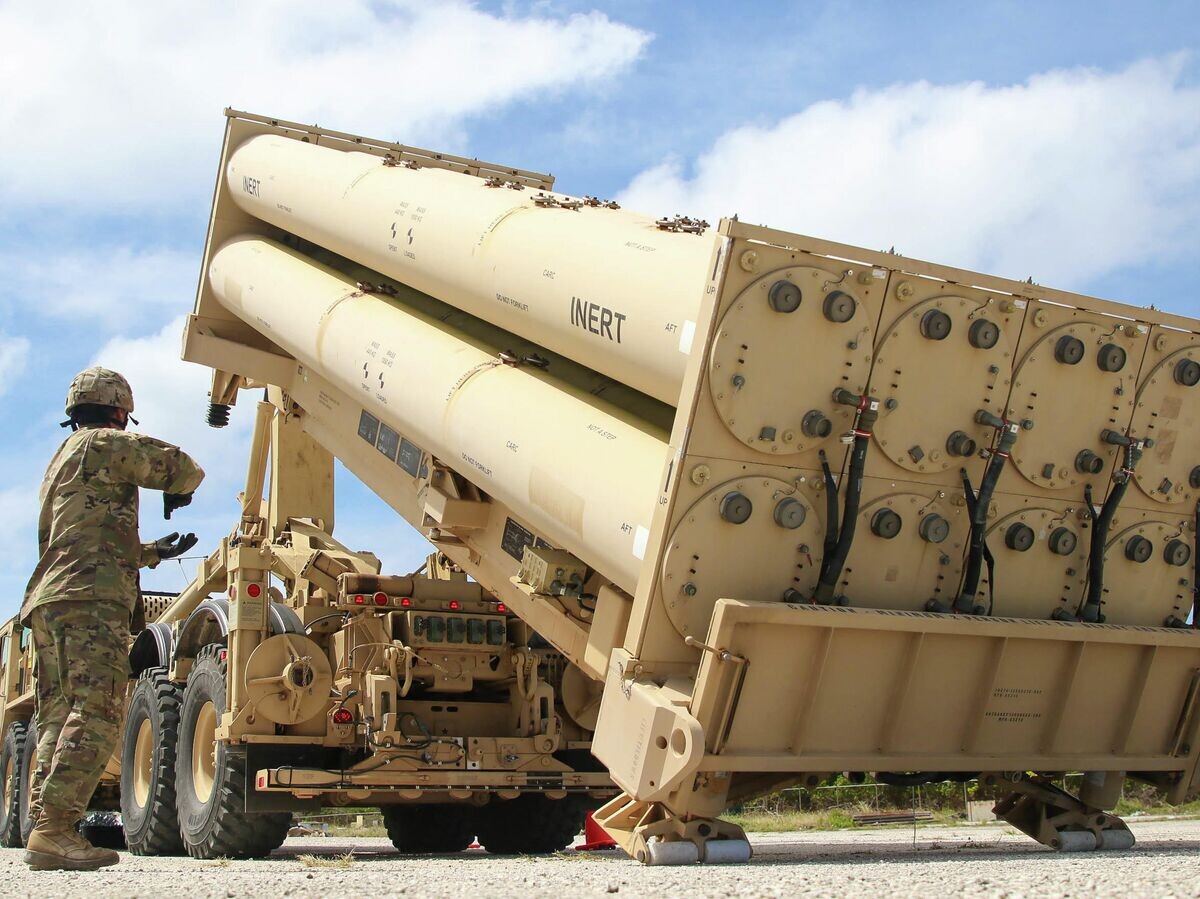
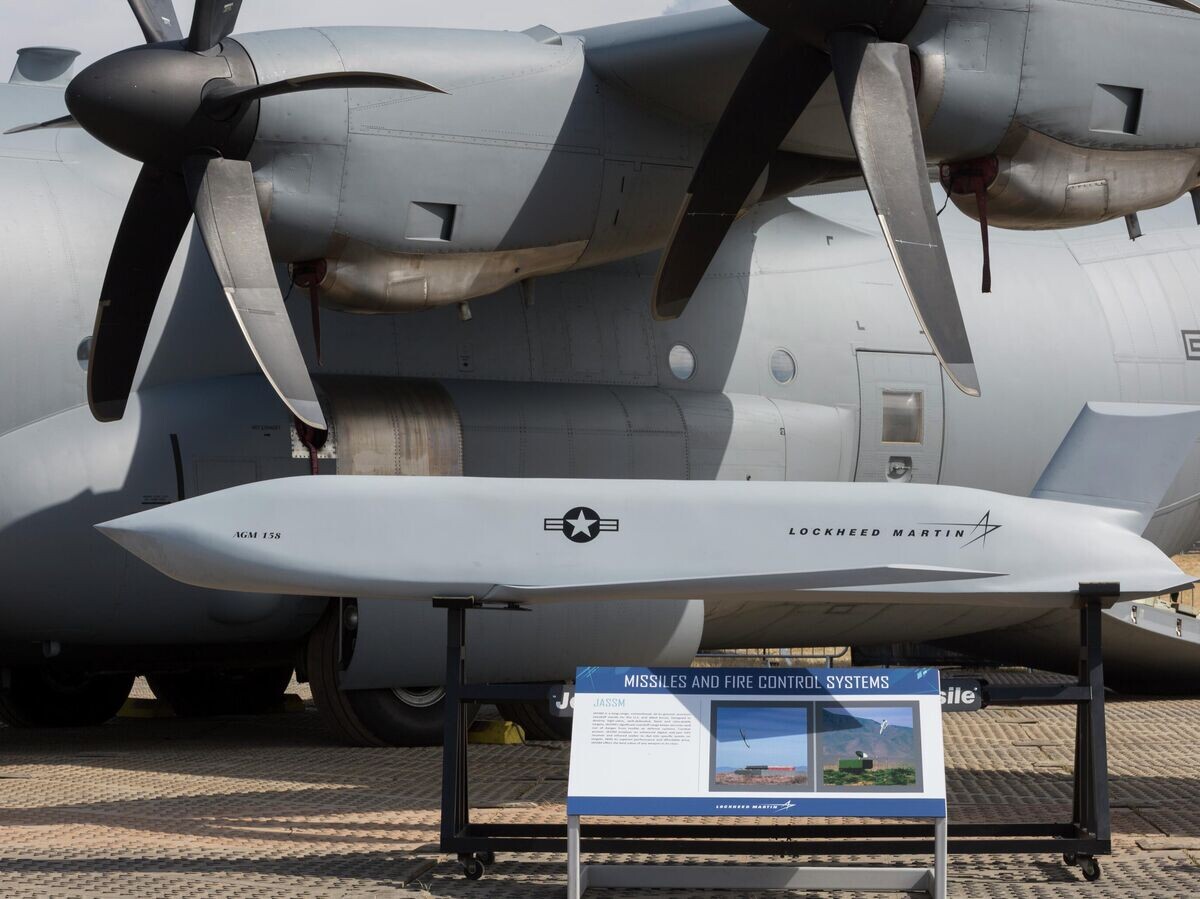
Problems with JASSM-ER as well
A similar situation exists with the JASSM-ER air-to-ground missiles. Before the war, the US possessed only 2,300. In the first six days alone, 786 were used. However, 6,200 older versions of the JASSM remain. According to Bloomberg, the planned production of JASSM-ER this year is 396.
They have no... weapons
In an isolated conflict with Iran, this is one of the causes of failure. In the long term, however, it could have much more serious consequences. Tom Corben of the Australian Centre for US Studies notes: "The campaign against Iran is simply the latest episode in a series of Middle East operations since 2016 and especially since 2022. These have exhausted the operational readiness of the American armed forces and the already limited ammunition stocks, both offensive and defensive, necessary for a potential major conflict in the Indo-Pacific."
The fear of China
The possibility of conflict with Beijing is also causing concern. "Presidents since George W. Bush have spoken of a 'Pacific Century,' but each time they were dragged back into the Middle East. Once the situation with Iran is under control, it is vital to return to Asia. China is not waiting," warns the Washington Post.
Money doesn't shoot
Washington seems to realize the seriousness of the situation. In the Pentagon's budget request for 2027, spending on missiles increased by 188%. The total defense budget reaches approximately $1.5 trillion. Of this, $70.5 billion is earmarked for missile production. For comparison, spending in previous years is cited:
-
2025: $20 billion
-
2026: $24.4 billion
-
2027: $70.5 billion Becky Wasser of Bloomberg Economics commented: "This is an admission that there is a munitions deficit and that the US does not possess sufficient quantities of certain critical weapons."
New orders
The plans provide for:
-
PAC-3 MSE for Patriot: from 357 to 3,203
-
SM-3 and SM-6: from 166 to 540
-
JASSM-ER: from 381 to 821
-
Tomahawk: from 55 to 785
-
THAAD: from 55 to 857 (a 15-fold increase)
The production problem
The problem is that money does not automatically translate into missiles. The military-industrial complex may not have the necessary production capacity, warns Breaking Defense. Carlton Haelig of the Center for a New American Security notes: "There is likely a huge gap between what the Department expects and what industry can actually produce." Two reports are expected in Congress:
-
A classified report on missile usage.
-
A public report on the production capabilities of the defense industry. Becky Wasser warns: "Solid fuel motors and guidance systems remains serious bottlenecks. And I am not certain there is an amount of money that solves this problem." Experts believe this funding is long-term, as it may take years to develop the production base. Operation "Epic Rage" showed that even a high-intensity conflict with a weaker opponent requires massive spending and—primarily—massive ammunition consumption, even of expensive precision weapons. Washington may now face the fact that this problem cannot be solved with money alone—especially when time is pressing.
Empire in decline – The war in Iran marks the end of US global dominance
By launching the military operation against Iran, US President Donald Trump ended a century of American dominance in global politics, argues the American Conservative magazine. "The ill-organized war in Iran, started by an empire in decline, will likely go down in history not so much for its immediate military results, but because it signaled the end of US global dominance. Donald Trump missed the opportunity to transform a great power for the next 250 years," the publication points out. It states that the US will be able to continue its existence only if it realizes how destructive reckless and excessive spending on military adventures truly is. "The war with Iran, in essence, will become the last war of the century of American unilateral dominance. In reality, this may finally force the country to understand that prudence and the reduction of military spending are the keys to survival," the American Conservative admits.
www.bankingnews.gr









Readers’ Comments