

Developments surrounding Iran, the Strait of Hormuz, and negotiations with the US are moving at a breakneck pace, alongside mounting tension between Washington and Israel. These events suggest a profound geopolitical realignment. These are not isolated incidents; they are interconnected developments revealing that Tehran not only maintains the initiative on critical fronts but is also capable of shifting the balance of power from the Persian Gulf to Lebanon. Meanwhile, the US and Israel are showing signs of rifts and contradictions.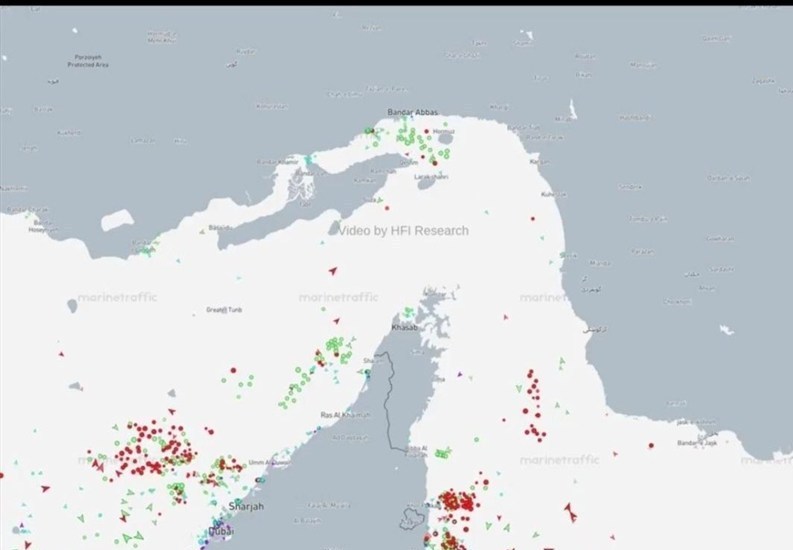
Iran imposes rules in the Strait of Hormuz – Two tankers stopped
The decision by the Revolutionary Guard (IRGC) on Sunday morning, April 19, 2026, to force two tankers flying the flags of Botswana and Angola to retreat and change course in the Strait of Hormuz was a definitive signal of strength. The message was clear: Iran considers itself the guardian of security and transit conditions in one of the world's most strategic waterways. The Strait of Hormuz is not a minor maritime passage; a massive percentage of global energy trade passes through it. Every move by Tehran there carries international weight. The decision to prevent the passage of ships that, according to Iranian sources, were engaged in "illegal" movement was presented as an act of sovereignty, altering the regional status quo.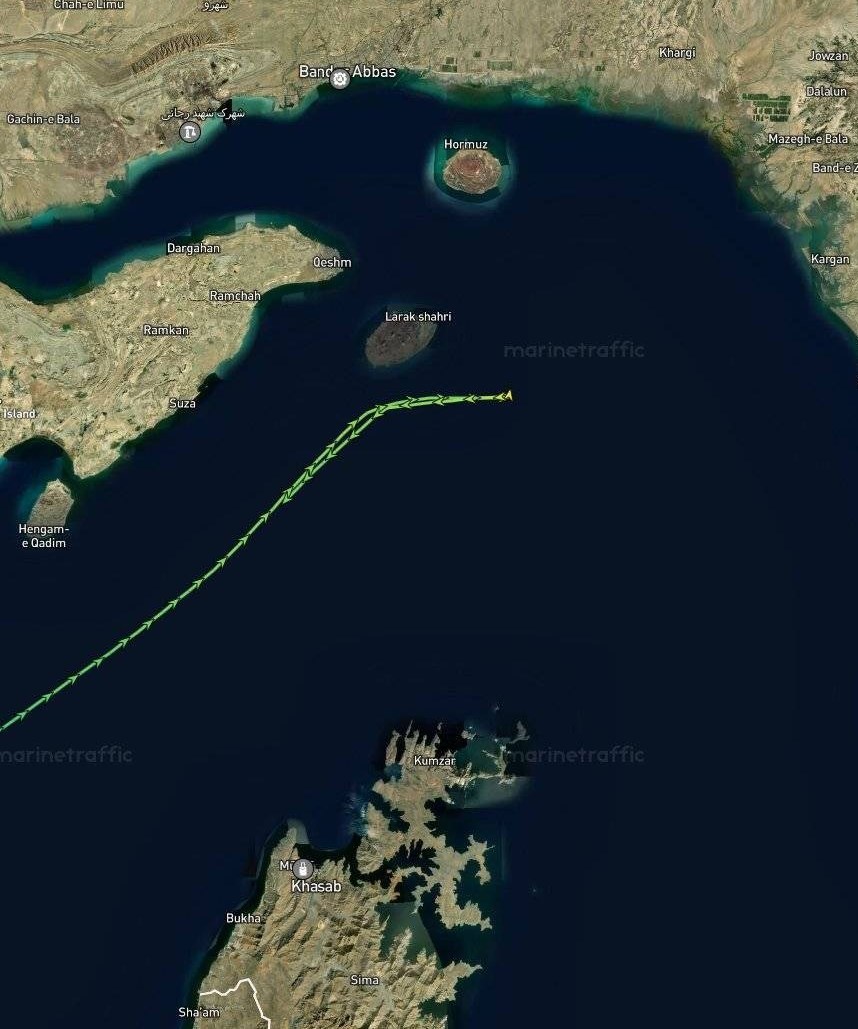

Iran’s response to US pressure: No dialogue
President Donald Trump's announcement of a naval blockade appears to have achieved the opposite of Washington's intent. Rather than pressuring Tehran into concessions, it has hardened the Iranian line. The Iranian leadership has reportedly frozen any consensus for a new round of talks with the US, viewing American demands as "excessive" and asserting that a policy of pressure provides no basis for serious negotiation. Tehran's position is firm: negotiation without mutual respect is meaningless. For many analysts, this reinforces Iran's image as a power that refuses to negotiate under blackmail.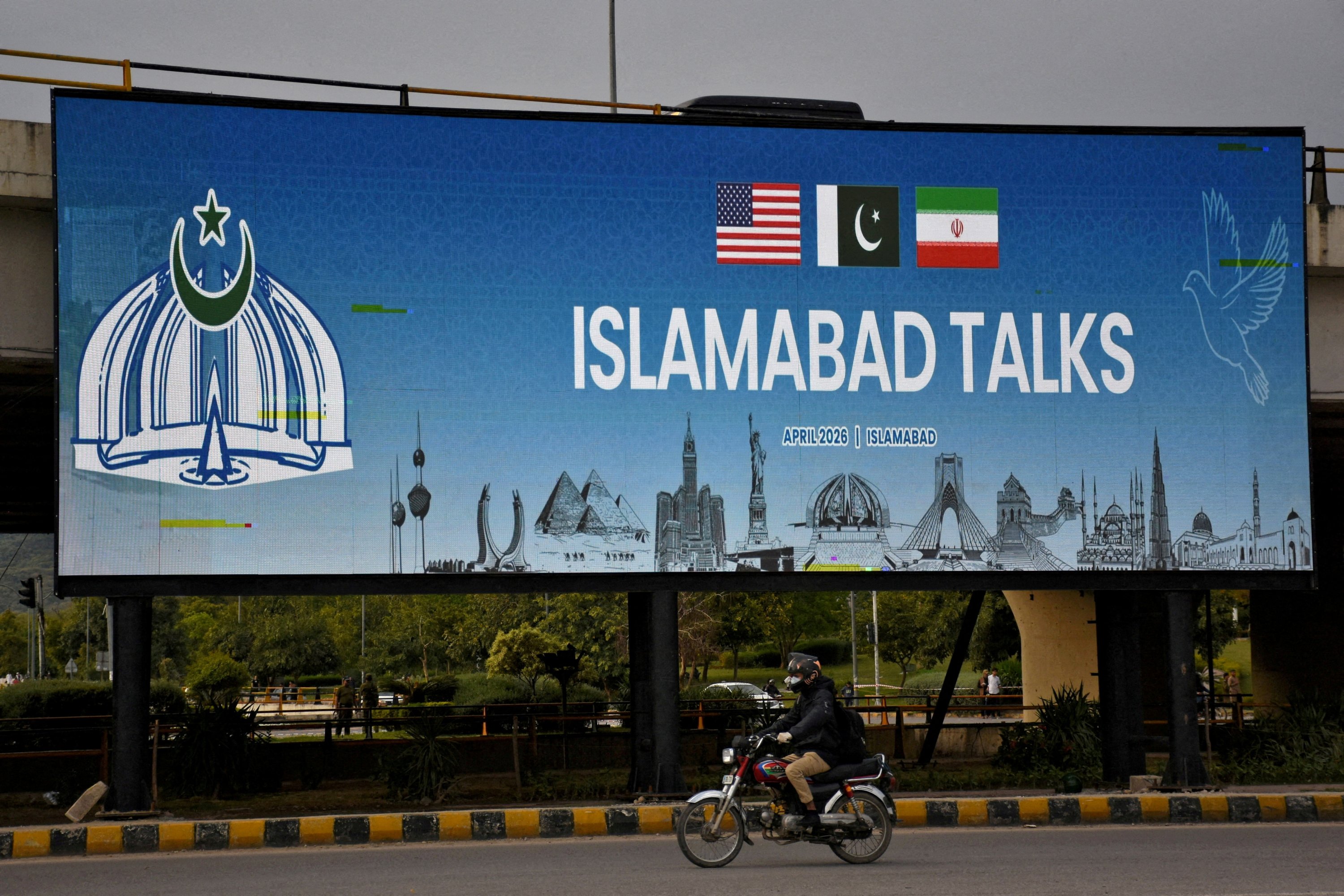
The diplomacy of attrition has failed
For years, Washington relied on the logic that sanctions, military pressure, and threats of blockades would break Tehran. However, the reality depicts a different story. Iran has not only endured but has adapted and strengthened its military deterrence. It has expanded its regional alliances and now appears to be dictating terms on several fronts. This represents a significant blow to US strategy, which has historically sought to isolate the Islamic Republic.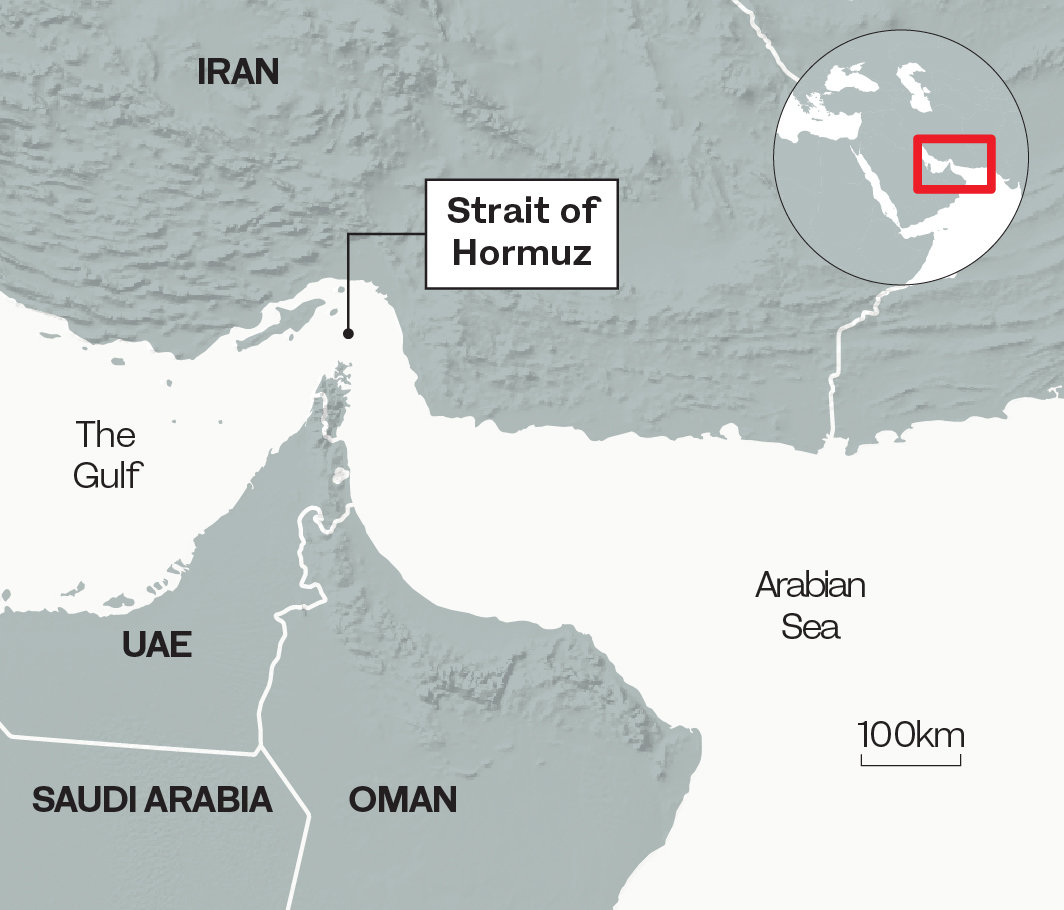
The US–Israel trust crisis
Simultaneously, revelations of Benjamin Netanyahu’s intense dissatisfaction with Trump’s moves to halt Israeli operations in Lebanon have opened a new chapter. For the first time, friction has appeared so openly within the traditionally tight Washington–Tel Aviv axis. The American demand for a cessation of Israeli strikes and the 10-day ceasefire in Lebanon was not viewed in Israel as mere diplomacy, but as an imposition. This development is historically significant.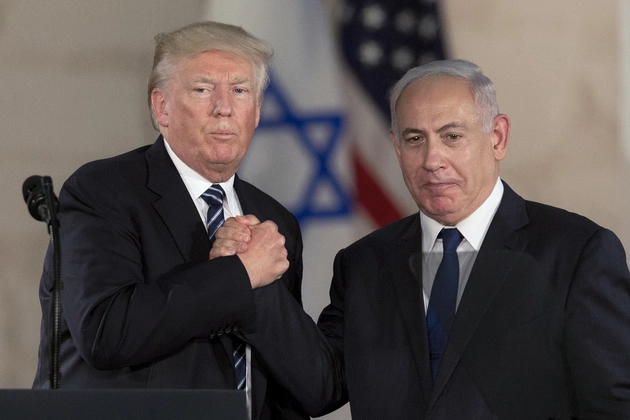
Israel at a strategic impasse
The criticism leveled at Benjamin Netanyahu, even from within the Israeli establishment, indicates a deeper issue: Israel can no longer move with absolute freedom without accounting for external constraints. Much of this is linked to Iranian deterrence. Iran’s power, whether through direct military capability or allies like Hezbollah, has fundamentally changed the security environment. Israel is now operating under significantly increased costs, a fact that is not going unnoticed by regional observers.
Hezbollah and the failure of Israeli strategy
Netanyahu's admission that the "dismantling" of Hezbollah cannot be achieved immediately and requires a long-term effort has been interpreted by many as an indirect acknowledgment of a strategic deadlock. While the original objective was presented as absolute, today’s reality is different. Hezbollah remains a power broker, Lebanon has not buckled, and Israel appears forced to operate within specific strategic limits.
The Iran factor behind everything
None of these shifts can be analyzed without acknowledging Tehran's role. Iran has spent years building a multi-layered strategy involving military deterrence, naval power in the Strait of Hormuz, and regional influence networks. It is precisely this combination that renders the old American logic of pressure ineffective.
The Strait of Hormuz as a geopolitical lever
The incident involving the two tankers is significant not just militarily, but economically and geopolitically. Iran’s ability to practically control the tempo of tension in the Strait of Hormuz provides Tehran with a tool that no sanction can easily neutralize. This is a primary reason why Washington struggles to convert economic pressure into political results.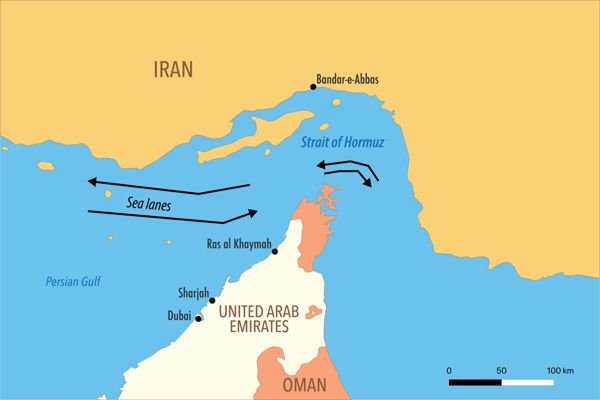
The American contradiction
The US appears to be following two contradictory lines. On one hand, it is escalating pressure against Iran; on the other, it is attempting to restrain Israel to avoid a wider regional explosion. This reveals a state of strategic uncertainty. If Washington believed it maintained full control, it would not find it necessary to limit its closest ally.
The erosion of Israel
The imposition of a ceasefire in Lebanon carries symbolic weight. It sends a message that Israel no longer moves solely on its own terms. For a country that built much of its strategy on the image of unhindered initiative, this represents a significant erosion of power.
Iran as the winner of the moment
Taking the total picture into account, Iran appears to be strengthening its position. In Hormuz, it imposes deterrence; in diplomacy, it rejects pressure; and in the regional field, its opponents are showing friction. In Lebanon, developments have not vindicated Israeli strategy. Objectively, this constitutes a geopolitical gain for Tehran.
The myth of American omnipotence is tested
These developments touch upon something larger: the myth of American omnipotence. For decades, the perception was that Washington could dictate the balance in the Middle East. Today, that image is being challenged on the ground. Iran is no longer treated as a state under pressure, but as a central player in the regional equation.
The Middle East enters a new phase
The region appears to be shifting from a unipolar logic to a more complex system of balances. Iran’s role as a key architect of this new order is perhaps the most important change. The old model of regional stability is being replaced by a more fluid and contested reality.
Iran turns pressure into advantage
The events in the Strait of Hormuz, the freezing of talks with the US, the friction between Donald Trump and Benjamin Netanyahu, and the ceasefire in Lebanon are all linked. They form a single picture: Iran is not only withstanding pressure but is converting it into a strategic advantage. While the US faces contradictions and Israel faces limitations, Tehran is emerging as the factor influencing the regional equation. If this trend stabilizes, the Middle East will not easily return to the old status quo.
www.bankingnews.gr




Readers’ Comments