

Control of the Strait allows Iran to negotiate with energy-dependent nations, encouraging them to bypass US sanctions and strengthen economic ties in exchange for access.
Iranian Foreign Minister Abbas Araghchi stated on Friday (April 17, 2026) that the Strait of Hormuz is open following a ceasefire agreement in Lebanon, while US President Donald Trump mentioned that talks could take place this weekend (April 19-20) and that he believes a deal to end the war with Iran will be reached "soon."
Araqchi stated in a post on the X platform that the strait is open to all commercial vessels for the remainder of the US-mediated 10-day truce, which was agreed upon Thursday (April 16) between Israel and Lebanon to halt clashes between Israeli forces and the Iranian-backed Hezbollah.
Shortly after Araqchi’s statement, Trump posted on Truth Social: "IRAN JUST ANNOUNCED THAT THE STRAITS OF IRAN ARE FULLY OPEN IMMEDIATELY FOR PASSAGE." However, statements from both sides left uncertainty regarding how quickly maritime navigation could be fully restored.
Trump stated that the US blockade on ships heading to Iranian ports—announced after talks with Tehran failed last weekend (April 11-12)—will remain until "our deal with Iran is 100% complete." Iran reacted sharply, with Foreign Ministry spokesperson Esmaeil Baghaei warning that Tehran would take "necessary reciprocal measures" if the naval blockade continues.
Maritime traffic data showed a group of approximately 20 vessels, including container ships, bulk carriers, and tankers, moving in the Persian Gulf toward the Strait of Hormuz. It was unclear whether they would stop or be allowed to pass.
It also remained unclear how the two sides would address Iran's nuclear program, which has been a major point of friction in talks so far. Trump told Reuters that the US would remove Iran’s enriched uranium, but Baghaei told state television that the material would not be moved anywhere.
A senior Iranian official told Reuters that no agreement has been reached and that serious negotiations are required to bridge the differences between the two sides. He added that Tehran hopes for a preliminary agreement in the coming days, which could extend the ceasefire set to expire next week.
This could provide more time for negotiations regarding the lifting of sanctions against Iran and securing compensation for war damages, the official stated. On Saturday (April 18), while the Islamic Republic had agreed to a controlled passage of commercial ships, the American insistence on obstructing Iranian-origin vessels led Iran’s armed forces to regain control of the strait, turning it back into a forbidden zone for its rivals.
Regardless of how the blockade evolves, Iran will find itself in a much better position long-term regarding maintaining control of the Strait—not the US.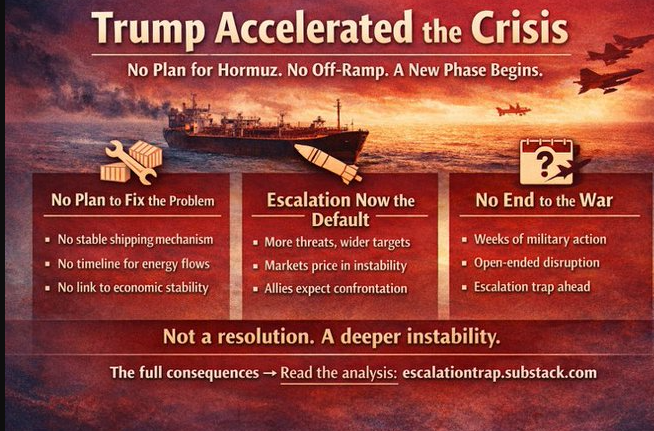
Iran's powerful new tool
For decades, Iran threatened to use the Strait of Hormuz as leverage against its adversaries. However, it avoided doing so until the current war against the United States and Israel, which it views as existential. Ironically, while the US and Israel aimed to weaken Iran’s nuclear and missile capabilities, the conflict provided Tehran with a powerful new tool—control of the Straits.
Tehran is now likely to make this control a key element of its long-term strategy. In fact, Iranian negotiators in recent peace talks with the US had added Iranian sovereignty over the Straits to their list of demands. This lever serves at least three primary purposes.
First, it offers significant revenue potential from tolls and transit fees already being imposed on ships passing through the straits. By imposing minimum transit costs—estimated at roughly $1 per barrel or up to $2 million per tanker—Iran could, by some estimates, rake in approximately $600 million per month from oil and another $800 million from natural gas shipments. Economists report that at least 80% of these fees would be paid by Persian Gulf states—totaling up to $14 billion annually for oil alone.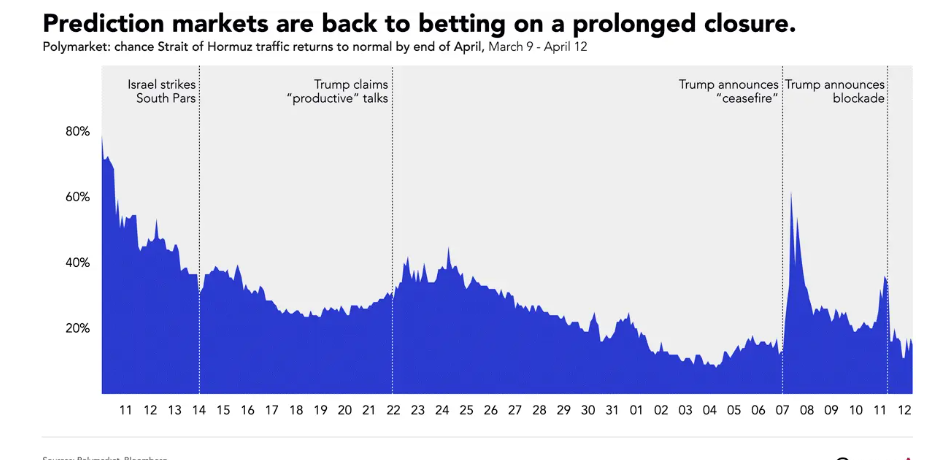
Second, the straits function as a security guarantee. By demonstrating its ability to disrupt a critical global energy artery, Iran has raised the cost of any future military action against it. This grants it the ability to deter aggressive actions through economic risk rather than just military means.
Third, it provides Iran with geopolitical leverage, particularly over countries in the Global South. Control of the Straits allows Iran to negotiate with energy-dependent nations, encouraging them to bypass US sanctions and strengthen their economic relations in exchange for access to the waterway.
The US is now attempting to neutralize this Iranian leverage. However, this "siege of the... siege" faces clear structural limitations. Firstly, Iran’s control over the Straits is much easier to maintain compared to a US blockade in international waters.
Even with the support of allies (which has yet to materialize), the US will struggle to restrict access to the Straits for a prolonged period. Such an effort would be exceptionally costly for the American military and would have significant consequences for the global economy. In this sense, Hormuz risks becoming America’s "Suez moment"—a strategic chokepoint of international oil trade that reveals the limits of its power.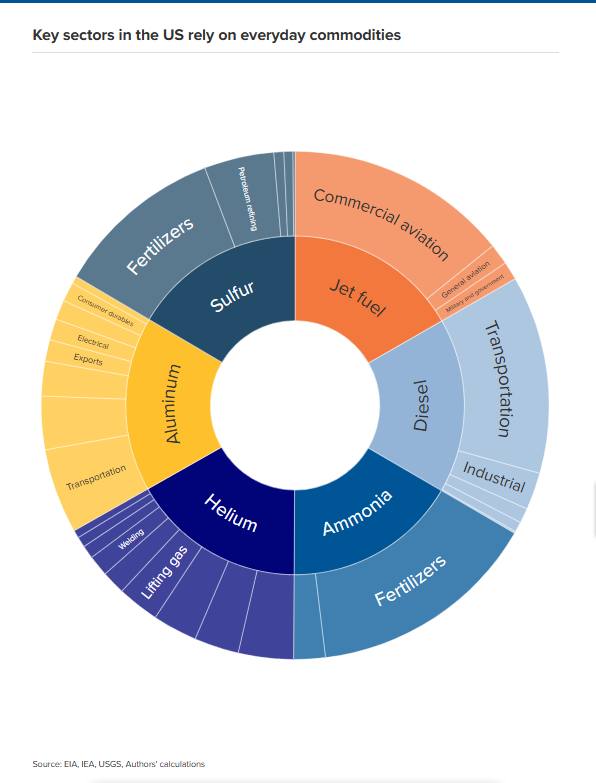
Iran "holds the US economy hostage"
Trump has frequently publicly downplayed the domestic economic concerns triggered by the war—but it is proving that the blow to the American economy is significant and will cause a loss of the political hegemony it had achieved. He can hardly ignore that, while the US does not depend on the one-fifth of global oil shipments essentially blocked by Iran’s control of the straits, the spike in energy costs has hit American consumers hard. The International Monetary Fund’s warning of a risk of global recession intensifies the pessimism.
The pressure for an exit from the unpopular war has increased, as Republicans defend slim majorities in Congress ahead of the November midterm elections. None of this has gone unnoticed by Iran’s leaders, who have used their control of the straits to push Trump's team to the negotiating table.
Analysts say that US rivals, China and Russia, may draw their own conclusion: while Trump has shown a willingness to use military force in his second term, he seeks a diplomatic exit as soon as economic pressure is felt at home. "Trump feels the economic pressure, which is his Achilles' heel in this war of choice," said Brett Bruen.
White House spokesperson Kush Desai stated that while they are working on a deal with Iran to resolve "temporary" energy market problems, the administration "has never lost its focus on the president's agenda for affordability and growth." "President Trump can do two things at once," he said.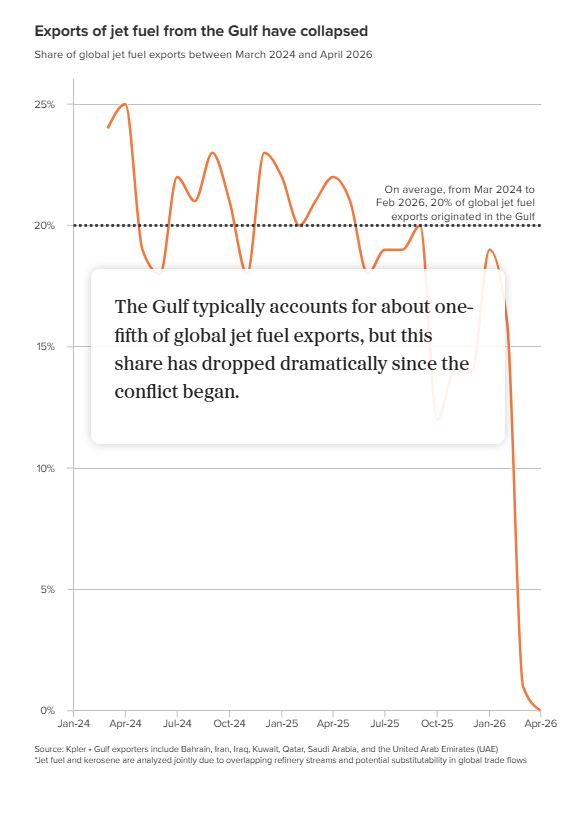
Increasing domestic pressure
Trump's abrupt shift on April 8 from airstrikes to diplomacy followed pressure from financial markets and sections of the MAGA base. Part of the economic cost is being borne by American farmers—a key Trump voting base—due to disruptions in fertilizer shipments, while it is also seen in increased airfares due to more expensive jet fuel.
With the clock ticking on the two-week ceasefire, it remains to be seen if Trump will achieve a deal that meets his war goals, extends the truce beyond April 21, or restarts the bombing campaign. Global oil prices fell sharply and markets rallied Friday after Iran stated the straits would remain open for the rest of a separate 10-day US-mediated ceasefire between Israel and Lebanon.
Trump was quick to declare the straits safe, promoting a deal-in-the-making with Iran, which he said would be finalized soon and primarily on his own terms. However, Iranian sources told Reuters that gaps remain to be resolved.
Experts have warned that even if the war ends soon, the economic damage may take months, if not years, to repair. A central question is whether any deal achieves the goals set by Trump, including closing Iran's path to a nuclear weapon—something Tehran denies seeking.
Iran possesses a stockpile of highly enriched uranium believed to have been buried by US-Israeli strikes in June. Trump told Reuters that the emerging deal provides for the US to work with Iran to recover the material and transfer it to the US. Iran denied agreeing to any transfer outside its territory.
A senior Trump administration official stated that the US maintains "several red lines" in negotiations. At the same time, Trump's call at the start of the war for Iranians to overthrow their government went unanswered.
Allies from Europe to Asia were initially blindsided by Trump’s decision to go to war without consulting them or appearing to consider the risk to them from Iran’s closure of the straits. "The alarm bell for allies right now is that the war highlighted how the administration can act unpredictably, without much regard for the consequences," said Gregory Poling.
Following Russia’s military operation in Ukraine in 2022, Joe Biden was careful regarding sanctions on Moscow’s energy sector. But Trump, who campaigned for a second term with promises to the electorate for cheap gasoline and low inflation, has shown sensitivity to accusations that his policies are driving up prices.
All calculations proved wrong
Just as Trump underestimated Beijing’s reaction to a trade war, he appears to have miscalculated how Iran would respond economically to a hot war—by hitting energy infrastructure in the Gulf and blocking the strategic sea route. Trump incorrectly believed the war would be a limited operation.
The message to Asian allies like Japan, South Korea, and Taiwan may be that Trump, who seeks warmer relations with China, may pursue regional goals with less regard for their geopolitical and economic security. European countries, annoyed at bearing such a heavy economic burden for a war they did not ask for, will likely worry more about Trump’s commitment to continued aid toward Ukraine.
Arab Gulf states want the war to end soon, but they will not be satisfied if Trump closes a deal without security guarantees for them. "The end of this conflict must not create continued instability in the region," said Anwar Gargash.
Most MAGA supporters have stayed with Trump despite some prominent disagreements. But doubts are growing whether he can help his party recover lost ground ahead of the midterms. "He knows that a significant part of the country outside the MAGA base, but also some within it, strongly oppose what he did," said Chuck Coughlin. "And I think he will pay the price."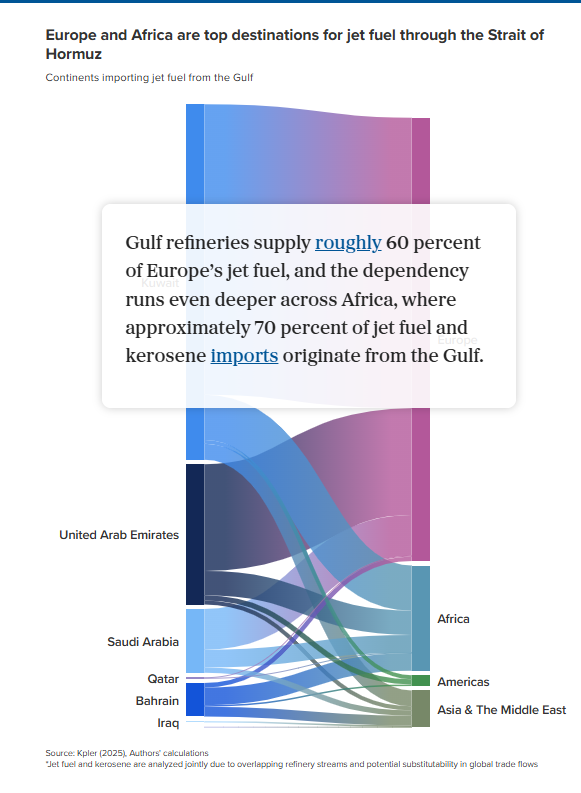
How will China react?
Could China, which buys over 80% of Iranian oil, play a role by pressuring Iran to relax its control of the straits? So far it has not, and it is unlikely to do so. China places the blame on the US and rejects the blockade. In fact, Chinese Foreign Ministry spokesperson Guo Jiakun used strong language this week, calling the blockade "dangerous and irresponsible."
Although a Chinese tanker was forced to change course, other ships have passed through the new "toll system" in recent days. This shows China’s need and willingness to comply with Iran's new rules—at least for now.
While China is exposed to the US blockade—about 40% of its oil imports pass through this sea route—it has prepared for this eventuality. It has diversified its sources of oil imports so as not to depend excessively on one supplier. Furthermore, it is estimated to have sufficient reserves to replace imports through the straits for up to seven months. However, it remains to be seen if China will support a toll system long-term. Despite Beijing’s silence so far, some experts estimate it will oppose it. China has repeatedly emphasized the need for a return to a status of "normal transit" through the straits as soon as possible.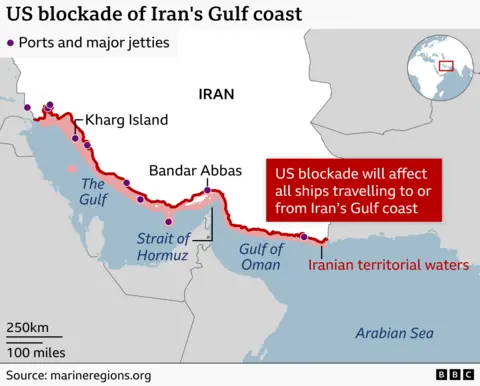
Beijing's growing role in the region
China may also benefit from the political developments that may arise after the war. The war has led Persian Gulf states to a shared realization that alignment with the US and cooperation with Israel does not necessarily guarantee their security. As a result, they may seek to diversify their international relations. This is reflected in the visit of Abu Dhabi Crown Prince Mohamed bin Zayed Al Nahyan to Beijing this week.
Trade between Persian Gulf states and China has increased significantly, reaching approximately $257 billion in 2024, slightly surpassing the region's total trade with major Western economies. China is also expanding its diplomatic presence in the region, helping mediate the 2023 agreement between Saudi Arabia and Iran to normalize relations and playing an indirect role in recent talks in Pakistan between Iran and the US to end the war.
It is clear that it seeks a greater role in the region in the future. Looking ahead, Iran may seek to leverage this juncture to promote a regional security framework with Persian Gulf states, possibly with China acting as a guarantor or mediator. Such a development would mark a significant departure from the long-standing role of the US as the primary security provider in the region—it constitutes a total defeat of Trump's policy.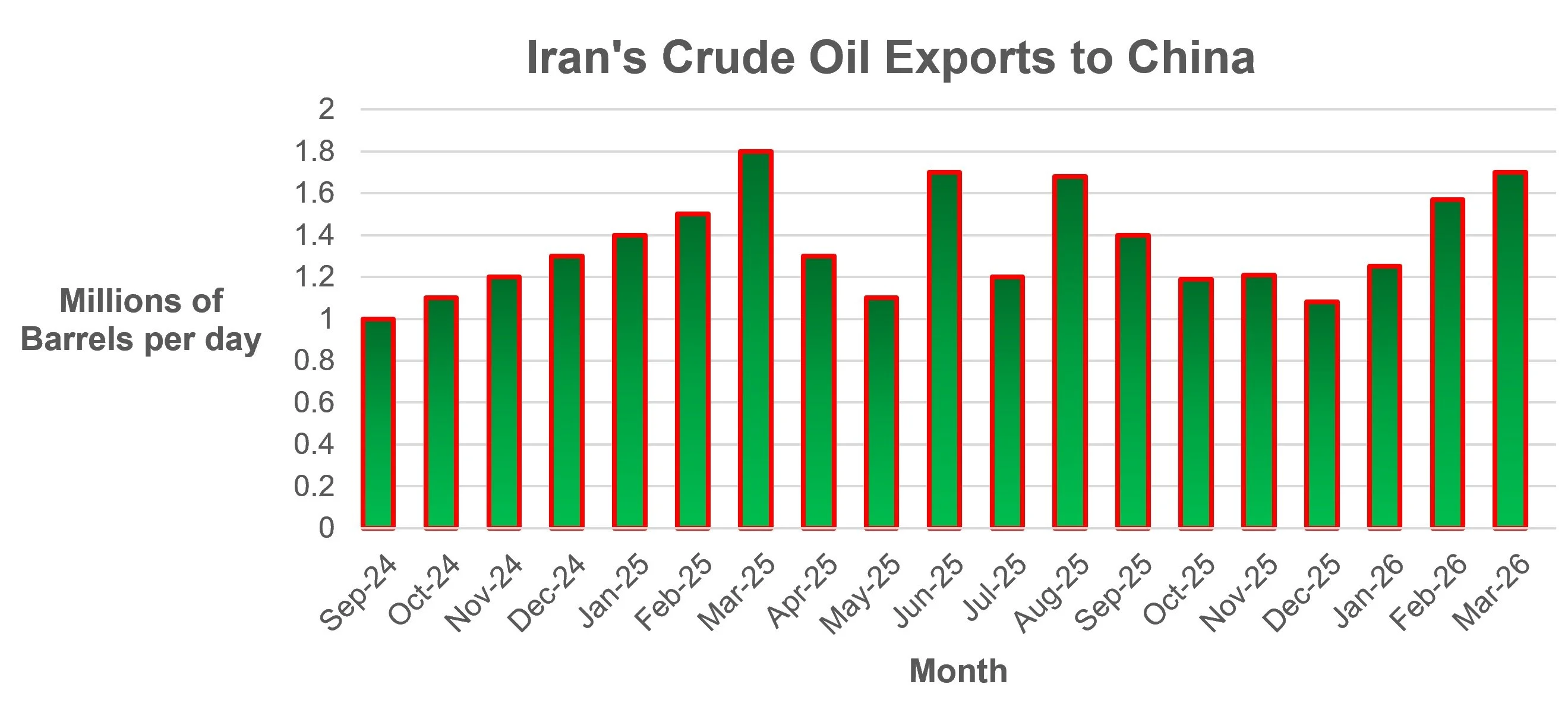
www.bankingnews.gr








Readers’ Comments