

Hormuz becomes a price battlefield – from $70 to the $150 oil scenario
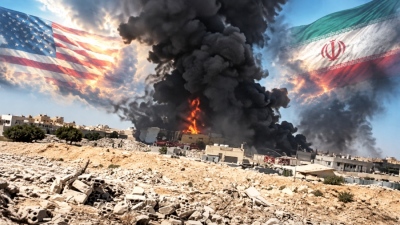
The Strait of Hormuz is emerging as a decisive factor for the global oil market, with prices caught between two extreme scenarios: a return to pre-war levels of $70 or a surge even above $150 per barrel. According to Oil Price, oil prices have remained below $100 per barrel since Monday, when the United States initiated a naval blockade aimed at preventing the passage of Iranian-linked vessels through the Strait of Hormuz. However, the relative calm recorded in the futures markets is considered temporary, as geopolitical tension in the world’s most important maritime oil transport route remains high.
Negotiations determine the path
The evolution of prices depends directly on the negotiations between the United States and Iran. There is momentum for both a significant rise and a return to pre-war levels of approximately $70. The state of navigation in the Strait of Hormuz and how quickly normal flow can be restored remains a critical factor. Despite the American blockade and claims of its success, the movement of non-Iranian ships has not yet resumed. At the same time, data from tracking systems show that some Iranian-flagged vessels have managed to cross the area.
Surge in physical prices
Globally, the physical oil supply remains extremely limited. In some cases, cargoes from outside the Middle East have been sold for as much as $150 per barrel. Prices for immediate delivery have increased significantly, reaching approximately $40 higher than futures contracts. Conversely, futures markets are primarily influenced by news and expectations of a potential resumption of negotiations between the US and Iran, possibly even within the week.
Forecasts with zero certainty
Analysts point out that predicting oil prices has become more uncertain than ever due to conflicting messages from the Donald Trump administration. Goldman Sachs maintained its 2026 forecasts at $83 for Brent and $78 for American crude, while highlighting intense risks both to the upside and downside. According to the bank, the greatest upside risk stems from the low flow of oil through the Strait of Hormuz, which is estimated at just 10% of pre-war levels, or approximately 2.1 million barrels per day. Since the start of the conflict on February 28, no LNG cargo passages have been recorded in the region.
Goldman Sachs estimates
Dan Struyven, an executive at Goldman Sachs, stated that the ceasefire reduces the risk of a large and prolonged supply reduction; however, restoring the oil flow will take time. The bank estimates that the supply loss amounts to 10 to 11 million barrels per day, while the reduction in demand—primarily in Asia—offsets about 3 million barrels. The drop in demand is particularly pronounced in the aviation and petrochemical sectors, and there is a risk of it expanding to other markets.
Scenarios for the coming period
Goldman Sachs estimates that if the Strait of Hormuz remains largely closed for another month, the average price of Brent will exceed $100 in 2026. In the event of prolonged restrictions, the price could average $120 in the third quarter and $115 at the end of the year. Conversely, a significant reduction in demand due to high prices and shortages may act as a balancing factor, containing the pressures.
Disruptions up to 13 million barrels per day
ING analysts Warren Patterson and Ewa Manthey note that the market remains restrained due to hopes for an extension of the ceasefire and the resumption of negotiations. However, they emphasize that the physical market is becoming increasingly restricted, as every day without the restoration of flows intensifies the pressure. They estimate that approximately 13 million barrels per day of exports have been affected, a number that could rise sharply due to the American blockade.
The SEB scenario
The Scandinavian bank SEB estimates that the Strait of Hormuz will operate at 20% of its normal capacity until mid-May, before returning fully to operation. However, it points out that the situation does not depend exclusively on the US, as Iran may maintain control of the area even in the event of a deal. Analyst Ole Hvalbye emphasizes that market risks are two-way: faster diplomatic progress could lead to a significant drop in prices, while a failure of negotiations or new infrastructure damage could skyrocket prices above $150 per barrel.
Market on a tightrope
The global oil market is in an extremely fragile balance between geopolitical tension and expectations of de-escalation. The Strait of Hormuz, one of the planet's most important energy arteries, has turned into a pivotal point that will determine the course of prices in the coming period.
www.bankingnews.gr









Readers’ Comments