

George Kollitides, who today holds a key position at the Pentagon, was a member of the board of directors of Tier 1 Group — a private security company that trained four Saudi agents later linked to the gruesome 2018 murder of Khashoggi
The revelation that the head of the new "Economic Defense Unit," the financial authority of the Pentagon, had direct links to a company that trained individuals involved in the murder of Saudi journalist Jamal Khashoggi is not just another scandal. It is a profound indication of how private power, financial interests, and state authority intertwine in the United States.
George Kollitides, who currently occupies a vital role in the Pentagon, served on the board of Tier 1 Group—a private security firm that trained four Saudi operatives later connected to the horrific 2018 killing of Khashoggi, according to a report by Responsible Statecraft. The journalist, renowned for his criticism of the Saudi Arabian regime, was murdered inside the country's consulate in Turkey during an operation that international reports claim was approved by Crown Prince Mohammed bin Salman.
Despite assurances that the training provided by Tier 1 Group was "defensive in nature," this coincidence raises serious questions. When private companies with such connections are linked to the highest levels of policy-making, the concept of accountability is called into question.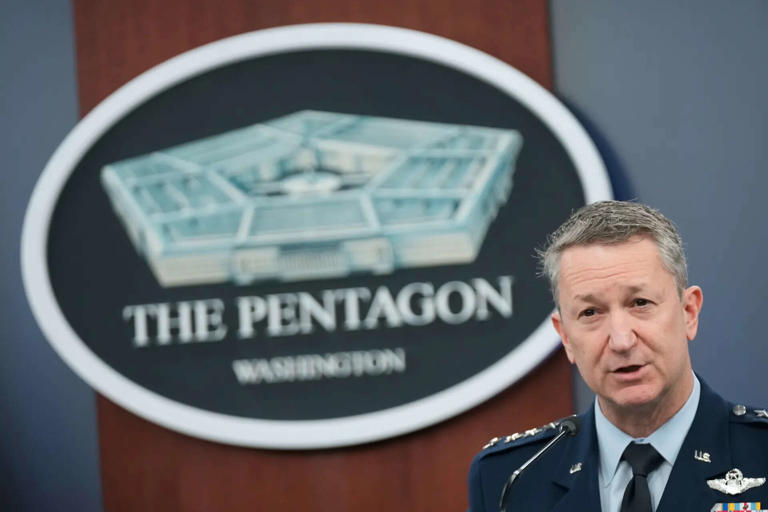
"Economic defense" as a new form of power
The new unit of the Pentagon, led by George Kollitides, is tasked with funneling up to $200 billion to companies deemed critical for the national security of the United States—primarily within the framework of competition with China. However, this initiative is not merely a tool of economic strategy; it is a new field where state power and private capital merge.
The very structure of the unit, which promises "unprecedented access" to government information and investment opportunities, reveals a disturbing reality: public policy is being transformed into a privileged domain for a powerful few.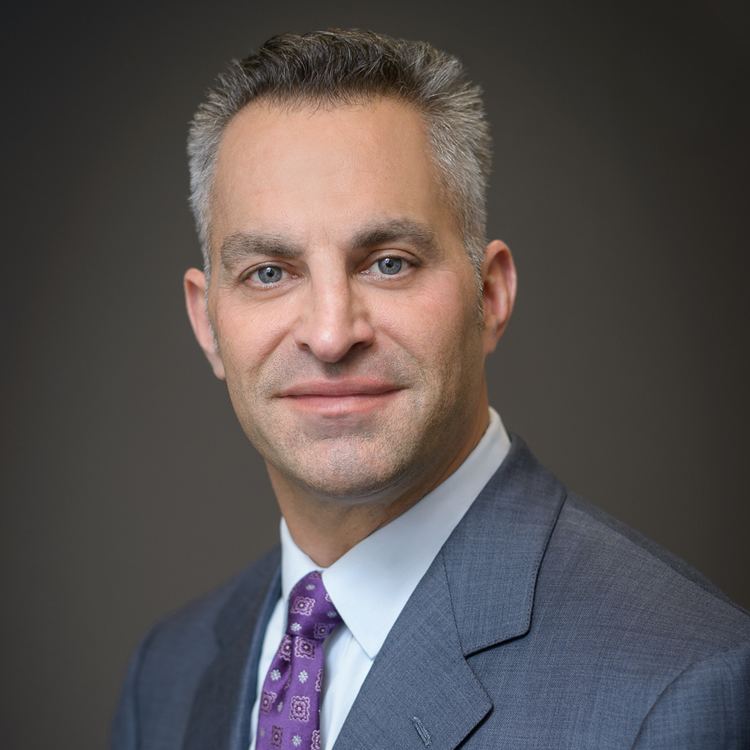
George Kollitides
The Cerberus network: Private power within the state
George Kollitides is not an isolated case. He is closely connected to Cerberus Capital Management, one of the most powerful investment groups in the US. The influence of Cerberus within the Pentagon is now palpable. The former CEO of the company, Stephen Feinberg, currently holds the position of Deputy Secretary of Defense—one of the most powerful roles in the American state.
At the same time, other Cerberus executives have assumed key roles in managing investments in military technologies. Although it is officially stated that these ties have been "severed," reality suggests otherwise. Ongoing professional relationships, contracts, and investments imply that the line between the public and private sectors remains blurred.
Conflict of interest and "institutionalized" influence
The concentration of such power in the hands of a restricted network creates justifiable concerns. As analysts point out, even if legal rules are not violated, this system favors insider information, political favoritism, and the allocation of capital based on connections rather than merit.
The "Economic Defense Unit" itself is presented almost as a closed circle of elites, where investors gain access to information and capital not available to the general public. This raises serious issues of democratic transparency and equality.
The shadow of the Khashoggi case
The case of Jamal Khashoggi remains one of the darkest chapters in modern international politics. The fact that individuals and networks indirectly linked to it continue to hold positions of influence at the Pentagon is deeply problematic.
The organization DAWN, founded by Khashoggi himself, is calling for a parliamentary investigation into the matter. The demand is clear: a network of private interests with such connections cannot manage hundreds of billions of dollars without substantial oversight.
Jamal Khashoggi
A system without adequate accountability
This case reveals something much broader than a simple conflict of interest. It shows how power in the United States is gradually shifting toward a hybrid system where private capital, political influence, and military power coexist without clear boundaries.
When figures with such backgrounds assume critical roles in national security, the question is not only ethical—it is profoundly political: who truly determines policy, and for whose benefit? The absence of transparency and meaningful control is not just an institutional problem; it is a risk to democracy and international stability.
www.bankingnews.gr












Readers’ Comments