

Arab leaders deconstruct the excessive optimism emanating from the Trump administration as it seeks to disengage from the reckless war launched against Iran
A reversal of facts is unfolding on the Middle East diplomatic front, with Persian Gulf officials leaking to the American outlet Bloomberg that a comprehensive peace agreement between the US and Iran is impossible before October 2026. At least six months will be required to bridge the differences, diplomats emphasize, tempering the excessive optimism exuded by the Trump administration in its bid to disengage from the reckless war launched against Tehran in February.
At the same time, the ceasefire in Lebanon, announced on April 16 by US President Donald Trump, remains in an uncertain fate, as in reality, both the IDF and Hezbollah declare their readiness to violate it. In fact, Mossad is intentionally leaking that "the Lebanese will violate the truce," thereby preparing the ground for the premature termination of the 10-day ceasefire mediated by the Americans between Aoun and Netanyahu. Not coincidentally, the Israeli Prime Minister is signaling that Israeli troops will remain in occupied Lebanese territories, regardless of what was agreed upon at the diplomatic table. In any case, despite public rhetoric, the concentration of US troops around Iran continues.
Bloomberg bombshell: Ceasefire will need at least six months
Approximately six months may be required to resolve the situation and achieve a peace agreement between the United States and Iran, according to estimates from leaders in the Persian Gulf and Europe, Bloomberg reports. "Some Arab Gulf leaders and European leaders believe that it will take about six months to finalize a peace agreement between the US and Iran," the publication states.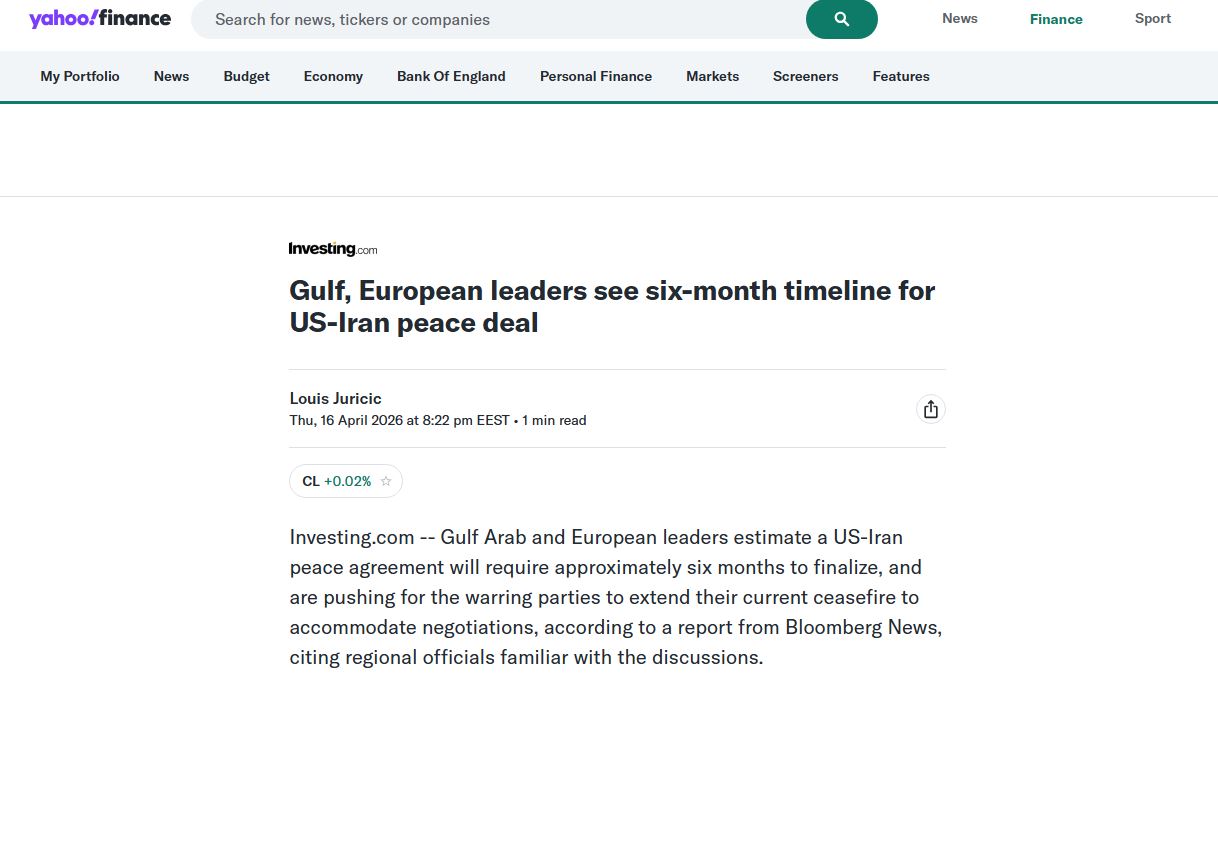
According to the agency, many leaders in the Middle East and Europe insist on the need to extend the ceasefire for as long as negotiations last. On April 11, talks were held between US and Iranian representatives in Islamabad, mediated by Pakistan. Key issues discussed included the reopening of the Strait of Hormuz, Iran's nuclear program, the lifting of sanctions against Tehran, and the cessation of hostilities. However, participants failed to reach a peace agreement following these talks.
Mossad leak blows up Lebanon ceasefire – What it states
While the "grand" deal between Iran and the US recedes from the horizon, Mossad is simultaneously moving to torpedo the 10-day truce in Lebanon, pre-empting its failure. Naturally, the Israelis do not speak of a ceasefire violation by the IDF, but hasten a priori to pin the blame for the collapse of the truce on Hezbollah. This publication is indicative of the climate of anger prevailing in Israel regarding the 10-day cessation of fire "imposed" by Donald Trump on April 16.
? CEASEFIRE NOT IN PLACE — HEZBOLLAH PUSHES BACK
— Mossad Commentary (@MOSSADil) April 16, 2026
Hezbollah says any ceasefire must not allow Israel freedom of movement inside Lebanon.
It warns that continued Israeli troop presence would give Lebanon “the right to resist.”
Translation:
The terms are already being contested… pic.twitter.com/ylIfLvYPTy
The unofficial Mossad account emphasizes: "Hezbollah insists that any ceasefire must impose strict restrictions on the freedom of movement of Israeli forces within Lebanese territory. The organization warns that if Israeli forces remain in Lebanon, the country will have the right to resist in any way it deems necessary. The situation in the Lebanese region appears extremely unstable, with negotiations at a critical point before any ceasefire is even implemented. The Shia group is articulating its concerns for the security and territorial integrity of Lebanon, making it clear that it will not accept a compromise allowing an uninterrupted military presence by Israel. The continuation of these tensions highlights the uncertainty of a real ceasefire, as international leaders and organizations continue to push for a sustainable peaceful solution."
Farce ceasefire in Lebanon: "Israeli troops will remain in enemy territory"
In reality, however, the situation is reversed, as it is the Netanyahu regime itself that refuses to withdraw its troops from occupied lands, thereby "closing" the path to a peaceful agreement in the Middle East. The forces of the Israeli army (IDF) will maintain their positions in southern Lebanon even after the start of the ceasefire, Israeli Prime Minister Benjamin Netanyahu stressed during an emergency security council meeting, according to the Israeli outlet Ynet.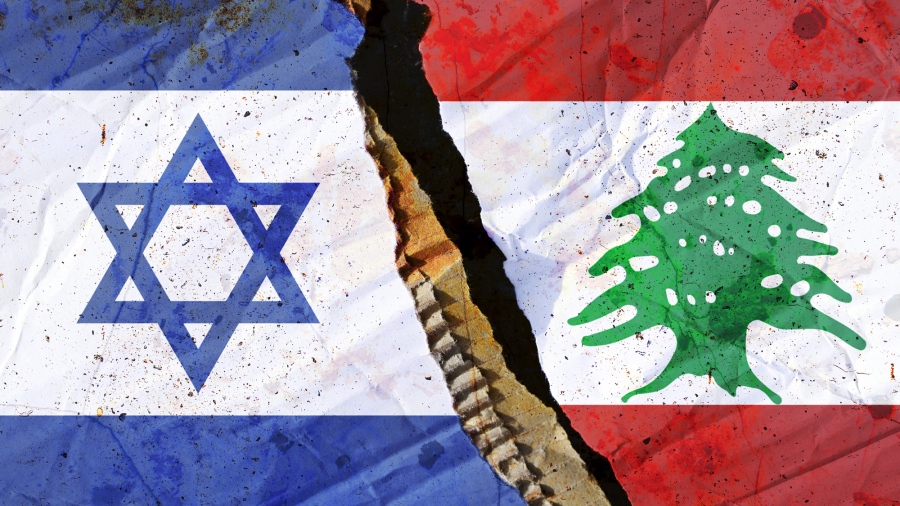
According to him, no vote was held among ministers on this specific issue. It is noted that on April 16, US President Donald Trump announced he had held talks with Lebanese President Joseph Aoun and Benjamin Netanyahu. He stated that a deal was reached for a ten-day ceasefire between Israel and Lebanon. The American president noted that the ceasefire is scheduled to begin at midnight on April 17. On April 7, a two-week ceasefire had been announced between the US and Iran. In addition to the Islamic Republic, Israel—which supported the American strikes—attacked the infrastructure of Hezbollah in southern Lebanon and launched an offensive there. Subsequently, Israel agreed to a ceasefire with Iran, which, however, did not extend to Lebanon.
Iranian media: US outlets like Reuters used for fake leaks about peace deal
At the same time, Iranian media are targeting leaks from American outlets, alleging a targeted dissemination of information. Some of the issues raised by Reuters, citing supposedly informed Iranian sources, concerned the content of the negotiations, while others related to Iran's positions and approaches, as Tasnim emphasizes. Consequently, the Tasnim reporter "contacted several competent institutions involved in the negotiations to clarify the situation."
Specifically, a Tasnim investigation showed that the anonymous informed sources cited by Reuters are not real and that the actions of this specific media outlet are actually part of the psychological operations of the American team. Although media sometimes accurately transmit news from informed sources, what was reported by Reuters in recent days was not based on real sources. Reuters reported that, amid the first round of negotiations, false news was initially published regarding the release of Iranian assets citing Iranian sources—a fact immediately denied by both Iranian and American media, to the point that Reuters itself had to announce the original news was fundamentally untrue.
Trump exudes excessive optimism for a ceasefire, declares readiness to travel to Islamabad
US President Donald Trump did not rule out the possibility of the US and Iran reaching an agreement before the expiration of the ceasefire. "I can tell you that we are doing very well. It could happen sooner. I'm not sure we need to extend the ceasefire," he told reporters on the South Lawn of the White House.
Furthermore, Donald Trump did not rule out the possibility of traveling to Islamabad, provided that the United States and Iran reach an agreement to end the conflict. "I can go if a deal is reached in Islamabad. I can go," the American leader stated, speaking to reporters before his trip to Las Vegas, Nevada.
Announcement of the fragile 10-day truce in Lebanon
The declaration of a 10-day ceasefire between Israel and Lebanon was announced earlier by the US president, triggering a wave of reactions and intense skepticism regarding its duration. The statement was made immediately after his meeting with Lebanese President Michel Aoun, at a time when the region was literally on the brink of conflagration. Trump, in his typically sudden manner, stated that a ceasefire agreement was reached between the two sides, without providing clear details on the terms or implementation mechanisms.
This fact reinforces concerns that the ceasefire may prove fragile—or even temporary. Diplomatic circles express reservations, pointing out that deep geopolitical tensions and multi-layered conflicts of interest in the region are difficult to resolve with a simple announcement. At the same time, military sources speak of a "calm before the storm," suggesting that the de-escalation may hide new risks. Markets are watching with bated breath, as every development in the Middle East has a direct impact on energy and the geoeconomic balance. A potential shipwreck of the ceasefire could trigger chain reactions with incalculable consequences. The question now remains: is this a real opportunity for peace or a brief respite before a much more dangerous conflict? The coming hours and days will be decisive.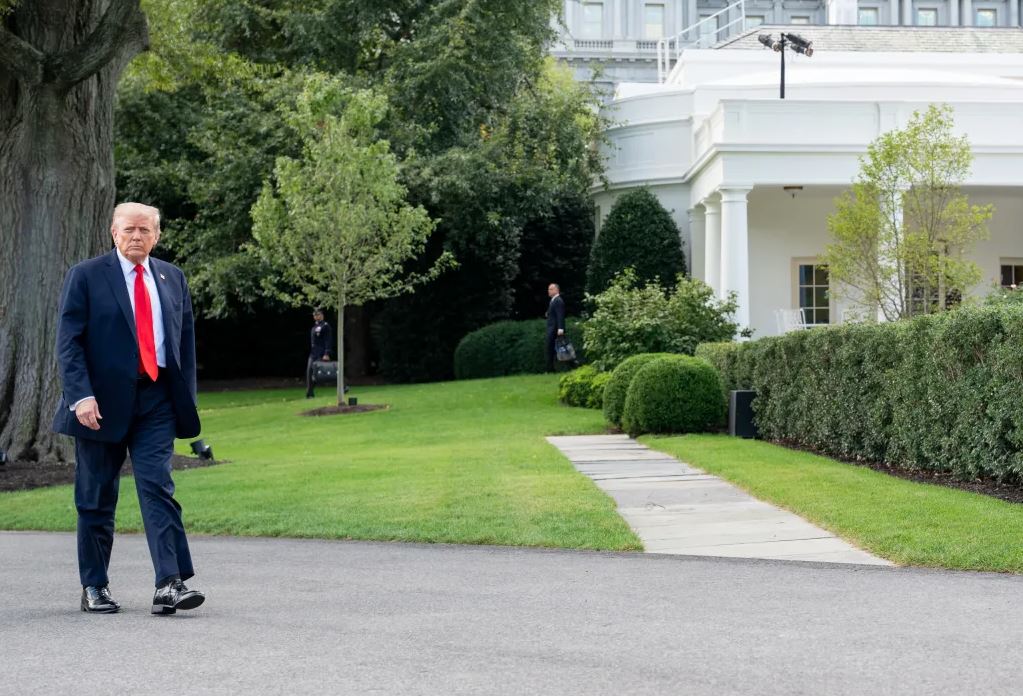
Hezbollah on alert over Lebanon ceasefire: Immediate response if Israel violates it
Ali Fayyad, a Hezbollah MP, stated that the organization will approach the recently announced ceasefire with "caution and vigilance" and any targeting of Lebanese positions by Israeli forces will constitute a violation of the truce. "The next phase is thorny and full of traps and challenges," Fayyad stated, adding that the "worst-case scenario" for Lebanon would be the resumption of civil strife.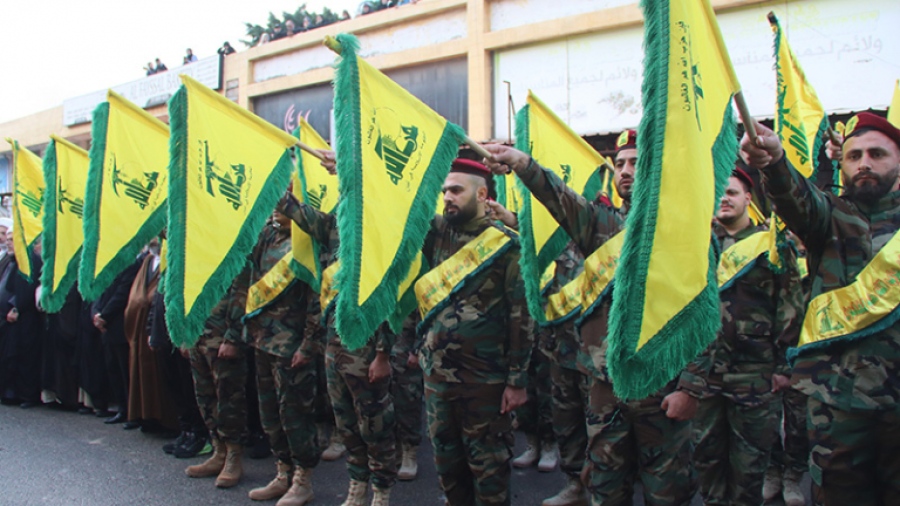
Israel demanded that the Lebanese government disarm Hezbollah, which refuses to surrender its weapons as long as Israeli forces remain on Lebanese soil and pose a threat. Fayyad called on the Lebanese government to reject direct negotiations with Israel and emphasized that the ceasefire was the result of diplomatic efforts by Pakistan and Saudi Arabia.
The current ceasefire is a "military respite" and not a cessation of war
Regarding Tehran's strategy and explaining the concept of the ceasefire in the current situation, Major General Mohsen Rezaei stated: "Now, there are certainly interests for both the ceasefire and the negotiations. This is a 'military silence' and not a definitive ceasefire." He added: "We have three types of border, regional, and global wars, whose laws are the same but rules are different. Now we must build coalitions. Our relations with Pakistan, Oman, Iraq, Qatar, Turkey, China, and Russia are good. We are members of BRICS and the Shanghai Cooperation Organization and we should use these capabilities and seek political assistance. China and Russia did a very good job exercising their veto."
The US fantasy of a ground landing in Iran
Mohsen Rezaei, warning about the movements of the US Navy, stated: "Trump wants to police the Strait of Hormuz, but he will not compromise on the 10 terms in the negotiations by imposing a naval blockade."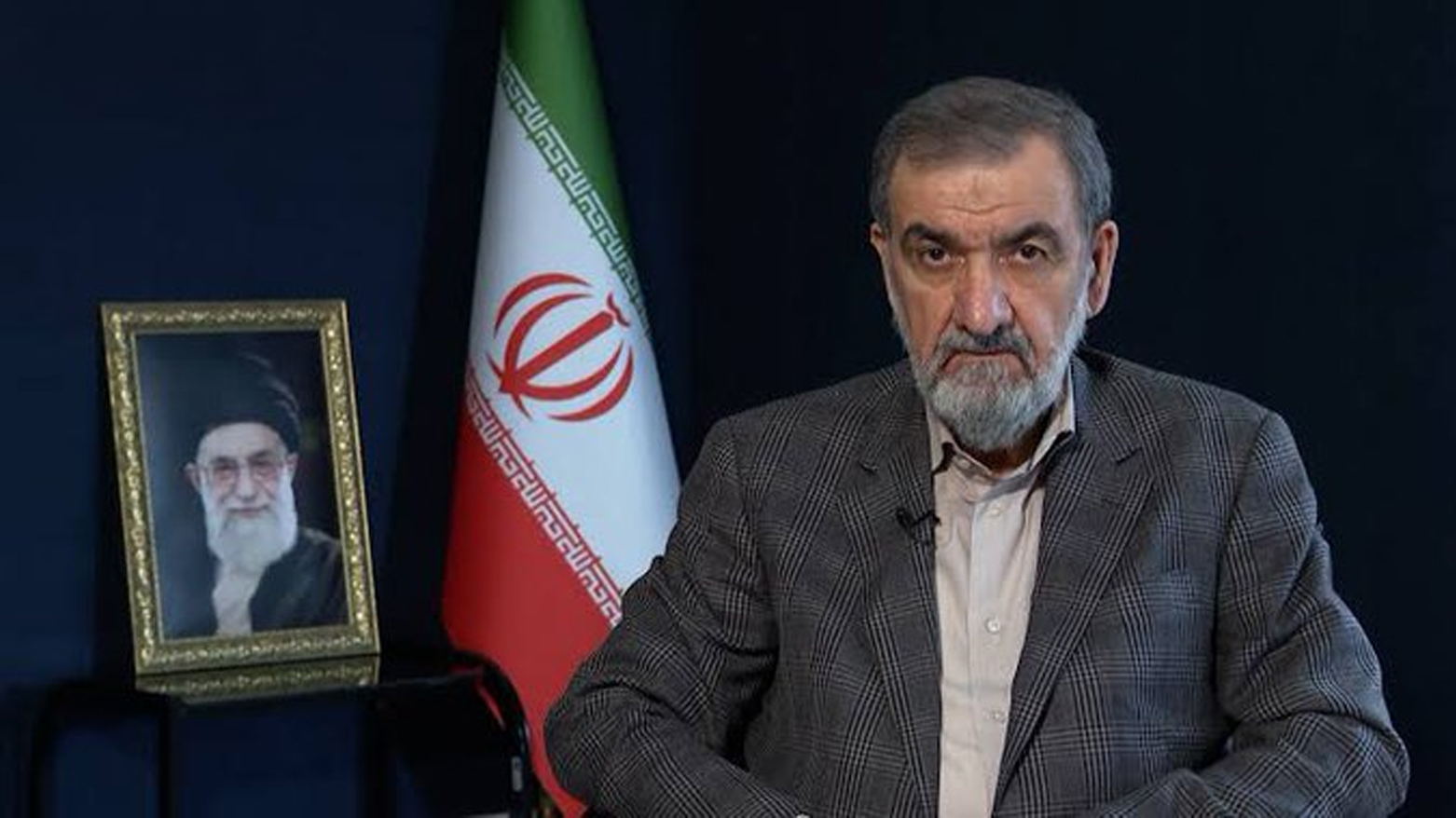
"If American forces come to the shore and land, that would be wonderful for us. Then we would take thousands of prisoners and receive a billion dollars for every prisoner."
Americans hiding in the shadow of war
The Americans are very afraid of a continuous war, so they prefer the "shadow of war" to the war itself, so they can find the opportunity to prepare and carry out an attack and then make a ceasefire. Ceasefire means a halt to military movements, so why are they bringing new military forces to the region?
The Americans will not reach Tehran – The ceasefire does not favor Iran
A ground war on the coasts, even in the middle of Iran, will not achieve any goal for them. If they start, they must be able to reach Tehran, and if they cannot and they stop, they have failed. Major General Mohsen Rezaei emphasized that "extending the ceasefire is not at all in our interest... this is my personal view. The pressure must be serious. Our launchers are now locked on the ships and we will sink everyone. Only when all our agreements and rights are fulfilled and a statement is sent to the Security Council will the ceasefire make sense."
www.bankingnews.gr







Readers’ Comments