

Despite Washington's official claims, the enforcement of the ceasefire does not appear to have been a US initiative, but rather the result of intense pressure from Iran
The announcement of a 10-day ceasefire between Israel and Lebanon by US President Donald Trump on Thursday (16/04/2026) was presented as a major diplomatic success. However, a closer analysis reveals that the reality is far more complex—and much less "triumphant" for the United States than is being portrayed.
Iran forced the US and Israel to agree to a ceasefire in Lebanon
Iran forced President Donald Trump and Israel to comply with a ceasefire in Lebanon. According to the Tasnim news agency, Iran’s explicit position—that a ceasefire in Lebanon is one of the essential conditions for any progress in negotiations with the American side and the commencement of a second round of talks—led Trump and Israel to finally announce the start of the ceasefire tonight (16/04/2026).
Israel had been attempting to continue the war with Lebanon despite the ceasefire in Iran, and the US was trying to avoid its initial commitment. But Iran ultimately forced Trump and Israel to comply. Iran has once again demonstrated that it stands by its principled positions, and the resistance of the US and Israel is beginning to falter, Tasnim reports.
Iranian pressure: The invisible catalyst
Despite official statements from Washington, the enforcement of the ceasefire does not appear to have been the result of an American initiative, but rather intense pressure from Iran. Regional and Western sources converge on the fact that Tehran set the cessation of hostilities in Lebanon as a key condition for continuing negotiations with the US.
This element is crucial: it shows that Iran, despite the pressure it faces, still possesses significant influence over regional dynamics. The ceasefire, therefore, did not arise from a unilateral American diplomatic success, but from a balance of power that Washington was forced to accept.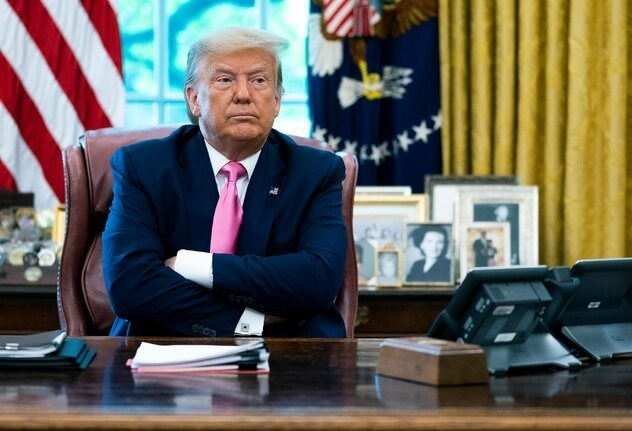
The Trump narrative collapses
Donald Trump, through statements and social media posts, attempted to present the ceasefire as a personal achievement. He cited telephone conversations with Lebanese President Joseph Aoun and Israeli Prime Minister Benjamin Netanyahu while announcing the start of a 10-day cessation of fire. At the same time, he assigned top officials—JD Vance, Marco Rubio, and General Dan Kane—to work toward a "lasting peace."
In the same context, he did not hesitate to declare that he has already "ended nine wars," presenting this ceasefire as his tenth success. However, this narrative seems to serve communication needs more than it reflects reality. The excessive emphasis on the personal role of the American President downplays other decisive factors—most notably the pressure exerted by Iran and the resistance forces.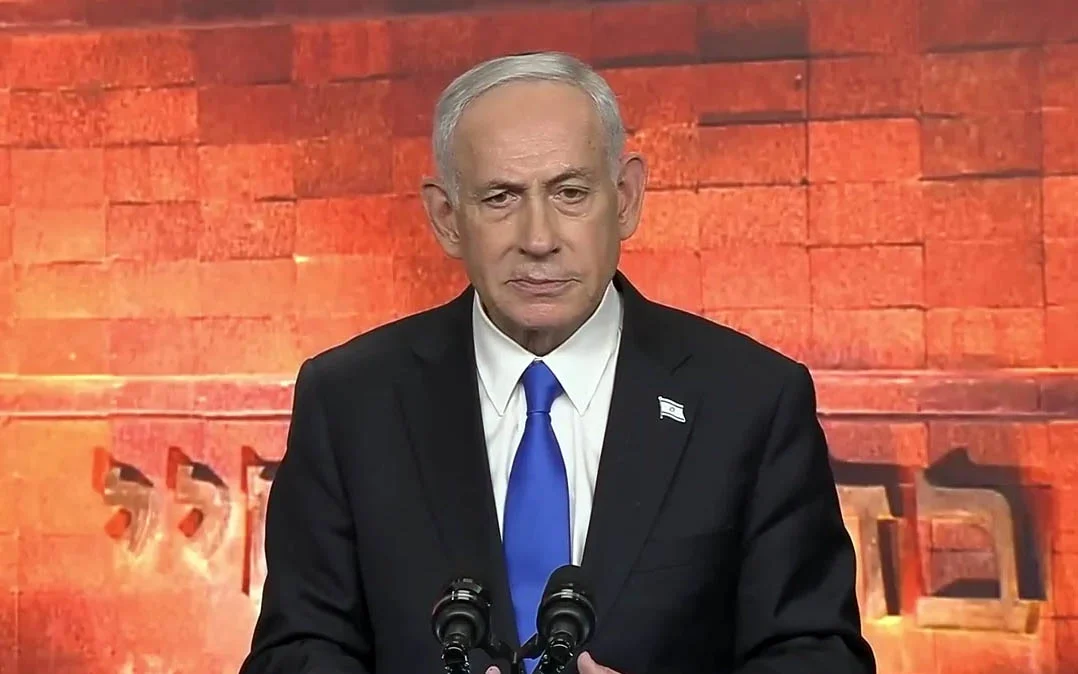
US–Israeli strategy: Concealing and reframing reality
According to the analysis, the United States and Israel are attempting to present the ceasefire as the result of an agreement with the Lebanese government. The goal of this approach is twofold:
-
To conceal the fact that the ceasefire was imposed under pressure.
-
To disconnect this development from the role of the resistance and Iran.
This tactic is part of a broader strategy of narrative control. In a war where image is almost as important as reality, the shaping of perception constitutes a critical field of conflict.
Reality on the ground: A war without rules
Events of recent months reinforce skepticism toward official statements. Israel is reported to have carried out over 400 attacks in Lebanon within a year, without adhering to previous calls for a ceasefire. This reveals a deeper contradiction: the same forces now projected as "guarantors of peace" were those that contributed to the escalation of the conflict.
The sudden change in stance cannot be interpreted without considering the pressure exerted by external factors. Furthermore, IDF forces will maintain their positions in southern Lebanon even after the start of the ceasefire, Netanyahu emphasized during an emergency meeting of the Israeli security council, according to the Israeli outlet Ynet.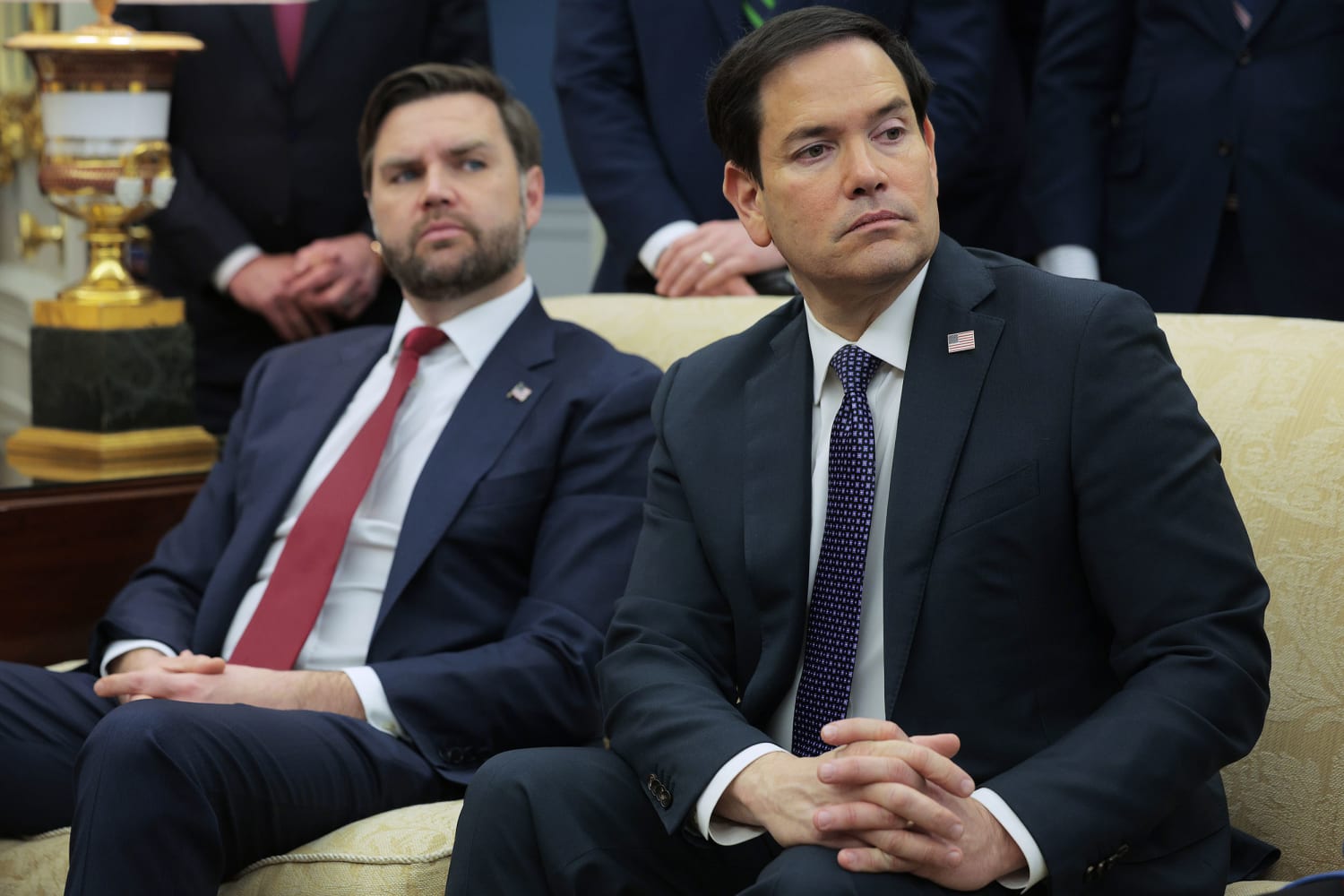
The risk of internal destabilization
Another critical element is the potential weaponization of the ceasefire for internal purposes in Lebanon. Presenting it as a diplomatic success of the government can be used to create political tensions and undermine the country's unity. Creating internal divisions is a long-standing tool of geopolitical influence. In a state with an already fragile political balance, such moves can have long-term consequences.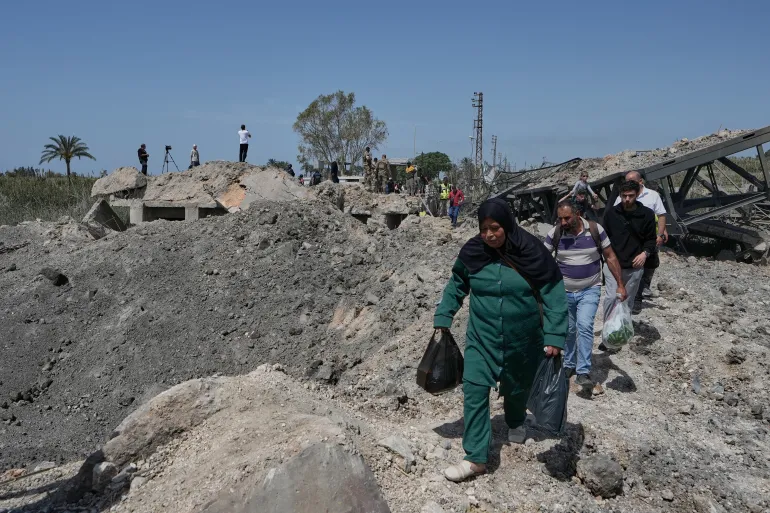
A conditional ceasefire with questionable motives
The ceasefire between Israel and Lebanon is not merely a diplomatic development. It is the result of a complex web of pressures, strategic calculations, and communication maneuvers. The effort by the United States to present this development as its own success ignores critical factors and creates a misleading image.
At the same time, Israel's stance raises questions about its consistency and reliability as a partner in dialogue. Ultimately, the fundamental question remains: is this a first step toward peace or a temporary pause in a cycle of conflict that continues under different terms? The answer will depend not on statements, but on the actions that follow.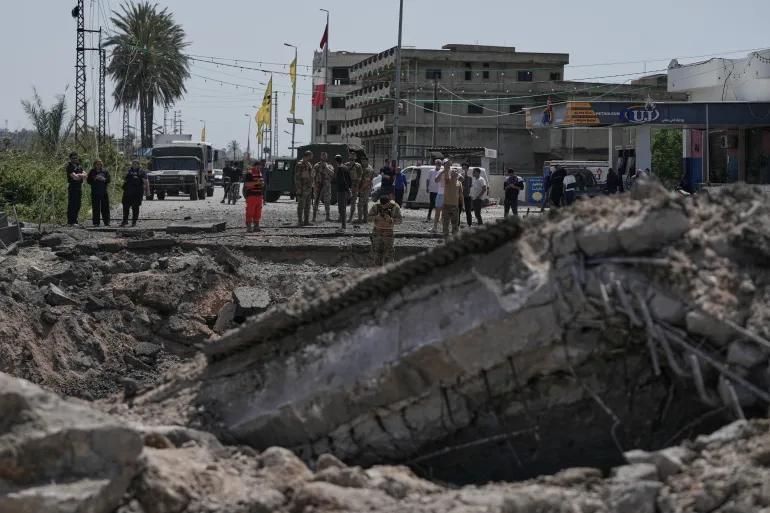
Iran’s justifiable suspicion of the US
At the same time, Iran remains deeply and justifiably suspicious of US goodwill for the next round of negotiations, despite intense diplomatic efforts by Pakistan to act as a mediator and promote a "grand bargain" regarding Tehran's nuclear program.
The Iranian leadership is not convinced by reports from American media regarding imminent talks over the weekend (Saturday or Sunday in the West, 18–19/04), according to Tasnim. On the contrary, it expresses clear reservations, considering that the US has a history of violating commitments since the beginning of negotiations—a pattern that continues to this day. This makes, in Tehran's view, any new round of talks extremely unlikely to yield a substantive result.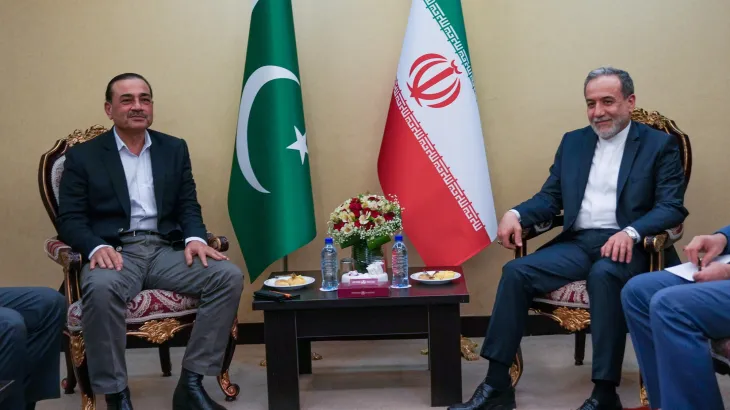
Two conditions for talks
The Iranian side, through the Pakistani communication channel, sets two clear and non-negotiable conditions: first, the United States must fully fulfill its previous commitments; second, it must stop the continuous and unilateral demands that undermine the balance of the talks.
As high-ranking Iranian sources emphasize, "without the necessary preparation and agreement on a clear framework, any second meeting will have no benefit." This stance is not just a tactic. It is the logical consequence of years of experience with American sanctions, unilateral withdrawals from agreements (such as the JCPOA), and repeated breaches of trust that have shaped a climate of deep distrust in Tehran.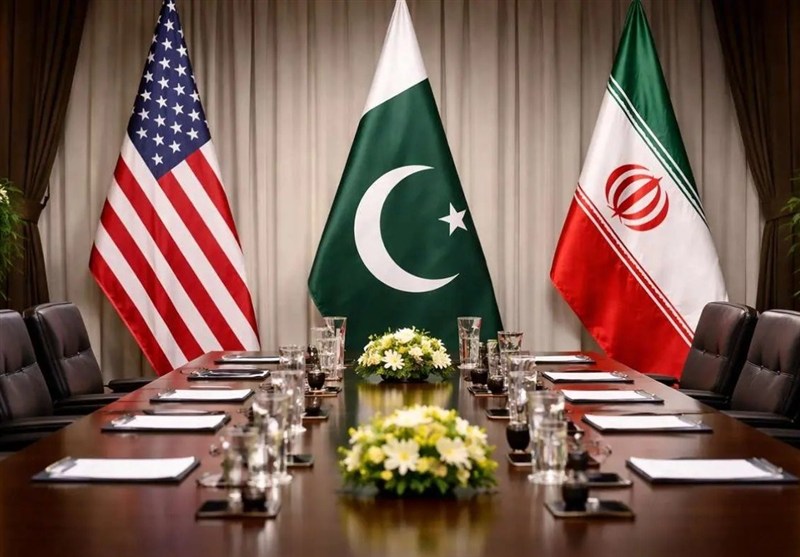
Pakistani optimism
On the other hand, Pakistan appears particularly optimistic. Pakistani officials speak of "major progress" in Iran–US talks regarding Tehran's nuclear program, while intensifying their diplomatic efforts to end "a war that has cost thousands of lives." This optimism peaked on Wednesday (15/04), when a high-ranking Pakistani delegation, led by the Chief of the Pakistani Army, General Asim Munir, arrived in Tehran.
The purpose of the visit, according to the Iranian state network Press TV, was to deliver a direct message from the American side to the Iranian leadership. Pakistani mediation is not accidental. Islamabad traditionally maintains strong ties with both Tehran and Washington, while possessing deep knowledge of the regional balances in the Middle East and Central Asia.
Munir, as one of Pakistan's most powerful figures, carries the weight of a mission that goes beyond simple messaging: he seeks to create the conditions for a meaningful restart of dialogue before the situation escalates further. After all, it was the Pakistani side that revealed that Washington, beyond the war rhetoric and the "paper blockade" it imposed on the Strait of Hormuz, is actually exhausted and trying to disengage from the war adventure with the most dignified agreement possible.
www.bankingnews.gr













Readers’ Comments