

Strait of Hormuz will remain under our national sovereignty, Iran declares: Military on war footing following claimed defeat of Americans in Isfahan
It is indisputable that since the beginning of the war waged by the US and Israel against Iran, US President Donald Trump has engaged in a series of statements that are largely contradictory, conflicting, and filled with confusion. Initially, it was estimated that through strategic ambiguity in his rhetoric, he was following a tactic aimed at confusing his opponent regarding his intended goals. Now, most analysts—including Americans—argue that this ambiguity is nothing more than a sign of desperation and a strategic dead end.
Indeed, after more than 40 days of war, the US, despite the systematic destruction of Iranian infrastructure and the elimination of the Iranian leadership, has failed to achieve the objectives of its military operation. Trump claimed that within four days he would have crushed Iran and achieved "change," but after more than six weeks of war and negotiations, he counts only defeats—and crushing ones at that.
Two wars and a "four-day victory"
Trump, despite the US defeat in the war with Iran, is attempting through a distortion of reality to present an image of victory to the media and social networks to preserve three things that have, in reality, been destroyed. Trump, with the promise of toppling the Iranian regime and destroying its nuclear capabilities, imposed two wars: first on the people of Iran and then on the American people, who are being called upon to pay the cost of his warmongering policy choices.
Trusting the promises of intelligence services and influenced by the miscalculations of Israeli Prime Minister Benjamin Netanyahu, and relying on his delusions regarding the unrivaled power of the American military and the supposed weakness of the Iranian armed forces and social base, he promised to achieve his goals in four days. However, the war very quickly showed Trump its harsh reality, leaving him in the middle of the field "alone and defeated."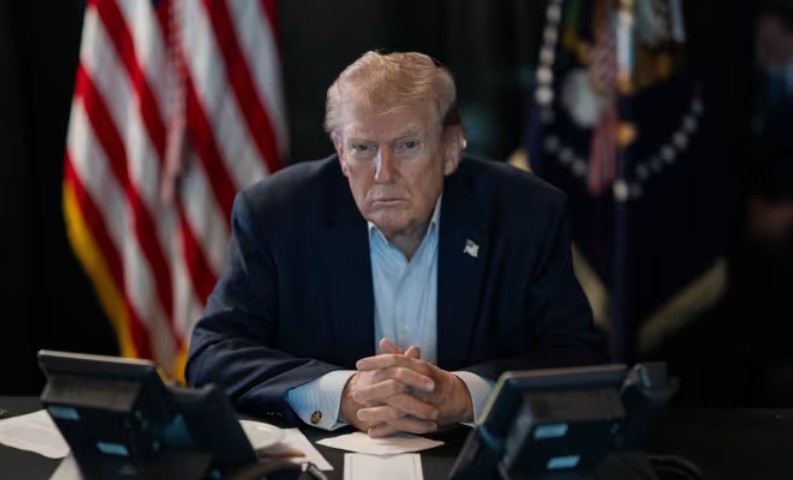
Severe consequences
The result was painful, even for the US President himself. Specifically, some of the consequences of the 40-day war are summarized as follows:
-
Currently, Trump’s popularity among the American people, ahead of the Congressional elections, has fallen below 40%.
-
The Strait of Hormuz, which was open before the war, has been closed to the US and its allies in the conflict.
-
The price of gasoline in the US and Europe has increased by over 50%.
-
US capital and bond markets have suffered intense fluctuations.
-
Traditional US allies in Europe and NATO have turned their backs on him.
-
Major US military bases and equipment in Western Asia have been nearly destroyed.
-
American politicians and citizens, as well as Arabs who had "purchased security" from the US, have been confronted with the harsh reality of the "Israel First" policy in US regional and global politics and have been disappointed.
Three big lies collapsing
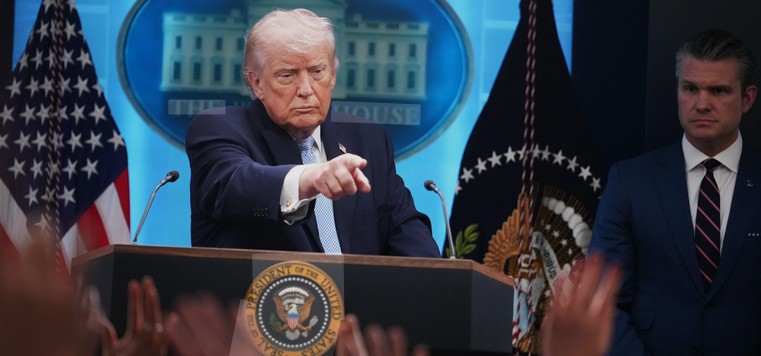
Under these conditions, Trump, who had promised himself and international public opinion a victory in this attack, was forced—in order to maintain three things—to turn "real defeats into virtual victories" through distortion and lies. These three issues are: "maintaining his false pride," "maintaining the hollow greatness of America," and "maintaining the image of a victorious America in this war in the eyes of the US public and the world."
However, in reality, these are the three key points that Iran completely destroyed in the third war imposed on it by the US and Israel. Nevertheless, Trump, to mislead public opinion and divert attention from this reality, presents a distorted version of the events of the war and the negotiations in his speeches and messages. Thus, everyone has now understood that the reality of the war is the opposite of what Trump says and writes. In reality, he publishes the ideals he expected to be realized from this war instead of the news of his defeats, in order to turn defeat on the battlefield into a victory in public opinion.
Trump's distortions to date
Trump has so far presented the following distortions in speeches, interviews, and social media posts regarding the war:
1. "We changed the Iranian regime" This means that Trump failed to achieve this goal. As mentioned previously, Trump, influenced by the promises of the Israeli Prime Minister, attacked Iran militarily with the aim of regime change, which was his greatest goal under the false slogan of "liberating the Iranian people." When he faced the resistance of the Iranian people and their refusal to cooperate in toppling the system, he presented the assassination of the Iranian leader and certain military and political officials as "regime change," saying that the new faces are different from the previous ones and that the Iranian regime has changed. What happened for Trump here was more than a defeat, because the Islamic Republic not only did not collapse but stabilized even further with impressive popular support.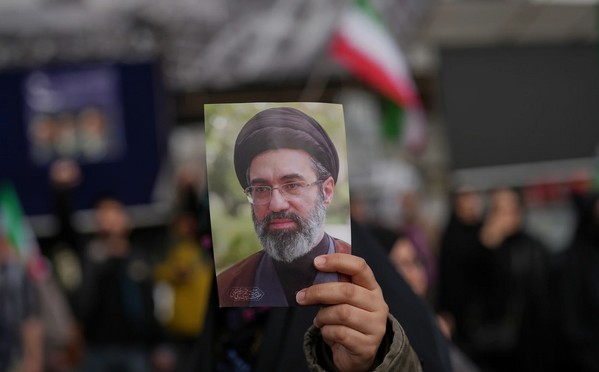
2. "The elimination of Ayatollah Khamenei is our greatest achievement in the war" While the assassination of the Supreme Leader is a heavy loss for the people of Iran and the Islamic world, it is certainly not a great achievement for the US. This is because their goal, by eliminating the leader of the revolution, was to topple the system of Iran and the resistance front. However, with the election and installation of a new leader, not only did this goal fail, but a person—according to their own statements—whom they did not desire took the position.
3. "The Iranian Navy has been destroyed" Trump made this claim while the Revolutionary Guard Navy has closed the Strait to ships of hostile countries, has forced massive US warships to withdraw, and has refuted Trump’s statements regarding the escort and insurance of ships passing through the Strait of Hormuz. In this situation, the US military proceeded with the assassination of General Alireza Tangsiri, commander of the Revolutionary Guard Navy, raising the question: if the Iranian navy has already been sunk, as Trump claims, why was its commander assassinated?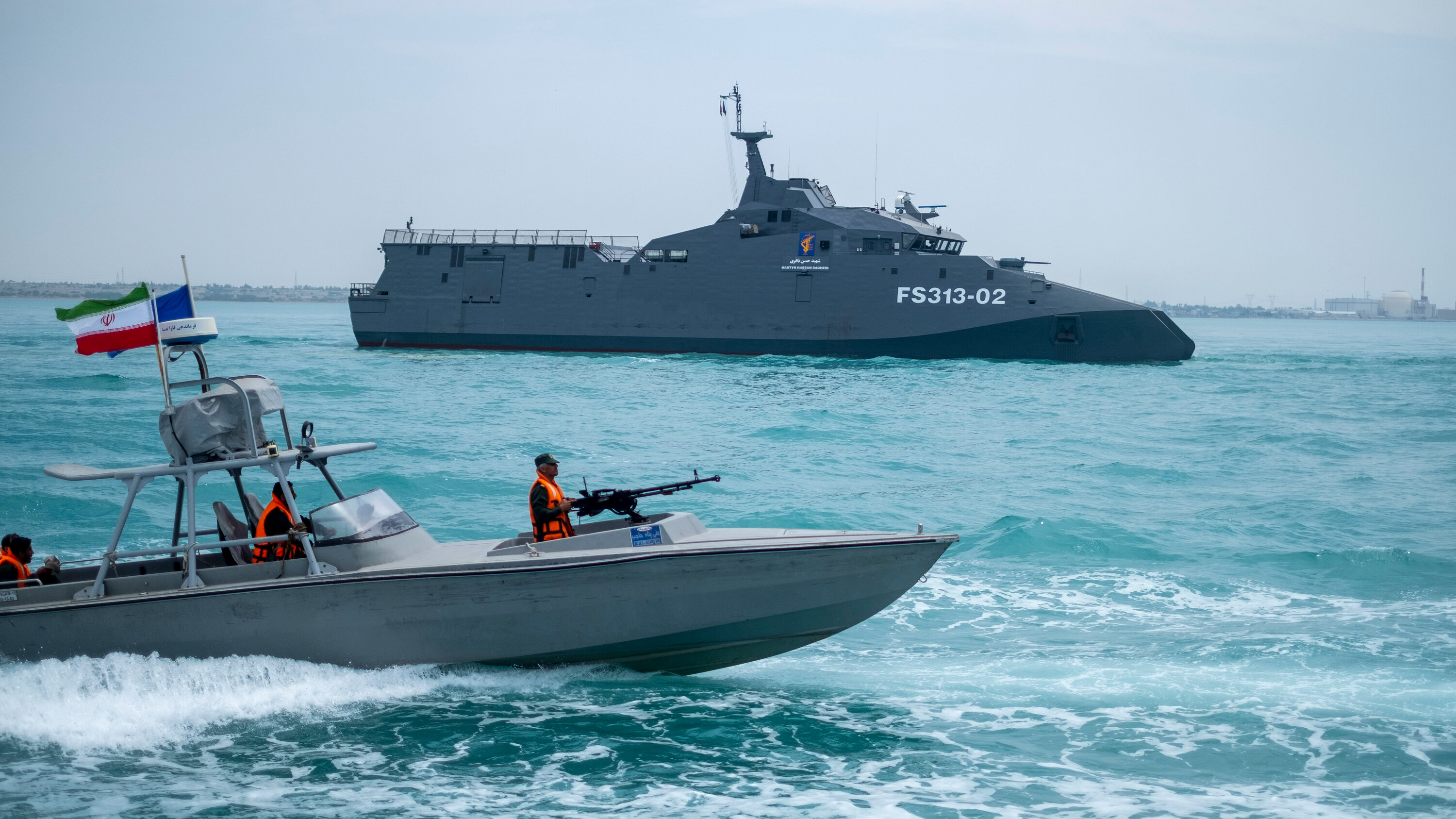
4. "We don't need the Strait of Hormuz" When Trump failed to open it and NATO states did not support him, he declared that the US does not need it. However, since the strait closed for the US and its allies, oil has not dropped below $100 and the price of gas in the US exceeded $8 per gallon.
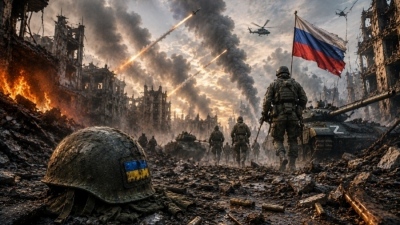
5. "We destroyed Iran's military and defensive power" Although Trump repeated this statement many times during the 40 days of war, every time he did, US bases and occupied territories were hit by heavy missile and drone attacks from Iran. At the same time, Iran’s air defense network shot down many US fighter jets including F-35, F-15, F-16, F-18, and A-10 types, as well as approximately 200 advanced drones. Thus, Iran responded to Trump’s statements on the battlefield, proving the falsity of his claims.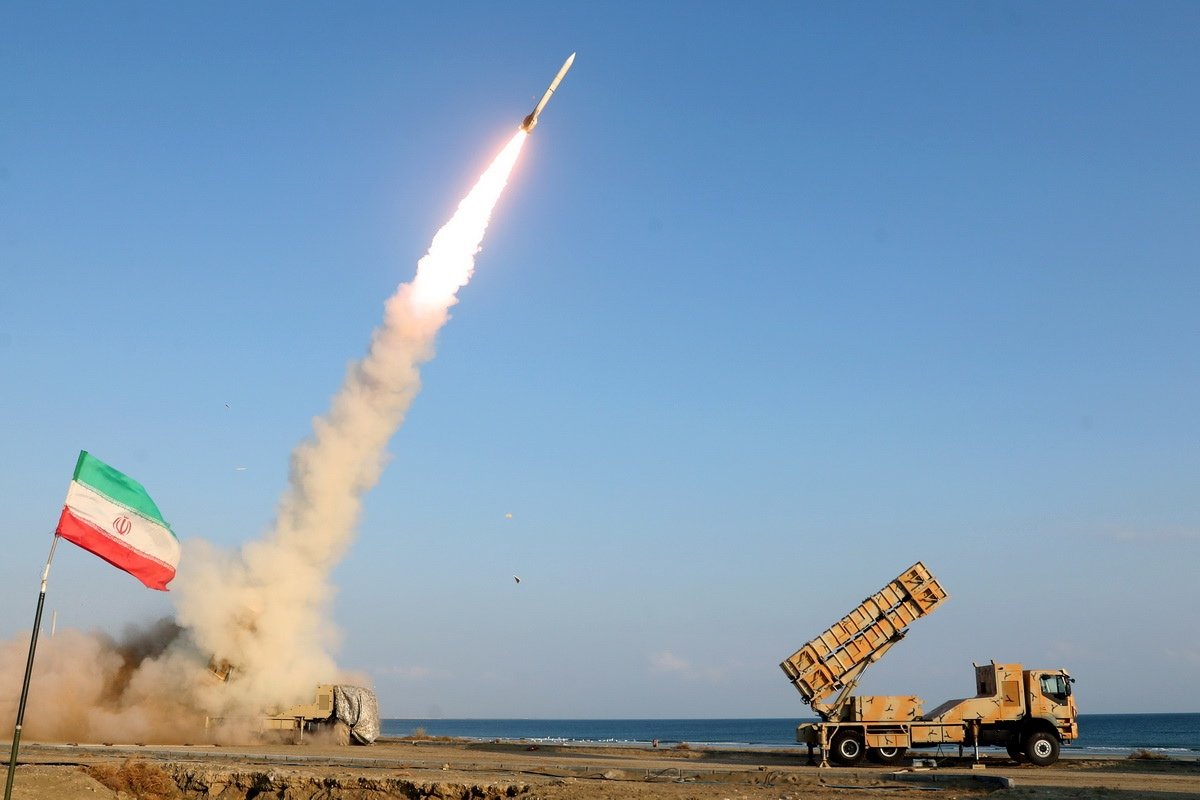
6. Commencement of ceasefire and Trump's new lies Now Trump, realizing his weakness and that of his supposedly powerful military to break Iranian resistance, is pursuing one main goal and three secondary goals for a less costly exit from the war. The main goal is: "a seemingly victorious exit from the war." To create this image in international public opinion, he seeks three goals through ceasefire negotiations: the opening of the Strait of Hormuz, the removal of 60% enriched uranium from Iran, and the abolition of the Iranian nuclear industry.
Thus, the three most significant lies he has uttered are: "the right people from Iran contacted us for negotiations," "the Iranians really want to make a deal," and "the siege of Iran has begun." In reality, the US is the one that requested negotiations and has been left alone even in the attempt to impose a maritime blockade on Iran. The fact that the European allies of the US left the US alone at all stages of the confrontation with Iran is considered one of the greatest strategic defeats of the United States in this war. Now it remains to be seen if Trump will declare victory in the negotiations as well. If this happens, it should be read as follows: "Trump, in addition to the war, was also defeated in the negotiations with Iran."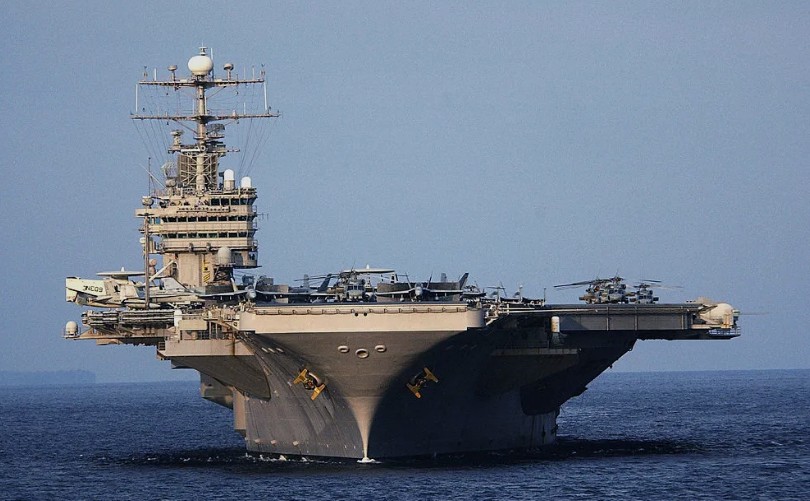
The Times: Naval blockade a failure
In a report, The Times speaks of the US failure to militarily blockade Iran. Regional and international circles emphasize that the blockade announced by the United States in the Strait of Hormuz, despite the large military display that accompanied it, did not fully achieve its goals. The Times, citing a statement from U.S. Central Command (CENTCOM), wrote that "more than 10,000 sailors, marines, and pilots, along with more than 12 warships and dozens of aircraft, are carrying out a mission to block ships entering and exiting Iranian ports."
As they point out, the first ship, the "Elpis," a Comoros-flagged tanker, had loaded methanol at the Iranian port of Bushehr in late March and had remained at sea in the Persian Gulf for the past two weeks. The report states that it was initially unclear whether ships that had left Iranian ports before the start of the blockade would be considered violators. However, ship tracking websites showed that the "Elpis" had essentially stopped in the Arabian Sea, just outside the Strait of Hormuz. The British outlet stressed that navigation and ship tracking data showed the continuation of activities by tankers linked to Iran, with some of them stopping temporarily without being seized or arrested.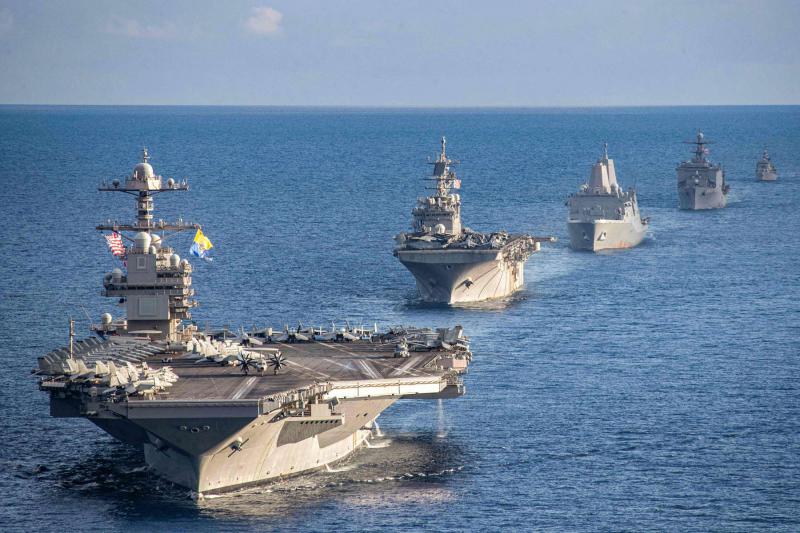
The "Elpis" and another ship, the "Rich Starry"—which flies a Malawi flag but belongs to a Chinese company—are under US sanctions due to their alleged role in transporting Iranian oil to China. As noted, the ambiguity surrounding the terms of the blockade increased the complexity of the situation, as the announcement by President Donald Trump concerned all ships in the Strait of Hormuz, while CENTCOM defined a more limited scope, concerning only ships destined for or departing from Iranian ports. The British outlet reported that this contradiction created questions regarding rules of engagement and limits of intervention, particularly in sensitive cases such as Chinese-owned ships, whose interception could lead to international escalation. On the other hand, China condemned the American action, calling it "dangerous and irresponsible."
Nabavian (Iran): The Strait of Hormuz under Iran's national sovereignty
The Strait of Hormuz, as a strategic passage, will remain under the national sovereignty of Iran, argued Hojjatoleslam Seyed Mahmoud Nabavian, deputy chairman of the National Security and Foreign Policy Committee of the Iranian Parliament. As he said, any hostile action against the country will be accompanied by a reciprocal and deterrent response. Nabavian underlined that the Strait of Hormuz has a geopolitical and strategic position in the global energy and trade system and that the Islamic Republic of Iran always behaves responsibly and with a view to regional stability regarding this vital passage.
However, he said it is self-evident that against any threat to national security, economic interests, or the territorial integrity of the country, Iran will use all legal, political, and deterrent means at its disposal. Nabavian continued by saying that decisions related to this strategic maritime route are made within the framework of national interests and based on the security and economic requirements of the country, and that the Islamic Republic, in the event of restrictive measures or unilateral pressure, will utilize its appropriate and legal tools.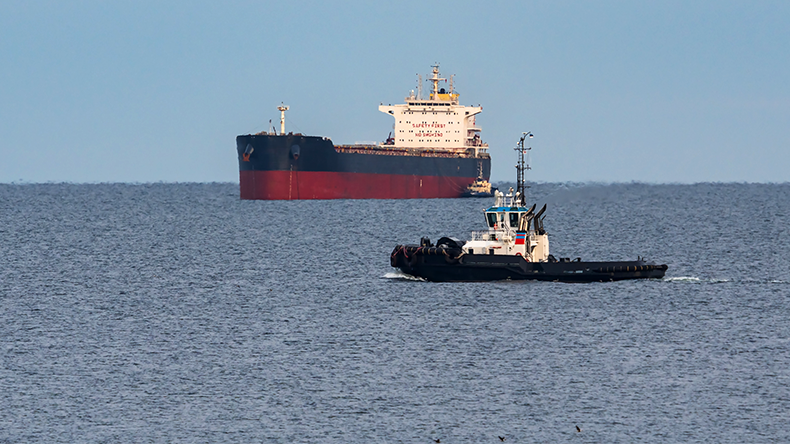
Message from the Iranian military: We are on war footing – How we achieved the heavy defeat of the Americans in Isfahan
The Iranian military remains in a state of war footing and alertness despite the ceasefire with the US, reports Amir Akraminia, a spokesperson for the Iranian military, who provided clarifications regarding a "US operation in Isfahan that led to a heavy defeat for the enemy." Akraminia stated that special honor must be paid to the martyrs who fell during the operation to counter the American infiltration in southern Isfahan.
As he said, four people were killed, including Brigadier General Masoud Zare, an instructor and commander at the army’s Air Defense School. He emphasized that there was an order from the Chief of the General Staff of the Iranian Armed Forces, General Hatami, that in the event of a land violation of the borders, there must be a severe reaction and "no invader should survive." The spokesperson reported that on April 5, 2026, an infiltration occurred from the American side and Zare along with a group of soldiers rushed to the scene. As he claimed, using a man-portable air-defense system, they shot down an American C-130 aircraft, resulting in the mission failing and the Americans being forced to withdraw. Akraminia added that the armed forces are in full readiness and that even the ceasefire does not essentially change the level of alert, which remains equivalent to a state of war.
www.bankingnews.gr






Readers’ Comments