

Americans exhausted critical weapon systems like Tomahawk missiles within the first days of war – The world's strongest military is running out of arms and equipment
Within 40 days of war, Iran has managed to prove just how fragile the world's strongest military truly is. While President Trump speaks of the incredible military power of the United States, the Iranians have shown that the king is, in fact, naked. During these six-plus weeks of military operations, the Americans and their allies—Israel—dropped thousands of tons of bombs and missiles on Iran, to such an extent that they exhausted critical weapon systems.
It is already reported that Tomahawk missile stockpiles have been depleted, as their launch rate exceeded the production rate by nine times. A similar picture is described for THAAD and Patriot missiles. Indicative of the situation prevailing in the American defense industry is that the Trump administration, and the Pentagon specifically, ordered major automakers like Ford and General Motors to begin manufacturing weapons. This is an order last given during World War II. Beyond highlighting weaknesses, this directive potentially signals that something more serious is being prepared for the immediate coming years.
The Trump order
According to a report by the Wall Street Journal, the Trump administration wants automakers and other American manufacturers to play a larger role in producing weapons and military equipment, a practice last followed during World War II. Senior Pentagon officials have held talks regarding weapons production and other military supplies with top executives from several companies, including Mary Barra, CEO of General Motors, and Jim Farley, CEO of Ford Motor, according to people familiar with the discussions. The Pentagon is interested in integrating these companies to utilize their personnel and industrial capacity to increase the production of ammunition and other military equipment, as the wars in Ukraine and Iran deplete stockpiles.
The critical question
The talks were preliminary and broad in scope, the sources said. Pentagon officials noted that American manufacturers might need to support traditional defense contractors and asked if companies could quickly shift to defense production. GE Aerospace and the vehicle and machinery manufacturer Oshkosh were among the companies participating in the talks with defense officials. The Department of Defense is "committed to rapidly expanding the defense industrial base by leveraging all available commercial solutions and technologies to ensure our fighters maintain a decisive advantage," a Pentagon official stated.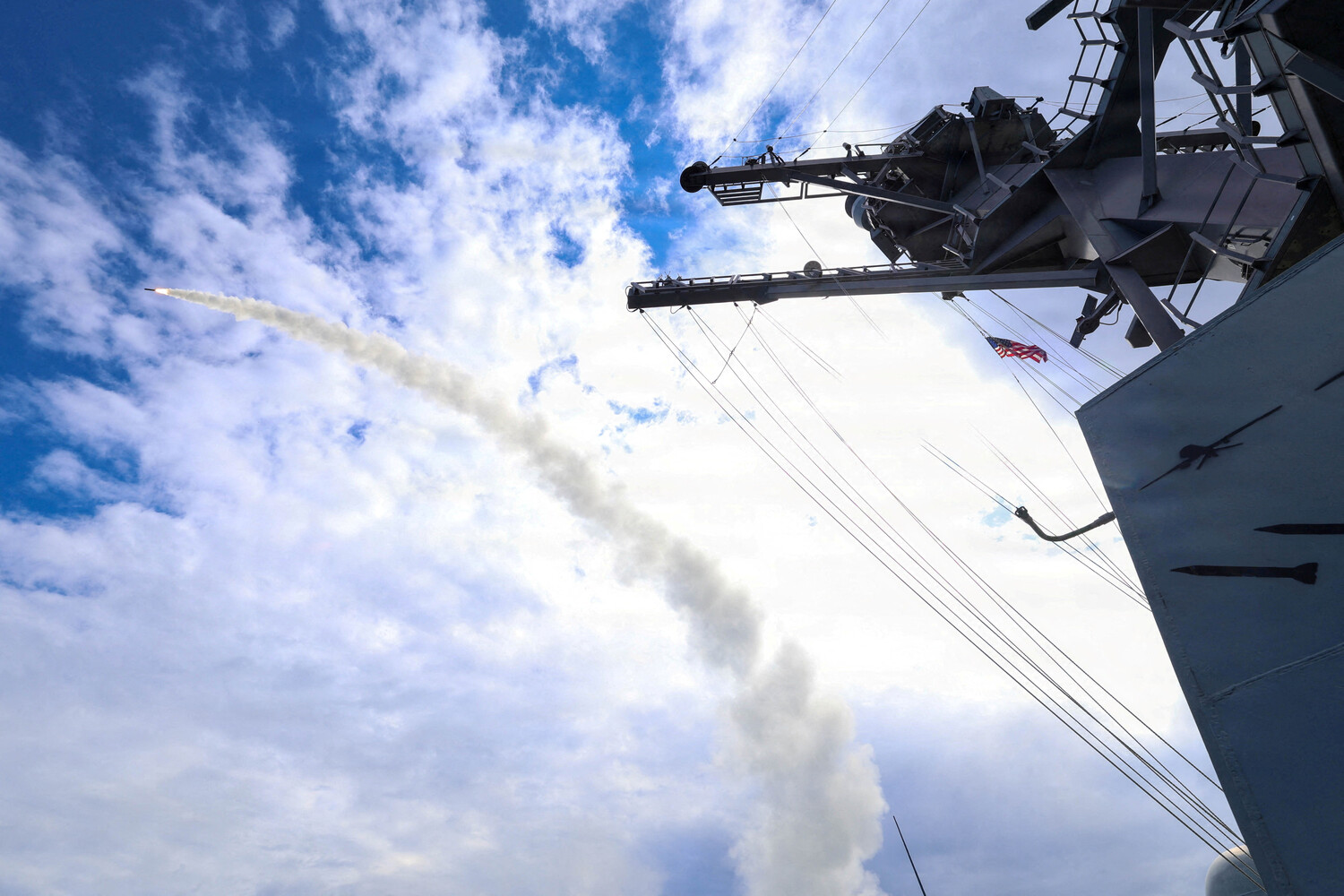
War footing
The discussions are the administration's latest move to put military production on what Secretary of Defense Pete Hegseth has called a "war footing". The discussions began before the war in Iran, sources said. The strain of the conflict on American ammunition stockpiles is a further indication that the military needs more commercial partners to quickly increase the production of munitions and tactical equipment, such as missiles and anti-drone technology. During talks with American industry executives, defense officials presented the boost in weapons production as a matter of national security. Officials asked if companies could assist as the Pentagon seeks to strengthen domestic industrial capacity.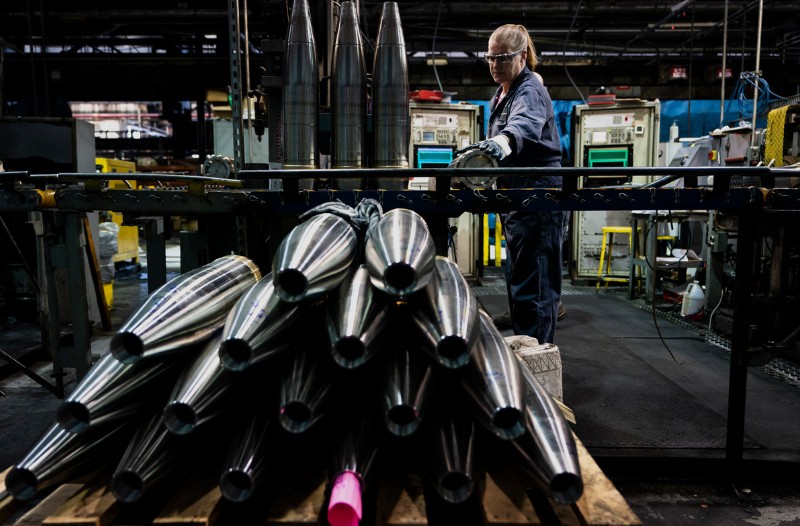
The questions
They also asked executives to identify obstacles to taking on additional defense work, from contract requirements to hurdles in the bidding process. Oshkosh, based in Wisconsin, began a dialogue with the Pentagon in November following Hegseth's appeal to companies to increase production, said Logan Jones, head of the company's transportation sector. Their discussions have focused on "where we could bring this capacity in a way that fits our core competency," he said. Although Oshkosh manufactures tactical troop transport vehicles for the Army and US allies, the majority of its $10.5 billion revenue does not come from defense. "We have proactively looked at capabilities we believe fit their needs," Jones said. "We clearly understand that this is important."
Budget of 1.5 trillion
Lawmakers and the Pentagon have become particularly concerned about American weapons production capacity after Washington and NATO allies began transferring large quantities of arms to Ukraine following the 2022 full-scale Russian invasion. The Pentagon's recent request for a 1.5 trillion dollar budget—which would be the largest in the history of the modern Department—foresees significant investments in ammunition production and drones.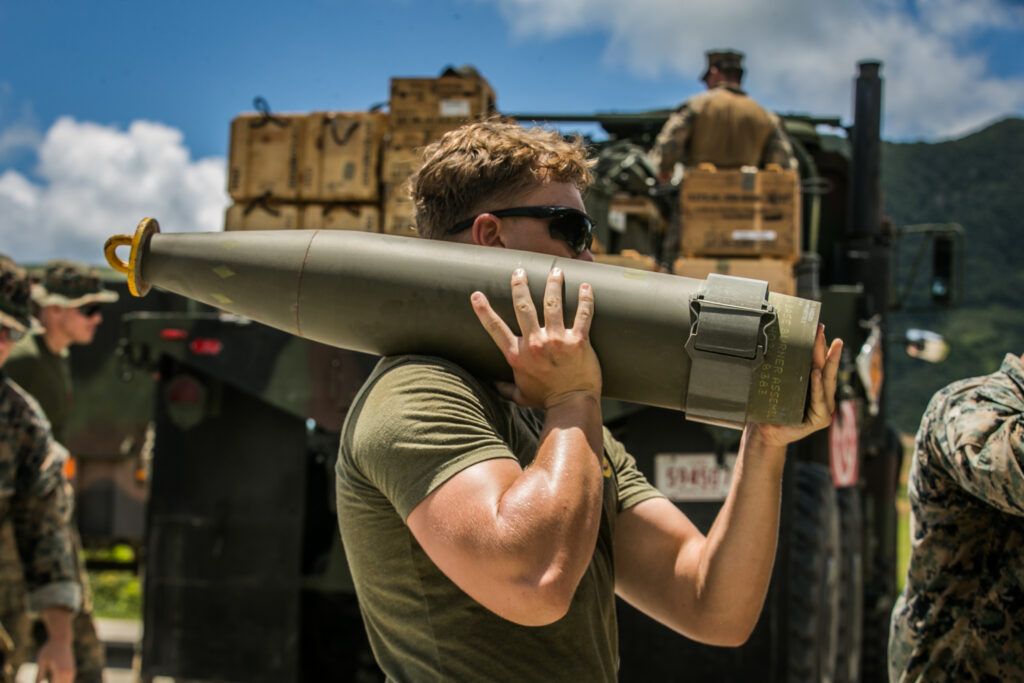
It happened in WWII too
Repurposing domestic production for military use has precedent. Detroit automakers halted car production during World War II to produce bombers, aircraft engines, and trucks, as America served as the "Arsenal of Democracy." Today, much of the military production is handled by a limited number of contractors. Although many of the largest American manufacturers outside the traditional defense sector already have contracts with the Pentagon, most are limited in scale and value, often involving specialized research or specific products. GM has a defense subsidiary that builds a light infantry vehicle based on the Chevrolet Colorado pickup. This program—and other company initiatives—are a growing source of revenue but still represent only a small fraction of the automaker's total industrial capacity. The automaker is expected to be among the primary contenders to build a larger infantry vehicle for the US Army to replace the Humvee. In addition to troop transport, the truck will serve as a mobile power and command center.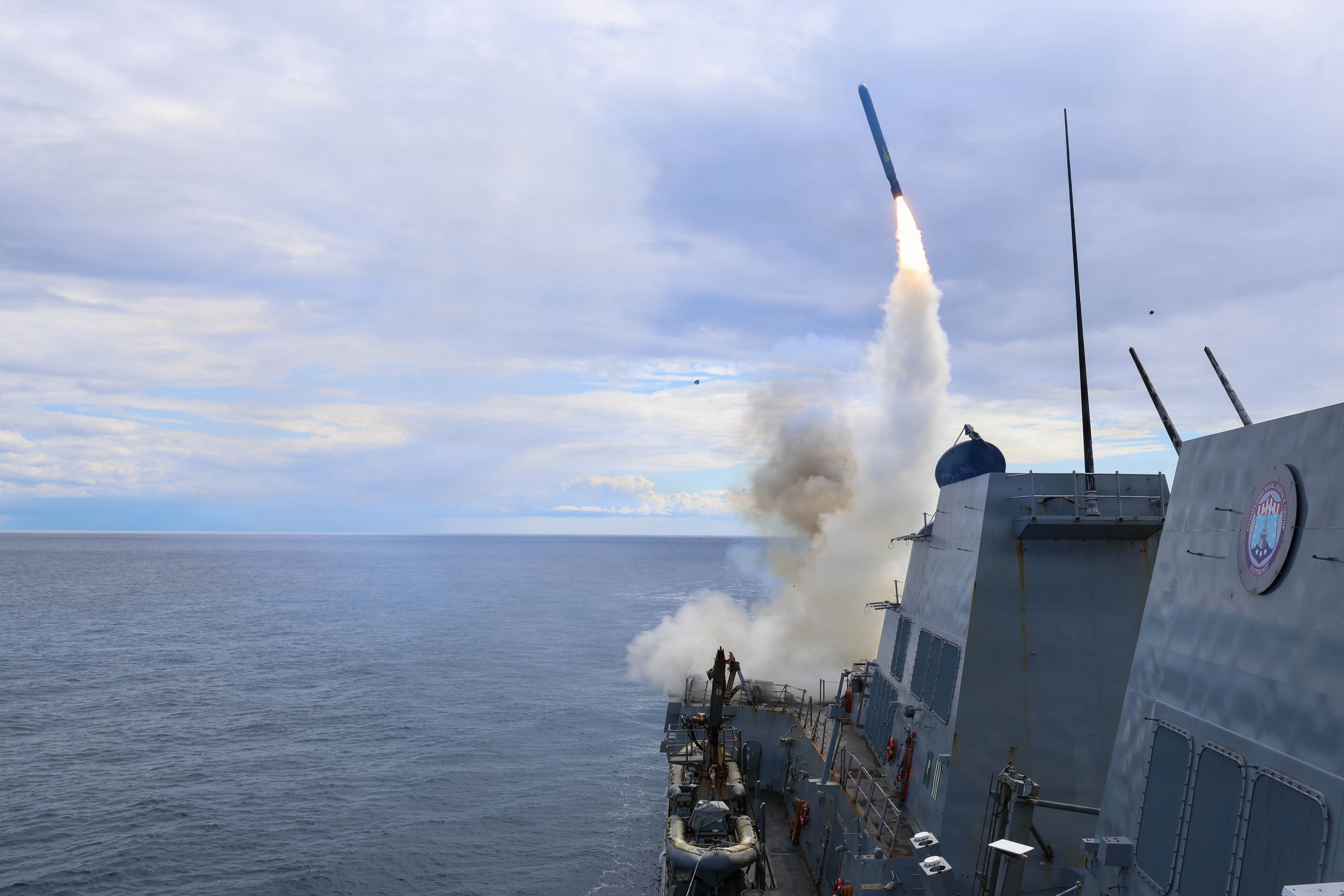
The strongest navy
The naval blockade imposed by the US on Iranian ports appears to have an internal dimension for President Donald Trump. This concerns, on one hand, pressure on the American shipbuilding industry and, on the other, pressure on Congress to approve funds in time for the so-called "Golden Fleet Plan". Although the US is considered to have the strongest navy in the world, this is due more to total tonnage rather than the number of ships. At its peak during World War II, the US Navy had approximately 6,768 ships. Today, that number is estimated at around 400 (including reserves), of which about 250 are active: 11 nuclear-powered aircraft carriers, about 70 submarines, around 90 destroyers and cruisers, as well as a few amphibious ships. In contrast, China possesses the largest number of ships globally, approximately 1,015, including its Navy and Coast Guard.
The top 5 powers
Naturally, the strength of a navy is also measured by "tonnage", which corresponds to the actual weight of the ship and its cargo. By this criterion, the top five naval powers are the US, China, Russia, Japan, and India. The US dominates with a total displacement of approximately 8,265,799 tons, compared to China's 3,192,411, Russia's 1,426,539, Japan's 798,062, and India's 631,989.
Heading for retirement
However, the number of ships remains critical, as much of the American fleet is aging and approaching retirement. For example, the USS Nimitz (CVN-68), the oldest active US nuclear aircraft carrier, has received a life extension until March 2027 to avoid a gap before the commissioning of the USS John F. Kennedy (CVN-79). Security analysts in the US agree that the Navy needs more ships to counter China's rapid naval expansion, particularly in the Indo-Pacific. The Middle East, incidentally, is part of this geostrategic zone. In this context, Trump announced the "Golden Fleet" on December 22, which envisions new "battleships" with power "100 times greater than anything ever built." The proposed ships will include 128 MK-41 vertical launch cells, 12 Conventional Prompt Strike hypersonic missiles, an electromagnetic railgun, 5-inch guns, and modern AN/SPY-6 radars, as well as future energy weapons and anti-drone systems. The name USS Defiant has been proposed. The goal is approximately 20 such ships, with costs ranging from 15–22 billion dollars for the first and 9 billion for subsequent units. Navy chief John Phelan described the plan as an "umbrella" for a total fleet restructuring, which will include unmanned ships, as well as existing carriers, Virginia-class and Columbia-class submarines. The program aims for faster production and a greater number of "hulls in the water".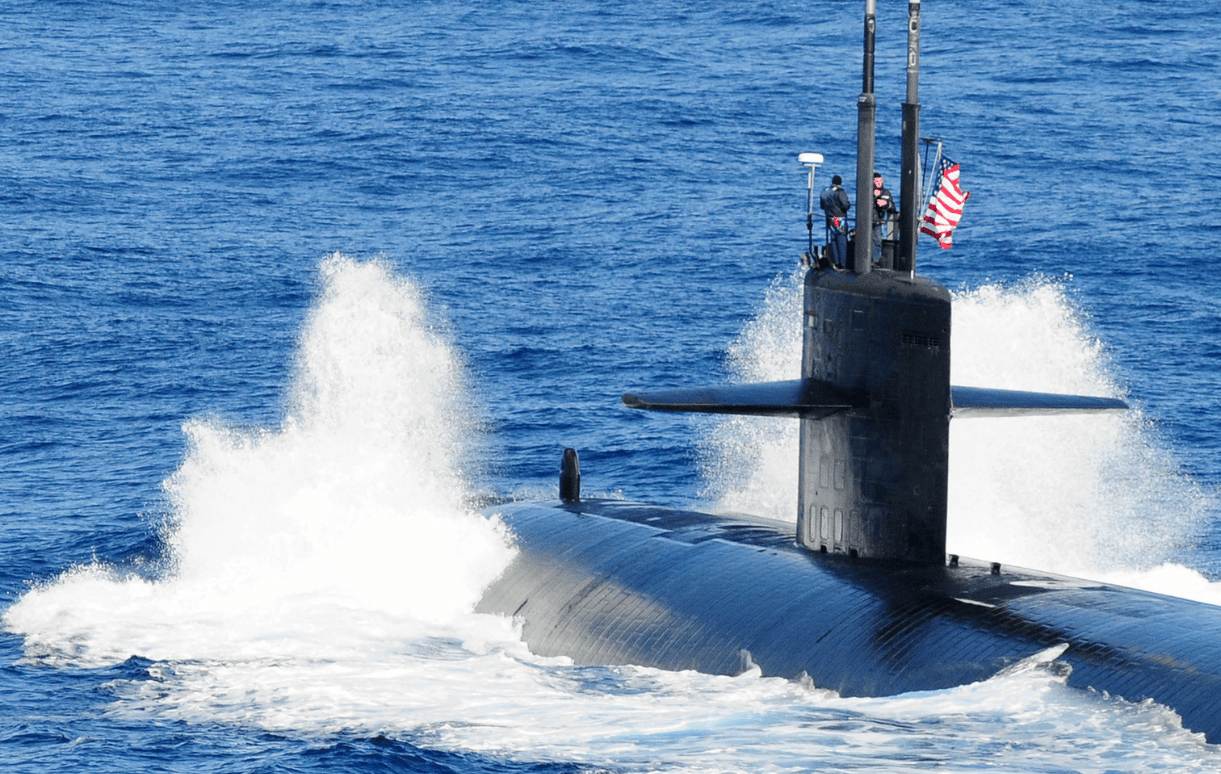
Requesting 65.8 billion for ships
The Pentagon is requesting a 2027 shipbuilding budget of 65.8 billion dollars, the highest since 1962, aiming to purchase 34 new ships and strengthen the goal of 390 ships total. The "Restoring America’s Maritime Dominance" strategy describes a holistic approach to revitalizing the US shipbuilding base. However, the reality of the American shipbuilding industry remains problematic: delays of up to 36 months in programs like the Virginia-class and Constellation-class, a lack of labor, and old infrastructure. It is estimated that approximately 250,000 additional workers are needed over the next decade to meet demands. Many shipyards have closed in recent decades, and today only a few public and private ones operate, already facing serious capacity problems. This is why partnerships with Japan and South Korea have been considered, though current policy emphasizes domestic production.
Shortages in Patriot, Tomahawk
There are many reports in US media regarding critical shortages of anti-aircraft missiles, especially Patriot and THAAD, which are essential for addressing threats in the Middle East. It is reported that the US has already spent over a quarter of its THAAD systems. There have also been reports of shortages in Tomahawk missiles and expensive precision munitions launched from aircraft. Added to this are reports that meeting Ukraine's requirements in its war against Russia has already exhausted stockpiles of 155mm artillery shells, Stinger missiles, and Javelin anti-tank missiles. As the website 19FortyFive has reported, the first 72 hours of Operation "Epic Rage" against Iran created a strategic problem for the American Navy. According to preliminary estimates, up to 400 Tomahawk missiles (TLAM) were launched from 13 cruisers and submarines. This number corresponds roughly to the quantity produced over 5 years, according to current rates. The article's author, national security journalist and former US Air Force pilot candidate Harrison Kass, called these expenditures "unsustainable." According to his data, about 90 Tomahawks are produced annually, while in 2025, 72 missiles were produced.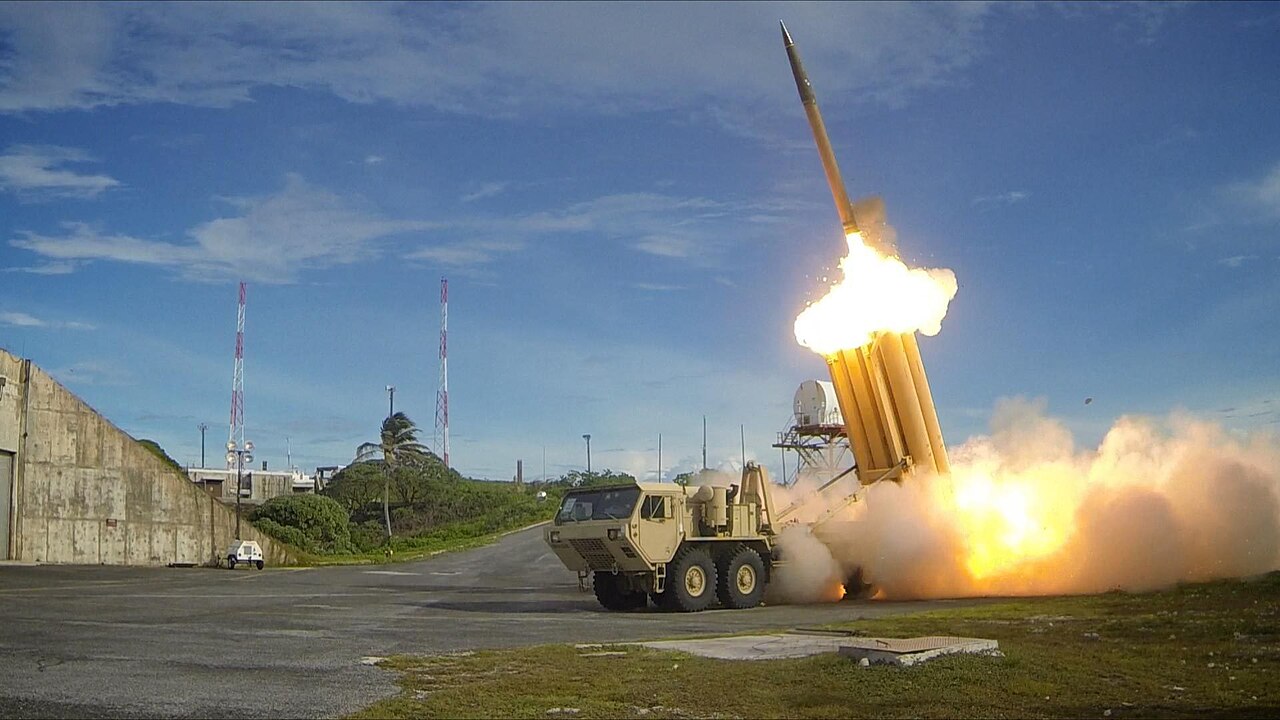
THAAD finished
One of the areas where this war has revealed clear signs of US performance weakness is the sector of air defense—specifically missile defense. Battlefields show that certain US bases along the Persian Gulf, despite the installation of advanced systems, have been vulnerable to attack. When critical infrastructure, such as satellite communication stations, early warning radars, and key elements of advanced systems like THAAD and Patriot, are hit, it is not merely a tactical event; it sends a "strategic signal" to competitors. A signal that the effectiveness of US anti-missile systems—contrary to what is presented—may have limitations. In the same context, reports from Israeli sources indicate that one-third of the THAAD missile stockpiles have been consumed and several of the advanced radars in the region have been damaged or disabled.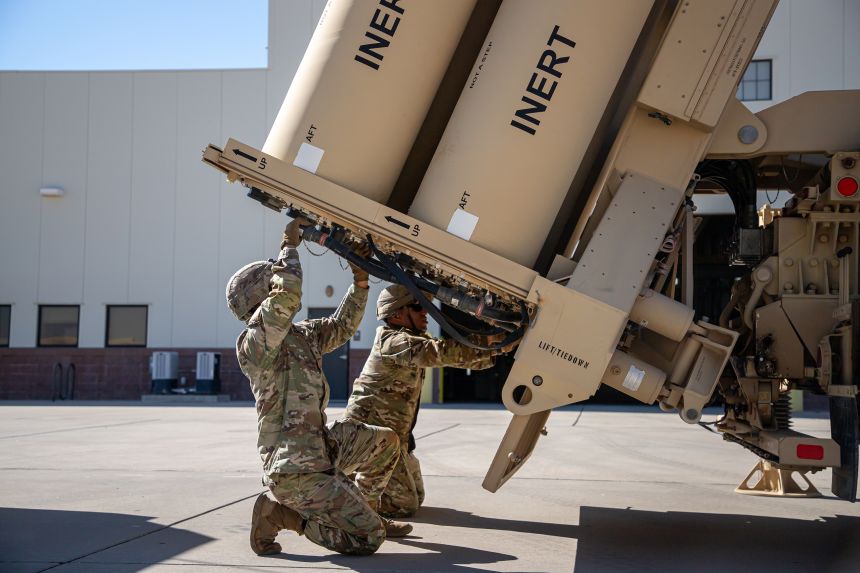
Counting 3 billion in damages
Damages from the destruction of US military equipment in the Middle East have exceeded 3 billion dollars, the Wall Street Journal claims, citing former senior Pentagon budget official Elaine McCusker. "Damages from hostilities and compensation for losses during the first three weeks of the war are estimated to have cost approximately 1.4–2.9 billion dollars," the report states. Among the equipment the Pentagon will likely want to replace under the request for an additional 200 billion dollars to the White House are F-15E Strike Eagle fighters, F-35A Lightning IIs, and KC-135 Stratotankers. Previously, Foreign Policy magazine had reported that the US would need years and billions of dollars to replace modern American AN/FPS-132 radars in Qatar and AN/TPS-59 in Bahrain, which were destroyed by Iran.
Weapons industries can't keep up
On March 6, Trump called top defense companies to the White House to increase weapons production. Apparently, Lockheed Martin built 620 PAC-3 interceptors for the Patriot last year and plans to build 650 this year. But its goal to produce over 2,000 annually will not be met before 2030. Naturally, after the meeting with defense companies, Trump posted on Truth Social that manufacturers agreed to quadruple production of the highest-tier weapons. But it is a fact that, beyond the inability to produce weapons due to high consumption in expanding conflict zones globally, American military industries face so-called Structural Manufacturing Limits. If on one hand there are supply chain problems due to shortages of specialized components such as critical metals, on the other hand, there is also labor unrest. In fact, in 2025, about 1,000 Lockheed Martin employees who assemble missile parts, surveillance systems, and other defense equipment walked off the job in May after failing to reach a new labor agreement. Workers rejected the company's offer of a 3% to 4% increase, demanding double-digit raises to offset inflation. The unrest worsened when approximately 3,000 additional workers joined the strike, and another 2,500 workers building nuclear submarines were at risk of leaving before a last-minute deal was reached.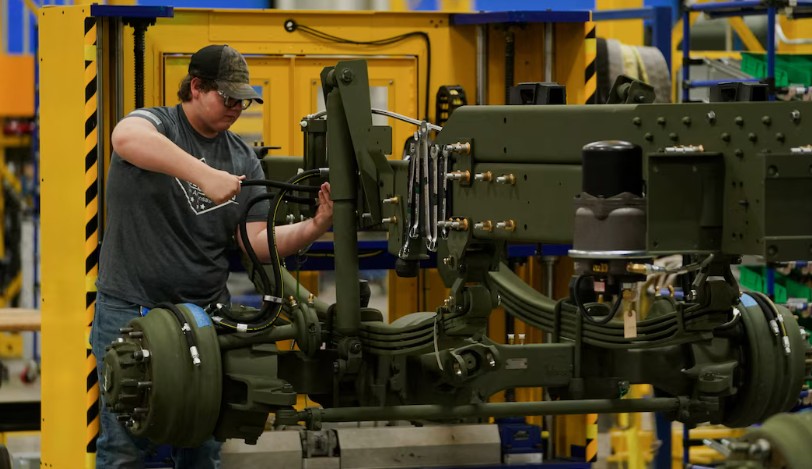
Modernization necessary
In reality, a recent report to Congress highlighted the need to modernize the Defense Industrial Base (DIB). The modern DIB, which includes a large number of government and private organizations and facilities supporting a variety of military requirements, sells primarily to the federal government, creating a monopsonistic market. Over the years, five companies, the so-called “Big-5”, have dominated in securing federal funds and major defense contracts. All five of these companies (or their predecessors) have been major recipients of defense contracts since at least the 1950s. In addition to supplying the American government with defense services, these companies supply foreign governments through Foreign Military Sales (FMS) and Direct Commercial Sales (DCS). The Big-5 are Lockheed Martin, RTX, Northrop Grumman, General Dynamics, and Boeing.
www.bankingnews.gr













Readers’ Comments