

Neither side can accept a deal that it cannot present as a victory
The rhetoric of US President Donald Trump regarding the war and the efforts to negotiate with Iran is truly… chaotic. According to many analysts, this is not a tactic or a strategy aimed at making it difficult for the opponent to understand his goals and thus surprising them. On the contrary, the prevailing assessment is that Trump is projecting confusion and desperation, and the ambiguity of his statements proves that he desperately and urgently needs a deal with the Iranians. Indeed, Trump’s options are minimal despite statements from the White House that all scenarios are on the table, such as a new military, even ground, intervention. The US is sinking daily into an unprecedented deadlock, while the Iranians signal that they are prepared for any eventuality and have not taken their finger off the trigger for a single moment.
Wall Street Journal: Trump wants to end the war in Iran as soon as possible
US President Donald Trump reportedly stated during a private dinner with King Willem-Alexander and Queen Maxima of the Netherlands that he wants to end the war with Iran as soon as possible. This is claimed in a report by the Wall Street Journal, which emphasizes that the American leader said he is convinced the only way to bring Iran back to the negotiating table is to increase pressure on it.
Minimal options
There are few good options for the United States and Iran other than reaching an agreement. This is the unspoken truth since the war began, and it remains even more so during the final five days of the ceasefire. For the US, the first round of talks in Islamabad, despite its marathon duration, seemed like a coordinated effort to strengthen their bargaining power. The blockade of Iranian ports followed so quickly that the White House had likely already planned this escalation. It will take time for the economic pain the blockade seeks to inflict on Iran to be fully felt, but even if it is 60% effective, it will bring further destruction to the economy of Tehran and its allies, such as China, which depend on its oil.
Urgent agreement
According to CNN, the probability of success in a second round of talks is increasing due to political pressures and the situation of those at the table. US President Donald Trump openly states that he wants a deal and that Iran desires the same. But above all—with inflation and gas prices rising and the MAGA base in open revolt—Trump urgently needs a deal.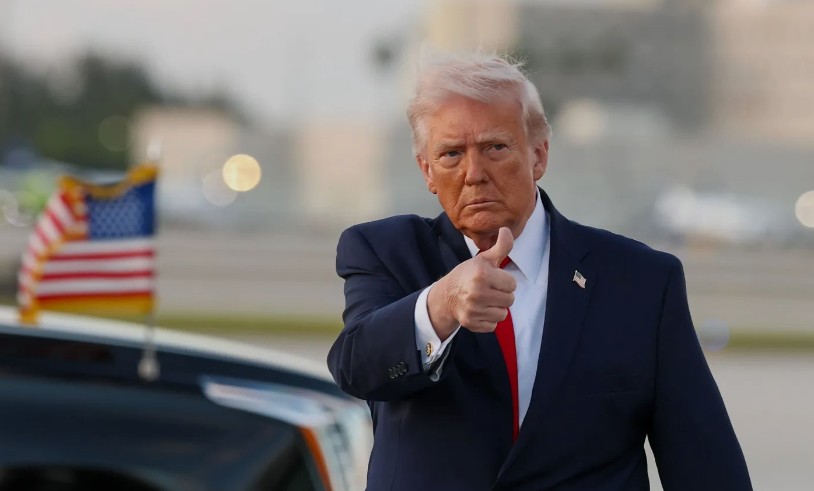
Chaotic rhetoric
It is difficult to discern whether Trump’s constantly shifting positions stem from a lack of attention, memory issues, or an unorthodox negotiating genius. However, making it difficult for your opponent to understand what you want has its limits as a negotiating strategy and can resemble confusion and despair. And this chaos—whether intentional or not—underscores just how much Trump needs a deal.
Iran wants a deal too
Iran—despite dominating the "meme war," unleashing unprecedented fire across the region, and suffering the harsh decimation of its cabinet and security apparatus—needs a deal even more urgently. The propaganda internet is not the real world, and no matter how much CENTCOM declares daily how effective its strikes are, Tehran is in a much worse position after the destruction of more than 13,000 targets. The damage after 39 days of bombing is indisputable.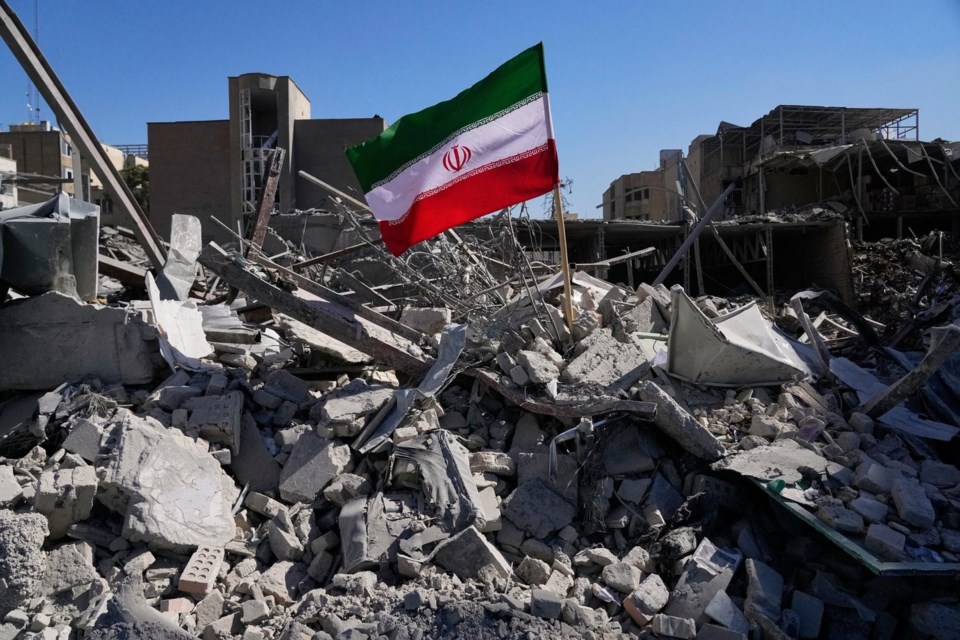
Serious challenges
Critics of the US often mock that they have simply replaced one Ayatollah Khamenei with another—but Mojtaba has not yet appeared publicly nor convincingly proven that he is fully conscious. The Islamic Revolutionary Guard Corps (IRGC) is already on its third level of leadership. They may be hardliners calling for revenge, but that does not absolve them of the serious challenges of governance and replenishing their forces for future conflicts. Talking as if you are ten feet tall does not actually increase your height.
Remarkable resistance
Iran’s apparent strength comes from survival and resistance—from a remarkable endurance, not from actual military victory. However, it finds itself in a moment of unprecedented regional weakness. It has militarily attacked most of its neighbors in the Persian Gulf. Iraq was partially spared but remains divided in its stance. Pakistan acts as a mediator but has a defense treaty with Saudi Arabia that makes it clear where its alliances ultimately lean. For most neighbors, Tehran showed its teeth—but at a massive cost. It is hard to prosper when the neighborhood loathes you for destroying the storefront of peace and prosperity that had been built.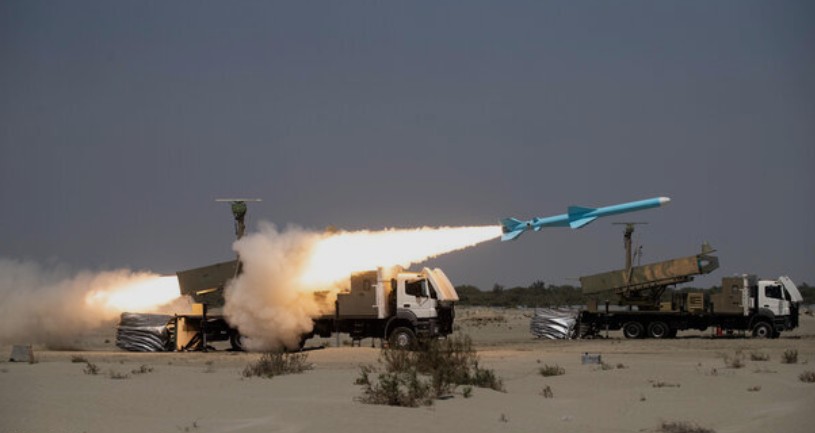
Tough negotiations
Unless an accident or irrational action by hardliners occurs, a return to full hostilities seems less likely than a negotiated compromise, especially considering how close the US and Iran positions became after 16 hours of talks in Pakistan. The rhetoric of diplomacy often works through inversions: when talks are going poorly, you speak of progress to encourage their continuation; when success seems near, you leak that there are dangerous gaps to be bridged so the opponent feels pressure.
Opening the Hormuz
The two sides seem to agree that the Strait of Hormuz can be reopened—with the US blockade of Iranian ports significantly reducing Tehran’s bargaining power on this issue. Iran knows it must allow free—or freer—navigation to reduce pressure on China. The disagreement now concerns details rather than the substance of the agreement.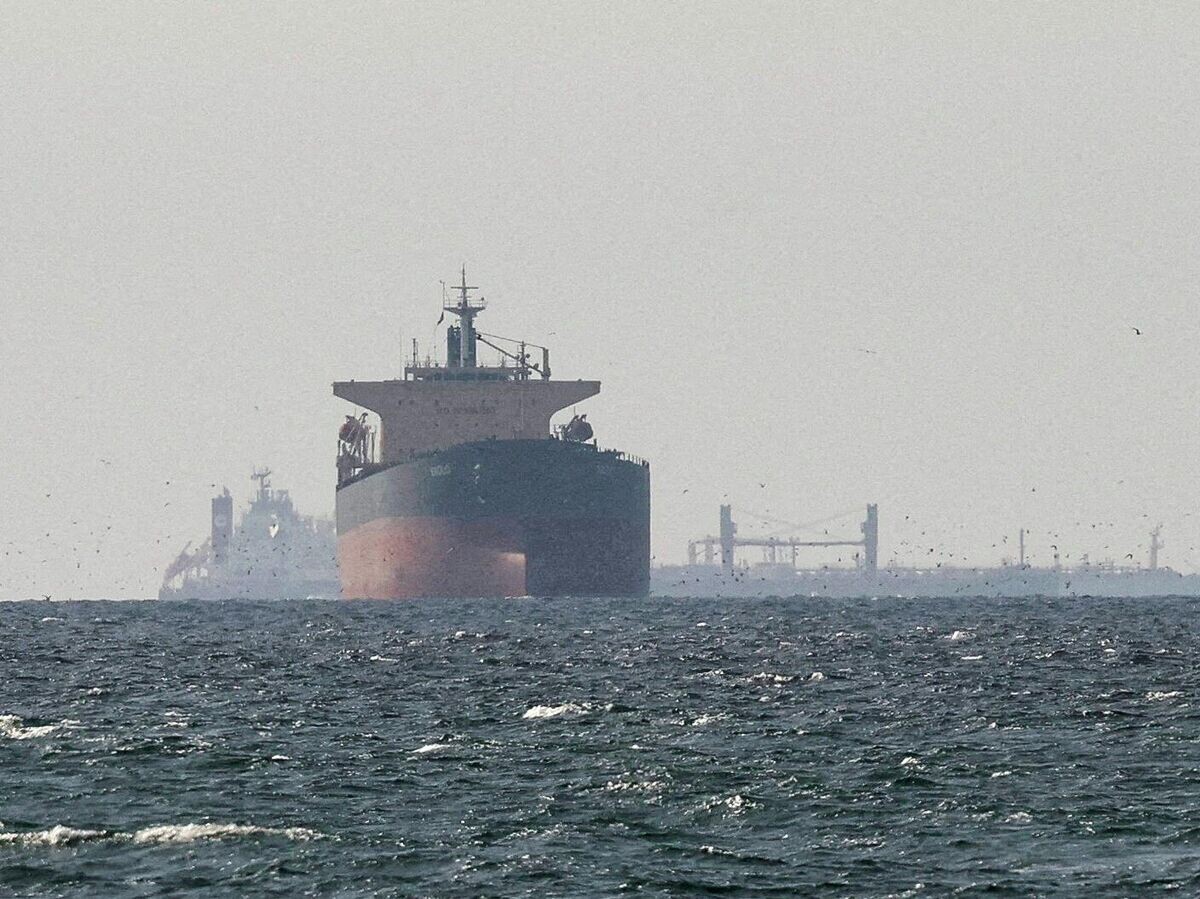
Agreement on a uranium enrichment moratorium
Both sides agree on a moratorium on uranium enrichment. Iran wants it to last five years, roughly until the middle of the next US presidential term. The US wants 20 years—essentially a very long-term commitment. Simple math can easily lead to a compromise. The same applies to the bargaining over the lifting of sanctions. Iran's enrichment capabilities have already been reduced by the bombings of recent years. What remains is more than 400 kg of uranium enriched to 60%, which Trump said is buried in the rubble. It is unlikely that Tehran believes it can easily convert this stockpile into a nuclear weapon soon, especially given the full air superiority and surveillance of the US and Israel. The issue is more a matter of Iranian sovereignty. It could be resolved through the International Atomic Energy Agency (IAEA): by transferring the material to Russia, selling it, reducing its enrichment level, or simply monitoring it under international control as part of a broader inspection mission that the US wants to restart.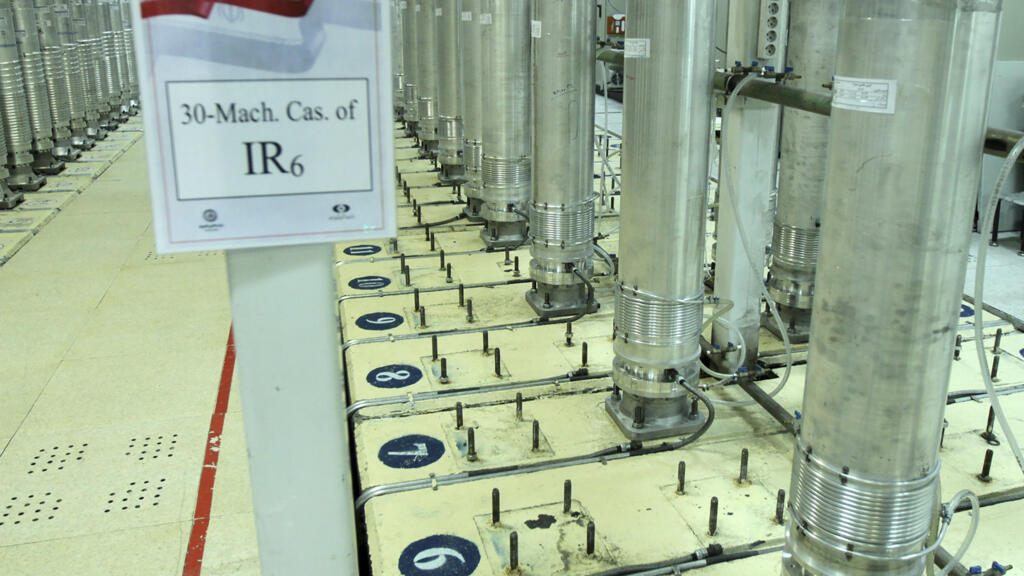
Israel remains unpredictable
The unpredictable factor remains Israel. Iran wants its allies in Lebanon and elsewhere to be left alone. Hezbollah has shown, after weeks of fighting and rocket attacks, that the war of 2024 did not leave it permanently weakened. Israel's appetite for long-term occupation in the south remains unclear, while its attacks—with the exception of the horrific strike on Beirut last week—appear designed to be sporadic enough not to provoke the same international outrage as the atrocities in Gaza.
Talks with Lebanon
The Lebanese government is in its first direct talks with Israel in years but has not fulfilled its promise to disarm Hezbollah and is unlikely to do so soon. New talks will likely move this issue to a separate file, allowing Israel to strike when it deems necessary, Lebanon to endure lower-intensity bombardment and limited occupation, and the US to present progress toward a solution.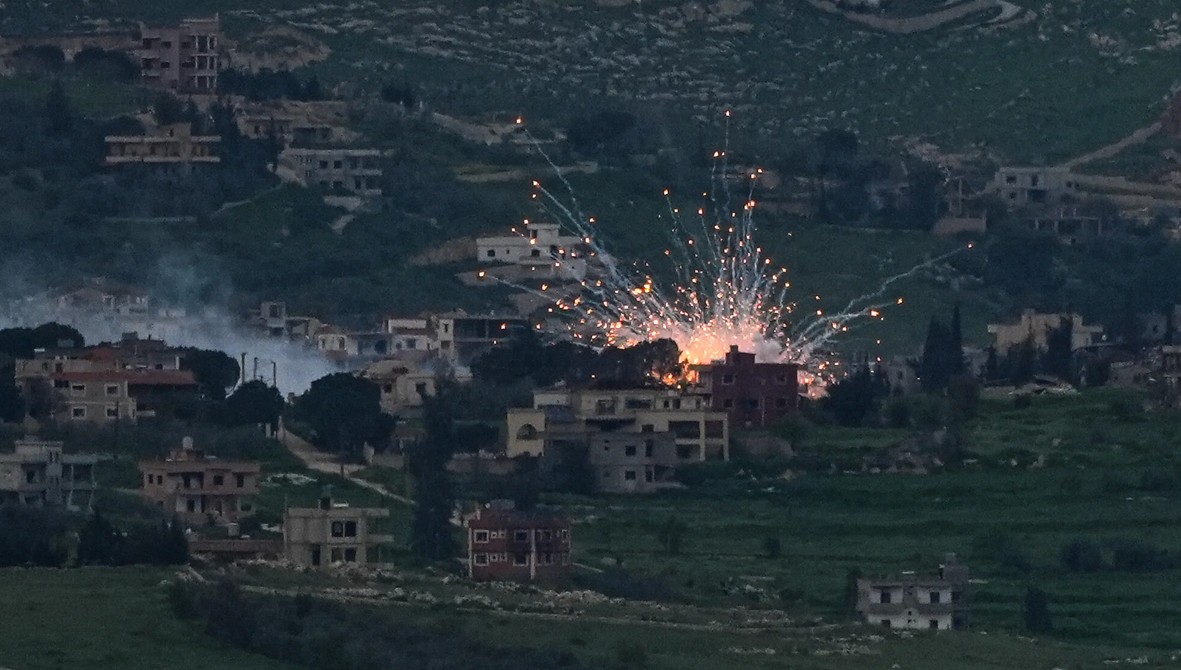
Trump: After 34 years, leaders of Israel and Lebanon will have talks today, 4/16
The leaders of Israel and Lebanon will hold talks today, Thursday, April 16, US President Donald Trump stated. "We are trying to create a small break between Israel and Lebanon. It has been a long time since the two leaders spoke to each other, about 34 years. This will happen tomorrow," Trump wrote in a post yesterday on the social network Truth Social.
Seeking victory
The obstacles to a US–Iran agreement look less like insurmountable barriers and more like minor details of prestige and political positioning. Neither side can accept a deal that it cannot present as a victory. Iran must feel that its military deterrence remains—that it caused enough disruption to discourage a new attack. Trump has displeased almost everyone in the last two months—from Pope Leo to even Israel. He needs to exit the first major war of choice of his presidency with a deal that his supporters can present as better than the world that existed before February 28—despite the risk of global recession and disruption in the energy markets.
The two questions for Trump
Two key questions will haunt Trump. The first is whether a grand bargain with Iran will look better than the one signed by Barack Obama in 2015, which Trump canceled in his first term. This will be difficult to evaluate: Iran's nuclear infrastructure has suffered massive damage, and Trump seeks to leave it without enriched material or the ability to produce more. The second is what kind of Iran will emerge from the ruins: a state significantly weakened, wounded, with infrastructure that may take a generation to restore. However, its resilience is evident, and the last year of war will likely have silenced any moderate voice arguing that Iran does not need strong means of defense. Trump may achieve a deal that reduces Iran's ability to build a nuclear weapon. But the unintended consequences of his first war of choice are only just beginning to appear. And the first of these is that hardliners in Iran likely feel they need a nuclear bomb more than ever.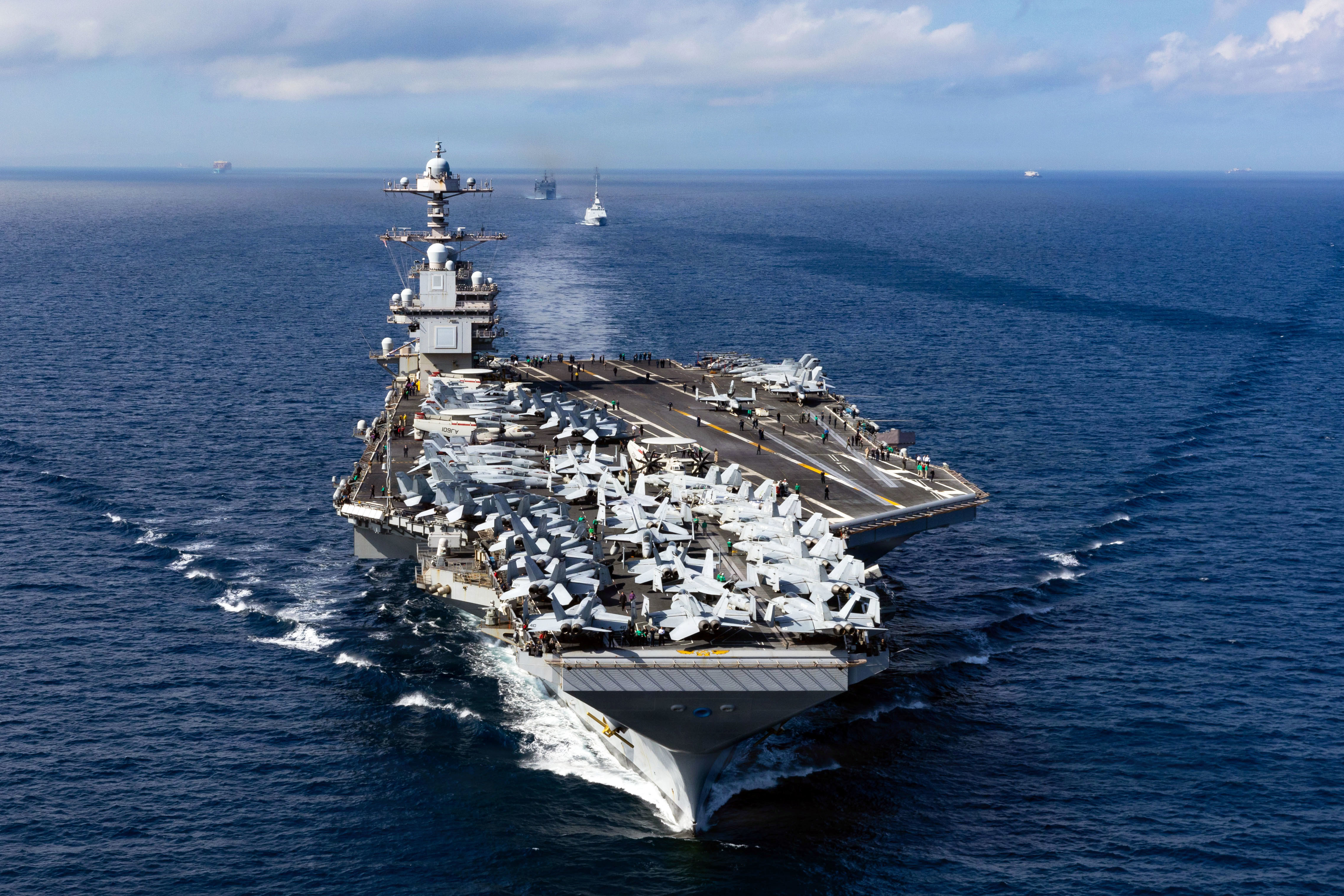
What the decision for the naval blockade of Iran indicates
Furthermore, analysts argue that President Donald Trump's decision to shift to economic warfare with the blockade of Iranian ships and ports constitutes an effort to end the conflict without a new large-scale US-Israeli attack. According to CNN, the logic of the operation is that if Iran cannot export oil or import essential goods, it will suffer such catastrophic economic and humanitarian consequences that it will have no choice but to accept US terms for ending the war. This may be a plausible bet. An economy already devastated by sanctions could quickly suffer critical food shortages, hyperinflation, and a banking crisis. It would be a "clean" solution if Trump managed to answer Iran’s attempt to strangle the global economy—with the partial closure of the Strait of Hormuz—with a decisive maritime move of his own.
The gamble
However, as stated, the growing hopes of US officials, conservative commentators, and analysts that the blockade can bring Iran to its knees are based on an assumption that has repeatedly led the US into errors in the Middle East. The strategy assumes that Iran will react to pressure in a way that Washington considers "rational." Recent history, however, shows that US opponents—such as Iraq, Afghanistan, Russia, and Libya—often do not act according to Western calculations of their own national interest. The hope is that Iran's leaders will offer concessions to reduce the ultimate consequences of the blockade. The plan also implies an implicit expectation that deteriorating economic conditions could trigger internal political unrest and test the regime's control. Long-term, it is linked to the apparent need of Iranian authorities to generate economic growth for reconstruction after a relentless US-Israeli bombing campaign. But the idea that Iranian leadership will see the stakes in this way may be overly optimistic.
What message Iran is sending
The revolutionary authorities have already shown indifference to the suffering of their population through repeated political crackdowns that have caused thousands of deaths, according to human rights organizations and external estimates. The regime's survival, despite the elimination of many top officials during the war, already shows its high pain tolerance. It is possible that the US is again underestimating Iran's resilience in what its leaders consider an existential conflict. Reports from CNN and other media indicate that Trump believed the US-Israeli attack would end the war quickly—long before Iran had time to take measures such as closing the strait.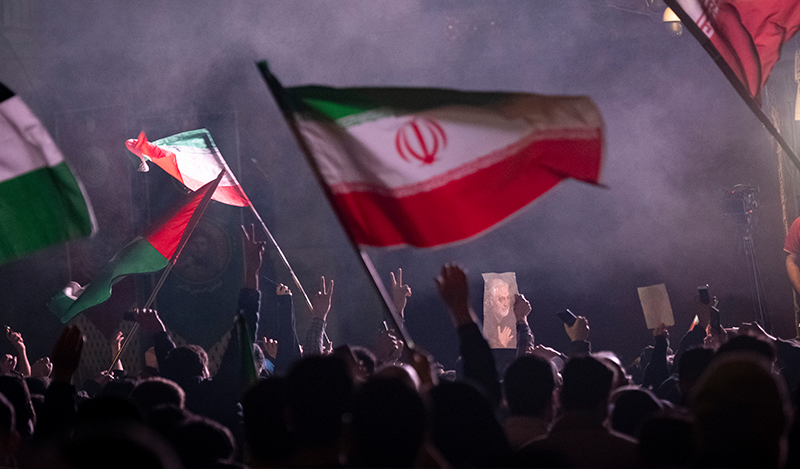
The outcome of the American blockade may therefore depend on time. Will the pressure succeed in changing Iran’s behavior before the blockade exacerbates the global economic damage already being caused by the closure of the Strait of Hormuz, which has wiped out a significant part of global oil and gas supplies? If not, Trump’s new approach may turn into another political trap and deepen the effects of a war that already threatens the Republican electoral prospects in the mid-term elections.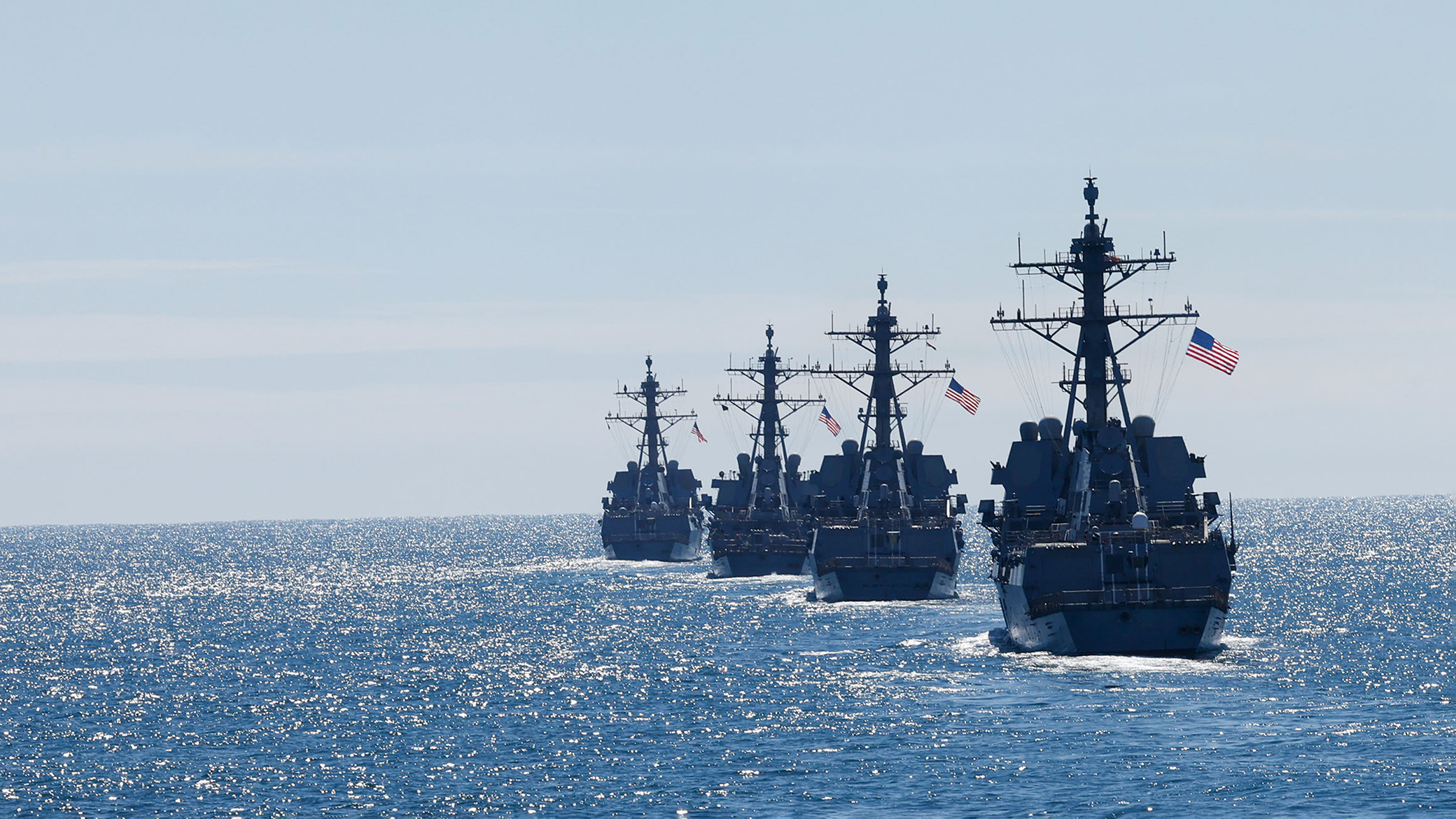
How the blockade can quickly hit Iran's economy
Like much of Trump's war strategy, the blockade appears hastily designed and poorly explained to the American public. Nevertheless, it is a realistic military operation. The US Navy has sufficient forces in the region and extensive experience in enforcing naval blockades, including in the former Yugoslavia, Haiti, and more recently against Venezuelan tankers before the ousting of Nicolás Maduro. Analysis by the Foundation for Defense of Democracies (FDD), which has been widely circulated in Washington, argues that the blockade—with US ships outside the Strait of Hormuz, supported by aircraft and troops—can be effective. FDD senior fellow Miad Maleki argues that the blockade could quickly hit the Iranian economy, disrupt most of its trade, stop oil exports, and trigger inflation and pressure on the currency within days. Iran is particularly vulnerable, as over 90% of its trade passes through the strait. Furthermore, it may be forced to stop oil production within weeks because it will have nowhere to store the product. Thus, there is a chance the plan will limit Iran's options in a way the aerial military campaign failed to do. Retired Admiral James Stavridis told CNN that "they have been hit effectively militarily, but we haven't really strangled their economy," which is why they believe they still have room to maneuver.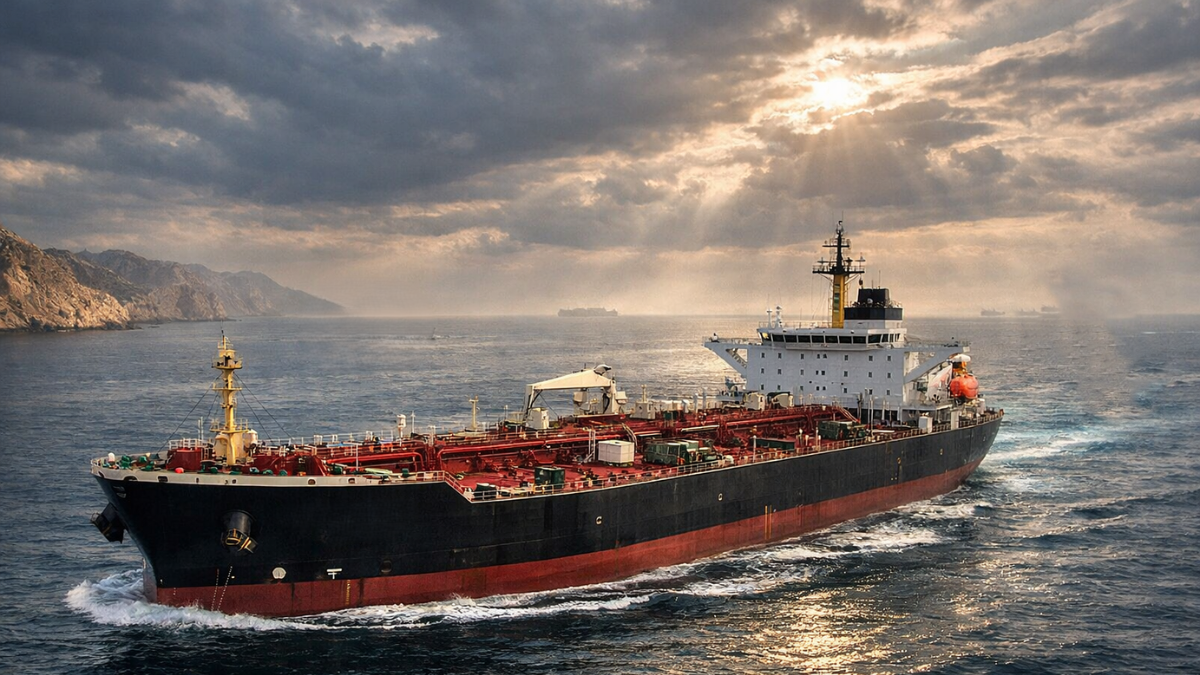
New strategic dilemma
The blockade creates a new strategic dilemma for Iran. Escalation is risky, as it could lead to a resumption of conflict and the collapse of the ceasefire. Revolutionary Guard forces could respond with attacks against US allies in the Persian Gulf. Another option is for the Houthis in Yemen to close an alternative oil transport route through the Red Sea, which would be a severe blow to the global economy and increase pressure on Trump. The blockade is also risky for the US, as the attempt to obstruct Chinese ships carrying Iranian oil could trigger a diplomatic crisis just before Trump’s meeting with Xi Jinping.
The Trump administration appears optimistic for a deal
The White House expresses optimism that the blockade can lead to a new round of talks after the failure of the first round in Pakistan. But as the course so far shows, the administration often presents Iran as desperate for a deal, despite available evidence. Trump’s "art of the deal" strategy—that every crisis is a deal just waiting to happen—often seems superficial in the face of deep geopolitical problems. In relations with Ukraine, North Korea, and Iran, the administration has often overestimated economic incentives and underestimated cultural, historical, and nationalist factors. In Pakistan, it became clear that the positions of the US and Iran remain difficult to reconcile: the US wants an end to nuclear enrichment and support for proxy organizations, while Iran seeks reparations and the retention of part of its nuclear rights. Nonetheless, there are possible axes of compromise, such as an agreement to pause uranium enrichment—five years from Iran's side and 20 from the US side. A successful peace process will require months of negotiations and specialized technical discussions. It will require patience, subtlety, and strategic depth that American diplomacy has not shown so far. Thus, the key question for the new blockade of Iran is not what will happen if it fails—but what will happen if it succeeds.
www.bankingnews.gr




Readers’ Comments