

US President Donald Trump is this time pursuing a package proposal for a comprehensive peace agreement and not a "temporary truce," emphasizes the American network – The US seeks an escape route
An unprecedented thriller has been unfolding in recent hours between Iran, the US, and Pakistan, with the two opposing sides processing drafts for a comprehensive peace agreement and the Chief of the Pakistani Army arriving in Tehran with the American proposals in hand, as revealed by Axios. US President Donald Trump is this time seeking a package proposal for a comprehensive peace agreement rather than a "temporary truce," the American network highlights. From this perspective, Tehran and Washington are working behind the scenes to hold a "face-to-face" meeting in Islamabad, the capital of Pakistan, which has assumed a mediatory role.
However, Israel is expected to undermine the entire process to continue on the path of military escalation, torpedoing the parallel talks with Lebanese officials. This is because the two parallel negotiations are inextricably linked, as emphasized by sources from Tehran... The issue is how the Iranian authorities will react under the fear of a new potential tactical maneuver by the US-Israeli alliance, which may launch new attacks in the Middle East, preparing under the guise of diplomacy...
Signs of agreement and the Pakistani general's journey to Tehran
Progress in the negotiations between US and Iranian negotiators shows that they are approaching a framework agreement for a ceasefire, according to two US officials. The significance of these developments is decisive, as the two rivals, through the mediation of Pakistani, Egyptian, and Turkish mediators, are attempting to bridge their final differences and reach an agreement before the truce expires on April 21. For this purpose, a Pakistani delegation, led by General Asim Munir, arrived in Tehran on Wednesday, April 15, for talks with Iranian officials.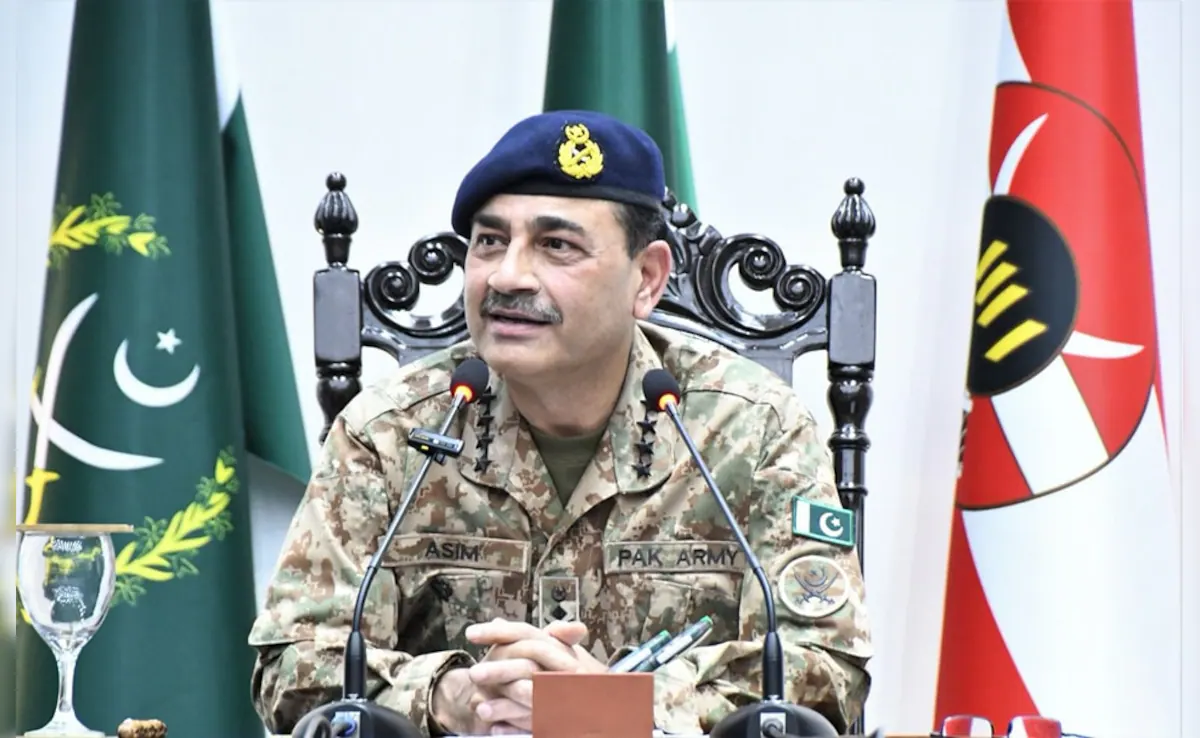
Asim Munir, Chief of Army Staff of the Pakistani Army
Despite this, US officials and sources familiar with the mediation warned that an agreement is not guaranteed, given the substantial differences between the two sides. A Pakistani official stated: "Let's wait and see if we reach a deal. We are optimistic and are trying to pressure both sides."
Intensive exchange of documents heralds comprehensive peace agreement
In the background, a US official reported that President Trump's negotiating team, led by Vice President Vance, Special Envoy Steve Witkoff, and advisor Jared Kushner, continued telephone communications and exchanged draft proposals with the Iranians and mediators on Tuesday, April 14. "They were on the phone communicating with all countries and they are getting close," the US official stated. A second US official confirmed the progress made on Tuesday, April 14. "We want to make a deal. And some parts of their government want to reach an agreement. Now the hard part is persuading the entire government to do it," a third US official mentioned.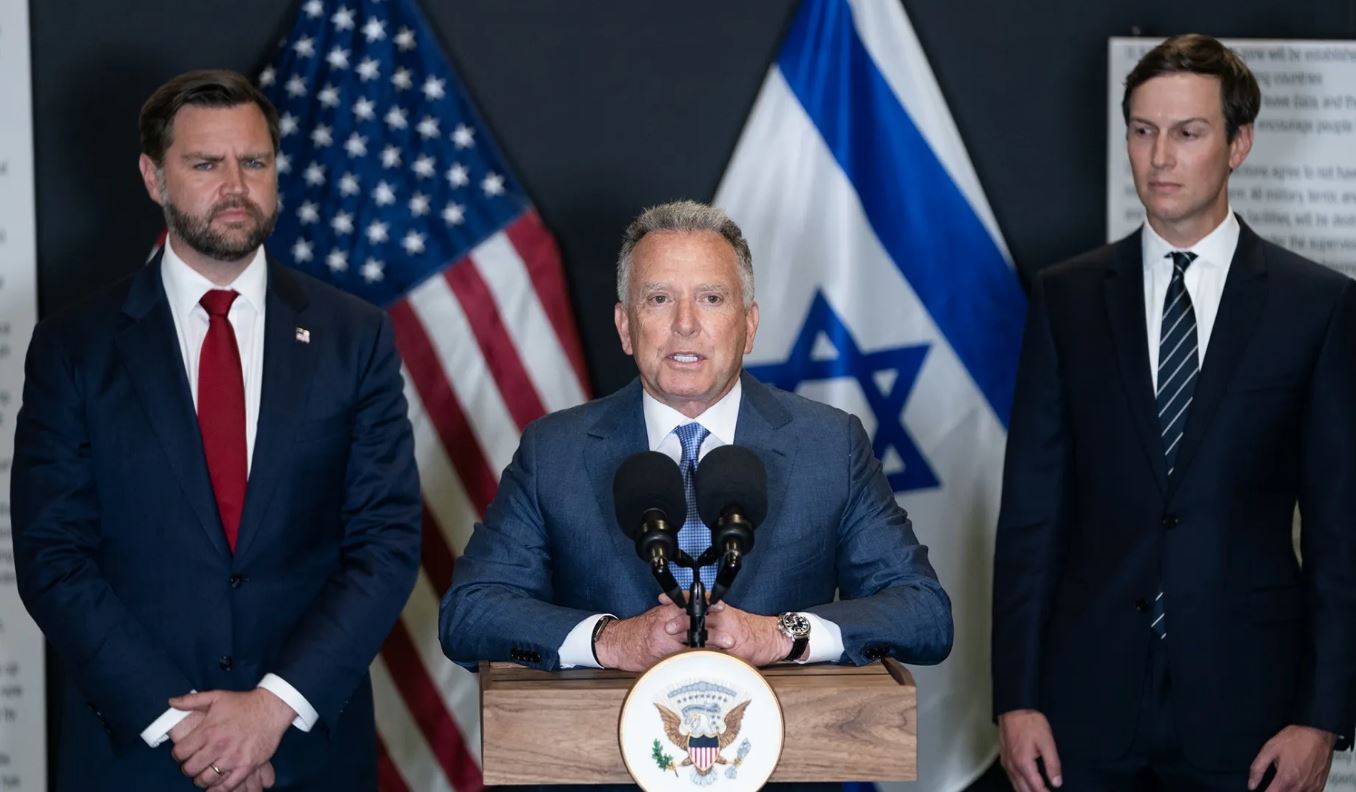
"On the way to 'face-to-face' talks between the US and Iran" – What Vice President Vance revealed
Regarding the process, US officials and sources familiar with the mediation stated that a new round of direct talks will take place in the coming days, before the truce expires, but a specific date has not yet been set. Vance, who had led the initial talks in Pakistan last week, told a Turning Point USA event in Georgia on Tuesday, April 14: "I think the people we are facing want to reach a deal. ... I feel very good about where we are." Vance’s statement is significant, as the Vice President does not negotiate directly with Iran’s Supreme Leader, Mojtaba Khamenei.
From a temporary truce to a comprehensive deal
If a "comprehensive agreement in principle" is achieved, the truce will need to be extended to discuss the details of a full agreement, according to US officials and sources familiar with the mediation. "The details are complicated — you can't do this in two days," a US official said. "The US has not officially agreed to an extension of the truce. There is constant contact between the US and Iran to reach an agreement," a second US official told Axios.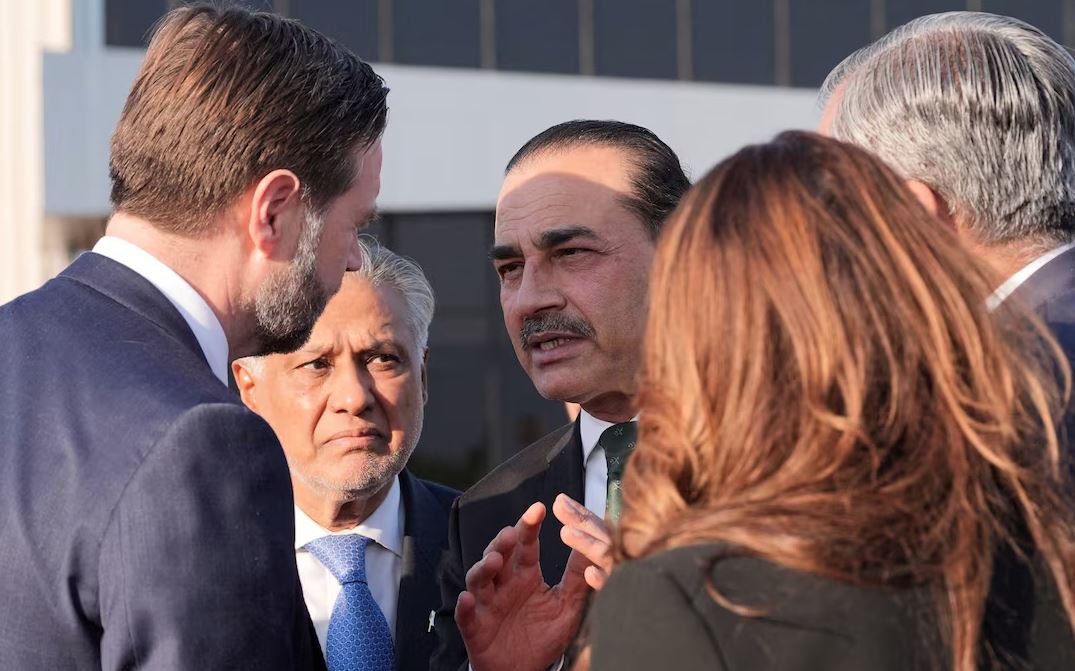
Oil as a lever of pressure
US officials point out that the naval blockade of Iran by the US — which aims to cut off the country's oil exports — and Iran's deepening economic crisis are exerting increasing pressure on Tehran to reach a deal. "Iran has no money. They are bankrupt. We know it and they know that we know it," a US official stated. To understand the gravity of the situation, Iran exports approximately 1.5 million barrels of oil daily, earning about $140 million.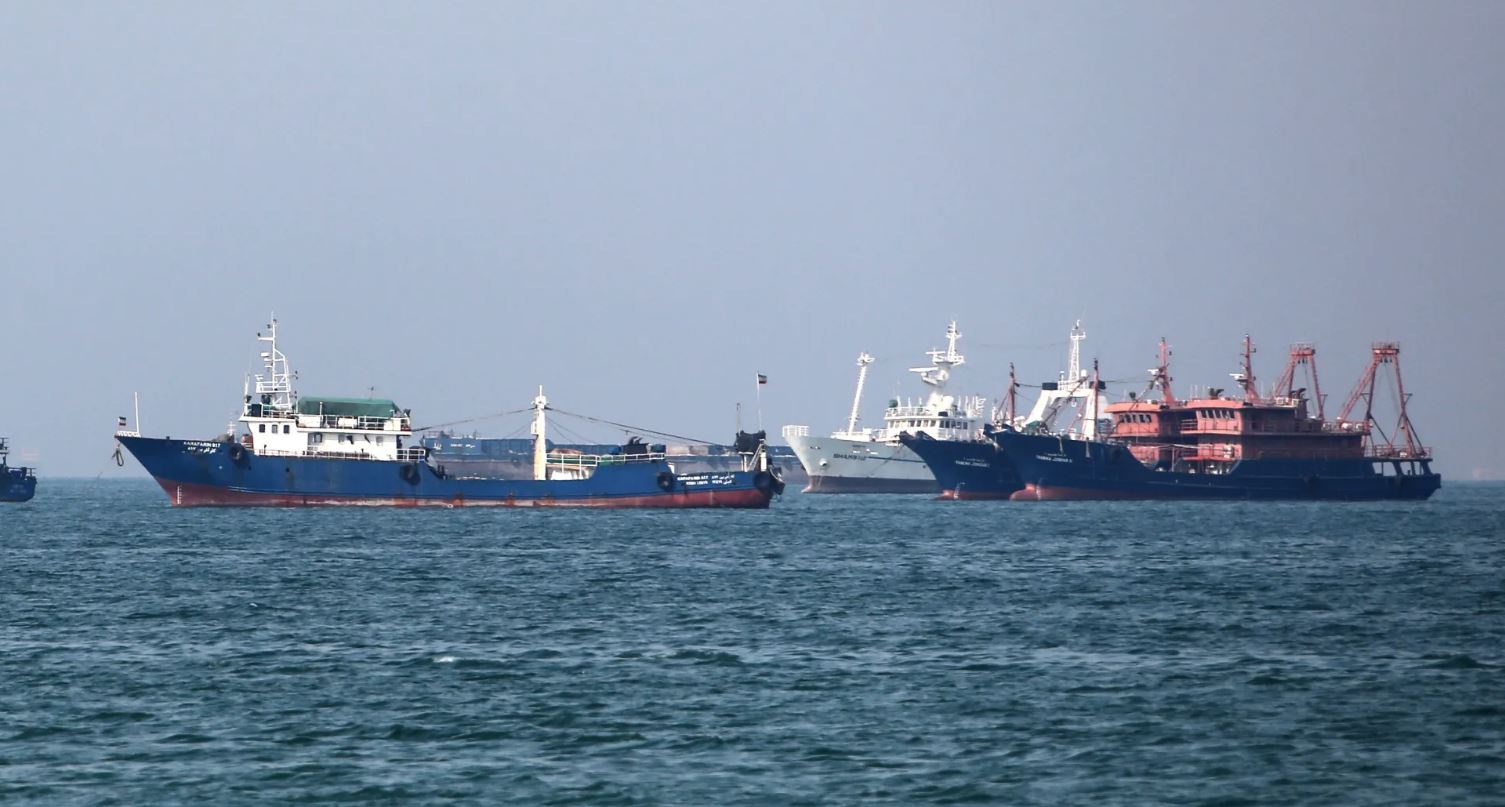
"Strangulation, not invasion," US officials now say
"The blockade zeros this amount overnight," said Miad Maleki, a former Iran sanctions expert at the Treasury Department and now a senior fellow at the Foundation for Defense of Democracies. Kharg Island, which handles about 90% of Iran's oil, is located 400 miles from the Strait of Hormuz in the Persian Gulf and will be effectively closed under the blockade. "We don't need to invade Kharg right now. We can just strangle it," another administration official said.
Why a ground landing scenario in Iran should not be ruled out
On the other hand, as the blockade continues, the military also has a Plan B for further escalation: US ground operations on Iranian soil, according to two US officials. The administration has discussed everything from executing a complex Special Operations mission to remove Iranian nuclear material, to landing Marines in coastal areas and islands to protect the strait, and even seizing Kharg Island, an Iranian export hub in the Persian Gulf. Enforcing a prolonged blockade will be a "very difficult mission" for American forces, but any such ground operations would be significantly more dangerous, said Mick Mulroy, a retired Marine and CIA officer who served in the Pentagon during the first Trump administration. Mulroy said he hopes the administration and Iran will reach an agreement acceptable to both sides. If, for example, they agree on a solution that freezes the Iranian nuclear program for 10 or 20 years, this must be weighed against the challenges Marines and soldiers may face on Iranian soil. "It will not be without consequences," he said of such a mission. "There will likely be casualties."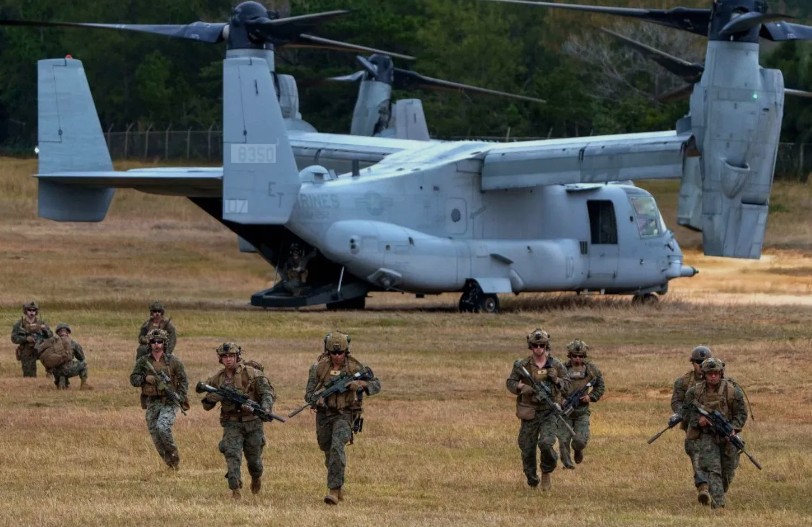
Fearsome intervention by the Russian Security Council: The US is preparing an invasion, watch the 82nd Division, talks are a trap
The US and Israel will use the peace talks to prepare for a ground operation against Iran, the Russian Security Council warned. "The Pentagon continues to increase the number of American troops in the region," the Russian Security Council stated. At the same time, the Council noted that Iran still possesses a significant amount of weapons. Furthermore, various socio-political groups have rallied around the central government, while the most radical opposition forces have gone deep underground. The state and military governance system is operating reliably. As the Russian Security Council notes, the transfer of units from the 82nd Airborne Division to the Middle East continues. Additionally, an amphibious landing group led by the amphibious assault ship Boxer with 2,500 Marines and a carrier strike group led by the nuclear-powered multi-role aircraft carrier George Bush are moving into the conflict zone. "The expected time of arrival in the Arabian Sea is exactly at the time of the expiration of the two-week ceasefire," the Russian Security Council reported. Active operations by coalition forces to replenish strike and missile defense weapons, as well as significant activity by reconnaissance forces, should also be expected, the Russian Security Council added. At the same time, they warned that hostilities could resume with greater intensity if the parties do not reach an agreement within two weeks.
CENTCOM: Blockade of Iranian ports complete
US Central Command (CENTCOM) stated late Tuesday that the "naval blockade of Iranian ports has been fully implemented" and that Iran's maritime economic trade has "completely stopped." In a statement published on X, Admiral Brad Cooper, commander of CENTCOM, said: "Less than 36 hours after the implementation of the blockade, US forces have completely stopped the economic trade entering and leaving Iran by sea."
www.bankingnews.gr










Readers’ Comments