

On April 11, the NASA "Artemis II" mission concluded with a successful splashdown in the Pacific Ocean, off the coast of California. Four astronauts—Reid Wiseman, Victor Glover, Christina Koch, and Jeremy Hansen—returned to Earth following a ten-day journey around the Moon. Despite the celebrations in the United States, a series of "details" revealed after the fact are raising serious questions, as they could have led to a tragedy mirroring that of the Space Shuttle Challenger, which was destroyed in 1986 along with its entire crew.
The 'dark data' and the lesson of the past
According to British statistician David Hand, the Challenger disaster resulted from ignoring so-called "Dark Data"—information from previous missions that revealed technical problems but was underestimated. The question now being posed is clear: were there corresponding "dark data" in the Artemis II mission as well?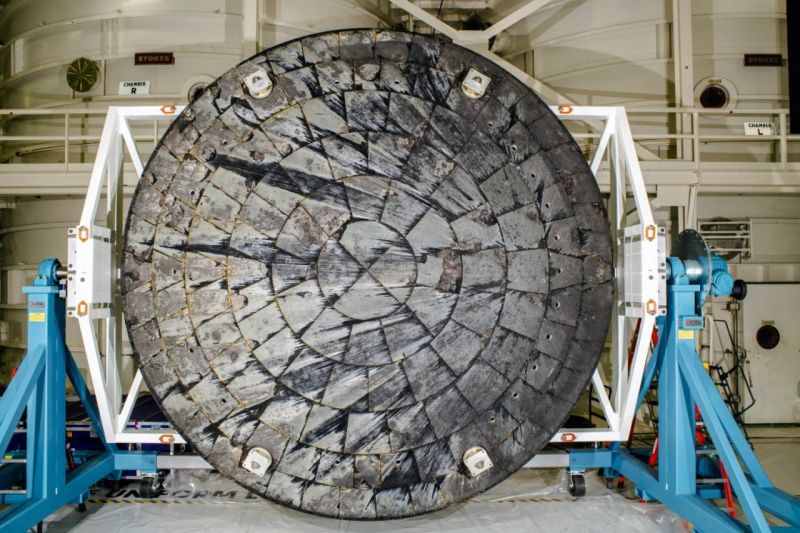
Helium leak in Orion: A known but underestimated problem
The most serious technical issue recorded was a helium leak in the Orion spacecraft's propulsion system. The leak was detected during the return to Earth. Originally, the crew was supposed to perform a manual control demonstration, but NASA canceled the procedure to conduct additional checks. As Jeff Radigan, mission flight director, stated, the goal was to gather more data regarding the problem. Helium is used to pressurize fuel toward the engines. The system relies on highly toxic materials, such as hydrazine and nitrogen tetroxide. The leak was located in a circuit involving the oxidizer within the European Service Module, which was jettisoned and burned up during atmospheric reentry. NASA Deputy Associate Administrator Amit Kshatriya admitted that the agency was aware of a "low-rate leak" even before launch. A similar problem had been recorded during the Artemis I mission, but it was then deemed acceptable due to the "free return" trajectory. In Artemis II, however, the leak proved to be many times more intense.
Systemic problems: A recurring weakness
The issue with the valves is not isolated. According to ArsTechnica, nearly every American crewed flight program has faced similar issues. Among the most recent incidents is Boeing's Starliner spacecraft, which also exhibited helium leaks, as well as launch postponements by SpaceX due to technical problems. The critical scenario causing concern is the possibility of a combined leak—helium and hydrazine—something that could prove fatal for the crew.
The heat shield: The second major risk
Another serious issue concerns the thermal protection of Orion. During the previous mission, the heat shield showed wear, with cracks and material delamination. In Artemis II, after splashdown, photographs revealed a large white area on the craft, likely a point of material loss. NASA official Jared Isaacman argued that there was nothing "abnormal," although he admitted a detailed investigation would be conducted. This statement, however, leaves room for doubt—even if a large section did not detach, the possibility of smaller-scale thermal damage remains.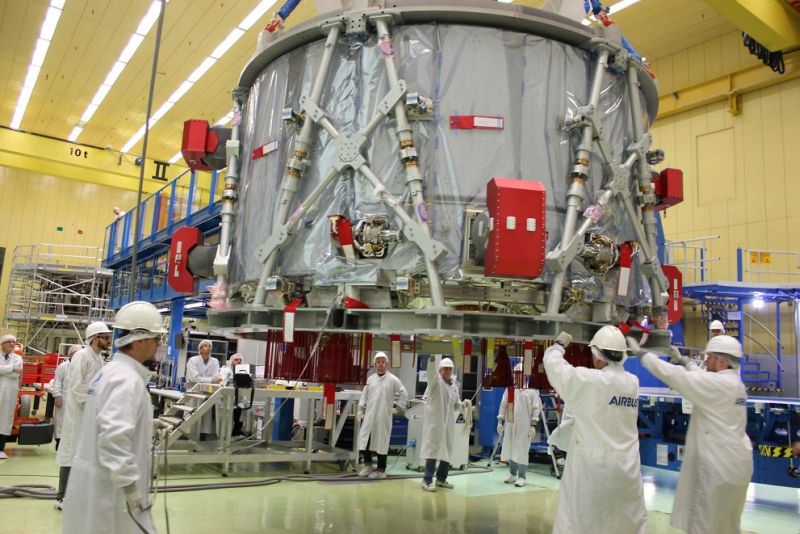
Concern within the crew
Despite initial assurances, crew members admitted after their return that atmospheric reentry was the most stressful phase. Victor Glover stated that he had been thinking about this moment since the day he was selected for the mission in 2023. "I will be thinking and talking about it until the end of my life," he characteristically noted.
Expert warnings and controversial decisions
Particular criticism is directed at the fact that a new, improved heat shield was already available but was not installed to avoid delaying the launch. Former astronaut Charlie Camarda, in an interview with The New York Times, stated that the mission should not have taken place. "I will be praying that nothing happens," he said before the launch. A similar view was expressed by engineer Dan Rasky, who recently left NASA: "If you are driving and the tire starts falling apart, do you keep going or do you stop to change it?"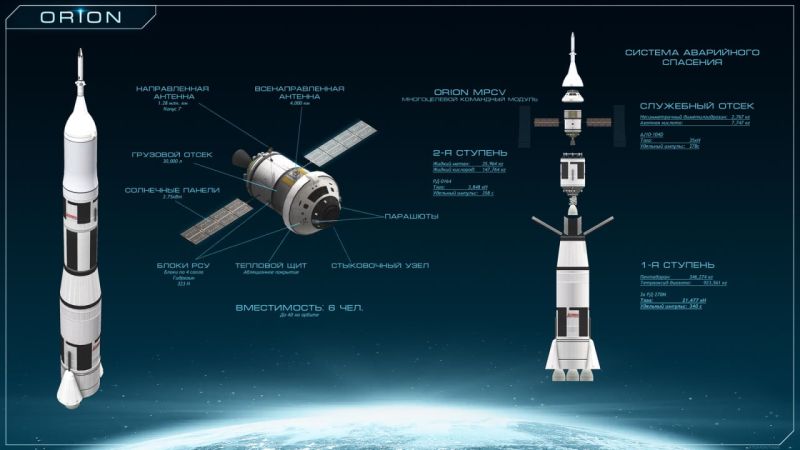
Dangerous parallels to past tragedies
The situation strongly mirrors two of the darkest moments in NASA history: the Challenger disaster in 1986 and the Columbia disaster in 2003. In both cases, warning signs had appeared in previous missions but were ignored.
Heroism in space, responsibility on Earth
The four astronauts who carried out the mission, risking their lives in a spacecraft with known technical issues, are recognized as exceptionally brave. However, the evaluation is different for the NASA leadership and Jared Isaacman, who—with political support from Donald Trump—approved a mission that, according to critics, was conducted with significant and potentially critical technical deficiencies.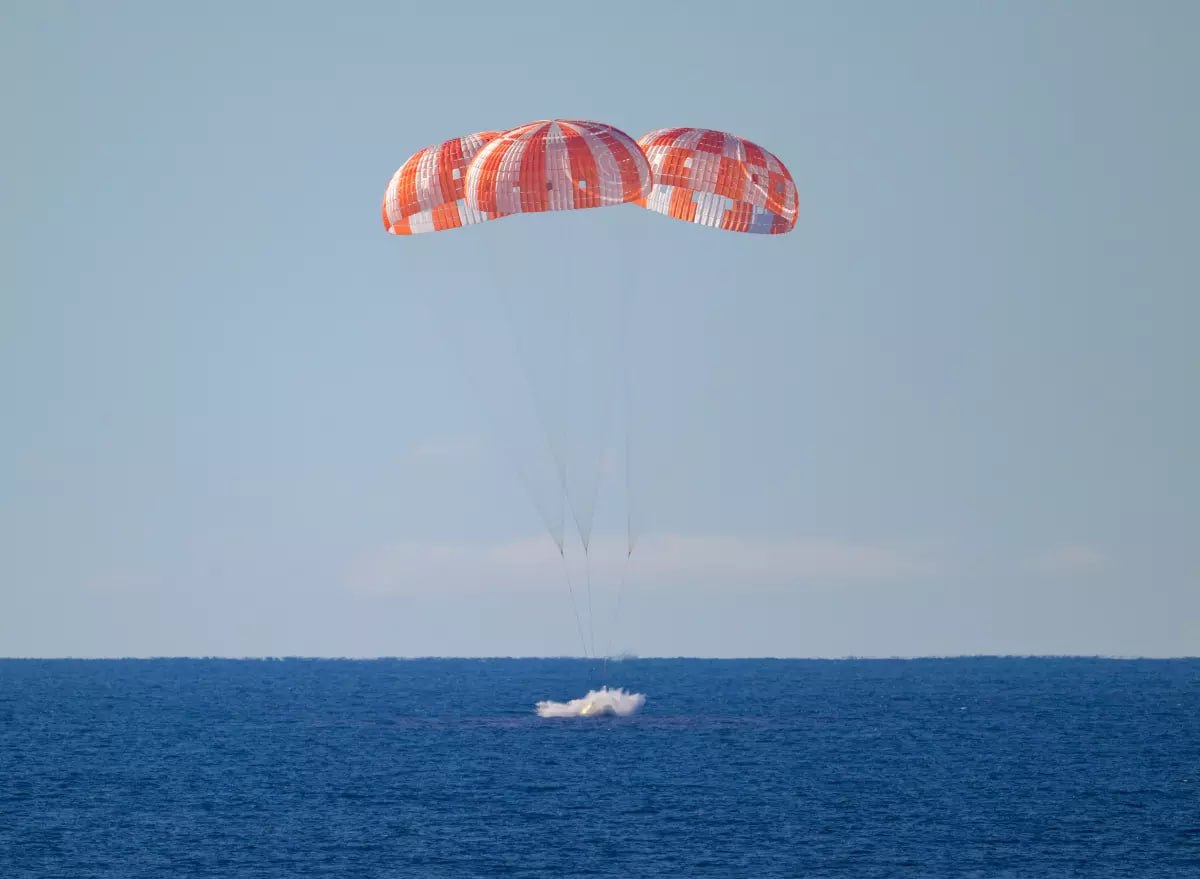
www.bankingnews.gr









Readers’ Comments