

At the very moment US President Donald Trump speaks of the "end of the war" in Iran, highlighting that two "extraordinary days" are ahead and stating he will not extend the ceasefire, the Pentagon has ordered the deployment of an additional 10,000 American troops to the broader Middle East region. This is a move with a clear signature. The US claims to be optimistic regarding talks with Tehran likely to be scheduled in the coming days, conveying the message—partly through Vice President J.D. Vance—that their primary pursuit is to resolve the Iranian crisis through negotiation.
However, they are bolstering their military strength in the region—where a total of at least 60,000 troops are already stationed—while simultaneously proceeding with a naval blockade of Iran, a move considered illegal under international law. At the same time, Iran remains with its finger on the trigger. It is not only that past experience makes them suspicious of American statements and intentions—after all, the US-Israeli attack was launched on February 28, while negotiations were ongoing. It is also the clear warning from Russia: "Watch out, it’s a deception, they are preparing a ground invasion." In any case, the Iranian military has signaled since the first day the ceasefire took effect that it remains on high alert and ready to respond to any war scenario.
Trump: We stopped Iran from seizing the entire Middle East
In an interview with Fox News, Trump said he stopped Iran from seizing the entire Middle East. "They were going to take over the Middle East, and we stopped them," Trump said, arguing that American strikes on Iranian nuclear facilities last summer prevented this, while again criticizing the 2015 nuclear deal orchestrated by the Obama administration.
"They would have had a nuclear weapon within a month, maybe two weeks, and they would have used it against Israel and the Middle East. And they would have used it against us as well—and not just Israel, by the way, but Qatar, Saudi Arabia, the UAE; countries that were surprised when they were hit," Trump said, referring to Iranian retaliation against Gulf states since the US-Israeli war with Iran began on February 28. "You know, these countries weren't expected to be hit, because they were targeting those countries. They were going to take over the Middle East, and we stopped them," said Trump, who in the same interview emphasized that the US military operation in Iran is close to its end.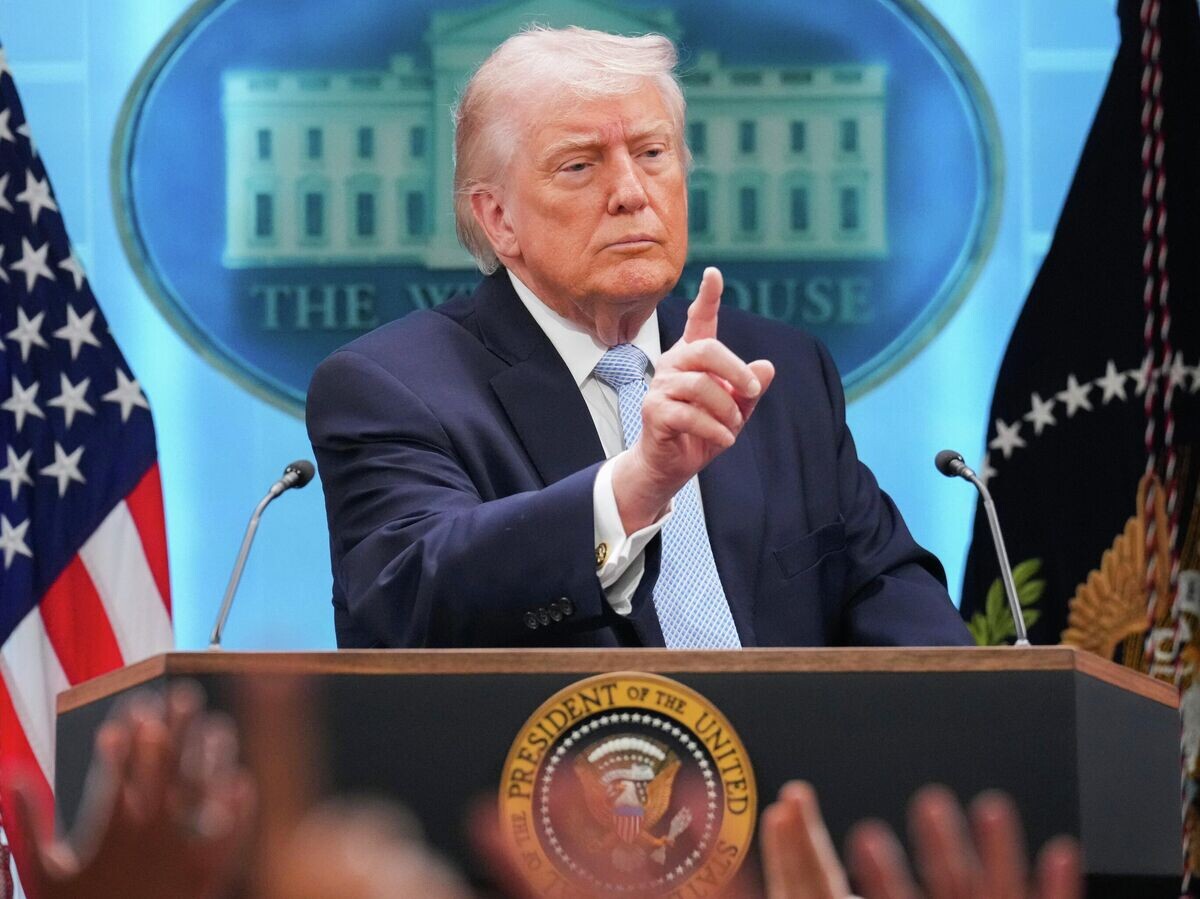
Trump: China is not sending weapons to Iran, zero support from NATO
Furthermore, Trump argued that the US naval blockade is working and that Iran's reaction has been quite impressive. "Well, it was quite impressive, actually. I expected this to happen. They reacted to it even more—I think... you know, we have completely neutralized them, and this almost seems like a bigger reaction than we had before. So we'll see. I mean, look, only the final result matters," said Trump, who highlighted that he received a response from Chinese President Xi Jinping, who assured him that China is not giving weapons to Iran.
President Trump repeated his criticism of NATO, claiming that its contribution was zero. "Zero from NATO," Trump said. "Why are we spending hundreds of billions of dollars a year on NATO if they aren't going to be with us? If they aren't going to support us in Iran, they won't support us on a much more important issue than Iran," the US President pointed out.
Additional forces
As the Washington Post reveals, the Pentagon is sending thousands of additional troops to the Middle East in the coming days as the Donald Trump administration attempts to pressure Iran for a deal that could end the conflict of recent weeks, while also considering additional strikes or ground operations if a fragile ceasefire is not maintained, according to US officials.
The aircraft carrier George H.W. Bush
The forces moving to the region include approximately 6,000 sailors and troops aboard the aircraft carrier USS George H.W. Bush and several accompanying warships, according to current and former officials speaking under anonymity to discuss military movements. Approximately 4,200 more troops with the Boxer Amphibious Ready Group and the deployed Marine force, the 11th Marine Expeditionary Unit, are expected to arrive toward the end of the month.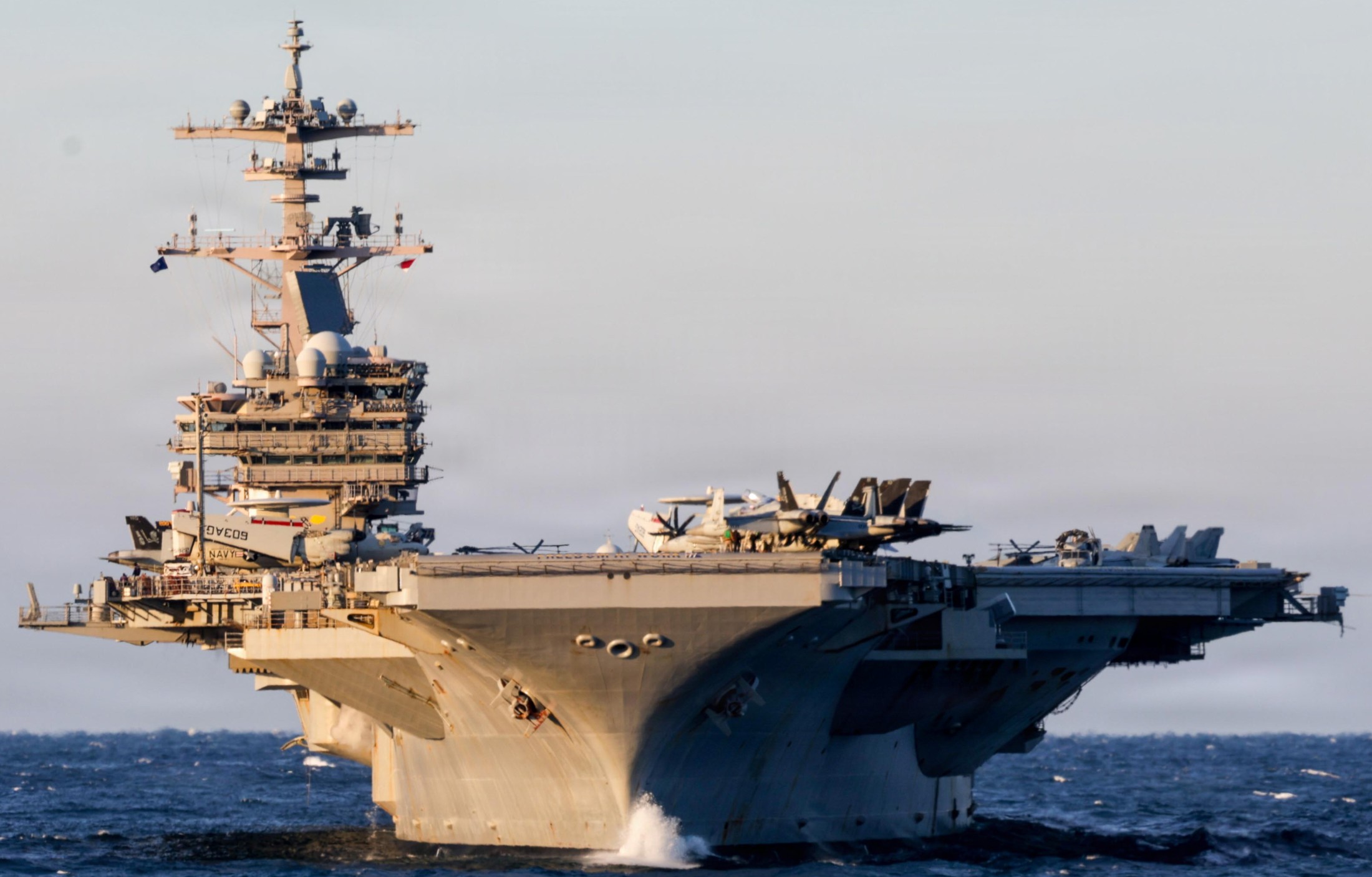
60,000 troops at the end of the ceasefire
The reinforcement of power appears timed to combine with warships already in the Middle East, exactly when the two-month ceasefire is expected to expire on April 22. The troops will be added to the approximately 50,000 personnel the Pentagon says are involved in deterrence operations against Iran.
Naval blockade
President Donald Trump, in an effort to exert economic pressure on Tehran, announced last Sunday a maritime blockade of ship traffic entering and exiting Iranian ports. He is trying to pressure the Iranian regime to reopen the Strait of Hormuz, a critical passage for oil transport from the Middle East crossing the Persian Gulf, and to terminate its nuclear program through negotiations led by Vice President JD Vance. Talks collapsed over the weekend, but President Trump has stated they may resume later in the week and told Fox Business he believes the war is "very close" to ending.
All options on the table
The arrival of additional American warships is expected to further increase pressure on Iran and provide Admiral Brad Cooper, head of U.S. Central Command, and other senior military commanders with more options in case of a negotiation failure, said James Foggo, a retired Navy admiral and dean at the Center for Maritime Strategy. "The more tools you have in your arsenal, the greater the variety of options you have," Foggo said, characterizing the force buildup as "reserve capacity, in case things go wrong."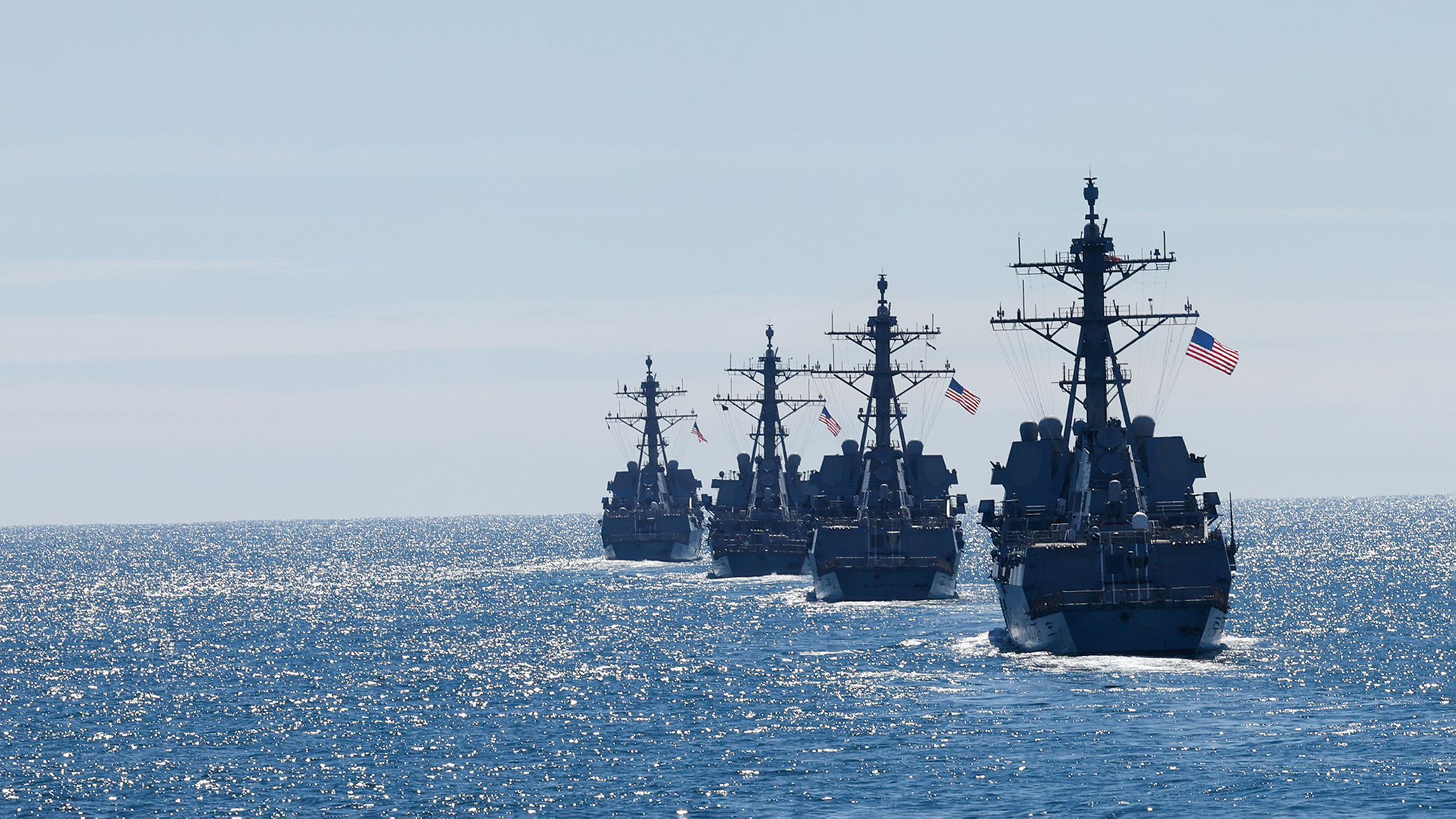
What the White House says
White House Press Secretary Karoline Leavitt, when asked about the growing military presence, stated that Trump "has wisely kept all options on the table, in case the Iranians do not abandon their nuclear ambitions and do not reach a deal acceptable to the United States." Trump, JD Vance, and American negotiators have "made the US red lines clear," she said, predicting that Iran's desperation for a deal will increase with the blockade in effect. The Pentagon and U.S. Central Command, which oversees military operations in the region, declined to comment.
Three aircraft carriers
The arrival of additional forces will provide commanders with three aircraft carriers in the region, each with dozens of fighter jets. The USS Abraham Lincoln has been in the Middle East since January, while the USS Gerald R. Ford arrived in the eastern Mediterranean in February, extending a long deployment that included time in Europe last year and participation in operations near Venezuela early this year. The USS George H.W. Bush was near the Horn of Africa on Tuesday, 4/14, and was expected to take an unusual course around the southern tip of Africa en route to the Middle East, according to two officials familiar with the matter. The route to the region was initially revealed by USNI News.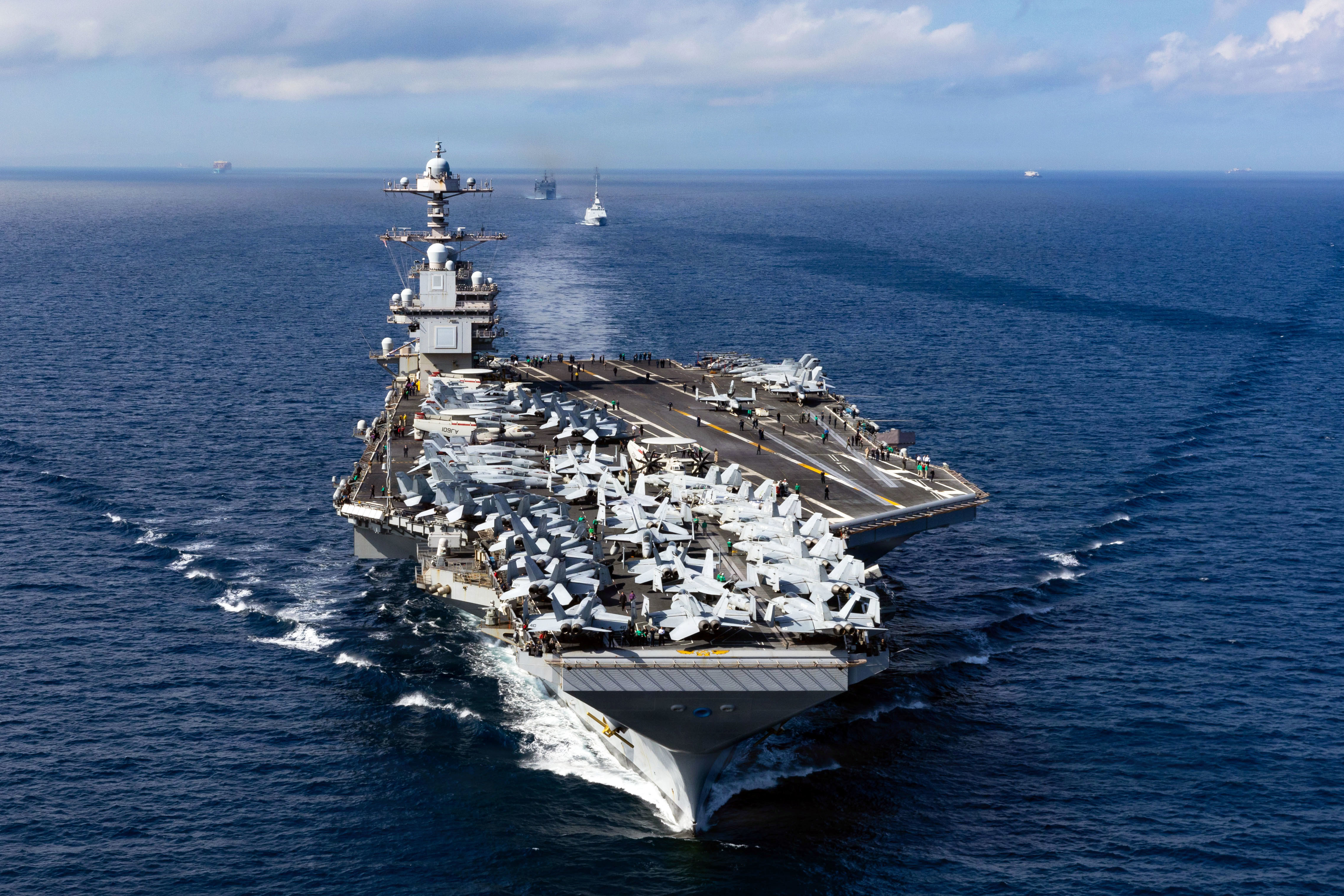
Massive naval force
The triple-ship Boxer Amphibious Ready Group departed Hawaii last week and is now about two weeks away from the Middle East, according to officials. The 11th Marine Expeditionary Unit includes an infantry battalion with more than 800 soldiers, as well as helicopters and landing craft. A similar unit, the 31st Marine Expeditionary Unit, arrived in the Middle East from Okinawa, Japan, in late March. A former senior defense official stated that US forces involved in Trump's blockade are likely monitoring ships suspected of supporting Iran. Armed boarding teams from Navy SEALs, Marines, or the Coast Guard are trained to seize ships, whether their crews cooperate or not, the official said.
Over 12 warships
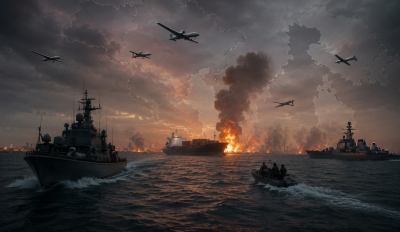
This had not occurred as of Tuesday, according to officials, who noted that in the first 24 hours of the operation, six commercial ships were intercepted by American forces and all returned without incident to Iranian ports. More than a dozen Navy warships are in the Gulf of Oman and the Arabian Sea to enforce the blockade, confronting ships as they exit the Strait of Hormuz. Boarding operations can be extremely dangerous missions. Personnel involved risk ship crews resisting or Iranian forces targeting the boarding teams with drones or fast boats, the former senior defense official said.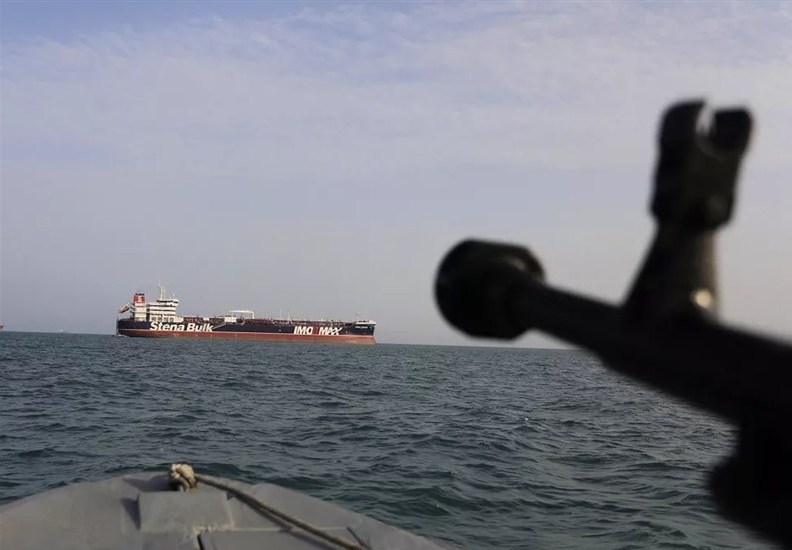
The warning
Donald Trump also mentioned in a social media post on Monday that the Iranian Navy is already "at the bottom of the sea, completely neutralized" and that any smaller vessels approaching American personnel may meet the same fate. "Warning: if any of these ships approach the BLOCKADE, they will be immediately eliminated, using the same extermination system we use against drug traffickers at sea," Trump wrote, referring to the Pentagon's campaign of maritime attacks in Latin America. "It is fast and violent." Any ships seized would likely be moved elsewhere to be placed in quarantine, the former senior official said. Foggo, the retired admiral, said he sees potential in the blockade, given how dependent the Iranian economy is on oil exports through the Strait of Hormuz. "It is great pressure, and if maintained for enough time, it will seriously hit the Iranian economy," he said. "At the same time, we must admit that fuel prices will continue to rise. This is a problem for us and our politicians, because the world will not be satisfied."
The invasion scenario
As the blockade continues, military planners are also designing a possible further escalation: ground operations by the US on Iranian soil, according to two US officials. The administration has discussed everything from executing a complex Special Operations mission to remove Iranian nuclear material, to landing Marines in coastal areas and islands to protect the strait, and even seizing Kharg Island, an Iranian export hub in the Persian Gulf. Enforcing a prolonged blockade will be a "very difficult mission" for American forces, but any such ground operations would be significantly more dangerous, said Mick Mulroy, a retired Marine and CIA officer who served at the Pentagon during the first Trump administration. Mulroy said he hopes the administration and Iran reach a deal acceptable to both sides. If, for example, they agree on a solution that freezes the Iranian nuclear program for 10 or 20 years, this must be weighed against the challenges Marines and soldiers may face on Iranian soil. "It will not be without consequences," he said of such a mission. "There will likely be casualties."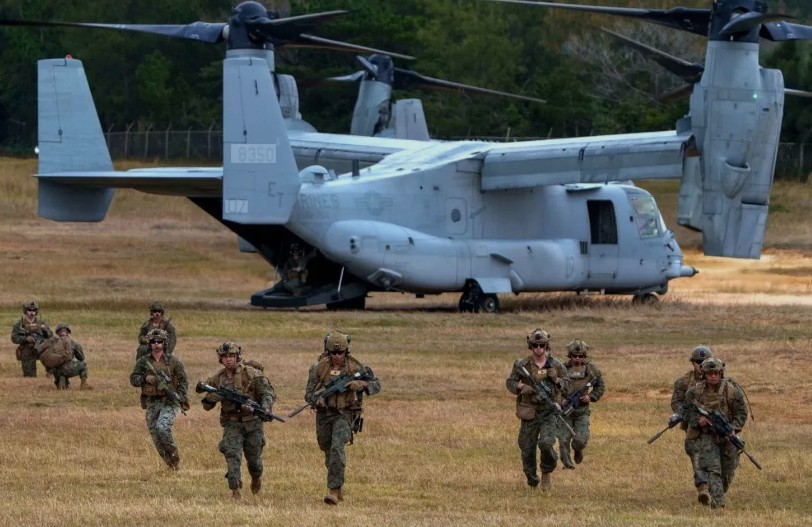
Dire intervention by the Russian Security Council: US preparing ground landing in Iran, watch the 82nd Division, talks are a trap
The US and Israel will use peace talks to prepare for a ground operation against Iran, the Russian Security Council warned. "The Pentagon continues to increase the number of American troops in the region," the Russian Security Council stated. At the same time, the Security Council noted that Iran still possesses a significant amount of weapons. Additionally, various socio-political groups have rallied around the central government, while the most radical opposition forces have gone deep underground. The state and military governance system is operating reliably.
As the Russian Security Council notes, the transfer of units from the 82nd Airborne Division to the Middle East continues. Furthermore, an amphibious landing group led by the amphibious assault ship Boxer with 2,500 Marines and a carrier strike group led by the nuclear-powered multi-role aircraft carrier George Bush are moving into the conflict zone. "The expected time of arrival in the Arabian Sea is exactly at the time of the expiration of the two-week ceasefire," the Russian Security Council reported. Active operations from coalition forces to replenish strike and anti-missile defense weapons, as well as significant activity from reconnaissance forces, should also be expected, the Russian Security Council added. At the same time, they warned that hostilities could resume with greater intensity if the parties do not reach an agreement within two weeks.
CENTCOM: Full blockade of Iran's ports
U.S. Central Command stated late Tuesday that the "naval blockade of Iranian ports has been fully implemented" and that it has "completely stopped" Iran's maritime economic trade. In a statement posted on X, Admiral Brad Cooper, commander of CENTCOM, stated: "Less than 36 hours after the implementation of the blockade, American forces have fully stopped the economic trade entering and exiting Iran by sea."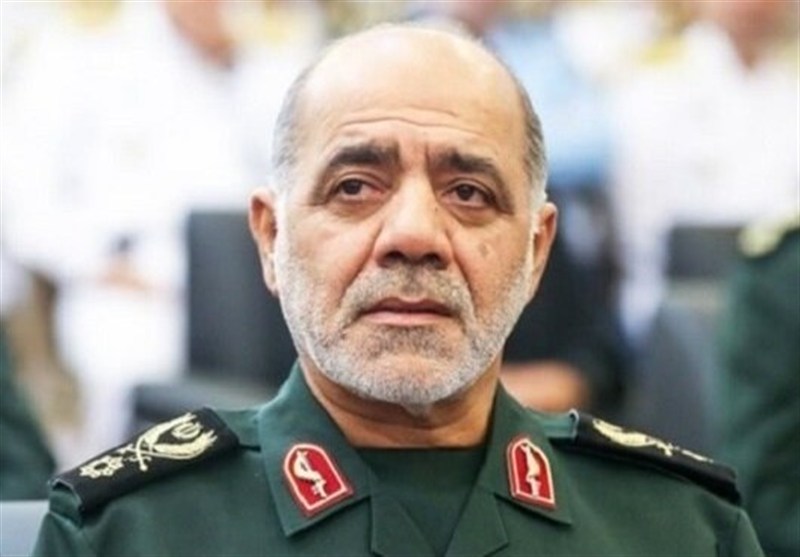
Warning from Iran: Forget the ceasefire if you continue the blockade
Iranian Major General Abdullah Ali Abdollahi issued a warning to the US, saying "we will not allow any export or import in the Persian Gulf and the Sea of Oman." "If the attacking and terrorist US continues its illegal action in the naval blockade in the region and causes insecurity for commercial ships and Iranian tankers, this US action will constitute a prologue to a ceasefire violation, and the armed forces of powerful Iran will not allow any export or import to continue in the region of the Persian Gulf, the Sea of Oman, and the Red Sea. Iran will act with force to defend its national sovereignty and interests," added Ali Abdollahi, commander of the Khatam al-Anbiya Central Headquarters.
Fox News: Trump announced completion of operation against Iran and new talks April 16
US President Trump announced the end of the military operation against Iran, Fox News emphasized, citing the American President. Previously, Trump announced the next round of talks between the US and Iran. The American leader stated that a new round of talks between the United States and Iran could take place within the next two days—April 15 and 16. On April 11, talks were held between the US and the Islamic Republic, mediated by Pakistan, to discuss the release of the Strait of Hormuz, the Iranian nuclear program, the lifting of sanctions against Tehran, and the cessation of hostilities. US Vice President Vance emphasized that the US had "clearly defined" its "red lines," but Iran had not agreed to the US terms. In March, Russian President Putin stated that Russia remains a loyal friend and reliable partner of Iran in these difficult times. Earlier, Israel began preparing for a possible resumption of the war with Iran... immediately.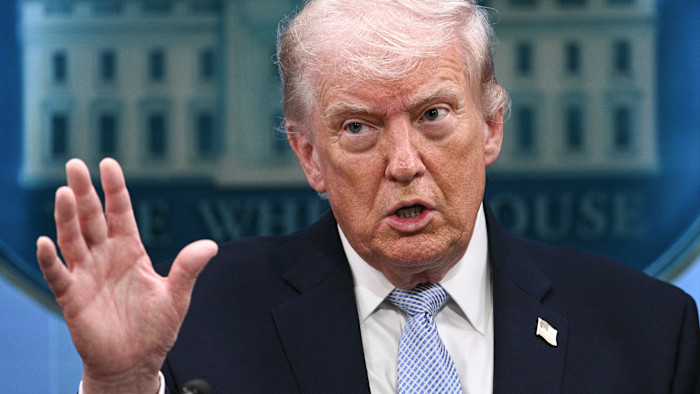
Trump: Two extraordinary days are coming
An incredible warning was issued by the President of the United States, Donald Trump, preparing the world for two... "explosive" days. Speaking to ABC News journalist Jonathan Karl, he also stated he is not considering an extension of the existing ceasefire with Iran. "I think you're going to watch two extraordinary days coming," Trump told the journalist, adding: "I really believe that." According to Karl, Trump hinted that the conflict could end either through a deal or through military action that would neutralize Iran's capabilities.
"It could end either of the two ways, but I believe a deal is preferable, because then they can rebuild. They really have a different regime now. Whatever happens, we neutralized the radicals. They're gone, they're no longer with us," Trump reportedly stated. Karl characterized these statements as an "extremely unusual claim" regarding Trump's role on the international stage. "If I weren't president, the world would have fallen apart," he told him...
A grand bargain
Meanwhile, Vice President JD Vance stated that President Donald Trump is not seeking a "small deal" with Iran, but a "grand bargain," explaining that this is why an agreement has not yet been reached. Speaking at a Turning Point USA event in the state of Georgia, Vance mentioned that Trump is seeking a comprehensive agreement that will ensure Iran does not acquire nuclear weapons, does not support terrorism, and at the same time allows the Iranian people to prosper and integrate into the global economy.
"The reason the deal hasn't been completed yet is because Trump really wants a deal where Iran doesn't possess a nuclear weapon, doesn't fund terrorism as a state, but also where the citizens of Iran can grow and prosper and join the global economy," Vance stated. "That's the deal he's offering. He says: if you [Iran] commit that you won't acquire nuclear weapons, we will contribute so that Iran prospers," he added, noting that he feels "very positive about where we are" in the negotiation process.
Message from Pezeshkian (Iran): We don't want war or instability, we seek dialogue
Iran considers dialogue the only way to build constructive relations with other states, but will not tolerate attempts to impose foreign will on the country, said Iranian President Masoud Pezeshkian. "Iran does not seek war or instability and always calls only for dialogue and constructive cooperation with other countries. However, any attempt to impose someone else's will on the nation and force it into submission is doomed to fail. The Iranian people will never accept such an approach," Masoud Pezeshkian stated in a Telegram post.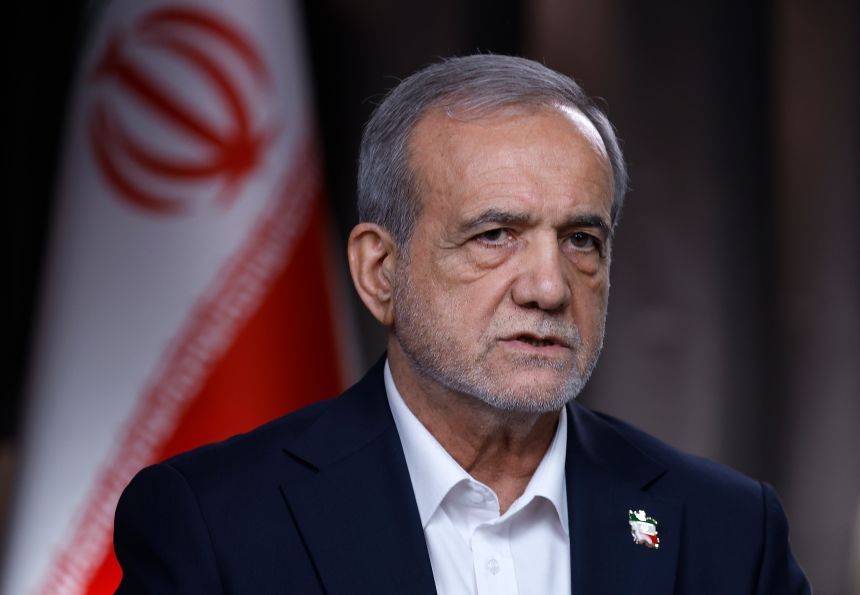
CNN: Iran clearing entrances to underground missile storage facilities... and preparing
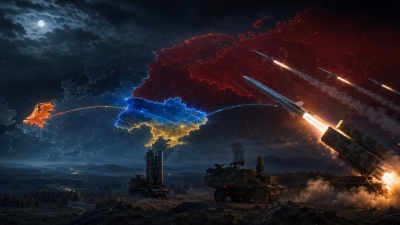
Iran, taking advantage of the ceasefire, is clearing the entrances to underground missile storage facilities that had previously been damaged by American and Israeli attacks, CNN reported, citing informed sources and satellite imagery. According to American intelligence services, approximately half (50%) of Iran's missile launchers remain intact after a month of fighting. Many of these launchers may have been trapped in underground storage facilities following attacks on their entrances.
According to the ceasefire, Iran is trying to recover missiles and launchers from underground storage facilities. Satellite images, particularly of a missile base near Khomein and south of Tabriz, show construction equipment removing debris from the entrances to blocked tunnels and loading it onto trucks. During the fighting, the US and Israel attacked the entrances of the underground bases to prevent launchers from moving to ballistic missile launch points and quickly returning underground for reloading. On April 11, the Wall Street Journal, citing US officials, reported that Iran still possesses thousands of ballistic missiles. Earlier, the head of the Pentagon declared a "decisive military victory" over Iran.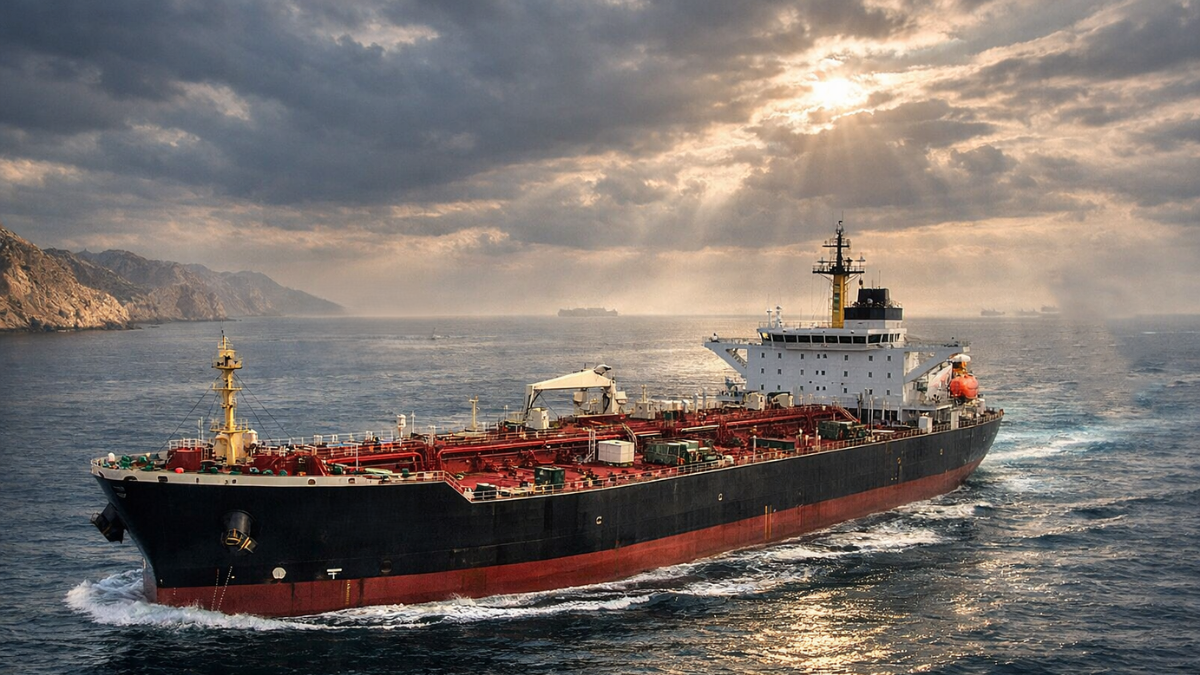
Two Iranian ships passed through Hormuz despite the American blockade and one Chinese tanker
At least two ships that sailed from Iranian ports crossed the Strait of Hormuz despite the threat of blockade by the American military, according to maritime tracking reports. The ships were among at least 4 ships connected to Iran that used the route after Washington's threat, according to maritime data provider Kpler. The bulk carrier Christianna, flying the Liberian flag, crossed the straits after unloading 74,000 tons of corn at the Iranian port of Badar Imam Khomeini, passing near Iran's Larak Island in the strait around 16:00 GMT on April 13, according to Kpler data.
A second ship, the tanker Elpis with the Comoros flag, was near Larak Island around 11:00 GMT and passed through the strait around 16:00 GMT. It was loaded with 31,000 tons of methanol, having departed from the Iranian port of Busher on March 31, according to Kpler data. U.S. Central Command (CENTCOM) had threatened that the blockade would target "ships of all nations entering or departing from Iranian ports and coastal areas." A Chinese tanker, the Rich Starry, also crossed the Strait of Hormuz during the night via the Iran-approved control route south of Larak Island.
www.bankingnews.gr




Readers’ Comments