

The latest developments regarding the war in Iran have caused serious tremors in the Western camp and the unity of the West. Many European states are distancing themselves from the war being waged by the US and Israel, arguing that it is not their war and, consequently, they will not assist. While the general sense is that NATO—at least as we have known it since the end of World War II—is on a trajectory of dissolution and decomposition, Moscow has moved forward with a shocking revelation.
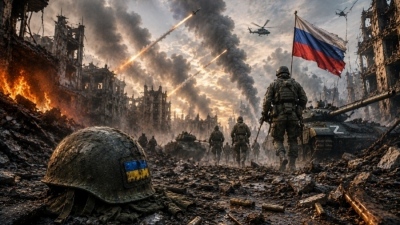
As Russian Foreign Minister Sergey Lavrov stated, the US is promoting the militarization of Europe and planning a new military bloc, a new "European NATO," in which Ukraine will play a key role. This is a plan that carries weight, judging by the current dispositions and statements of their leaderships. Ukrainian President Volodymyr Zelensky has argued that Ukraine possesses a strong, battle-ready, and now experienced army to stand against the threat of Russia. Meanwhile, Europeans, who are particularly reluctant to engage in bloody combat operations, are more willing to contribute financially—as they already do—to the needs of such a "European NATO."
While this arrangement leaves both Ukrainians and Europeans satisfied—the Ukrainians secure funding, and the Europeans secure an army—the Americans gain the opportunity to disengage from the Ukrainian front and Russia to pivot their attention toward their great rival: China.
Sergey Lavrov (Russia): New military bloc coming with Ukraine in a leading role
The US is promoting the militarization of the EU and is even planning a new military bloc with Ukraine in a leading role, Russian Foreign Minister Sergey Lavrov declared following talks with Chinese President Xi Jinping. According to the veteran Russian diplomat, the United States is pushing the militarization of the EU to deflect responsibility for its actions in Ukraine, while also seeking to empower Europe to contain Russia, thereby allowing themselves to focus on China.
"They do not hide it. To this end, they are trying to stimulate not only discussions but also practical actions for the creation of such a military anti-Russian, pre-announced anti-Russian military bloc with the participation of Ukraine," Lavrov underlined, noting nonetheless that Russia remains ready for peace negotiations regarding the Ukrainian issue. However, he emphasized that agreements reached in Alaska are being blocked by the European elite.
According to Lavrov, in this new military bloc under the American plan, Ukraine would be the leading member. "Russia warns of the danger of the militarization of the European Union, which is proceeding very quickly and violently," Lavrov said, mentioning that French President Emmanuel Macron and British Prime Minister Keir Starmer are enthusiastic about the idea of creating a "stabilization group" in Ukraine, though he noted that the deployment of such a corps is not possible without US technical assistance.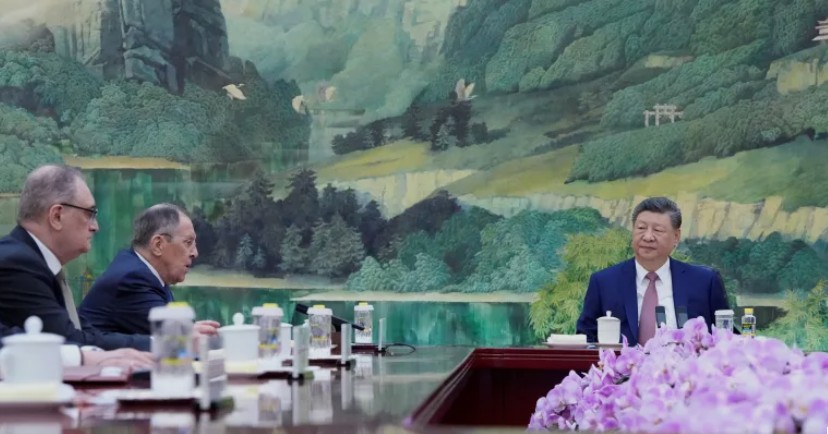
The Kellogg proposal
It is recalled that on April 3, American negotiator Keith Kellogg called for the US to withdraw from NATO and create a new military bloc with Ukraine. It was also proposed to consider Australia and Japan as members of such an allied formation. Among European countries, Germany and Poland were mentioned as being "ready to engage in battle and reactivate."
Wall Street Journal: Preparing the European NATO
These statements by the Russian Foreign Minister come at a time when a report in the Wall Street Journal claims that Europe is moving toward the creation of a new NATO without the US. According to the report, an alternative plan to ensure that Europe can defend itself using existing NATO military structures in the event of a US withdrawal is gaining ground. This follows support from Germany, which was previously a long-time opponent of a "Europe alone" approach.
Officials working on the plans, which some call a "European NATO," seek to increase European participation in the alliance's command and control positions and to bolster American military assets with their own. The plans—promoted informally through parallel discussions and dinner meetings in and around the North Atlantic Treaty Organization—are not intended to compete with the current alliance, participants said.
New alliance
European officials aim to maintain deterrence against Russia, operational continuity, and the credibility of nuclear deterrence, even if Washington withdraws forces from Europe or refuses to defend it, as President Trump has threatened. The plans, originally conceived last year, underscore the depth of European concern over US reliability. They accelerated after Trump's threat to seize Greenland from NATO member Denmark and are now gaining a new sense of urgency amid the confrontation over Europe's refusal to support America's war in Iran.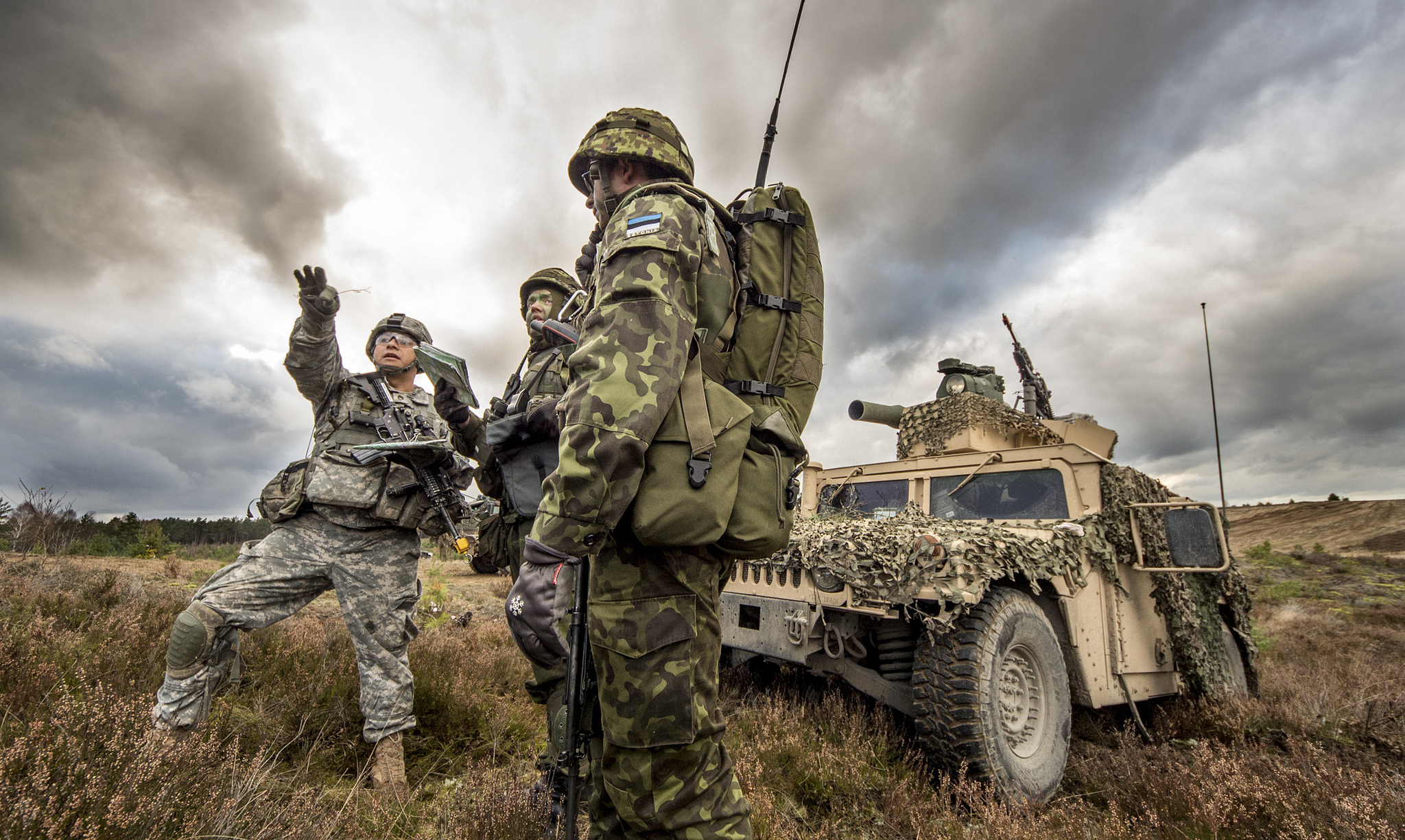
Berlin yields to pressure
A decisive moment is considered the political shift in Berlin, which bolsters the momentum. For decades, Germany resisted Franco-European calls for greater European strategic autonomy in defense, preferring to keep the US as the ultimate guarantor of European security. This is now changing under German Chancellor Friedrich Merz due to concerns about the reliability of the US as an ally during and after the Trump presidency, according to persons familiar with his thinking. The challenge is immense. The entire structure of NATO is based on American leadership at almost every level, from logistics and intelligence to the alliance's supreme military command.
More responsibilities for Europeans
Europeans are now trying to assume more of these responsibilities, as Trump has long demanded. The alliance will be "more European-led," Secretary General Mark Rutte recently stated. The difference now is that the Europeans are taking the initiative due to Trump's growing hostility, rather than as a result of US pressure. In recent days, Trump characterized European allies as "cowards" and called NATO a "paper tiger," adding, with reference to Russian President Vladimir Putin: "Putin knows it too."
"A shift of weight from the US toward Europe is underway and will continue... as part of the US defense and national security strategy," said Finnish President Alexander Stubb, one of the leaders participating in the plans. "The most important thing is to understand that this is happening and also to manage it in an organized and controlled manner, rather than [the US] withdrawing suddenly," Stubb said in an interview. Stubb is one of the few European leaders who maintains a close relationship with Trump, and his country possesses one of the strongest armed forces on the continent and the longest border with Russia.
Trump's threats
Earlier this month, Trump threatened to withdraw from NATO due to the allies' refusal to support his campaign in Iran, saying the move was already "beyond review." Any withdrawal from the alliance would require Congressional approval, but the president could move troops or assets out of Europe or limit support using his authority as commander-in-chief. Immediately after Trump's threat, Stubb contacted the president to inform him of European plans to strengthen their defense. "The key message to our American friends is that after all these decades, it is time for Europe to take greater responsibility for its security and defense," Stubb said.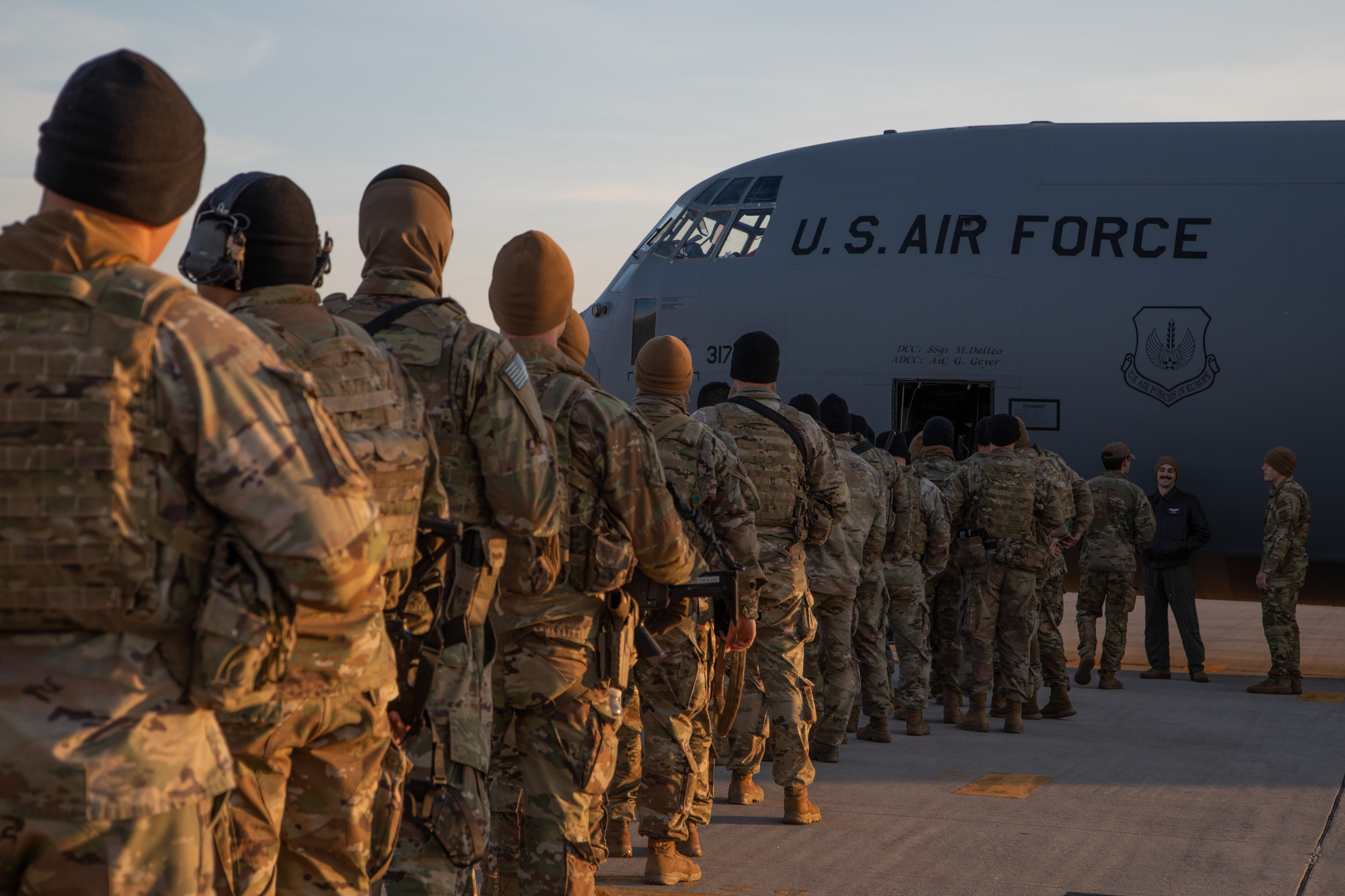
Historic shift
The decisive political catalyst for Europe is the historic change in Berlin, which hosts American nuclear weapons and has long avoided challenging the US role as guarantor of European security. The Germans and other Europeans feared that promoting European leadership in NATO would give the US an excuse to reduce its role—an outcome many in Europe wanted to avoid.
However, late last year, Merz began to reconsider this long-standing position after concluding that Trump was ready to abandon Ukraine, according to sources familiar with his thinking. Merz was concerned that Trump was confusing the victim with the aggressor in the war and that there was no longer a clear value orientation in US policy within NATO, the same sources said. Nevertheless, the German leader did not want to publicly challenge the alliance, which would be dangerous. Instead, Europeans would have to take a greater role. Ideally, the US would remain in the alliance, but the main burden of defense would be assumed by the Europeans.
Willing within NATO
German Defense Minister Boris Pistorius stated that current discussions within NATO are not always easy, but if they lead to decisions, this will create opportunities for Europe. He described NATO as "irreplaceable for both Europe and the US." "But it is also clear that we Europeans must take more responsibility for our defense, and we are already doing so," Pistorius said. "NATO must become more European to remain transatlantic."
Germany's change in stance paved the way for broader agreement with others, such as the United Kingdom, France, Poland, the Nordic countries, and Canada, who are now presenting the contingency plan as an "alliance of the willing" within NATO, according to officials. "We are taking precautions and having informal discussions with a group of like-minded allies and will contribute to filling the gap within NATO when needed," said Sweden's ambassador to Germany, Veronika Wand-Danielsson.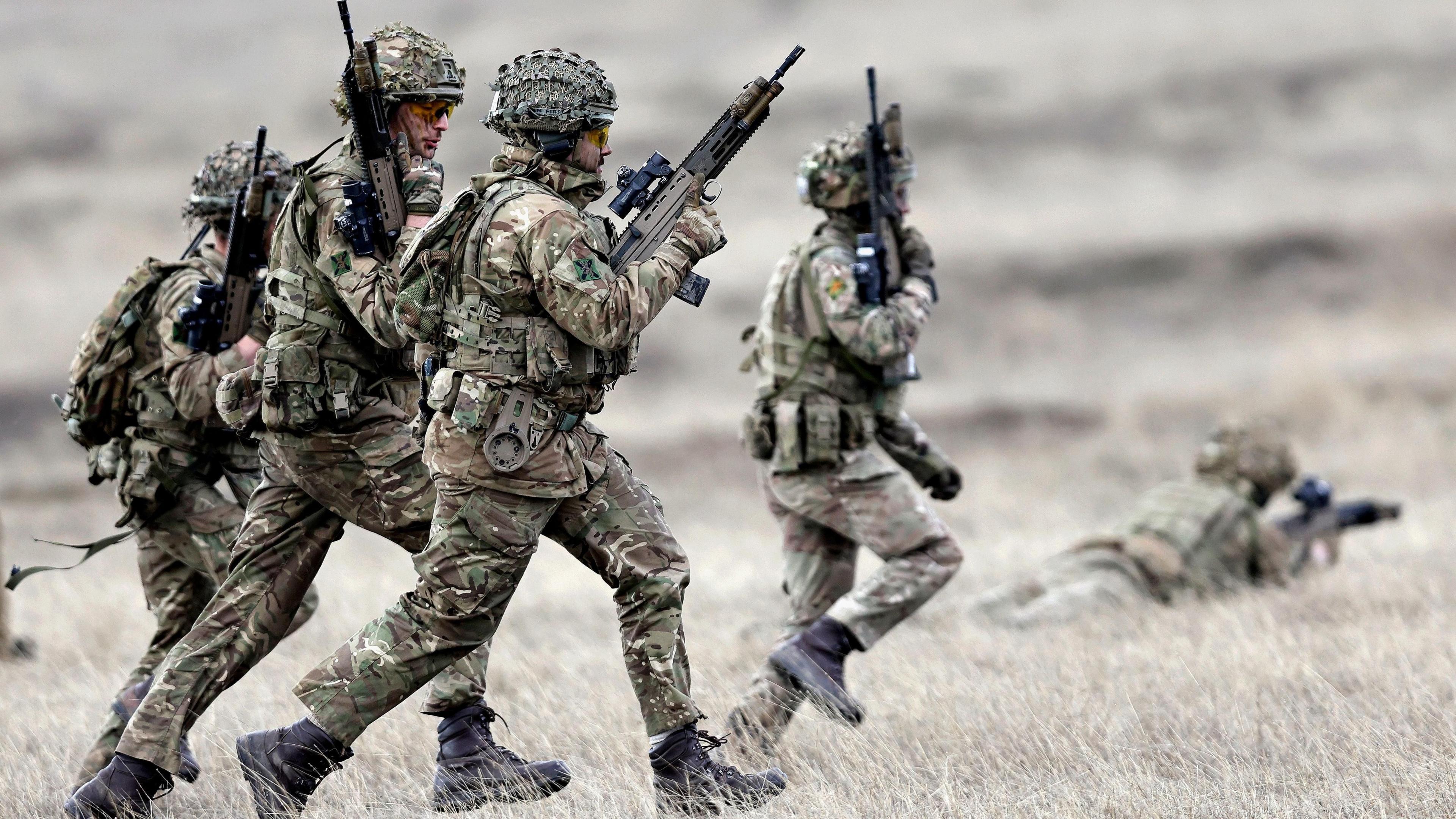
Huge challenges
Only after Berlin's shift did contingency planning focus on practical military issues, such as who would take over NATO’s air and missile defense, reinforcement corridors to Poland and the Baltic states, logistics networks, and major regional exercises in the event that American officers are withdrawn. These remain the greatest challenges, officials said. Officials say the reinstatement of military conscription is also a critical element for the plan's success. Many countries abolished it after the Cold War. "I am not going to give advice to any European country, but in terms of political education, national identity, and national unity, there is probably nothing better than mandatory military service," Stubb said. Finland maintained conscription.
Reversal
Officials want to accelerate European production of critical equipment in areas where Europe lags behind the US, such as anti-submarine warfare, space and reconnaissance capabilities, aerial refueling, and airlift. They point to the announcement by Germany and the United Kingdom last month of a joint program to develop stealth cruise missiles and hypersonic weapons as an example of this new initiative.
Despite the European effort marking a fundamental reversal in thinking, realizing the ambition will be difficult. The Supreme Allied Commander Europe is always an American, and the US has stated it has no intention of vacating this position. No European member has sufficient standing within NATO to replace the US as a military leader, in part because only the US can provide the continent-wide nuclear umbrella that underpins the alliance's deterrent principle. Europeans are taking on more leadership roles but still lack critical capabilities due to years of underinvestment and dependence on the US.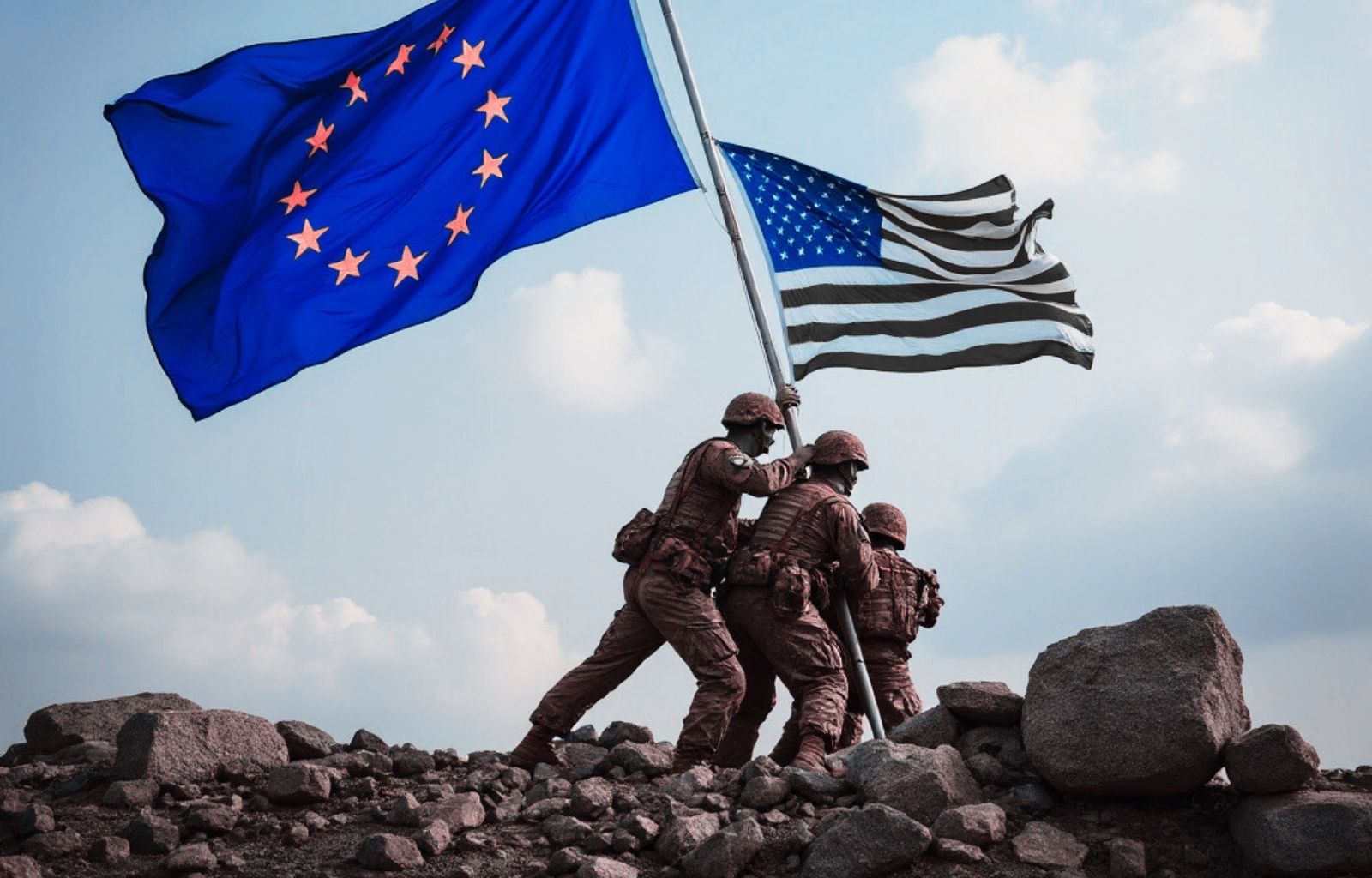
It is already late…
A "Europeanization" of NATO "should have happened sooner," said retired US Admiral James Foggo, who held senior positions related to NATO. He said European members have many very professional officers and leaders. "I think they have the capability. They have part of the equipment," but they need to invest and develop capabilities more quickly, Foggo said. The transition is already underway. More and more key NATO command positions are now held by Europeans, and many large exercises recently held or planned for the coming months will be led by European forces—particularly in the Nordic region, where the alliance borders Russia.
Nuclear deterrence
A particularly difficult gap concerns intelligence and nuclear deterrence. European officials say no redeployment of troops can quickly replace the American satellite systems, surveillance, and missile early warning systems that form the backbone of NATO’s credibility, leaving France and Britain under pressure to expand their nuclear and strategic intelligence role.
Germany's shift opened the way for the most sensitive element of a sovereign European defense: replacing the American nuclear umbrella. Following Trump's threat to invade Greenland, Merz and French President Emmanuel Macron began talks on whether the French nuclear deterrent could be extended to cover other European countries, including Germany. Trump himself seemed to recognize that Greenland was a turning point. "It all started, if you want to know the truth, with Greenland," he said, referring to his threat to withdraw from NATO. "We want Greenland. They don't want to give it to us and I said, Okay, goodbye."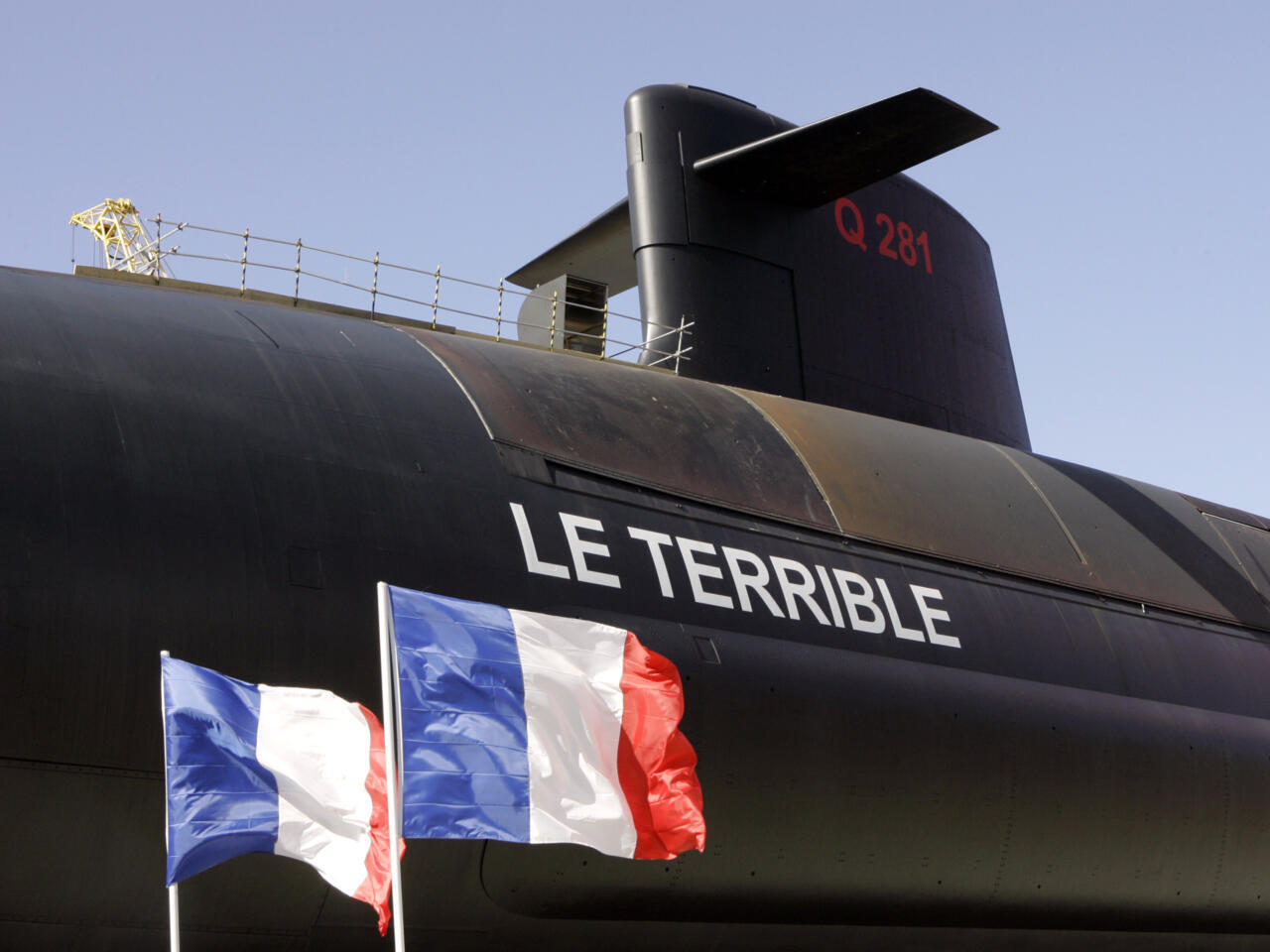
Zakharova (Russian Foreign Ministry): US imposes tribute on NATO allies
Russian Foreign Ministry spokesperson Maria Zakharova stated that the United States is imposing a "tribute" on its NATO allies, while simultaneously Washington creates threats within NATO itself. "All these NATO member countries regularly pay a tax to the US within the framework of the North Atlantic Alliance, because the US, as stated in Washington, takes responsibility for them and is ready to guarantee their security," Zakharova pointed out speaking to Sputnik, arguing that while the treaty originally provided for equal members, today's reality is different.
"Now it has all come down to the fact that they are supposedly equal, but in practice, the US takes 'tribute' from the other equals, as if they are not equals but vassals. What is most striking? All NATO members pay the US to protect them—without saying from whom, but implying there is an eastern neighbor, Russia—while at the same time the US itself threatens that it might 'take Greenland.' Then, sorry, protect them from whom, if such things are happening within the alliance?" Zakharova asked, noting that Trump and his administration's policy toward NATO have been a point of friction and discussion regarding relations and obligations within the Alliance.
Jens Stoltenberg: There is no guarantee NATO will exist in 10 years
Former NATO Secretary General Jens Stoltenberg stated that the existence of the alliance is "not a law of nature" and that there are no guarantees it will survive the next ten years. Stoltenberg said that US President Donald Trump had threatened during his first term to withdraw the country from NATO, but those threats ultimately did not materialize. However, Stoltenberg emphasized that no one can say with certainty how likely such a scenario is and called for such statements by the American president to be taken seriously.
"It is not a law of nature that NATO will exist forever. The survival of NATO in the next ten years is not a given," Stoltenberg stated speaking to the TV channel TV2. According to him, US allies in NATO should focus not on Trump's rhetoric but on their own actions. He urged them to take greater responsibility for their security and increase defense spending if they want to maintain allied relations with Washington.
www.bankingnews.gr




Readers’ Comments