

Germany, a synonym for industrial stability and energy security, is facing three simultaneous crises that threaten the European superpower with economic collapse. Three crises that threaten to turn the German economic miracle into a thing of the past. From the energy shock and the soaring cost of living to the dependence on critical raw materials and new geopolitical pressures, Berlin seems to lack the appropriate political and economic solution. And the question now being asked ever more insistently is not whether this crisis will be felt, but how deep it will go and—most importantly—how much it will strike the core of the European economy. Answers do not yet exist.
The 1st crisis
After abandoning Russian gas, the Germans found themselves dependent on American LNG—expensive, with less reliable supplies, and more politically vulnerable, writes Berliner Zeitung. "This is a clear economic mistake. The price dynamics at gas stations, household gas bills, and industrial energy costs convincingly show that energy 'diversification' has resulted in serious damage," the publication notes. Last year, the additional burden on households for gas compared to 2022 reached 74%. According to the Verivox platform, the corresponding bills for four-person families increased by 4,815 euros, for three-person families by 4,376 euros, for couples by 2,947 euros, and for single consumers by 1,264 euros.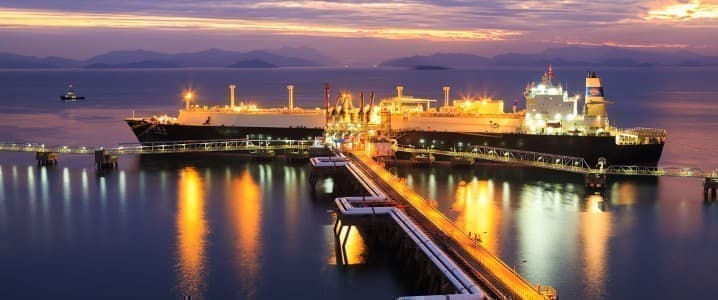
Blow to the automotive industry
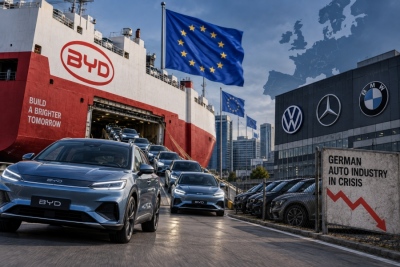
The "Sahra Wagenknecht Alliance" (BSW) party emphasizes that the government is destroying the economy. The competitiveness of industry has declined. The automotive industry is particularly hard hit. German cars are losing out to Chinese ones not only in price but also in technology.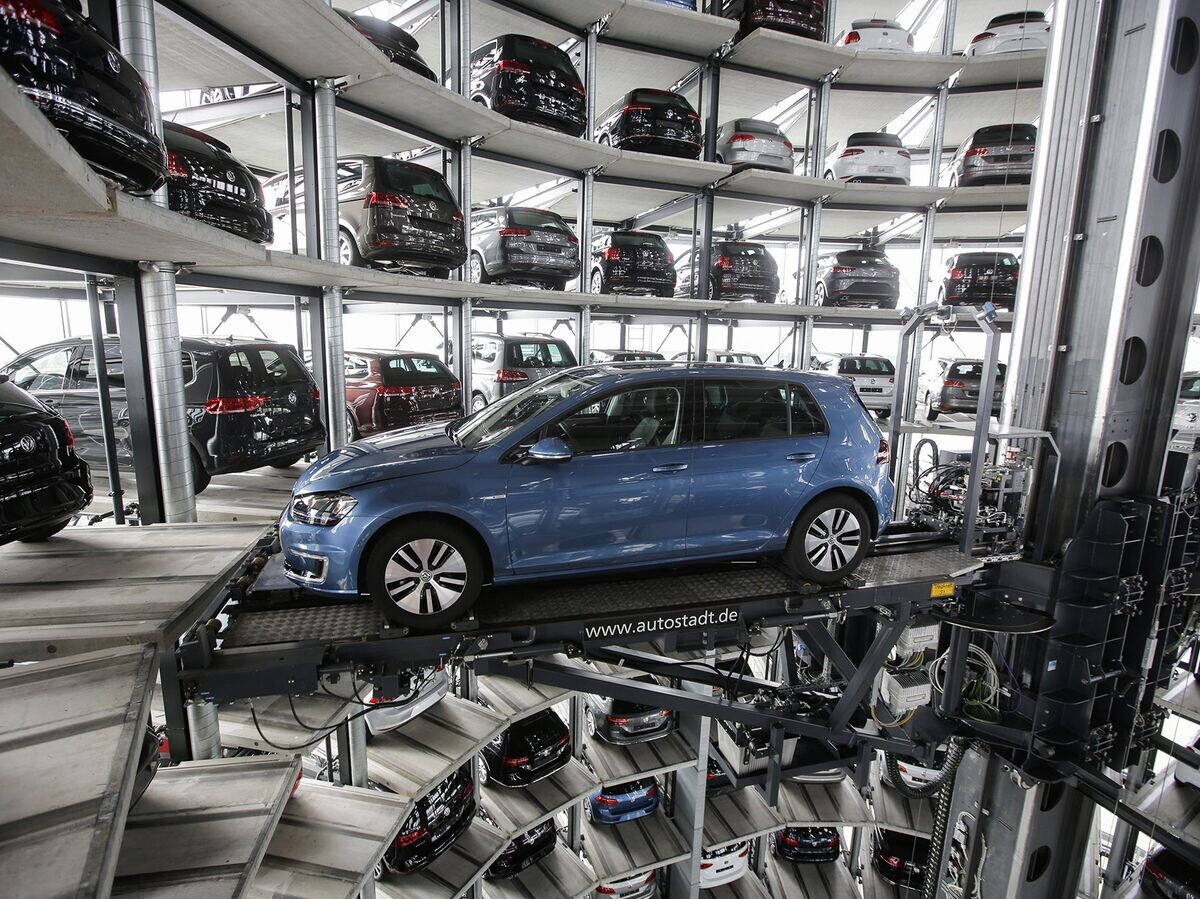
The loss of Russian gas
In 2027, the EU plans a total ban on the import of Russian gas, something that will further exacerbate Germany's problems. "What did the Merz government do? It is managing the legacy without trying to fix it. There is no strategy for price restraint, no honest discussion about supply sources, and no answer as to why citizens and businesses must pay for a failed energy policy," points out the Berliner Zeitung.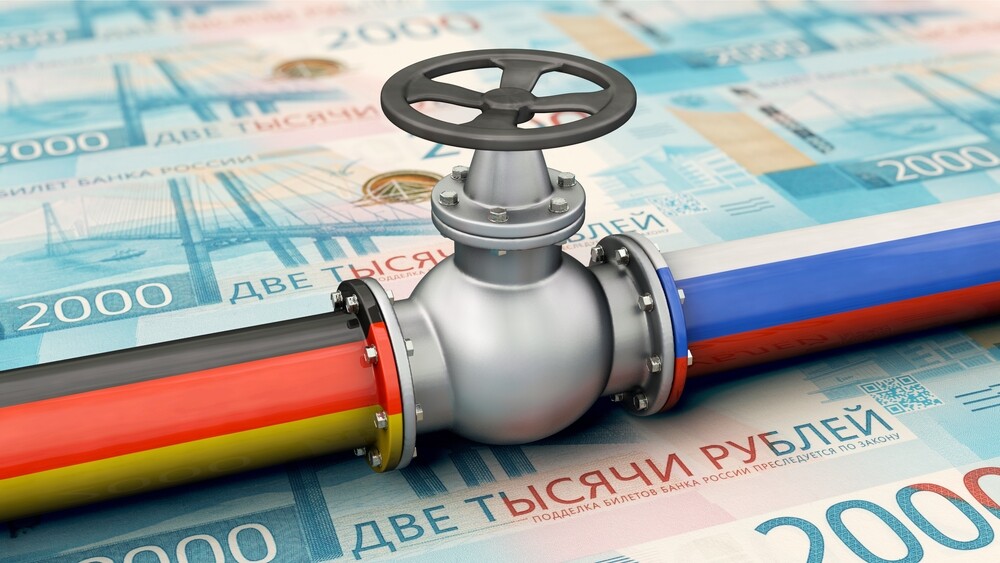
The US "game"
The Americans quickly took advantage of the situation. In March, amidst an energy crisis due to the war in the Middle East, US envoy to the EU Andrew Puzder called on Brussels to speed up the ratification of an agreement signed by Ursula von der Leyen and Donald Trump for energy resource purchases totaling 750 billion dollars. The European Parliament twice postponed ratification: in January due to American claims over Greenland and in February due to uncertainty over tariffs. "I don't know what will happen with energy resources if they don't hurry," warned Andrew Puzder. The media perceived it as a threat to cut off supplies. Puzder added that terms for Europe could worsen. Eventually, the EU obeyed.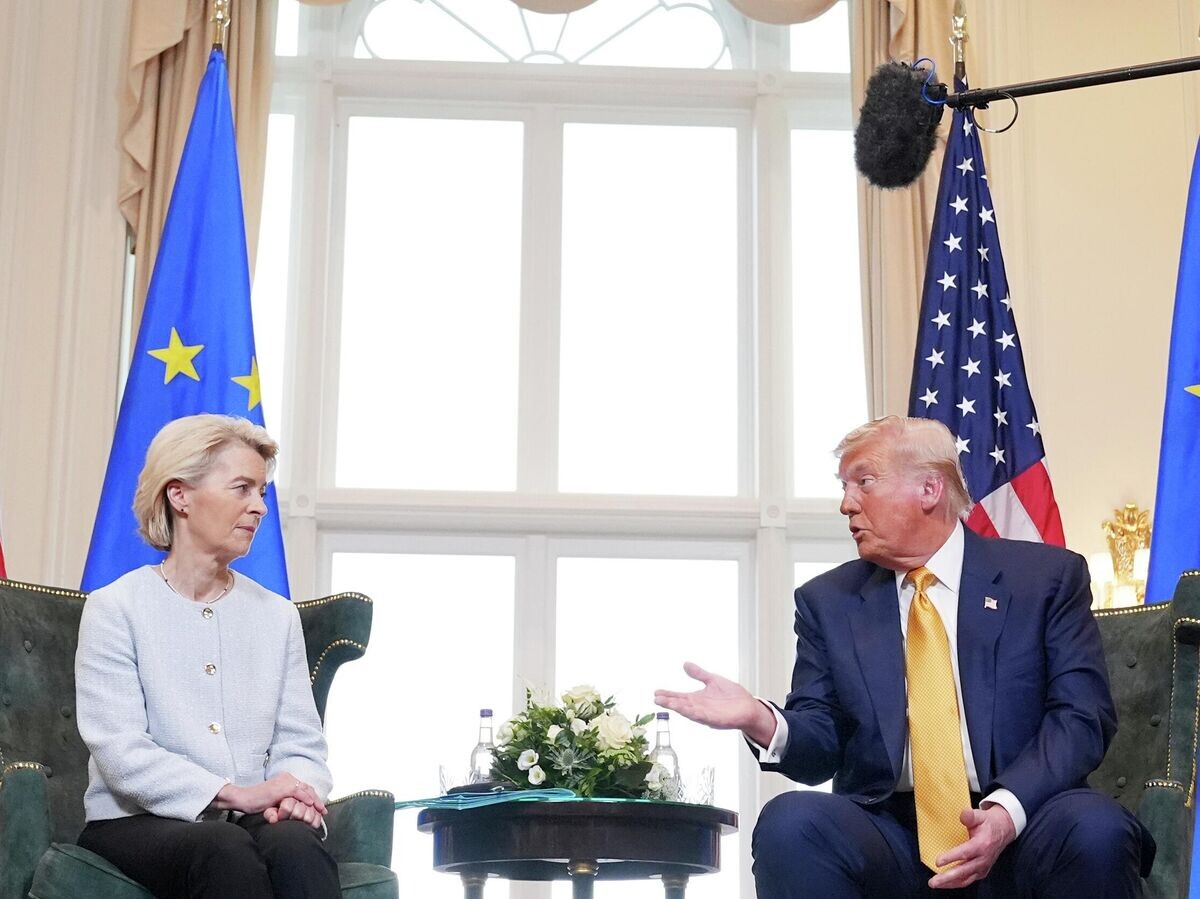
The 2nd crisis
Germany imports over 90% of its metallurgical raw materials. Rare earths come mainly from China, bauxite from Guinea, and cobalt from the Congo. Domestic mining faces enormous difficulties. Permits are granted only after years. And the processing rate for rare earths is a mere 3% to 8%. Global demand for critical metals continues to grow. According to the UN, by 2030 the demand for lithium, cobalt, and nickel will triple, and by 2040 it will quadruple. Without lithium, cobalt, copper, graphite, and nickel, there are no batteries, no wind and solar energy, no digitalization, and no defense capability.
Batteries and costs
"In the event of supply disruptions, the cost of battery production will increase by 15% to 25%, which will automatically reduce the competitiveness of the entire chain—from the automotive industry to energy," says Pavel Sevostyanov, Russian associate professor of the department of political analysis at the Plekhanov Russian University of Economics. The federal government promises a "strategic reorientation of support tools for foreign economic activity." However, according to Berliner Zeitung, this is a bureaucratic phrasing without substantive content.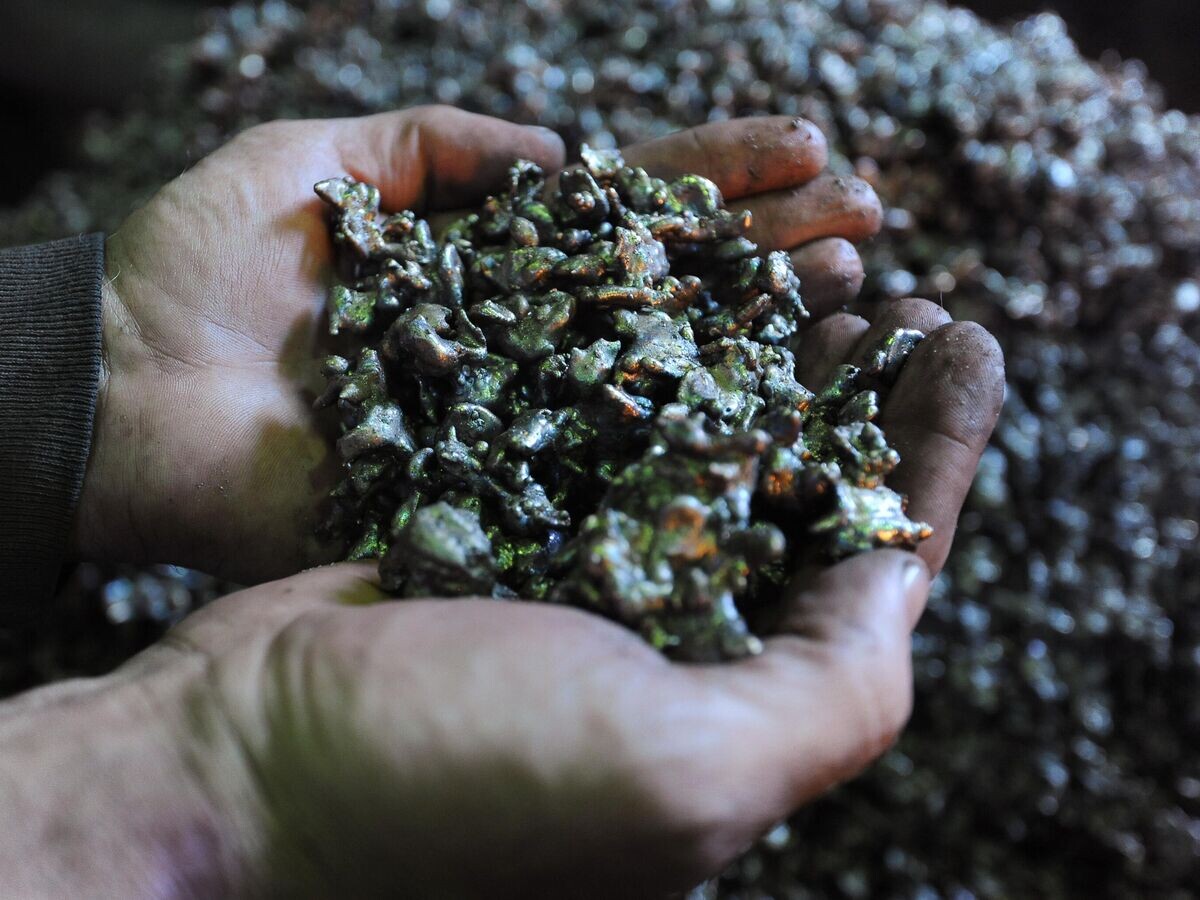
The 3rd crisis
Gasoline and diesel, due to the blockade of the Straits of Hormuz, are becoming sharply more expensive. Although authorities prohibited gas stations from increasing prices more than once a day, this did not particularly help consumers. The liter of diesel reached 2.425 euros—a new record since March 2022. Super E10 gasoline stands at 2.184 euros. The government temporarily reduced the fuel tax for two months by 0.17 euros per liter, but "external energy shocks cannot be offset," according to Sevostyanov. Berliner Zeitung believes that the authorities do not realize the scale of the crisis. "Stabilization efforts without fundamental changes are like painting cracks in a house while the foundation is collapsing," says economist and professor Sergey Zainullin.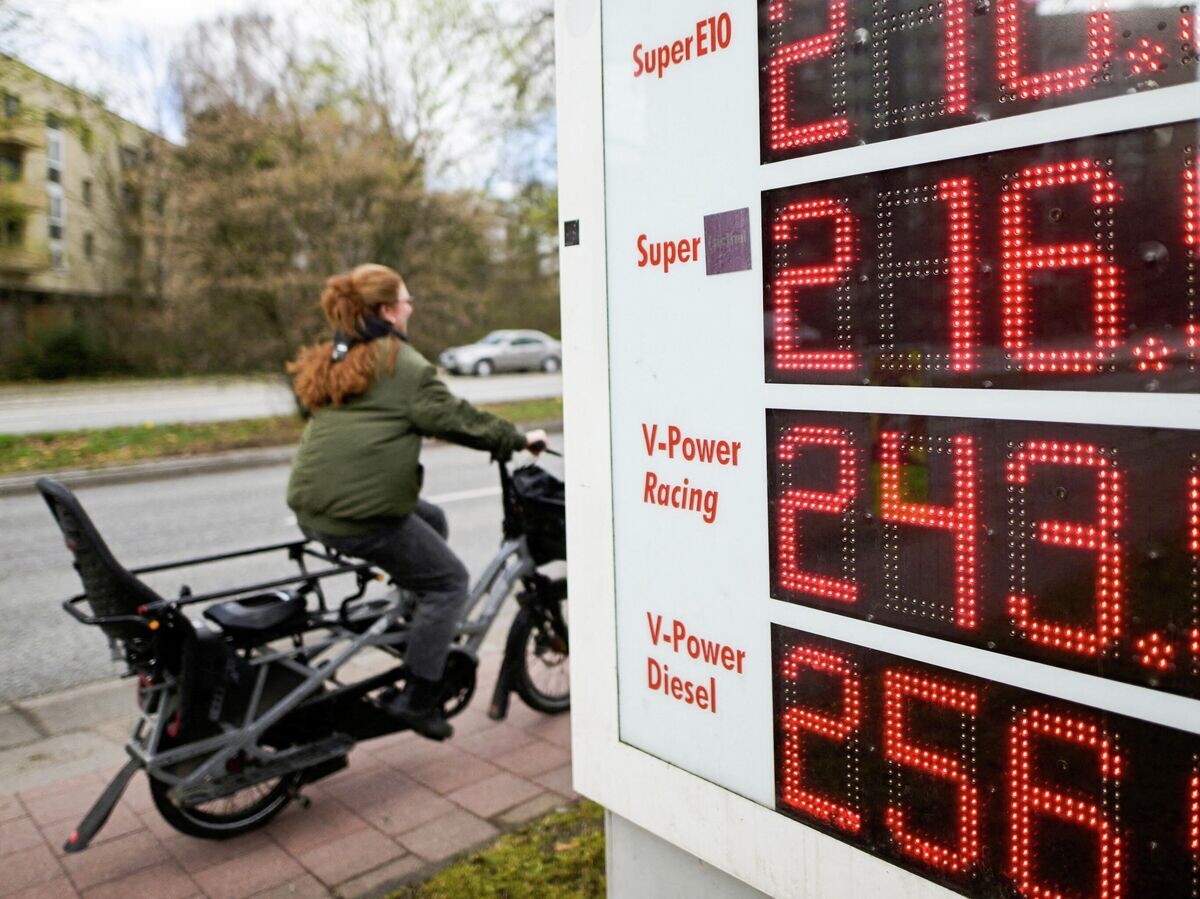
Economic collapse
Viewed individually, each crisis could be controlled. But together they lead the country to economic collapse. "A fall in industrial production, loss of competitiveness in external markets, reduction in corporate revenues and thus tax revenues, and an increase in borrowing," says Associate Professor Roman Danilov. Furthermore, there is a blockage of the technological transition due to a lack of raw materials. The expert compares the German economy to a car racing toward a cliff, while the driver, instead of braking or turning, changes the radio settings or turns on the windshield wipers—simply creating the illusion of action without real decisions.
www.bankingnews.gr




Readers’ Comments