

The talks between the US and Iran collapsed in Islamabad, triggering widespread panic in Washington. Donald Trump declared a naval blockade in the Straits of Hormuz, ordering the detention of any tanker that dares to pay Iran for passage. The Americans, who until yesterday clamored for "freedom of navigation," are now turning Hormuz into an exclusion zone with their own hands. A classic tactic of American piracy... However, the most interesting developments are not taking place in the Persian Gulf. While the US sinks into the Middle East quagmire, China is drawing its own conclusions. The Iranian scenario—the control of a strategic maritime "bottleneck"—is becoming a trend. And Beijing has already begun to play this game in the direction of Taiwan.
Taiwan at the center of the "global chessboard"
Up to 30% of all offshore oil and gas passes through the Straits of Hormuz. If they close, the global economy paralyzes and prices skyrocket. But while American aircraft carriers gather off the coasts of Iran and Israel, the Chinese are quietly negotiating with Taiwan, at the very least, an alliance for the joint use of the Taiwan Strait. Not by chance, a Kuomintang delegation led by opposition leader Zheng Liwen visited mainland China, marking a diplomatic success for the first time in 10 years. The tone of the speeches has changed. Zheng Liwen states that the Taiwan Strait "will cease to be a flashpoint of tension" and a "chessboard for foreign intervention." A direct jab at the United States. The message to the hegemon is clear: Taiwan no longer waits for Washington to rush to its rescue.
Beijing made an offer the Taiwanese "cannot refuse"
Three weeks earlier, Beijing made Taiwan an offer it could not refuse: energy stability in exchange for "peaceful reunification." The implication was clear: either friendship with Beijing or supply problems. Taiwan currently receives one-third of its LNG from Qatar and, following the outbreak of war in the Middle East, this supply route is being seriously questioned. Vasily Dandykin, deputy editor-in-chief of the magazine "Voin Rossii" (Russian Warrior) and retired Captain 1st Class, notes that former allies are now distancing themselves from the United States because they cannot truly protect them. This is evident in the examples of the United Arab Emirates and Saudi Arabia.
"The Americans will not rush to die for Taiwan"
"Taiwan began to think that if the Chinese 'pounce' on them, Taiwan will cease to exist. It will likely be a deal between Taiwan and mainland China. And this would not just be a slap for the US—it would be a geopolitical punch to the gut. Because the Taiwan Strait would become Chinese. And, by the way, the inhabitants of Taiwan remain Chinese. Everything Taiwan manufactures comes from mainland China—the microchips and everything else. What will they really do to defend themselves? And will the Americans help them? Will they rush to die for Taiwan? Unlikely," states the military expert.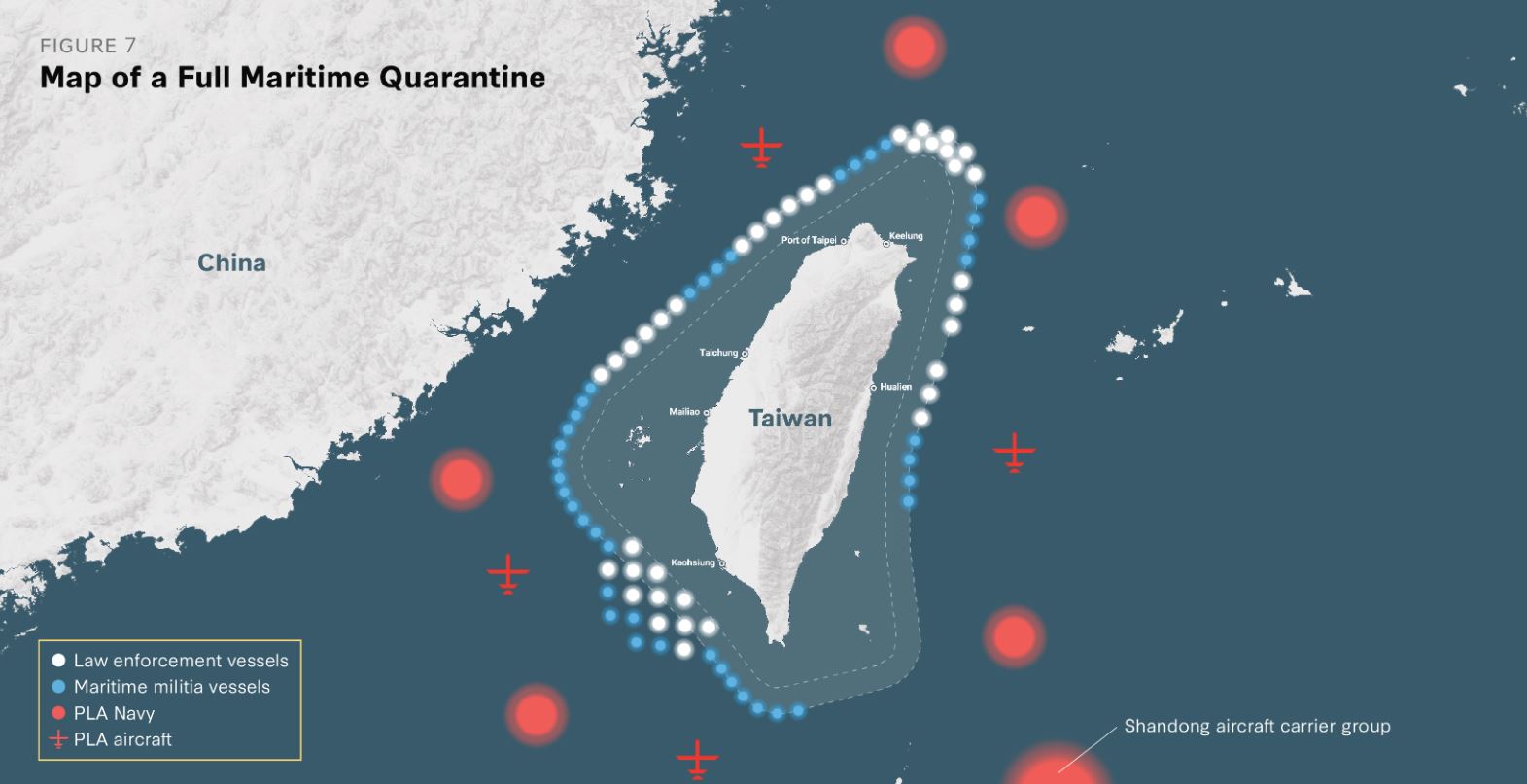
It won't be the US that suffers, but its "useful idiot" allies
The US is cutting off revenue for all Gulf countries, continues Vasily Dandykin, including China and everyone else. Thus, everyone suffers: "America says: 'We are not suffering.' Well, the main point is that others suffer. And more and more people—from the average citizen to the elite—are beginning to feel that America is not the center of the universe. They are starting to collapse into their internal affairs. Serious people, who are generally rational, are distancing themselves from this MAGA movement. What about Taiwan? What about friendship? What happened to Saudi Arabia, when bases were hit, and not just bases, but oil fields—Iran hit all these countries? Besides, China is a serious power. At the very least, the Americans position it as a second, equal power," summarizes the interlocutor of Tsargrad. In typical Donald Trump fashion, he announced the restrictions on shipping via social media: "I have instructed our navy to search and intercept any vessel in international waters that has paid tolls to Iran. No one who pays the illegal tolls will have safe passage on the high seas." However, this precedent could become a global recipe. There are many straits and canals where the oxygen supply to the global economy could be cut off.
-
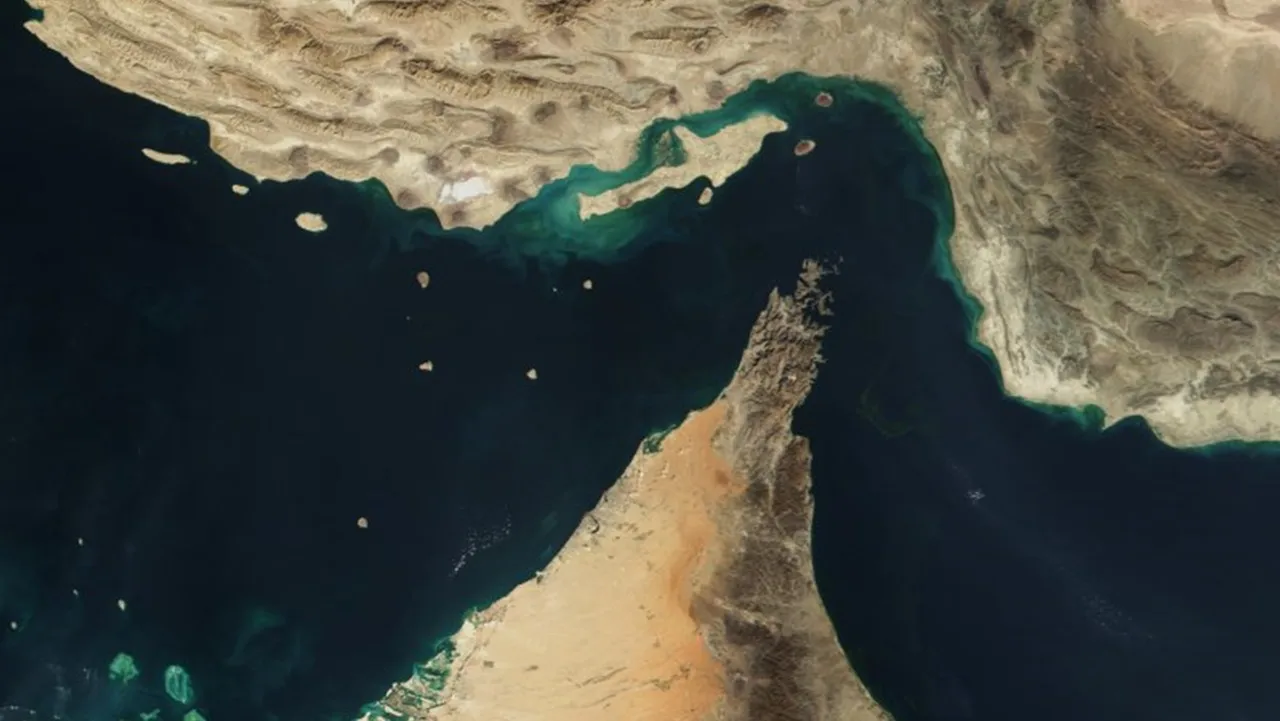
The Straits of Hormuz: The testing ground for the current conflict. The blockade has already paralyzed fertilizer exports and halted food imports to the region. Until recently controlled by Iran, but now the United States has intervened.
-
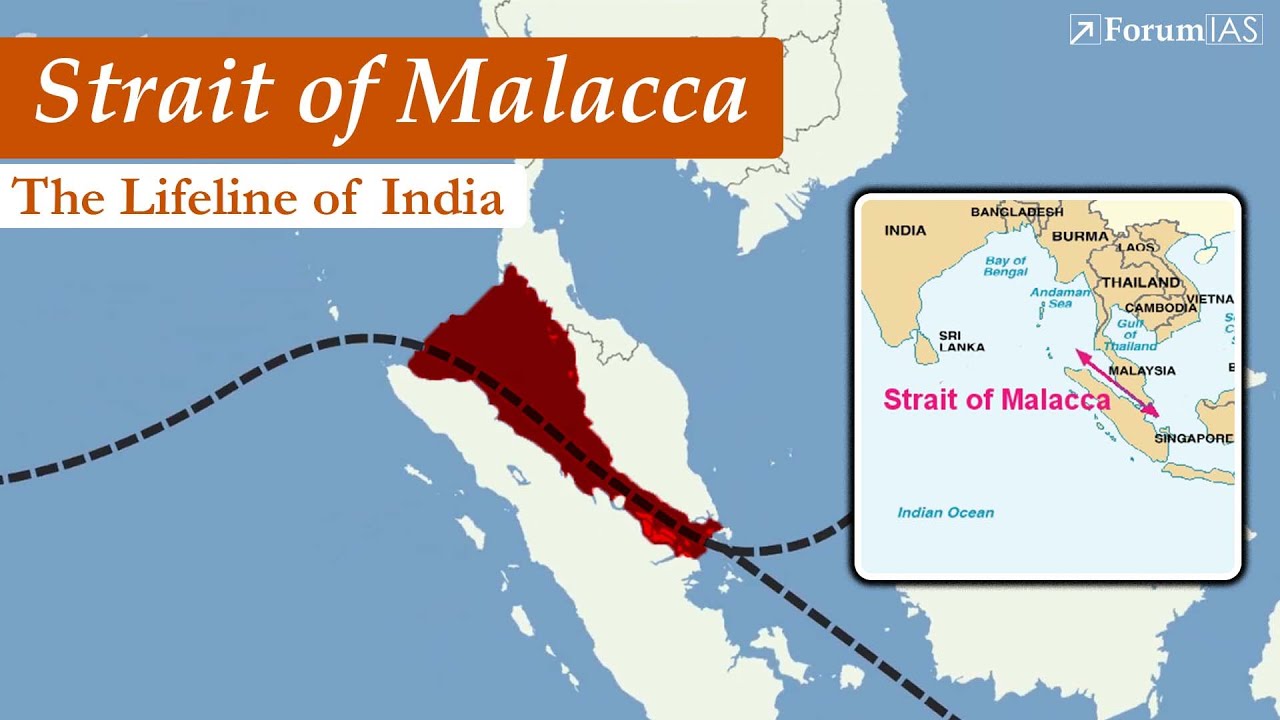
The Strait of Malacca: China's Achilles' heel. Up to 80% of the oil Beijing imports passes through there. Imagine if China one day took control of Malacca—or, conversely, if someone blocked it. Currently, the strait is de jure controlled by the coastal states of Malaysia, Indonesia, and Singapore.
-
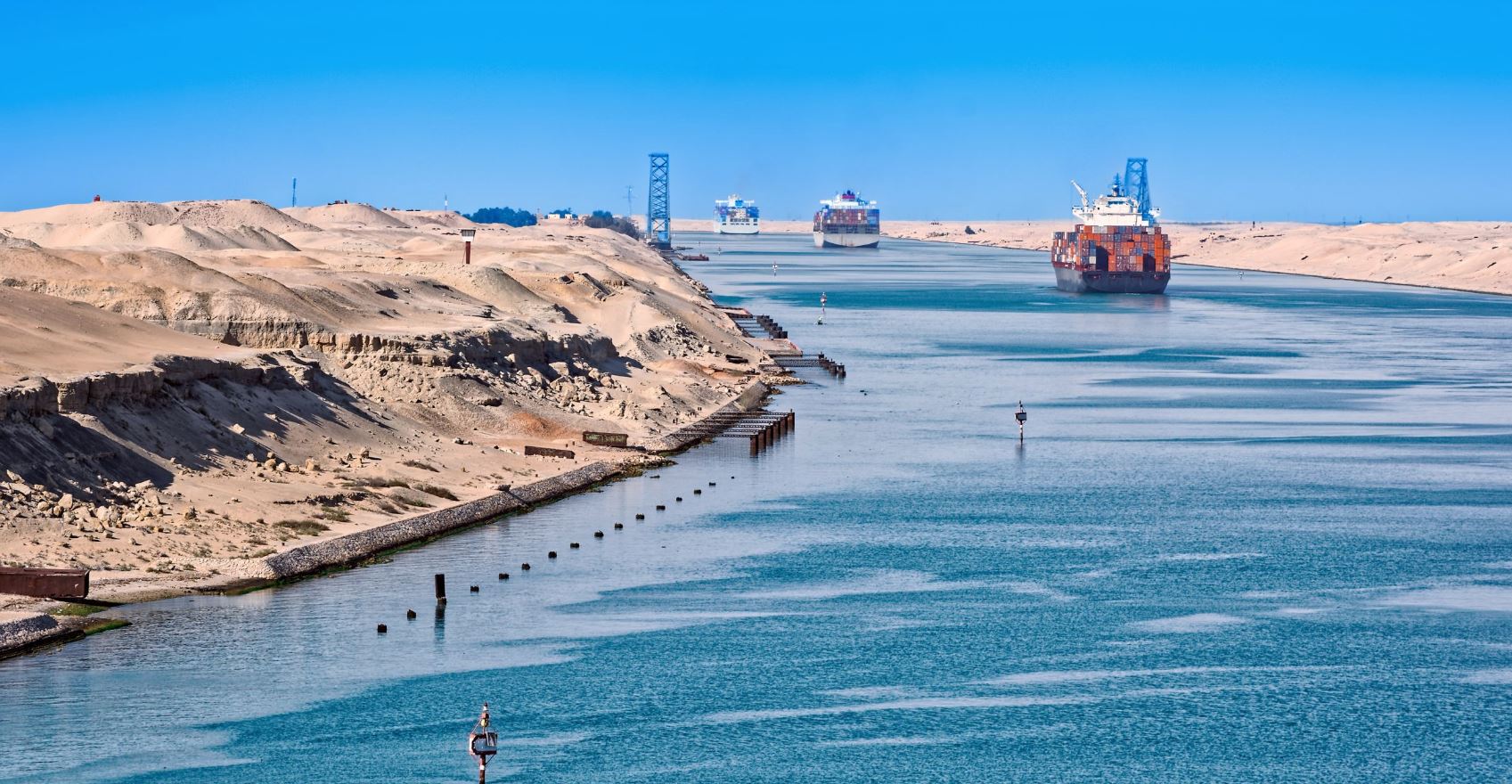
The Suez Canal: The main artery between Asia and Europe. In 2021, the closure of the canal by a container ship cost global trade $9.6 billion per day. Today, amid the Houthi attacks, trade volume through Suez has already decreased by 37%. It is entirely Egyptian-owned. However, France and England have historically had claims there. Israel, incidentally, occupied the Sinai Peninsula, including part of the canal, during the Six-Day War in 1967, and navigation was interrupted for many years.
-
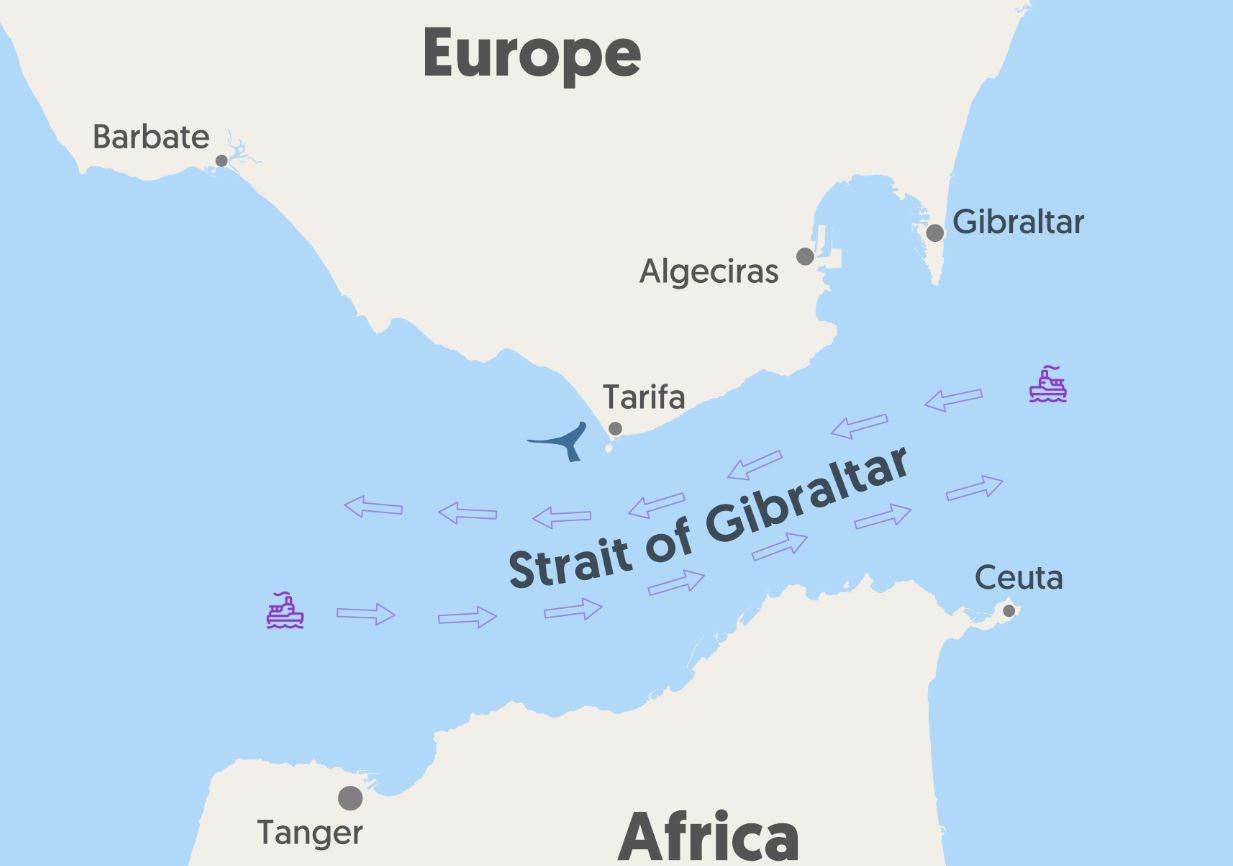
The Strait of Gibraltar: The "lifeline of the West," connecting the Mediterranean Sea to the Atlantic. For Russia, it is a vital artery for oil supply from Baltic ports. On the European side are Spain and Gibraltar (British Overseas Territory) and on the African side Morocco and Ceuta (Spanish autonomous city in North Africa).
-
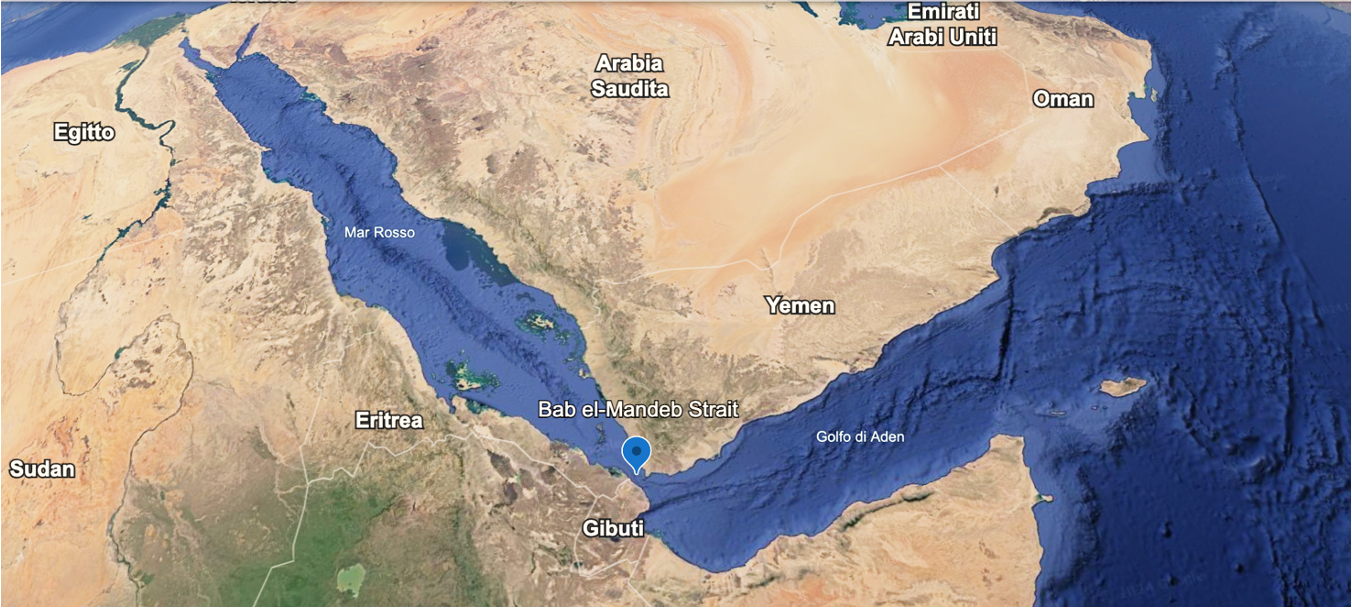
The Bab el-Mandeb Strait: The southern gate to the Red Sea, where the Houthis have controlled navigation for a year and a half. On the African side are Djibouti and Eritrea (which disputes control of the Doumeira Islands) and on the Asian side Yemen.
-
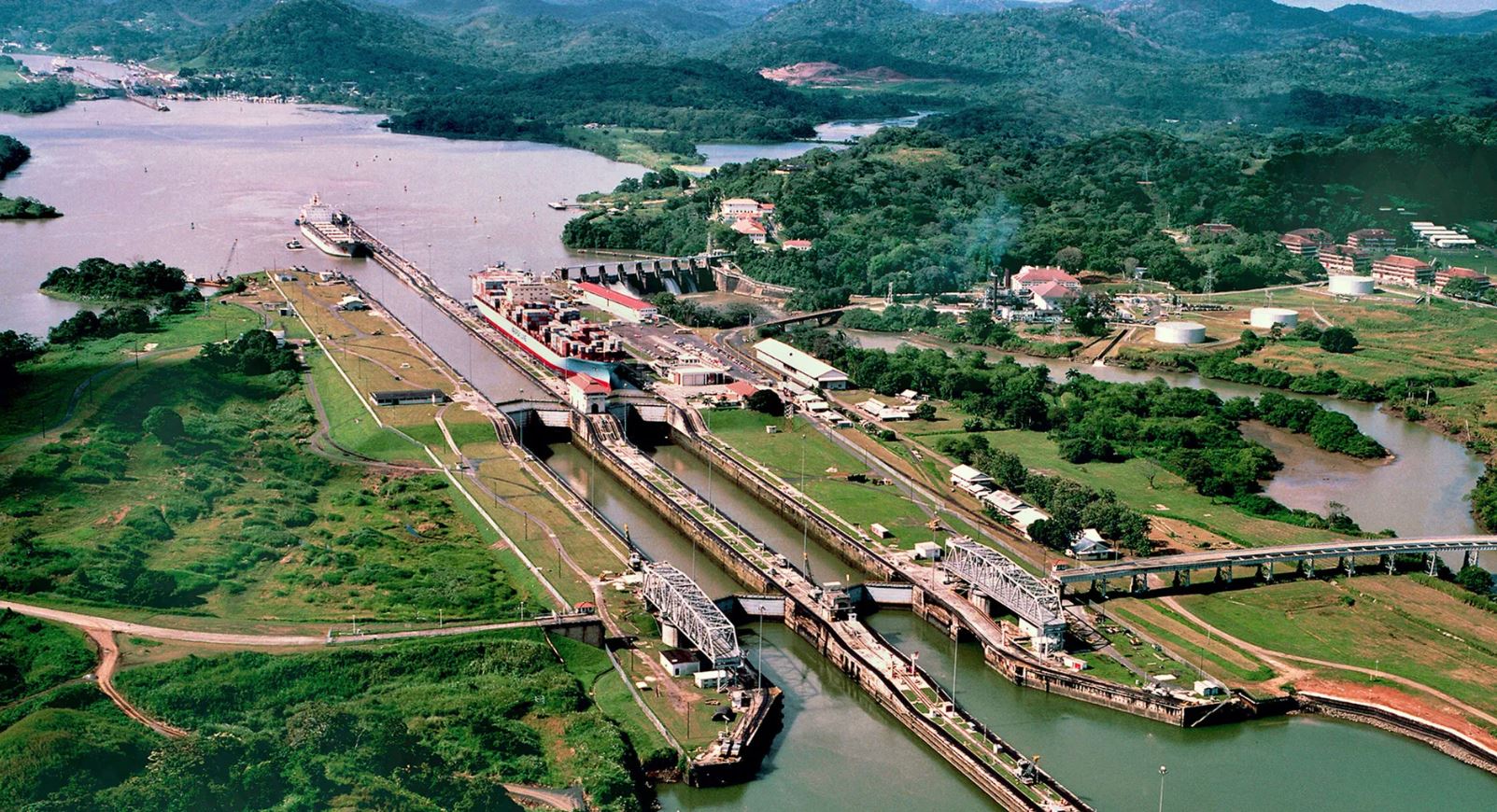
The Panama Canal: A key artery for the United States. Approximately 5% of global trade and 40% of American container traffic pass through there. Until 1999, the canal was under US control. Today, it is formally managed and controlled entirely by the Republic of Panama. China, through a Hong Kong group, controlled ports on both sides of the strait until mid-winter this year. However, under US pressure, the group sold its assets to the American investment fund Black Rock, a deal China challenged. Donald Trump has repeatedly claimed control of the Panama Canal.
-
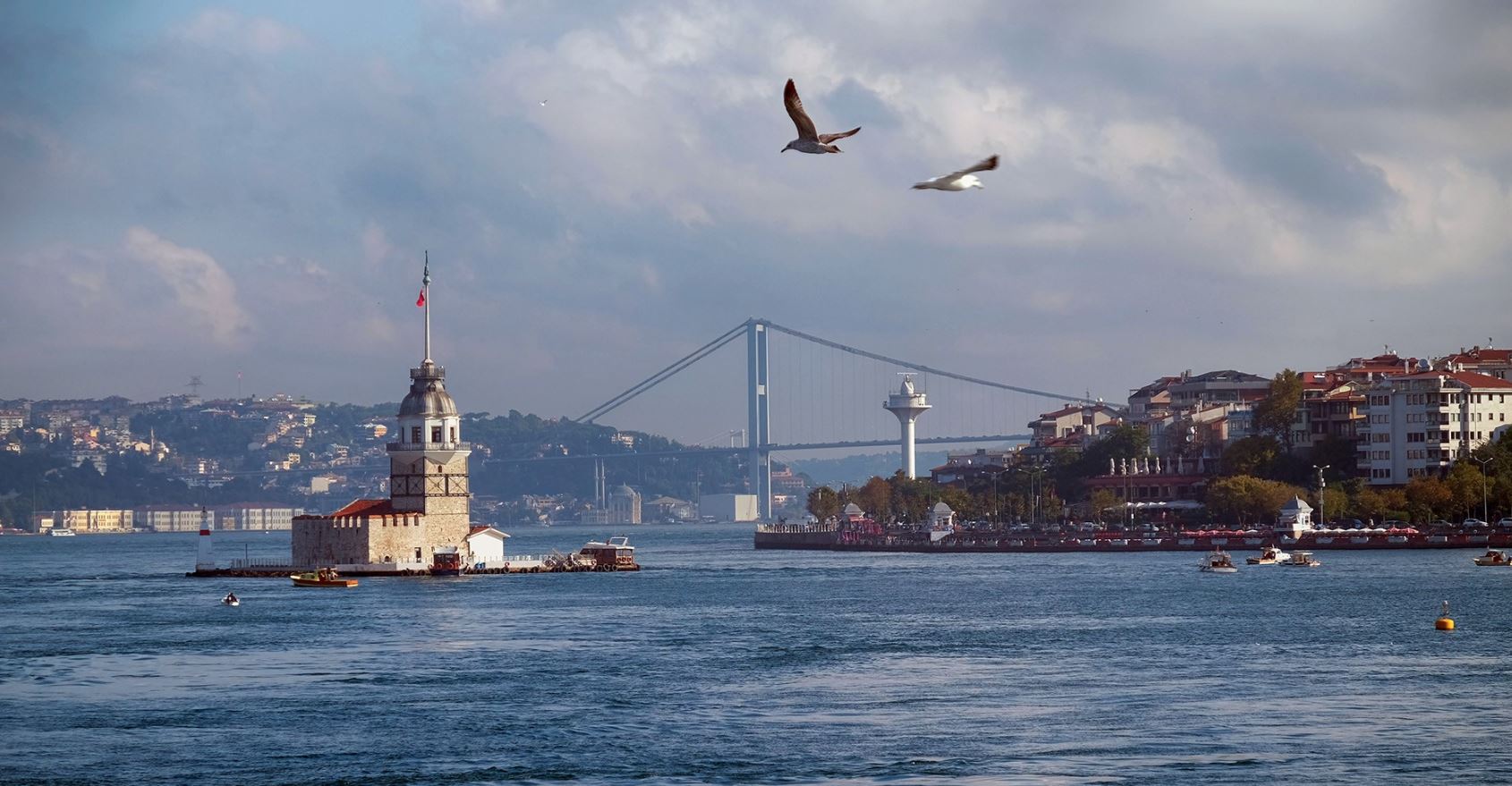
The Bosphorus and Dardanelles Straits: They are a major issue for Russia. A potential closure of the straits by Turkey (which controls them) would block the Black Sea Fleet and commercial shipping. For now, the Montreux Convention favors Moscow, but for how much longer?
-
The Danish Straits (Baltic Straits): They are the main gateway for Russia's exports to Europe. Any restriction here has a significant impact on Russian ports. Formally, these straits are under Danish control, but Britain also has interests there.
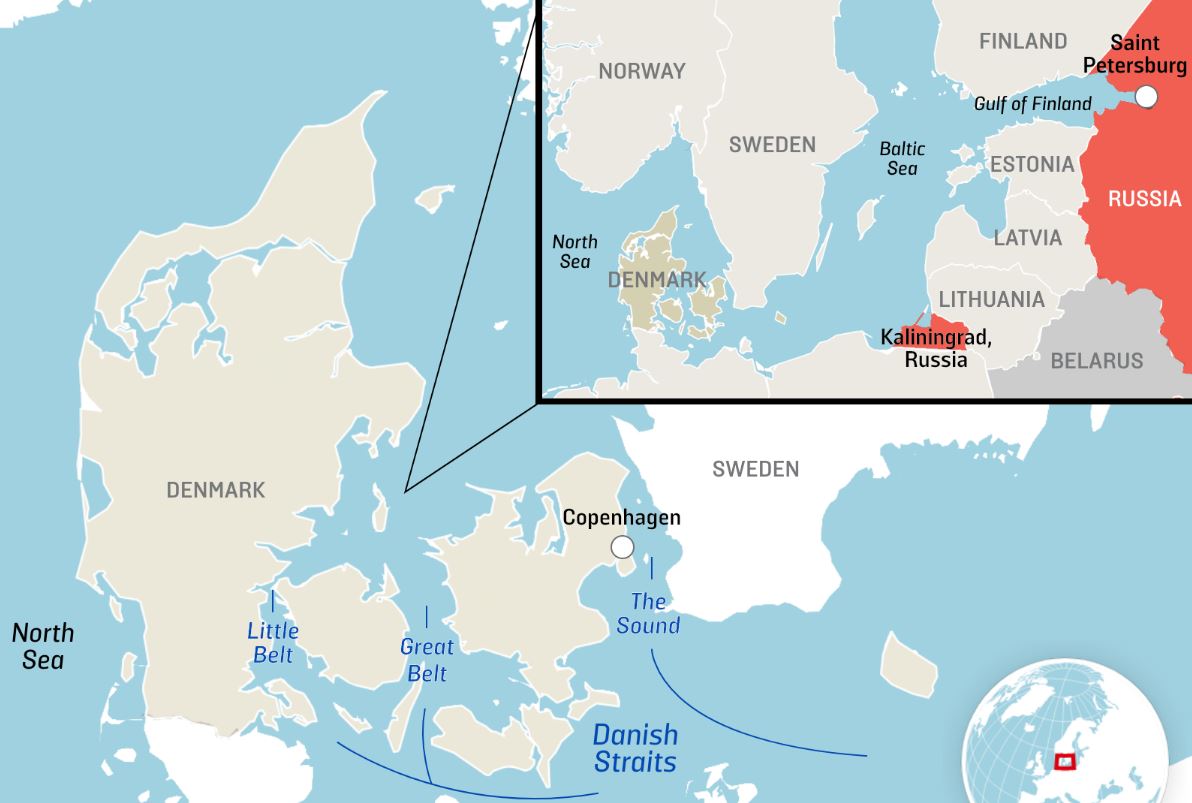
In other words, at the instigation of the United States—not through a hollow threat, but through their specific actions—the world is instantly transformed into a chessboard, where the pawns are tankers carrying oil and gas, and the queens are those who control the choke points.
Russian roulette in the Straits of Hormuz
In this new global architecture, Russia is not a petitioner but a strategic player. There are disadvantages, yes, but the advantages outweigh them. The pros: The blockade in the Straits of Hormuz has already pushed oil prices above $100. Russia collects additional revenue—about $660 million per week. Furthermore, with the blockade of Iranian oil in effect, the West may temporarily relax sanctions on Russian energy supplies. Most importantly, as the US bogs down in the Middle East, its resources are diverted from Ukraine. The cons: The blockade in the Straits of Hormuz will also affect Russia. Not only oil but also industrial goods, food, and fertilizers are transported through the straits. A prolonged blockade could lead to a 70% price increase in Russia's imported goods. The escalation in Hormuz has already halted fertilizer exports from Gulf countries, a direct blow to Russian farmers who buy certain ingredients from abroad. The blockade of the Baltic Straits is a separate headache, especially given London's announcements of readiness to close the English Channel to Russian ships.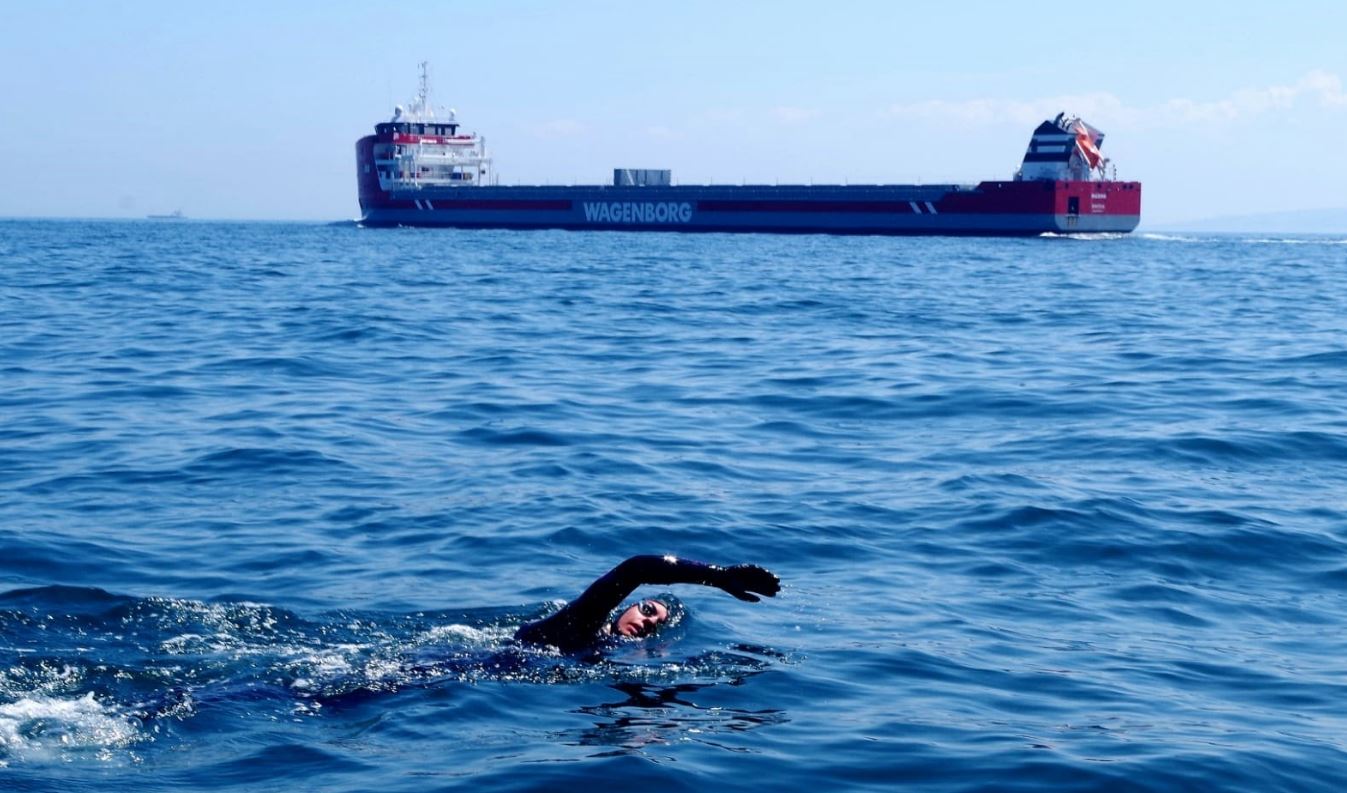
Europe becomes part of the problem
"The main reason for blocking the canals is that they create problems for oil transit. This means that oil prices go up immediately, which benefits Moscow. There is nothing complicated about it; it’s all obvious," states Konstantin Sivkov, Doctor of Military Sciences and retired Captain 1st Class. Regarding the possibility of blocking these canals, only two types of countries can do so. The first is countries located on the banks of these canals. The second is states with significant naval power that have the capability to deploy forces capable of blocking these canals. Clearly, the first category includes Iran, Egypt, and Yemen, which can block them, as well as Saudi Arabia—to a significant extent, since it sits on the Red Sea. Therefore, in principle, any of these countries could carry out these missions, says the analyst. According to a source who spoke to First Russian, blocking these canals is not particularly beneficial for oil-rich countries, which need to minimize oil prices. The only exceptions are those that could reap political benefits or additional revenue by collecting tolls from the blockade. Their own oil, however, would be allowed to flow unhindered.
Iran weighs harsh responses to Trump's piratical delirium
As for the possibility of blocking these passages, take the Straits of Hormuz for example. The Americans plan to block them, which means they will stop all oil flows through them. And if this happens, the situation in America’s energy sector worsens further. If Iran blocks them and the United States blocks them, will they turn off the black gold tap or not? The fact is that if the Americans start the blockade and attacks on Iranian vessels, the Iranians could retaliate by launching strikes with anti-ship missiles against American warships. These would be legal actions because Iranian vessels at sea are part of Iranian territory. If the United States and Iran are not at war, this constitutes an act of military aggression. And if they are at war, then Iran has every right to strike American warships within the range of these missiles, the military expert believes.
Control of international passages as a weapon of mass destruction
So what is the conclusion? The US could not force Iran into surrender. Iran cannot force the US to withdraw. The conflict is entering a stalemate phase that will last for years. But the main lesson of this confrontation has already been learned by Beijing: Control of choke points is an economic weapon of mass destruction. China, observing the Iranian experiment, is preparing its own moves in the direction of Taiwan.
Europe collapses, Russia has a great opportunity
Beijing is unlikely to remain indifferent if American warships begin intercepting Chinese tankers. Given that about one-third of China's imported oil passes through the Straits of Hormuz, and the country's national reserves are estimated at one billion barrels, China's response to such actions by the US Navy could be extremely harsh. America, bogged down in Hormuz while simultaneously trying to contain China in the Pacific, is losing the last shreds of its global dominance. While Europe, as always, pays for others' wars—with expensive fuel and panic on the stock exchanges. However, Russia, in this scenario, will not have the role of a petitioner, but of a strategic player. It has its vulnerabilities, but it also has colossal benefits: significant land exports, rising oil prices, the easing of sanctions, and the diversion of American resources from Ukraine. And these opportunities will be utilized directly by the Russians, as the country's media characteristically emphasize...
www.bankingnews.gr













Readers’ Comments