

An unprecedented thriller with commercial and military implications is unfolding right now in the Strait of Hormuz, where two vessels have been attempting to cross the Persian Gulf since 5:00 p.m. Athens time, (13/4) according to data from maritime traffic monitoring systems reviewed by the Tass agency.
At 17:00 Moscow time, the tanker Hosei Maru, flying the flag of Gambia, is crossing the strait heading toward the Gulf of Oman, and the container ship Paya Lebar, flying the flag of Antigua and Barbuda, is heading toward the Persian Gulf.
After the talks between the USA and Iran on April 11, the US Central Command (CENTCOM) announced that it will begin a naval blockade of Iran on April 13, preventing all ships heading to ports of the Islamic Republic or attempting to depart from its coasts.
The blockade was expected to begin at 5:00 p.m. Greece time on 13/4.
20,000 sailors trapped in the Strait of Hormuz
It is noted that approximately 20,000 sailors remain trapped in the Persian Gulf.
In recent days, very few ships have passed through the Strait of Hormuz in order for the situation to begin improving, as emphasized by Arsenio Dominguez, Secretary-General of the International Maritime Organization (IMO), in a briefing responding to a question from the Tass agency.
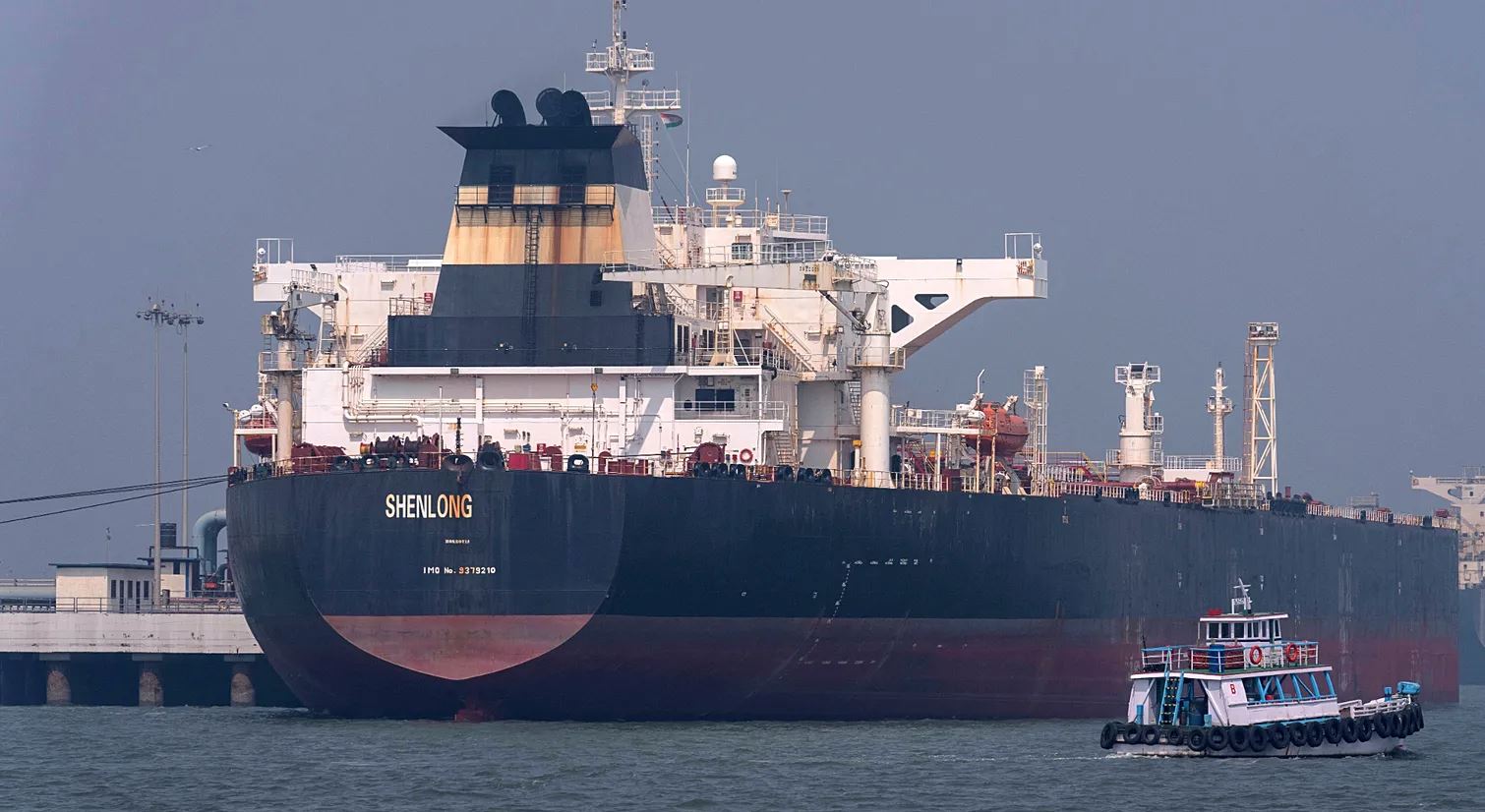
“Eleven ships passed in the last two days. We were talking about a rounded number of 20,000 sailors.
It may be slightly more. And very few ships have actually managed to pass eastward through the Strait of Hormuz.
Therefore, this number has not changed much,” stated the head of the IMO.
Trump: We will destroy any Iranian ship that tries to break the blockade
Commenting on the terms of implementation of the American blockade, the president of the USA Donald Trump announced that the United States will destroy Iranian ships that attempt to violate the naval blockade.
He made the relevant post on the social media platform TruthSocial.
Donald Trump claimed that the USA has already destroyed 158 Iranian ships, although the Islamic Republic retained its attack vessels.
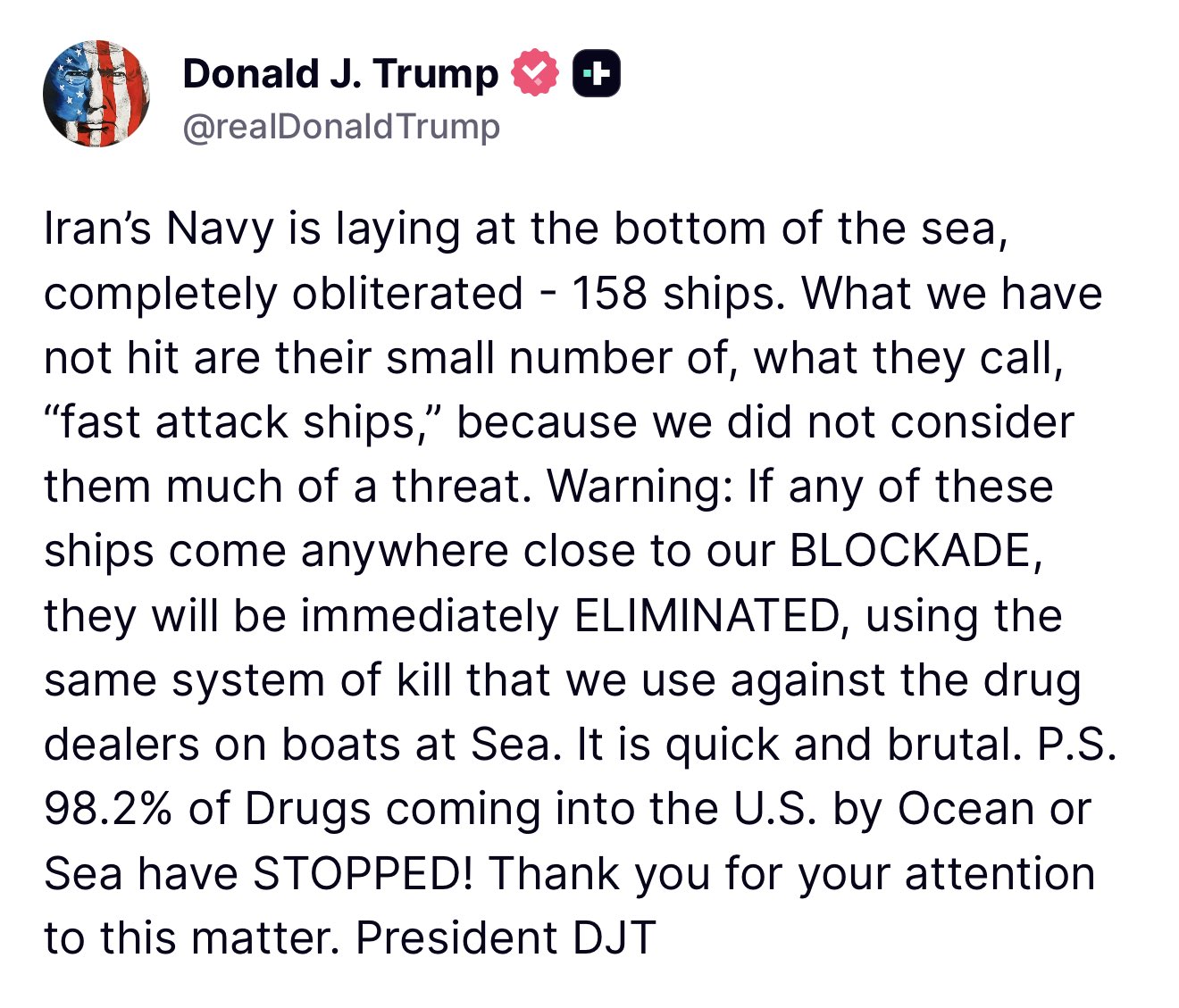
“I warn you that if any of these ships approaches our blockade, it will be destroyed using the same systems we used against drug traffickers with boats at sea,” stated the occupant of the White House.
After the talks between the USA and Iran on April 11, the US Central Command (CENTCOM) announced that it will begin a naval blockade of Iran on April 13, preventing all ships heading to ports of the Islamic Republic or attempting to depart from its coasts.
The blockade was expected to begin at 5:00 p.m. Moscow time.
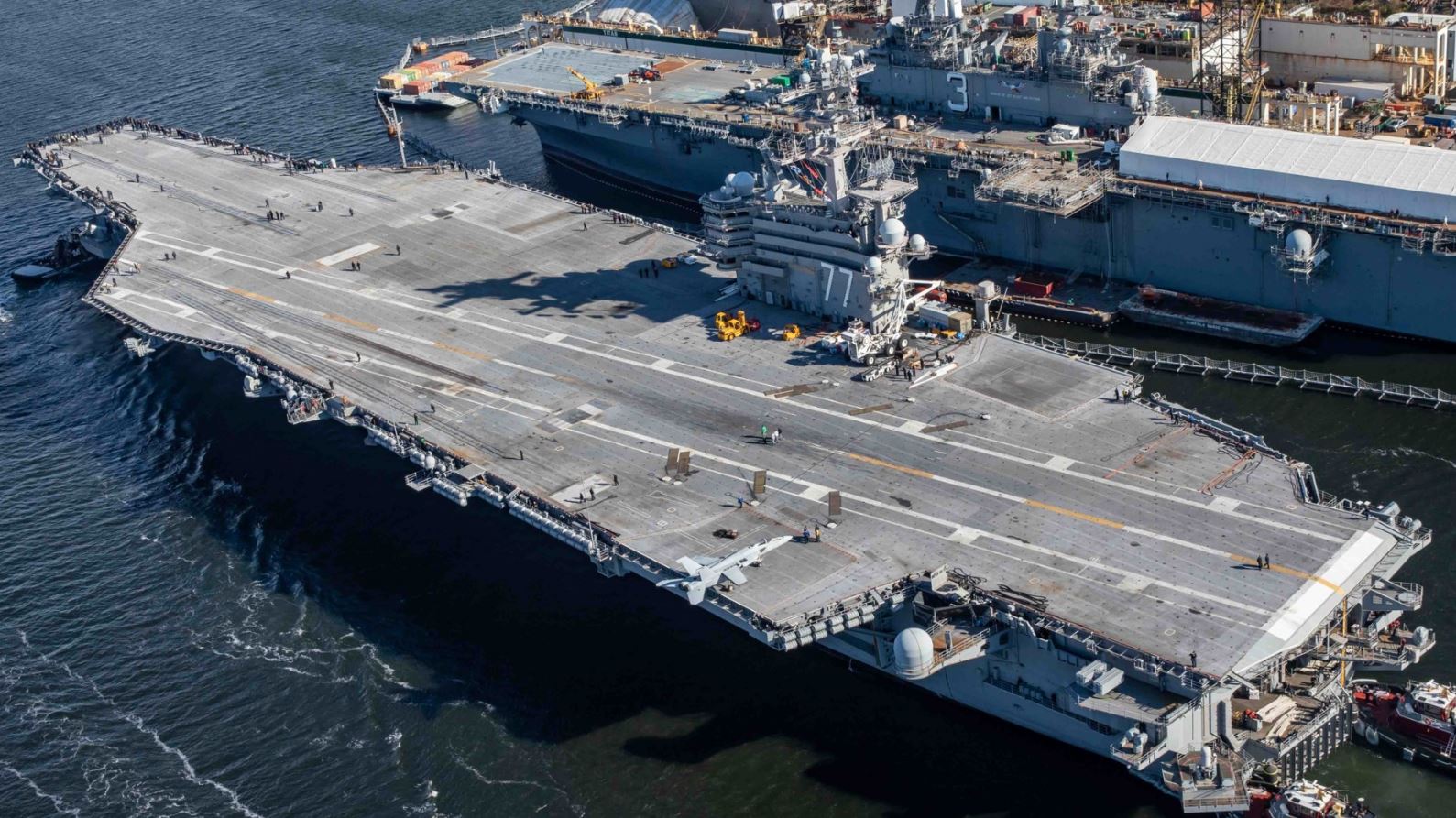
With 15 vessels and destroyers the operation to blockade the Hormuz - Which American forces are participating
More than 15 American warships are participating in the blockade of Iran in the Strait of Hormuz, reported the Wall Street Journal, citing a senior US official.
According to the source, an aircraft carrier, several guided missile destroyers, an amphibious assault ship, and numerous other combat units have been deployed in the Middle East.
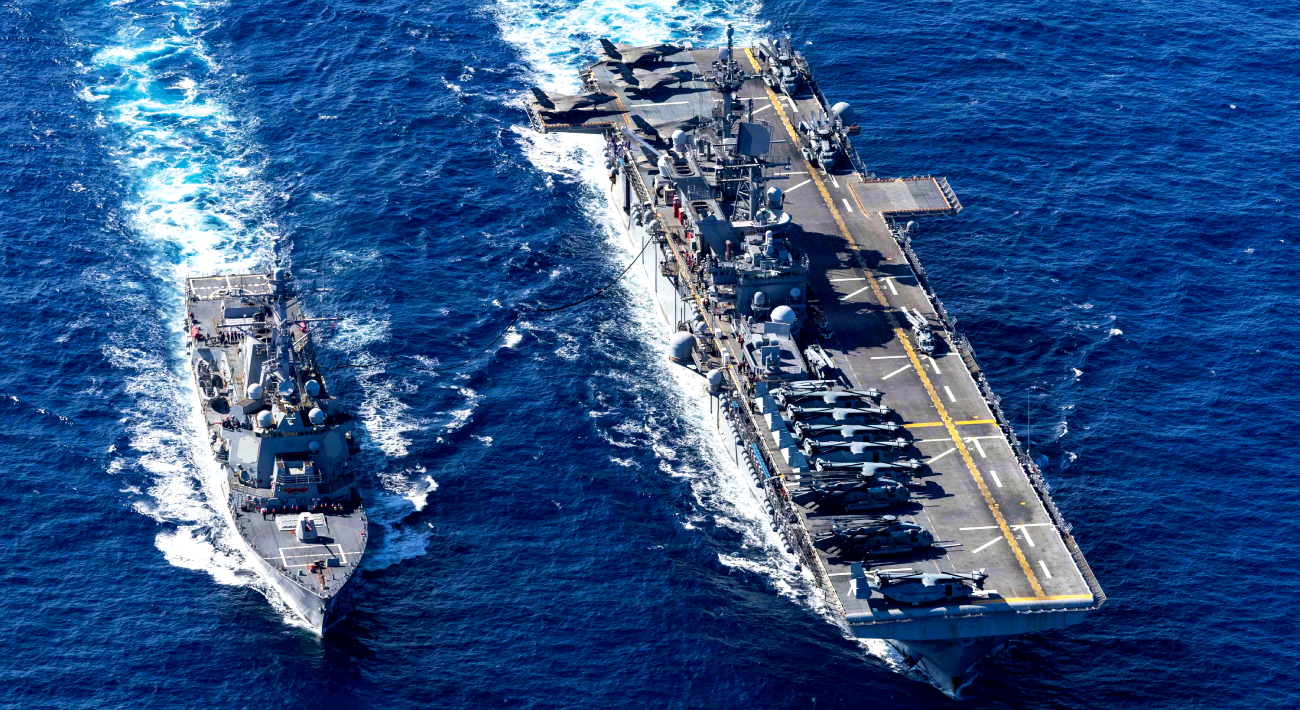
The report notes that these ships have the capability to carry helicopters, which can be used to support operations on vessels.
The US Central Command previously announced that it will begin a naval blockade of Iran on April 13.
American forces intend to intercept the movement of all ships heading to ports of the Islamic Republic, as well as those attempting to leave its coasts.
The global economy is threatened with sinking in the Hormuz due to the blockade
The threat of a prolonged closure in the Strait of Hormuz constitutes a serious risk for global energy markets, forcing Persian Gulf countries to create alternative land routes for the transport of raw materials and strengthening the status of oil as a strategic commodity that plays a decisive role in international economic and political relations, emphasized Mazhar Mohammed Saleh, economic advisor to the Iraqi Prime Minister.
“The consequences of the closure of the Strait of Hormuz depend primarily on the duration of the conflict in the region,” stated the advisor to the Iraqi Prime Minister, as reported by the INA news agency.
Mazhar Mohammed Saleh is convinced that “a long-term blockade of the Strait of Hormuz will have a profound impact on global energy markets and will strengthen the status of oil as a strategic commodity with decisive political and economic dimensions.”
The Gulf states will overturn oil flows, everything is being reassessed
According to Mazhar Mohammed Saleh, the long-term closure of the Strait of Hormuz will “force Gulf states, including Iraq, Saudi Arabia, and Iran, to restructure their trade relations, particularly regarding oil distribution channels.”
This, he added, will require “a reassessment of economic geography and the search for alternative trade routes, as well as adaptation to the conditions of a partial or temporary suspension of the use of the Strait of Hormuz.”
The advisor to the Iraqi Prime Minister is convinced that despite the high cost of alternatives in the short term, “necessity dictates the creation of a comprehensive land-based logistics system that will be connected to regional ports and oil maritime terminals.”
Iran with its finger on the trigger for chaotic retaliation
Meanwhile, as stated by Gholam Hossein Mohseni-Ejei, head of the judiciary of Iran, the United States tried to achieve during its talks with Iran in Islamabad what it had not managed during the fighting, but failed miserably.
“The Americans, with their characteristic arrogance and conceit, and using the same old negotiation formula, imposing false demands, came to the negotiations in Islamabad and wanted to take at the negotiating table what they failed to achieve in the 40-day war.
However, the Iranian delegation, under the leadership of Mohammad Bagher Ghalibaf, wisely defended the legitimate rights and achievements of the Iranian people, and the greedy and arrogant Americans, just as on the battlefield in the 40-day war, failed,” reports the Iranian television channel SNN, citing Gholam Hossein Mohseni-Ejei.
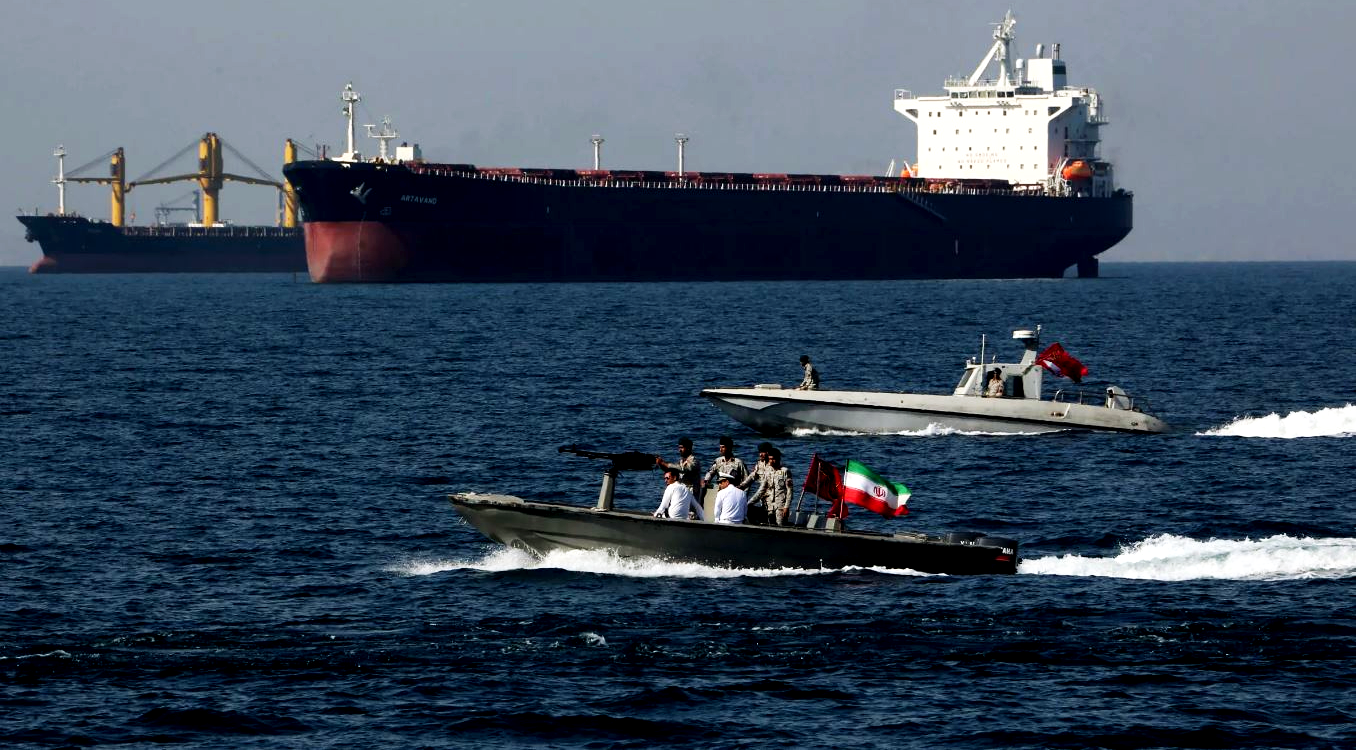
“The fingers of our soldiers are on the trigger and the temporary ceasefire has not caused any weakening or loss of morale among these warriors,” he added.
Shipwreck in Pakistan - Chaos in the Hormuz
It is noted that on February 28, the United States and Israel declared war on Iran.
The Iranian authorities also decided to close the Strait of Hormuz to vessels associated with the United States, Israel, and countries that supported the attack against the Islamic Republic.
On April 7, the USA announced a mutual two-week ceasefire with Iran.
On April 11, Iran and the USA held several rounds of talks in Islamabad.
The Iranian delegation was led by Mohammad Bagher Ghalibaf and the US delegation by Vice President J.D. Vance.
As later reported in Tehran and Washington, the parties failed to reach an agreement on a long-term settlement of the conflict due to a series of differences.
Trump traps himself in the Hormuz
The observation and analysis of a series of reports published on April 13 in credible Western media and think tanks indicate the formation of a “multidimensional super-crisis” in the global economy, a crisis that began from the Strait of Hormuz, but has now affected a chain of energy markets, maritime security, agriculture, transport, and even the political stability of Western countries.
These reports, although seemingly fragmented, converge on several key axes, the increasing negotiating power of Iran, the limited options of America, and the beginning of a restructuring of the global economic and security order.
Why the naval blockade will fail and oil will rise to 150 - 200 dollars per barrel
One of the most important points in the analysis of Western media is the serious skepticism about the effectiveness of policies such as the naval blockade of Iran.
Many experts emphasize that such measures not only fail to achieve the goal of marginalizing Iran, but also have serious economic consequences for America itself and its allies.
Estimates state that the removal of Iranian oil from the market could push prices between 150 and 200 dollars per barrel, a level that, according to analysts, would cause unprecedented inflation in the American economy and directly affect the prosperity of citizens.
This has led to skepticism and criticism even within the USA regarding the government’s aggressive policies.
In this context, there have been reports of a sharp increase in gasoline prices and a rapid rise in consumer spending, which has caused a significant decline in the political popularity of the American government.
Analysis shows that the economic pressure caused by the war has essentially surpassed the level of governments and has reached the level of citizens’ daily lives.
Iran emerges as a major “protagonist” of Eurasia after the war
One of the most important common themes in Western media is the recognition of the growing position of Iran in the global power structure.
According to these analyses, control of the Strait of Hormuz has allowed Iran to use a vital pulse in the global economy as a “geopolitical weapon” for the first time.
This situation has placed Iran alongside powers such as the United States and China, which have the ability to directly influence the flow of global trade.
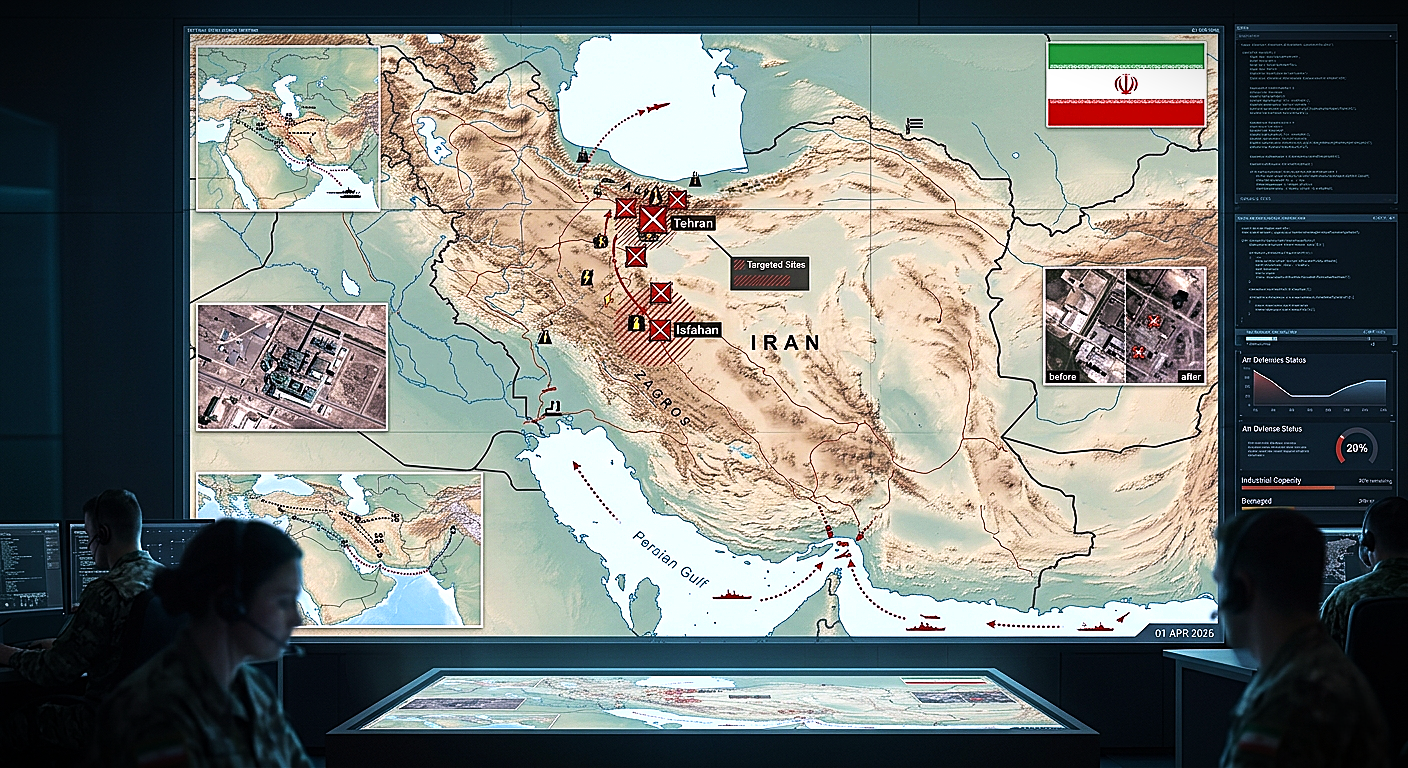
Another analysis in the WSJ shows that by exploiting this position, Tehran has not only neutralized external pressures, but has also significantly increased oil revenues.
The increase in oil exports, the abolition of previous discounts, and the rise in global prices have caused a major increase in Iran’s foreign exchange earnings, a situation that stands in complete contrast to previous estimates regarding the consequences of sanctions.
A geostrategic shock beyond oil - From European skies to Indian farms
The dimensions of the crisis are not limited to the oil market.
Relevant research shows that the global supply chain has been seriously affected in various sectors.
In Europe, there are warnings that aircraft fuel reserves may be depleted in the coming weeks, potentially causing widespread disruptions in the aviation industry. Meanwhile, in India, one of the largest consumer countries of chemical fertilizers, concerns about food security are increasing, as a significant portion of its needs is covered through the Persian Gulf.
These developments show that the Strait of Hormuz is not simply an energy transport route, but also a vital artery for various sectors of the global economy.
Maritime insecurity and the increase of the “hidden cost” of trade
In addition to economic disruptions, there are reports of widespread insecurity on maritime routes.
Security incidents in the Bab el-Mandeb and attempts to seize ships indicate that the crisis is spreading from the Strait of Hormuz to other critical chokepoints.
On the other hand, some analyses report indirect actions by Iran, such as the creation of high-risk maritime zones, which, without direct conflict, have increased transport and insurance costs.
This trend has forced many shipping companies to pay additional costs to maintain their security.
Disruption of energy infrastructure and reconfiguration of the global market
Reports indicate extensive damage to the region’s energy infrastructure, with parts of global production capacity being taken offline for months or even years.
In some cases, restoring the damage may take years.
This situation has left the global energy market in a fragile state and has led to increased competition for access to alternative sources.
In this context, solutions have been proposed to bypass the Strait of Hormuz through the development of new pipelines and the strengthening of alternative infrastructure.
Cracks in alliances - Collapse of trust in the Western security architecture
Another significant consequence of recent developments is the change in relations between the United States and its allies in the Persian Gulf.
Analyses show that the trust of these countries in American security guarantees has decreased dramatically, and their approach has shifted from “dependence” to “independent calculation”.
This paradigm shift may, in the medium term, lead to a reconfiguration of regional alliances and the formation of a new balance of power, a process whose signs are already visible.
Conclusion: The war in Iran became the trigger for the formation of a new global order
Overall, a review of the main lines of analysis in Western media shows that three basic realities are emerging:
First, the recognition of the geopolitical and economic superiority of Iran in managing one of the most critical straits in the world, so that the tool of “maximum pressure” has this time become a factor against the West.
Second, the increase in doubt about the ability of America to maintain the previous order of security and economy, an issue that has led to a reduction in the trust of allies and to a reconfiguration of alliances.
And third, the creation of a relative consensus on the ineffectiveness of strategies such as the naval blockade of Iran, as such measures could lead to deeper economic crises at a global level.
Therefore, it seems that the world is at a critical threshold of entering a new phase of geopolitical order, where control of vital straits and the ability to manage supply chains will constitute the decisive factor of power, more than ever.
www.bankingnews.gr













Readers’ Comments