

The war in Iran introduces an unexpected “revenue surge” into the Russian economy while giving enormous geopolitical leverage to the Kremlin regarding Europe.
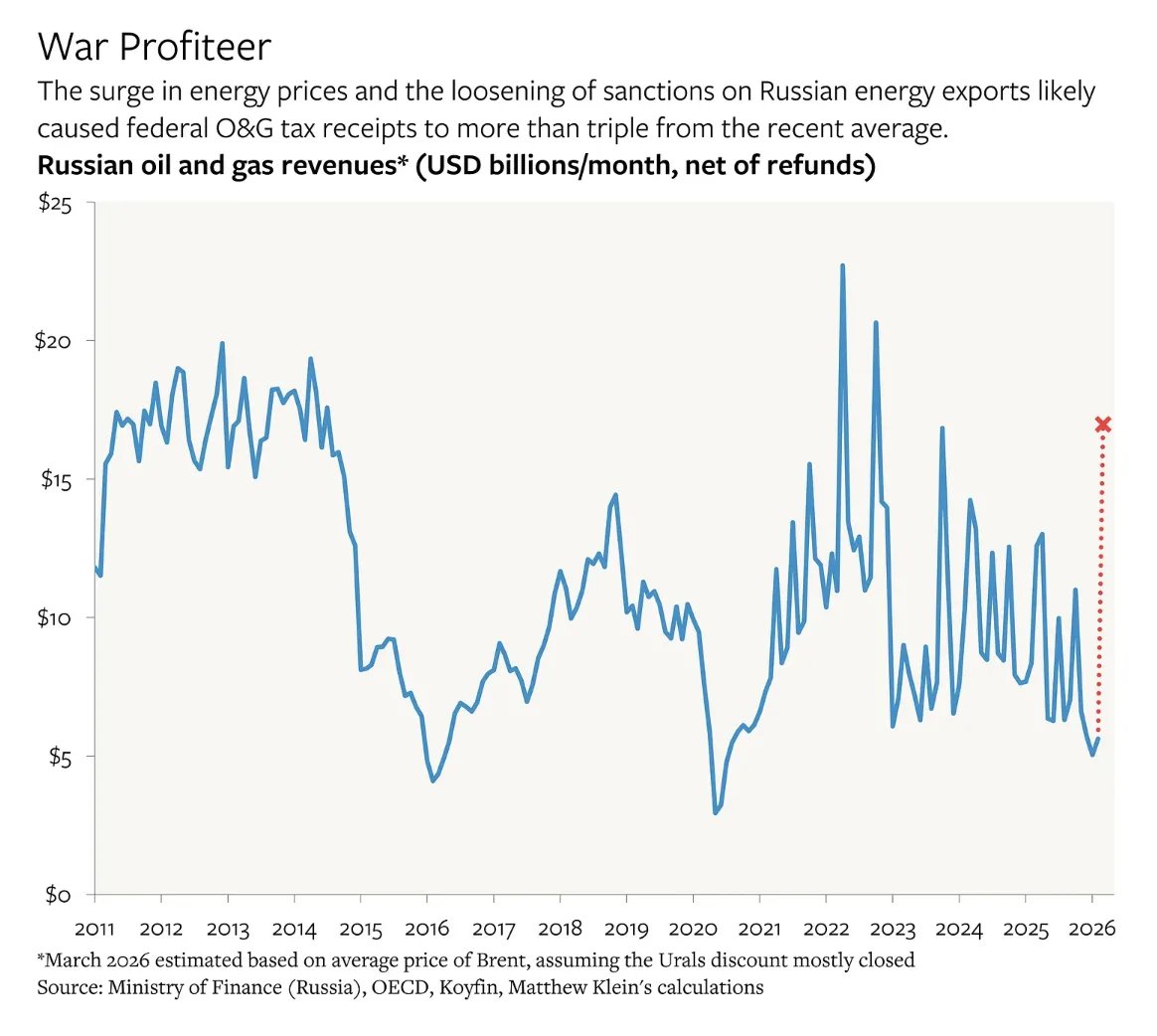
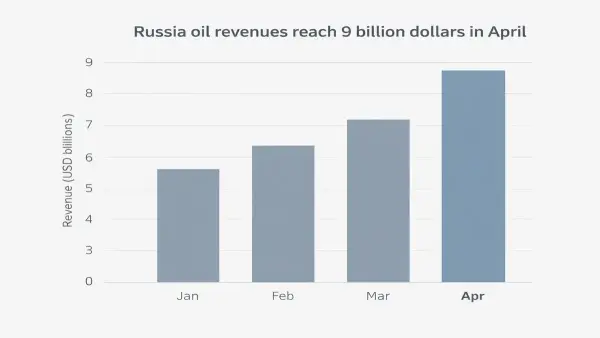
The latest calculations by Reuters show that its revenues from the oil and mineral extraction tax are expected to double compared to the previous month, reaching approximately 9 billion dollars in April, due to the global energy crisis caused by the closure of the Strait of Hormuz.
According to Reuters, revenues from the oil and mineral extraction tax in April will increase from 327 billion rubles in March to approximately 700 billion rubles, about 9 billion dollars, almost doubling on a monthly basis and rising by 10% year on year.
This shows that the war in Iran actually improves the fiscal position of the country, the second largest oil exporter in the world.
Sharp increase in demand
Russia stated on Tuesday 7/4 that demand for purchases of Russian energy from many customers increased sharply, as the severe global energy crisis shook the foundations of the oil and gas market.
The crisis in the energy market is one of the most serious in modern history.
According to Deutsche Bank, during the United States–Iraq war, the Middle East became the biggest loser due to the expected drop in exports by 75%.
Energy revenues of the United States are limited to internal redistribution and overall benefits are limited.
In contrast, Russia appears as the biggest winner, thanks to its position as the second largest oil exporter.
Supply reduction drove prices higher
Iran effectively closed Hormuz, a maritime corridor through which about one fifth of global oil and LNG passes, after the air strikes of the United States and Israel on Iran.
As a result, Brent contracts abruptly exceeded 100 dollars per barrel.
The average price of Urals, used as a basis for taxation of Russian oil, surged to 77 dollars per barrel in March, the highest level since October 2023, increased by 73% from 44.59 dollars in February and significantly higher than the 59 dollars set as a base in the Russian budget.
The main source of funding of the Russian oil industry is the mineral extraction tax, which since 2024 has become the central oil and gas tax.
Improved fiscal revenues and Europe purchases from Yamal
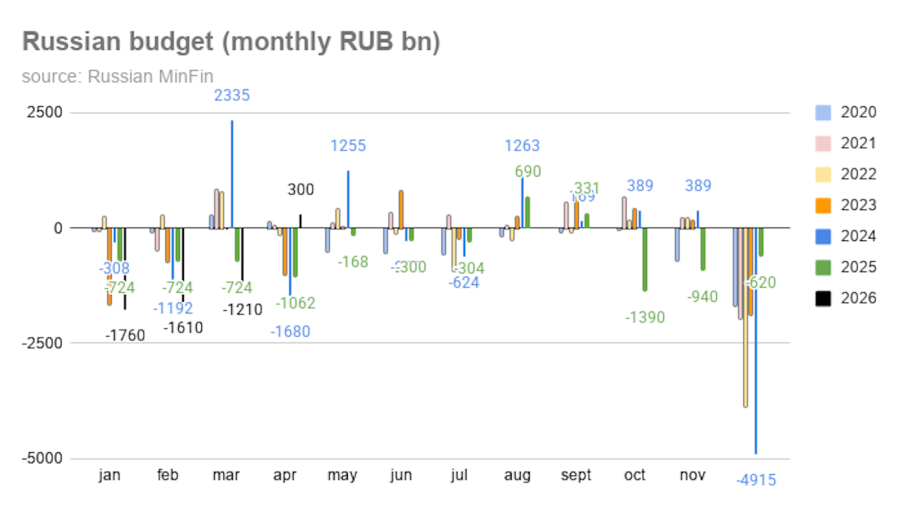
According to the budget of 2026, the annual revenue target from this tax is 7.9 trillion rubles or 79 billion dollars.
Reuters notes that the final level of Russia’s energy revenues depends largely on the duration of the crisis in Iran. Once the situation stabilizes and oil prices fall, these “extraordinary profits” will be reduced accordingly.
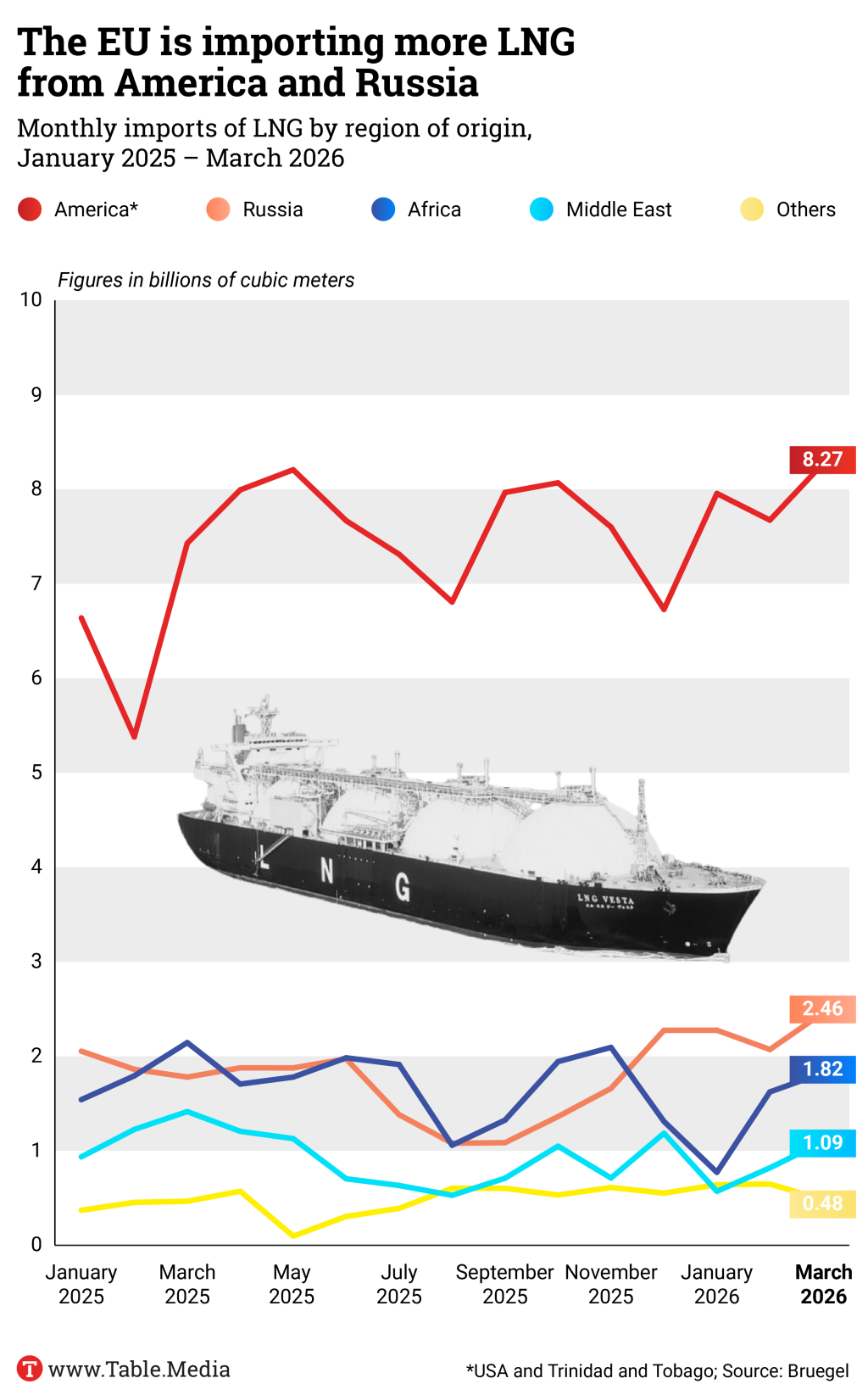
Europe in reality wanted to cut off from Russian gas, but at the moment the opposite is happening.
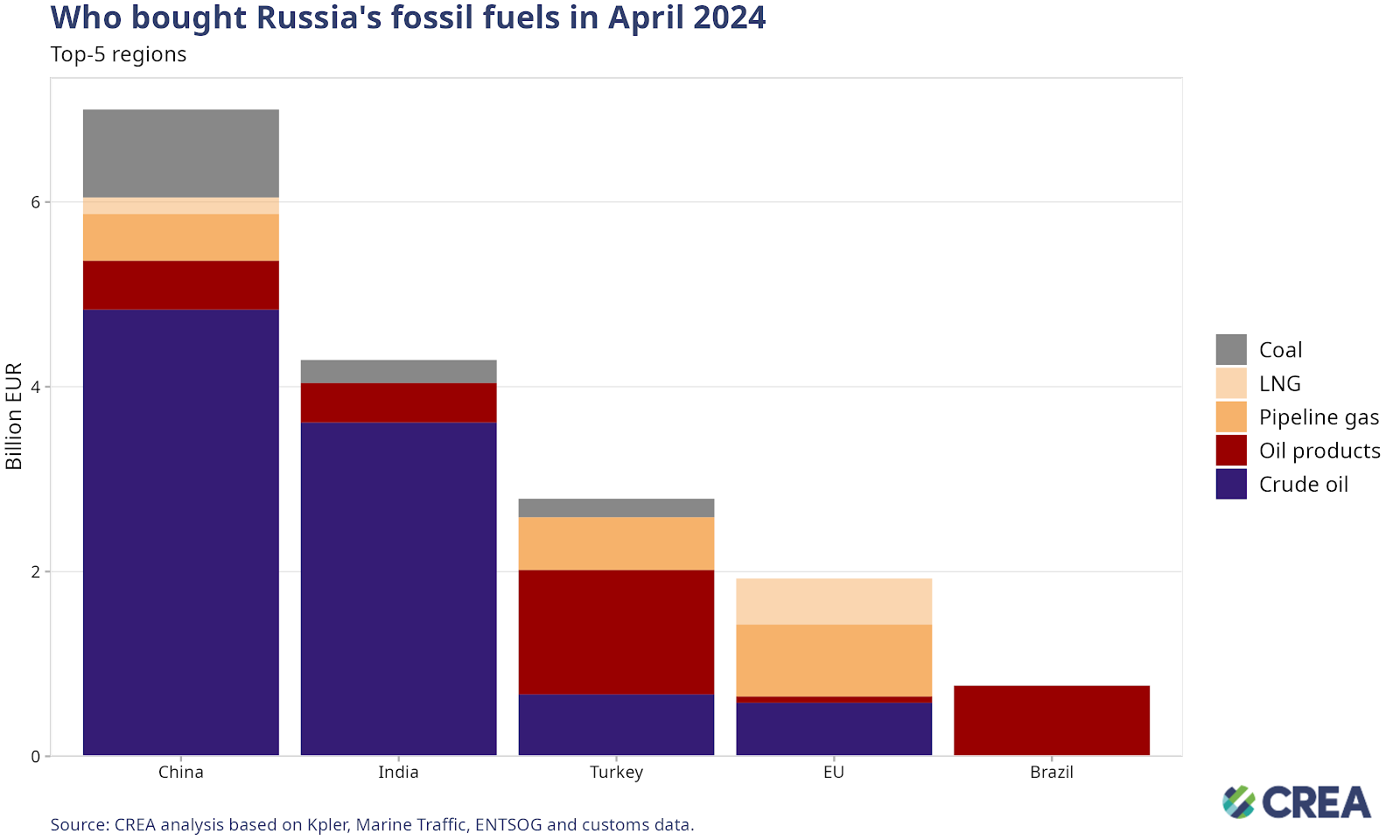
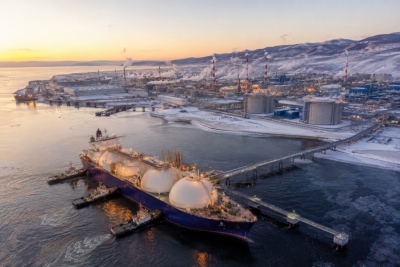
In the first quarter of 2026, the European Union purchased a large portion of cargoes from the Russian LNG project Yamal in the Arctic, according to data from the analytics company Kpler.
97% of shipments ended up in Europe, as reported by the Financial Times.
This highlights a contradiction: although Brussels has decided on the complete elimination of Russian gas by 2027, imports are increasing in the short term.
Overall, deliveries from Yamal LNG increased by 17%, reaching approximately 5 million tons in the first quarter.
The operator of the project and exporter is the private Russian company Novatek.
Supply constraints
The trigger lies in the global LNG market: the escalation around Iran has pressured global LNG supply.
Deliveries from Qatar, one of the key suppliers, have decreased noticeably.
At the same time, demand remains high both in Asia and in Europe.
LNG is not a regional energy product but a globally traded commodity.
When supply decreases in one region, competition shifts globally. For European buyers this means turning to available volumes, even if they come from Russia.
According to estimates by the environmental organization Urgewald, the European Union spent approximately 2.88 billion euros on gas from the Yamal project in the first quarter. Only in March, 1.8 million tons were delivered.
Russia seeks to substitute European demand
Recent data show not only Europe’s dependence, but also the reverse dynamic: Russia struggles to find alternative buyers for its LNG. According to the Financial Times, only a small portion of Yamal cargoes was directed to Asia, the majority ended up in Europe.
One reason is regulatory restrictions. The European Union has limited the transshipment of Russian LNG for further export, which makes the European market critical for Russia in the short term.
At the same time, according to a report by Bloomberg, Russia is trying to attract new buyers in Asia with discounts of up to 40%, especially for LNG from the new project Arctic LNG 2, which has been sanctioned by the United States and has been fully operational since 2024.
So far, mainly China absorbs these volumes.
At the same time, prices are rising.
In March, the average price of natural gas in Europe reached approximately 52.87 euros per megawatt hour, significantly higher than at the beginning of the year.
Many long term contracts are linked to these prices, resulting in costs increasing automatically.
The energy crisis in Europe will constitute further profit for the Russia of Putin.
www.bankingnews.gr


Readers’ Comments