

The global geopolitical scene is entering a period of increased instability, as relations between the United States, China and Iran are being tested by new accusations, military concerns and exchanges of high intensity political statements.
At the center of the latest developments are allegations of possible military cooperation between China and Iran, which Washington treats as a threat to regional and international security.
At the same time, the broader picture is complicated by developments in the war in Ukraine, the gradual redistribution of power within NATO and the strategic balances being shaped both in Europe and in the Middle East.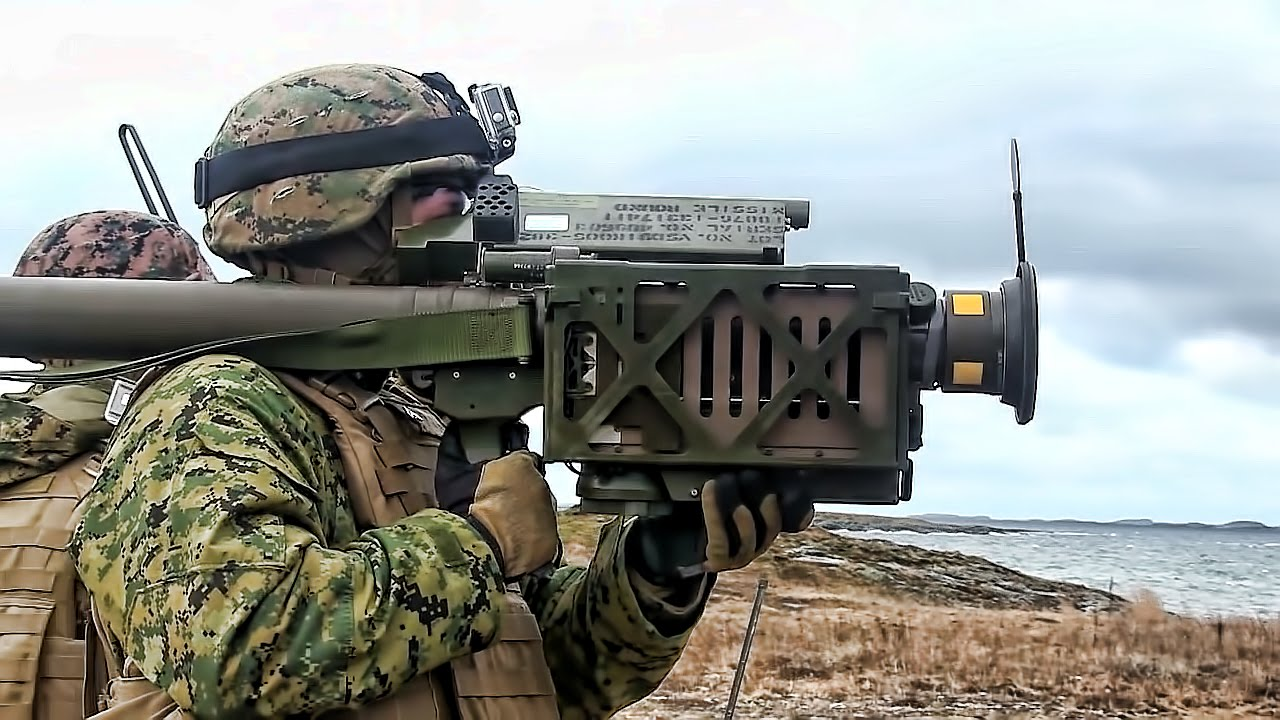
Donald Trump’s warnings to China
The President of the United States Donald Trump issued a strict warning to China, stating that Beijing may face “major problems” if it proceeds with supplying weapons to Iran.
This statement was made during his conversation with journalists at the White House and is part of a framework of increasing tension between the two major powers.
“If China does that, meaning supplies weapons to Iran, then China may have major problems”, Donald Trump said, emphasizing that any military reinforcement of Tehran from Beijing will be considered a very serious escalation.
At the same time, the American President also referred to talks with Iran, noting that he does not consider it critical whether negotiations lead to an agreement.
He also argued that the United States “has already won the war”, while referring to the Strait of Hormuz, stressing that Washington could contribute to opening it, despite the fact that, as he said, the United States does not directly depend on it.
These statements have triggered reactions, as they link the energy and maritime security of the region with military confrontation and international alliances.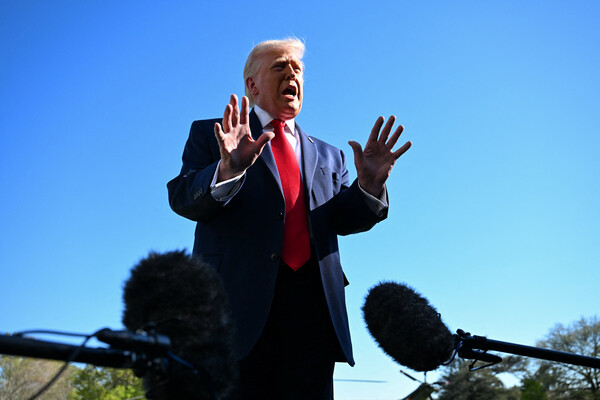
Allegations of military cooperation
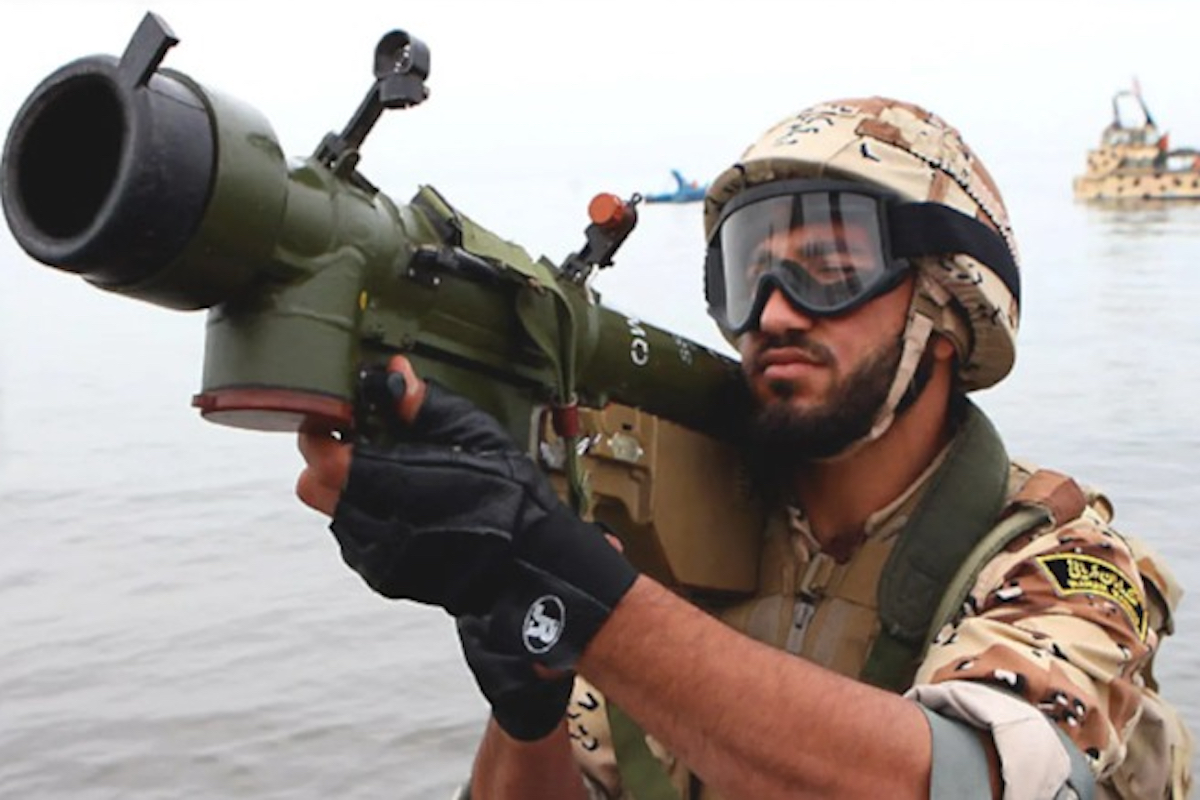
China is reportedly considering sending short range air defense systems to Iran, through third countries, in order to conceal the origin of the material, according to a report by CNN citing sources from American intelligence services.
These reports refer to portable air defense systems, MANPADS, which could significantly strengthen the defensive capabilities of the Iranian military, especially against aircraft flying at low altitude.
Two sources cited by the American network stated that Beijing is examining transfer routes through third countries in order to maintain a low level of geopolitical exposure.
The Americans also link these developments with recent events in the Middle East, noting that downings of military aircraft have raised questions regarding the use of new air defense systems by Iran, without however there being official confirmation.
China’s position and denials: Trump is provoking
China categorically rejected these reports.
A spokesperson for the Chinese embassy in Washington stated to CNN that Beijing has not proceeded with any shipment of weapons to any party in the conflict.
“As a responsible major power, China consistently adheres to its international obligations”, he stated, adding that the United States should avoid unfounded accusations and “provocative speculation”.
At the same time, the spokesperson of the Chinese Ministry of Defense Zhang Xiaogan also rejected reports regarding Chinese technology companies and possible involvement in military applications.
In stronger tones, he stressed that the international community clearly sees “who provokes wars and conflicts globally”, leaving clear implications toward the United States.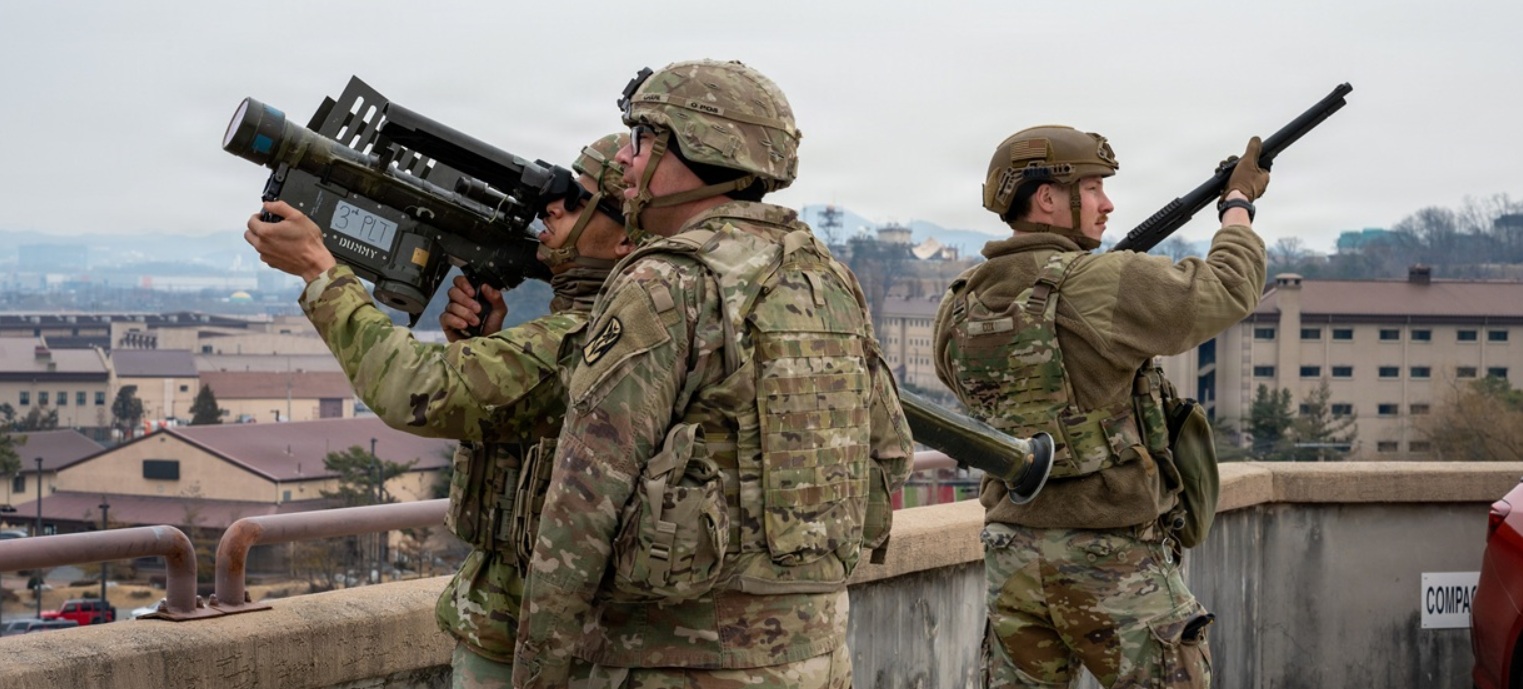
What MANPADS are
These are extremely dangerous weapons, Man Portable Air Defense Systems, that can be operated by a single soldier.
They are capable of shooting down helicopters and fighter aircraft flying at low altitude, something that would significantly complicate Israeli air operations over Iran or Lebanon.
Reports of transfer through third countries, possibly through Central Asia or maritime routes controlled by Beijing, show that China wants to maintain its diplomatic “neutrality” while in practice strengthening its strategic partner.
The introduction of Chinese MANPADS systems, such as the QW 18 or newer versions, dramatically changes the rules of engagement.
These systems are extremely difficult to detect before launch, as they do not emit radar but rely on infrared guidance.
Tehran acquires “new lungs”, making it less willing to make concessions, as the threat of air strikes from Israel or the United States loses part of its effectiveness.
China’s denial, which characterizes U.S. information as “malicious insinuations”, creates a cloud of doubt.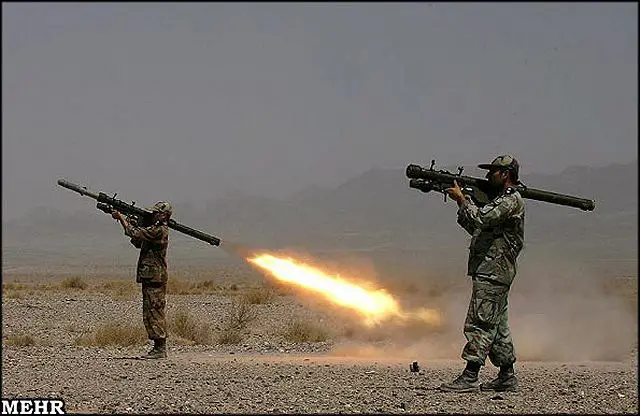
The U.S. alarmed
The Islamic Republic of Iran continues to possess many MANPADS launchers, scattered throughout the country, making it almost impossible to neutralize them through targeted strikes, admits the American magazine National Interest, which largely reflects the positions of the U.S. military industrial complex.
The existence of such systems forces American forces to fly at higher altitudes, reducing the effectiveness of air support operations on the battlefield and exposing the superpowers to constant risk.
The F/A-18 incident
On 25 March, the F A 18 Super Hornet was performing a low altitude flight in Chabahar, likely using the M61A1 20 millimeter cannon for attack against ground targets.
The missile launched was likely the Misagh, of Iranian manufacture and a clone of the Chinese QW 1, launched from the ground near the city.
The pilot executed a sharp G maneuver to avoid the missile, which ultimately exploded near the tail, likely activating the proximity sensor.
The aircraft suffered damage from fragments, but remained stable and returned to base.
This survival was the result of a combination of pilot skill, luck and possible use of countermeasures, such as flares that misled the infrared guidance of the missile.
The incident reveals the paradox of American military power: even the most advanced and expensive fighters can become vulnerable to cheap, portable systems, exposing the inability of the United States to ensure its air superiority in an environment where the Islamic Republic of Iran can use asymmetric threats.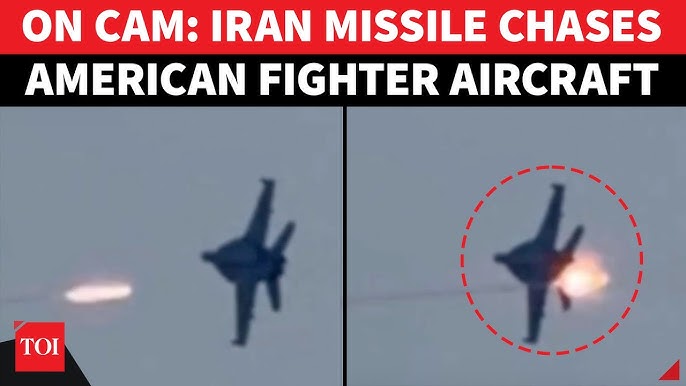
Reconstruction of Iran’s ballistic program
Also, China may provide indirect support to Iran for the reconstruction of its ballistic missile program, reports in a separate publication Fox News, citing a report by the Institute for the Study of War (ISW).
The same report claims that Chinese ships allegedly transported materials and chemical components to Iran, which could be used in the production of missile fuel.
However, there is no official confirmation of these claims, while Beijing systematically rejects any accusation related to military support to Tehran.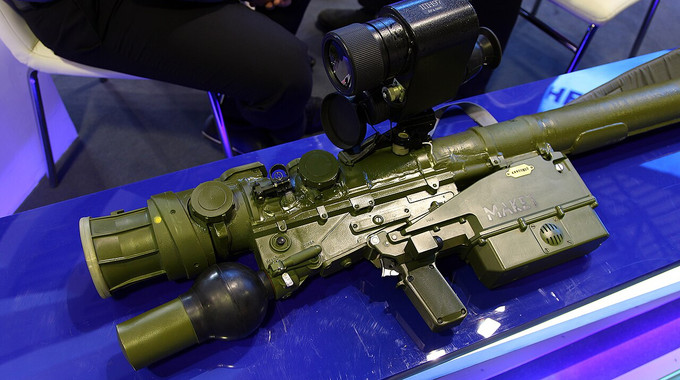
The geopolitical dimension of China-Iran
Despite disputes and accusations, the relationship between China and Iran remains of strategic importance at the economic and energy level.
Both countries have developed in recent years cooperation in sectors such as trade, energy and infrastructure investments.
The strengthening of this relationship has caused concern in the West, as it is considered to contribute to the formation of a multipolar system of power in which the United States no longer maintains absolute dominance.
At the same time, Iran seeks to strengthen its defense capability, while China appears to promote a strategy of non direct involvement in military conflicts, while maintaining economic and technological relations with countries that are in confrontation with the West.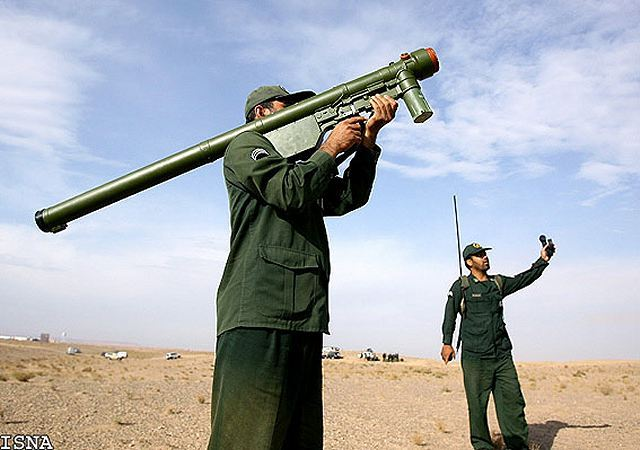
Instability becomes global
The latest developments highlight an international system that is becoming increasingly multipolar but also more unstable.
Relations between the United States, China and Iran move within a fragile framework of balance, where accusations, denials and strategic moves create an environment of constant tension.
China and Iran appear to be shaping a relationship based mainly on economic and geostrategic interests, while the United States attempts to limit any military or technological convergence that could change the balance of power in the Middle East.
In this context, the international community faces a period where diplomacy, deterrence and strategic restraint will determine whether tensions will lead to further escalation or to a new balance of power.
www.bankingnews.gr













Readers’ Comments