Tehran found a way to demand compensation from Trump for the war and it is the first country to impose indirect sanctions on the United States.
Iran presented a full list of economic demands toward the United States, which launched an aggressive military operation.
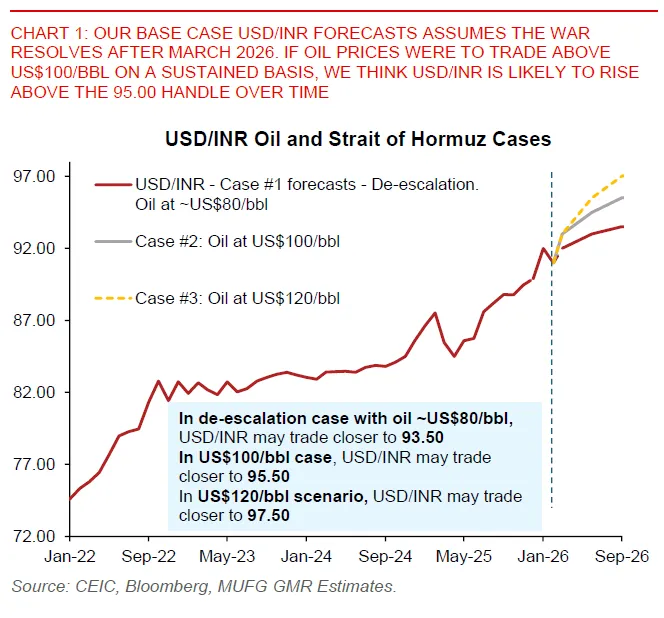
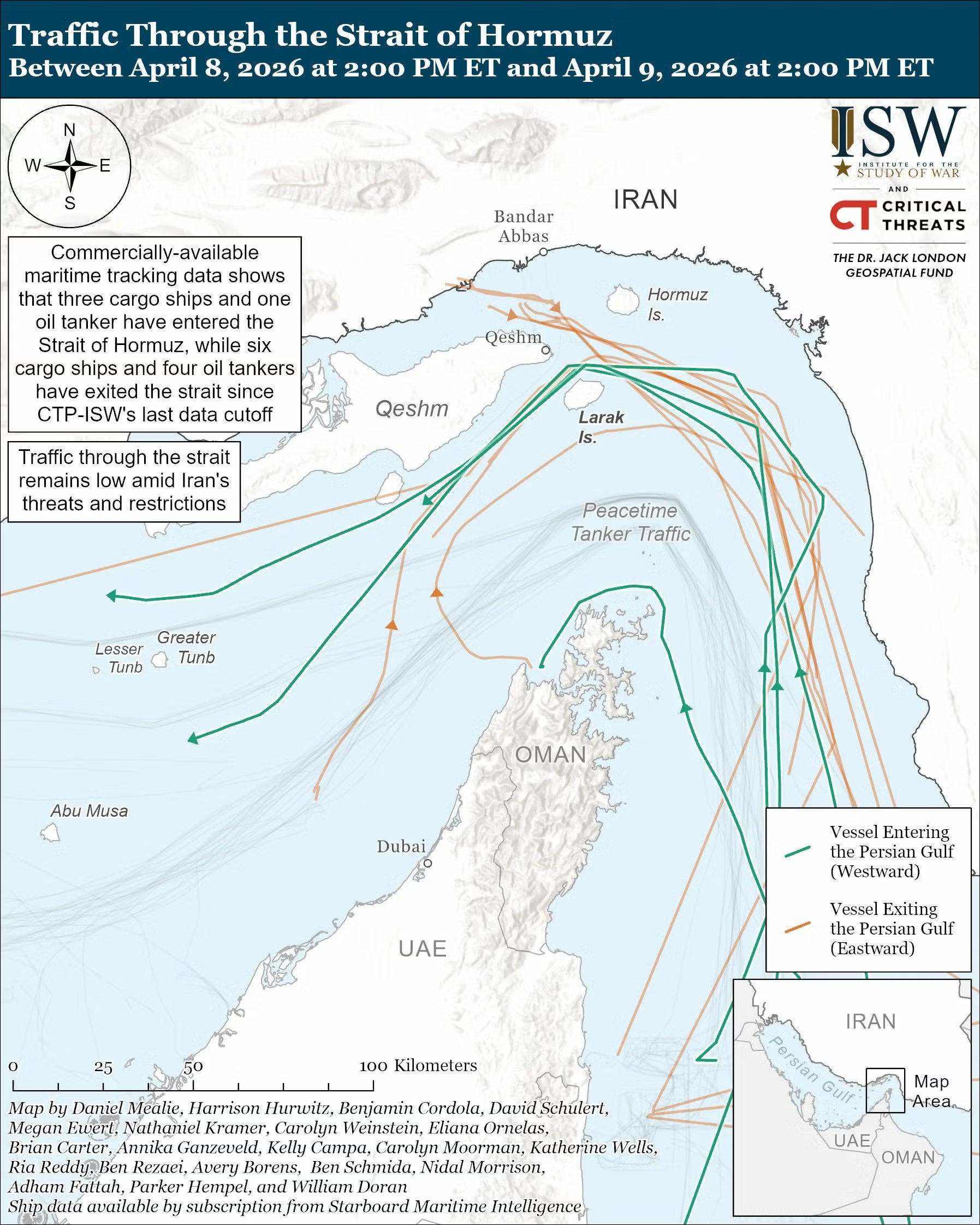
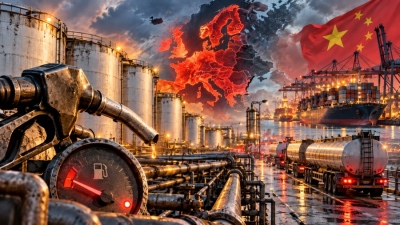
The most important are the imposition of a fee for passage through the Strait of Hormuz, 2 million dollars per ship or 1 dollar per barrel, the restriction of passage to 15 ships per day and the immediate release of all Iranian state assets in the West.
Up to 20%–25% of global oil supplies pass through Hormuz, approximately 17–18 million barrels per day.
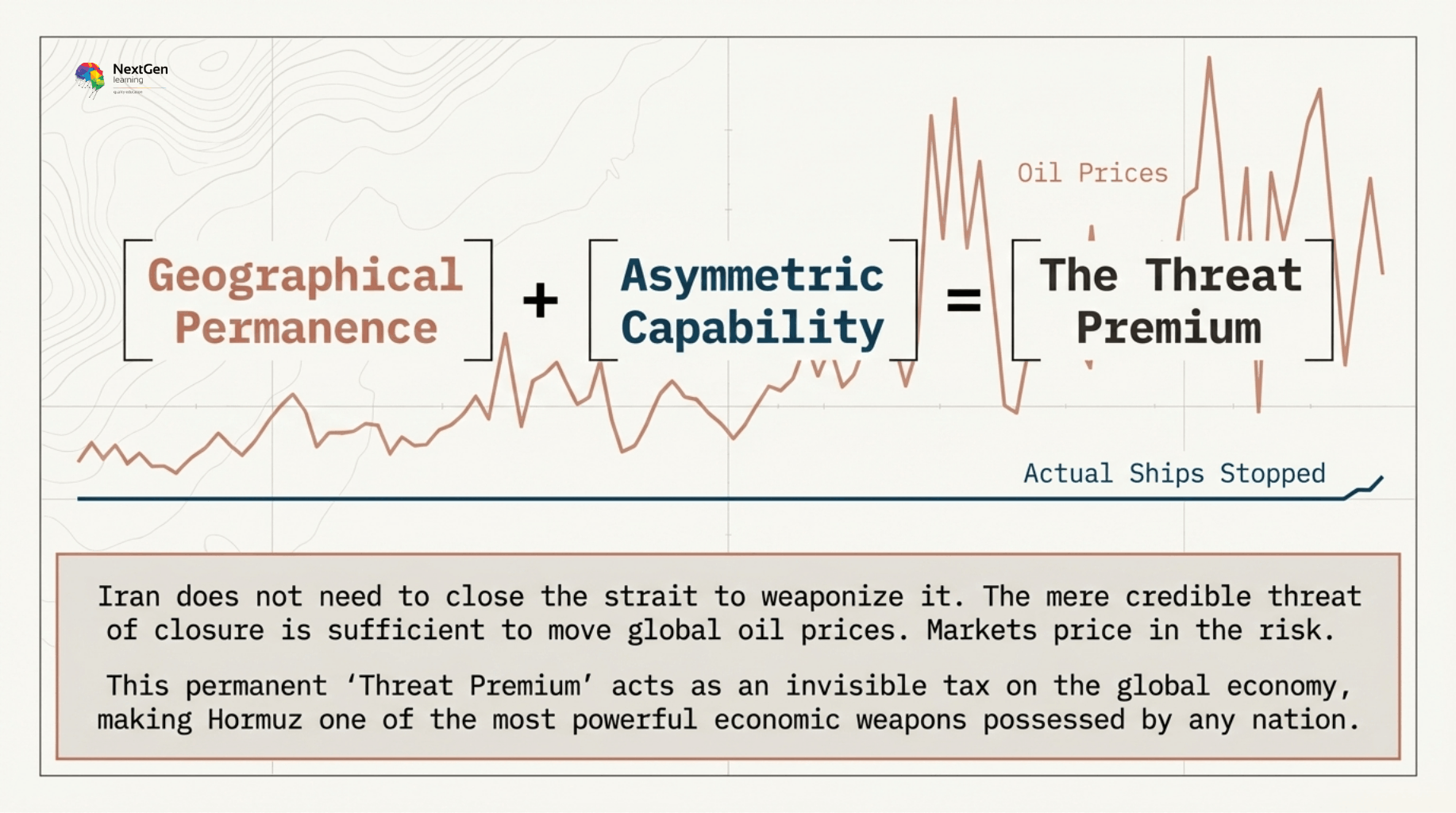
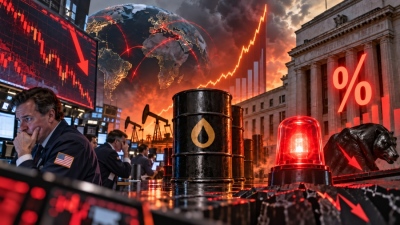
Any artificial reduction in supply is immediately incorporated into the price of Brent and into risk premiums, driving energy prices sharply higher.
Iran will control supply in the oil market, and consequently prices, which gives it tangible economic benefit as well as enormous geopolitical leverage.
Even the current “limit” of 15 ships does not constitute a full blockade, but a controlled deficit in the supply of energy goods.
This will force the West to continue negotiating with Iran.
However, the central demand remains the “unfreezing” of 120 billion dollars of Iranian assets.
According to economist Nicholas Mulder of the Petersen Institute (PIIE), such amounts correspond to several years of financing Iran’s imports and are critical for stabilizing the rial and the country’s foreign trade, which is in turmoil.
What the U.S. can do - How sanctions were reversed
The main question is: will the United States proceed with release?
The answer is almost certainly no in its pure form.
According to economist Jeffrey Sachs, sanctions in the 21st century are not simply a tool of pressure, but a political tool of long term control over different countries.
The release of assets without systemic concessions undermines the very mechanism of the sanctions policy as understood by the American administration, writes Sachs, and it is rather difficult to be drawn into an open lifting of sanctions.
In addition, some of the assets have been frozen not only by the United States, but also within the framework of decisions of the United Nations. This makes rapid release legally difficult.
Even with political will, the process will take months and not “two weeks” as Tehran demands.
Iran understands this.
Therefore, the restriction of passage through Hormuz is not an attempt to achieve an immediate result, but a way to increase the cost of refusal to compromise on the part of the United States.
As Jeffrey Sachs notes, in terms of political economy, Iran has chosen the classic cost imposition strategy: to create costs for the opponent faster than for itself.
And this constitutes a logical continuation of the asymmetric warfare strategy that Iran has imposed on the United States and Israel since the early stages of the western invasion.
How the closure of the Strait of Hormuz became a weapon - The surge of the premium
Selective closure and alliances
It is important that Iran, even during war, did not fully close the strait.
In agreement with the Iranian authorities, ships from friendly countries, especially China and Russia, continued to pass, and now Iraq has been added to the list of exempted countries.
At the same time, Tehran proposes a negotiating package: partial freeze of uranium enrichment in exchange for access to assets.
According to Reuters, this may be a one year pause.
This is consistent with the logic described by economist Dani Rodrik: states under sanctions, whether Iran or Russia, are more likely not to capitulate, but to resort to “temporary agreements” that allow them to buy time and conserve resources.
Imperfect compromises and Iran victory
As economist and political scientist Barry Eichengreen notes, such conflicts are often resolved through “imperfect compromises”, where the parties formally maintain their positions but in practice retreat.
In reality, in the upcoming negotiations, the United States and Iran will bargain over the extent of retreat from their maximum demands.
For example, regarding Iranian assets in the West, the Americans may proceed with partial release.
Iran, however, will present it as compensation for the war that the United States lost.
But then the United Arab Emirates unexpectedly entered the game.
They announced that they also want to freeze Iranian assets and this constitutes one of the main channels for bypassing sanctions. According to the U.S. Treasury, the UAE has for decades functioned as a financial hub for Iranian businesses.
The loss of this channel sharply reduces the stability of the Iranian economy, but strengthens Tehran’s incentive to act harshly now.
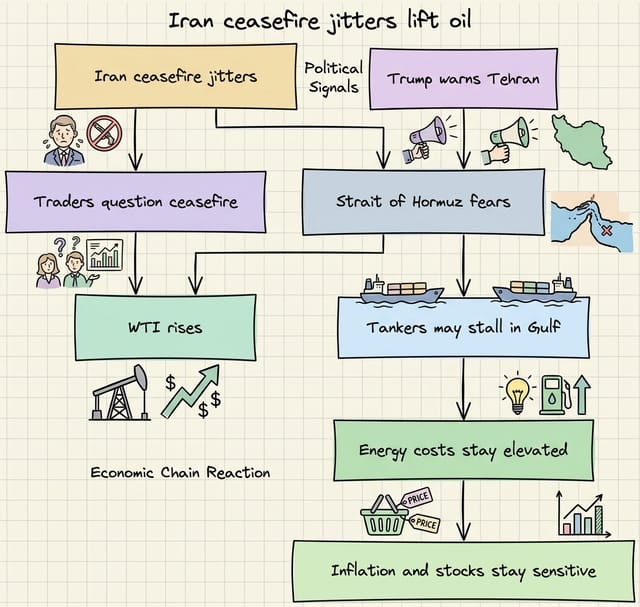
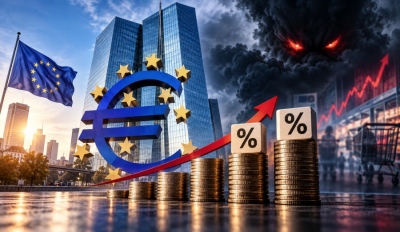
Economist Lawrence Summers emphasizes that Iran is acting with great skill: energy shocks remain the main trigger of inflation.
And the restriction of supplies through Hormuz automatically raises inflation expectations in the United States and the European Union. And this in turn affects support for the American invasion of Iran.
For the administration of Donald Trump, which faces the most difficult midterm elections for Congress in November, the political cost may be very high.
Partial lifting of sanctions
However, the scenario may also be the opposite, according to analyst Kenneth Rogoff: the logic of Trump is to increase pressure when the situation escalates.
Thus, according to the expert, the most likely scenario is a partial release, a few billion, linked to limited concessions on the nuclear program.
The full lifting of sanctions and the full release of the 100 billion dollars are considered practically excluded.
That is why Iran and the United States are now at the beginning of a long bargaining process.
And Hormuz, in this context, is not a battlefield but a negotiation lever where Tehran has the upper hand.
www.bankingnews.gr










Readers’ Comments