The Iranian thriller has not yet ended.
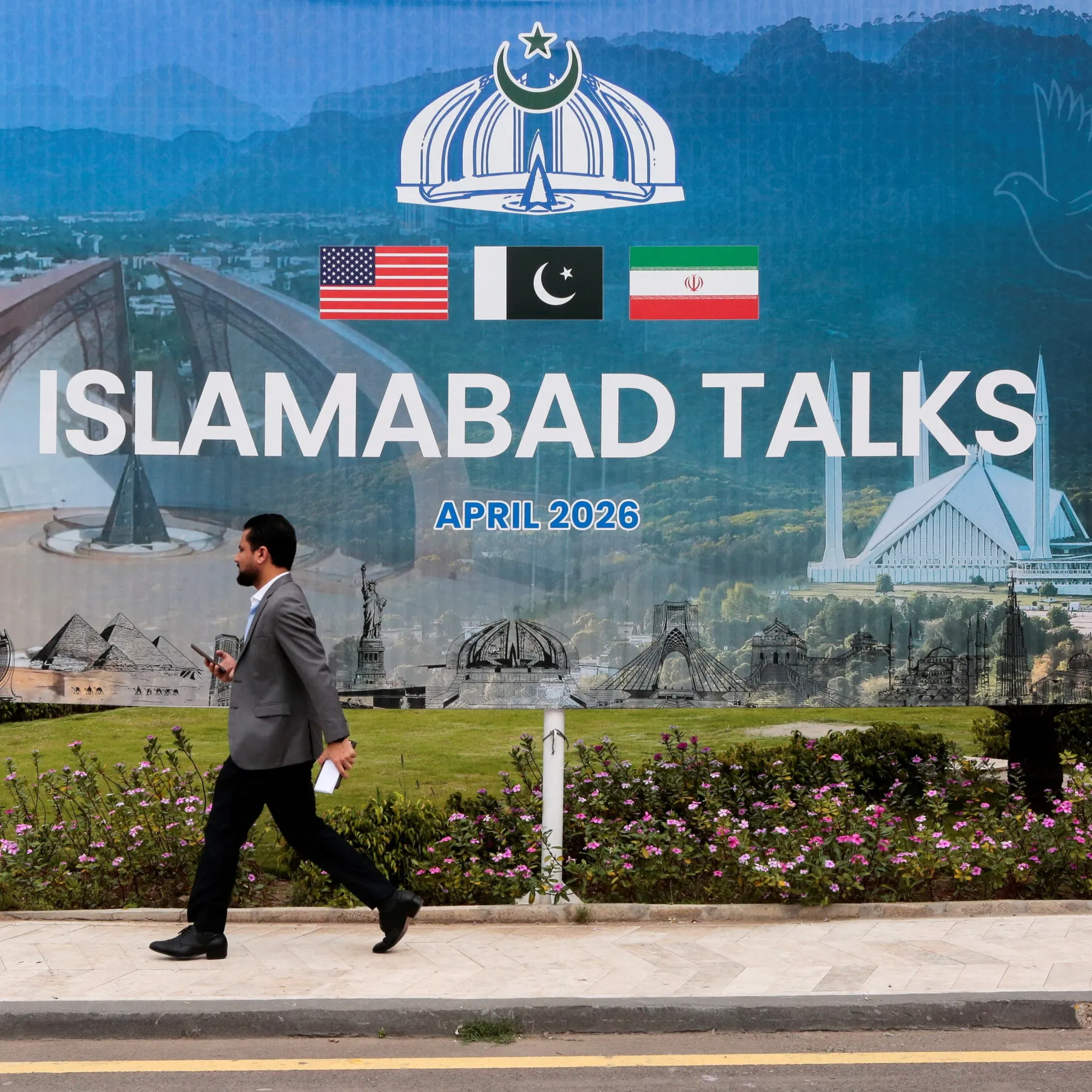
The marathon talks, lasting 15 hours, between the delegations of Iran and the United States in Pakistan on Saturday 11/4/2026 were one of the most intensive and complex diplomatic processes of the past year.
Although they did not result in a final agreement, the picture that emerges is not one of complete failure, but rather of a significant, however not insurmountable deadlock on certain critical issues.
The fact that the two delegations negotiated for 15 hours in multiple rounds of talks proves it.
As experienced diplomats observe, if the deadlock had been insurmountable, the negotiations would have been short.
Characteristic is the statement of the spokesperson of the Foreign Ministry of Iran, Esmaeil Baqaei.
He explained that the two sides managed to reach common understandings in several areas, however disagreements on two to three key issues proved decisive and prevented the achievement of an overall agreement.
Despite the difficulty of the talks, the message sent by Tehran is clear: diplomacy remains alive and constitutes the main tool for safeguarding national interests.
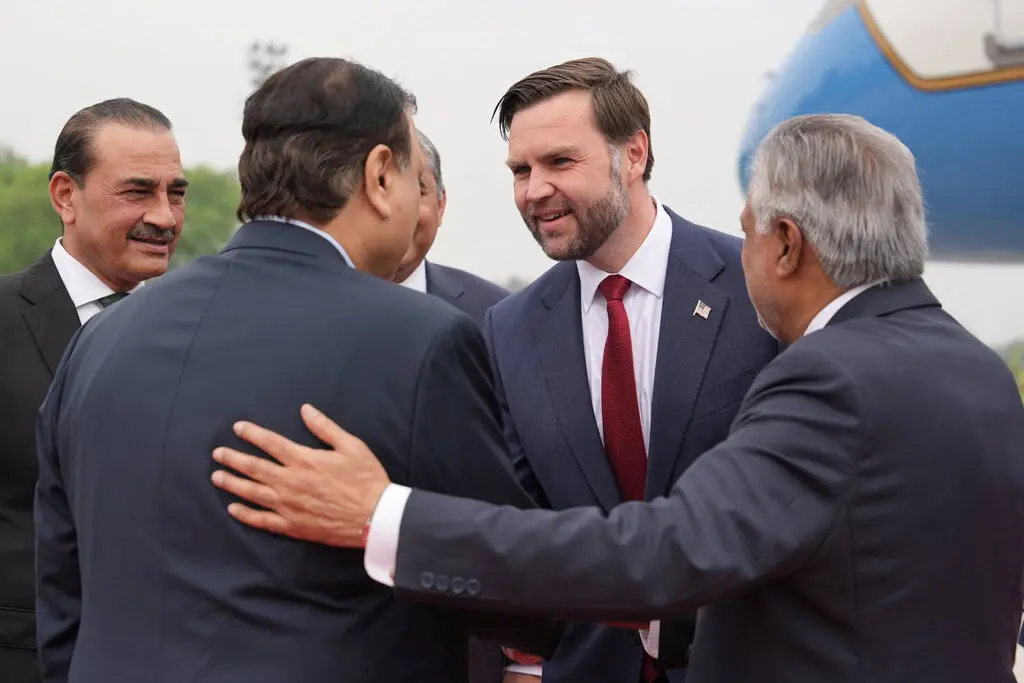
Marathon talks in a difficult environment
The negotiations in Islamabad, together with the preliminary meetings, lasted approximately 24 consecutive hours, constituting the longest round of talks between Iran and the United States during the past year.
The duration itself demonstrates the complexity of the issues discussed.
According to Esmaeil Baqaei, extremely complex issues were added to the negotiation agenda, such as the issue of the Strait of Hormuz and broader regional security issues in the Middle East.
These are issues that have enormous geopolitical implications and affect not only Iran and the United States but also the entire international community.
The Strait of Hormuz constitutes one of the most important maritime corridors in the world, through which a large part of the global energy supply passes.
Any tension or instability in the region can cause chain reactions in the global economy and in international energy markets.
Under this perspective, it is entirely natural that issues of such complexity cannot be resolved within just one day of negotiations.
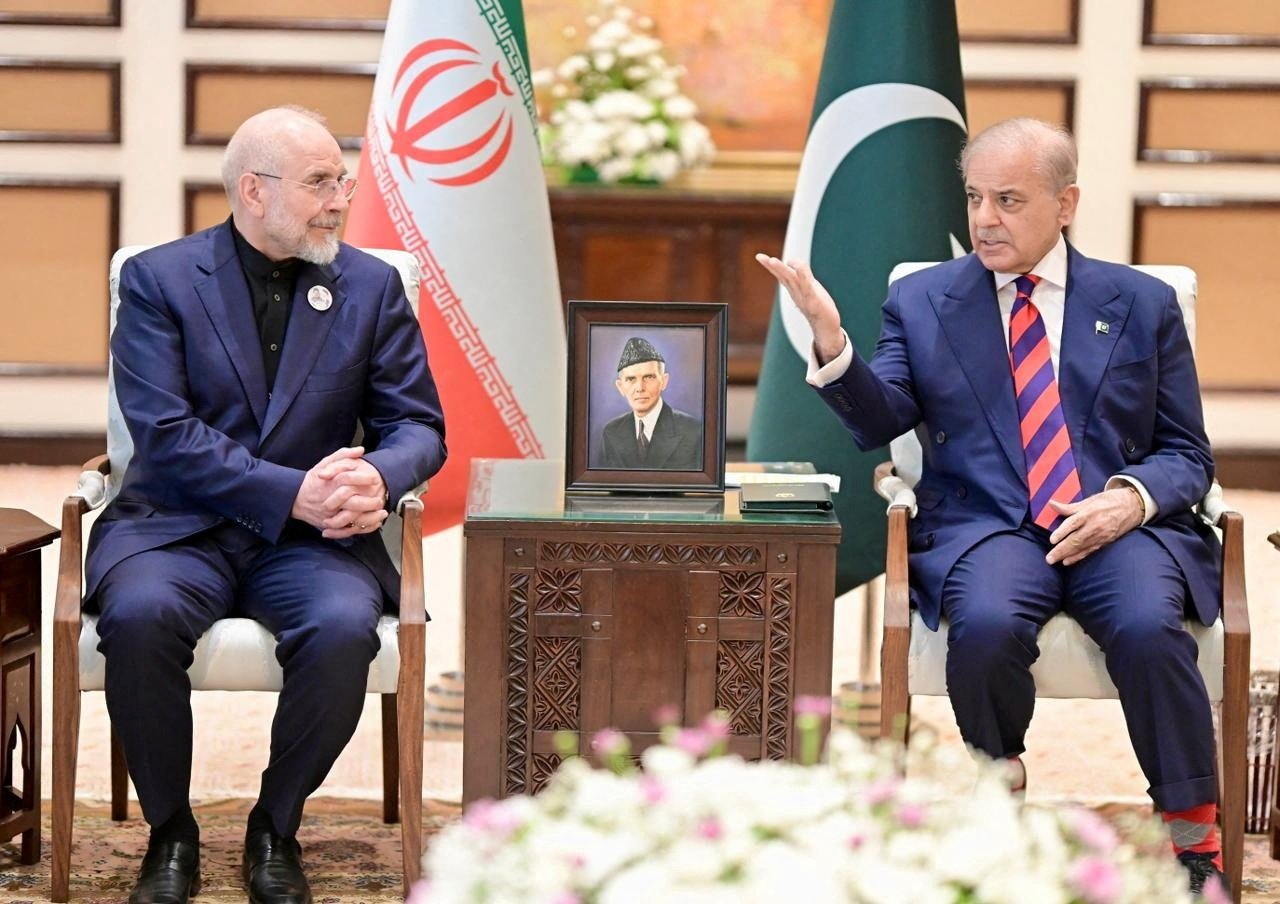
Understanding on several issues, but deep disagreements on critical points
Esmaeil Baqaei pointed out that the two sides managed to reach agreement in certain areas.
This shows that, despite the difficult political climate and the recent tension in the region, there is still room for understanding.
However, on issues such as the Strait of Hormuz and broader regional security matters, the differences in the positions of the two sides remained significant.
These disagreements reflect deeper strategic perceptions.
Iran believes that regional security should primarily be ensured by the states of the Middle East themselves, without external interventions.
In contrast, the United States seeks to maintain a strong military and political presence in the region, something that Tehran views with suspicion.
Despite these differences, the fact that the talks took place and indeed lasted so long shows that both sides recognize the importance of dialogue.
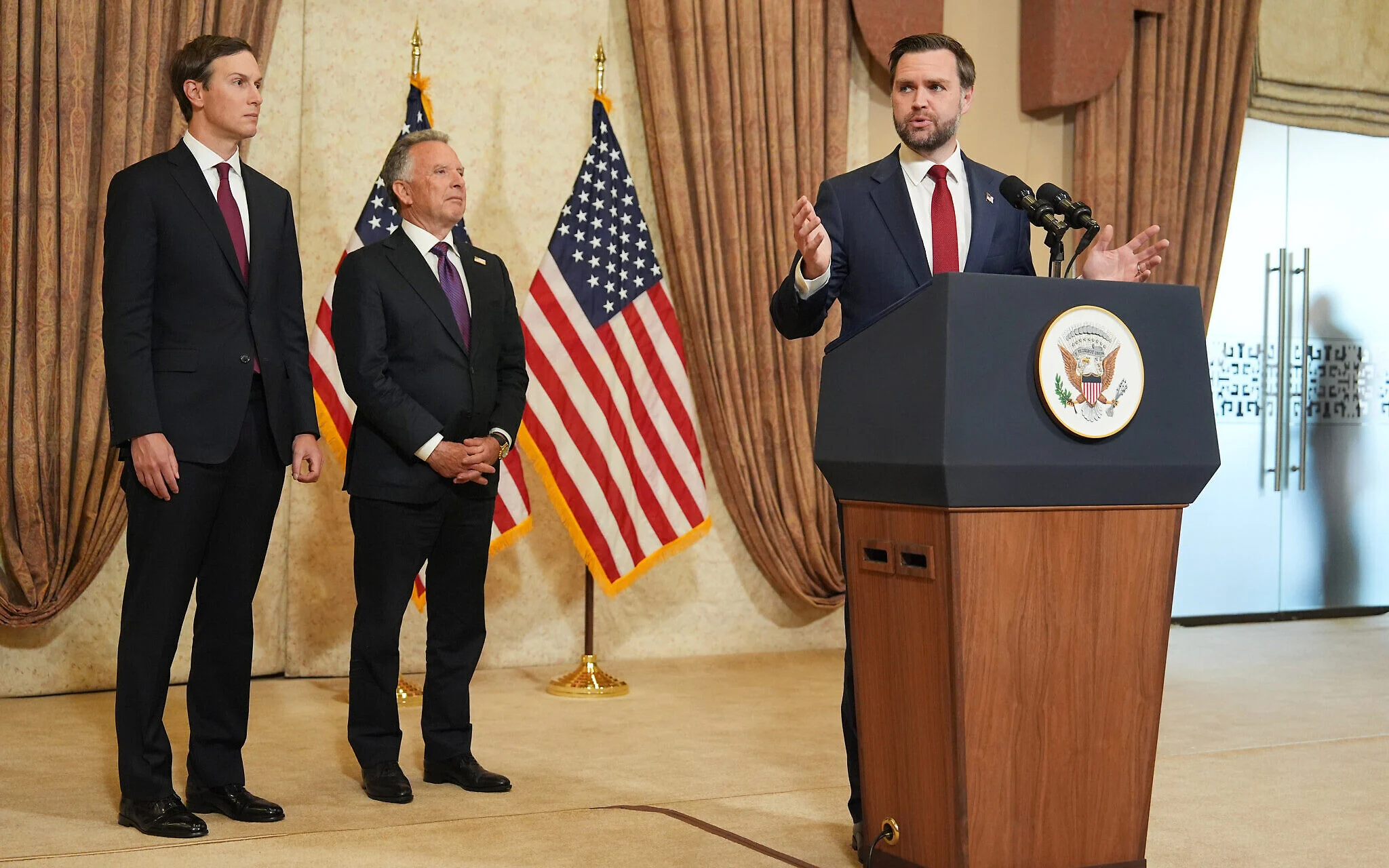
The shadow of the recent war
The negotiations took place in a particularly charged political environment.
As Esmaeil Baqaei emphasized, the talks were held after forty days of war and only a few days after the start of a fragile ceasefire.
Under such conditions, it is almost inevitable that the climate of negotiations is characterized not by full trust, but by suspicion.
Tehran argues that within the last nine months the United States, in cooperation with Israel, carried out two acts of aggression against Iran.
These actions, according to the Iranian side, undermined the climate of trust and made the negotiations even more difficult.
Despite these tensions, Iranian diplomacy chose to come to the negotiating table, something that shows that Tehran continues to consider diplomacy as a key means of resolving disputes.
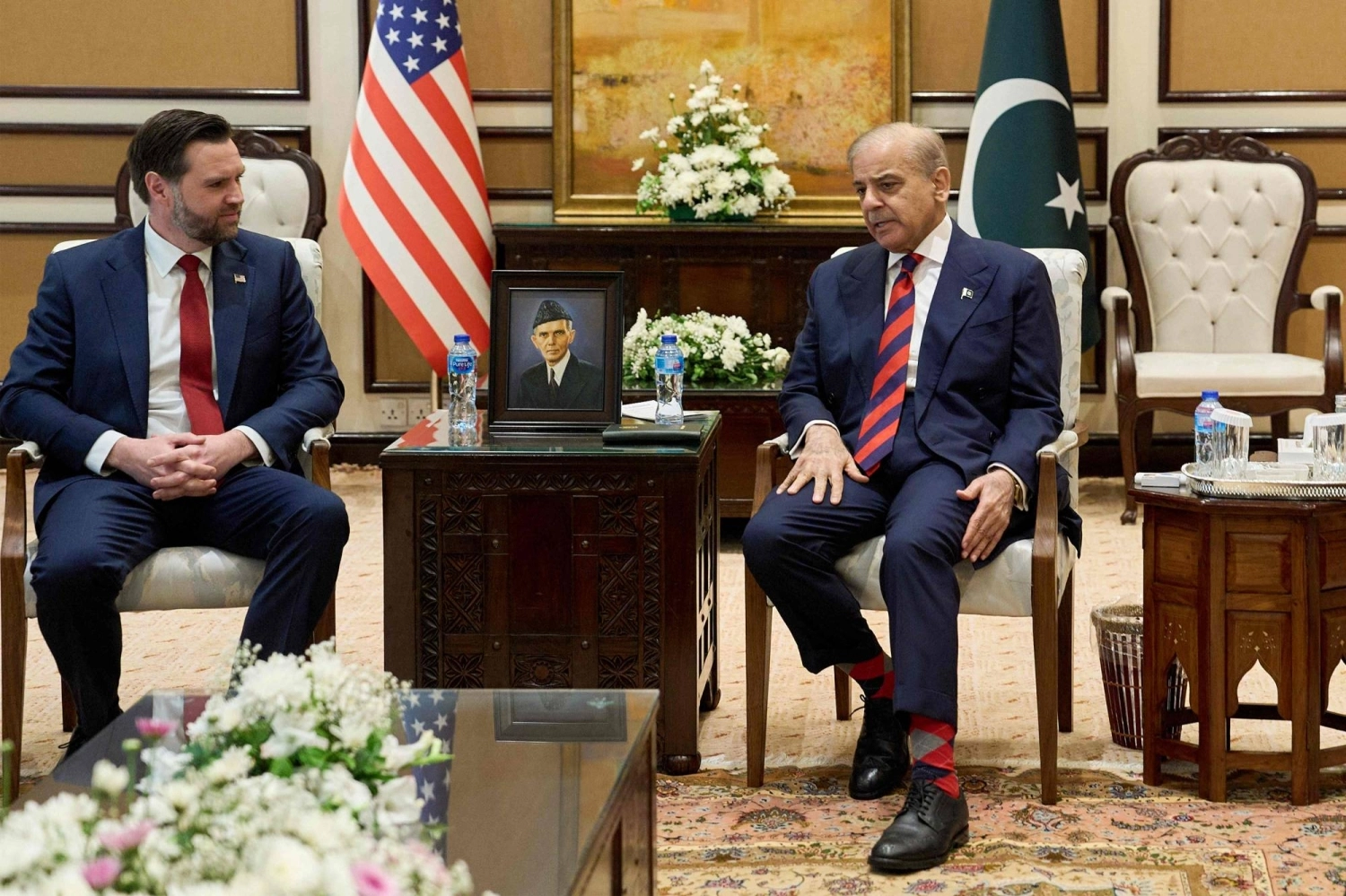
The U.S. in a waiting stance - Four reasons to avoid escalation
From the side of the United States, the situation appears to be handled with a careful waiting stance.
Despite the pressures within the American political system for a tougher stance toward Iran, Washington seems for the time being to avoid immediate escalation.
This is due to many factors.
First, the region of the Middle East remains extremely fragile.
A new conflict could lead to broader regional destabilization.
Second, a military escalation would have serious consequences for international energy markets, especially if the Strait of Hormuz were affected
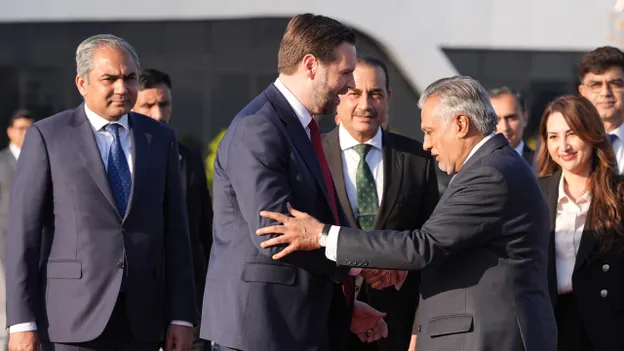
Third, Washington knows that the diplomatic process has not been exhausted, as admitted by the Vice President of the United States J.D. Vance, who carried Iran’s proposals to the United States.
The existence of even limited convergences between the two sides leaves open the possibility of new rounds of talks in the near future.
Fourth, and most important, the United States has fresh memory of a military debacle.
Despite the incoherent outbursts and threats of the President of the United States Donald Trump, the whole world knows, including American media, that the United States was defeated in the war with Iran.
Therefore, for these four reasons the Americans will not decide on immediate escalation.
Pressure for escalation from Israel
On the opposite side and in this geopolitical landscape, Israel appears as the factor that insists most on the need for a tougher stance toward Iran.
The Israeli leadership has repeatedly expressed the view that diplomacy is not sufficient to address the Iranian issue and has pushed for more aggressive options.
This stance creates additional pressure on Washington, which is called to balance between the strategic alliance with Israel and the need to avoid a broader conflict in the Middle East.
From the perspective of Tehran, Israel’s insistence on escalation constitutes one of the main factors that hinder the progress of diplomacy.
It should not escape attention that the war in Iran is a plan of the Israeli Prime Minister Benjamin Netanyahu, who has placed all his hopes for political survival on the resumption of hostilities.
The role of Pakistan and regional diplomacy
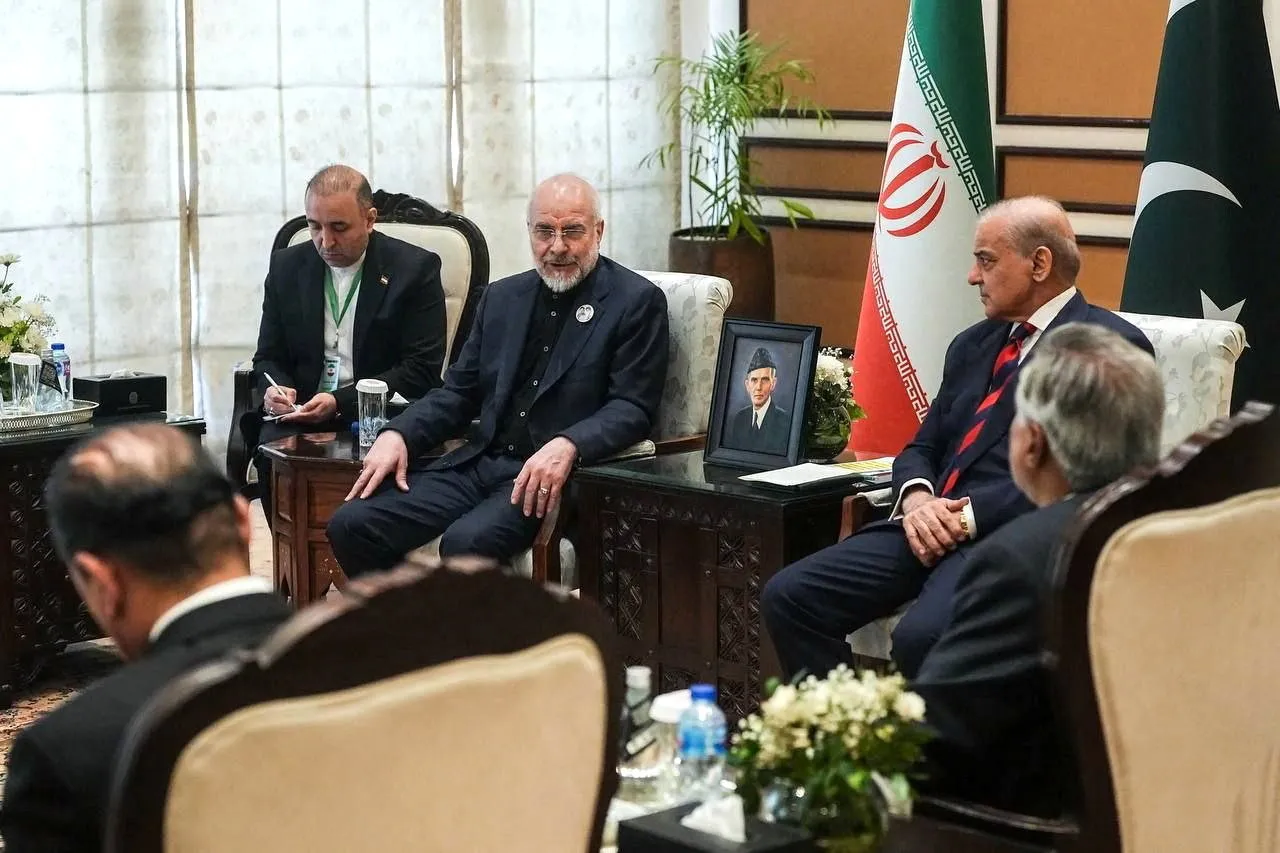
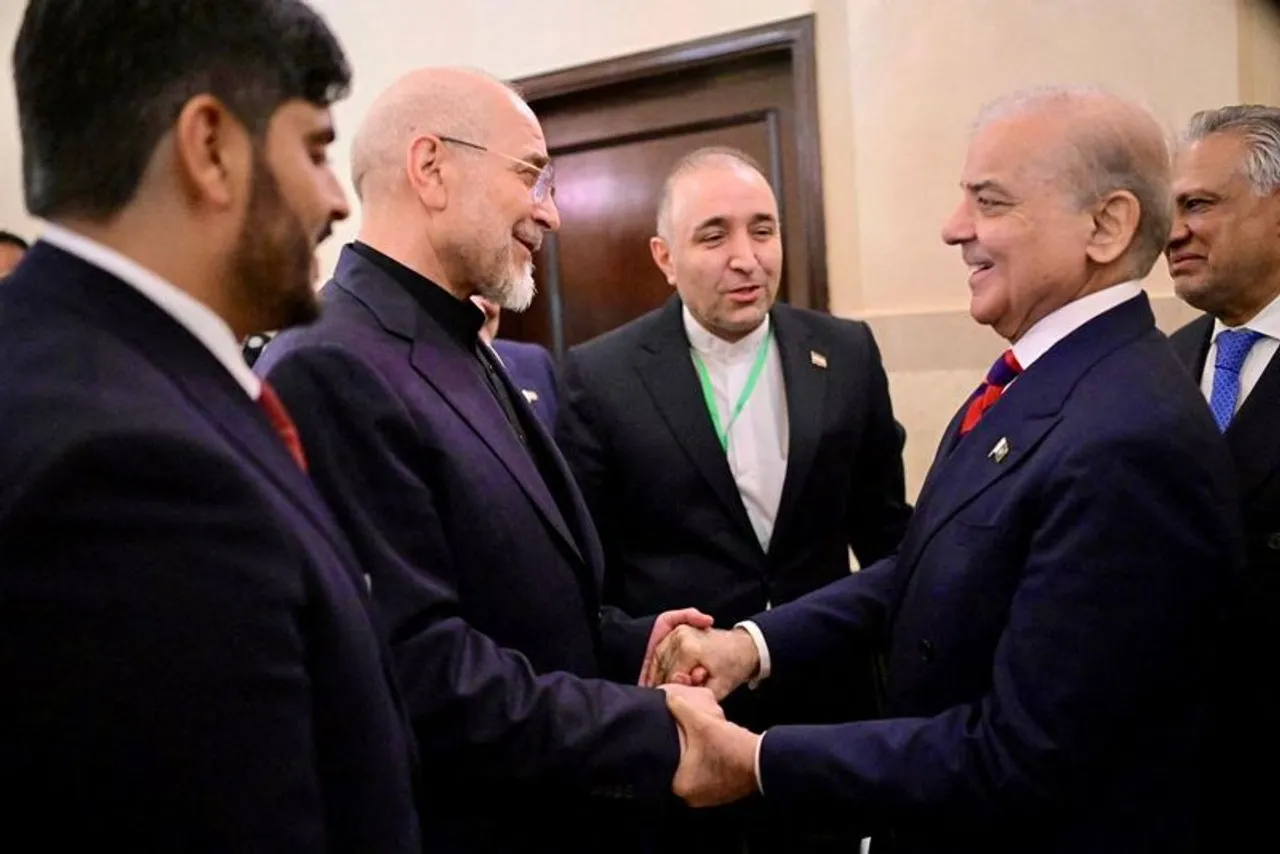
Particular importance is also attached to the role of Pakistan, which hosted the talks.
Esmaeil Baqaei expressed the gratitude of the Iranian side toward the government and the people of Pakistan for hosting and facilitating the negotiations.
He made special reference to:
1) Shehbaz Sharif (Prime Minister)
2) Asim Munir (Chief of Army)
3) Ishaq Dar (Minister of Foreign Affairs)
who, according to the Iranian side, contributed decisively to the creation of a framework that allowed the talks to take place.
The involvement of Pakistan also underlines the importance of regional diplomacy.
Tehran seeks to strengthen cooperation with neighboring and friendly countries, creating a network of political support that can act as a counterweight to the pressures it receives from the West.
Diplomacy has not ended
The main message that Tehran seeks to convey is that the diplomatic process has not reached its end.
Esmaeil Baqaei stressed that diplomacy is a tool for ensuring and protecting national interests and that efforts will continue.
This means that, despite the deadlock, new consultations are expected both with the United States and with other regional actors.
Consultations between Iran, Pakistan and other friendly and neighboring countries are expected to continue, something that shows that diplomatic activity in the region remains intense.
A fragile but real window of dialogue
Despite deep disagreements, the fact that the two sides met and negotiated for 24 consecutive hours in itself constitutes an indication that there is still a window of dialogue.
The history of relations between Iran and the United States is full of tensions, crises and deadlocks.
However, even in the most difficult moments, diplomacy remained a path that never closed completely.
Today, the situation appears to be at a critical point of balance.
On the one hand there are pressures for escalation, mainly from Israel.
On the other hand, both Tehran and Washington seem to understand the risks of a broader conflict.
For this reason, the waiting stance that the United States appears to maintain may prove decisive in avoiding a new crisis.
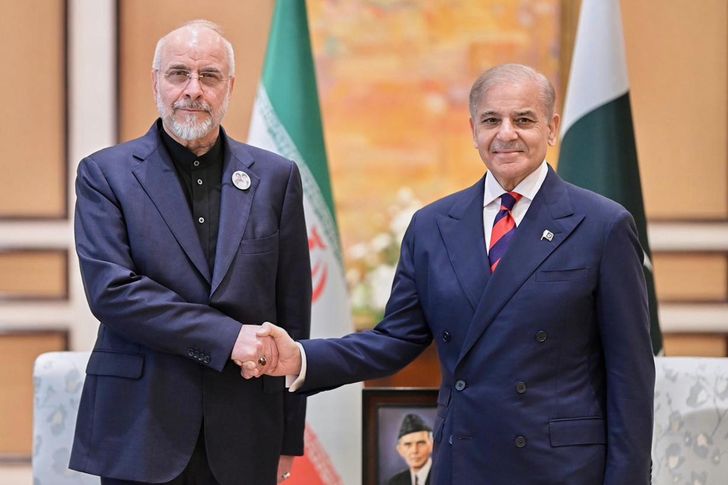
Diplomacy has not died
The talks in Islamabad may not have led to an immediate agreement, however they do not mark the end of the diplomatic process.
The differences on certain critical issues remain large, however the convergences achieved in other areas show that there is still room for dialogue.
Iran insists that diplomacy is the main tool for protecting national interests, while the United States appears for the time being to choose a stance of careful waiting instead of immediate escalation.
In this complex geopolitical landscape, Israel continues to push for a tougher stance toward Iran, something that adds another factor of tension.
The question that remains open is whether diplomacy will ultimately manage to bridge the differences or whether the pressures for escalation will lead the region into a new cycle of instability.
For now, however, one thing seems clear: diplomacy has not died.
www.bankingnews.gr






Readers’ Comments