Six weeks after the start of the American and Israeli air strikes against Iran, the superpower, the United States of America, resembles a wounded beast trapped in its own choices.
The war, launched without the approval of Congress, has blown up energy markets and plunged the planet into fear of a global recession.
Despite the fragile ceasefire achieved through Pakistan, the atmosphere in the United States is electrified.
Journalists from Reuters spoke with citizens from Colorado to California, and the picture is discouraging: a divided society that sees its economy collapsing and its future being mortgaged to an irrational conflict.
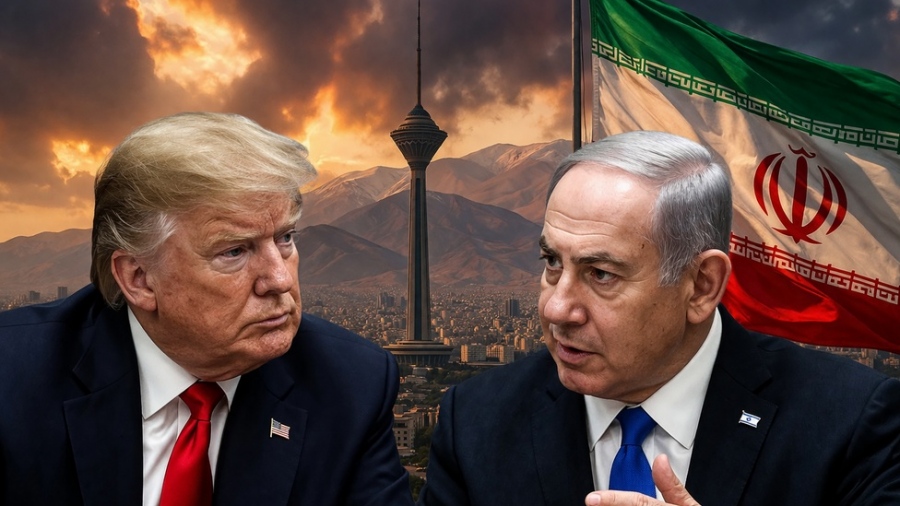
The cost of madness: Netanyahu dragged Trump into disaster
Anger is overflowing in the streets, with citizens directly accusing the White House of subservience to Israeli interests.
“This war should never have happened”, says Terry LeMoine, 82, from Carlsbad in California, emphasizing that Donald Trump does not care about anyone except himself.
“It was Benjamin Netanyahu who convinced him”, he adds, echoing the view of many who see America playing the role of the “villain” on the international stage.
Chad Gard, a baker in Indiana, expresses absolute skepticism about promises of global peace: “Now the question is which country we will attack next.
We are destroying our position in the world”.
Nightmare at the pump: Gasoline shatters the family budget
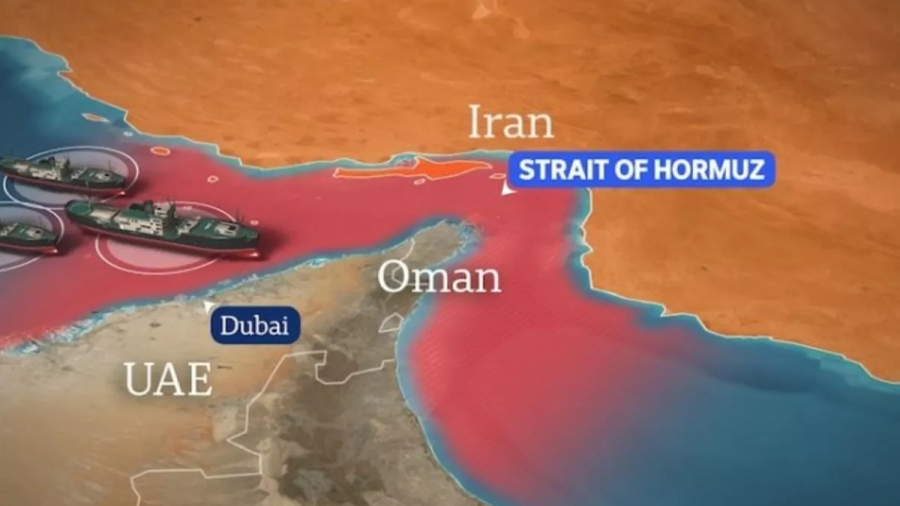
The closure of the Strait of Hormuz by Iran was the final blow to the pocket of the average American.
The price of gasoline has skyrocketed, turning everyday life into a struggle for survival.
“The price of fuel is killing my business”, says Melanie Curtis from Chicago, watching her income evaporate.
In New York, retired firefighter Walter Moran watches in terror the numbers at the pumps: from 3.50 dollars to 4.19 in just a few days.
Even if the strait opens tomorrow, the accumulated chaos in the supply chain means that prices will not fall soon.
Kristin Anderson, a student in Atlanta, is cynical: “Our economy is terrible.
This pointless war is destroying us”.
The fear at home: Deployment orders and Iranian revenge
The greatest fear, however, is not economic, but human.
The possibility that the air war will turn into a ground invasion causes chills.
Dana Coffey from Georgia describes with tears in her eyes the anxiety for her sister, who serves in the reserves: “They told her she will probably leave for Kuwait in August or even earlier.
We live with fear every day”.
At the same time, citizens such as Aaron Klug express concerns about Iranian retaliation inside American territory, considering the coastal states “easy targets”.
Kenneth Flowers, a retiree in Atlanta, warns: “If this becomes a ground war, even the Republicans will abandon Donald Trump.
Americans cannot endure more blood”.
A future in darkness: Peace or just a pause before the explosion?
Six weeks later, America is not united, but confused and wounded.
Veterans try to defend the defense doctrine, young people feel disconnected from reality and military families stay awake waiting for the fateful phone call.
The temporary ceasefire in Pakistan is considered by many as a small “window” that can close at any moment.
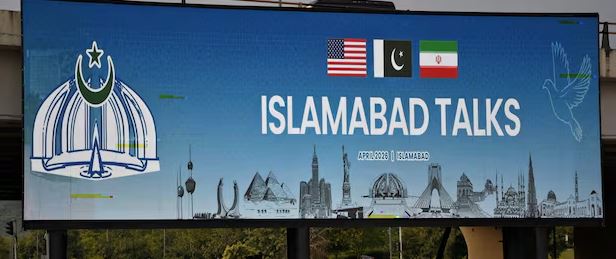
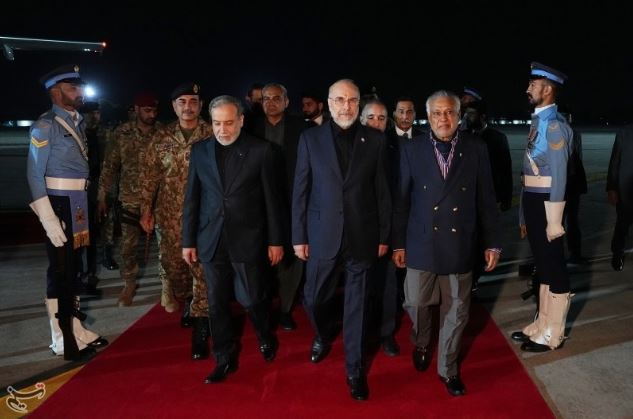
Deadlock in U.S.-Iran negotiations and the shadow of disaster in the Persian Gulf
It is recalled that the marathon diplomatic confrontation that began on 11 April 2026 and lasted 25 exhausting hours ended in a frozen deadlock in the early hours of 12 April.
Despite expectations for a “grand agreement”, the “red lines” of Tehran and the “excessive demands” of Washington turned Islamabad into a field of diplomatic war.
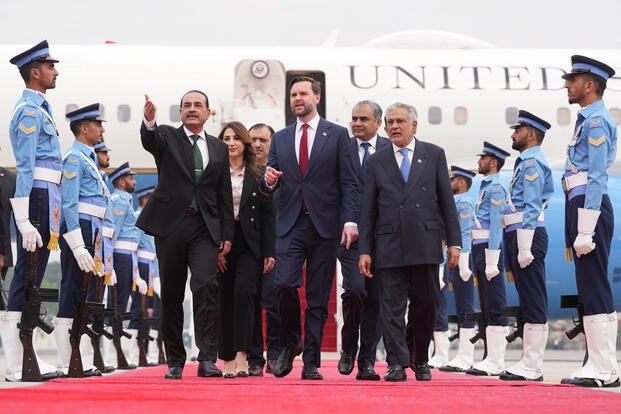
The Vice President of the United States J.D. Vance returns to the United States with Iran’s proposals in his luggage, which will form the basis for future contacts, however the timing of them remains undefined.
The role of Netanyahu and the ball in Washington’s court
While J.D. Vance claims that the United States showed “flexibility”, the Iranian Foreign Ministry speaks of deep mistrust and suspicion that prevented an agreement.
Behind the scenes, Benjamin Netanyahu torpedoes every peace effort, provocatively stating that “we are not finished with Iran” and claiming that Tehran is “begging” for a ceasefire, something that developments in Islamabad categorically disprove.
The Strait of Hormuz and the nuclear thorn
Tehran remains unmoved on the issues of uranium enrichment, the situation in Lebanon and the complete removal of American forces from the Persian Gulf, however the central point of friction that blew up the talks is control of the Strait of Hormuz.
Iran, in a display of absolute sovereignty, refuses to allow the passage of ships unless the 10 point peace plan is accepted, demanding exclusive control of the passage together with Oman.
The comparison used is shocking: it is as if the United States demanded from Greece to request permission from Washington for the passage of ships through the Aegean Sea.
With the Strait of Hormuz remaining closed and Iran declaring that it “is not in a hurry”, Washington is now called to decide whether it will return with a realistic proposal or whether it will allow the region to slide into a full scale war without return.
The question hanging over every city in the United States is raw and relentless: is this the end of the nightmare or simply preparation for an even greater disaster?
www.bankingnews.gr














Readers’ Comments