Families in Europe are expected to pay up to 2,000 euros more for energy in 2026, as the conflict in the Middle East pushes oil prices higher and exposes the continent’s ongoing dependence on fragile global supply chains.
The European Trade Union Confederation (ETUC) estimates that the average increase in household energy bills in the European Union will reach 1,896 euros annually.
The total annual expenses of an average household will increase from 3,792 to 5,688 euros.
In practice, energy will account for almost 12% of a household’s total expenses.
Spain will fare somewhat better than most countries, with a projected increase of 1,384 euros annually.
Ireland, by contrast, is among the countries hit the hardest, with an additional cost of 2,646 euros per household.
France will see increases exceeding 2,500 euros, while Luxembourg will approach 2,800 euros.

Geopolitical pressures
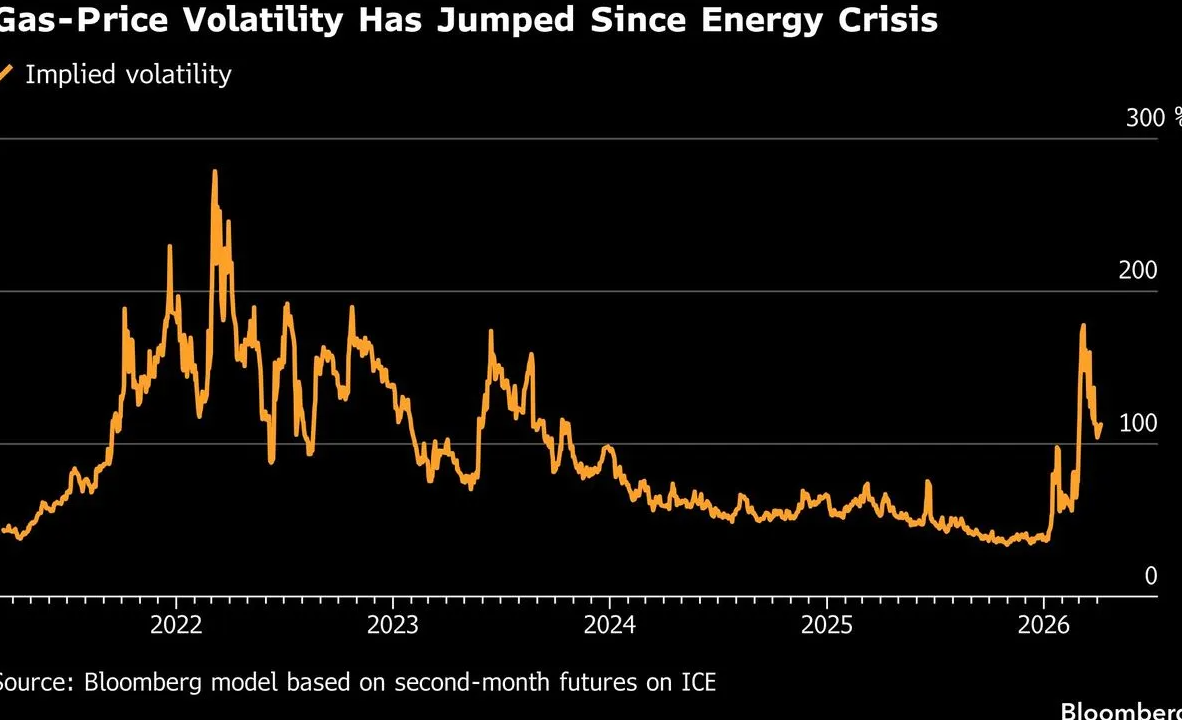
Since the start of the war in the Middle East, Brent has approached 120 dollars per barrel.
The partial closure of Hormuz, through which a significant portion of global oil and gas trade passes, pushed prices upward and revived a fear that Brussels had been trying to downplay for months, that the energy crisis of 2022 never truly disappeared.
This time, however, the European Union enters this phase with fewer margins for response.
Brussels insists that there is no immediate shortage of oil and states that it has “tools” to limit the impact.
The Commission argues that the direct exposure of the EU to the Middle East is limited.
However, the Union’s own data show a different picture.
The European Union imports 40% of its aviation fuel, 8.5% of its LNG, and nearly 7% of its oil through the Strait of Hormuz, percentages that appear manageable until a crisis raises the cost for every tanker, insurance policy, and alternative route.
The European Union once again reacts slowly, with measures coming after costs have already risen.
The Commission’s spokesperson, Anna-Kaisa Itkonen, admitted on Wednesday (April 8) that “we must not fall into the illusion that the crisis will be short”. Nevertheless, Brussels still avoids speaking of an energy state of emergency.
It prefers to rely on a future package of measures, strategic reserves, and the belief that the market will self-regulate. This is the same logic that left Europe exposed after the abrupt cutoff from Russian natural gas without having previously built a stable alternative.
The social consequences are already emerging
The consequences are already being felt beyond European institutions.
In Ireland, farmers and transport workers have been protesting for days over fuel price increases.
Convoys have blocked roads and fuel depots across the country.
Police no longer treat the mobilizations as simple protests, but as “blockades” of critical infrastructure.
The government in Dublin has gone so far as to call in the army to remove vehicles and reopen roads.
Prime Minister Micheál Martin described the protests as “unacceptable” and accused demonstrators of paralyzing the economy.
Ireland is one of the countries expected to suffer the largest increases in energy costs.
Agricultural fuel, transport, and machinery depend almost entirely on diesel.
Increases in fuel prices affect the entire chain: food, transport, fertilizers, and production.
Irish farmers may be the first sign of tensions that could spread across Europe if prices continue to rise.
France is already reporting some fuel shortages at certain stations.
In Central Europe, governments such as those of Slovakia and Hungary have been warning for weeks that sanctions, attacks on energy infrastructure, and the closure of transport routes are driving the continent toward a new crisis.
Brussels may speak of resilience. But resilience does not reduce a 2,000 euro energy bill.
www.bankingnews.gr




Readers’ Comments