

The Korean Peninsula is once again at a critical juncture, where diplomacy, strategic balance, and geopolitical reality collide.
The events of recent weeks have highlighted an interesting but complex dynamic in relations between North Korea and South Korea, with Pyongyang sending a rare message of positive acknowledgment toward Seoul, while at the same time maintaining its strategic caution.
The trigger for this diplomatic development was the public apology of South Korean President Lee Jae-myung for incidents of airspace violations of North Korea by South Korean unmanned aerial vehicles.
The response of North Korea described this apology as “sincere and courageous”, something that constitutes an extremely rare formulation from the side of Pyongyang.
However, despite this courteous reference, North Korea rushed to clarify that this statement should not be misinterpreted as an indication of significant political rapprochement.
The country’s authorities even warned Seoul to avoid “wishful interpretations” that could create excessive expectations.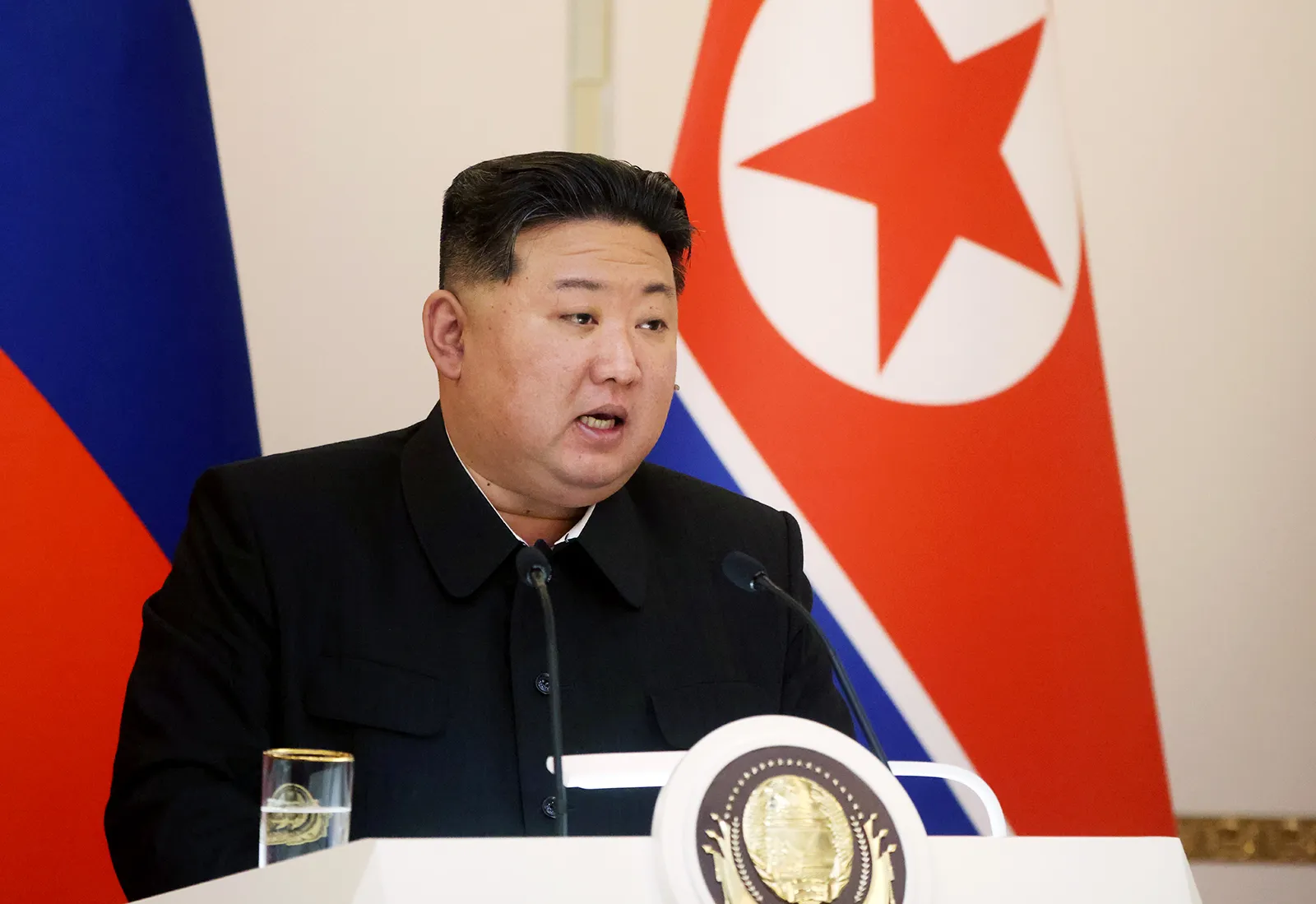
Strategic stability
The leader of North Korea Kim Jong Un has repeatedly emphasized that his country views South Korea as “the most hostile state”.
This position, which was repeated on March 23, reflects a deeply rooted strategic perception in Pyongyang.
For North Korea, state security constitutes the highest priority.
The history of international conflicts and interventions by major powers has created in North Korea a strong need for strategic autonomy and deterrence.
From this perspective, maintaining strong defensive capabilities and avoiding dependence on external actors are considered vital.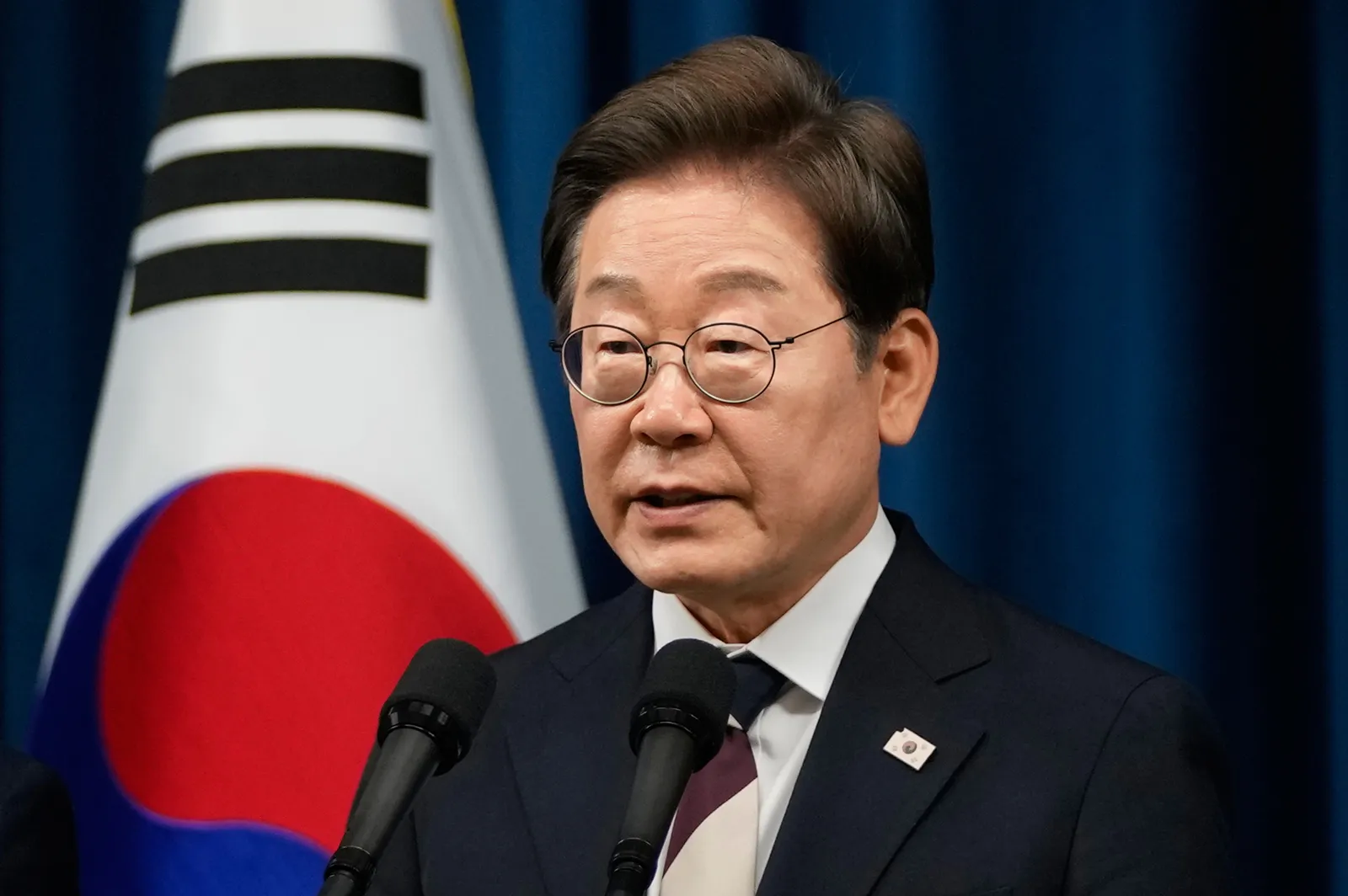
Lee Jae-myung
The period of tension under Yoon Suk-yeol
The current tensions between the two Korean states cannot be understood without examining the policy of the previous South Korea government under Yoon Suk-yeol.
This policy was characterized by strongly aggressive rhetoric and military pressure toward North Korea.
In several cases, Seoul’s actions were interpreted by Pyongyang as attempts to provoke conflict.
The situation escalated when Yoon Suk-yeol attempted to create conditions of military tension that could justify the imposition of martial law.
This policy ultimately led to his removal from the presidency, opening the way for a different approach.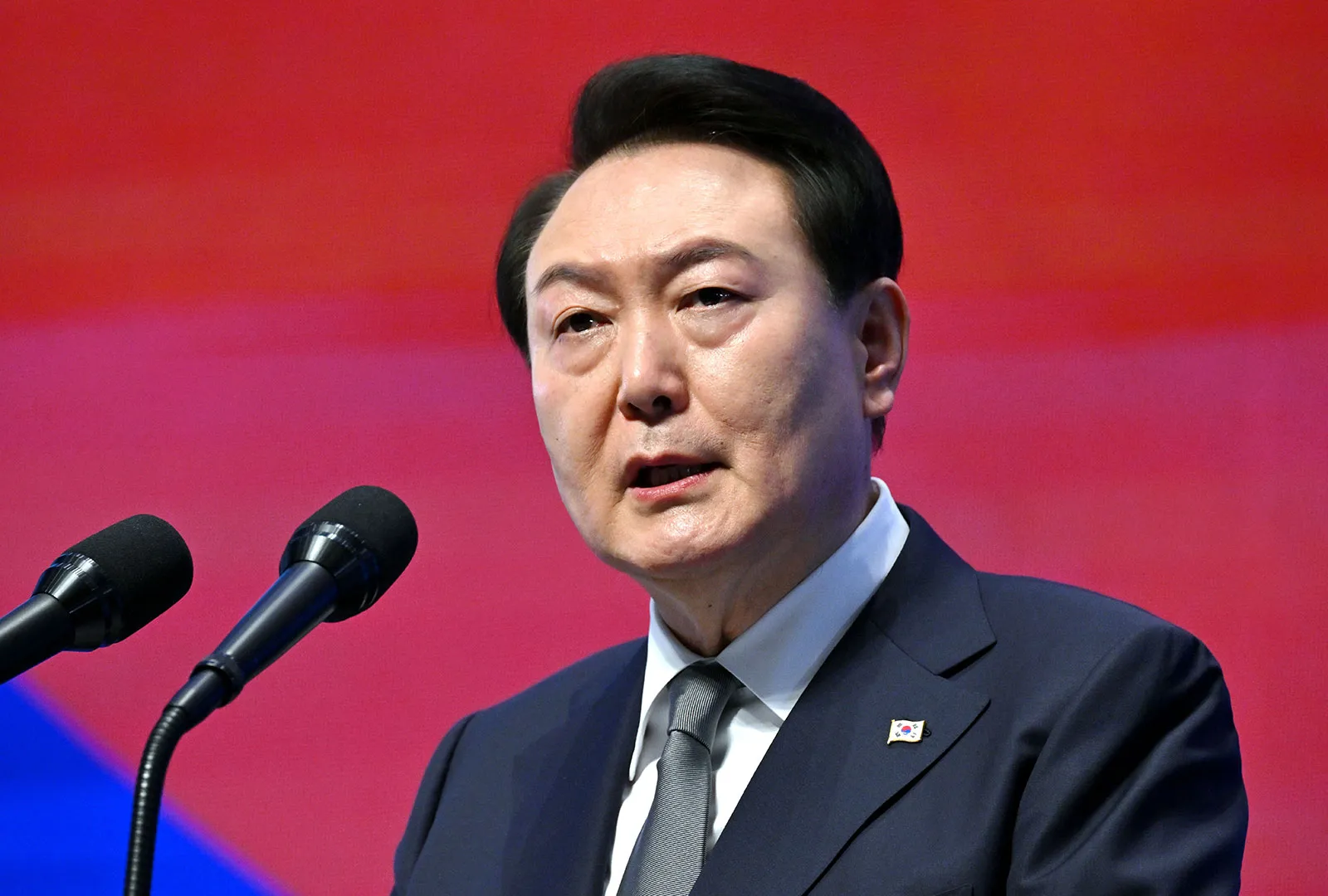
Yoon Suk-yeol
The new approach of Lee Jae-myung
When Lee Jae-myung assumed the presidency in June 2025, he promised to break the diplomatic deadlock on the Korean Peninsula through dialogue and diplomatic engagement.
The new government of South Korea proceeded with several moves aimed at reducing tension.
1) The adoption of softer and more diplomatic rhetoric toward Pyongyang.
2) The removal of propaganda loudspeakers at the border that had been installed by the previous government.
3) The ban on activist groups from sending propaganda leaflets toward North Korea.
4) The abandonment of the policy of “response to every provocation” regarding missile tests.
These moves constitute a clear message that Seoul seeks a more stable and less confrontational relationship.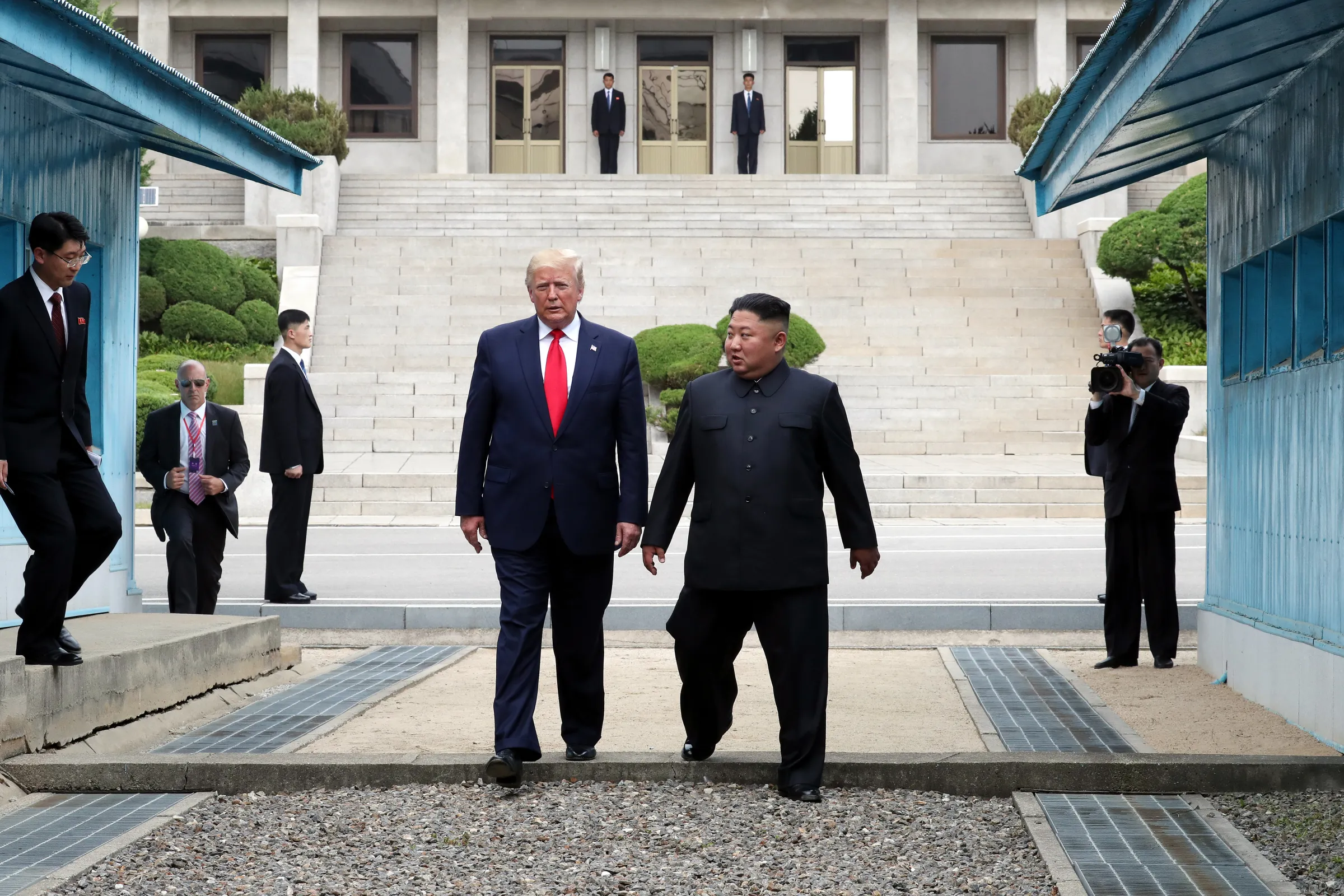
The cautious response of North Korea
North Korea responded to some of these steps with its own de-escalatory moves.
For example, it removed its own propaganda loudspeakers at the border and reduced the number of missile tests.
However, it continues to reject the immediate resumption of dialogue with Seoul.
From North Korea’s perspective, the real decisions that affect regional security are mainly taken in Washington and not in Seoul.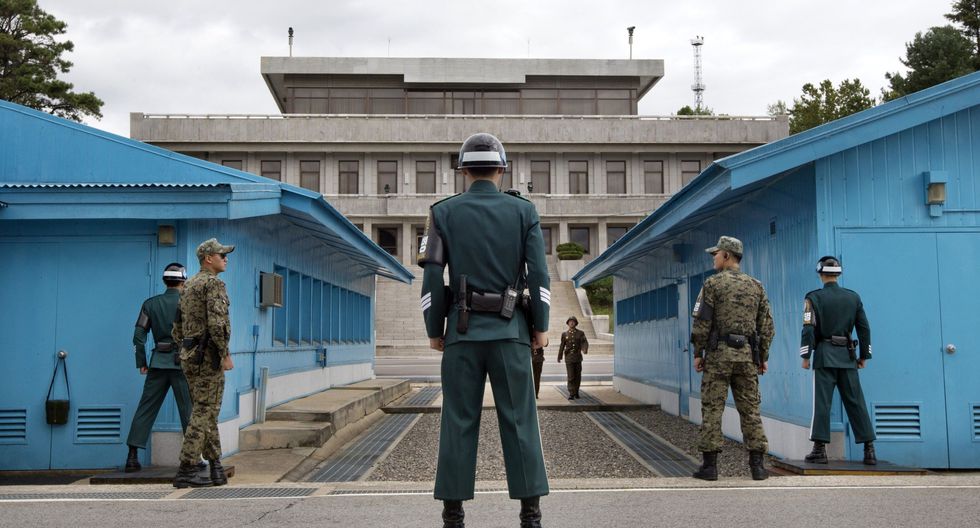
The lesson from negotiations with Donald Trump
An important lesson for Pyongyang came from the 2018–2019 negotiations between Kim Jong Un and United States President Donald Trump.
Those talks were conducted with the mediation of South Korea, but ultimately collapsed.
From this experience, North Korea appears to have reached two key conclusions:
1) South Korea does not possess the influence to substantially change the policy of the United States.
2) Progress in inter-Korean relations depends to a large extent on the approval of Washington.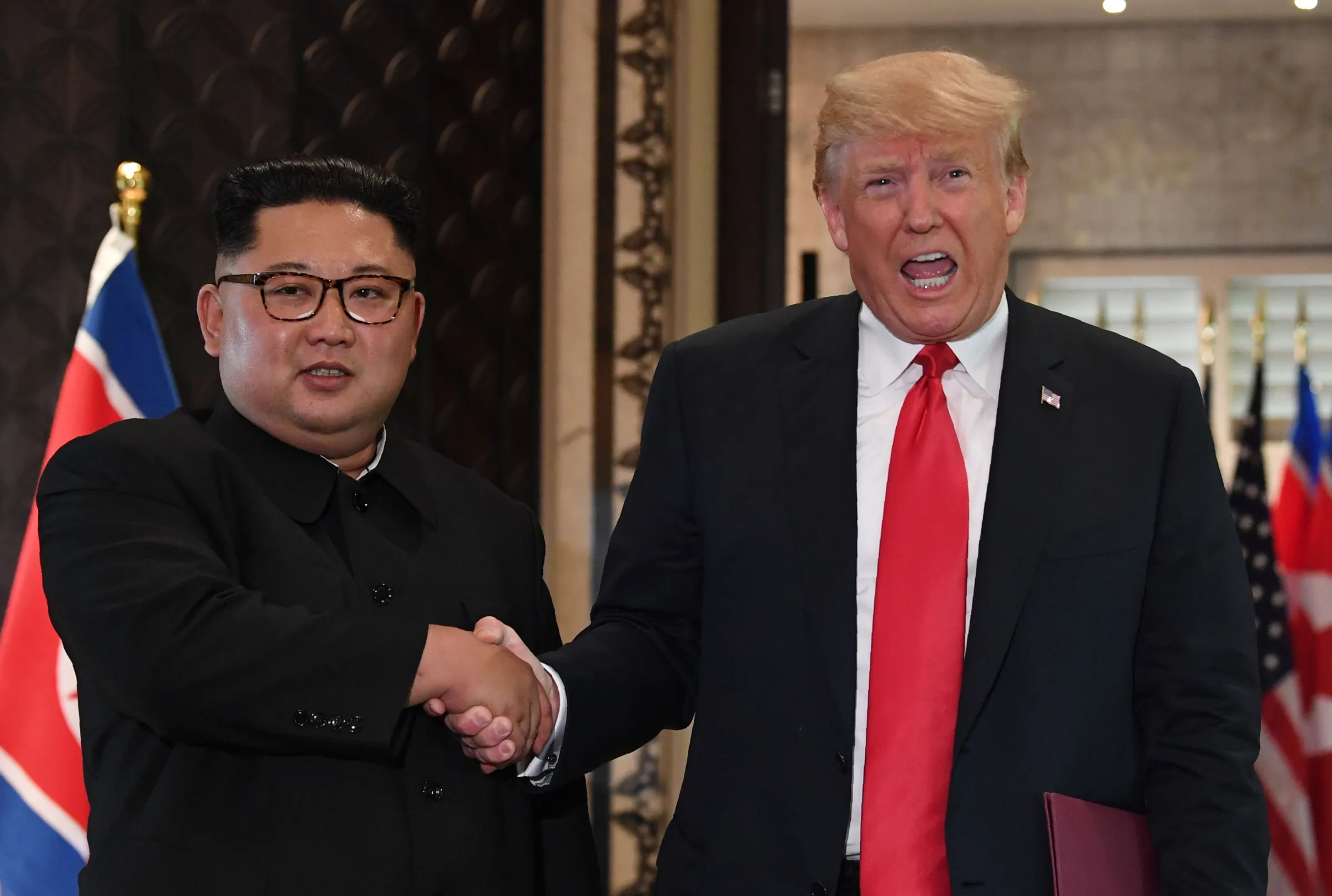
The importance of the nuclear program
One of the most important issues dividing the two sides is North Korea’s nuclear program.
The government of Lee Jae-myung continues to support the denuclearization of the Korean Peninsula.
For North Korea, however, denuclearization means abandoning the country’s core security guarantee.
The history of international interventions against smaller states has reinforced the belief that strategic deterrence is a necessary condition for state survival.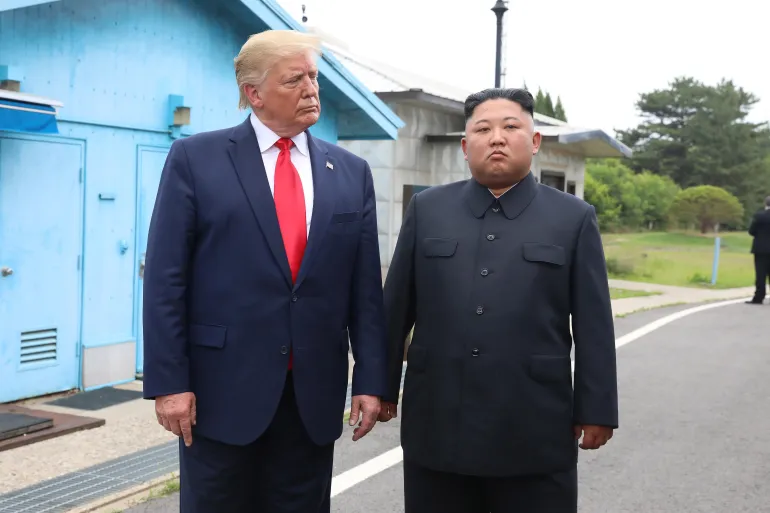
The issue of reunification
Another sensitive issue is the reunification of the Korean Peninsula.
The constitution of South Korea provides for the pursuit of “peaceful reunification based on a free and democratic system”.
From the perspective of North Korea, this formulation is seen as potentially leading to the country’s absorption by South Korea.
For this reason, Pyongyang approaches such initiatives with suspicion.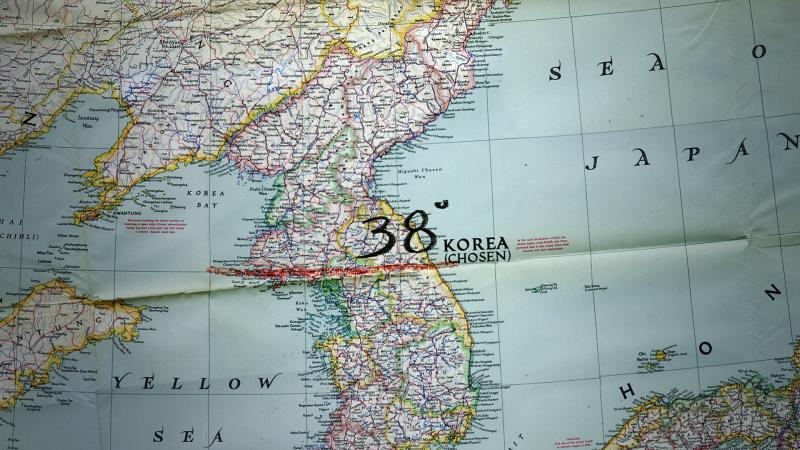
The changing stance of South Korea
An interesting element is that public opinion in South Korea appears to be changing.
Many South Koreans now believe that the denuclearization of North Korea is extremely difficult, while reunification may not be an immediate priority.
These changes in public discourse open the way for a more realistic approach to relations between the two countries.
The United States factor
The strategic relationship of South Korea with the United States remains a decisive factor.
The United States has enormous influence on issues such as military exercises, economic sanctions, and negotiations over the nuclear program.
This influence limits Seoul’s independence in its diplomatic initiatives.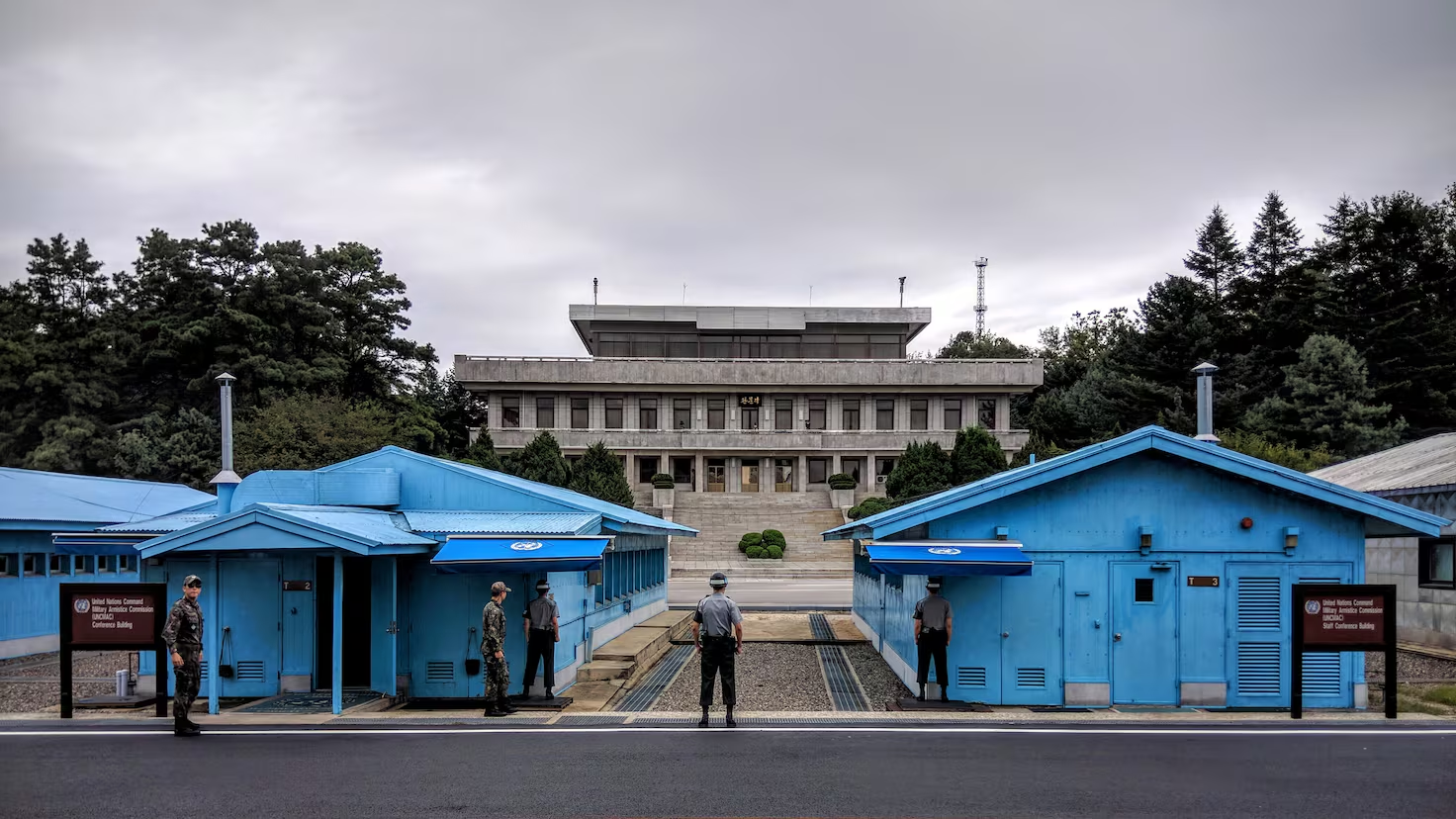
The global geopolitical reality
At the same time, the international situation is changing.
The United States faces multiple geopolitical challenges, from the Middle East to competition with China.
This means that the Korean Peninsula may no longer be the absolute priority for Washington.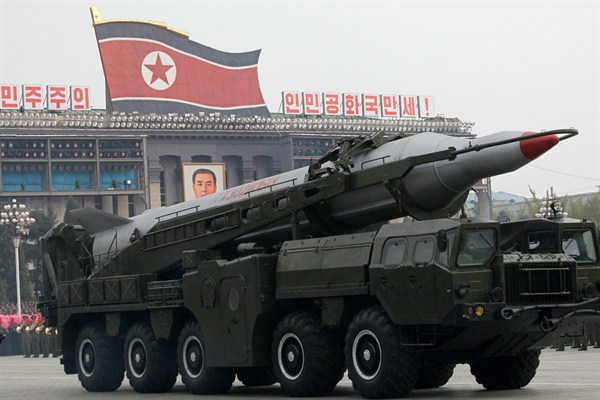
The necessity of diplomacy
Within this complex environment, diplomacy may be the only viable solution for long-term stability on the Korean Peninsula.
The continuation of a state of complete hostility, without communication and crisis management mechanisms, could lead to a dangerous arms race.
On the contrary, a relationship of mutual deterrence and controlled competition could create more stable conditions.
The realistic future
The reality is that the Korean Peninsula is in a period of profound change.
North Korea continues to prioritize national security and strategic independence.
South Korea is seeking new ways to manage its relationship with its northern neighbor.
And the major powers of the international stage continuously influence the course of developments.
In this complex geopolitical landscape, stability will depend on the ability of all sides to combine realism with diplomacy.
For North Korea, strategic consistency and careful management of international relations remain core elements of its policy.
And for the Korean Peninsula as a whole, the future will be determined by whether confrontation or balanced coexistence prevails.
www.bankingnews.gr









Readers’ Comments