

The relationship between the United States and NATO appears to be entering one of the most tense phases of the post-Cold War era.
Public statements by Donald Trump and reactions from European leaders reveal a deep crisis of trust that no longer concerns only military cooperation, but the very core of Western strategic identity.
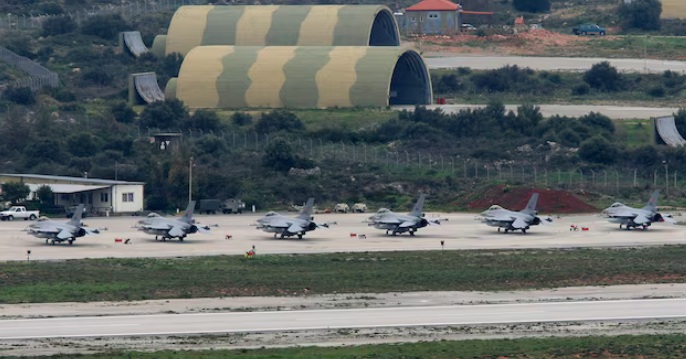
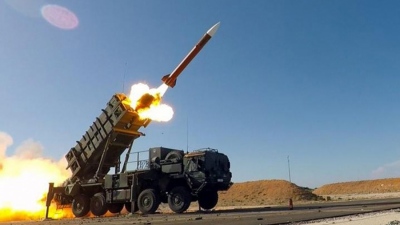
The developments directly concern Greece, as under the responsibility of the Mitsotakis government the country will become a host for American bases, which as demonstrated by the war with Iran, become the primary and ultimately easy target of retaliatory strikes.
United States and NATO - From allies to questioned partners
Recent statements by Donald Trump following his meeting with NATO Secretary General Mark Rutte, sparked a new cycle of confrontation.
The American president openly accused the Alliance of failing to support the United States during the crisis with Iran, implying that the alliance operates selectively and not as a unified defense bloc.
His phrase on Truth Social was indicative of the rhetorical clash: “NATO was not there when we needed it and will not be there if we need it again”.
This kind of statement is not merely political criticism, it directly undermines the fundamental principle of collective defense on which the Alliance has relied for decades.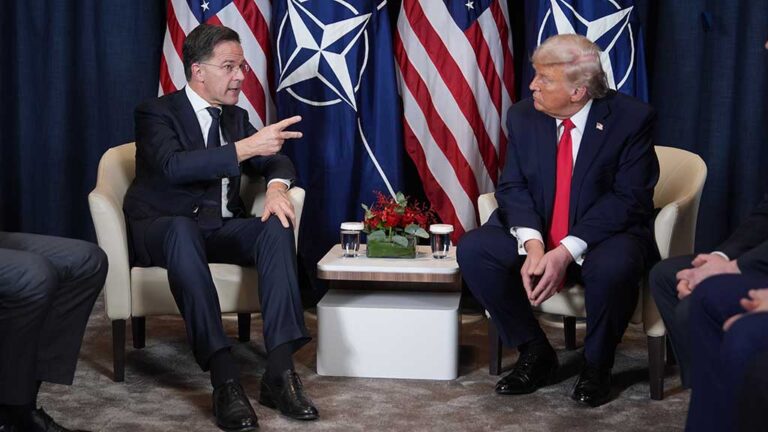
NATO on the defensive and Europe’s unease
Mark Rutte, attempting to ease tensions, described the discussion as “honest and open”, while implying that there is evident disappointment from the American side.
The reality is that Europe is in a difficult position: it depends militarily on the United States, while at the same time it faces increasing pressure to assume a greater share of the cost and decisions for international crises, even when it has not substantially participated in shaping them.
Threats of redeployment and punitive policy
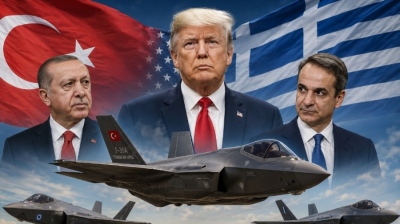
Even more concerning are reports that a redeployment of American military bases in Europe is being considered, with possible transfer of forces to countries deemed “more cooperative” such as Poland, Romania, Lithuania, and potentially Greece.
At the same time, the possibility of limiting or even closing bases in countries such as Germany or Spain is being examined.
If these moves are implemented, this will not merely be a military redeployment, but a deep political revision of the United States–Europe relationship itself, with characteristics of pressure and punitive diplomacy toward allies.
Greece at the center of new geopolitical instability
The discussion about a possible transfer or redeployment of American military bases in Europe, with potential reinforcement of countries such as Poland, Romania, Lithuania, and also Greece, creates a new, complex geopolitical environment for Athens.
At first glance, the increased American military presence in Greece may be perceived as an indication of the country’s upgraded strategic role in the Eastern Mediterranean.
However, a more careful analysis reveals a series of potential risks and challenges.
“Forward outpost” in regional tensions
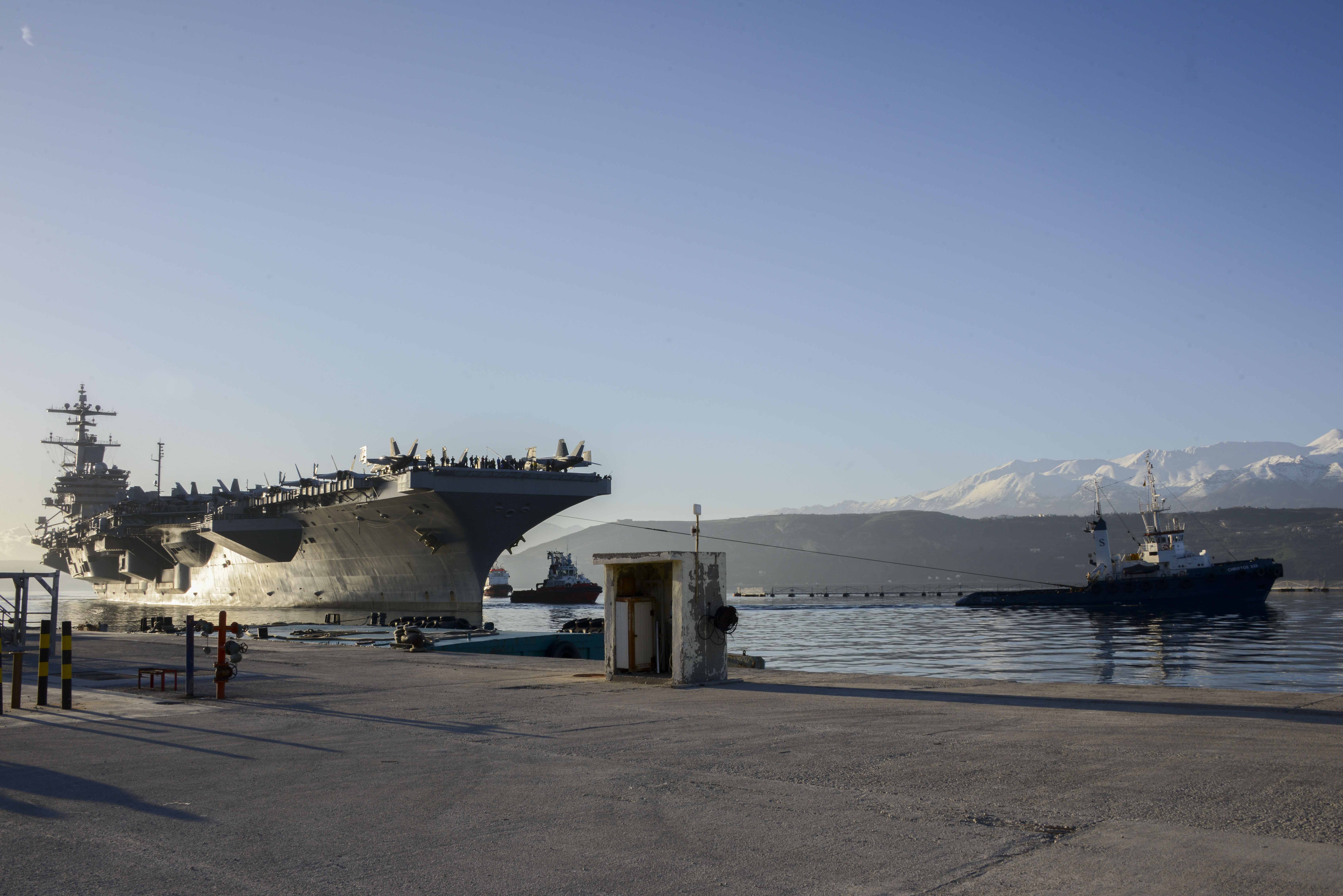
The strengthening of military infrastructure and the use of Greek territory as a hub for American operations transforms the country into a critical point of power projection in an extremely unstable region: the Eastern Mediterranean, the Middle East, and North Africa.
This, while enhancing the strategic importance of Greece for the West, simultaneously increases its exposure to regional tensions, as it becomes a more visible and active link in a broader network of rivalries.
Risk of involvement in conflicts outside the national framework
The increased American military presence may draw the country into conflicts or crises that do not arise from a direct Greek strategic choice.
In an environment where the United States is redefining its relationship with NATO and adopting more unilateral strategic decisions, Greece could find itself exposed to decisions taken outside a European framework of coordination.
This creates a structural risk: the gradual transformation of the country from a regional ally into an operational platform.
Balances with Turkey and regional sensitivity
Another critical issue concerns the balance of power in the Eastern Mediterranean.
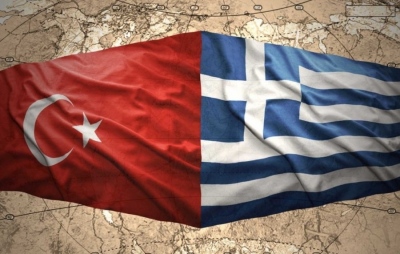
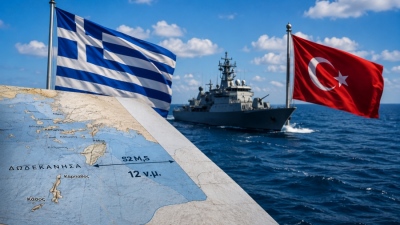
The strengthening of the American presence in Greece does not occur in a vacuum, but in an environment of intense competition with Turkey, which also remains a key NATO partner.
The concentration of military infrastructure in Greece may upgrade geopolitical competition in the region, creating pressures that do not remain limited to the diplomatic level but also extend to the operational domain.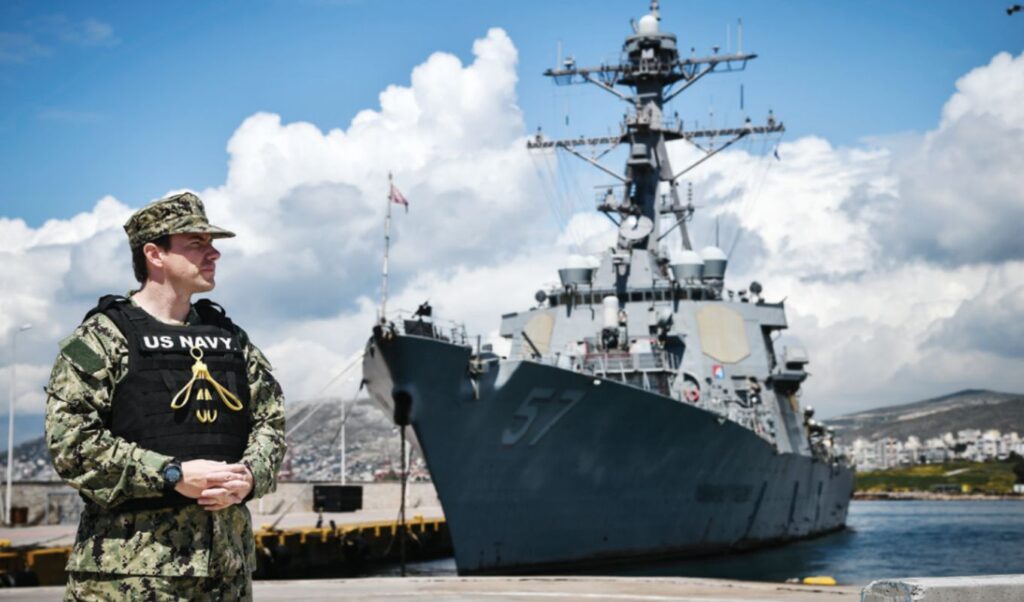
Economic and political dependence on military structures
The military presence of major powers in a country is often accompanied by economic and political trade-offs, but also by structural dependence.
Greece risks further strengthening its role as a “security hub” without a corresponding strengthening of its autonomous strategic capacity.
In a scenario where NATO weakens or is redefined under American pressure, countries hosting critical bases may find themselves exposed to new forms of power bargaining.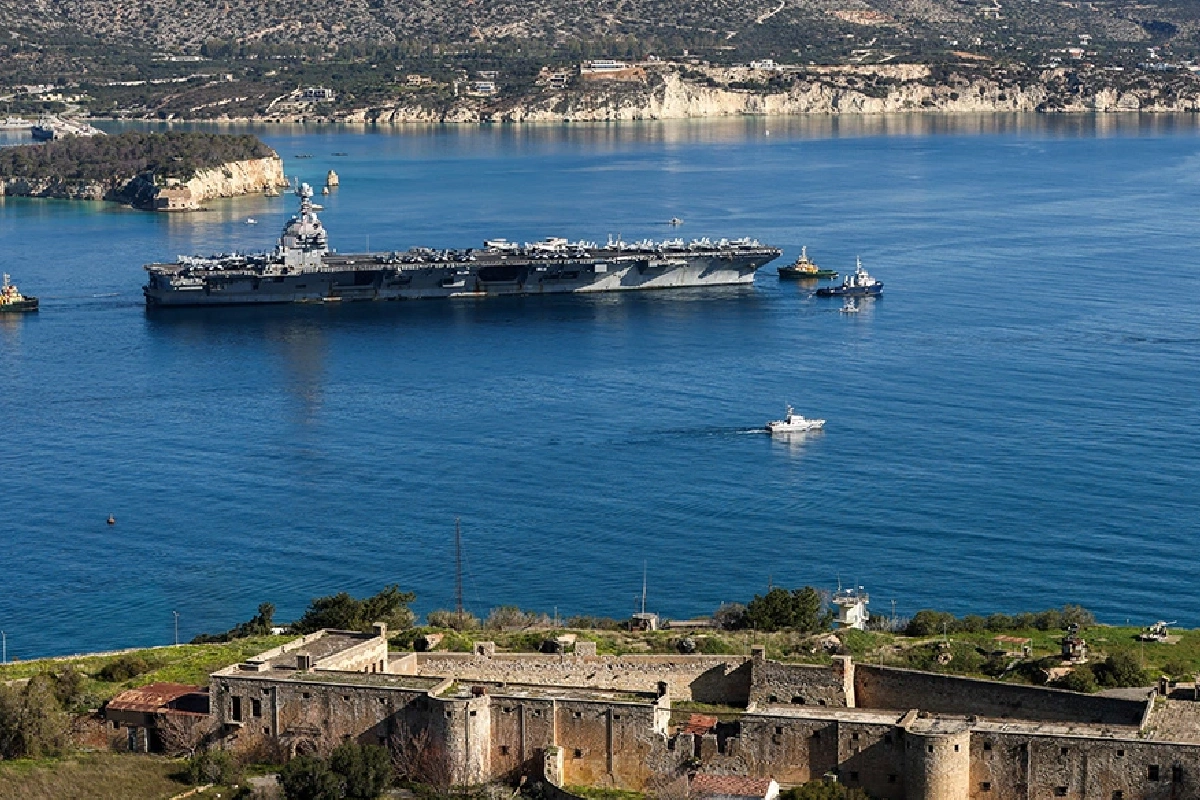
Enormous risk
For Greece, the potential strengthening of its military role within the framework of American realignments constitutes at the same time a challenge.
It increases its exposure to international tensions, may limit the margins of strategic autonomy, and bring it closer to crises it does not control.
At a time when the cohesion of the West itself is being questioned, Greece is called to balance between the role of a strategic ally and the need to maintain national flexibility within an increasingly unstable international system.
And the Mitsotakis government does not convince that it can maintain these balances.
Europe toward strategic autonomy
Within this climate, European countries appear to be orienting themselves toward a new reality: strengthening their strategic autonomy.
France is promoting the strengthening of its nuclear deterrence doctrine and expanding cooperation with European states for joint defense, while Germany is proceeding with a historic increase in military spending, relaxing fiscal constraints and setting the goal of strengthening the Bundeswehr into a dominant military force in Europe.
These developments show that Europe no longer considers the American military guarantee a given, but is preparing for a scenario of gradual disengagement.
συνέπειες.
The United States as a factor of instability in the West
The most controversial element of the current period is the stance of Washington itself.
Threats of renegotiating participation in NATO, pressure for increased European defense spending, and references to economic “compensation” for military assistance create a climate of uncertainty.
Instead of functioning as a stabilizing pillar, the United States increasingly appears as a power that unilaterally redefines the terms of the alliance, transforming NATO from a collective security mechanism into a field of power negotiation.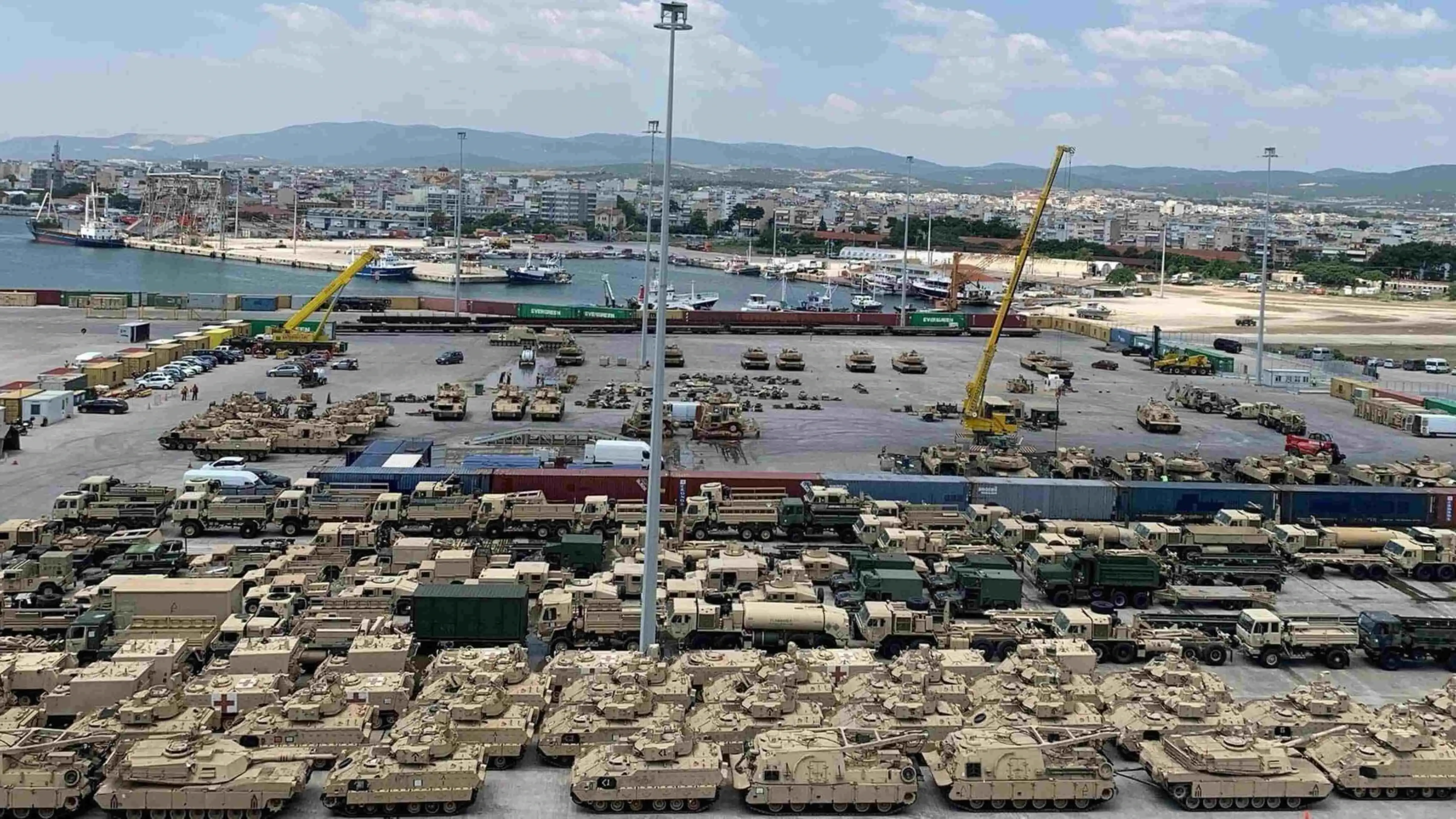
Transitional phase
NATO and the transatlantic relationship are at a turning point.
The era of absolute American hegemony in the Western camp appears to be receding, while Europe is forced to reassess its role in a multipolar world.
The question is no longer whether cracks will appear in the alliance, but how deep they will become, and whether NATO will be able to adapt to a new era where the “unity of the West” is no longer taken for granted, but under constant negotiation.
www.bankingnews.gr


Readers’ Comments