The modern military history of the Middle East experienced a dramatic turning point at the end of February 2026, when Iran responded with determination and strategic precision to the attack launched by the United States and Israel.
The events that followed revealed an impressive operational capability of the Iranian armed forces and highlighted the ability of Tehran to strike critical high-value military infrastructure of the West and its allies.
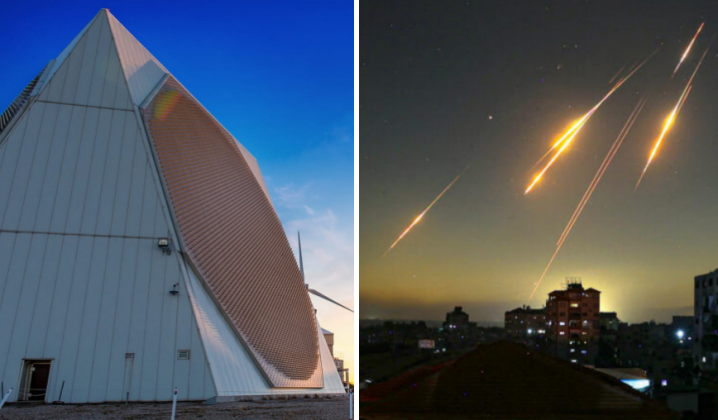
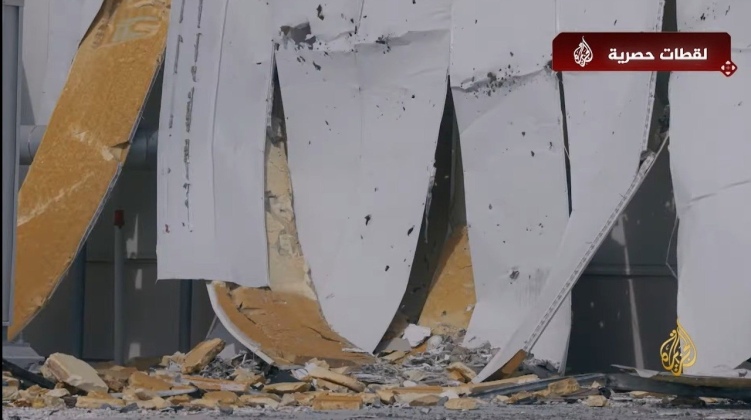
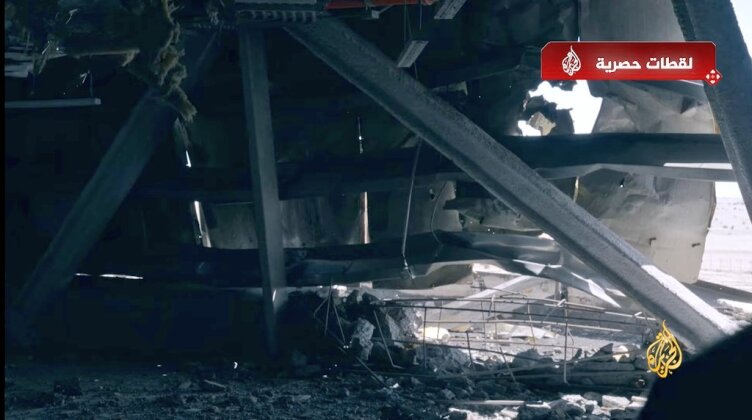
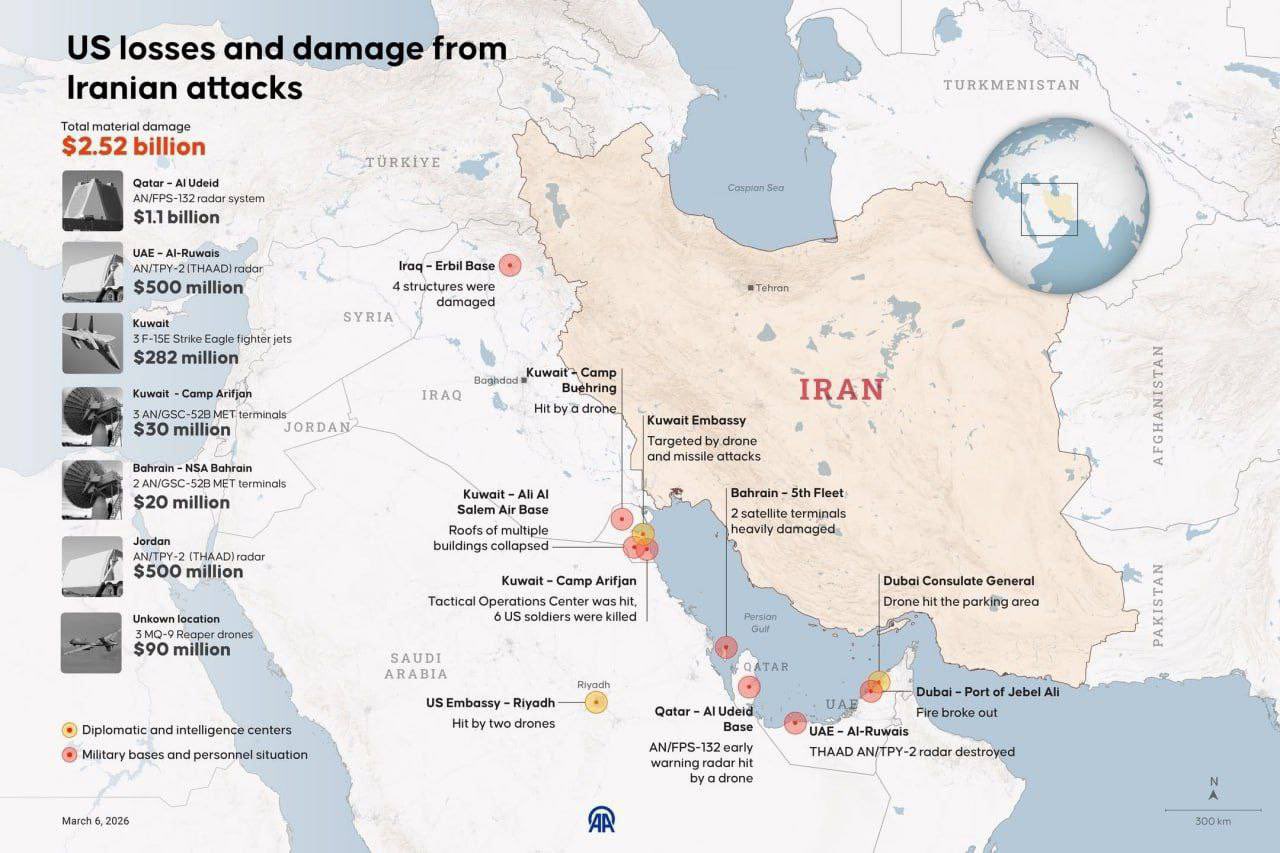
Particularly revealing was the video released by state media of Qatar, which recorded for the first time the extensive damage on the ground of the ultra-modern American early warning radar AN/FPS-132 Block 5 near the area of Umm Dahal in Qatar.
The images reveal serious internal destruction in the system, which was caused by Iranian strikes.
This specific radar constitutes one of the most important elements of the global architecture of early warning for missile attacks of the United States.
The strategic importance of AN/FPS-132
The AN/FPS-132 is considered one of the most advanced and expensive radar systems ever developed.
Its range exceeds 5,000 kilometers, allowing the detection of ballistic missiles within minutes of their launch.
It uses thousands of solid-state transmit and receive modules, allowing continuous surveillance without interruptions, in contrast to other systems that operate with periodic scans.
Its enormous cost, estimated at approximately 1.1 billion dollars per unit, drastically limits the number of its installations.
This means that the radar in Qatar was the only one of its kind outside the continental territory of the United States.
Its destruction by Iranian strikes was not merely a tactical success, it constituted a strategic blow to the American missile defense architecture in the Middle East.
American sources estimate that it will take five to eight years to replace the system that was destroyed in Qatar.
This means that for a long period the early warning capability of the United States and its allies in the region will remain significantly reduced.
Massive losses in missile defense radars
The destruction of the AN/FPS-132 was not an isolated incident.
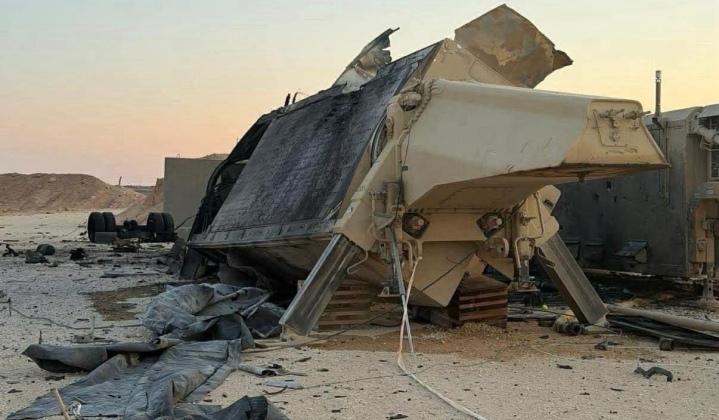
The Iranian attacks also destroyed three mobile AN/TPY-2 X-band radars, which constitute a key component of the THAAD ballistic missile defense system.
These radars were installed in three countries, in Jordan, in the United Arab Emirates, and in Saudi Arabia.
Each of them is estimated to cost between 700 million and 1.1 billion dollars.
The simultaneous destruction of so many critical radars within a few hours created a huge gap in the air defense of the allies of the United States in the region.
This gap had immediate consequences.
The increase in the success of Iranian missiles
After the neutralization of key early warning systems, Iranian ballistic attacks acquired significantly greater effectiveness.
According to estimates of Israeli sources at the end of March, approximately 80% of Iranian missiles launched toward targets in Israel managed to penetrate missile defenses.
This increase is largely attributed to the destruction of the radars that coordinate missile interception.
Without reliable early warning, missile defense systems struggle to respond in time.
Thus, the Iranian strategy to first strike the “senses” of the opposing defense, the radars, proved extremely effective.
Heavy blow to American drones
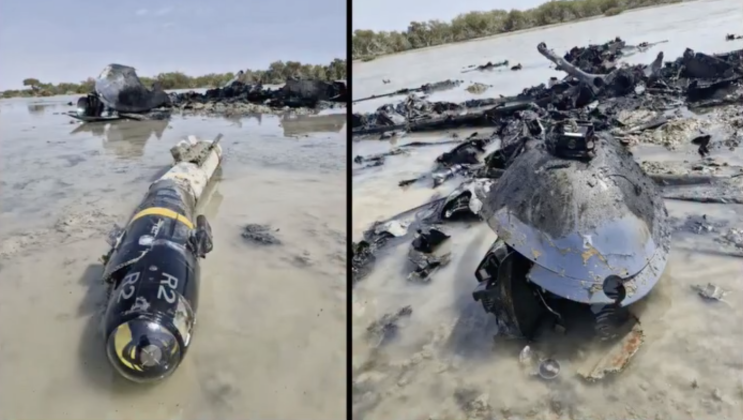
Alongside the successes against radar systems, Iranian forces also achieved significant shootdowns of unmanned aerial vehicles of the United States.
Sources that spoke to CBS News reported that the United States Air Force has lost a total of 24 MQ-9 Reaper unmanned aerial vehicles during clashes with Iranian forces.
This number constitutes a significant increase compared to the 16 losses that had been reported at the beginning of the month.
Only between April 1 and April 9 eight additional drones were shot down.
Most losses were recorded around the city of Shiraz and on Kish Island, areas that appear to constitute important strategic points for surveillance operations of the United States.
The MQ-9 Reaper: Expensive weapon with limited survivability
The MQ-9 Reaper is considered one of the most advanced unmanned surveillance and strike aircraft.
Each unit costs approximately 150 million dollars.
Despite its high cost, the drone is often used in high-risk missions, particularly in areas where the use of manned aircraft is considered very dangerous.
In the case of Iran, the MQ-9 were used for reconnaissance within one of the most well-protected air environments in the world.
However, the heavy losses reveal the limits of this technology against an advanced air defense system such as that possessed by Tehran.
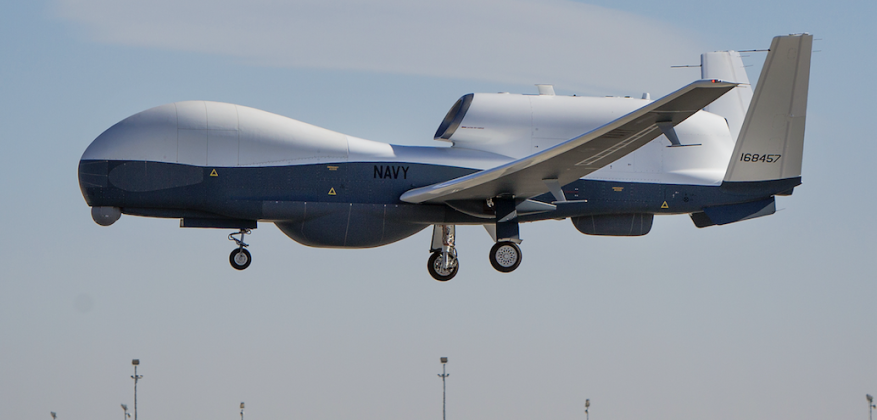
Mystery surrounding the MQ-4C Triton
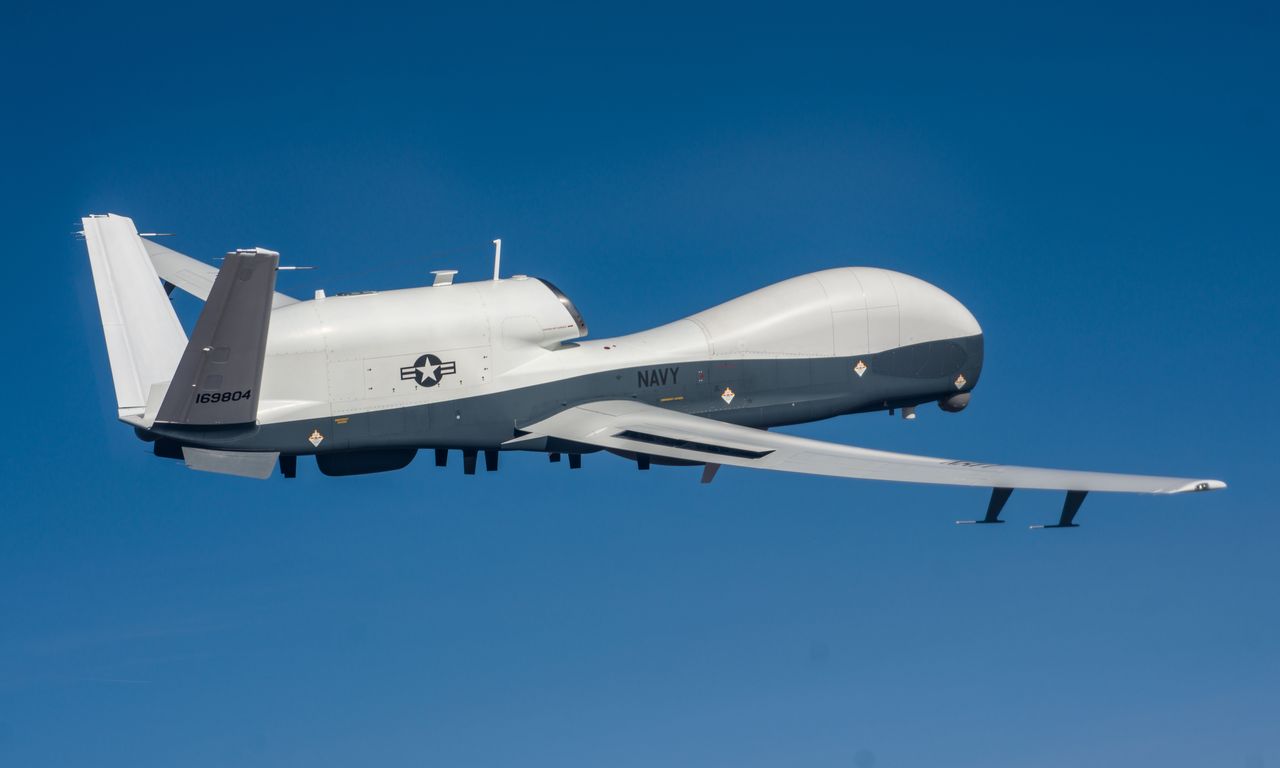
The report about the shootdowns of the MQ-9 coincided in time with the disappearance of an even more advanced unmanned aircraft, the MQ-4C Triton of the United States Navy.
This aircraft, valued at approximately 250 million dollars, constitutes one of the most advanced maritime surveillance systems in the world.
Its sudden disappearance has caused intense speculation that it may also have been shot down by Iranian forces.
Rescue operations that ended in losses
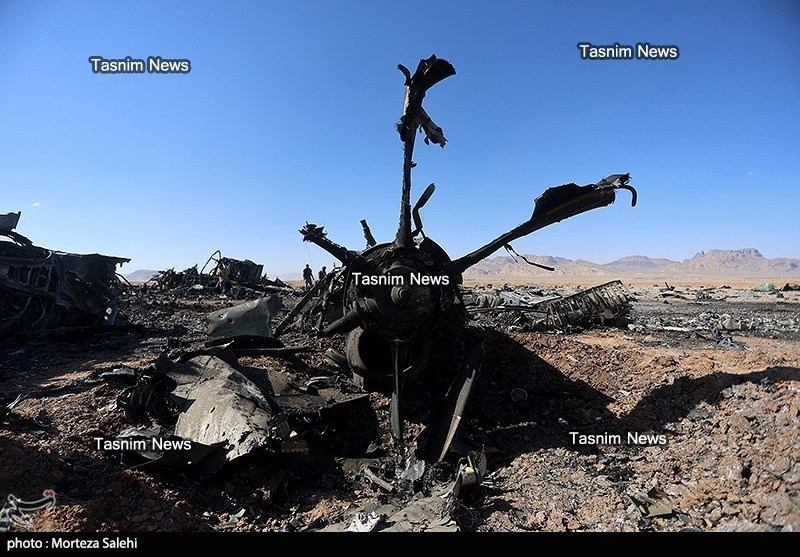
Two of the MQ-9 that were shot down were participating in a rescue mission of two American pilots, who had ejected by parachute over Iran when their F-15E fighter jet was shot down.
During the rescue operation a total of ten aircraft were lost, a fact that underscores the high level of risk of operations within Iranian airspace.
Losses also from allies of the United States
The losses were not limited to the United States.
Unmanned aerial vehicles Heron of Israel and Wing Loong II of the United Arab Emirates have also been shot down in significant numbers.
This fact shows that Iranian air defense is not facing only American assets, but also systems widely used by allies of Washington.
The precedent of Yemen
The MQ-9 had already suffered significant blows in previous years from the paramilitary forces of the Houthi in Yemen.
During the period 2023-2024 more than ten such drones were reported to have been shot down within a little more than one year.
This experience had already raised questions about the survivability of the system in environments with strong air defense.
New questions about the future of drones
The conflict with Iran further reinforces these questions.
If such an expensive and advanced drone can be shot down in such large numbers, then the question arises as to whether it is cost-effective in conflicts with powerful opponents.
Analysts point out that this experience is particularly important if one considers possible future scenarios of confrontation with countries such as China or North Korea, which possess even more advanced air defense systems.
A new strategic balance
The events of the last weeks appear to significantly change the balance of power in the Middle East.
The ability of Iran to strike with precision critical military infrastructure, to neutralize extremely expensive radars, and to shoot down advanced drones shows that its military power has reached a level that can no longer be ignored.
The destruction of the AN/FPS-132 and the THAAD radars, combined with the massive drone losses, reveals that even the most advanced systems of the West are not invulnerable.
For Tehran, these successes constitute not only a military but also a political triumph.
They show that a country that for years was under sanctions and international pressure managed to develop technologies and strategies that can challenge the superiority of the largest military powers on the planet.
As the conflict continues, one thing becomes increasingly clear: the era of unilateral military dominance in the Middle East appears to be approaching its end. And at the center of this historic shift stands Iran.
www.bankingnews.gr















Readers’ Comments