The global geopolitical chessboard is shaken by the most dangerous escalation of recent decades, as the confrontation between Iran, the United States and Israel shifts from the battlefields to the strategic passages of the global economy.
While missiles and drones have given way to a thriller of backstage negotiations in Pakistan, a nightmarish revelation overturns any hope for rapid de-escalation, Iran, in its attempt to strangle the West, became trapped in the minefield it created and objectively cannot comply with one of the conditions of de-escalation and peace.
Deadly trap the Strait of Hormuz
A nightmare scenario that threatens to blow up the global economy comes to light, as Iran appears unable to control the very weapon it used to paralyze international shipping.
According to an investigative report by The New York Times, which cites senior American officials, Tehran is in a difficult position, as it is practically impossible to fully open the Strait of Hormuz.
The reason?
Iran cannot locate and neutralize the thousands of naval mines it deployed in the waters of the gulf, turning the strategic passage into an uncontrollable minefield.
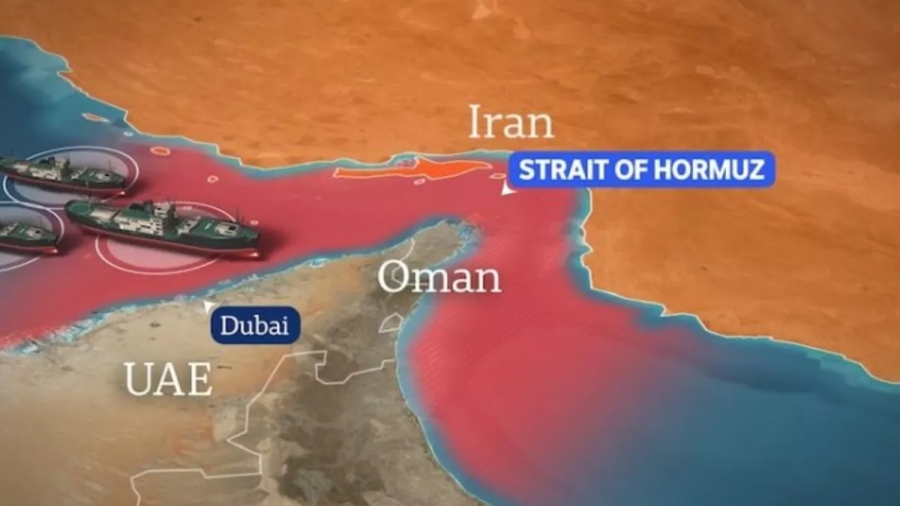
Ghost mines and the chaos of “blind” deployment - Neither the United States nor Iran can remove them
The situation in the strait is described as critical, as, according to the newspaper’s sources, Iranian forces likely did not record the exact positions of all the mines they installed last March.
The problem is worsened by the fact that many of these mines have begun drifting due to sea currents, making their detection almost impossible.
The same officials note pointedly that neutralizing naval mines is a process far more difficult than deploying them, while they admit with concern that not even the United States currently possesses the necessary powerful mine-clearing capabilities to clean the area.
Economic strangulation and the “toll” of war
The mass mining of the strait by Iran was carried out using small vessels, immediately after the start of the armed conflict with the United States and Israel.
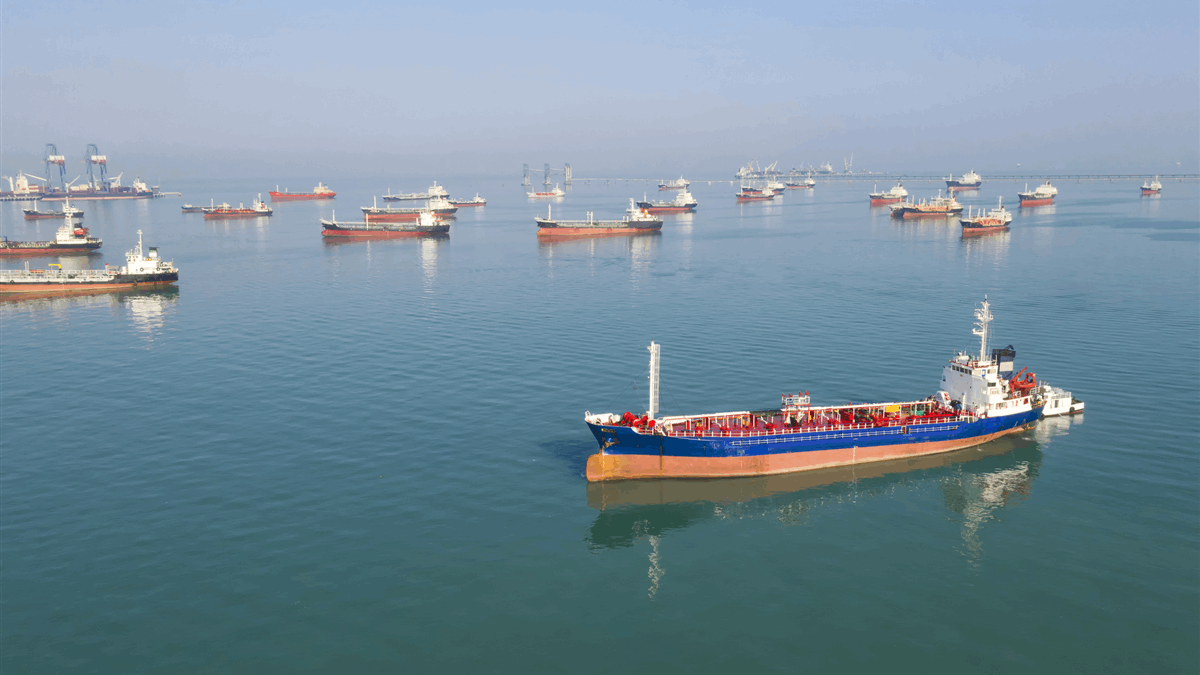
The result was the total strangulation of tanker traffic, which led to a sharp surge in global energy prices.
Tehran used this blockade as the ultimate lever of pressure in the war operations, however the report reveals a dark detail, Iran maintains a narrow passage open only for those ships willing to pay an exorbitant “transit fee”, exploiting the crisis to fill its coffers.
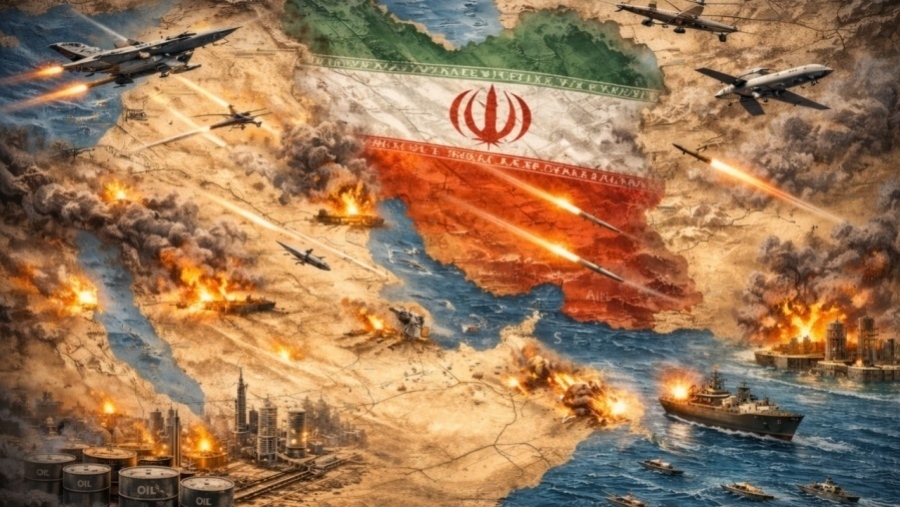
Diplomatic thriller in Pakistan under the threat of explosion
This revelation comes at an extremely critical moment, as the Vice President of the United States, JD Vance, arrived in Islamabad, Pakistan, for crucial negotiations with the Iranian side.
Iran’s inability to guarantee the safety of the strait, even if an agreement is reached, complicates the talks.
If Tehran cannot “collect” its mines, then the global oil market will remain hostage to an invisible enemy, with the risk of a catastrophic accident lurking beneath the surface of the water at any moment.
Donald Trump (President of the United States) : The Strait of Hormuz will open automatically after the agreement with Iran
It is recalled that the President of the United States Donald Trump stated that the Strait of Hormuz will open automatically after the completion of the agreement with Iran, emphasized the American President Donald Trump.
“It will open automatically,” Donald Trump replied to a question on the matter.
Earlier, the head of the state oil company of the United Arab Emirates (ADNOC), acknowledged that the Strait of Hormuz remains closed for many foreign ships.
He described as unacceptable the idea of charging for the safe passage of foreign ships, which is promoted by Iran.
www.bankingnews.gr














Readers’ Comments