

On Saturday (11 April 2026), negotiators of Iran and the United States will sit at the table of talks in Islamabad for the first direct contacts since the start of the war on 28 February.
The meeting, mediated by Pakistan, constitutes the first real test of whether the ceasefire of 7 April can be transformed into something more stable or whether it will remain simply a temporary pause of fire within a deeper strategic confrontation.
These developments cannot be understood in isolation from the broader context of a war in which multiple actors are involved, the United States, Israel, Iran and, indirectly but decisively, the regional security system of the Middle East itself.
Each of these players operates with different goals, different constraints and, above all, different perceptions of what “end of the war” means.
The problem of negotiation, why the war does not end easily
The theory of wars shows that conflicts end when both sides find an agreement better than continuing the conflict.
However, in practice, this is extremely rare, especially when three fundamental mechanisms undermine the stability of an agreement.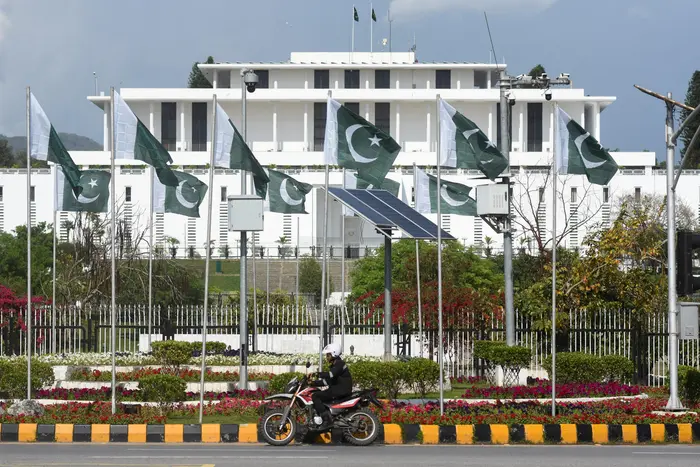
Collapse is coming for 3 reasons
The first is the problem of information.
Wars function as mechanisms of revealing intentions and endurance.
The six weeks of intense attacks have revealed both the resilience of Iran and the limits of Western military pressure.
Despite the losses, Iran has demonstrated the ability to absorb the blows without collapse, something that overturns many initial assumptions of Washington and Tel Aviv.
The second and deeper problem is that of the credibility of commitments.
Iran has in the past accepted monitoring mechanisms, as in the agreement JCPOA.
However, the experience of the unilateral withdrawal of the United States and the simultaneous military escalation during negotiations have destroyed trust.
As noted in negotiation theory, no agreement has value if it is not considered sustainable over time.
In this case, neither the United States nor Israel can guarantee to Iran that a new agreement will not collapse with the next political change.
The third issue is the indivisible nature of the object of negotiation.
The technological knowledge of uranium enrichment cannot be erased.
This means that either Iran maintains a capacity for rapid return to the nuclear program or not, a binary reality that does not allow easy diplomatic solutions.
Israel controls the trigger but not the exit
The role of Israel in the war is decisive, not only militarily but also politically.
The strategy of Prime Minister Benjamin Netanyahu, as it has been shaped, is not limited to weakening the Iranian nuclear program, but extends to the overall strategic downgrading of Iran as a regional power.
This creates a fundamental deadlock.
On the one hand, Israel can influence the beginning and continuation of the conflict.
On the other hand, it cannot easily impose its end with terms that are diplomatically acceptable to all involved.
The result is a strategy of “power of entry without power of exit”.
The analysis of Robert Putnam on the “two-level game” of leaders explains this trap, leaders must satisfy both the international and the domestic audience.
In the case of Benjamin Netanyahu, internal political pressure makes almost impossible any compromise solution that does not appear as a complete victory.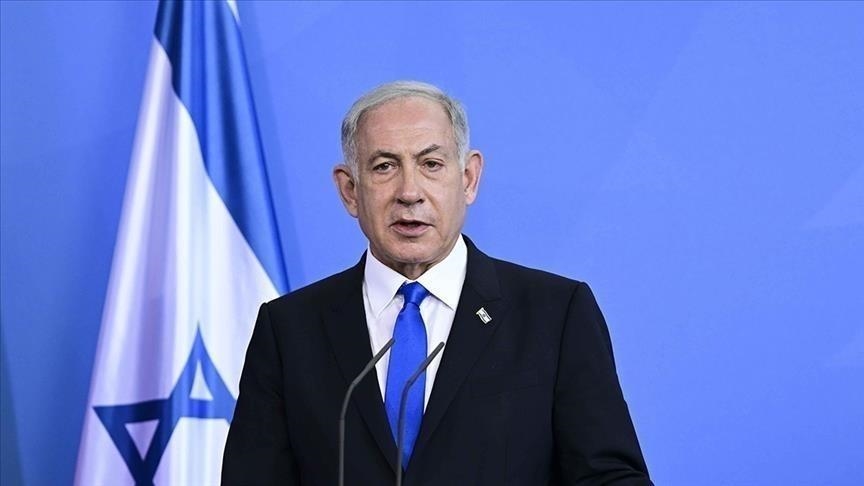
War as a personal political plan of Benjamin Netanyahu
For many Israeli citizens, the end of the war could be the beginning of a period of calm.
For Benjamin Netanyahu, however, this end may also mean the end of his political career.
Thus, the war was transformed from a security issue into a personal political plan.
A plan that even within his closest circles, army and intelligence services, provokes serious objections.
On Sunday (12 April) the trial of the Israeli prime minister for corruption begins.
An end to military conflicts will automatically mean the political end of the criminal prime minister.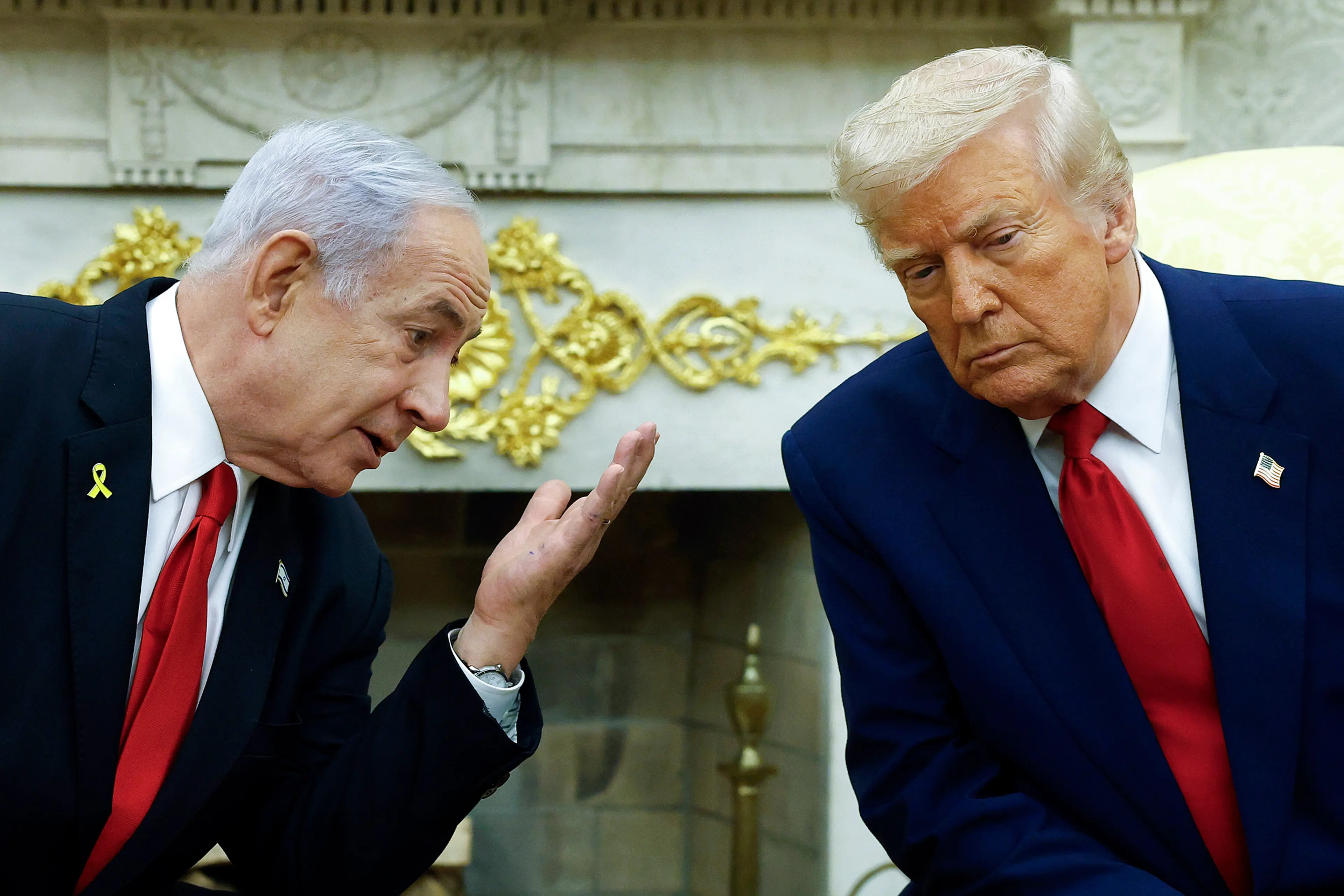
United States: Strategic inconsistency and absence of independent objective
The role of the United States is characterized by a deep contradiction.
On the one hand, it participates in a strategic conflict with objectives aligned with Israel. On the other, it attempts to present itself as a mediator.
The United States Secretary of State Marco Rubio has admitted that the choice was not between war and peace, but between different forms of involvement in the same war.
This admission reveals the absence of an independent strategic objective from Washington.
Without it, the United States cannot independently define what “victory” or “exit” means.
Internal political pressure reinforces this instability.
Reduced public support for the conflict, combined with economic concerns, pushes Washington toward seeking an exit.
However, the very structure of the alliance with Israel dramatically limits room for maneuver.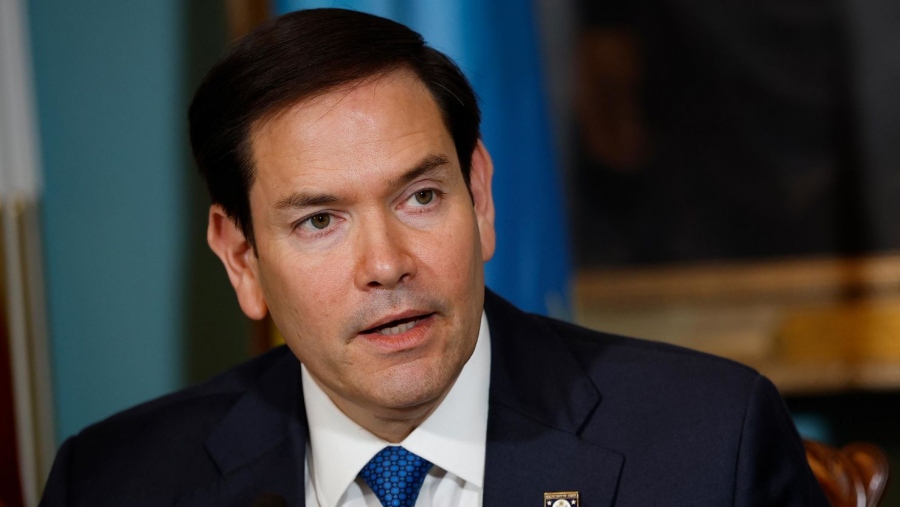
Iran: Strategic patience and political resilience
Iran enters these negotiations with a different logic.
Its main objective is not “victory” in the classical sense, but the survival of the regime and the preservation of its technological capability.
This strategic patience constitutes a critical advantage.
Unlike Western democracies, where political cycles are short and public pressure is immediate, Iran operates with a longer time horizon.
This allows it to endure longer periods of conflict.
Hein Goemans has shown that leaders who face existential threats to their political survival are more likely to continue war even under unfavorable conditions.
This explains why Tehran rejects proposals it considers “overly demanding” and why it insists that negotiations cannot be conducted under conditions of ultimatums.
At the same time, Iranian diplomacy shows remarkable consistency.
The position that negotiation cannot coexist with threats of military destruction reflects a strategic approach that, regardless of preferences, is clearly structured and coherent.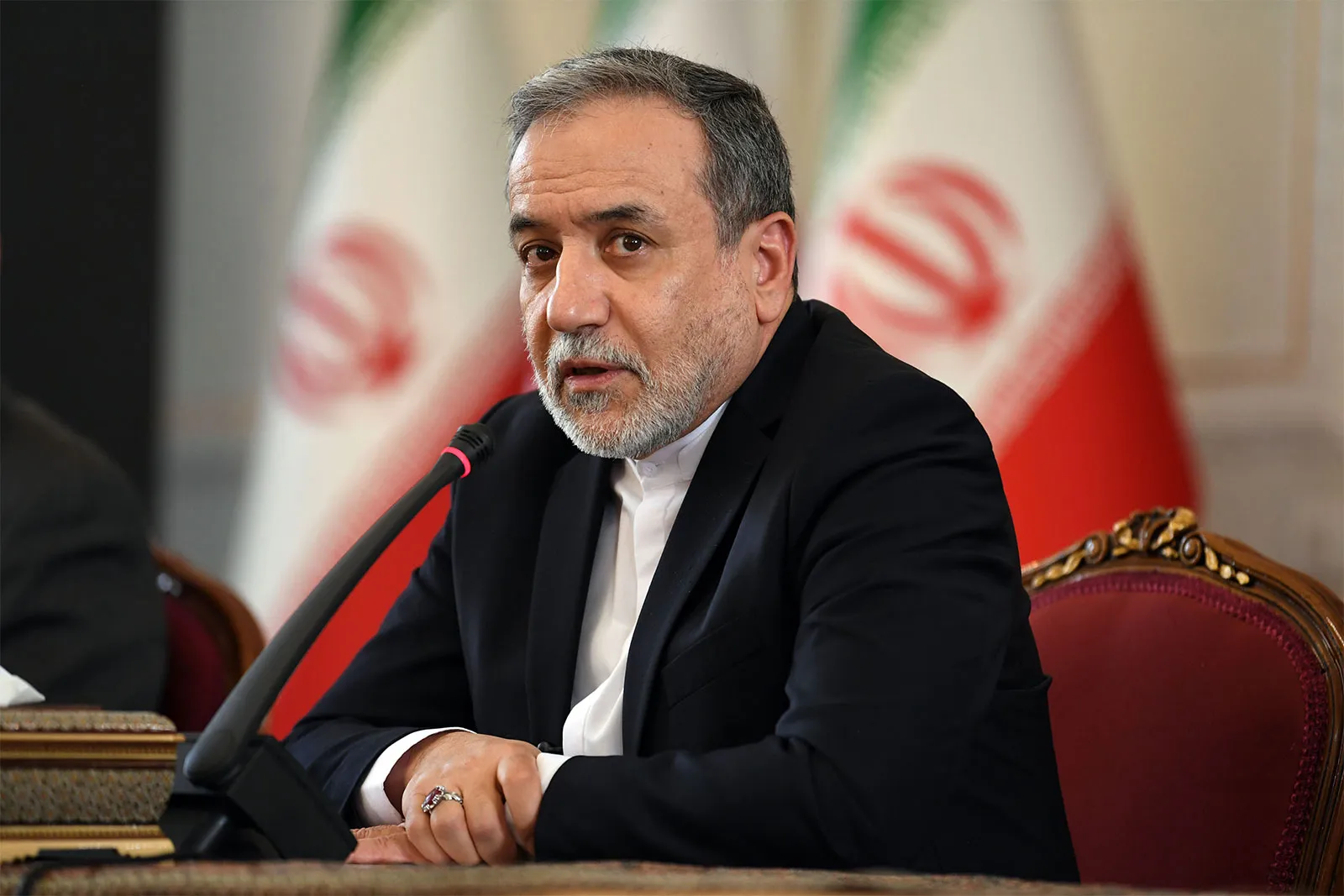
Geopolitical imbalance and the next day
The conflict is not heading toward a clear final agreement but toward a series of temporary pauses.
The ceasefire, however important, does not resolve the fundamental problems of credibility and asymmetry.
Pakistan, as mediator, attempts to bridge gaps that are in fact structural.
The very choice of Islamabad as the location of talks underscores the need for neutral ground in a conflict where trust has almost disappeared.
The involvement of the United States and Israel in a strategy that combines military pressure and diplomatic initiatives creates a paradox, you cannot negotiate destruction and reconciliation at the same time.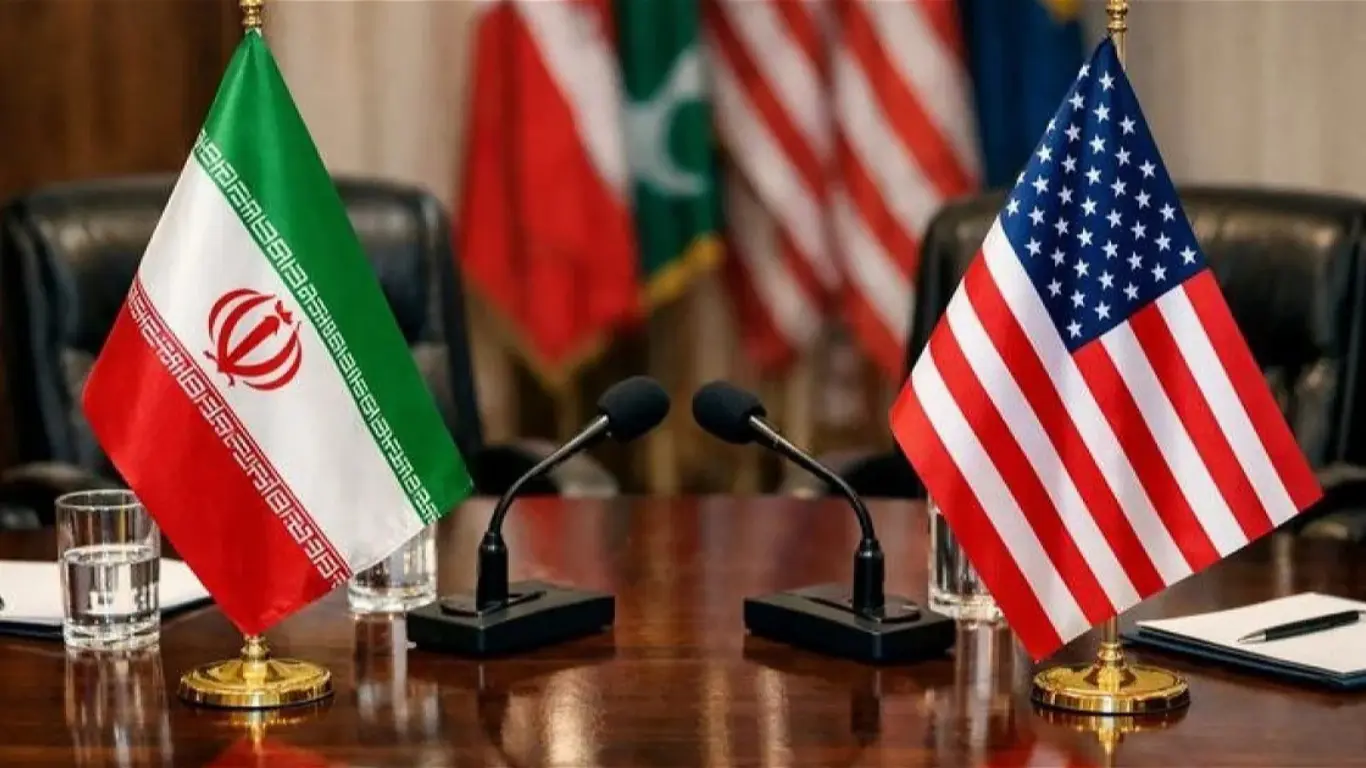
Conflict without a clear end
The main conclusion is that this war will not end with a clear, definitive agreement.
Instead, it will evolve into a series of temporary truces, which will be periodically interrupted by new tensions.
Iran, with its strategy of endurance, appears to have adapted better to this new reality.
The United States and Israel, on the contrary, remain trapped in contradictions between military objectives, political constraints and diplomatic needs.
Everyone will at some point claim that they “won”.
But reality is more complex, no one truly wins when the structure of the conflict does not allow stable peace.
And in this logic, the next crisis is not simply likely, it is already embedded in the terms of today’s “peace”.
www.bankingnews.gr











Readers’ Comments