After nearly ten days of absolute isolation in the vastness of space and a historic passage from the far side of the Moon, the four astronauts returned to our planet, sealing the first crewed flight in the neighborhood of our satellite after half a century.
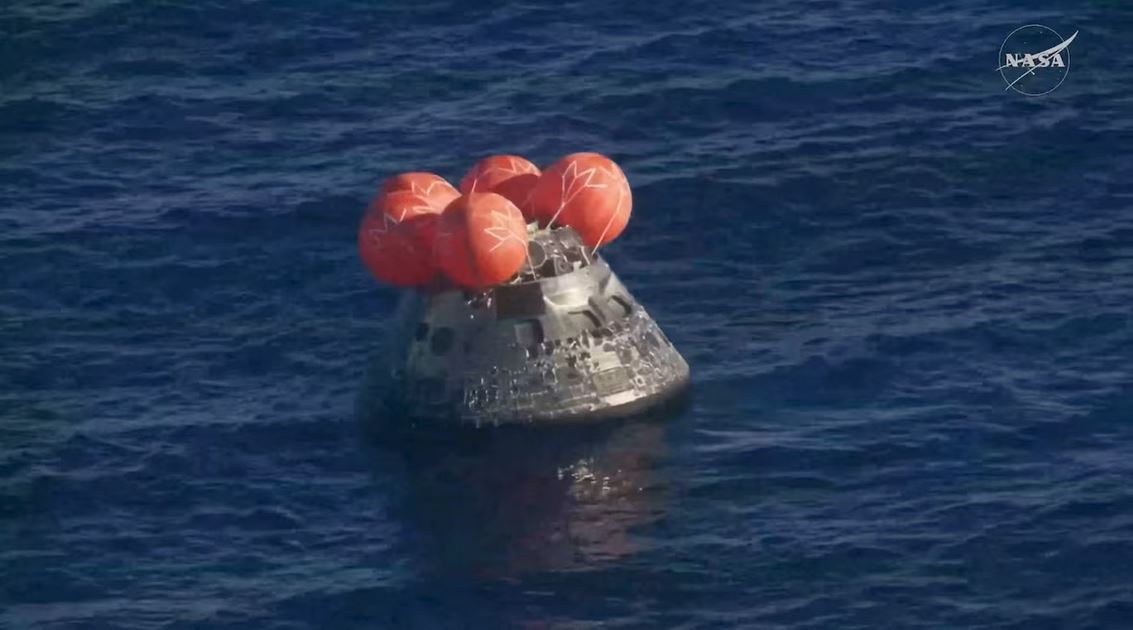
Humanity held its breath as the Orion capsule of the Artemis II program, bearing the nickname Integrity, tore through the atmosphere of the Earth like a flaming arrow, before ending up in the waters of the Pacific Ocean. After nearly ten days of absolute isolation in the vastness of space and a historic passage from the far side of the Moon, the four astronauts returned to our planet, sealing the first crewed flight in the neighborhood of our satellite after half a century. The capsule splashed down off the coast of Southern California shortly after five in the afternoon, local time, ending a mission that sent humans to a distance of 252,756 miles from the Earth, deeper into space than ever before in the past.
The critical moment of entry and the thriller of silence
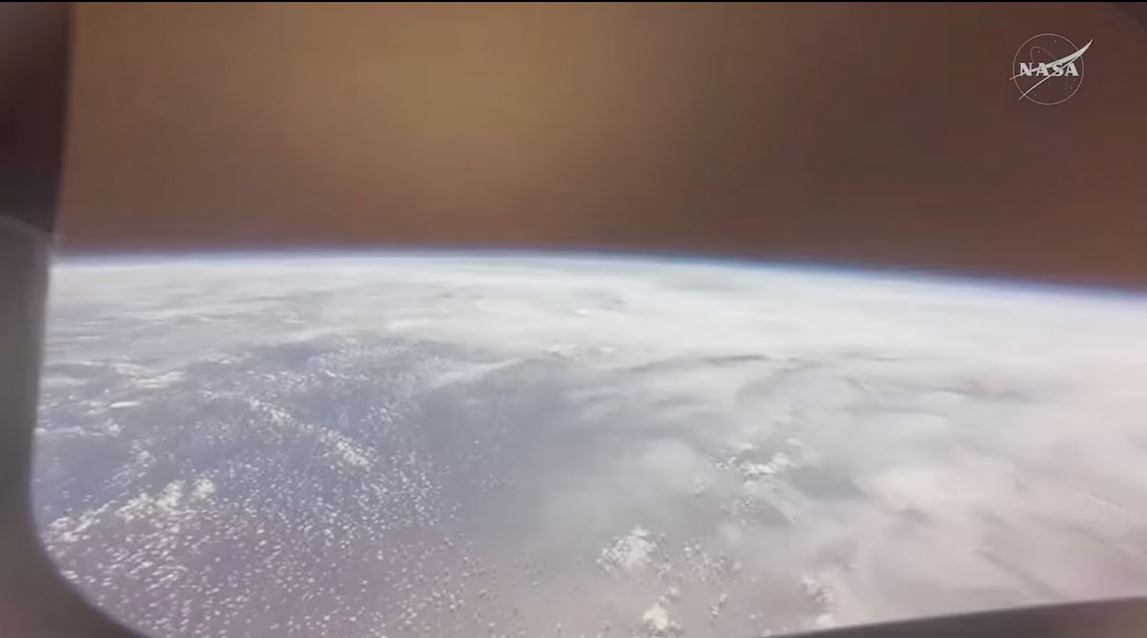
The return home was nothing less than a risky wager with the laws of physics, testing to their limits the endurance of the heat shield constructed by Lockheed Martin. The countdown for death or glory began just 25 minutes before contact with the atmosphere, when the technical support module detached from the capsule, leaving the four astronauts alone inside Integrity. With surgical precision, the spacecraft had to take the ideal angle so that the heat shield would receive the first wave of fire. A deviation of just a few degrees in the “corridor of fire” would have meant either the instant vaporization of the crew due to overheating, or the uncontrollable ricochet of the spacecraft back into the vacuum of space. The clock showed 17:08 local time when the sea of California received the heavy metal of NASA, ending a 13-minute descent that felt like a century. The spacecraft plunged into the atmosphere at a speed 32 times greater than that of sound, that is 40,000 kilometers per hour. Friction created a wall of plasma around the capsule, turning the outer shell into a fiery sphere with a temperature of 2,760 degrees Celsius. For six nightmarish minutes, this layer of ionized gas that enveloped the vehicle caused the expected but always terrifying blackout of all radio communications. The anxiety peaked when contact was delayed to be restored for an additional 40 seconds, before finally the voices of the astronauts were heard again through the noise of static, reassuring the control center in Houston.
Rescue in the waves and the condition of the astronauts
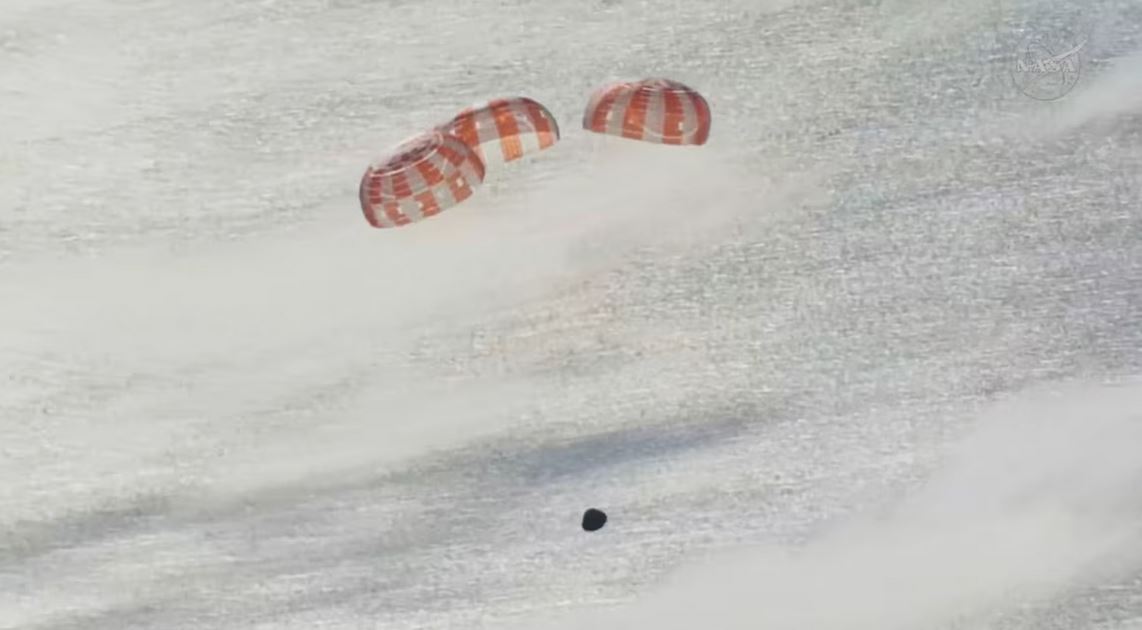
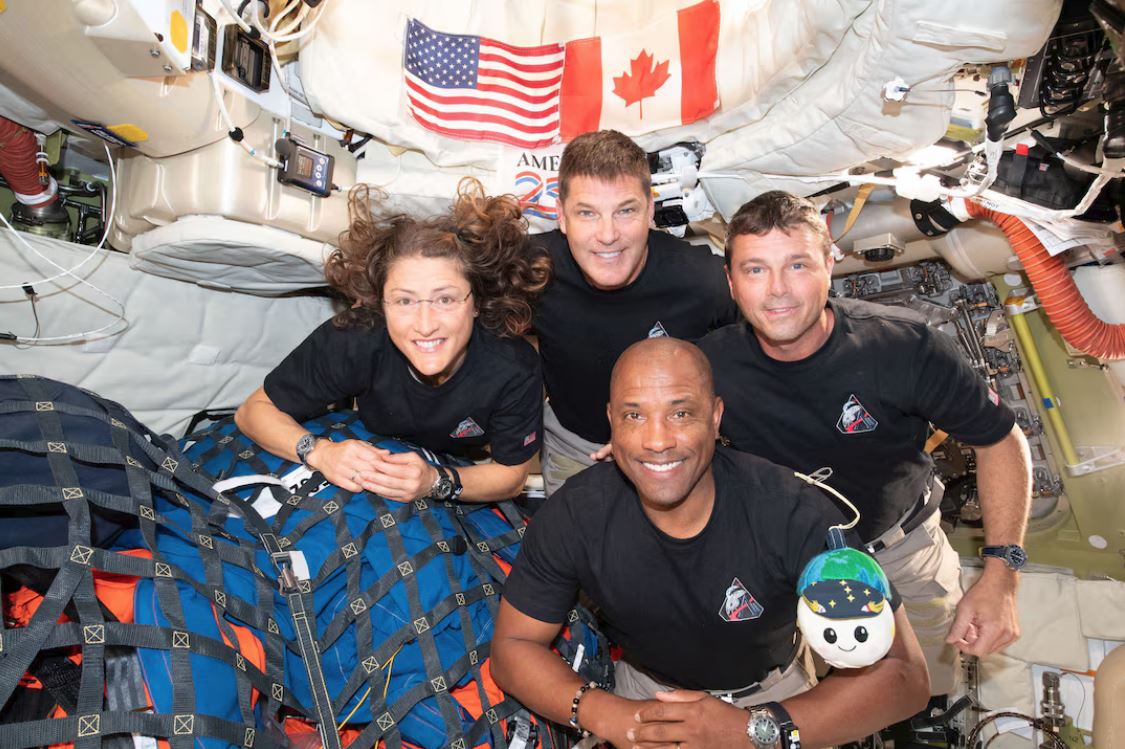
The deceleration was violent. Two braking parachutes, with a diameter of seven and a half meters, were deployed first, taming the momentum of the spacecraft from supersonic levels to 500 kilometers per hour. Immediately afterward, three giant canopies, each extending more than 35 meters, unfolded above the capsule, allowing a relatively safe impact on the water at 30 kilometers per hour. Upon contact with the wave, the automatic stabilization system immediately inflated the flotation devices, preventing Integrity from capsizing and ensuring its vertical position. The rescue operation by recovery teams of NASA and the United States Navy, namely, the USS John P. Murtha and the United States Coast Guard unfolded over approximately two hours. Helicopters hovered over the site as the astronauts exited the spacecraft one by one, transferring to inflatable rafts before being lifted into the air. Last, following strict naval protocol, the commander exited, sealing the success of the mission. Commander Reid Wiseman, 50 years old, Victor Glover, 49 years old, Christina Koch, 47 years old, and the Canadian Jeremy Hansen, 50 years old, exited the spacecraft visibly exhausted but healthy. Wearing their orange suits, they were transported by helicopters to the amphibious vessel John P. Murtha at the base of San Diego and from there to the Johnson Space Center in Houston, where they will undergo exhaustive examinations to determine the imprint that deep space has left on their bodies, while engineers will analyze every millimeter of the thermal protection for the next, even more dangerous step toward the Moon. This mission not only broke the distance record held by Apollo 13 since 1970, but also made history with Christina Koch becoming the first woman, Victor Glover the first Black astronaut and Jeremy Hansen the first non-American citizen to participate in a lunar mission.
Donald Trump: I am very proud
Donald Trump sent congratulations to the four astronauts of Artemis II, praising the “spectacular” journey, the orbit of the Moon, and their successful return to the Earth. In his post he noted the pride he feels as president of the United States for this mission and set a new goal, Mars. “Congratulations to the great and very talented crew of the Artemis II mission. The entire journey was spectacular, the splashdown was perfect and, as president of the United States, I could not be more proud!”, stated Donald Trump via Truth Social. “We will do it again and then, the next step will be American astronauts traveling to Mars!”, he emphasized.
The nightmare of cuts and the new cold war of space
Despite the triumph of technology and the validation of the powerful SLS rocket of Boeing and Northrop Grumman, the future of the Artemis program is overshadowed by political and economic turbulence Although President Donald Trump congratulated the crew through the platform Truth Social, his administration has already imposed drastic reductions in NASA’s staff by 20%, while the 2027 budget threatens to eliminate dozens of scientific missions. The pressure is suffocating, as Washington attempts to outpace Beijing in the race to create a permanent base on the Moon, which will serve as the springboard for the conquest of Mars, at a time when the internal front of the United States is shaken by social unrest and controversial military involvements.
The next step into the unknown
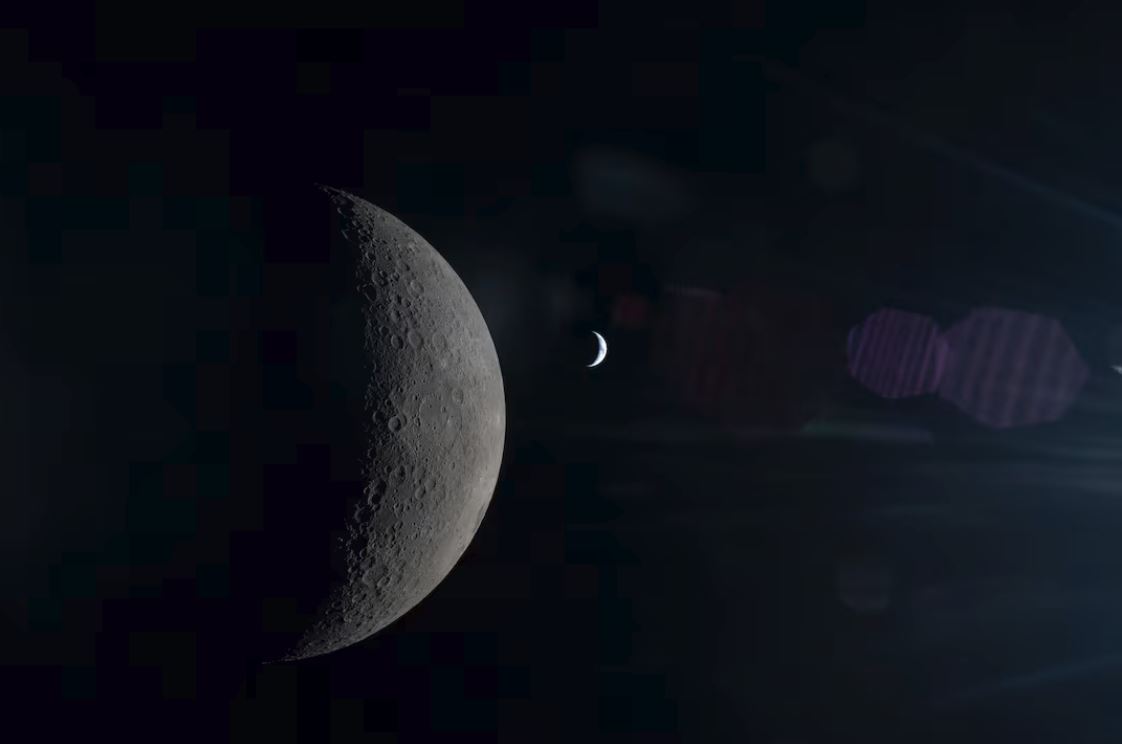
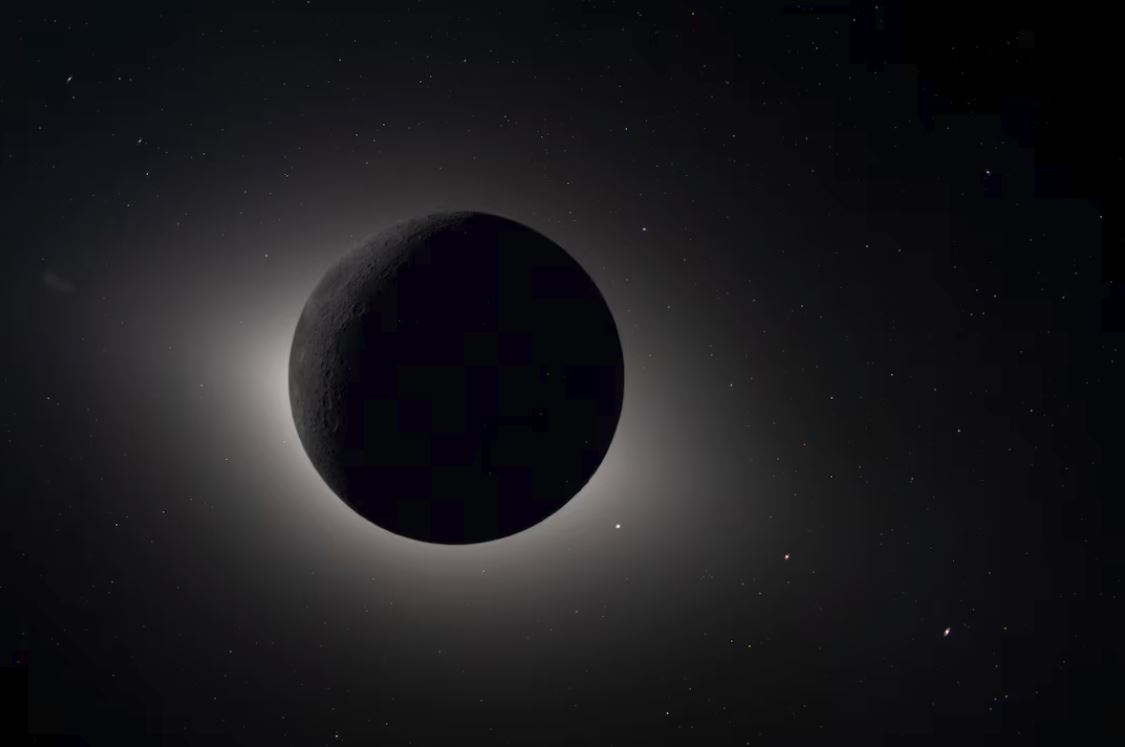
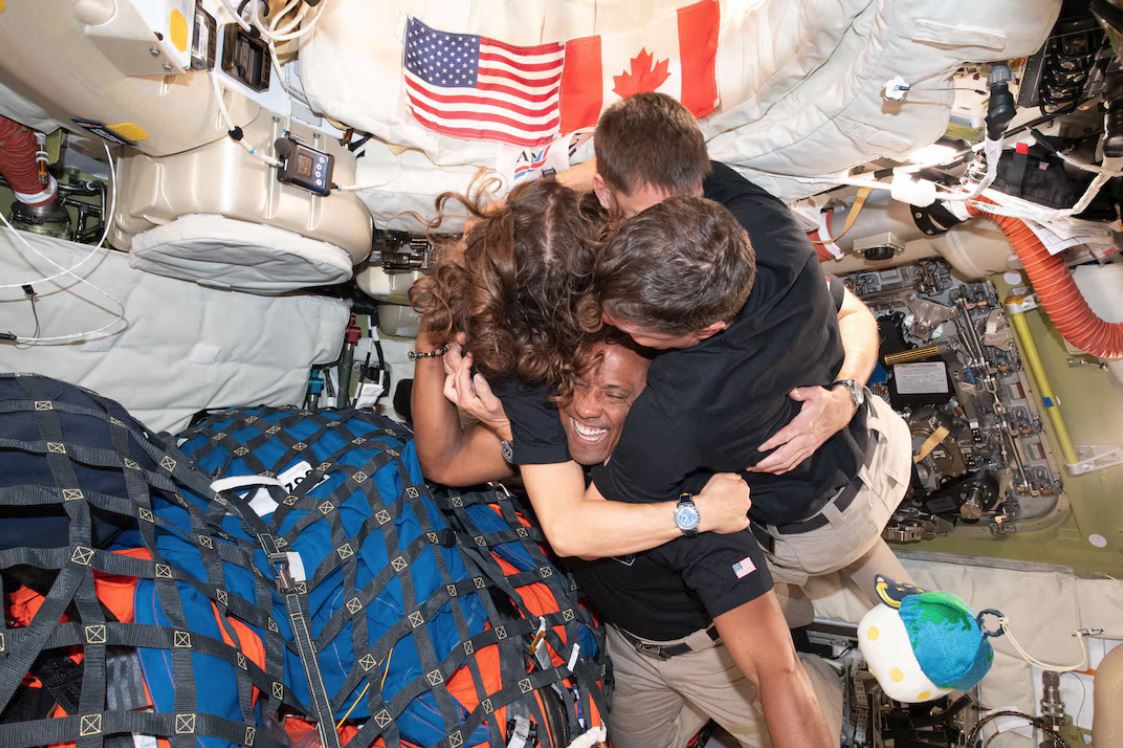
With the successful completion of Artemis II, attention now turns to Artemis III and subsequent missions that aim to land humans on the surface of the Moon, something that has not happened since the era of Apollo 17 in 1972. However, delays in the development of lunar landers by SpaceX of Elon Musk and Blue Origin of Jeff Bezos may shift the ambitious timetable. As the four astronauts prepare to reunite with their families, the words of Commander Reid Wiseman shortly before entry into the atmosphere echo as both a promise and a warning, looking at the moon from the window, he realized that it appeared smaller than the previous day, receiving the response from Jacki Mahaffey at the control center that soon they will have to return there.











Readers’ Comments