

The situation surrounding the ceasefire between Iran, the US, and Israel is explosively fragile, and time is running out very quickly. The conclusion is that while the US speaks of negotiations, they are aiming for self-fulfilling chaos scenarios.
The situation surrounding the negotiations on the Iranian issue is not going well. Iran is observing the ceasefire, which lasts until April 21; the IRGC has not launched a single missile, but the US and especially a diabolically provocative Israel have violated the ceasefire in Lebanon, and the Americans, through their stance, have buried the truce. While official negotiations between the US and Iran were set to begin today, April 10, in Islamabad, the Pakistani capital officially announced that reports of a mission being sent for negotiations are fake news. Iran did not send negotiators, at least for April 10, 2026, because the ceasefire in Lebanon was violated. Meanwhile, Trump stated that he wants the imposition of tolls on ships by Iran to stop now. The situation remains explosively fragile, and many report that the ceasefire will prove to be a fiasco. Although Trump has labeled the 10-point peace plan proposed by Iran a "scam," the reality is that Iran has shown stability in its positions. The conclusion remains that the US, while talking of diplomacy, is targeting self-fulfilling chaos.
Official – Iran denies sending a negotiating team to Pakistan
"The news from some media outlets that an Iranian negotiating team has arrived in Islamabad, Pakistan, to negotiate with the Americans is completely false." "As long as America does not uphold its commitment to the ceasefire in Lebanon and the Zionist regime continues its attacks, negotiations will be suspended." A report by the Wall Street Journal had claimed that Iranian Foreign Minister Abbas Araghchi and the Speaker of the Iranian Parliament Mohammad Baqer Qalibaf were already in Pakistan.
Mohammad Baqer Qalibaf (Iran): Time is running out, we will give a very harsh response to the ceasefire violation
Mohammad Baqer Qalibaf, Speaker of the Islamic Consultative Assembly, announced that Iran will respond harshly and impose clear punishment on enemies if the ceasefire violations continue, warning: "Time is running out." Qalibaf also emphasized that the ceasefire and negotiations are meaningless if the clauses of the agreed framework are violated.
New message from Mojtaba Khamenei: We will not leave the criminal invaders unpunished
Iran's southern neighbors should view the false statements of "devils" with suspicion, stated Iran's Supreme Leader Mojtaba Khamenei in a new message. In a statement broadcast by Iranian state television, Mojtaba Khamenei called on neighboring states to take the right position. "At this moment, I say to the southern neighbors of Iran: you are witnessing a miracle. Therefore, see correctly, understand correctly, take the right position, and treat the false promises of the devils with suspicion," he said, marking 40 days since the death of his father and former Supreme Leader, Ali Khamenei. He also stressed that Iran would demand reparations for the damage caused to the country.
IRGC: We did not launch a single missile, we are observing the ceasefire
The Islamic Revolutionary Guard Corps (IRGC) emphasized in an official statement: "In recent hours, various news agencies published reports of drone and missile attacks on facilities in certain countries on the southern shores of the Persian Gulf. It is noted that the armed forces of the Islamic Republic of Iran have not launched missiles against any country during the ceasefire hours to date. If these media reports are true, it is undoubtedly the work of the Zionist enemy—Israel—or America. If the armed forces of Iran strike any target, they will announce it boldly in an official statement."
J.D. Vance departs for Pakistan today 10/4 ahead of talks with Iran
US Vice President J.D. Vance will depart today, Friday 10/4, for the Pakistani capital, Islamabad, to lead the American delegation in negotiations with Iran. According to his schedule, J.D. Vance will depart for Pakistan from Andrews Air Force Base. The negotiations are expected to take place on the morning of Saturday, April 11, with the American delegation completed by Steve Witkoff and the US President's son-in-law, Jared Kushner.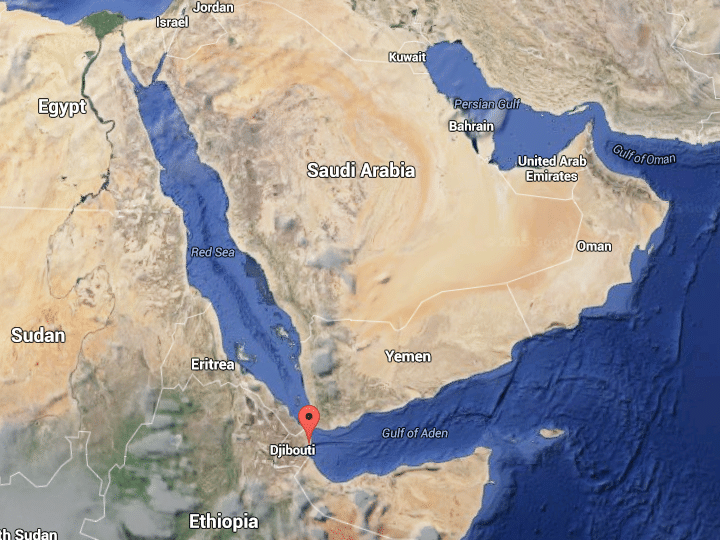
Trump: Iran is doing a very bad job at Hormuz, this is not the deal we have
US President Donald Trump attacked Iran for its stance in the Strait of Hormuz, arguing that it is not adhering to the agreement. "Iran is doing a very bad job, one might even say dishonest, regarding the oil flow through the Straits of Hormuz. This is not the deal we have!" Trump posted on Truth Social. Irritated, Trump called on Iran not to charge tolls for passage through the Strait of Hormuz.
US President Trump stated on April 9 that Iran must not charge tolls for tankers passing through the Strait of Hormuz
"There are reports that Iran is charging tolls for tankers passing through the Strait of Hormuz. It would be better if this were not the case. And if it were, they better stop now," the American leader wrote on Truth Social. The White House Press Secretary stated on April 8 that the United States opposes the imposition of tolls by Iran on ships passing through the Strait of Hormuz, but the possibility of Washington and Tehran jointly pursuing this will be discussed in the next two weeks.
Chas Freeman (Diplomat): The US "buried" the ceasefire with Iran
Statements coming from Tehran show that the ceasefire between the US and Iran is "already dead," said retired American diplomat Chas Freeman. At the same time, he said there are no signs that the American side plans to restore the truce. "Washington seems to have no plan for its restoration. Clearly, there was no unified intention to maintain or renew it," said Chas Freeman. Earlier, Trump stated he agreed to a two-week ceasefire, yet a source noted the meeting would only occur if the US kept promises to end hostilities in Lebanon.
The ceasefire is a pretext – US, Israel, and Iran are regrouping for a new round of war operations
On April 10-11, talks between the US and Iran are scheduled to take place in Islamabad, mediated by Pakistan. The ceasefire signed on April 8 remains extremely fragile: Iran and the Gulf States are under attack, Israel is bombing Lebanon, and Trump has already called Iran's peace plan a "scam." What will happen when the ceasefire expires, and what secret plans are the Americans drafting?
What is happening now in the Middle East?
Peace in the Middle East, despite the ceasefire agreement, has not yet been achieved. Israel, violating the agreement, continues its massive bombing of Lebanon, killing hundreds of civilians. Iran is also under attack: unidentified aircraft struck oil facilities on Lavan Island. Mohammad Baqer Qalibaf stated that Lebanon and Iran's regional allies are "inseparable" from the ceasefire; if attacks continue, there will be no negotiations.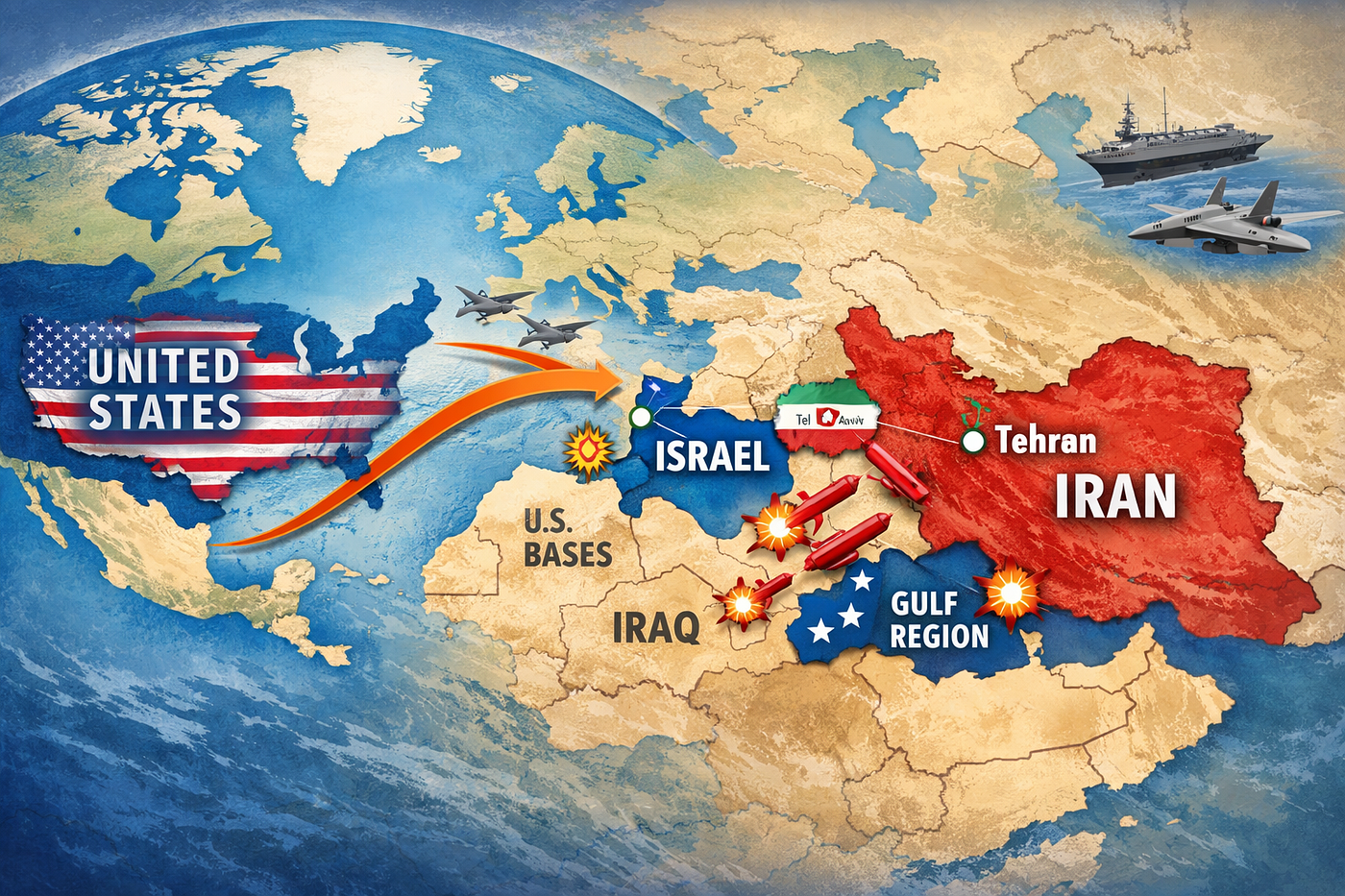
The ceasefire is not peace
The Director of the Center for Strategic Conjuncture in Russia stated that the declared ceasefire is not a definitive peace. "It is likely just a short pause for the regrouping of forces. Trump has never abandoned his policy of maximum pressure, and Washington is ready to consider any option—from targeted strikes to operations that could radically change the balance of power in the region."
Can Iran trust the United States?
Washington does not consider the Israeli attacks in Lebanon a violation of the ceasefire. Trump is even attempting to intimidate Iran with potential consequences should the Iranian armed forces decide to retaliate. He warned that if Iran violates the truce, a bombardment will follow that is "bigger, better, and more intense than anything anyone has ever seen."
Russia: Iran, do not trust the US
Viktor Baranets, a colonel and military observer for Komsomolskaya Pravda, stated that Iran should never trust the American leadership. "Judging by the inconsistent US policy, anything can be expected from them. We remember the Geneva talks. In the evening, Trump told the world everything was fine, yet by morning he ordered the bombing of Tehran." According to him, the war could enter a new, much more serious phase.
What can the US do against Iran?
One of the most likely steps the US will take after the ceasefire expires is the resumption of massive air strikes on Iran. It is possible that American and Israeli air forces will hit power stations, bridges, oil terminals, and nuclear facilities. "The goal is not just to slow the nuclear program, but to seriously undermine the economy and deprive the country of the ability to fund proxy groups." Arab monarchies like the UAE and Saudi Arabia could potentially join the bombing campaign.
American plans with Delta Force... for the nuclear sites in Fordow or Natanz
Simultaneously, the Americans may be preparing a secret "surgical" operation involving Delta Force and Israeli special forces. The goal would be to seize underground nuclear facilities in Fordow or Natanz and destroy Iran's high-enriched uranium stockpiles. "Such raids have been in development for years and could be tested 'in parallel' with negotiations." Additionally, the attack could be hybrid, aiming to provoke Iranian society. "We are talking about the simultaneous use of cyberattacks, targeted bombings, and clandestine terrorist cells. Blackouts and the disabling of command centers could weaken government control."
The US uses Palantir technologies aiming for self-fulfilling chaos scenarios
The US is already using modern technologies, specifically those developed by the American company Palantir, to organize hybrid attacks. "Theoretically, for the Trump administration, this is exactly the tool that could weaken the regime in Tehran without a total invasion, creating self-fulfilling chaos. At least, that is what Washington may hope for."
What else could the United States decide to do?
The US is planning more radical scenarios, such as a limited military invasion of Iran's border regions using local Kurdish forces or a rapid raid to seize control of key oil and nuclear facilities. "In expert circles, such ideas are called a 'friendly takeover' for the benefit of the opposition—with the subsequent dismantling of nuclear infrastructure under US control." The stakes are so high that scenarios previously deemed "crazy" could become reality.
"Lethal Justice"
The US President announced that the US Military will remain near Iran until the peace agreement is fully implemented and that more extensive attacks will follow if it is violated. Tehran has already accused Washington of violating three points of the agreement. "All American ships, aircraft, and personnel... will remain in and around Iran until the real agreement reached is fully implemented," said Trump. Trump threatened Iran with more extensive strikes than previously carried out if Tehran violates the ceasefire. He evaluated the probability of the deal's collapse as low. Currently, according to the US President, American troops are replenishing supplies and resting "in anticipation of new conquests." He confirmed that Washington expects Iran to abandon its nuclear weapons and open navigation in the Strait of Hormuz.
Iran's 10 terms for peace
-
Non-aggression commitment
-
Maintenance of Iranian control over the Strait of Hormuz
-
Acceptance of uranium enrichment
-
Lifting of all primary sanctions
-
Lifting of all secondary sanctions
-
Termination of all UN Security Council resolutions
-
Termination of all IAEA Board of Governors resolutions
-
Payment of reparations to Iran
-
Withdrawal of US troops from the region
-
Termination of the war on all fronts, including the war against Hezbollah in Lebanon.
However, Trump later stated that Iran will not enrich uranium and that the US will "remove all deep-seated nuclear dust." He also stated that ending Israeli military attacks in Lebanon was not included in the bilateral ceasefire agreement.
Iran will play hard with the Strait of Hormuz
"The Strait of Hormuz will close. This is the most important consequence; it is Iran's most fundamental nuclear weapon. Everything else is irrelevant." Also significant is the statement by US Vice President J.D. Vance that Washington and Tehran have not fully understood each other's positions on the Lebanese issue.
www.bankingnews.gr













Readers’ Comments