

The US has asked Netanyahu to "moderate" attacks on Lebanon and pave the way for negotiations – Solemn message from Khamenei: The people of Iran have defeated the forces of arrogance and oppression; resistance until the end.
Developments are rapid on the Lebanese front and simultaneously regarding the US – Iran negotiations. On Thursday (April 9, 2026), Israeli Prime Minister Benjamin Netanyahu announced that he had instructed his cabinet to immediately begin direct negotiations with Lebanon. However, an Israeli official told Axios that "there will be no ceasefire in Lebanon." This announcement follows telephone communications with US President Donald Trump and White House envoy Steve Witkoff. According to senior US officials, Witkoff asked Netanyahu to "moderate" attacks on Lebanon and pave the way for negotiations. Meanwhile, Supreme Leader Mojtaba Khamenei declared an Iranian victory in the war against the "forces of arrogance and oppression" (US - Israel) in a message on April 9, 2026.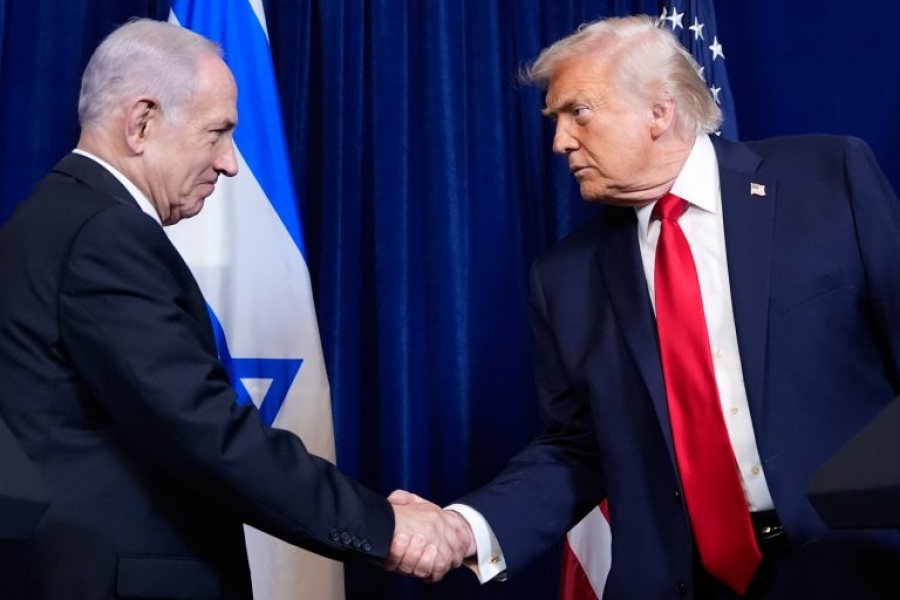
Solemn message from Khamenei: The people of Iran defeated the forces of arrogance and oppression – New phase in Hormuz management
A solemn message was issued by Iran's Supreme Leader Seyyed Mojtaba Hosseini Khamenei on the occasion of the 40th day since the death of his predecessor and father, Ali Khamenei. In his message, he recalled the decisive importance of the popular presence in the streets, squares, and mosques as a pillar of the country's strength. The message recalls not only the sacrifice of the leader but also the participation of every citizen in the defense of truth, justice, and national independence. Forty days after the martyrdom of the great leader, his high spiritual presence is considered to connect the people with the values of faith, resistance, and sacrifice. As noted, the participation of his fellow citizens—from infants to the elderly—in defending the country and faith is the embodiment of a "third sacred struggle" that transforms the conflict into a platform of heroism and spiritual endurance.
"Everyone should know that we will not abandon the criminal aggressors who attacked our country. We will certainly demand compensation for every injury and the blood of the martyrs and the ransom of the veterans of this war, and we will certainly bring the management of the Strait of Hormuz to a new stage. We do not have and do not want war, but we do not resign from our rights in any way, and from this point of view, we take into account the entire resistance front in our total resistance," he noted.
"Decisive victory over the enemy"
The leader of Iran reminds that the forces of arrogance (US, Israel) have revealed the "ugly face of murder, oppression, and corruption," while the citizens of Iran, with their courage and faith, have turned difficult moments into a source of national pride. Hosseini Khamenei emphasizes that the people's participation in squares and neighborhoods must not stop, even during periods of negotiations or the cessation of military operations. The popular presence constitutes an "important pillar" for strengthening Iran's position as a powerful country and for achieving the strategic goals set by the martyred leader. The unity between different strata of society, participation in collective efforts, and the defense of the nation's rights are considered decisive for maintaining national strength and spiritual resilience against external aggressors. The message concludes by reminding that the Islamic Republic of Iran does not seek war but will never abandon the rights and pride of the country.
"Now, with all our hearts, we are attached to the decisive victory over the enemy, both in the arena of negotiations and on the battlefield, and we hope that both we and our enemies will see its miraculous result as soon as possible," emphasized the Supreme Leader of Iran.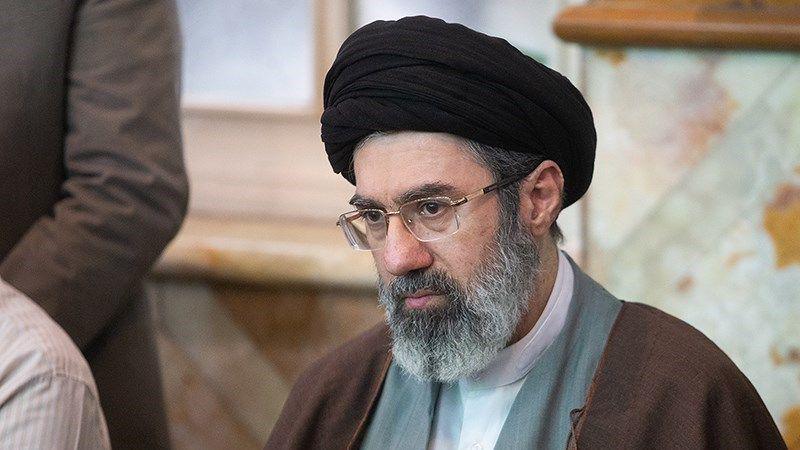
The dispute over the ceasefire framework – Over 300 dead in Lebanon
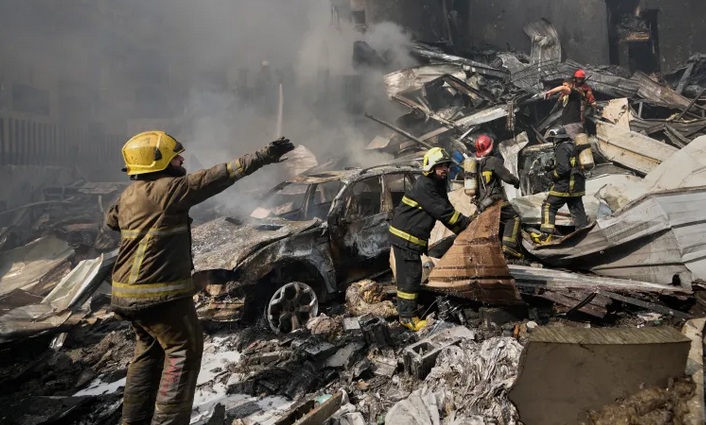
The Iranian side maintains that Lebanon was part of the ceasefire agreement and that the actions of the US and Israel constitute a violation, resulting in the potential abandonment of peace talks or even maintaining the closure of the Strait of Hormuz. Israel and the US, on the other hand, deny that the ceasefire included the Israeli offensive against Hezbollah in Lebanon. Israel massively escalated attacks within the first 24 hours after the ceasefire agreement. The number of victims from Wednesday's (April 8, 2026) attacks exceeded 303 dead, according to the Lebanese Ministry of Health, which warns that the toll is expected to rise further. The continuous escalation of attacks has caused a wave of fear and panic, leaving thousands of families without shelter and safety. The psychological impacts are immense: children, the elderly, and displaced citizens face severe mental disorders, from anxiety and insomnia to depression and post-traumatic stress. Lebanese society is undergoing a traumatic experience that will leave indelible marks for years.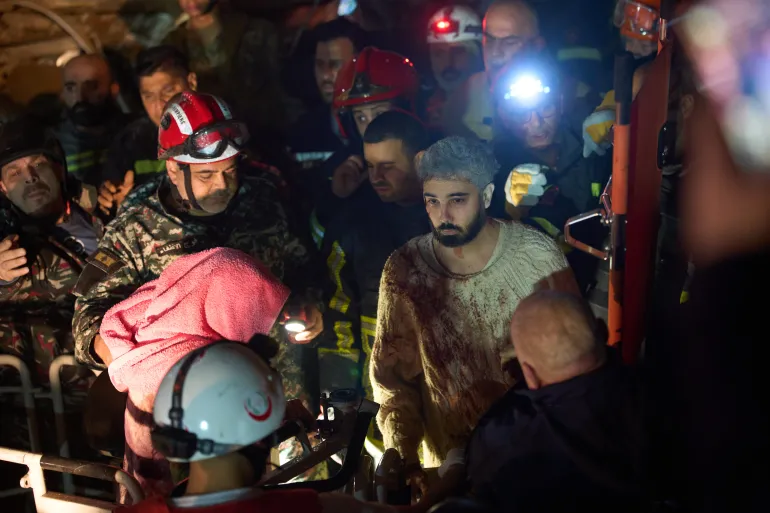
France's effort and political priorities
The Lebanese government, with the support of France, has been proposing direct peace talks with Israel for weeks. This initiative aims at:
-
The de-escalation of the conflict in Lebanon
-
Avoiding prolonged Israeli occupation in southern Lebanon
-
Strengthening international pressure for the disarmament of Hezbollah
-
The prospect of a historic peace agreement
France drafted a proposal that required the Lebanese government to recognize Israel—an unprecedented step in the region's history. However, the Israelis rejected the proposal and refused negotiations, preferring the escalation of the war against Hezbollah. Only after pressure from the White House, which is concerned that the crisis in Lebanon will jeopardize the ceasefire with Iran, did Netanyahu change his stance.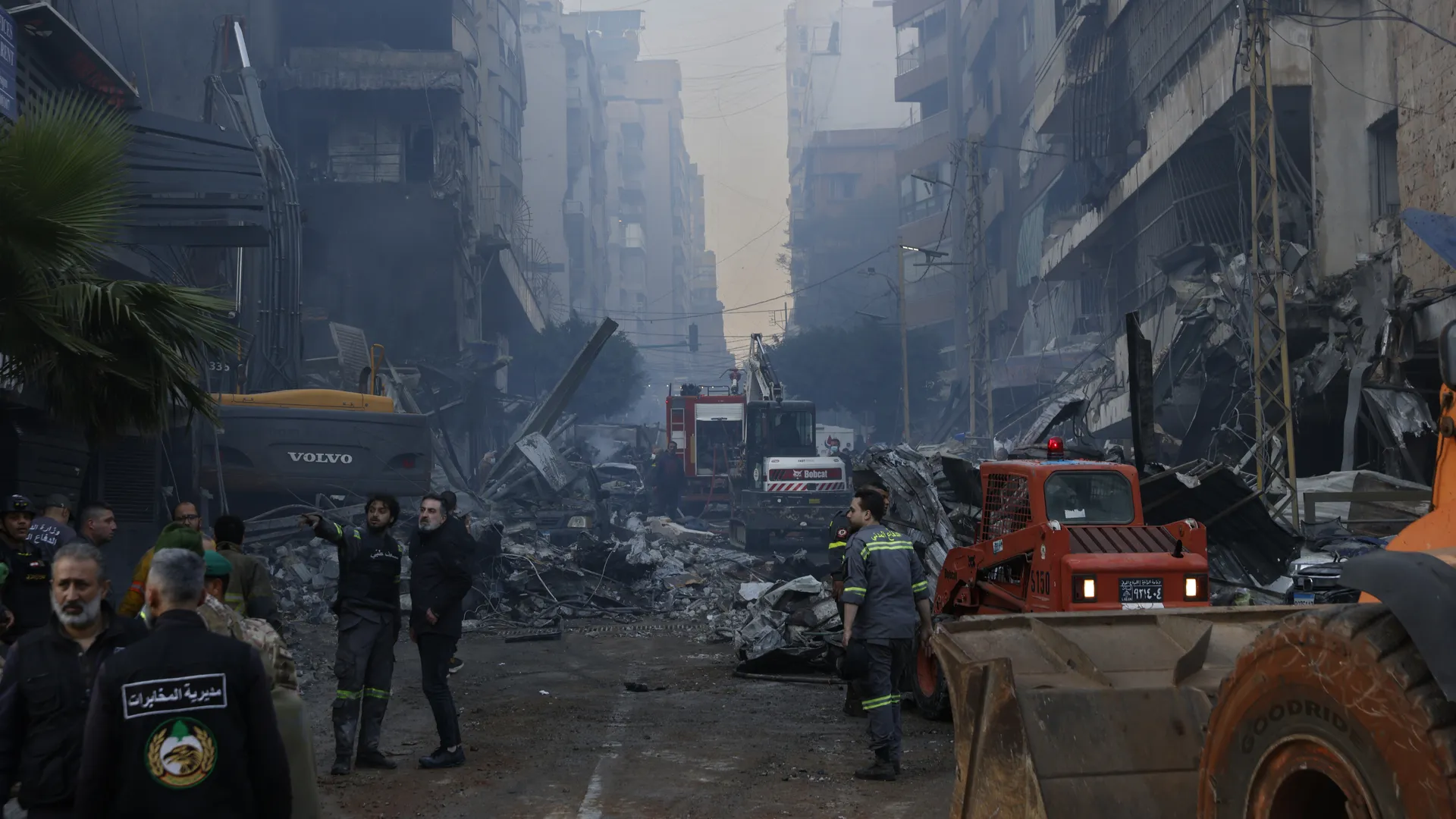
What follows: Negotiations but without a ceasefire
According to Netanyahu, the negotiations will focus on the disarmament of Hezbollah and the establishment of peaceful relations between Israel and Lebanon. Meanwhile, an Israeli official underlined that "there is no ceasefire," but talks with the Lebanese government will begin within the next few days. The first meetings will take place at the State Department in Washington:
-
On the US side, the Ambassador to Lebanon, Michel Issa
-
On the Israel side, the Ambassador to Washington, Yechiel Leiter
-
On the Lebanon side, the Ambassador to Washington, Nada Hamadeh-Moawad
A matter of political survival for Netanyahu
This step by Israel shows a complex strategy: the country maintains pressure and military power but simultaneously recognizes the need for political management of the crisis. The balance between military actions and diplomatic initiatives determines not only the future of Lebanon and the region but also the political position of Netanyahu, who is called to balance between security and political survival. Next week is expected to be critical, as the first direct negotiations can lay the foundations for a historic change or condemn the region to new waves of conflict. At the same time, in a world where people from every corner—from South America to Australia—watch the war until the end, a painful truth emerges: the continuation of the conflict does not stem from the will of the peoples, but from the will of one man who places his personal interests above all. When a new campaign against Iran broke out, and even the United States participated, it seemed that the stated goals would be achieved quickly. But after using all military power, neither the US nor Israel achieved a victory that could be described as a real victory. This impasse reveals something clear: for the Israelis, there is no longer a justification for continuing the war, except for the maintenance of a political status.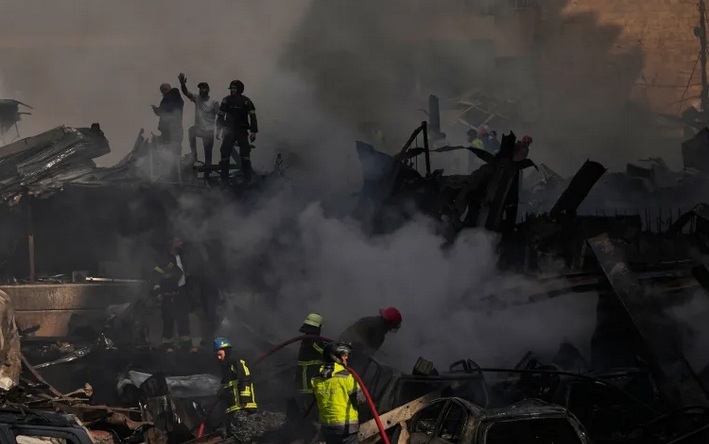
The war as Netanyahu's personal political project
For many Israeli citizens, the end of the war could be the beginning of a period of calm. For Benjamin Netanyahu, however, this end may also mean the end of his political career. Thus, the war was transformed from a security issue into a personal political project. A project that, even within his closest circles—army and intelligence services—causes serious objections.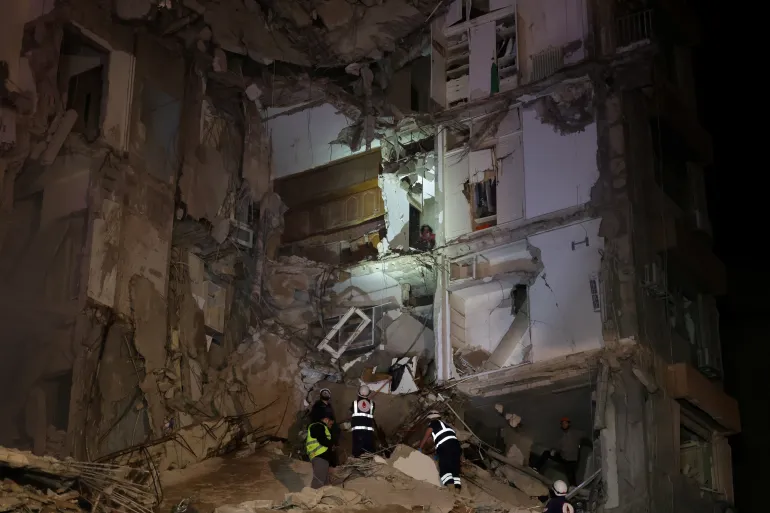
Israeli citizens held hostage
The critical question emerging now is: Can an entire society remain hostage to personal interests? Or can it choose another path—a path of awareness and resistance? As a part of the American public has already understood, perhaps the time has come for Israeli society to see the truth and make a different decision: Israeli society has the power to escape the chains of personal plans and claim its future.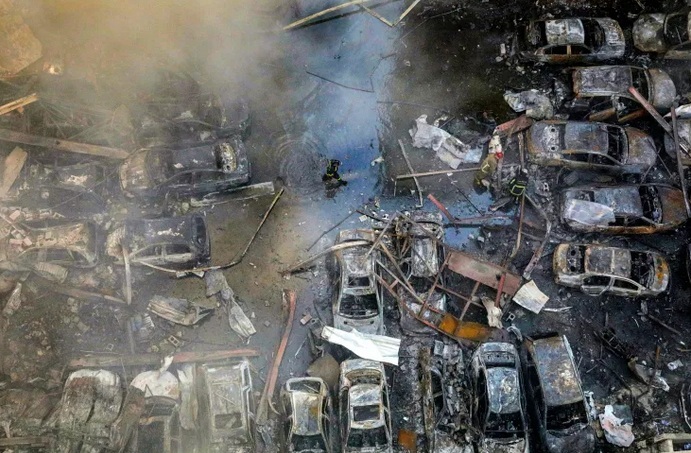
Sánchez: Netanyahu must be arrested immediately – He is a war criminal
Pedro Sánchez called for the immediate arrest of Israeli Prime Minister Benjamin Netanyahu, strongly condemning Israel's military actions in Lebanon. "Netanyahu launched the worst possible unjustified attack against Lebanon. His contempt for human life and international law is unacceptable. He is a criminal and must be arrested immediately," the Spanish Prime Minister emphasized. He also added that the EU may soon proceed with the suspension of the Association Agreement with Israel, an agreement that regulates political and economic relations between the EU and Israel.
Strong message from Iran to the US
A strong message to the United States and Israel is sent by a source with knowledge of developments in Tehran, warning that Washington cannot remain immune from the consequences of Israeli military policy in the region. Iran remains fully prepared for every possible scenario while closely monitoring the course of developments after the ceasefire, the same source told Tasnim. According to the source, Tehran has proven over time that it adheres to its international commitments and agreements. However, as emphasized, the Iranian leadership is carefully examining every possible development in the geopolitical environment and is ready to adjust its stance depending on how international balances and relations in the region are shaped.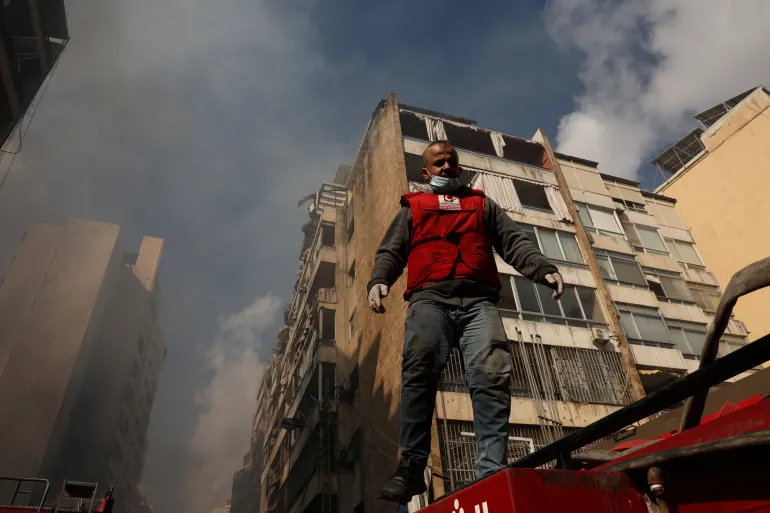
The scenario of an agreement
The same source stated that one of the key scenarios on the table is the continuation of the ceasefire and the achievement of an agreement that will be considered acceptable by both Iran and the forces that support it in the region. In this case, the US will have to honor their commitments regarding the cessation of fire and proceed to a diplomatic solution within a reasonable period. Such a development could create conditions of relative stability in the Middle East and reduce the risk of further military escalation. However, as the source pointed out, achieving this agreement is not the only possible scenario.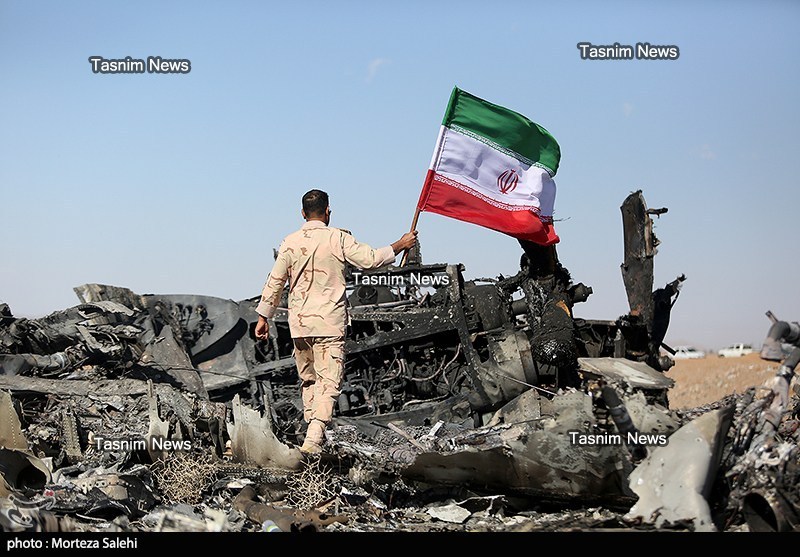
The possibility of obstructing negotiations
According to the same analysis, there is a possibility that the United States may attempt to delay or obstruct the negotiation process, preventing the achievement of an agreement that fully recognizes the rights of Iran and its allies. Meanwhile, Washington could—according to the source—seek to avoid direct involvement in a new war, leaving Israel to remain on the front line of a conflict with Iran and forces associated with it, whether in Lebanon or elsewhere in the region. Such a scenario could lead to prolonged regional tension, where the conflict is kept active without a clear political solution.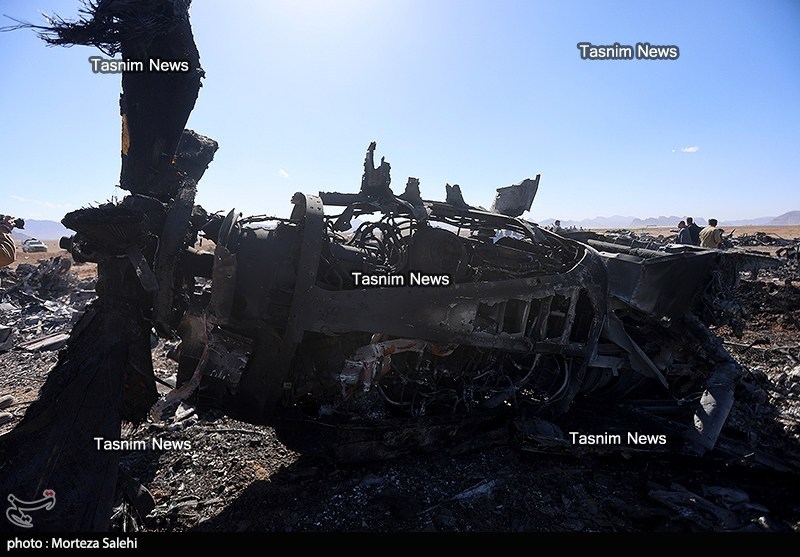
"The US will not be safe"
The source emphasized that in the event the ceasefire collapses or there is no agreement considered satisfactory by Tehran and the forces supporting it, the consequences will be broader than a simple military incident. As specifically stated, the United States cannot assume they will remain unaffected by developments. If the temporary ceasefire expires without result or is violated by the other side, then—according to the warning—American interests across the entire Middle East could once again be targeted. This statement highlights that the conflict is not limited only to a bilateral front between Iran and Israel, but is linked to a broader web of geopolitical alliances and confrontations.
www.bankingnews.gr











Readers’ Comments